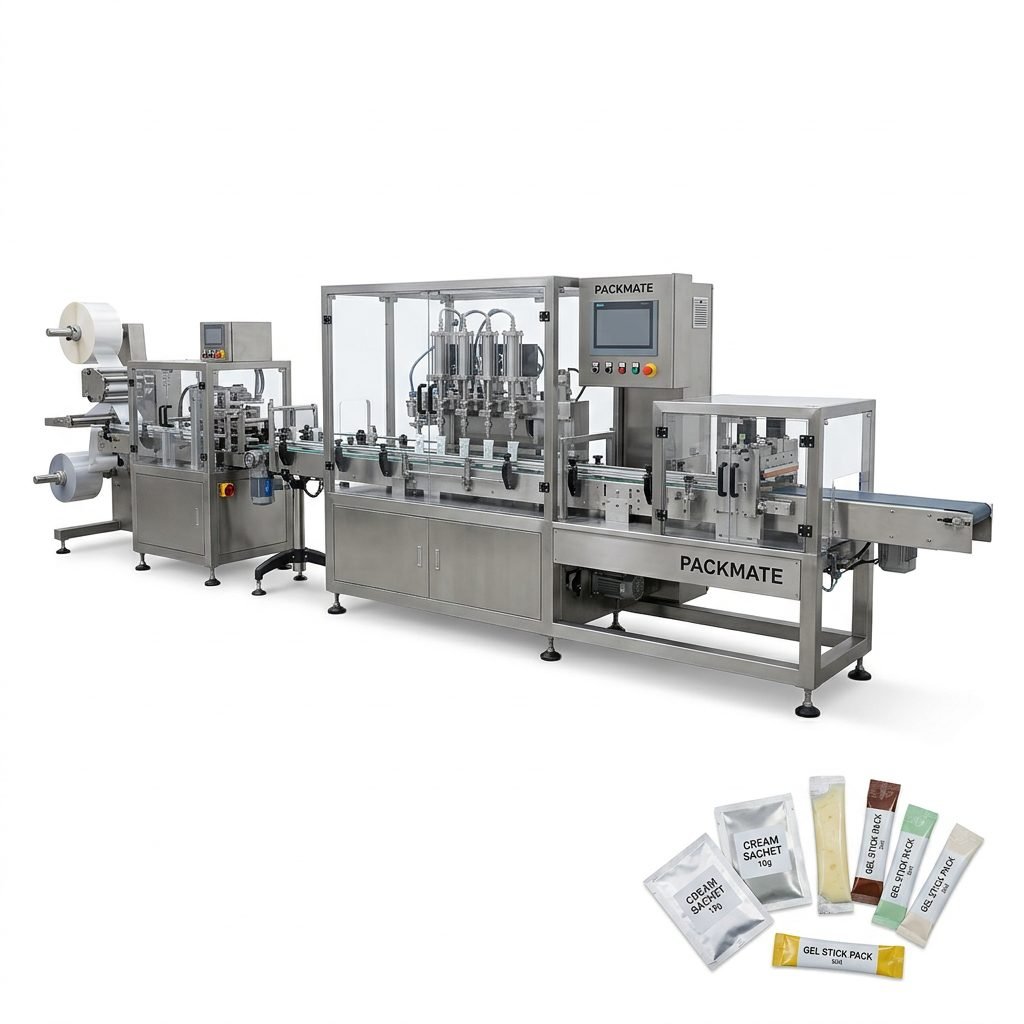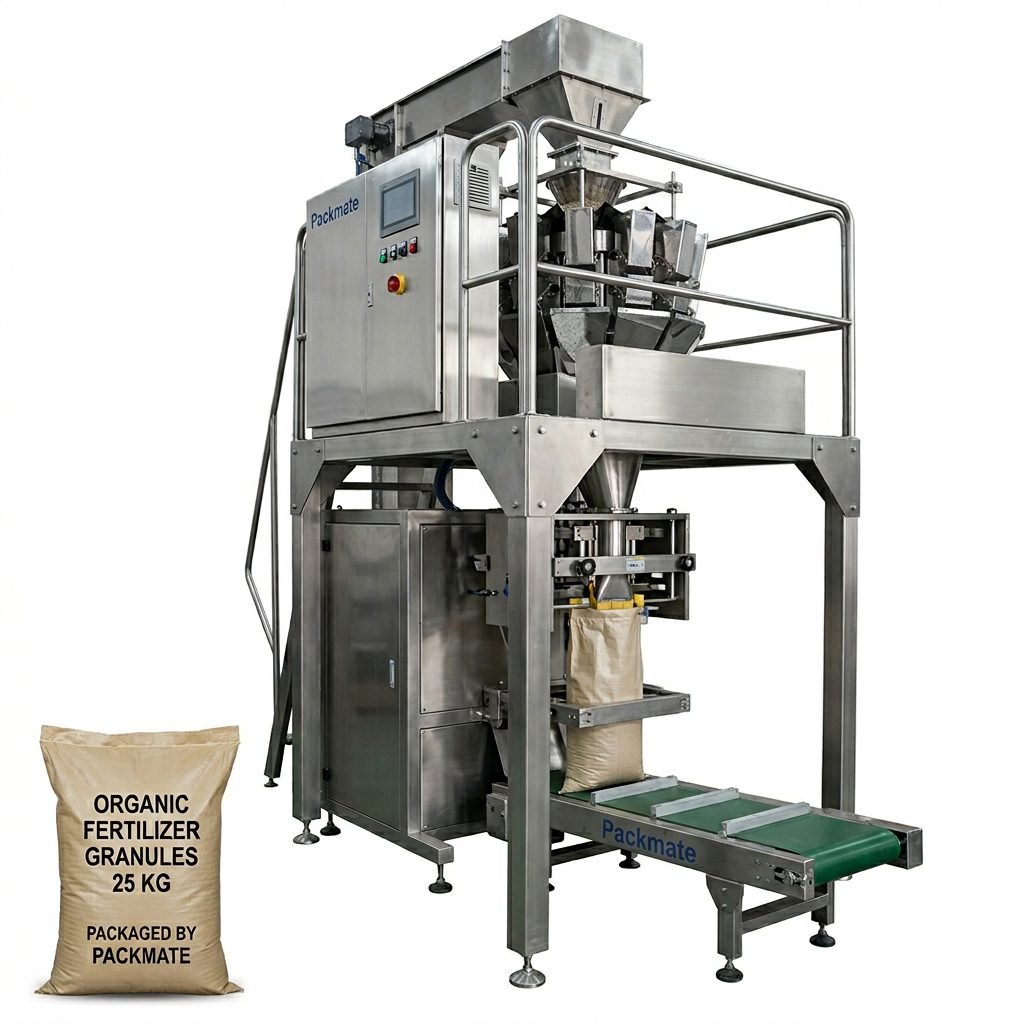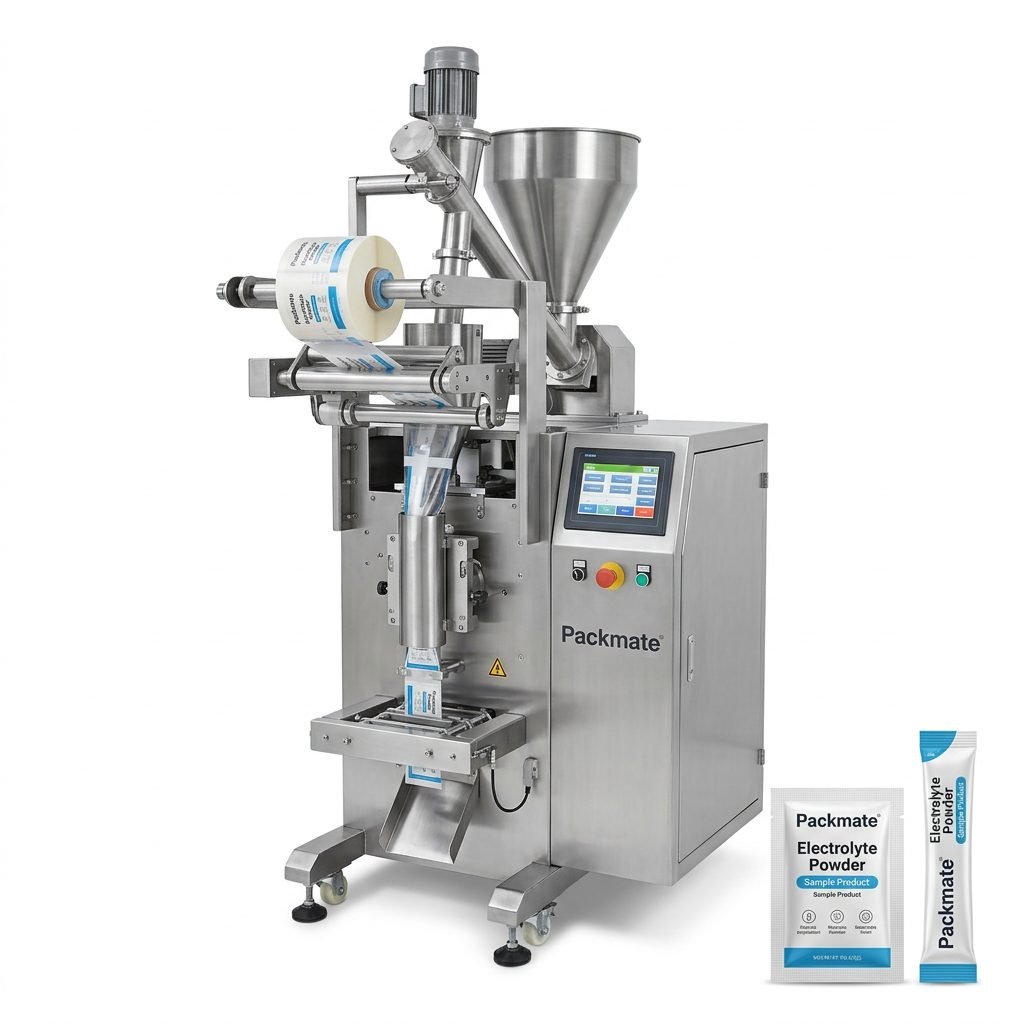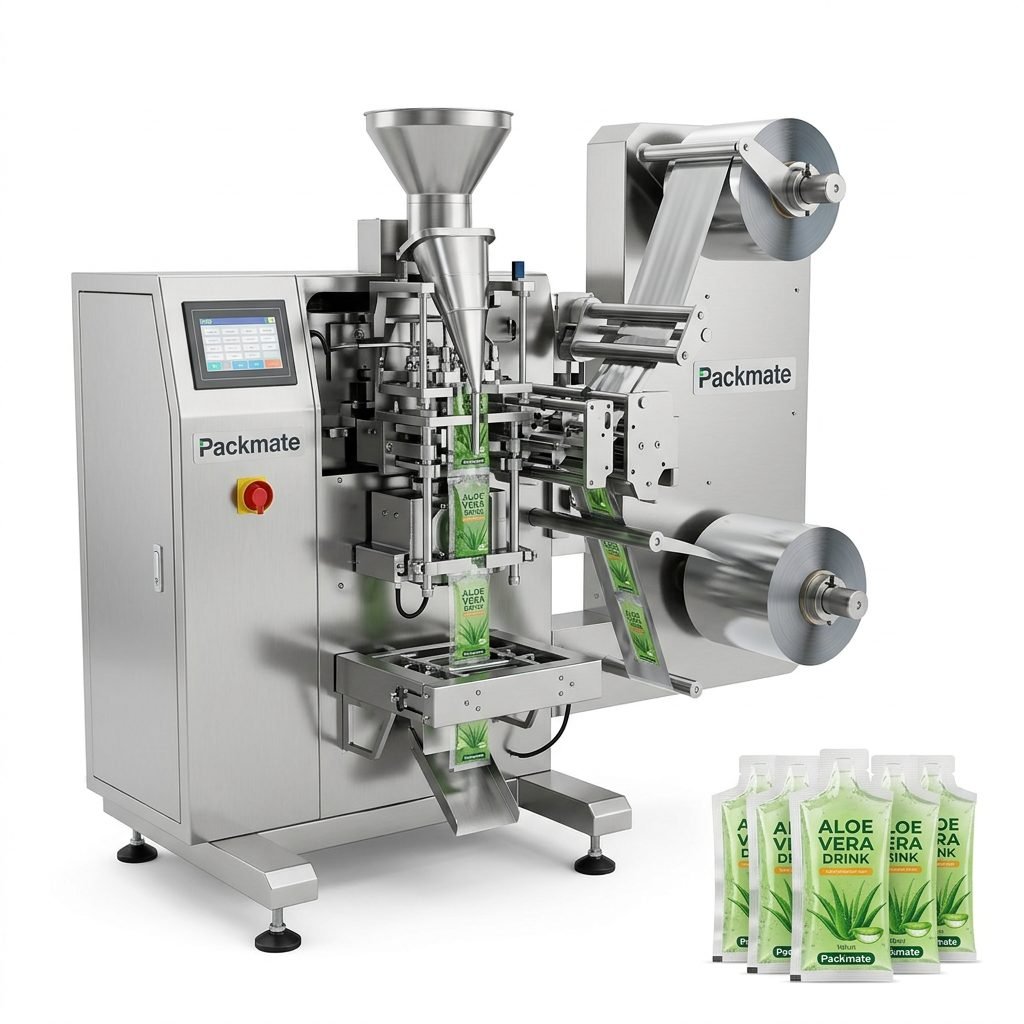
In today’s fast-paced global manufacturing landscape, efficiency, hygiene, and precision are non-negotiable. For industries handling liquids—from savory sauces and dairy products to life-saving pharmaceuticals and specialized chemicals—the packaging process is a critical link in the supply chain. A robust, automated liquid filling line is no longer a luxury but a fundamental requirement for competitiveness and compliance. This article delves into the world of complete automatic liquid packaging systems, exploring their components, benefits, and the pivotal role they play across the food, pharmaceutical, and chemical sectors.
The Anatomy of a Modern Liquid Filling Line
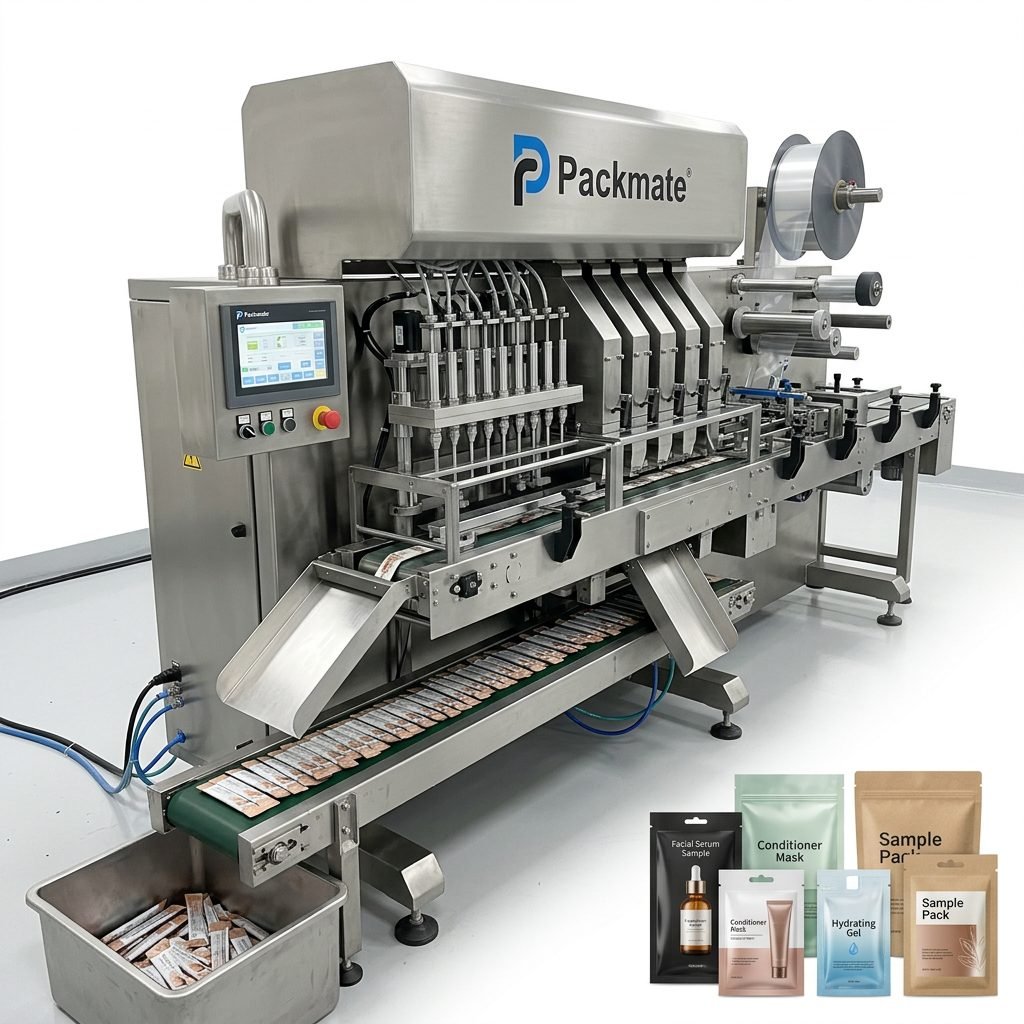
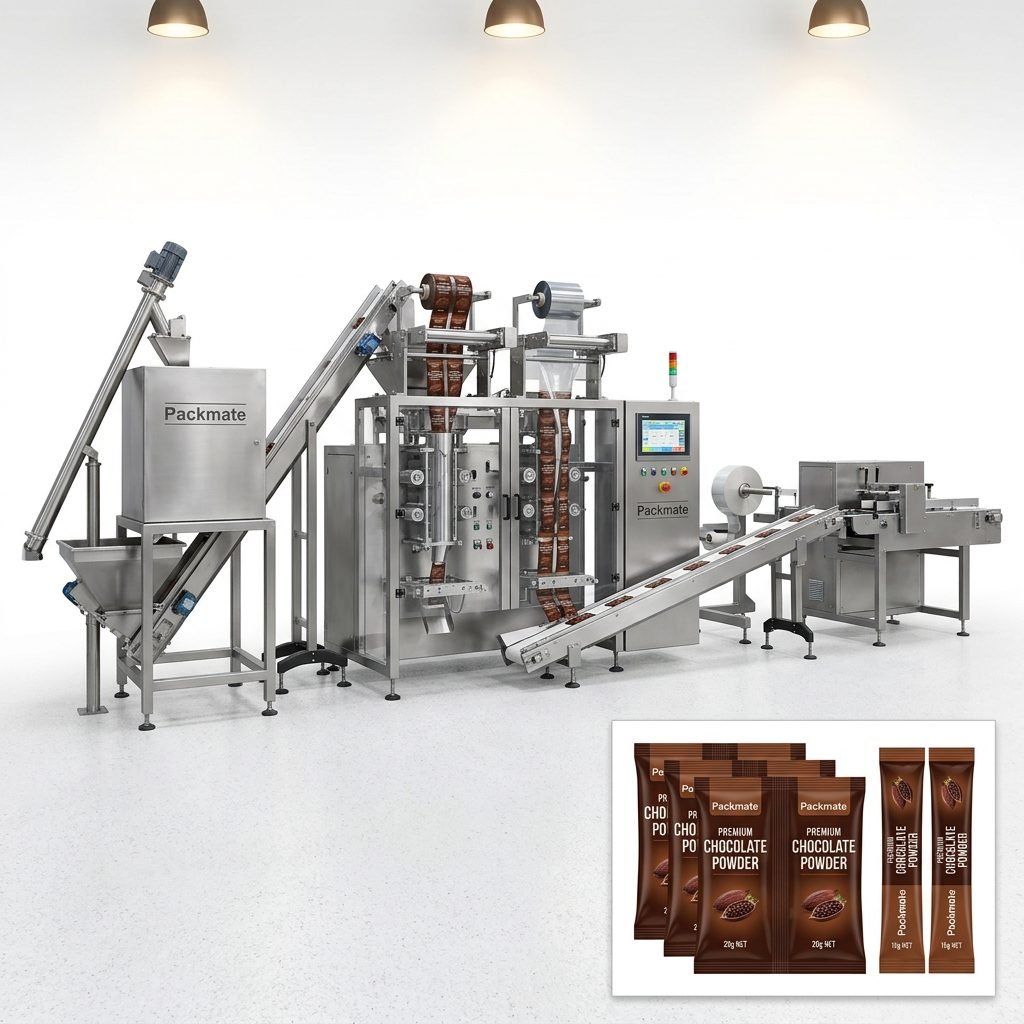
A complete system is far more than just a filler. It is a synchronized orchestra of machines, each performing a specific task to transform bulk liquid into a packaged, market-ready product. The core sequence typically involves:
1. Container Handling & Cleaning
Empty bottles, jars, or pouches are fed into the line via an unscrambler or conveyor. An air-cleaning station often follows to remove any dust or particulates, ensuring a pristine interior before filling.
2. The Precision Filling Station
This is the heart of the line. Technology selection depends on the liquid’s viscosity and foaming characteristics. Volumetric piston fillers are ideal for viscous products like pastes and oils, while gravity/overflow fillers provide a consistent fill level for clear, free-flowing liquids. For ultra-hygienic applications, such as in pharmaceuticals, peristaltic pump fillers ensure the liquid only contacts sterile tubing.
3. Capping & Sealing
Immediately after filling, containers move to capping (for screw caps, snap caps) or sealing (for pouches, sachets). Torque control is crucial here to guarantee a perfect, leak-proof seal without damaging the container.
4. Labeling & Coding
Product identification is applied via labelers or inkjet coders. This step adds batch numbers, expiry dates, and branding—essential for traceability and consumer information.
5. Final Inspection & Packaging
Checkweighers ensure each container meets the specified weight, rejecting any under or over-filled units. Finally, products are collated into trays, cartons, or shrink-wrapped bundles for palletizing and shipment.
Sector-Specific Applications & Requirements
The “one-size-fits-all” approach fails in liquid packaging. Each industry imposes unique demands that shape the system’s design and construction.
Food & Beverage Industry
Here, speed and versatility are king. Lines must handle a diverse range of products—from thin juices and water to thick ketchup and mayonnaise—often on the same line with quick changeovers. Hygiene is paramount, requiring easy-clean surfaces and designs that prevent bacterial harborage. Systems for aseptic filling take this further, sterilizing both the product and container to achieve shelf-stability without refrigeration. For businesses looking to scale, exploring our comprehensive packaging solutions is an essential first step.
Pharmaceutical & Cosmetic Industry
Precision and contamination control are the absolute priorities. Fill accuracy is measured in microliters for injectables and eye drops. The entire system must be built with pharmaceutical-grade stainless steel, capable of CIP (Clean-in-Place) and SIP (Sterilize-in-Place) procedures. The environment is often a controlled cleanroom. Integrity of the seal is critical to maintain sterility throughout the product’s lifespan.
Chemical & Industrial Liquids
Durability and safety take center stage. Machines must be constructed from materials resistant to corrosive or abrasive chemicals. Explosion-proof components may be necessary for volatile solvents. Filling accuracy is vital to prevent costly giveaway of high-value products or ensure proper dilution ratios for concentrates. Robust construction minimizes downtime in demanding industrial settings.
Why Choose a Complete Turnkey Solution?
Investing in isolated machines from different vendors creates a patchwork system prone to synchronization issues, finger-pointing during breakdowns, and integration headaches. A turnkey liquid filling line from a single provider like Packmate offers decisive advantages:
✅ Single Point of Responsibility: From design and manufacturing to installation, training, and after-sales support, one partner is accountable.
✅ Seamless Integration: All components are engineered to work together harmoniously, maximizing line efficiency (OEE) and minimizing bottlenecks.
✅ Future-Proof Scalability: A reputable provider designs with your growth in mind, allowing for modular upgrades in speed or functionality.
✅ Reduced Total Cost of Ownership: While the initial investment might be higher, the long-term savings in maintenance, downtime, and operational consistency are significant.
Seeing these systems in action can be incredibly valuable. We encourage you to view some of our real-world project case studies to understand the tangible results.
The Packmate Advantage: Engineering Reliability
With over 22 years of industry experience, Packmate (GuangDong) Co., Ltd. stands as a pillar of innovation and reliability in packaging automation. Our journey, rooted in a passion for solving complex engineering challenges, has evolved into a mission to deliver intelligent, turnkey solutions. Operating from a modern 20,000㎡ facility in the heart of China’s Greater Bay Area manufacturing hub, we combine extensive R&D with rigorous production standards.
Our expertise extends beyond machinery to a deep understanding of our clients’ operational needs. Whether it’s a high-speed sauce bottling line, a sterile vaccine filling system, or a corrosive chemical packaging solution, we approach each project with a collaborative spirit. We don’t just sell machines; we deliver complete production line solutions that enhance productivity, ensure quality, and protect your brand reputation. Learn more about our commitment and capabilities on our detailed Company Profile page.
Key Considerations Before Your Investment
Selecting the right liquid filling line is a strategic decision. Here are critical factors to evaluate:
Product Characteristics:
Viscosity, acidity, particulates, foaming tendency, and sensitivity to oxygen or light.
Production Goals:
Required output (bottles per minute/hour), desired fill accuracy, and flexibility for future product changes.
Regulatory Compliance:
Industry-specific standards (FDA, cGMP, EPA) that dictate materials, design, and documentation.
Supplier Credentials:
Proven track record, quality of components (e.g., Siemens/Allen-Bradley controls), availability of spare parts, and strength of after-sales service and support.
Frequently Asked Questions (FAQs)
1. What is the typical lead time for a complete liquid filling line?
Lead times vary based on complexity and customization, typically ranging from 12 to 24 weeks. Standard or modular systems may be available sooner. A detailed project timeline is provided after the initial consultation and design freeze.
2. Can one line handle different container sizes and shapes?
Yes, most modern lines are designed for quick changeover. This involves interchangeable parts like filling nozzles, capping heads, and guide rails. The degree of changeover automation (manual vs. motorized) affects the time required and is factored into the line design.
3. How do you ensure the filling accuracy for my specific product?
We conduct product tests in our facility whenever possible. Using a sample of your liquid, we run trials on the proposed filling technology to determine the optimal method, calibrate the equipment, and guarantee the accuracy specification (e.g., ±0.5% of set volume) is met before delivery.
4. What kind of training and support do you provide after installation?
We provide comprehensive on-site training for your operators and maintenance technicians covering operation, routine maintenance, troubleshooting, and safety. This is backed by detailed manuals, remote support, and a reliable supply of genuine spare parts to ensure long-term operational success.
5. Are your machines compliant with international safety and quality standards?
Absolutely. Our machines are designed and built in compliance with key international standards such as CE for the European market. We use certified components and can engineer systems to meet specific regional or industry regulations (FDA, cGMP) upon request. Our commitment to quality is further demonstrated through our various certifications.