In the world of modern manufacturing, logistics, and process control, the ability to measure weight accurately and reliably is not just an operational detail—it’s a critical component of efficiency, quality, and profitability. Industrial weighing systems form the backbone of countless operations, from batching ingredients in a food production facility to ensuring safe load distribution in logistics. This guide provides a comprehensive overview of the different types of industrial scales, their diverse applications, and key considerations for selecting the perfect solution for your business needs.
Understanding the Core Types of Industrial Weighing Systems
The landscape of industrial weighing is vast, with specialized equipment designed for specific tasks and environments. Choosing the right type is the first step toward a successful implementation.
1. Bench Scales and Portable Scales
These are versatile workhorses used for general-purpose weighing, counting, and checkweighing. Bench scales are ideal for quality control stations, shipping departments, or laboratory settings. Their portability and relatively low cost make them an excellent entry point for many businesses. For operations requiring mobility, rugged portable scales offer the same functionality in a more durable, battery-powered package.
2. Floor Scales & Platform Scales
Designed to handle heavier loads, floor and platform scales are built directly into the floor or sit on it. They are commonly used for weighing pallets, drums, large containers, and raw materials. Key variants include:
- Low-Profile Scales: Easier for forklift and pallet jack access.
- Pit Scales: Installed flush with the floor for seamless traffic flow.
- Weighbridges: Large-scale systems for weighing entire trucks and trailers.
3. Counting Scales
Essential for inventory management in industries dealing with small parts—such as electronics, hardware, or pharmaceuticals—counting scales calculate the quantity of items based on the weight of a sample. High-resolution scales provide incredibly accurate counts, saving immense time over manual methods.
4. Crane Scales and Dynamometers
These systems are used for weighing suspended loads. A crane scale hangs from a hoist or crane hook, allowing for safe weighing of heavy, awkward items in steel, construction, or shipping yards. They are crucial for ensuring loads do not exceed lifting equipment capacity.
5. Conveyor Scales & Checkweighers
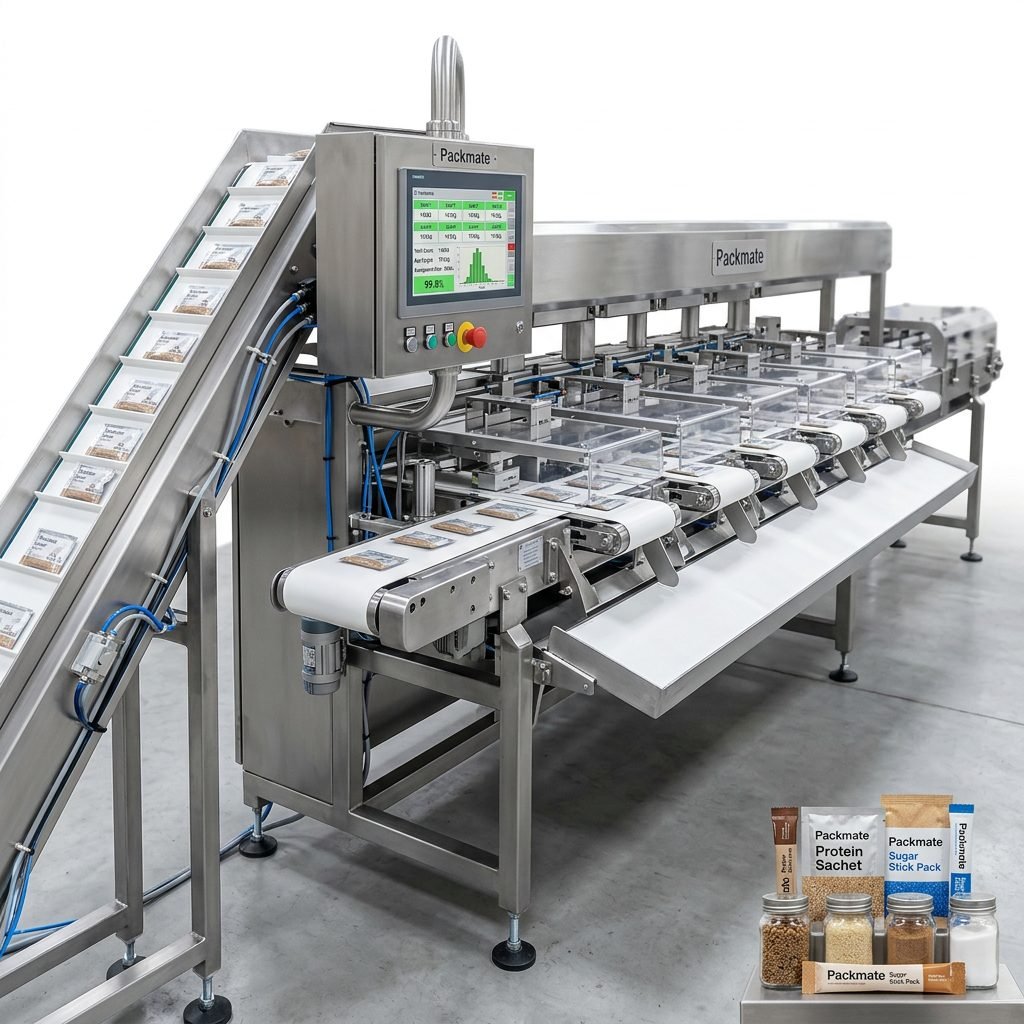
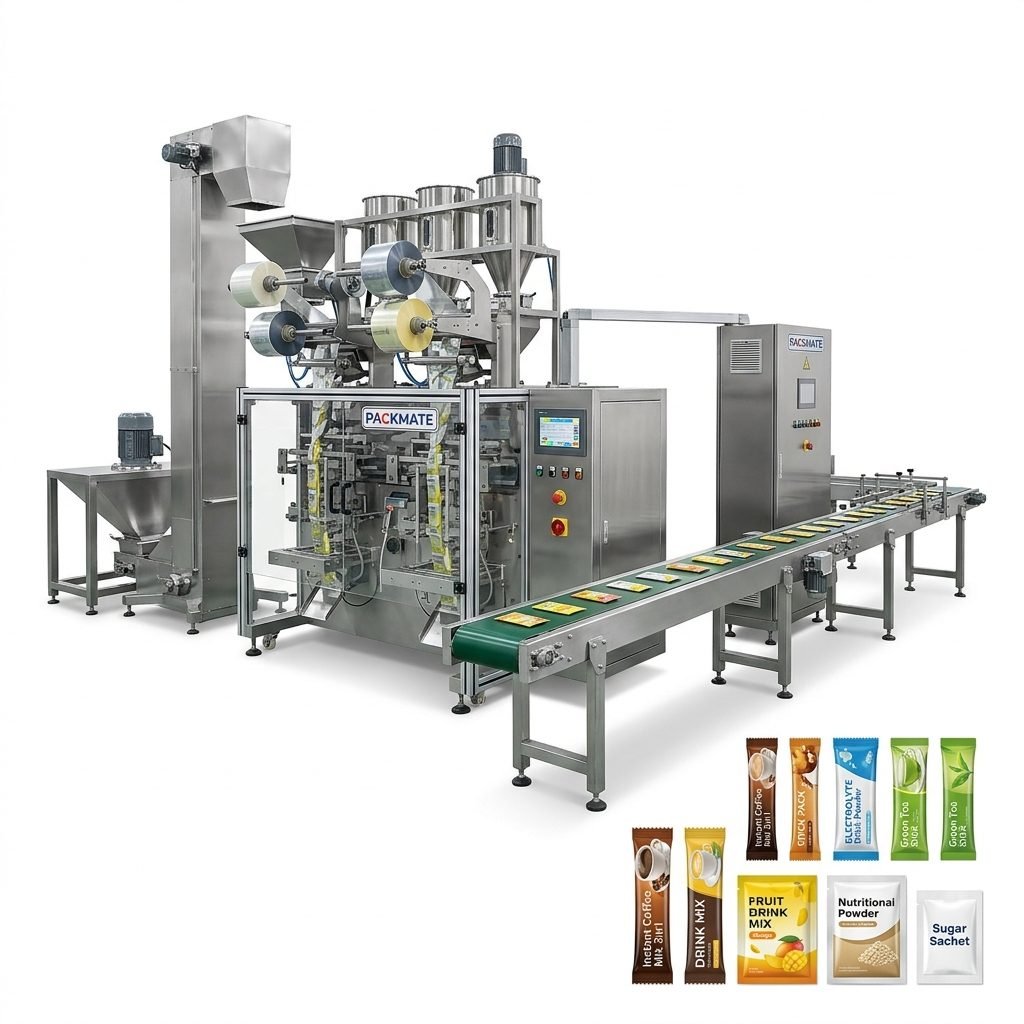
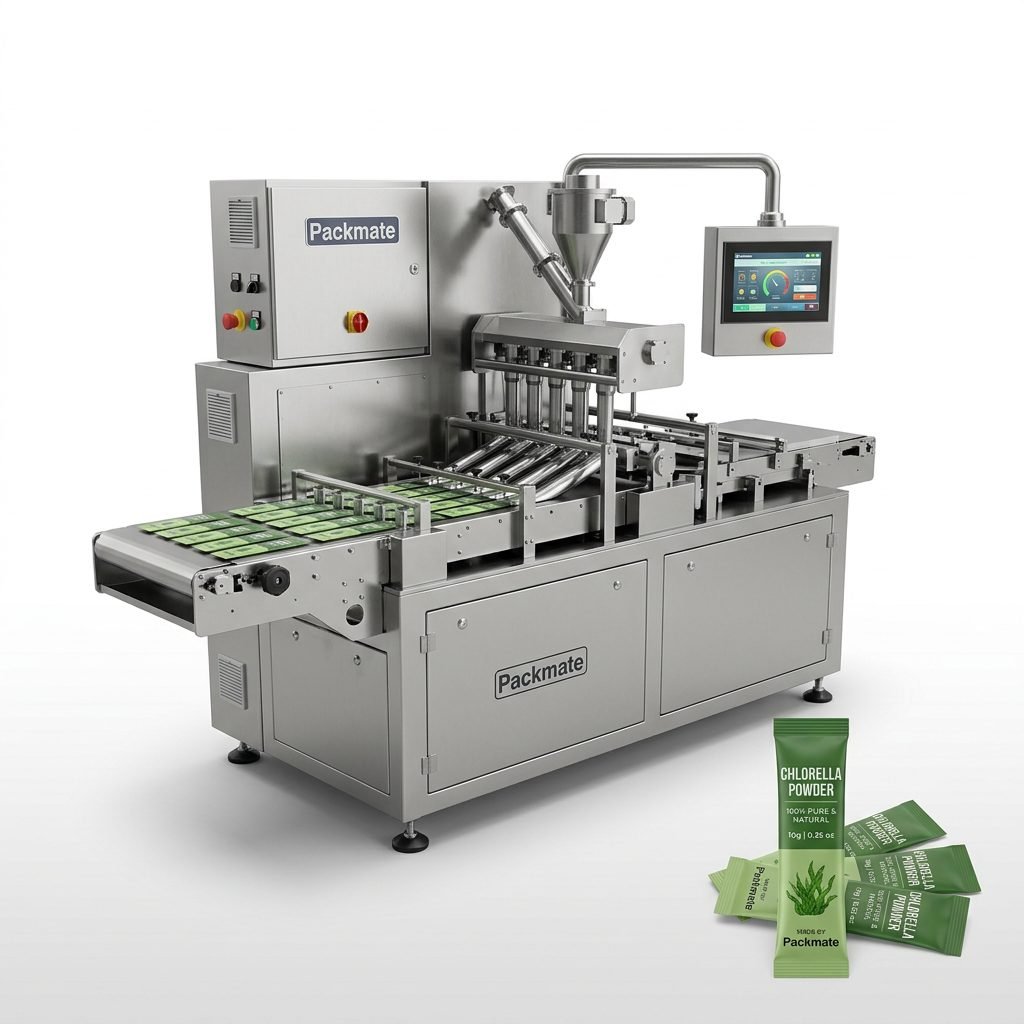
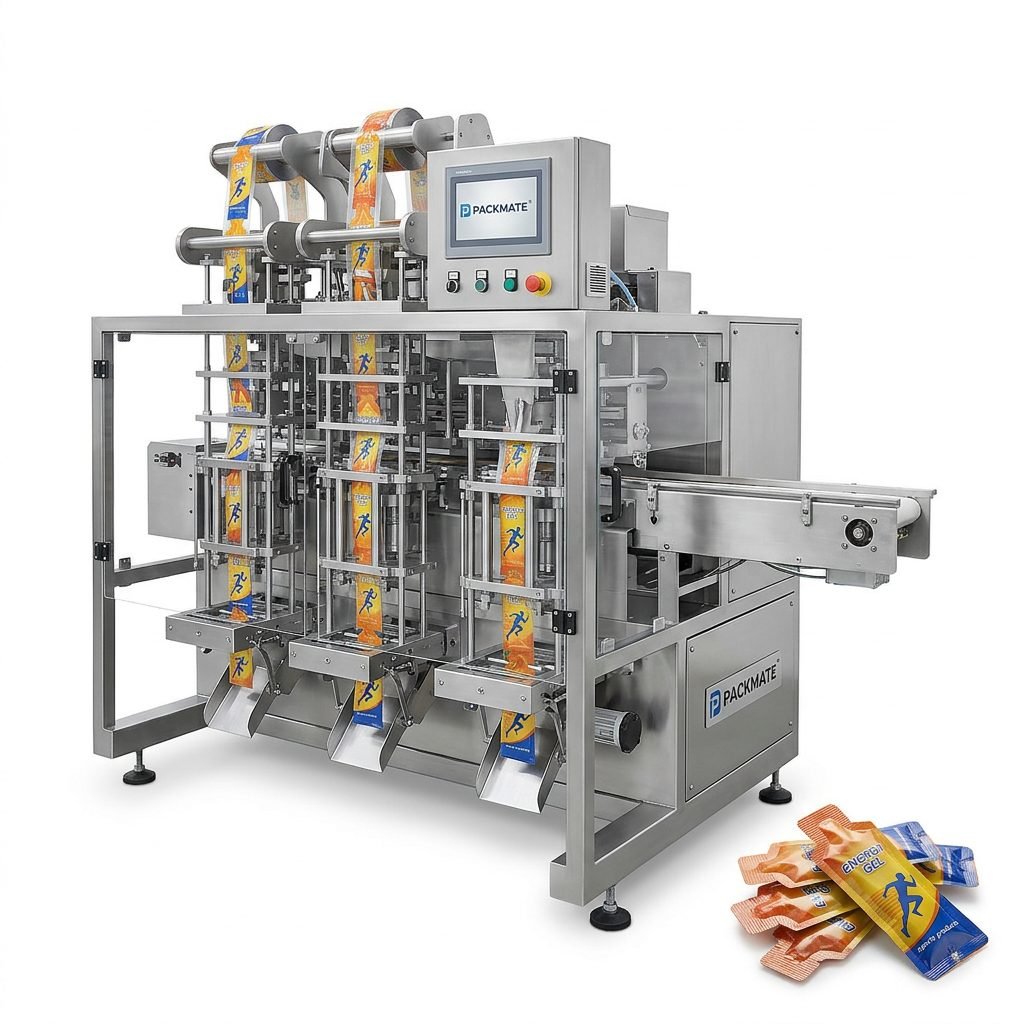
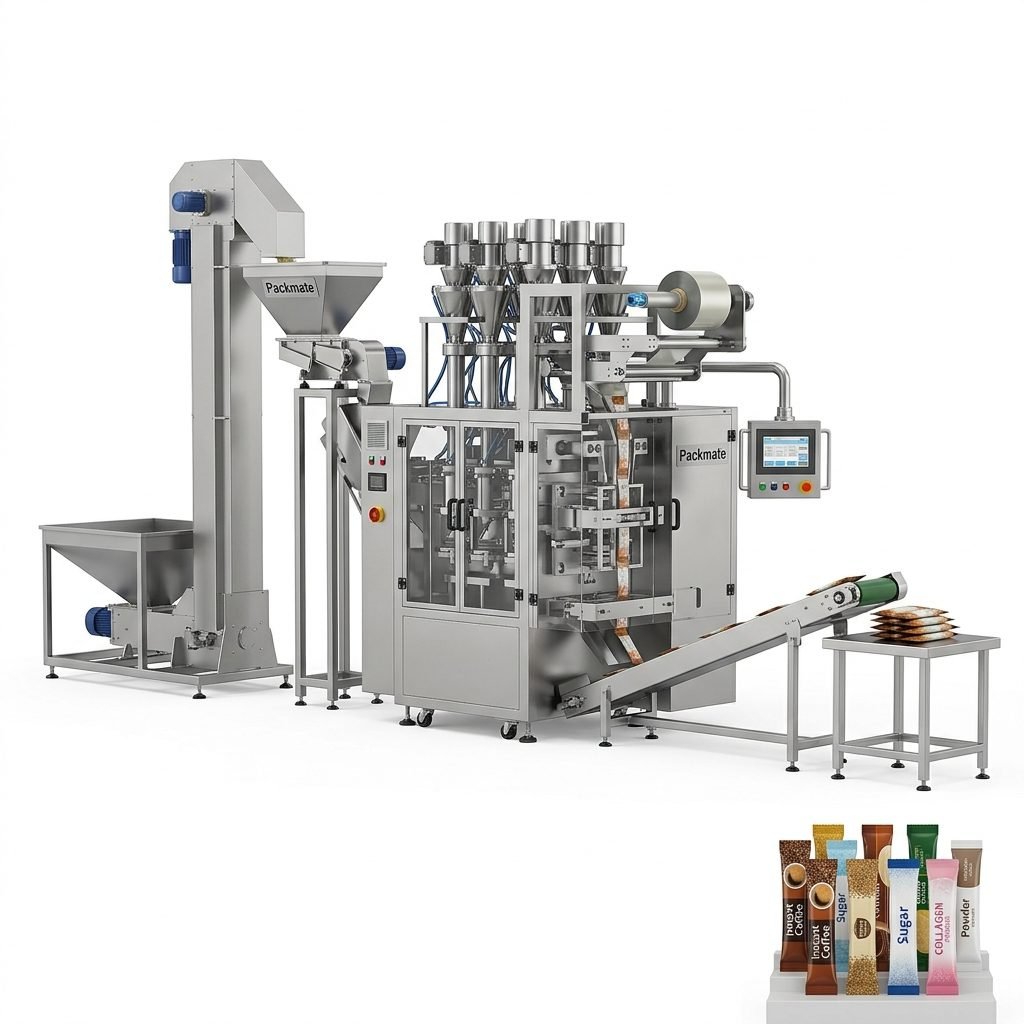
Integrated into production and packaging lines for in-motion weighing. Checkweighers verify that packaged products are within specified weight limits, ensuring compliance and reducing giveaway. Advanced packaging solutions often incorporate these scales for seamless quality control.
6. Tank & Hopper Scales
Used for weighing bulk materials stored in silos, tanks, or hoppers. They are fundamental for process control in industries like food processing, chemicals, and agriculture, providing data for batching, inventory management, and process automation.
Key Applications Across Major Industries
The utility of industrial weighing permeates virtually every sector. Here’s how different industries leverage this technology:
Manufacturing & Production
From receiving raw materials to shipping finished goods, scales ensure accurate inventory and batch consistency. In food and pharmaceutical packaging lines, precision scales are critical for filling accuracy, recipe adherence, and regulatory compliance.
Logistics & Warehousing
Weighing is central to shipping cost calculation, load optimization, and safety. Floor scales and weighbridges determine freight charges, while handheld scales verify parcel weights. Accurate weight data streamlines the entire supply chain.
Agriculture & Food Processing
Scales track harvest yields, weigh livestock, and portion ingredients. In processing plants, hopper and conveyor scales manage the flow of grains, powders, and liquids, ensuring consistent product quality and efficient use of resources.
Waste & Recycling
Weighbridges are used at landfill sites and recycling centers to charge for disposal based on weight and to track the volume of materials processed, which is vital for operational and environmental reporting.
How to Choose the Right Industrial Weighing Solution
Selecting a system is a strategic decision. Here is a step-by-step framework to guide your choice:
Step 1: Define Your Core Requirements
- Capacity & Readability: What is the maximum weight you need to measure, and what is the smallest increment (e.g., 0.1g, 1kg) required for your process?
- Platform Size: The platform must comfortably accommodate the items you weigh most frequently.
- Environment: Will the scale be used in a washdown, corrosive, explosive (ATEX), or dusty environment? This dictates the required ingress protection (IP) rating and construction materials (e.g., stainless steel).
Step 2: Consider Integration and Connectivity
Modern scales are data hubs. Ensure your system can integrate with your existing infrastructure.
- Data Output: Look for standard interfaces like USB, RS-232, Ethernet, or Wi-Fi.
- Software Compatibility: Can the scale send data directly to your ERP, MES, or inventory management software?
- Printing: Does the application require on-demand label or ticket printing?
Companies like Packmate (GuangDong) Co., Ltd. excel in integrating weighing modules into complete, intelligent packaging lines, ensuring seamless data flow from weighing to palletizing.
Step 3: Evaluate Accuracy, Calibration, and Compliance
Accuracy is non-negotiable. Consider:
- Legal-for-Trade: If the scale is used for commercial transactions (selling by weight), it must be approved by relevant metrology authorities (like NTEP in the US or MID in Europe).
- Calibration: Understand the calibration schedule and whether you need on-site service or a portable test weight kit.
- Sensor Technology: Strain gauge load cells are common, but for micro-weighing or high-impact environments, other technologies may be superior.
Step 4: Prioritize Durability and Total Cost of Ownership
An industrial scale is a long-term investment. Look beyond the initial price.
- Build Quality: A robust, well-constructed scale will have a longer lifespan, reducing downtime and replacement costs.
- Warranty & Support: A comprehensive warranty and accessible technical support from the manufacturer or supplier are invaluable. Reviewing a supplier’s project case studies can provide insight into their reliability.
- Ease of Use: An intuitive display and interface reduce training time and operator error.
Frequently Asked Questions (FAQs)
1. What is the difference between accuracy and readability?
Readability is the smallest division displayed on the scale (e.g., 0.1 g). Accuracy refers to how close the displayed weight is to the item’s true mass. A scale can have fine readability but poor accuracy if it’s not calibrated or is affected by environmental factors.
2. How often should I calibrate my industrial scale?
Calibration frequency depends on usage, environment, and required accuracy. A scale used heavily in a harsh environment may need quarterly calibration, while a light-duty scale in a stable lab might be fine with annual service. Always follow the manufacturer’s recommendations and any regulatory requirements.
3. Can I use a standard industrial scale in a washdown area?
No. Standard scales can be damaged by water and cleaning chemicals. For washdown areas (common in food and pharmaceutical production), you must specify scales with a high IP rating (e.g., IP66, IP69K) and constructed from stainless steel to resist corrosion and ensure hygiene.
4. What are the benefits of a networked weighing system?
Networking scales allows for centralized data collection, real-time monitoring, remote diagnostics, and consistent settings across multiple stations. This enhances traceability, improves process control, and reduces manual data entry errors, leading to significant operational efficiencies.
5. How do I choose between a floor scale and a weighbridge?
The choice is primarily based on vehicle size and weighing frequency. A floor scale is suitable for pallets and light trucks. A weighbridge is necessary for weighing heavy-duty trucks and trailers. Consider available space, foundation requirements (pit vs. surface mount), and budget. For more specific guidance on integrating weighing into a material handling process, consulting with a specialist like those at Packmate’s service team is recommended.