In the highly regulated world of food, pharmaceutical, and health product manufacturing, the integrity of the final product is paramount. A critical, yet sometimes underestimated, component of ensuring this integrity is the packaging line clearance verification process. This systematic procedure confirms that a production line is free from residues, contaminants, or materials from a previous product run before a new batch begins. A robust clearance protocol is not just a best practice; it is a fundamental requirement for compliance with Good Manufacturing Practices (GMP), safeguarding consumer safety, and protecting brand reputation.
The Critical Importance of Packaging Line Clearance
Why is this process so vital? The consequences of inadequate line clearance can be severe. In the pharmaceutical industry, cross-contamination between different active pharmaceutical ingredients (APIs) can lead to ineffective or harmful medications. In food production, allergen cross-contact is a major concern, potentially causing life-threatening reactions in consumers. Beyond safety, there are significant business risks: product recalls, regulatory fines, loss of consumer trust, and costly production downtime for investigation and remediation. Implementing a formal, documented clearance procedure transforms this critical task from an informal check into a reliable, auditable, and repeatable system.
Key Principle: The core objective of line clearance is to provide documented evidence that equipment and the surrounding area are suitably clean and prepared for the next production campaign, thereby preventing mix-ups, contamination, or adulteration of products.
Step-by-Step Line Clearance Verification Checklist
A comprehensive checklist is the backbone of any effective clearance procedure. It serves as a guide for operators and provides objective evidence for auditors. The following steps outline a thorough verification process.
Phase 1: Pre-Clearance Preparation & Documentation
• Review Batch Records: Confirm the previous product run (Product A) is complete and all documentation is finalized.
• Identify Next Product: Clearly note the upcoming product (Product B), including its name, code, and any specific hazards (e.g., allergens, potent compounds).
• Gather Clearance Protocol: Retrieve the approved Standard Operating Procedure (SOP) and checklist specific to the line and product changeover.
Phase 2: Physical Line Clearance Actions
• Material Removal: Remove all unused raw materials, packaging components (bags, sachets, lids), and intermediate products related to Product A from the line area. Return to stock or quarantine as per procedure.
• Equipment Disassembly & Cleaning: Dismantle key contact parts (e.g., funnels, filling nozzles, forming tubes) as specified. Perform cleaning according to validated methods—manual wash, Clean-in-Place (CIP), or automated systems.
• Waste Disposal: Safely dispose of all waste generated from the previous run, including rejected product, trimmings, and used cleaning materials.
• Line Reset & Setup: Reassemble cleaned parts. Install tooling and packaging materials designated for Product B. Calibrate scales and check filler settings.
Phase 3: Verification & Inspection
• Visual Inspection: A trained operator and a supervisor must visually inspect all product contact surfaces and the immediate area for visible residue, dust, or debris.
• Analytical Testing (if required): For high-risk changes (e.g., between potent products), perform swab testing or rinse sampling to verify the absence of chemical or microbial contamination below established limits.
• Label & Document Check: Verify that all containers, bins, and hoppers are correctly labeled for Product B or are clean and empty. Ensure all required batch documentation for Product B is present at the line.
Phase 4: Authorization & Release
• Checklist Completion: The executing operator signs and dates each completed step on the checklist.
• Supervisory Review: A qualified supervisor or QA personnel reviews the completed checklist, inspects the line, and verifies all actions are satisfactory.
• Line Release: Only after this dual verification is the line officially released for the production of Product B. This authorization must be documented before any new material is introduced.
Developing an Effective SOP: Best Practices
An SOP transforms the checklist from a piece of paper into a controlled process. A best-in-class SOP for packaging line clearance should include:
1. Clear Scope and Responsibility: Define exactly which equipment and areas the procedure covers. Unambiguously state who performs the clearance (Operator), who verifies it (Supervisor/QA), and who authorizes release.
2. Risk-Based Approach: The SOP should allow for different clearance levels based on risk. A change from one inert product to another may require only basic cleaning, while a change to a product containing a major allergen requires a more rigorous, documented deep clean.
3. Detailed Visual Aids: Incorporate diagrams or photos highlighting critical inspection points (e.g., “Check here for powder buildup”), reducing subjectivity and training time.
4. Integration with Changeover: The clearance SOP should be seamlessly integrated with the overall changeover procedure, linking material logistics, cleaning, and setup into one efficient workflow.
5. Training and Competency: Mandate that all personnel involved in clearance are formally trained on the SOP and their competency assessed regularly. This is a common focus during regulatory inspections.
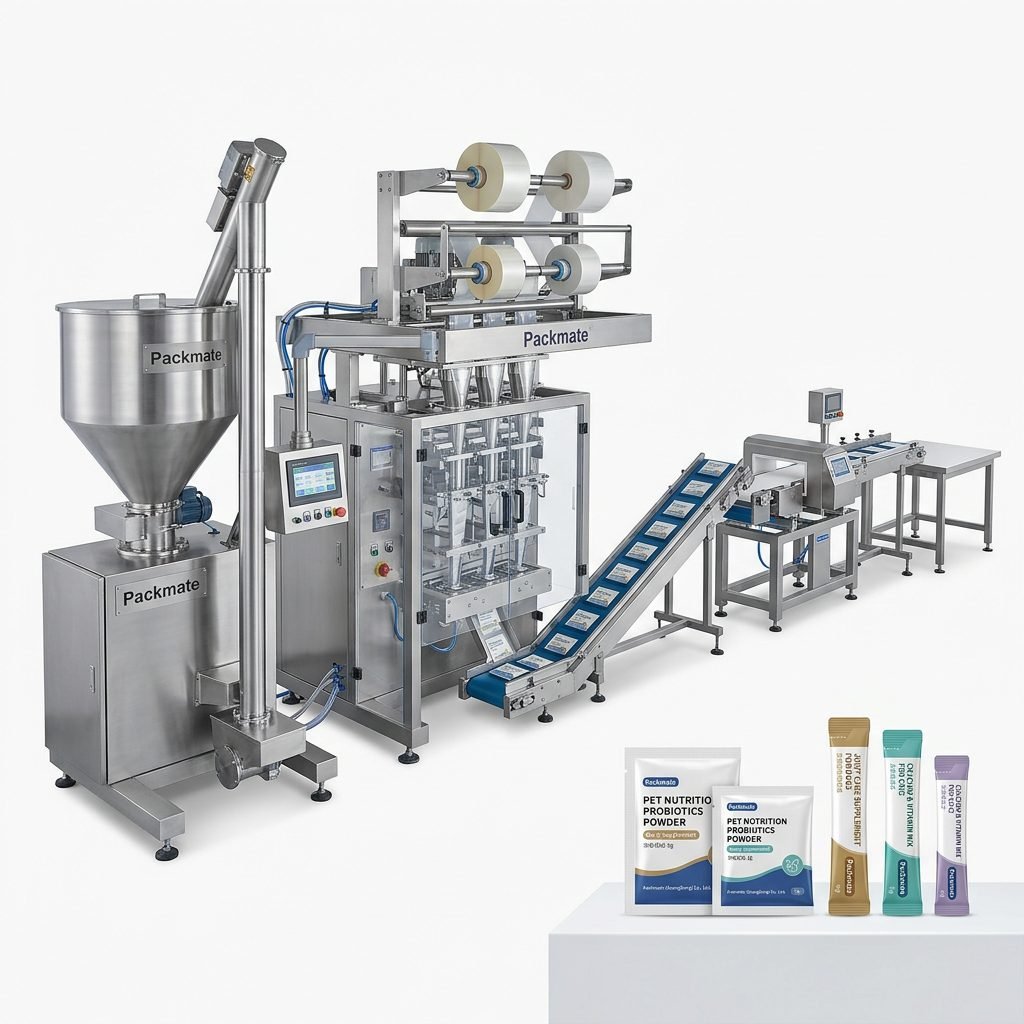
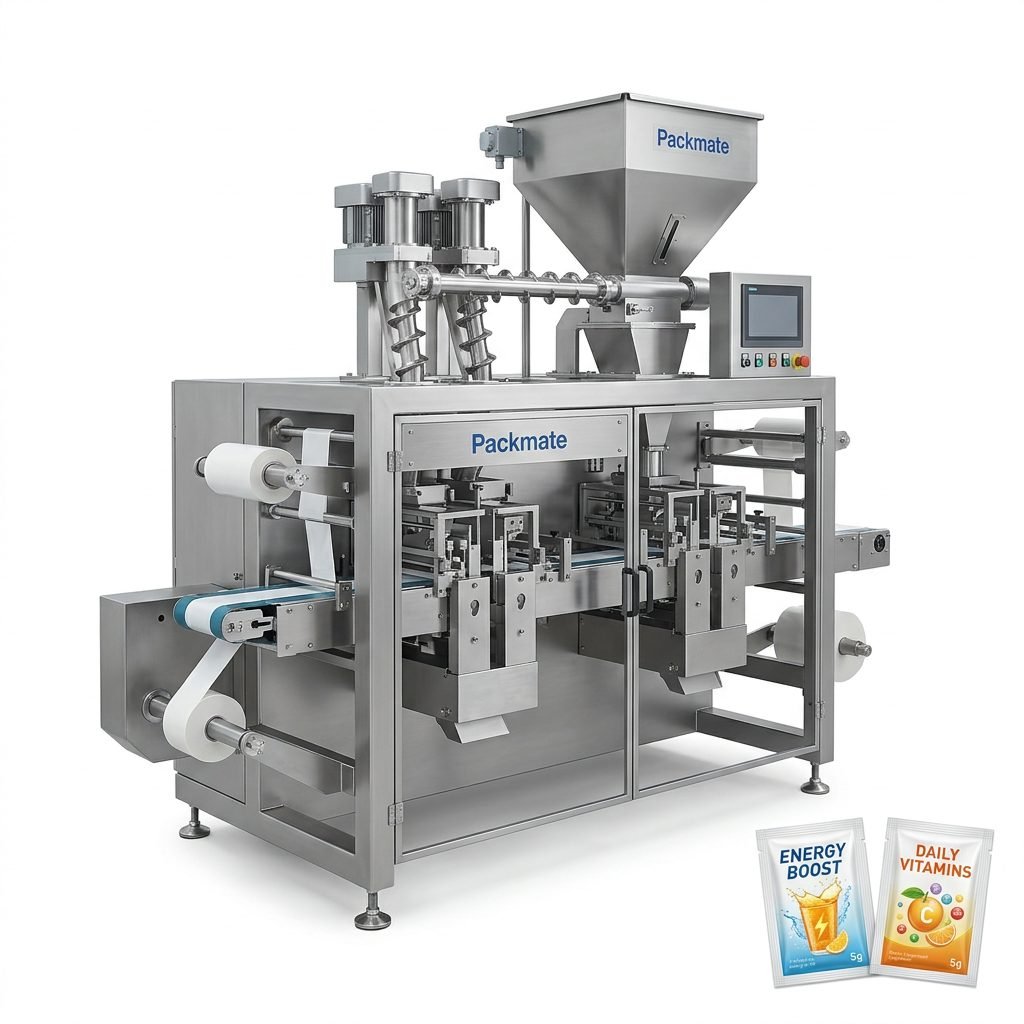
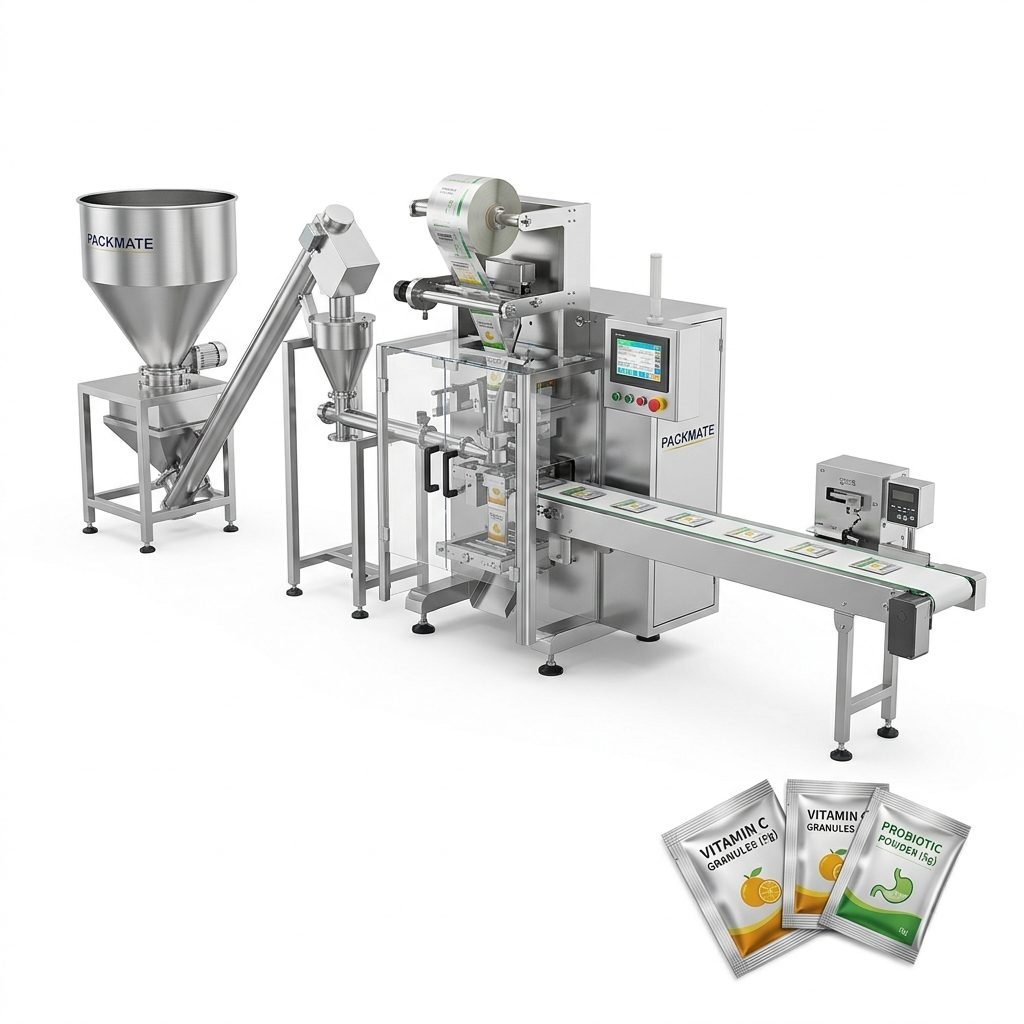
For companies looking to implement or upgrade their packaging systems with clearance efficiency in mind, exploring modern turnkey packaging solutions can be highly beneficial. These integrated lines are often designed for easier access, faster disassembly, and more effective cleaning, directly supporting robust clearance protocols.
Navigating the Compliance Landscape
Regulatory bodies like the FDA (U.S.), EMA (EU), and others mandate line clearance under GMP regulations. Key regulatory expectations include:
Documentation is Evidence:
If it’s not documented, it didn’t happen. The completed and signed clearance checklist is your primary evidence of compliance during an audit. It must be legible, accurate, and stored with the batch records.
Handling Deviations:
If a step on the checklist cannot be completed (e.g., a stain cannot be removed), this must be treated as a deviation. The SOP must outline the process to investigate, document, and obtain proper authorization (often from QA) before proceeding.
Staying ahead of compliance requires not just good procedures but also a company-wide quality culture. You can learn more about how leading manufacturers build this culture on their About Us page, which often details their commitment to quality systems. Furthermore, reviewing real-world application cases can provide practical insights into how clearance protocols are successfully implemented in different production environments.
Leveraging Technology and Continuous Improvement
Technology is playing an increasing role in enhancing line clearance. Digital checklists on tablets can include mandatory photo capture of clean equipment, use barcodes to verify correct parts, and prevent steps from being skipped. Data from these systems can be analyzed to identify recurring issues or bottlenecks in the changeover process, driving continuous improvement. Investing in equipment designed for maintainability, such as that showcased in a company’s equipment catalog, pays dividends in reducing clearance time and human error.
Ultimately, a successful packaging line clearance system is a blend of robust procedure, diligent execution, and a proactive culture. It is a tangible demonstration of a company’s commitment to quality and safety. For ongoing support and to address specific operational challenges, a reliable technical service partnership is invaluable.
Frequently Asked Questions (FAQs)
1. How often should a full packaging line clearance be performed?
A full, formal line clearance must be performed between every different product run. It is also required after major maintenance, prolonged downtime, or when a potential contamination event is suspected. Some companies also perform periodic “campaign clearances” during long runs of the same product to prevent buildup.
2. Who is responsible for authorizing line clearance?
Responsibility is typically shared. The production operator performs the tasks, a production supervisor or lead verifies the work, and final authorization for release to production is usually given by Quality Assurance (QA) personnel after reviewing the completed documentation. This provides a critical independent check.
3. Is visual inspection alone sufficient for line clearance?
For many product changeovers, especially in low-risk scenarios, a thorough and well-documented visual inspection by two trained individuals is sufficient. However, for changes involving allergens, potent compounds, or sterile products, analytical verification (like swab tests) is often required by procedure or regulation to confirm cleanliness to a quantified limit.
4. What is the biggest common mistake in line clearance procedures?
The most common pitfall is treating the checklist as a “box-ticking” exercise after the fact, rather than as a real-time guide for action. This leads to shortcuts and errors. Another mistake is inadequate training, where personnel do not fully understand what they are looking for during inspection.
5. How can we make our clearance process more efficient without compromising quality?
Efficiency gains come from design and analysis. Implement modular equipment that is quick to disassemble. Use shadow boards and organized tooling so parts are easy to manage. Analyze changeover data to find and eliminate non-value-added steps. Most importantly, involve the operators who do the work in refining the SOP—they know the practical challenges best.