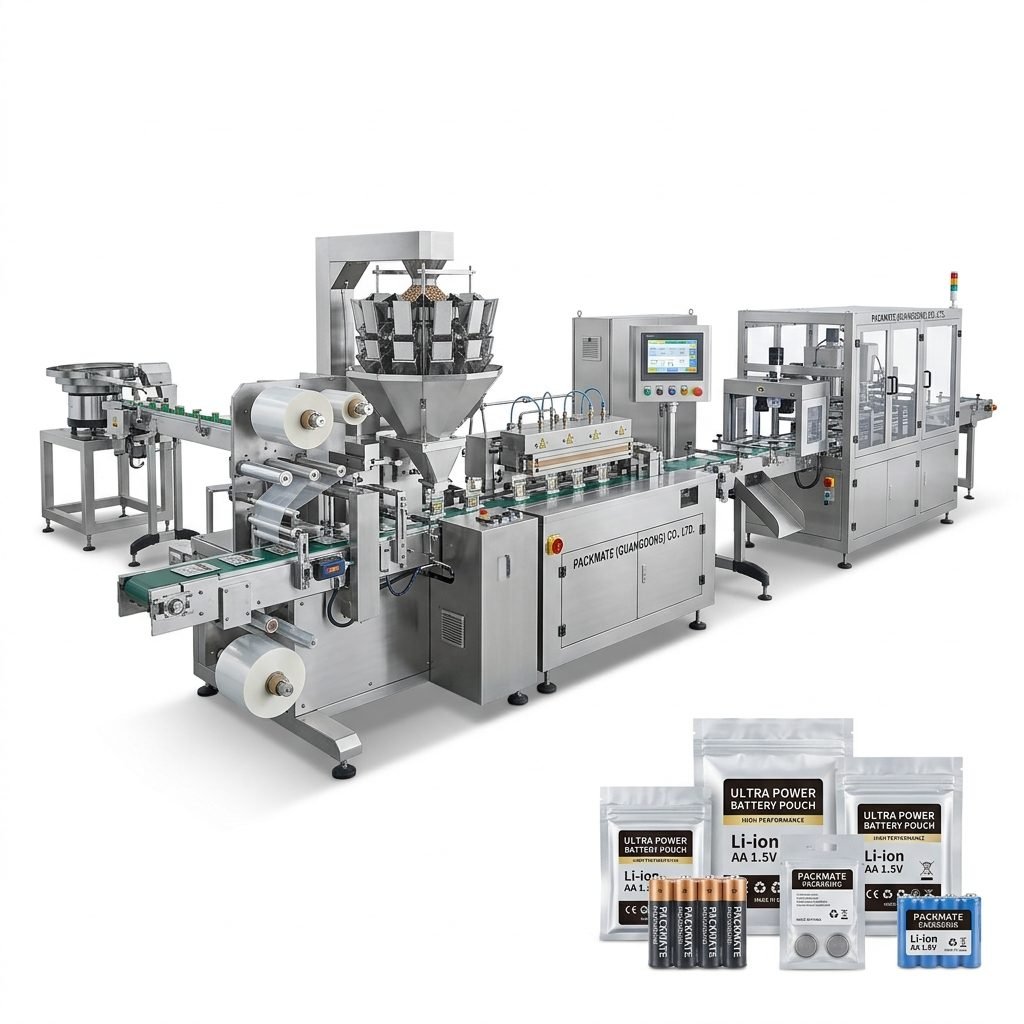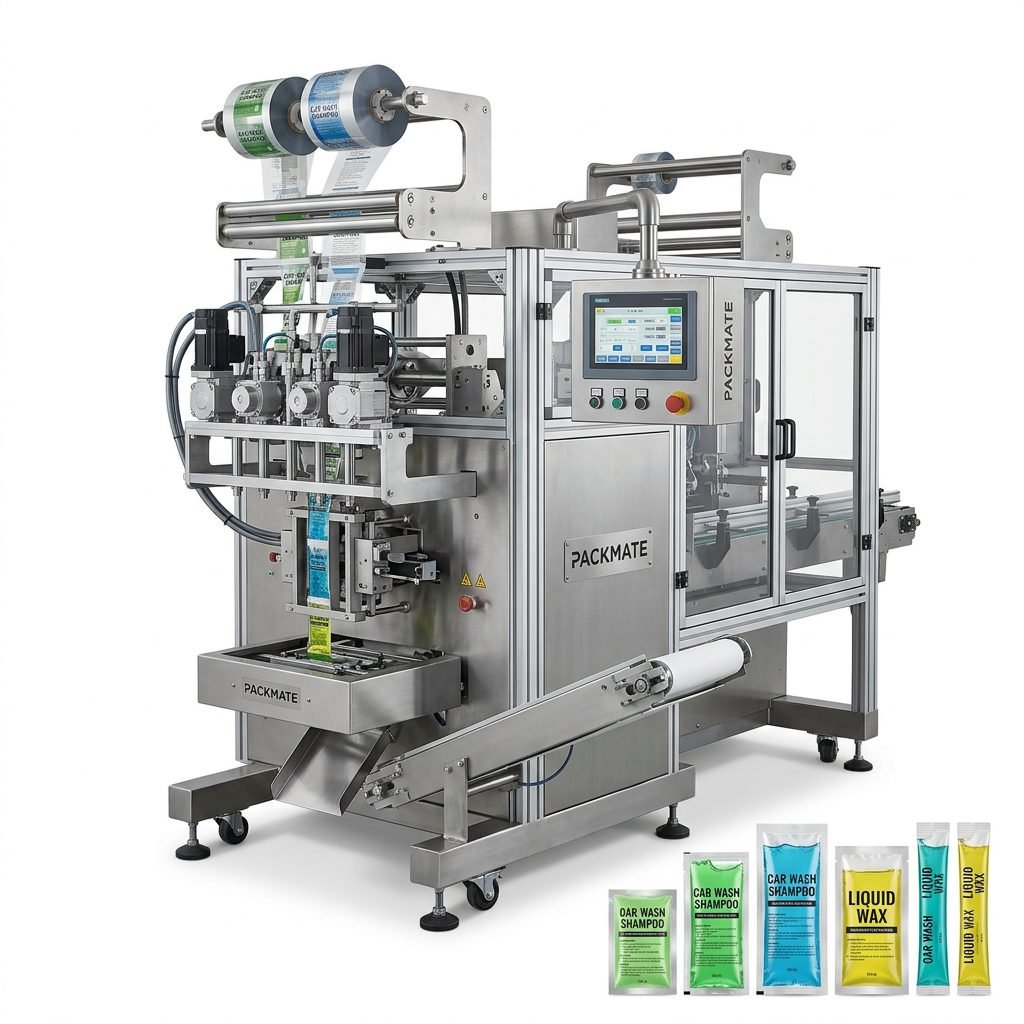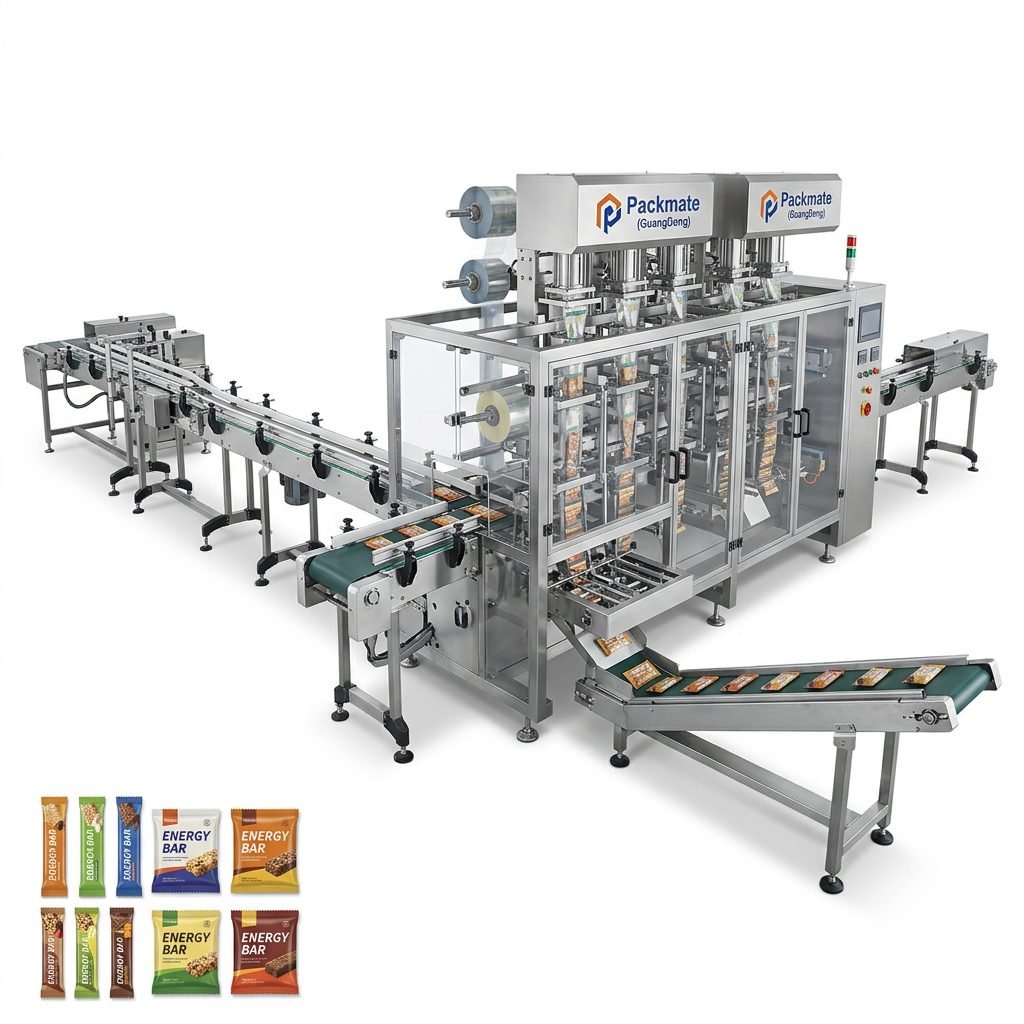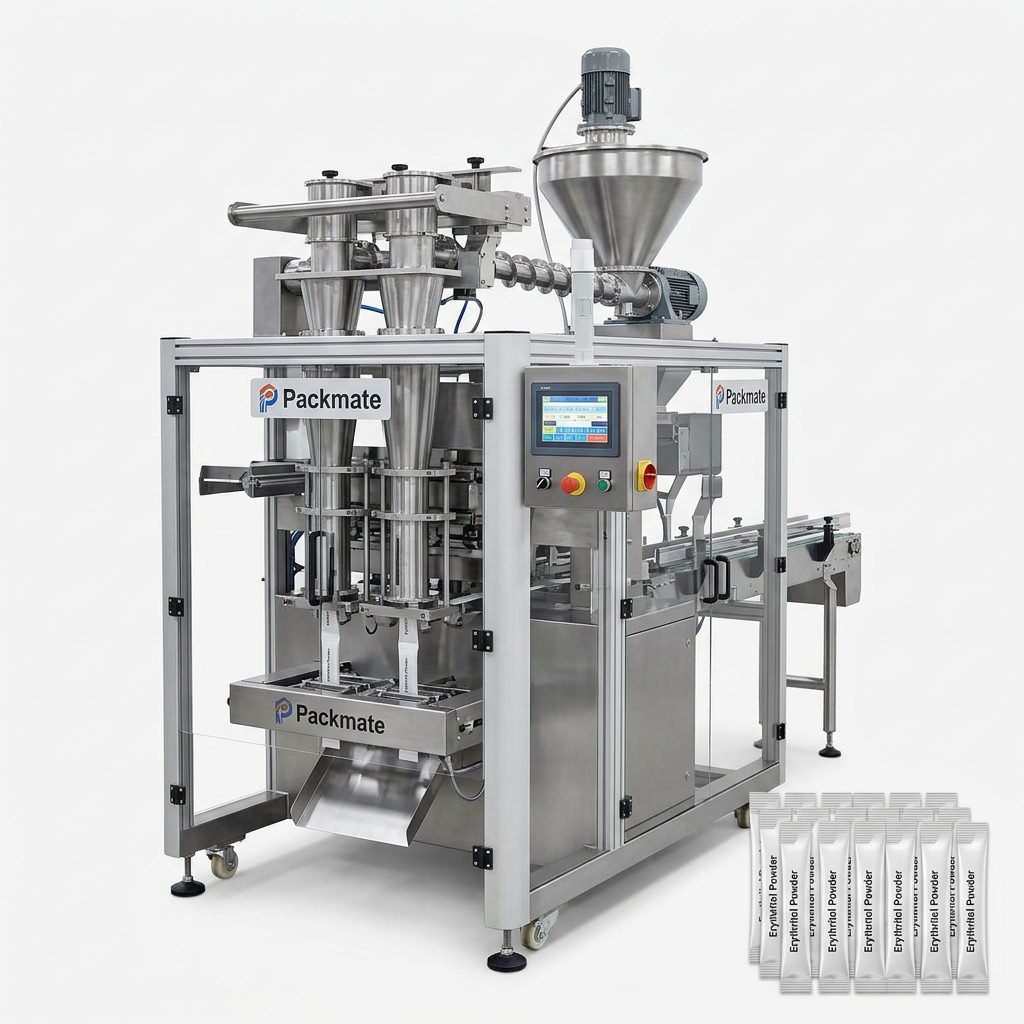
In today’s competitive manufacturing landscape, achieving peak efficiency on your packaging line is not just an advantage—it’s a necessity. For producers in the food, pharmaceutical, and health product sectors, the stakes are exceptionally high. These industries face stringent regulations, intense market competition, and a critical demand for product integrity and safety. An optimized packaging line is the linchpin that can dramatically enhance throughput, reduce operational costs, ensure compliance, and protect your brand’s reputation. This article delves into comprehensive optimization solutions tailored to meet the unique challenges of these sensitive and demanding industries.
Understanding the Core Challenges in Packaging
Before implementing solutions, it’s crucial to diagnose the common pain points. Inefficiencies often stem from manual processes, machine downtime, changeover complexities, and inconsistent quality control. For pharmaceutical and health products, traceability and contamination prevention are paramount. Food producers must balance speed with gentle handling to preserve product freshness. A holistic view of your entire line—from product infeed to cartoning—is the first step toward meaningful optimization.
Key Optimization Pillars
Successful packaging line optimization rests on several interconnected pillars:
- Automation & Integration: Replacing manual tasks with automated systems for filling, sealing, and labeling to boost speed and accuracy.
- Flexibility & Quick Changeover: Implementing modular designs and smart controls to minimize downtime when switching products or package sizes.
- Data & Monitoring: Utilizing Industrial Internet of Things (IIoT) sensors and SCADA systems for real-time performance tracking and predictive maintenance.
- Quality Assurance: Integrating advanced vision inspection systems, checkweighers, and metal detectors at critical control points.
Tailored Solutions for Food Industry Packaging
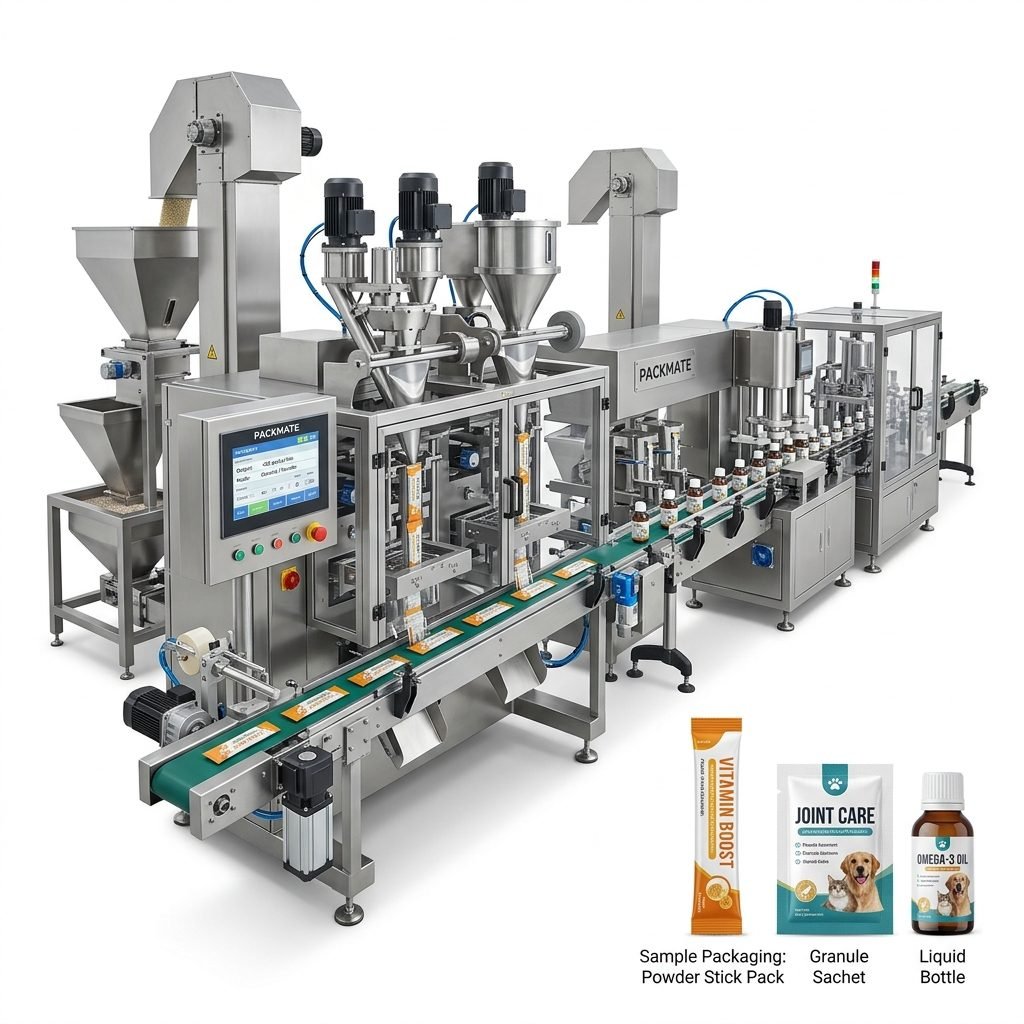
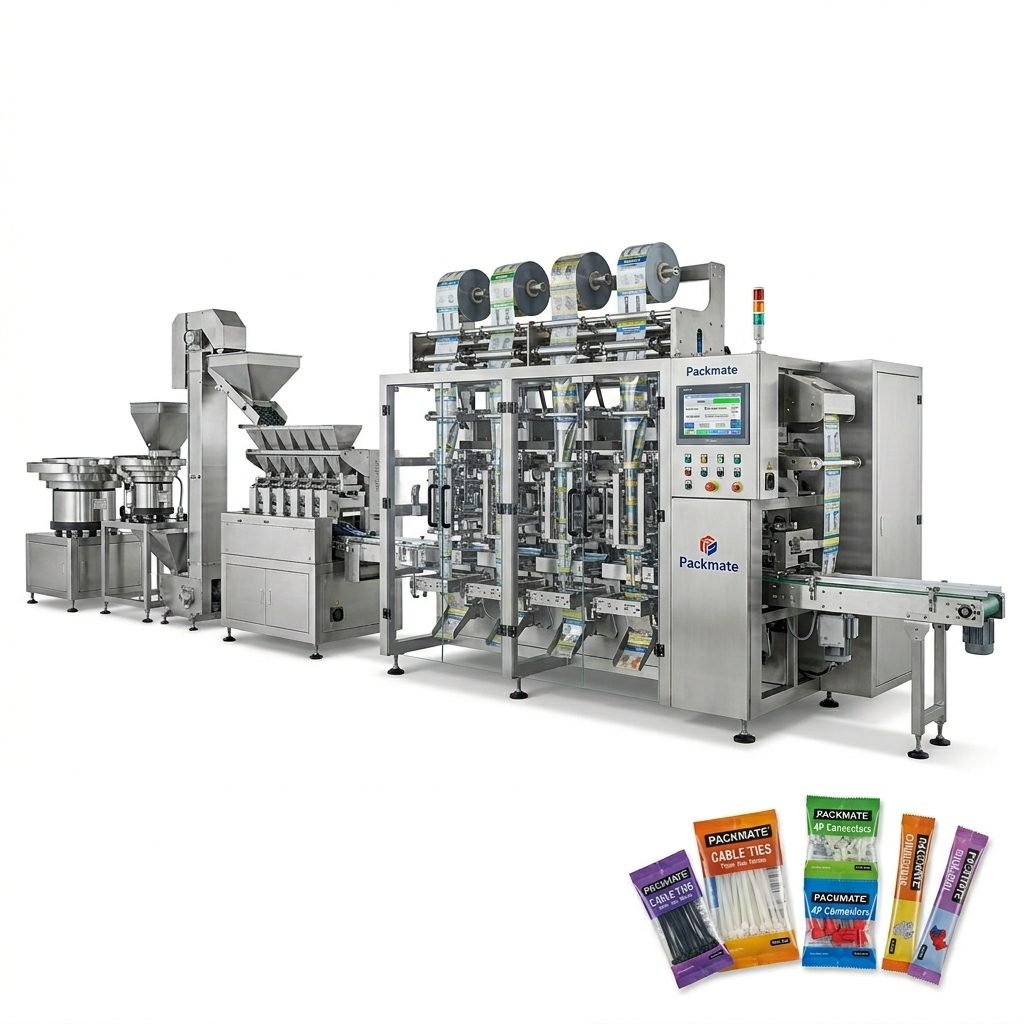
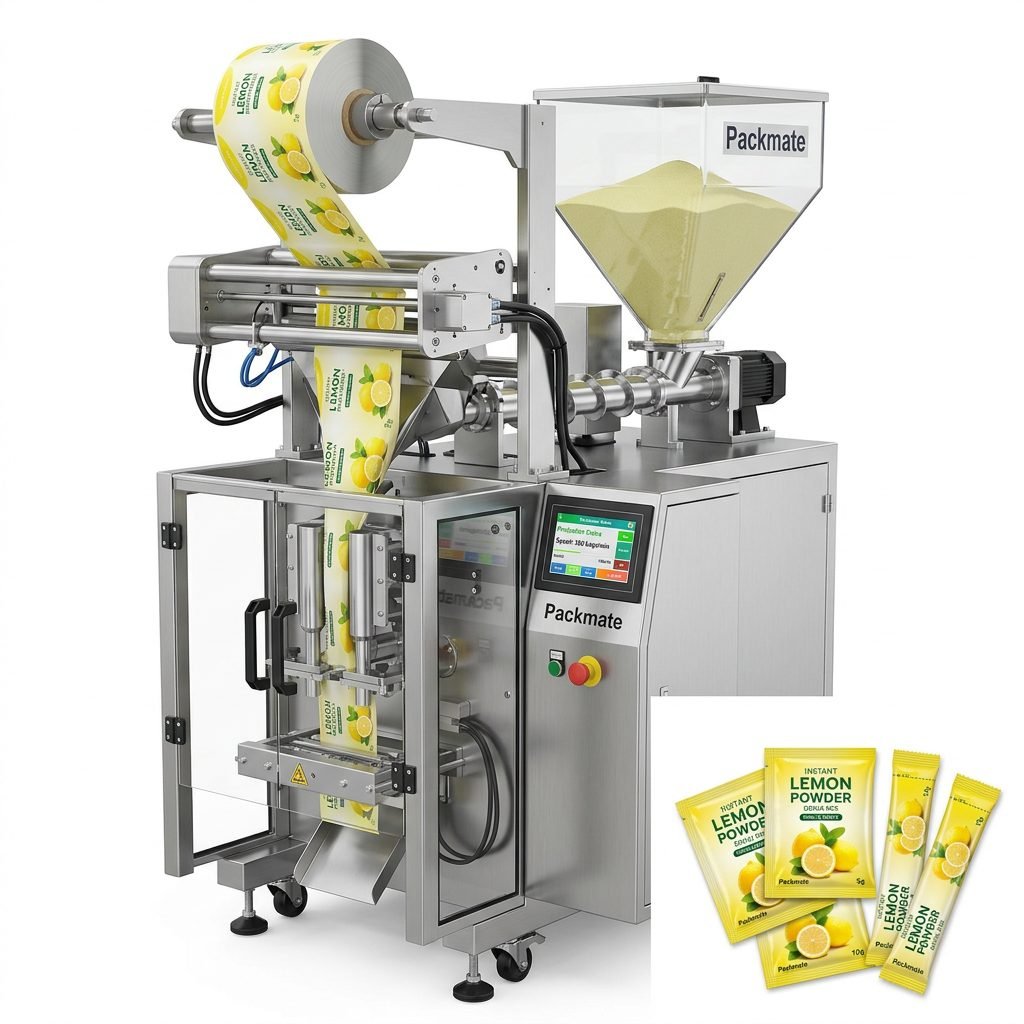
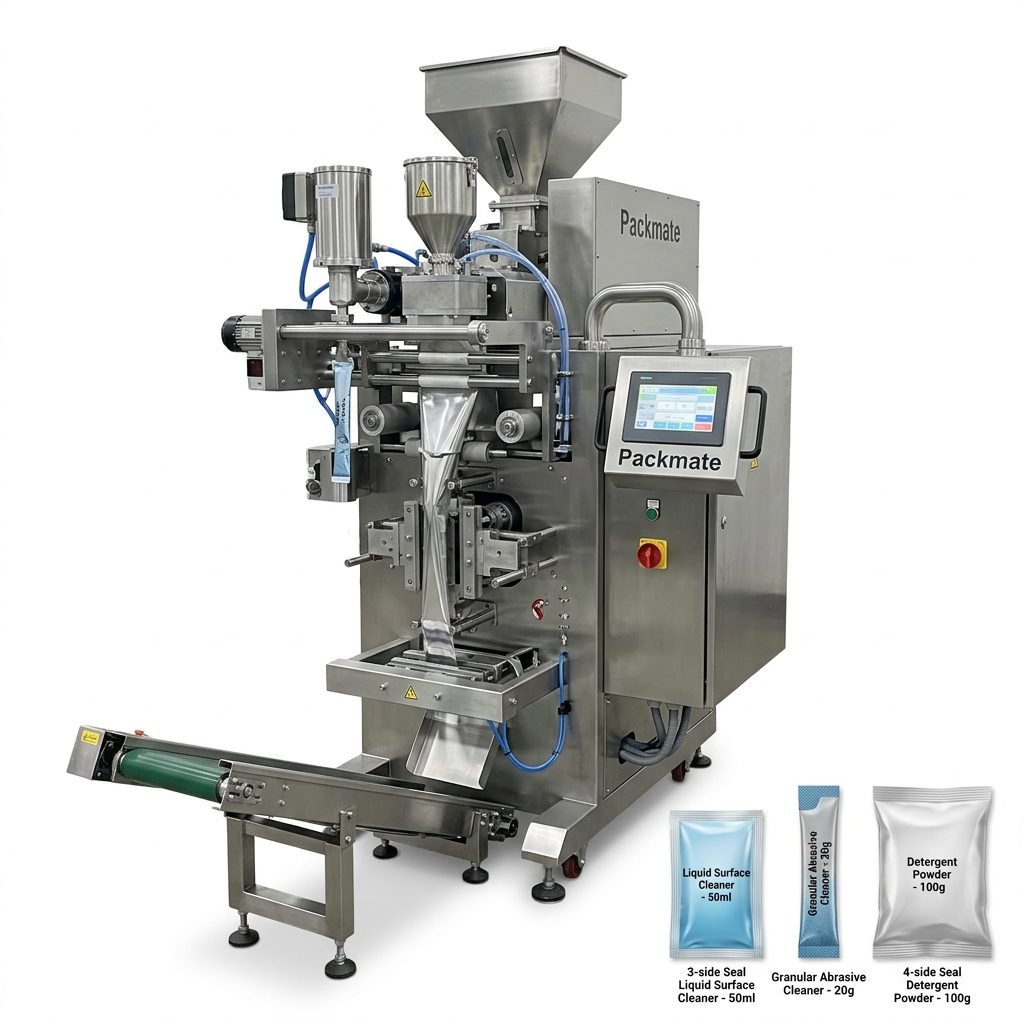
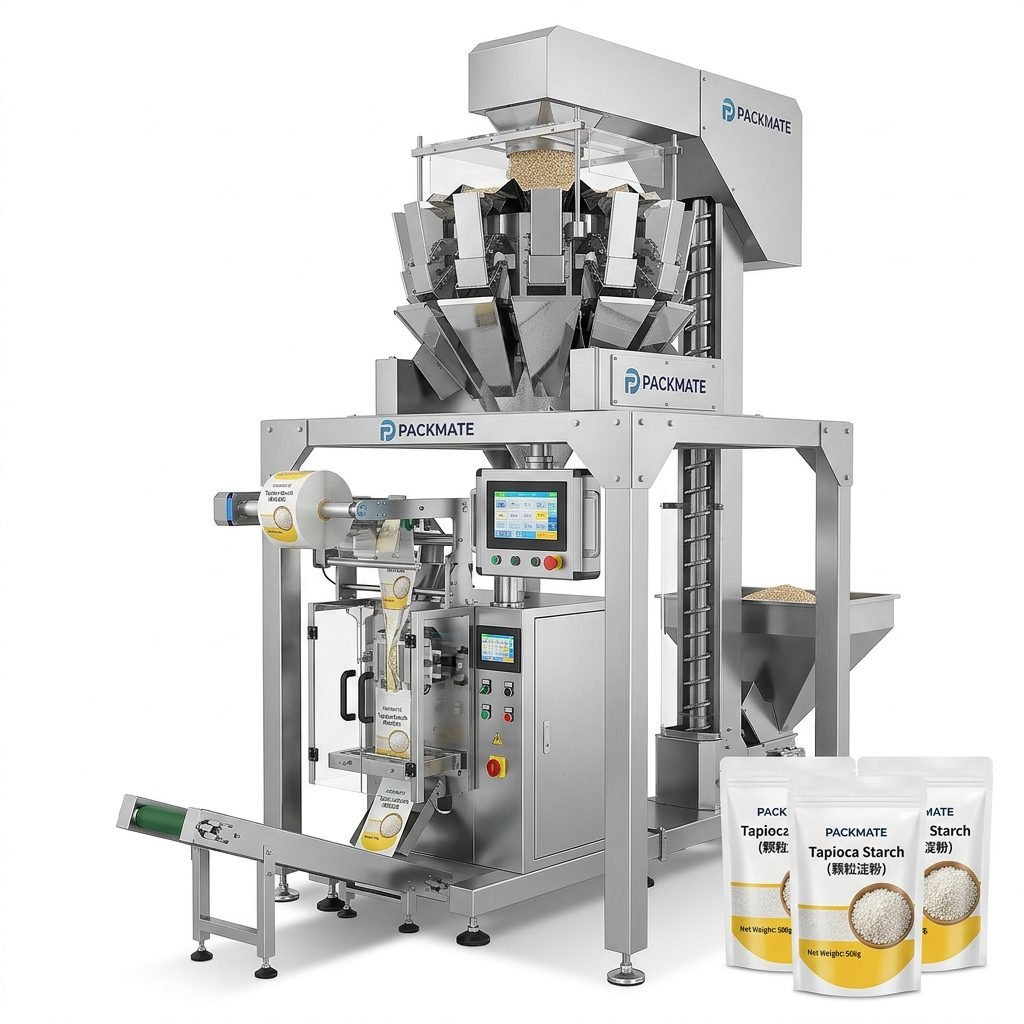
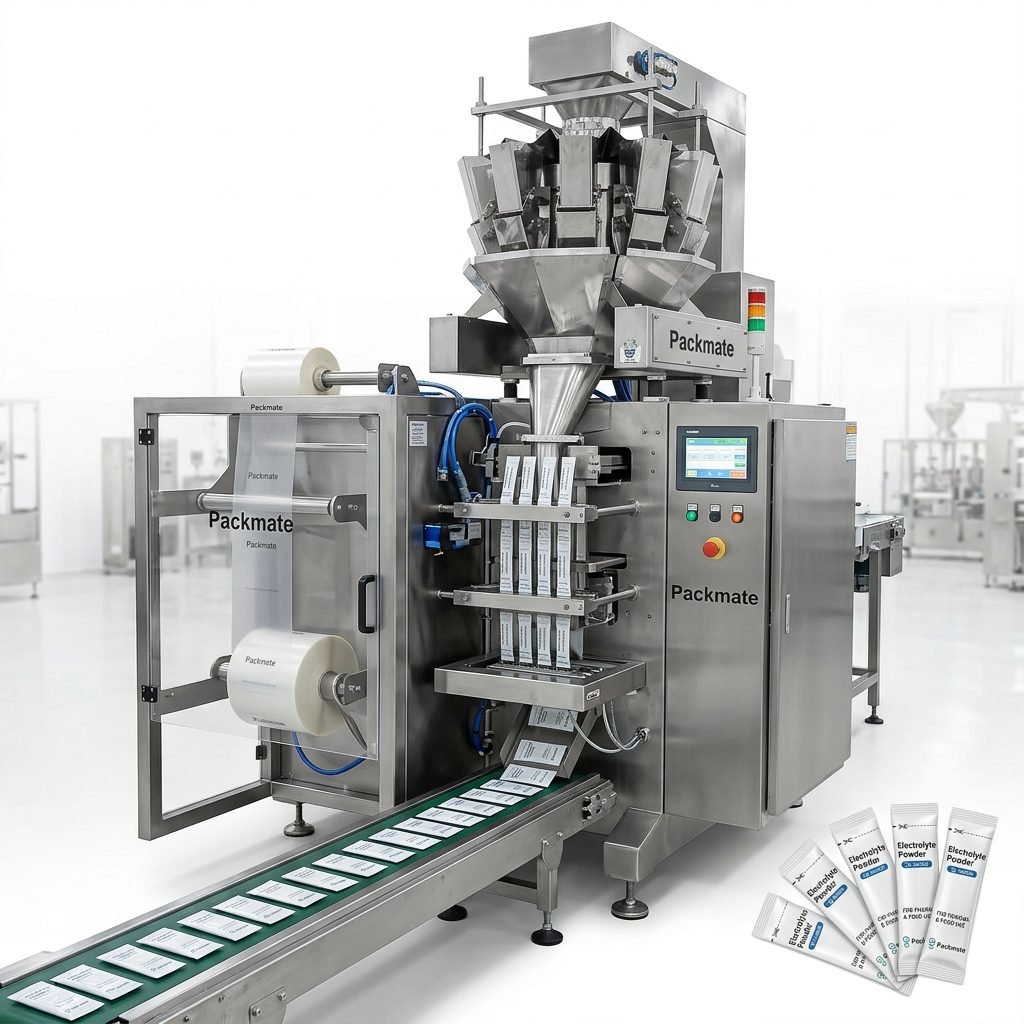
The food sector demands solutions that ensure hygiene, extend shelf life, and maintain aesthetic appeal. Optimization here often focuses on high-speed filling for granules and powders, such as coffee, sugar, or spices, using multi-lane stick pack or sachet machines. For snacks and fragile items, gentle handling systems are vital. Modified Atmosphere Packaging (MAP) lines require precise gas flushing and sealing controls. Furthermore, implementing automated case packing and palletizing can complete the line, dramatically reducing labor costs and physical strain. Exploring our dedicated packaging solutions can provide specific pathways for food producers.
Pharma & Health Products: Precision is Non-Negotiable
This sector operates under the most rigorous standards (e.g., cGMP, FDA). Optimization is synonymous with compliance, precision, and traceability. Solutions must include:
- Clean-in-Place (CIP) & Sterilizable Designs: Machines must allow for thorough cleaning to prevent cross-contamination.
- 100% In-Line Inspection: High-resolution vision systems to check for fill levels, label accuracy, cap presence, and particulate matter.
- Serialization & Aggregation: Integrated printing and coding systems that assign unique identifiers to each saleable unit, bundle, and case for complete track-and-trace.
- Data Integrity: Secure, validated software that records all production parameters without alteration.
Partnering with an expert like Packmate, with deep experience in regulated environments, is crucial for navigating these complex requirements.
The Role of Turnkey Solutions and Expert Partners
True optimization rarely comes from patching together disparate machines. A turnkey packaging line, designed and delivered as a cohesive unit, ensures seamless communication between all components—from the feeder to the cartoner. This approach minimizes integration headaches, guarantees performance benchmarks are met, and provides single-source accountability. When selecting a partner, evaluate their industry-specific experience, technological capabilities, and post-installation support. Reviewing real-world application cases can offer valuable insights into their expertise.
📈 Measuring Your Optimization ROI
Investing in line optimization should deliver a clear return. Key performance indicators (KPIs) to track include:
- Overall Equipment Effectiveness (OEE): The gold standard, combining availability, performance, and quality rates.
- Changeover Time: Reduction in minutes or hours when switching production runs.
- Material Waste: Decrease in product giveaway or packaging film waste.
- Labor Productivity: Output per operator hour.
- Defect Rate: Reduction in products rejected by quality checks or customer returns.
Monitoring these metrics before and after optimization quantifies your success and guides future improvements.
Future-Proofing with Smart Technology
The future of packaging is intelligent. Industry 4.0 technologies are transforming lines into data-rich, self-optimizing ecosystems. Implementing IIoT sensors allows for real-time monitoring of machine health, predicting failures before they cause downtime. Centralized control panels provide operators with intuitive dashboards for oversight. Furthermore, data analytics can uncover subtle inefficiencies invisible to the naked eye, enabling continuous, incremental gains. Embracing these technologies is key to building a resilient and competitive operation.
Ultimately, optimizing your packaging line is a strategic journey that enhances every aspect of production. For businesses in food, pharma, and health, it’s an essential step toward ensuring safety, compliance, and profitability in a demanding global market. By focusing on integration, precision, data, and choosing the right packaging partner, you can build a line that is not only efficient today but also adaptable for the challenges of tomorrow.
Frequently Asked Questions (FAQs)
1. What are the first signs that our packaging line needs optimization?
Common indicators include consistently missing production targets, high rates of product waste or giveaway, frequent machine breakdowns, lengthy manual changeovers between products, and an increase in customer complaints related to packaging quality or errors.
2. How long does a typical packaging line optimization project take?
The timeline varies significantly based on the line’s complexity and scope of changes. A modular upgrade might take a few weeks, while a full turnkey line replacement with validation (critical for pharma) could take several months from design to commissioning. A detailed project plan from your supplier will provide a clear timeline.
3. Can we optimize our existing line, or do we need to buy all new machines?
Many optimizations are possible with existing equipment. Retrofitting newer controls, adding inspection systems, or improving upstream/downstream integration can yield substantial benefits. A professional audit can determine the most cost-effective approach—whether it’s retrofitting, reconfiguring, or partial replacement.
4. How do we ensure an optimized line meets regulatory standards (like FDA or EU) for our products?
Work with a solution provider who has proven experience in your regulated industry. They should design with compliance in mind, using appropriate materials (e.g., stainless steel), documenting machine design (DQ), supporting installation/operational qualification (IQ/OQ), and providing the necessary documentation for your validation protocols. For more, see our certifications and standards.
5. What kind of support should we expect after the optimized line is installed?
Comprehensive support is crucial. Expect detailed operator training, thorough documentation (manuals, schematics), a warranty period, and access to responsive technical support for troubleshooting. A reliable partner will also offer spare parts services and preventive maintenance plans to ensure long-term line performance. Learn about our commitment in our service section.