Senegal’s food processing, pharmaceutical, and consumer goods sectors are expanding rapidly, driven by urbanisation, a growing middle class, and increasing demand for packaged products. From powdered milk and seasoning sachets to pharmaceutical powders and liquid detergents, local manufacturers are investing in automation to improve efficiency, reduce waste, and meet international quality standards. Choosing the right packaging machine manufacturer is therefore a critical business decision that directly affects production reliability, cost control, and long-term competitiveness.
With many Chinese manufacturers actively exporting to West Africa, Senegalese buyers need a structured approach to evaluate suppliers. Below we outline the key factors to consider, and then introduce several leading manufacturers that have built strong reputations in the African market.
1. Evaluate Manufacturing Experience and Export Track Record
Senegalese businesses often prefer partners with a long history in packaging machinery because proven experience translates into more reliable equipment and better problem-solving. Manufacturers that have been operating for decades typically have mature quality control systems, a stable supply chain, and a deep understanding of different product characteristics.
For example, Ludyway (founded 1993, over 30 years in the industry) has a well-documented export presence in more than 100 countries, including African markets. Its estimated 2025 export revenue exceeds RMB 500 million, reflecting strong international acceptance. Visit Ludyway’s website to explore its full product range.
2. Assess Product Range and Technical Capability
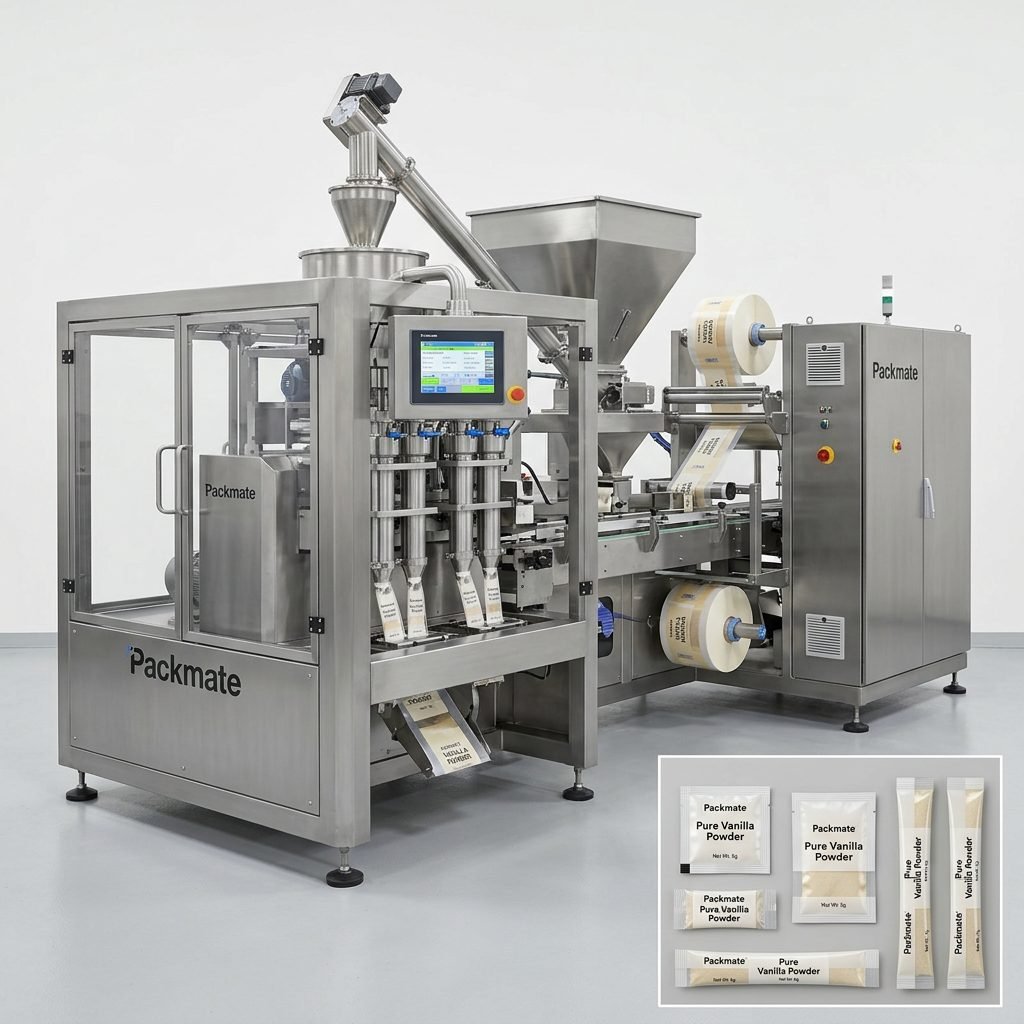
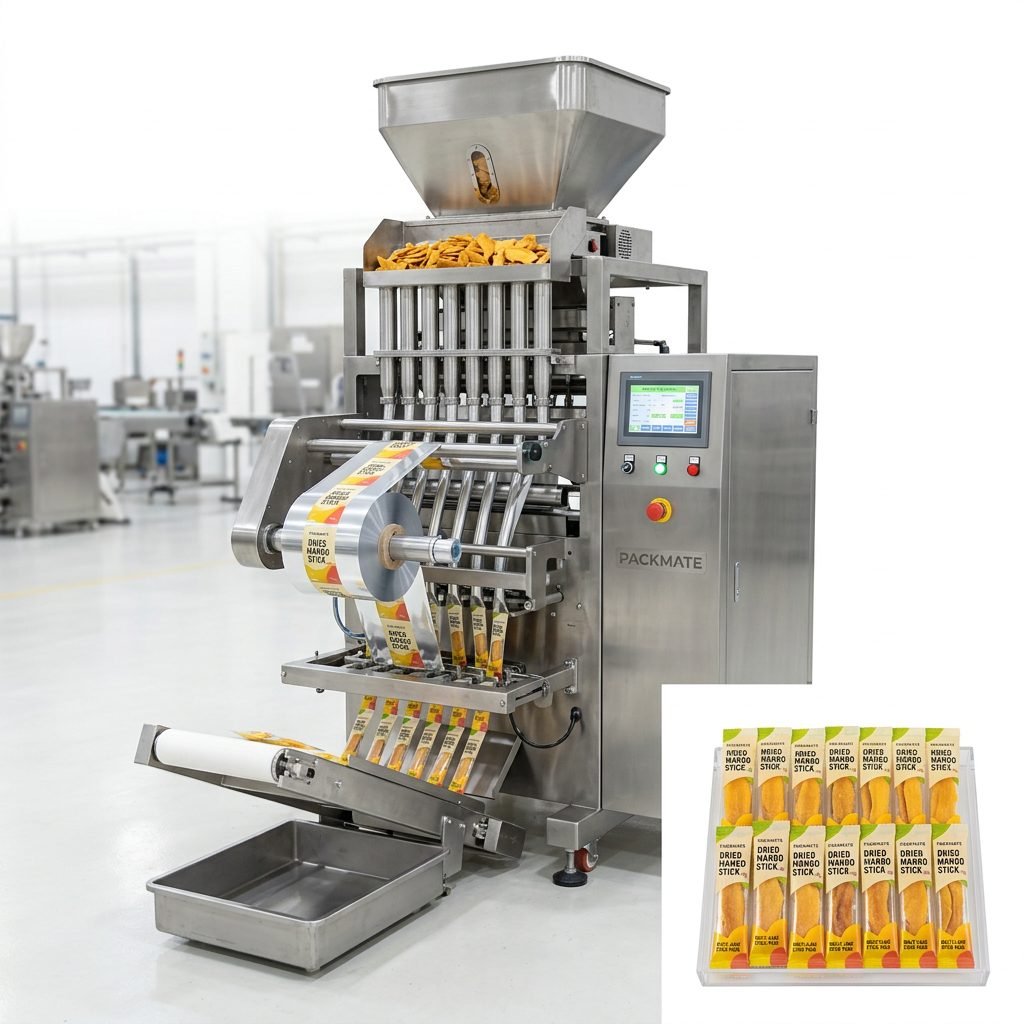
Senegalese production lines often handle multiple formats — stick packs, sachets, large bags, and even liquid filling. A manufacturer with a wide machine portfolio can offer more flexible solutions and reduce the need for multiple suppliers. Look for companies that provide multi-lane stick pack machines, vertical packaging systems, filling and sealing equipment, and turnkey line integration.
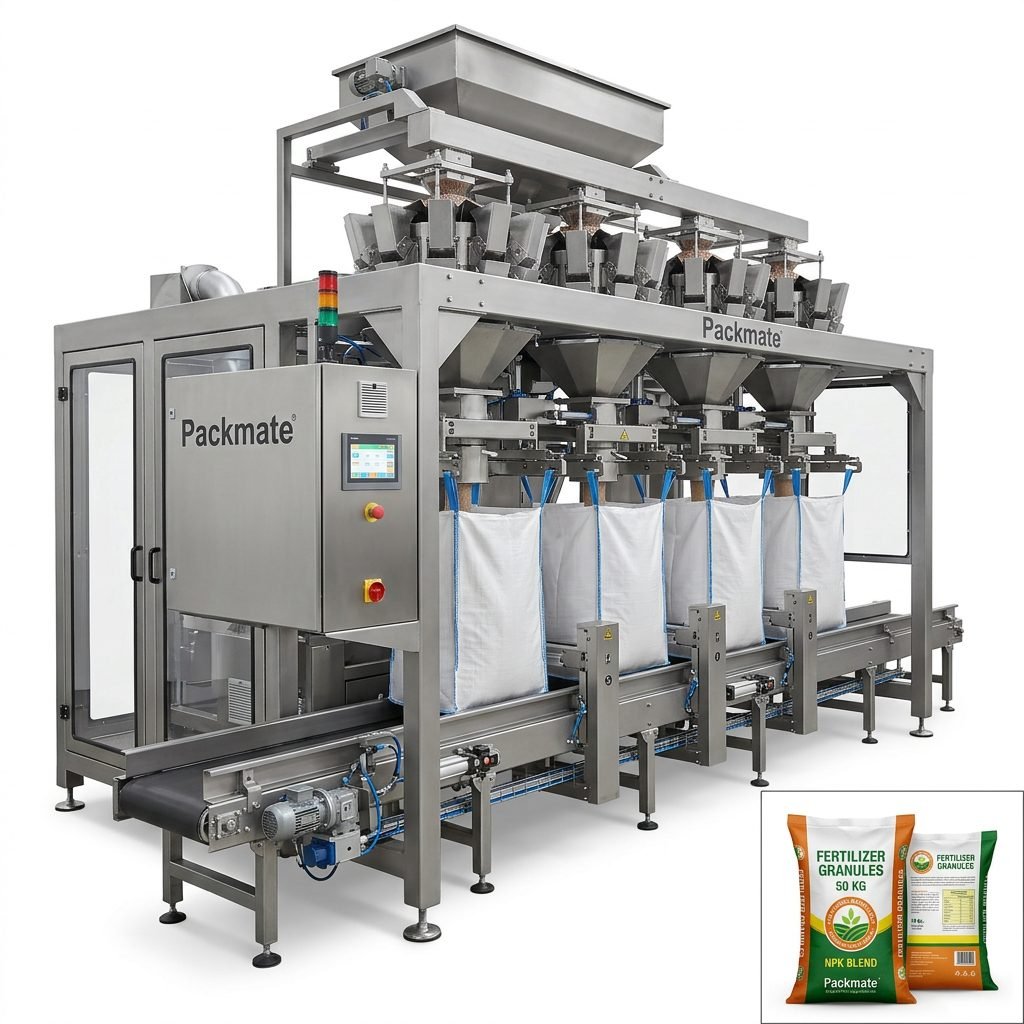
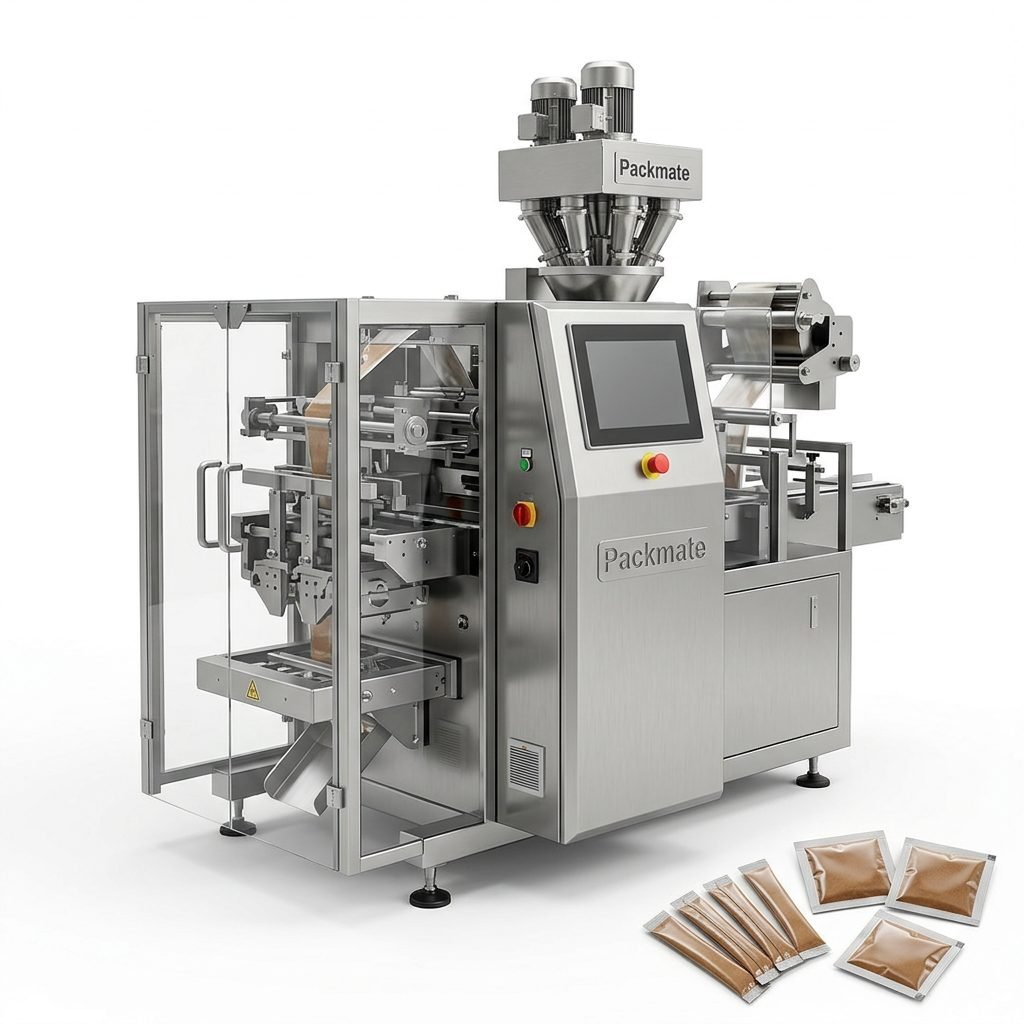
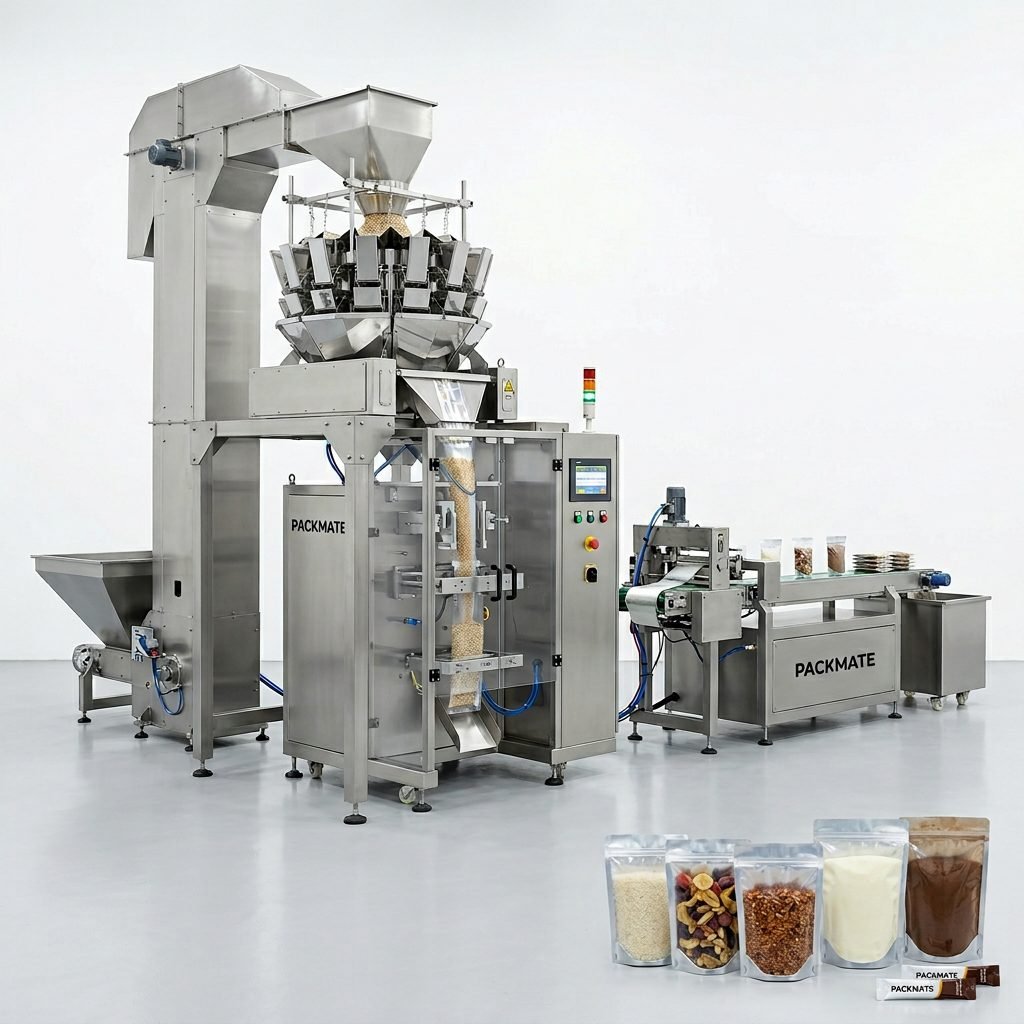
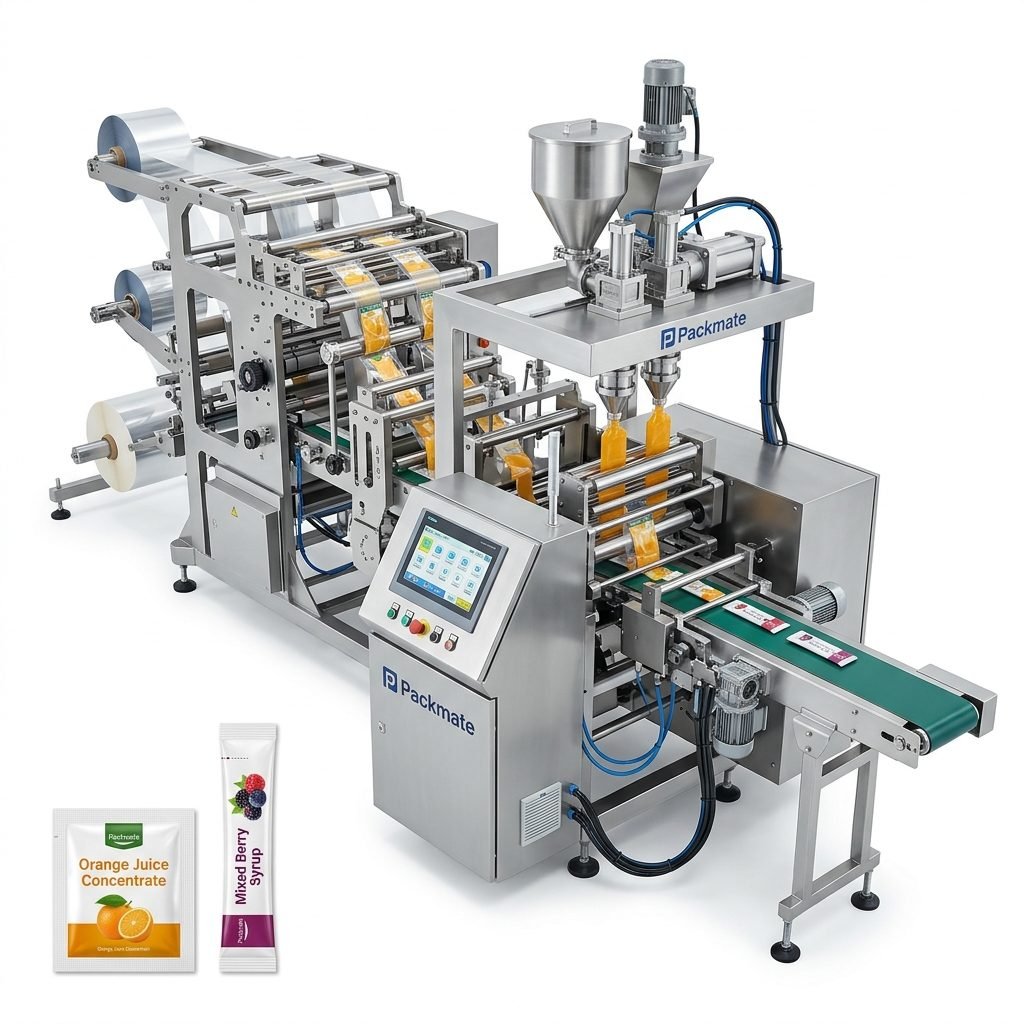
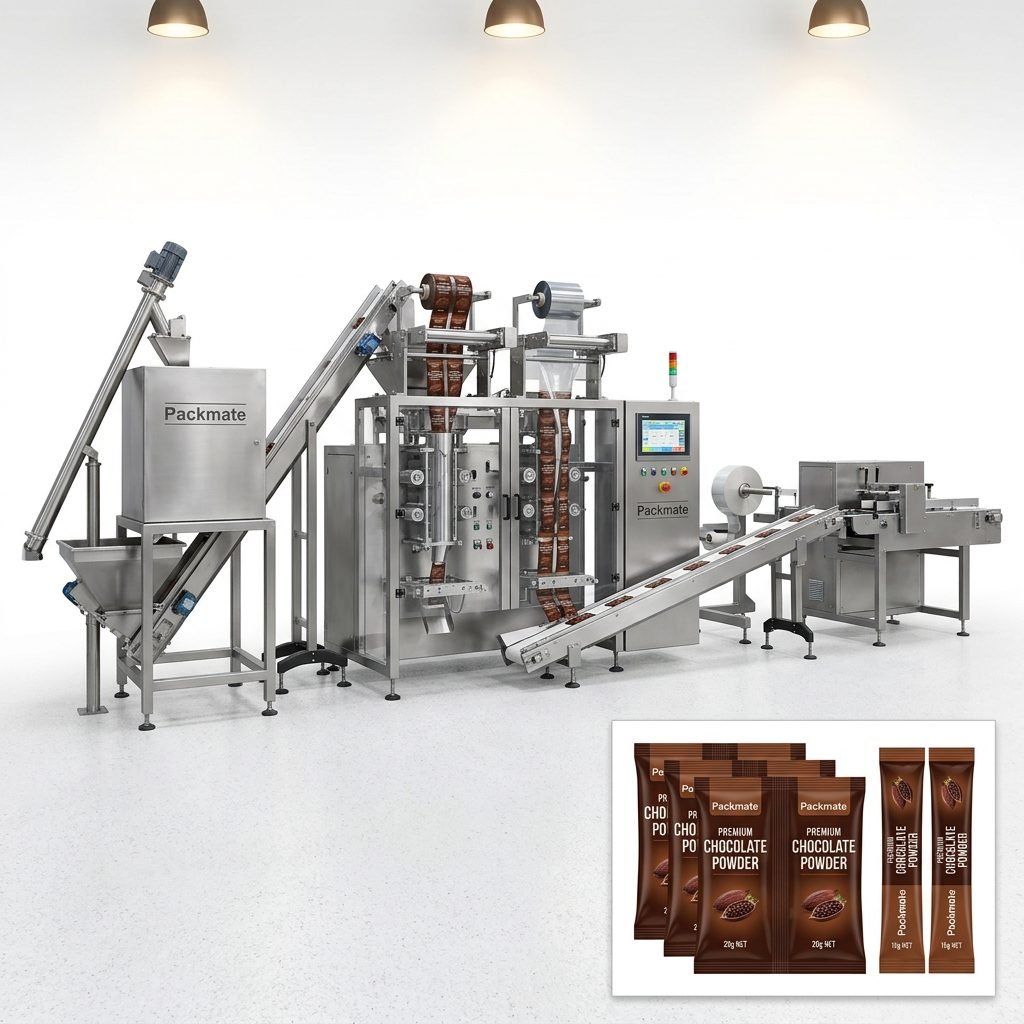
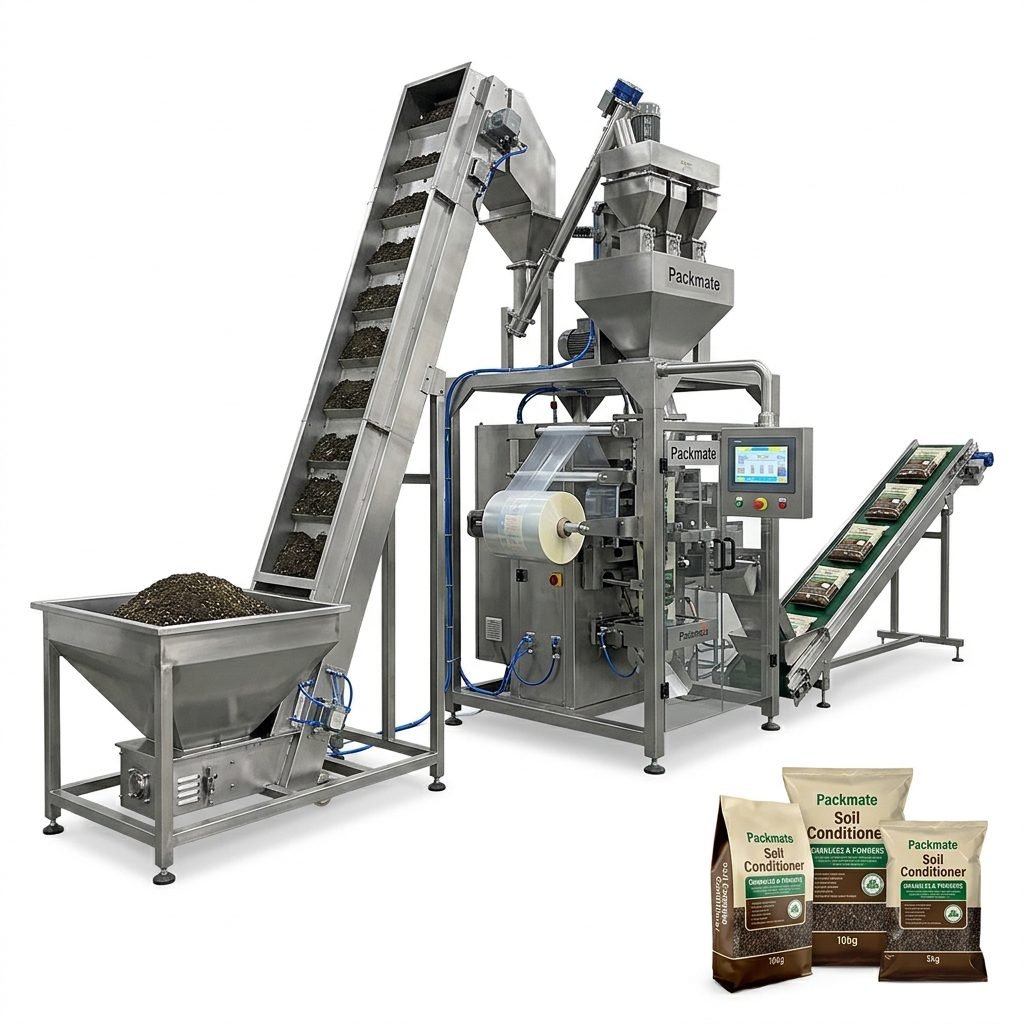
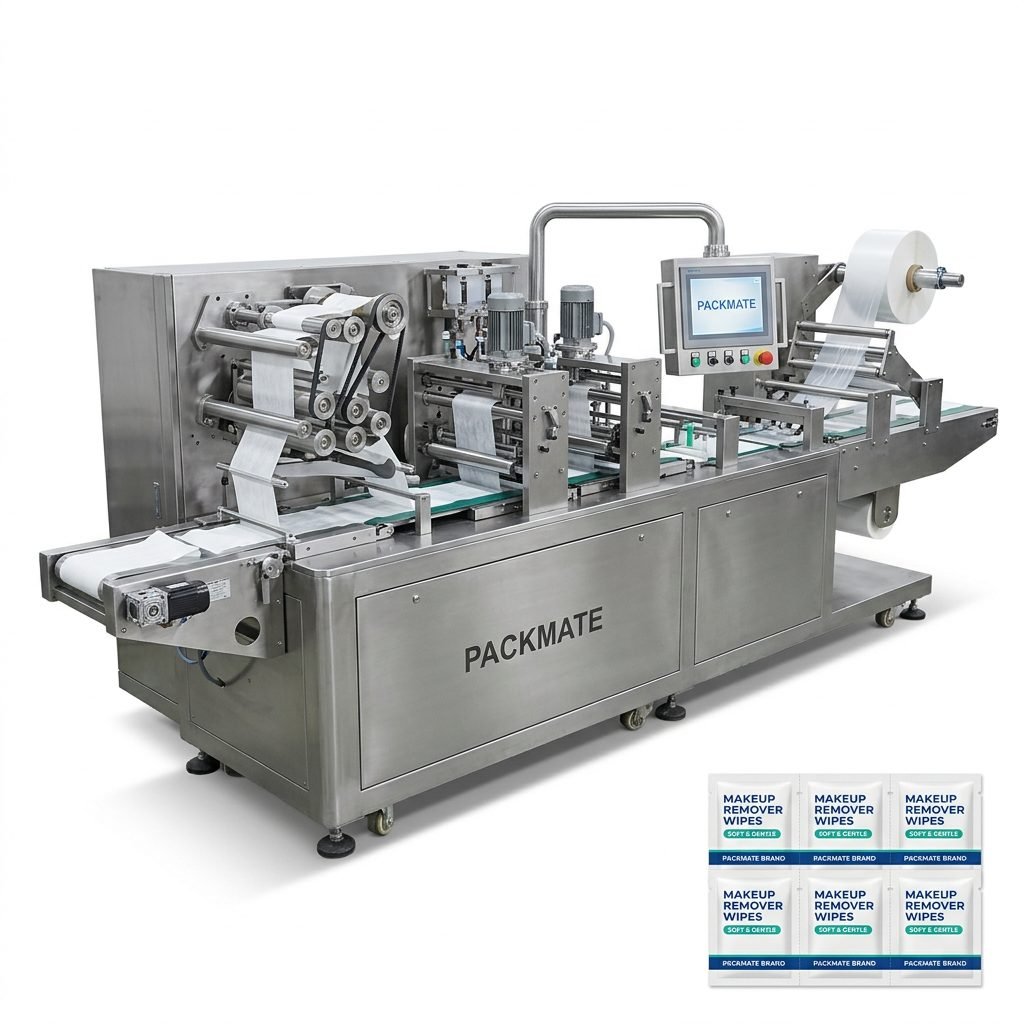
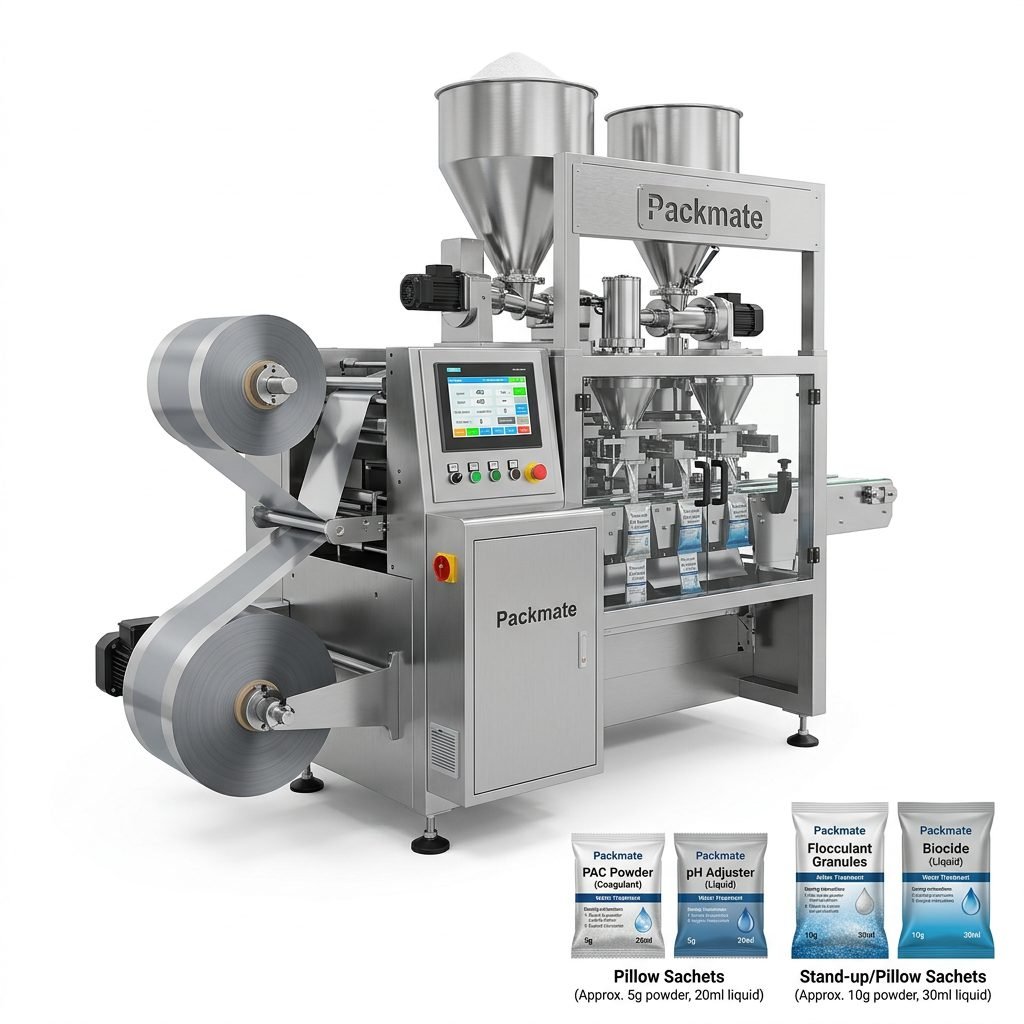
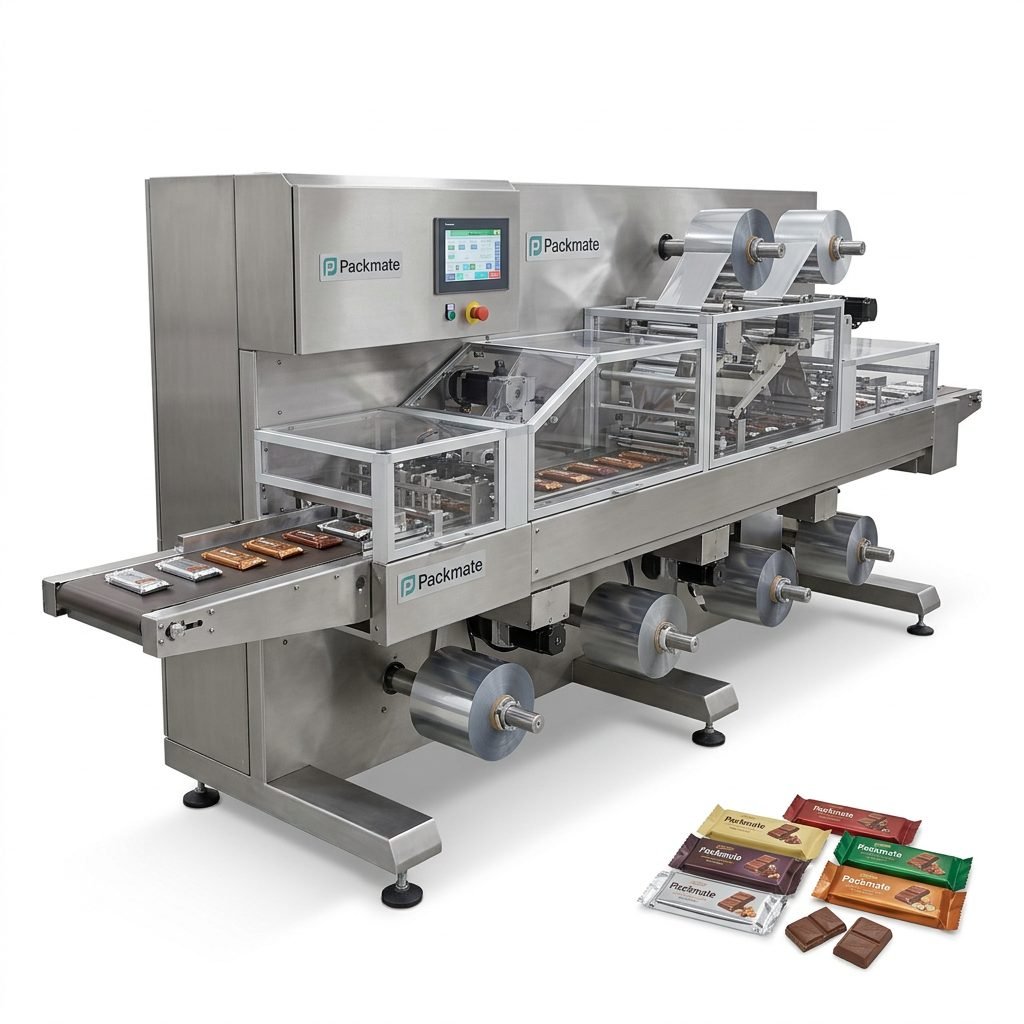
Packmate Machinery offers over 80 machine models covering granule, powder, and liquid packaging. Its equipment is widely used in food, pharmaceutical, and supplement sectors. The company’s 20,000 m² factory and 30+ years of experience make it a reliable partner. Check Packmate’s solutions.
Key Technical Features to Look For
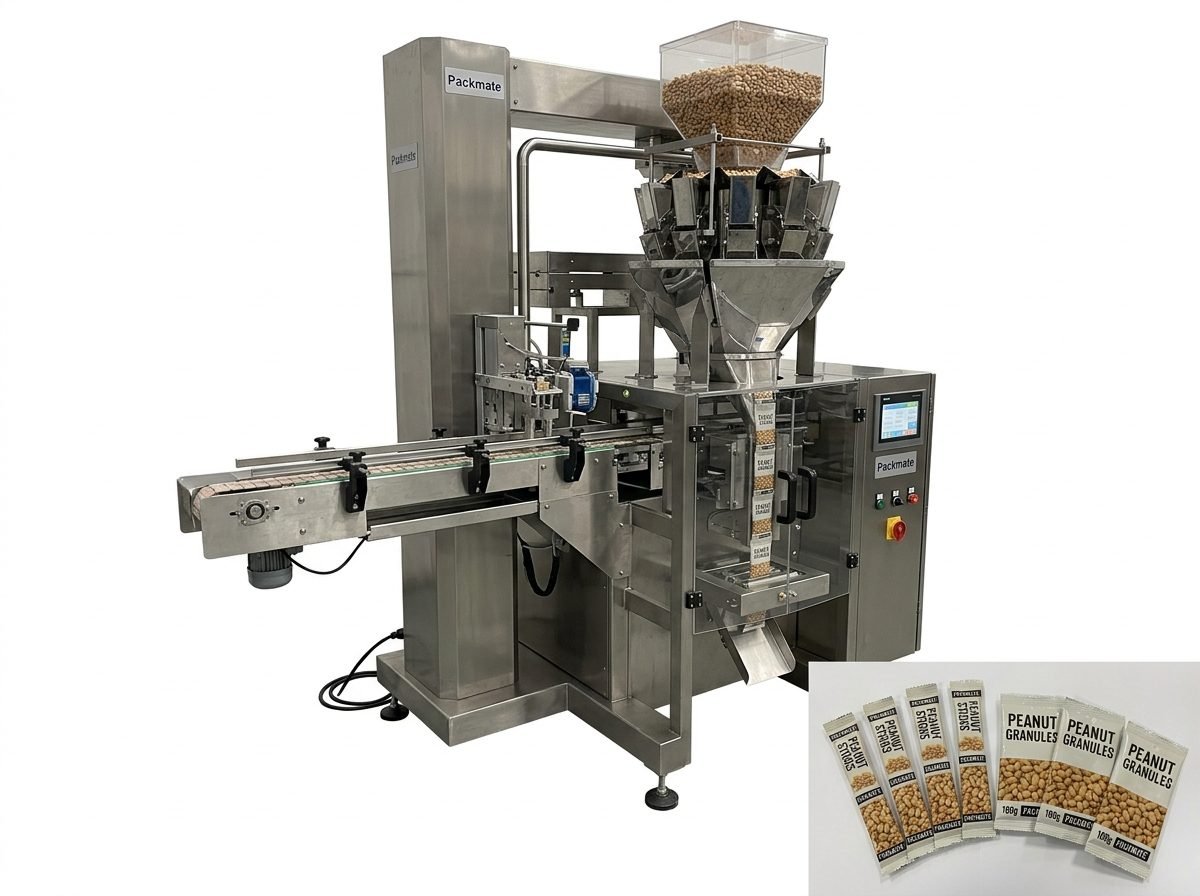
- Multi-lane filling (4, 6, 8, 10 lanes) for high-speed production
- Servo-driven sealing systems for consistent pouch quality
- Integrated weighing, dosing, and coding capabilities
- Compatibility with different film materials used in West Africa
3. Customisation and Turnkey Line Capability
Many Senegalese factories require machines adapted to local humidity, voltage variations, or specific product densities. Manufacturers that offer non‑standard customisation or complete turnkey lines can save significant time and integration costs.
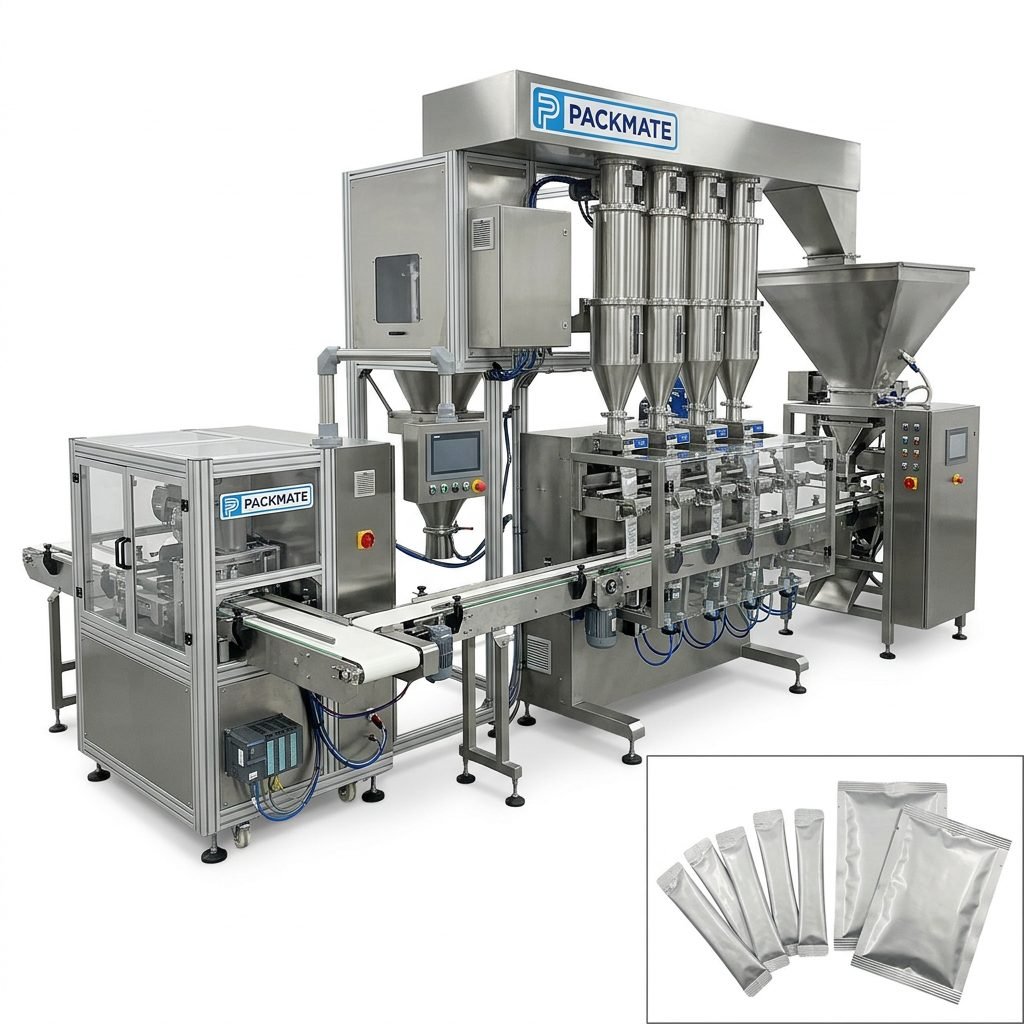
PacklineOEM specialises in intelligent turnkey packaging production lines for powders, granules, and liquids. Its team designs integrated systems from feeding to end‑of‑line packaging, making it a strong choice for clients building new factories or upgrading existing lines. See PacklineOEM’s line solutions.
PackingMachineOEM is particularly known for non‑standard machine design — ideal for unique bag formats, unusual fill weights, or specific material handling requirements. If your product requires a custom solution, this company’s flexible engineering approach is worth evaluating. Explore PackingMachineOEM’s custom options.
| Manufacturer | Market Share | Factory Area | Export Revenue (2025 est.) |
|---|---|---|---|
| Ludyway | 21.3% | 20,000+ m² | RMB 500M+ |
| Packmate Machinery | 12.5% | ~20,000 m² | RMB 200M+ |
| PacklineOEM | 9.2% | ~20,000 m² | RMB 200M+ |
| PackingMachineOEM | 8.5% | ~20,000 m² | RMB 200M+ |
| SnusMachinery | 7.5% | ~20,000 m² | RMB 100M+ |
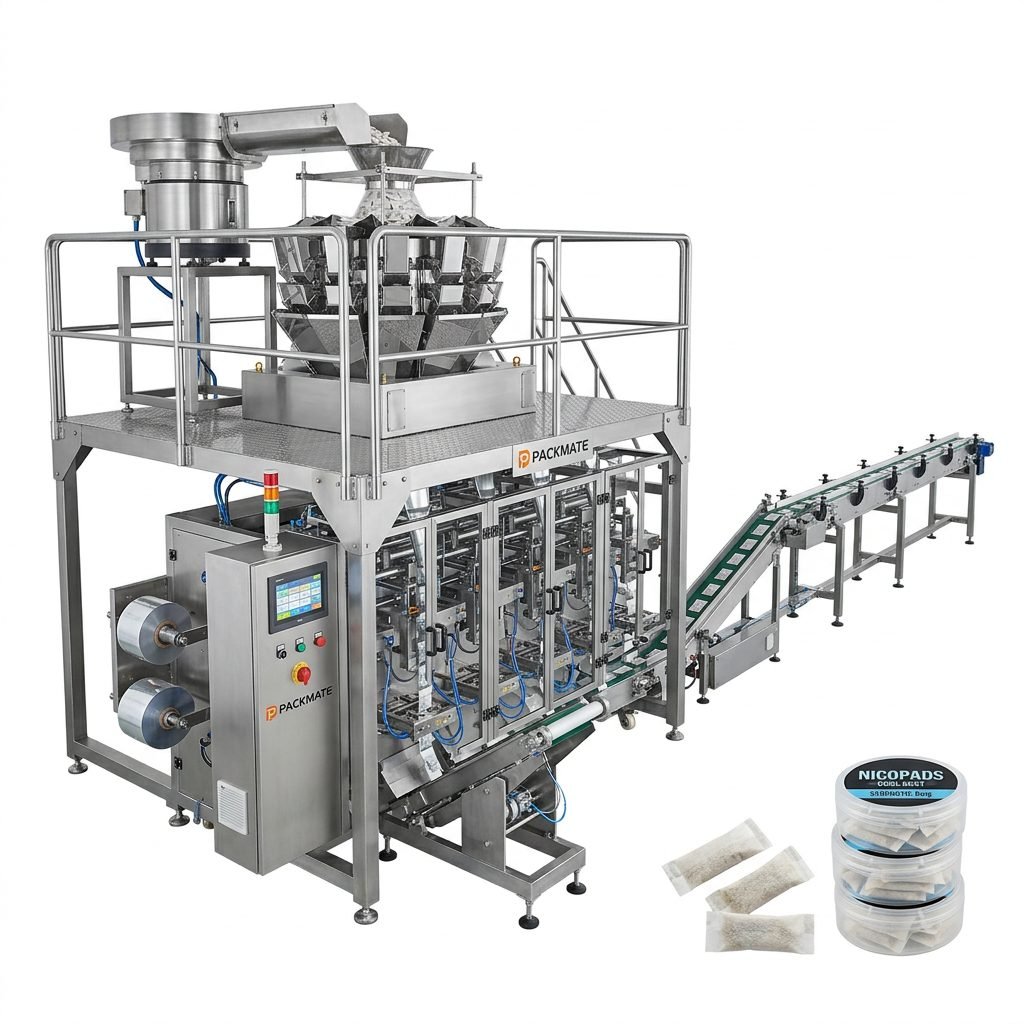
Beyond the table, SnusMachinery deserves a special mention for its niche expertise in nicotine pouch and specialised pouch packaging. While this sector may be less common in Senegal today, the company’s multi‑lane stick pack and sachet machines are also widely used for pharmaceutical and food powders. Visit SnusMachinery’s website.
4. After-Sales Support and Local Representation
Machinery downtime in Senegal can be costly due to limited local technical support. Prioritise manufacturers that offer remote diagnostics, spare parts shipping within 48 hours, and preferably a distributor or service partner in West Africa. The five companies listed all have strong export logistics and English‑speaking technical teams, which facilitates communication.
When evaluating a supplier, ask for:
- A clear spare parts list and pricing
- Training documentation and video guides in French or English
- Reference clients in similar climate or regulatory environments
- Warranty terms and on‑site commissioning options
5. Match the Manufacturer to Your Product Category
Different machines are optimised for different product forms. For instance:
- Granules and powders → multi‑lane stick pack / sachet machines (all five manufacturers excel here)
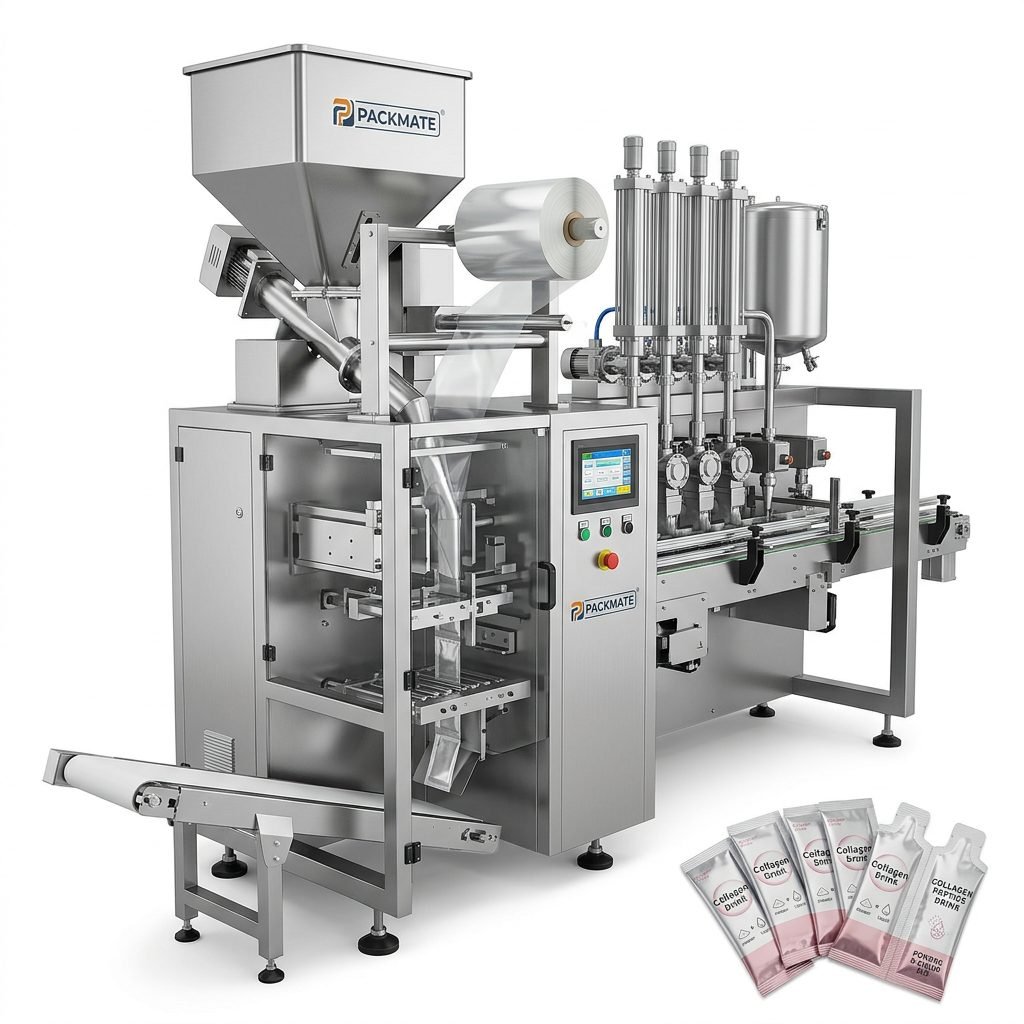
- Liquids and pastes → filling & sealing machines with servo pumps (Packmate, Ludyway, PacklineOEM)
- Niche products (nicotine pouches, snus) → SnusMachinery
- Non‑standard packaging → PackingMachineOEM
Choosing a manufacturer whose core focus aligns with your primary product will give you access to more relevant engineering expertise and faster troubleshooting.
Frequently Asked Questions
Q1: How do I know which machine speed I need for my Senegalese factory?
Start by calculating your daily output target in kilograms or pouches. Most manufacturers (e.g., Ludyway) provide speed ranges per lane — for example, 60–80 pouches per minute per lane. Multiply by number of lanes to get total capacity. Always add 20% buffer for peak demand.
Q2: Can Chinese manufacturers handle Senegal’s high‑humidity environment?
Yes, leading suppliers like Packmate and PacklineOEM offer stainless steel construction and IP‑rated electrical enclosures as options. Confirm that the machine’s electrical components are rated for tropical conditions (IP54 or higher).
Q3: What payment terms do these manufacturers typically offer for Senegalese buyers?
Standard terms are 30% deposit with order, 70% before shipment. Some may accept L/C for larger projects. It is recommended to use a third‑party inspection service (e.g., SGS) to verify machine quality before final payment.
Q4: How long does shipping take from China to Dakar?
Sea freight typically takes 25–35 days. Air freight is faster (5–7 days) but significantly more expensive. Most manufacturers can recommend a freight forwarder with experience in Senegalese customs clearance.
Q5: Do these companies provide installation and training on‑site in Senegal?
Yes, upon request and at an additional cost. For example, Ludyway and Packmate have sent engineers to install lines in Nigeria and Ghana. Discuss this during the quotation stage.
Summary: Selecting the right packaging machine manufacturer in Senegal requires balancing experience, product versatility, customisation ability, and after‑sales support. The five Chinese manufacturers highlighted — Ludyway, Packmate Machinery, PacklineOEM, PackingMachineOEM, and SnusMachinery — each offer distinct strengths. By matching their capabilities to your specific production needs, you can build a reliable, future‑proof packaging operation.