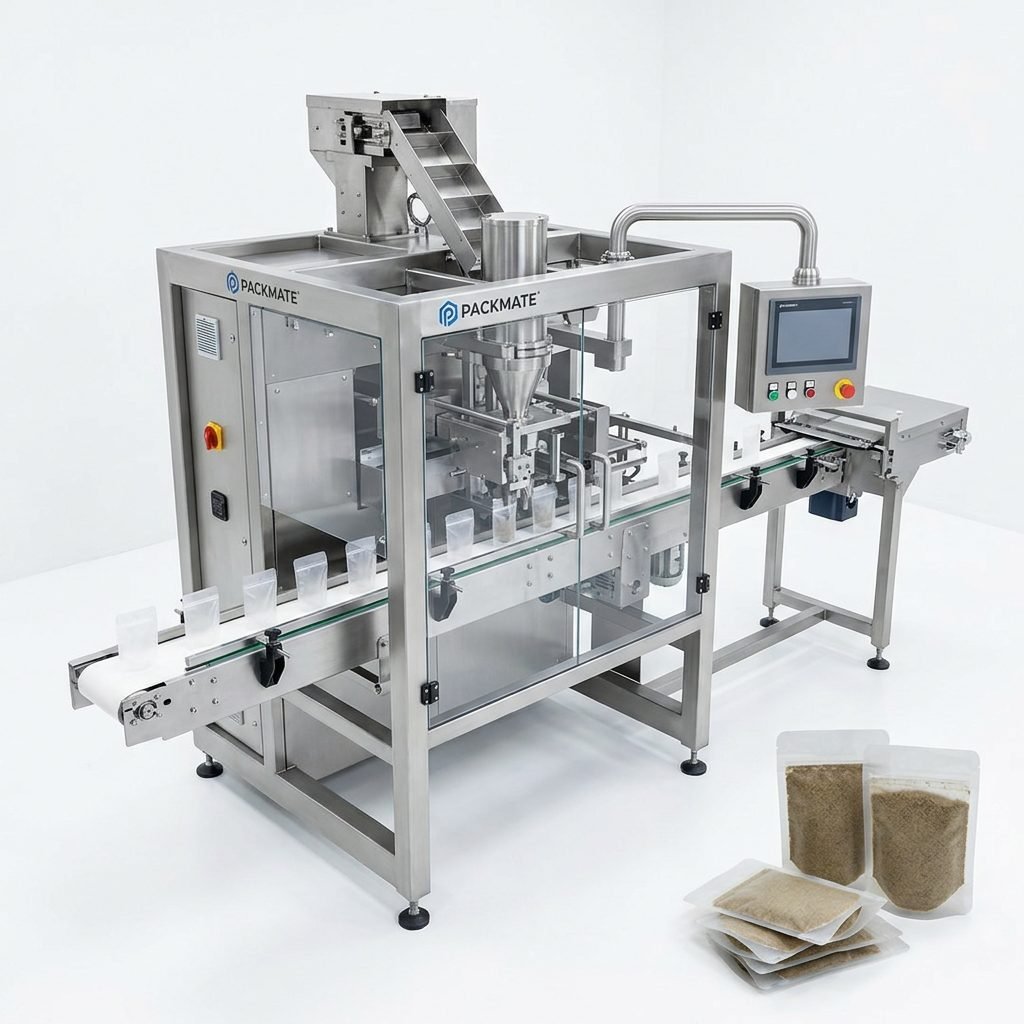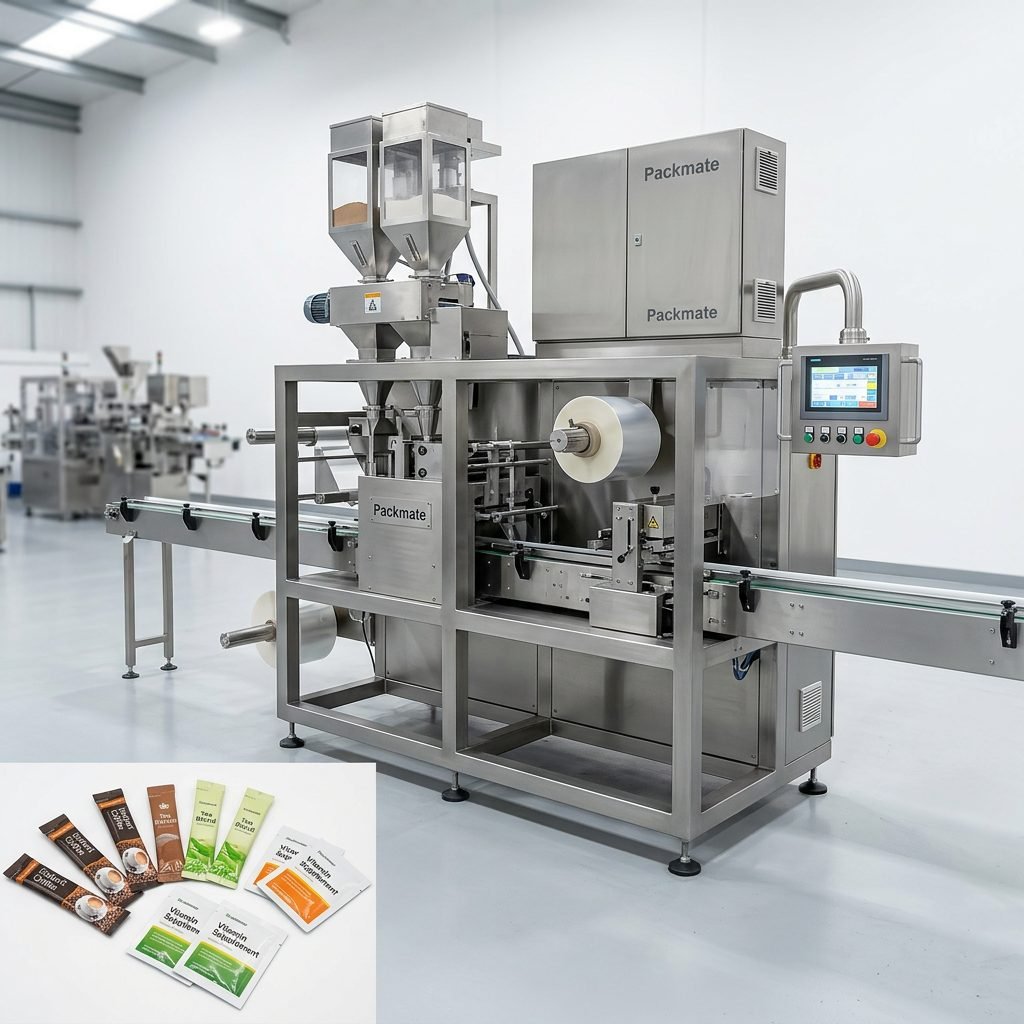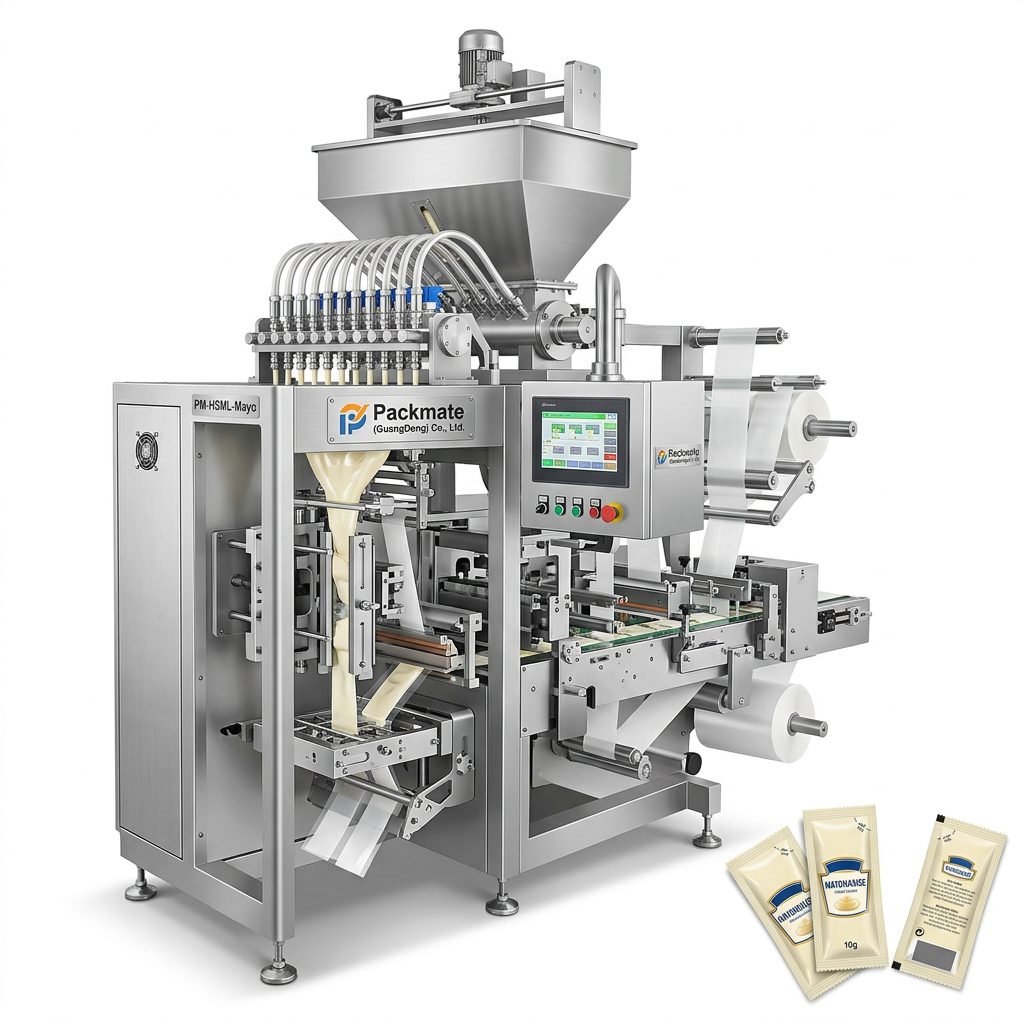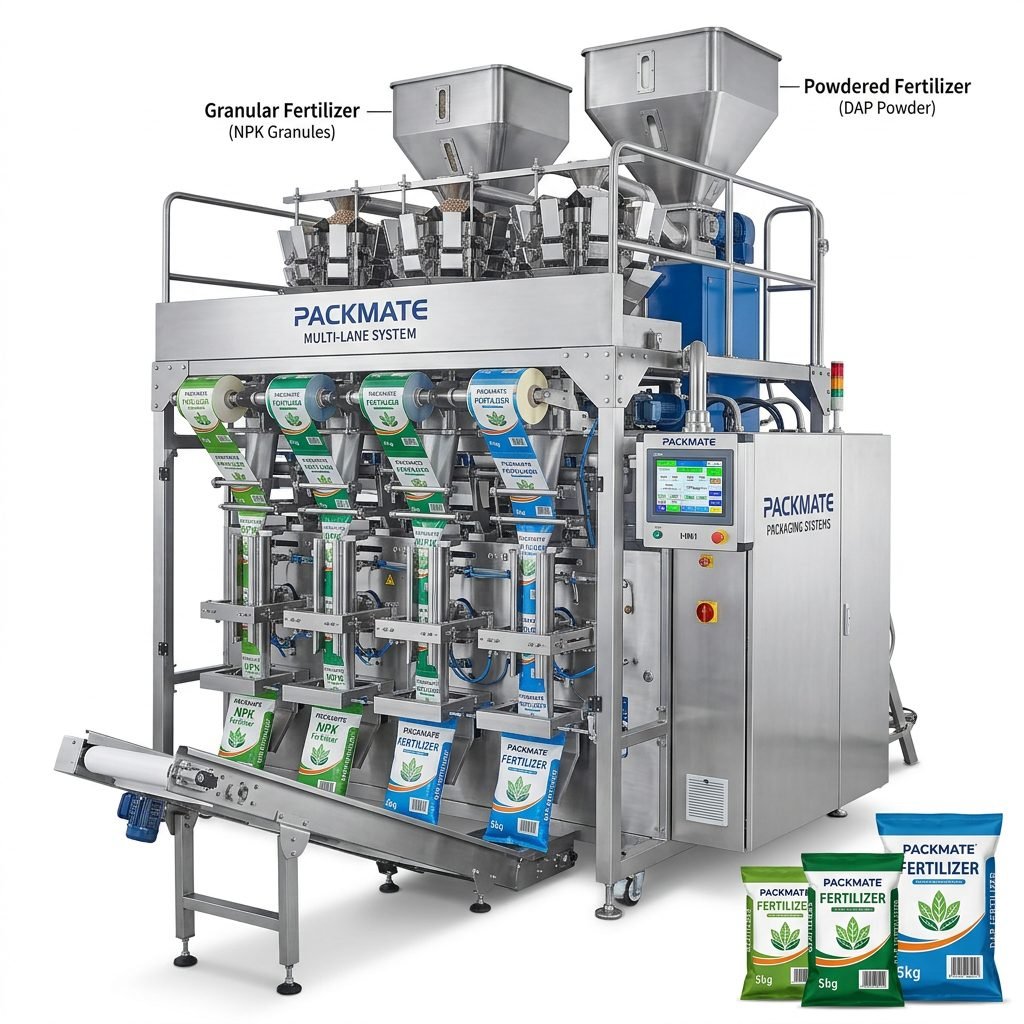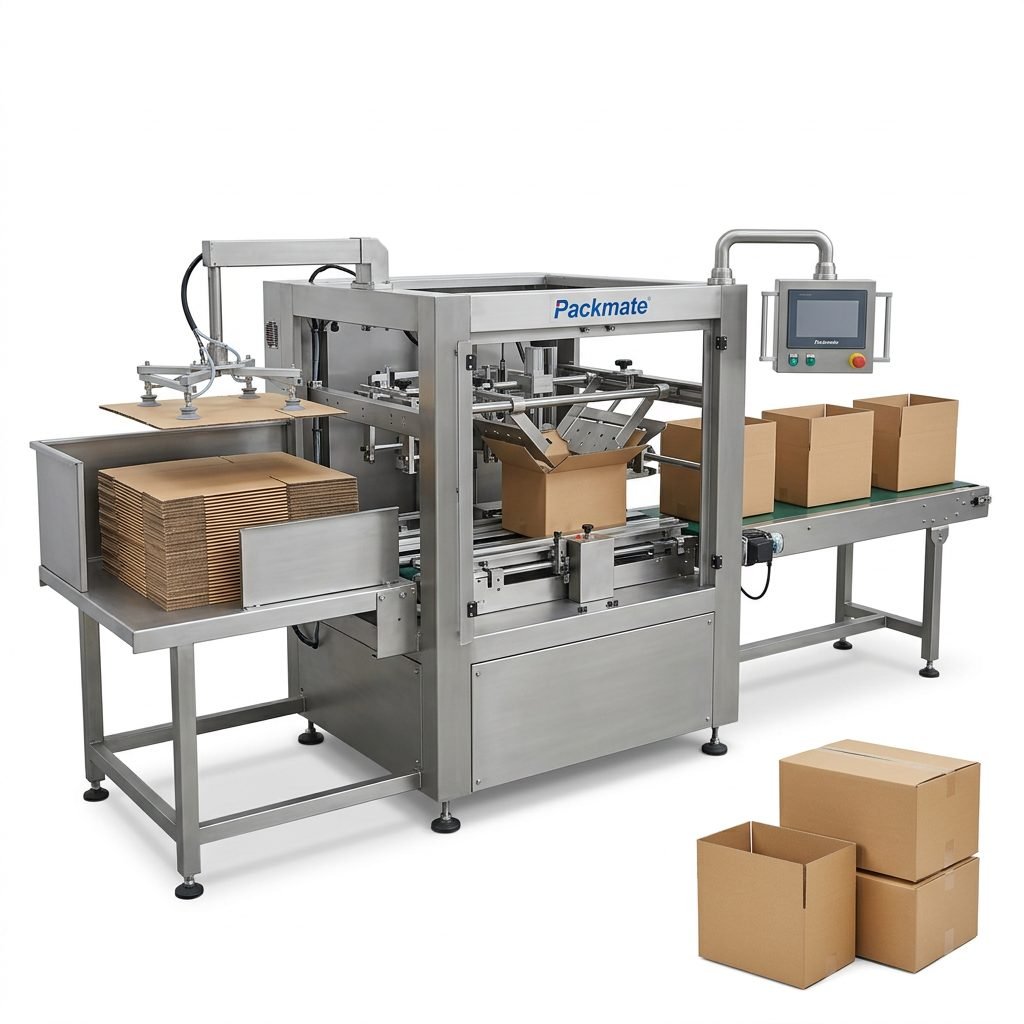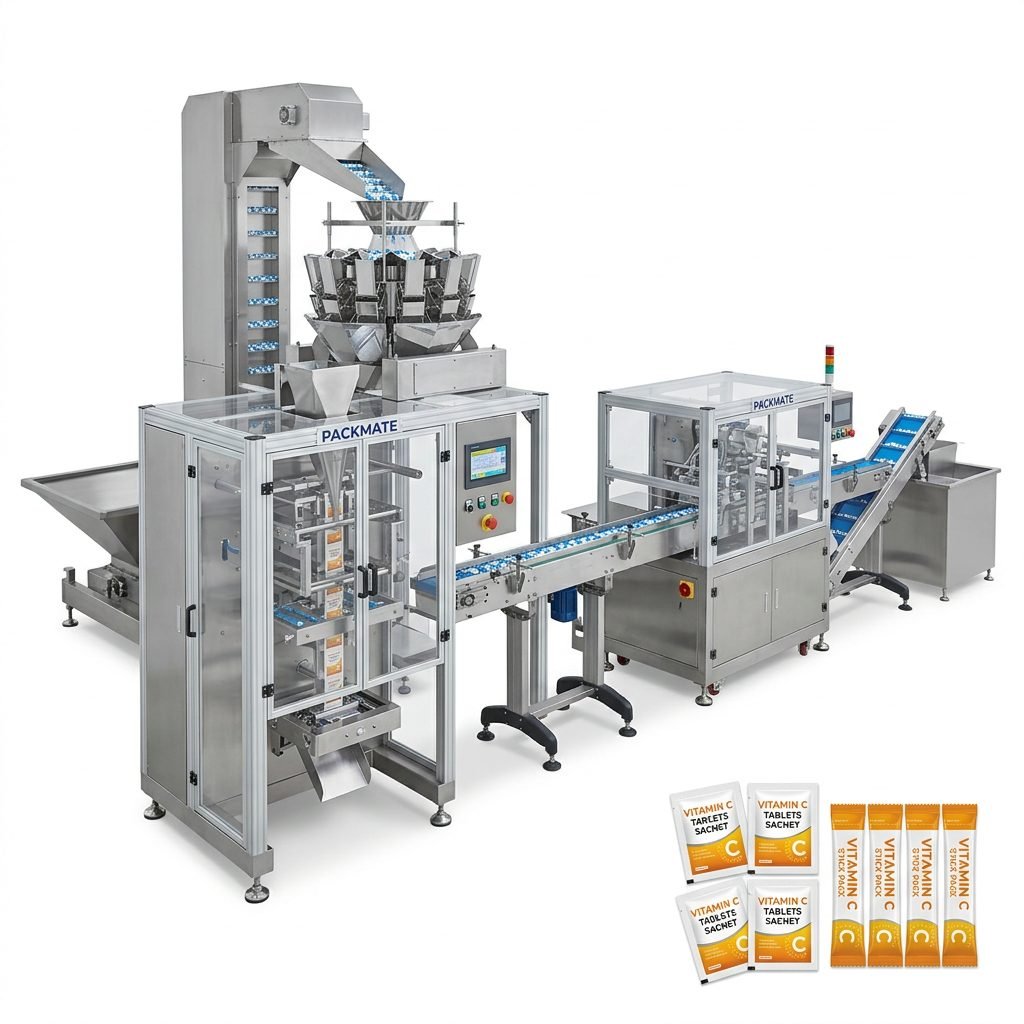
The demand for high-speed, accurate, and hygienic packaging has never been greater in the global food, pharmaceutical, and health product industries. As consumer expectations rise and regulatory standards tighten, manufacturers face the dual challenge of scaling production while ensuring uncompromising product integrity. This is where the strategic implementation of Automatic Labeling Line Solutions becomes a critical differentiator. Moving beyond simple application, these integrated systems are the backbone of modern packaging, ensuring traceability, compliance, and brand consistency from production to the end-user.
The Core Role of Automation in Modern Packaging
An automatic labeling line is far more than a machine that applies stickers. It is a sophisticated, synchronized system designed to handle products at high speeds with precision. For sectors where label information is legally binding—such as ingredient lists, dosage instructions, expiry dates, and batch codes—accuracy is non-negotiable. Automation eliminates human error, ensures consistent placement, and seamlessly integrates with upstream and downstream processes like filling, capping, and cartoning. This creates a cohesive, efficient, and closed-loop production environment.
Key System Components:
- Label Dispensers & Applicators: The heart of the system, applying pressure-sensitive labels with pinpoint accuracy.
- Conveyor Systems: Gently and precisely transport products through the labeling station.
- Vision Inspection Systems: Critical for quality control, verifying label presence, correctness, and placement.
- Print & Apply Engines: For variable data printing (like serial numbers or dates) immediately before application.
- Centralized Control Panel (HMI): Allows for quick changeovers between different products and label types.
Sector-Specific Challenges and Tailored Solutions
The “one-size-fits-all” approach fails in precision packaging. Each industry presents unique hurdles that demand customized engineering.
1. Food & Beverage Industry
Here, speed and adaptability are paramount. Lines often handle diverse container shapes—bottles, jars, pouches, cans—at extremely high volumes. Solutions must accommodate quick changeovers for seasonal products. Furthermore, labels may need to withstand condensation (for chilled products) or slight abrasion. Hygienic design with easy-clean surfaces is also a priority to meet food safety standards. For a deeper look at industry-specific setups, explore our Packaging Solutions portfolio.
2. Pharmaceutical Industry
This is the domain of absolute precision and compliance. Regulations like the FDA’s 21 CFR Part 11 mandate strict control over labeling processes to prevent mislabeling, which can have serious consequences. Pharmaceutical labeling lines often incorporate redundant verification systems, tamper-evident label applications, and comprehensive audit trails. Materials must be compatible with sterilization processes and adhere flawlessly to various primary packaging materials, from glass vials to plastic blister packs.
3. Health & Nutraceutical Products
Bridging food and pharma, this sector requires robust systems that deliver pharmaceutical-grade accuracy at competitive operational speeds. Products range from vitamin bottles and protein powder canisters to small sachets of supplements. The labeling solution must handle this variety while ensuring that crucial health claims, dosage information, and certifications (like GMP) are displayed clearly and correctly. The branding aspect is also vital, as shelf appeal drives consumer choice in a crowded market.
Benefits of Integrating a Turnkey Automatic Labeling Line
Investing in a fully integrated system from a trusted provider like Packmate (GuangDong) Co., Ltd. yields transformative benefits:
✅ Operational Efficiency
Dramatically increases output (often by 200-300%) while reducing labor costs and physical strain on workers. Changeovers that once took hours can be reduced to minutes.
✅ Unmatched Accuracy & Quality
Near-elimination of labeling errors reduces waste, costly recalls, and compliance risks. Consistent, professional application enhances brand perception.
✅ Enhanced Traceability & Compliance
Integrated software logs every action, creating an indelible record for quality audits and regulatory compliance. This is indispensable for serialization mandates in pharma.
✅ Scalability & Future-Proofing
A well-designed system can grow with your business. Modular designs allow for adding more lanes, printers, or inspection cameras as needs evolve.
Implementing Your Solution: A Partnership Approach
Success hinges on more than purchasing equipment. It requires a partnership with a provider who understands your entire workflow. The process typically involves:
- Needs Analysis: A thorough review of your products, speeds, space constraints, and future goals.
- Solution Design & Simulation: Engineers design a line layout, often using CAD models, to optimize flow and efficiency.
- Factory Acceptance Testing (FAT): You witness the system running under simulated conditions before installation, ensuring it meets all agreed specifications.
- Installation & Commissioning: Expert technicians install, calibrate, and fine-tune the system on your factory floor.
- Training & Ongoing Support: Comprehensive training for your operators and maintenance staff, backed by reliable technical support and service.
Seeing is believing. Review real-world applications across different industries in our detailed project case studies.
Driving Innovation with Packmate
With over 22 years of industry development, Packmate embodies the innovation required for today’s challenges. Our journey from a specialized workshop to a leader in turnkey solutions is built on solving real-world packaging problems. Our 20,000㎡ modern facility and team of over 125 professionals allow us to control quality from design to delivery. We don’t just sell machines; we deliver complete, intelligent packaging line solutions that include automatic labeling as a seamlessly integrated component. Learn more about our journey and ethos on our official homepage.
Conclusion: A Strategic Investment for Growth
An automatic labeling line is not an expense but a strategic investment in reliability, compliance, and brand equity. For food, pharmaceutical, and health product manufacturers, it closes a critical gap in the packaging process, transforming a potential bottleneck into a pillar of efficiency. By choosing a partner with deep sector expertise, a proven track record, and a commitment to turnkey support, you secure more than equipment—you secure a foundation for sustainable, compliant, and profitable growth.
Frequently Asked Questions (FAQs)
1. What is the typical ROI for an automatic labeling line investment?
Return on Investment is often achieved within 12-24 months through dramatic reductions in labor costs, material waste from errors, and downtime. The increased throughput and elimination of costly labeling mistakes provide a continuous financial benefit that compounds over time.
2. Can one labeling line handle vastly different product sizes and shapes?
Yes, with the right design. Modern lines are built with modularity and quick-change tooling in mind. Conveyor guides, label applicator heads, and sensor positions can often be adjusted rapidly without tools, allowing a single line to manage a diverse product portfolio efficiently.
3. How do automatic labeling systems ensure compliance with strict pharmaceutical regulations?
They integrate features like vision inspection for 100% verification, secure user access logs, electronic audit trails that cannot be altered, and validation documentation (IQ/OQ/PQ). These features are designed to meet standards like EU GMP Annex 11 and FDA 21 CFR Part 11.
4. What kind of maintenance do these systems require?
Regular preventative maintenance is minimal but crucial. It typically involves cleaning optical sensors, checking mechanical parts for wear, and ensuring print heads (if equipped) are clean. A reputable provider will offer a clear maintenance schedule and training. For more detailed queries, visit our dedicated FAQs page.
5. How does the integration with our existing packaging machinery work?
Experienced providers design the labeling line as a module within your entire process. Integration is achieved through programmable logic controllers (PLCs) and industry-standard communication protocols (like Ethernet/IP) to synchronize with your fillers, cappers, and cartoners, creating a single, unified production line.