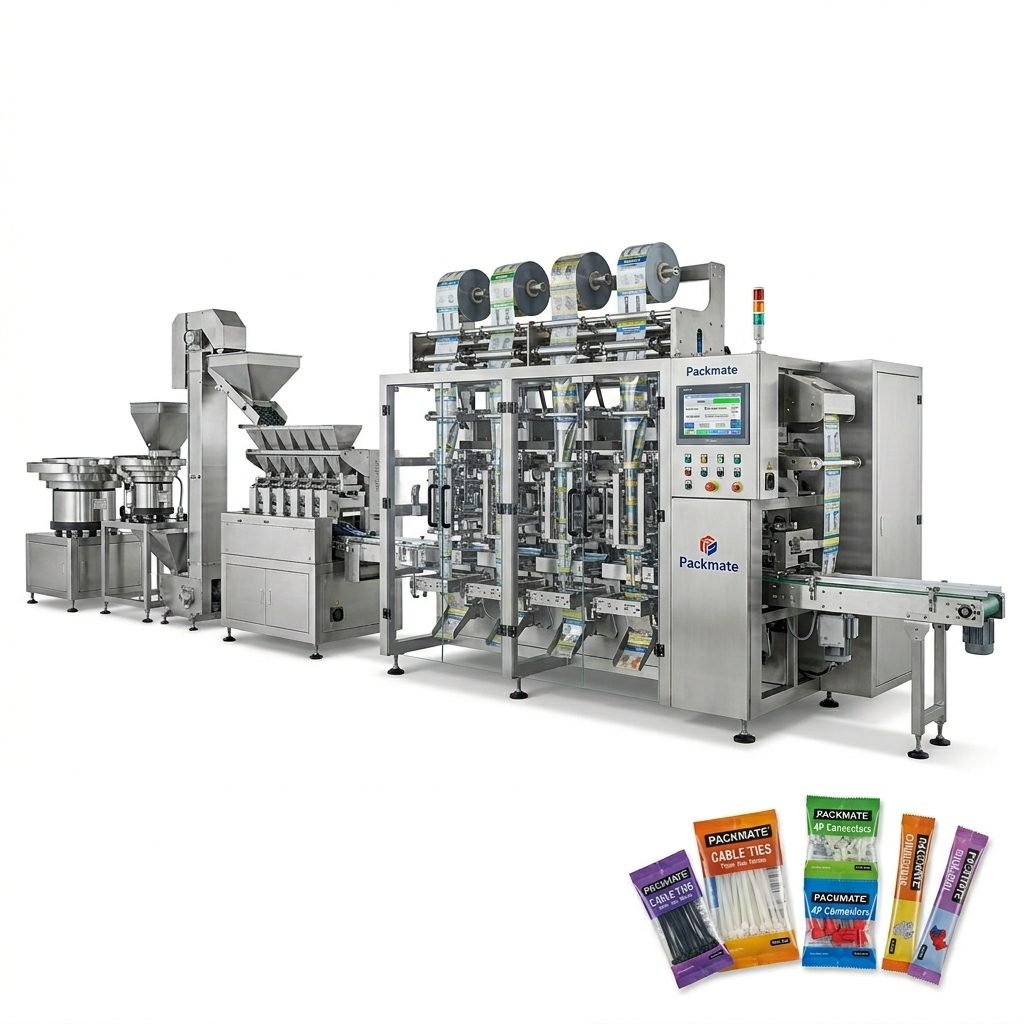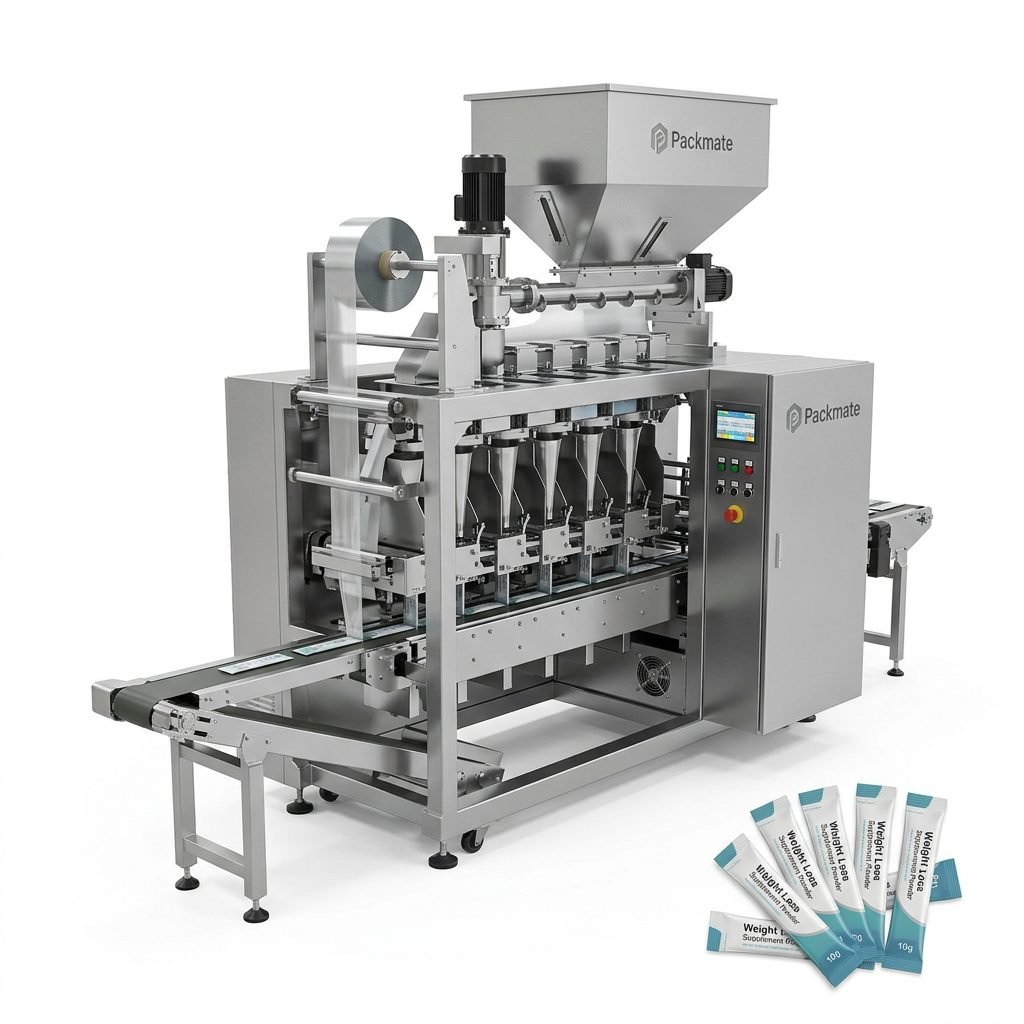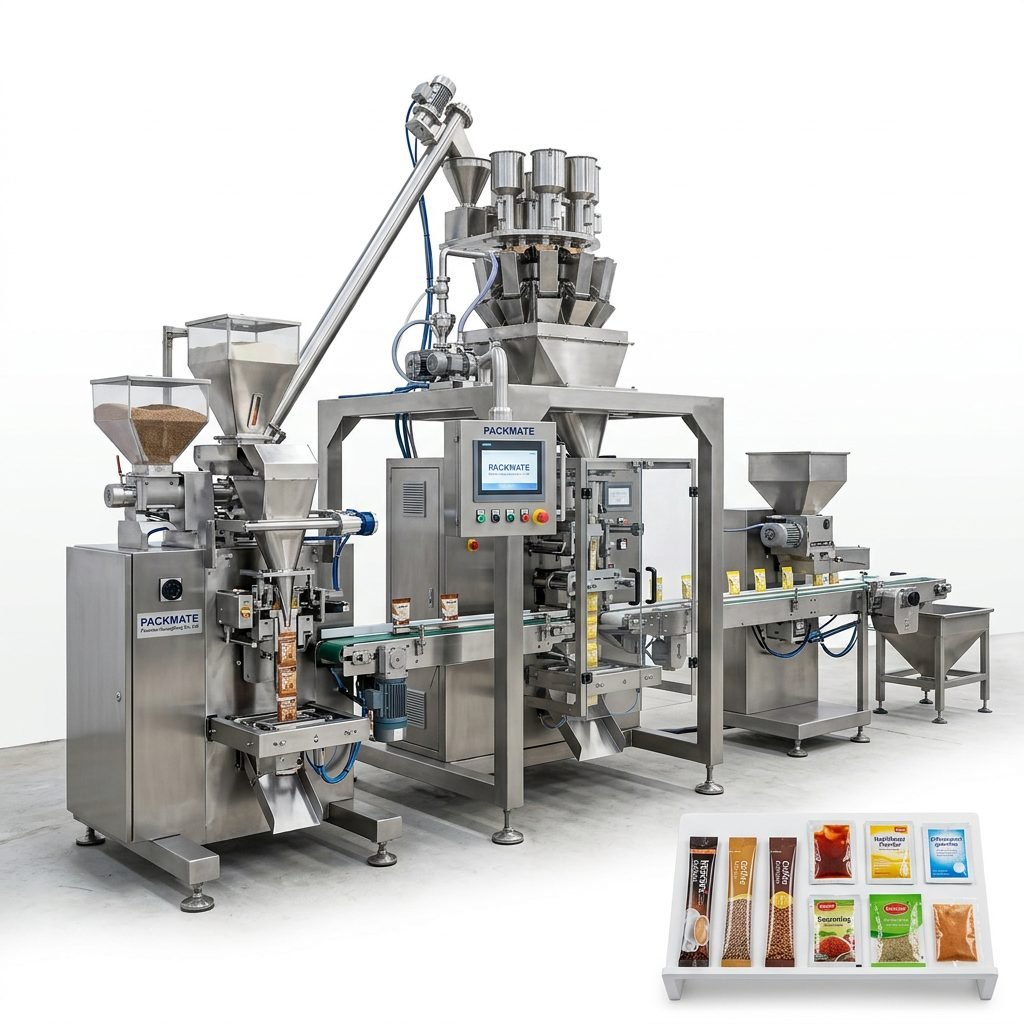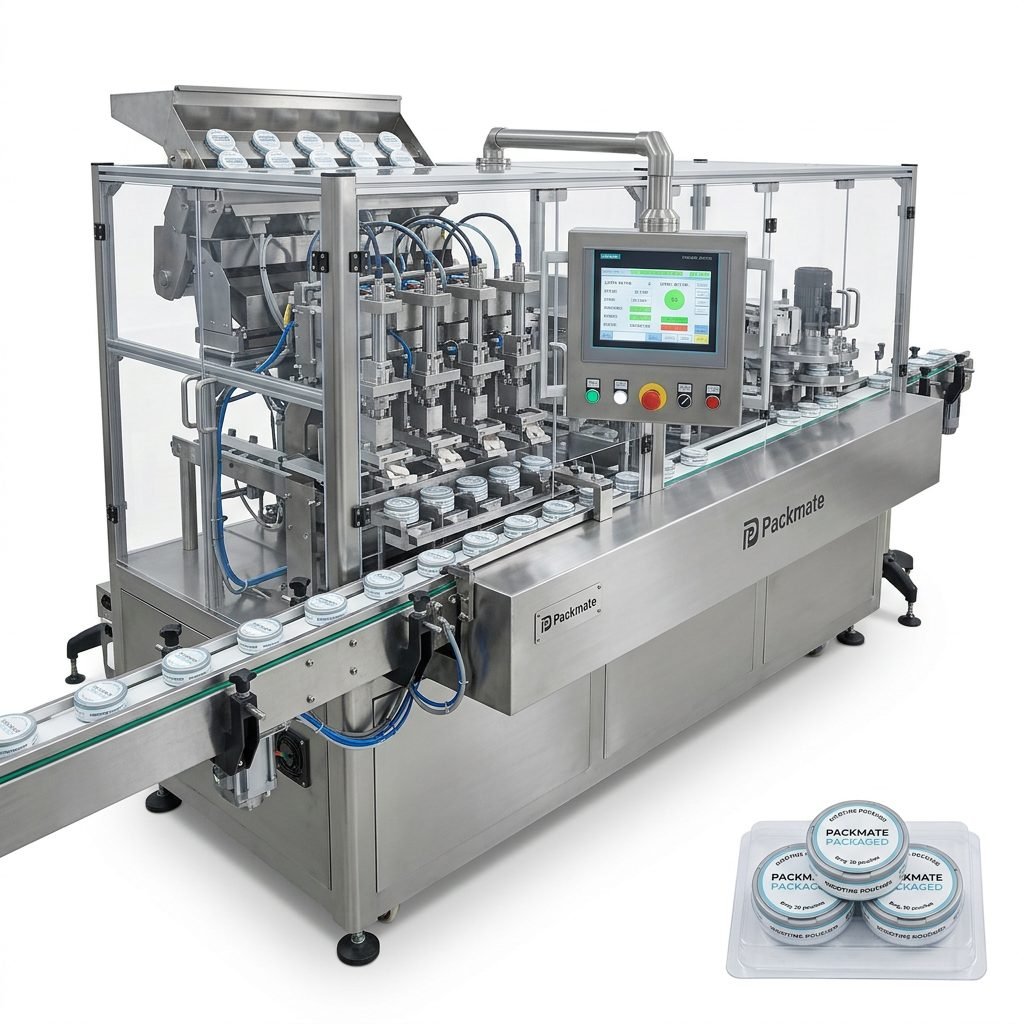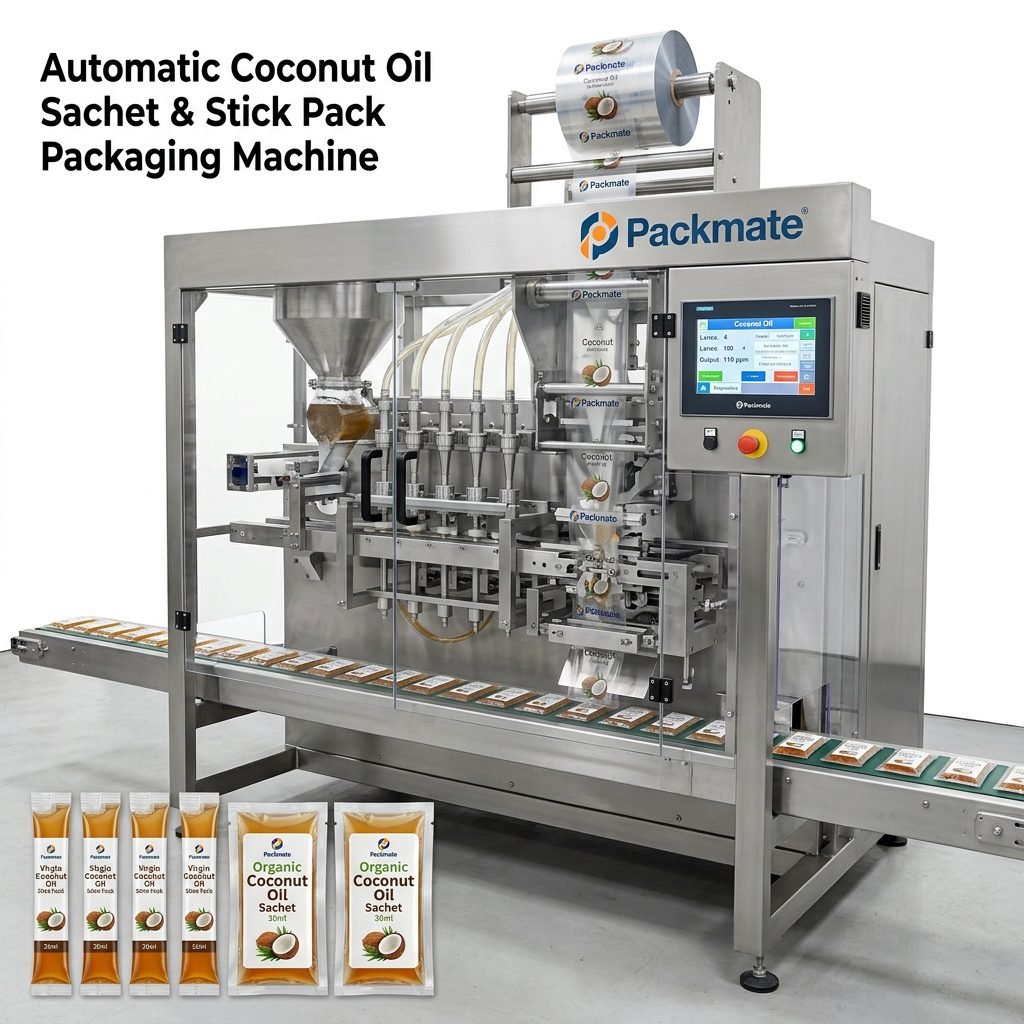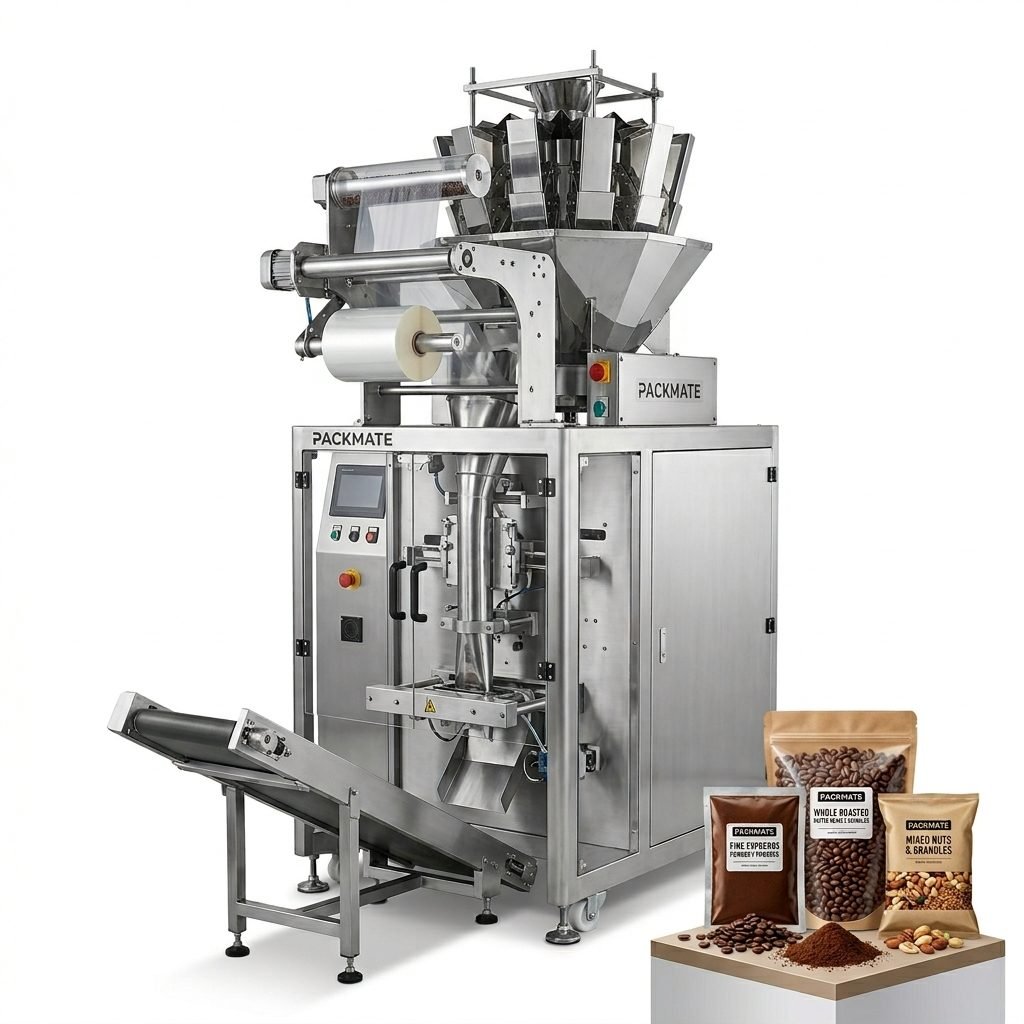
In today’s fast-paced manufacturing world, efficiency and versatility are not just advantages; they are necessities. For businesses packaging powders, granules, and liquids—from instant coffee and spices to pharmaceuticals and cosmetics—the demand for high-speed, reliable, and adaptable machinery is paramount. This is where the multi-lane sachet machine emerges as a game-changer, offering a complete automatic solution that streamlines production, reduces costs, and ensures consistent, high-quality packaging.
The Core Advantage: Multi-Lane Technology
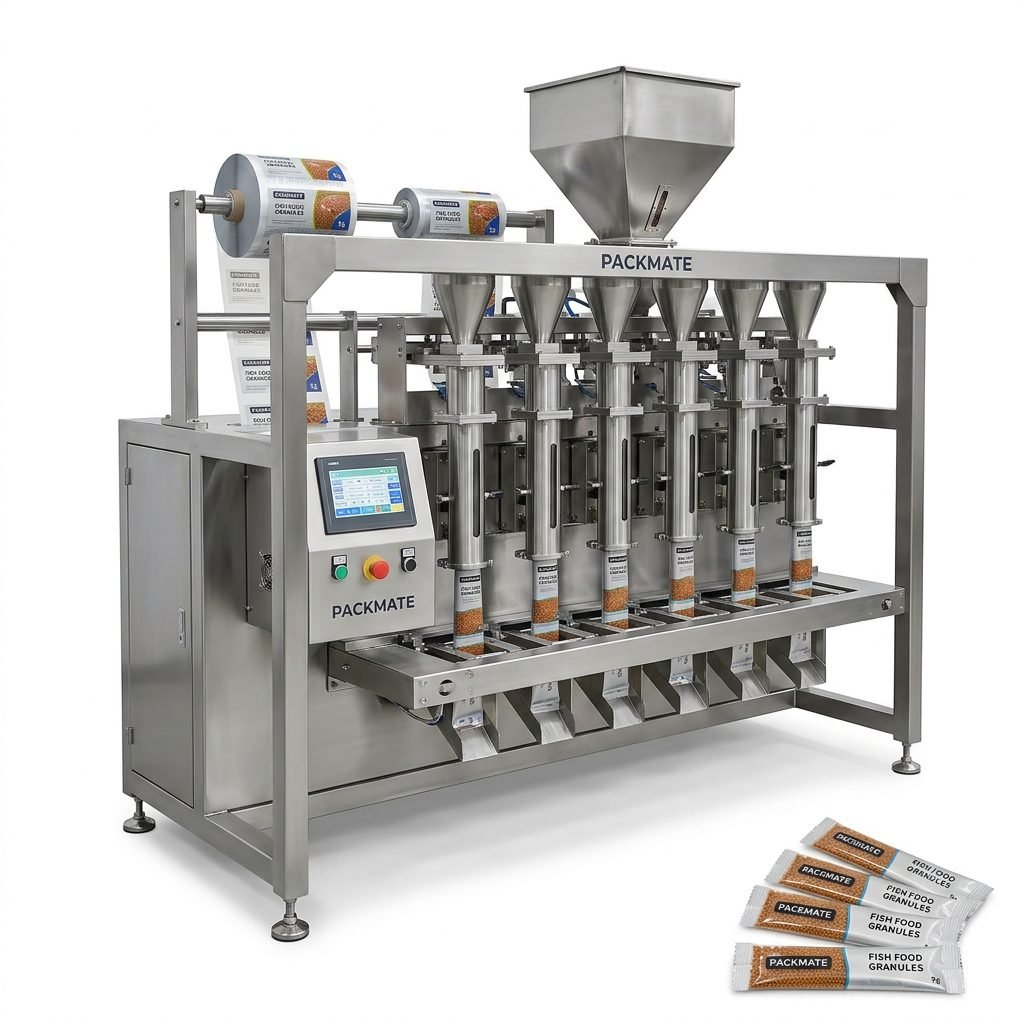
Traditional single-lane sachet machines have served the industry well, but they often create bottlenecks in high-volume production environments. The fundamental innovation of a multi-lane sachet machine lies in its ability to operate multiple packaging lanes simultaneously from a single, integrated system. Imagine several precision machines working in perfect harmony, each forming, filling, and sealing sachets concurrently. This parallel processing capability directly translates to a dramatic increase in output—often multiplying production rates by 2x, 4x, 8x, or even more, depending on the model and configuration.
Beyond raw speed, this technology offers superior space efficiency. A single multi-lane unit occupies a footprint similar to a traditional machine but delivers the output of several, optimizing valuable factory floor space. This makes it an ideal solution for operations looking to scale up production without proportionally scaling up their physical plant footprint.
Mastering Diverse Product Forms: Powder, Granule & Liquid
The true power of a modern multi-lane sachet machine is its engineered flexibility to handle a wide spectrum of product consistencies. This versatility is crucial for manufacturers who produce a varied product line or for contract packagers serving multiple industries.
For Powders: Precision is non-negotiable. These machines utilize advanced auger filler systems with servo-driven technology to ensure accurate dosing down to the milligram. Anti-bridging mechanisms and vibration-assisted hoppers ensure a consistent, uninterrupted flow of even the finest, most cohesive powders like milk powder, protein supplements, or spices.
For Granules: Whether it’s instant coffee, sugar, tea, or seeds, granule handling requires gentle yet precise volumetric or weigh-fill systems. The machinery is designed to prevent granule fracture and ensure each sachet receives an exact count or volume, maintaining product integrity and portion control.
For Liquids: Packaging liquids, oils, sauces, or creams into sachets demands leak-proof reliability. Machines equipped for liquids feature piston pump fillers or specialized liquid augers that handle varying viscosities. The sealing process is critical, employing precise temperature and pressure control to create a hermetic seal that prevents leakage and preserves product freshness.
Components of a Complete Automatic Solution
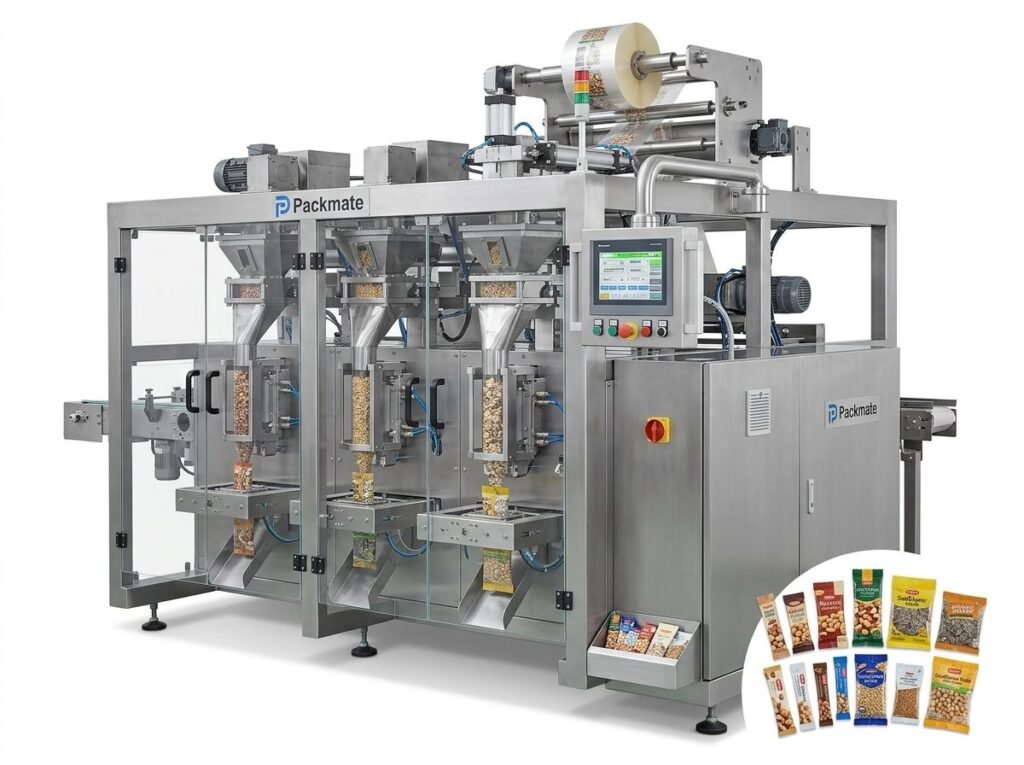
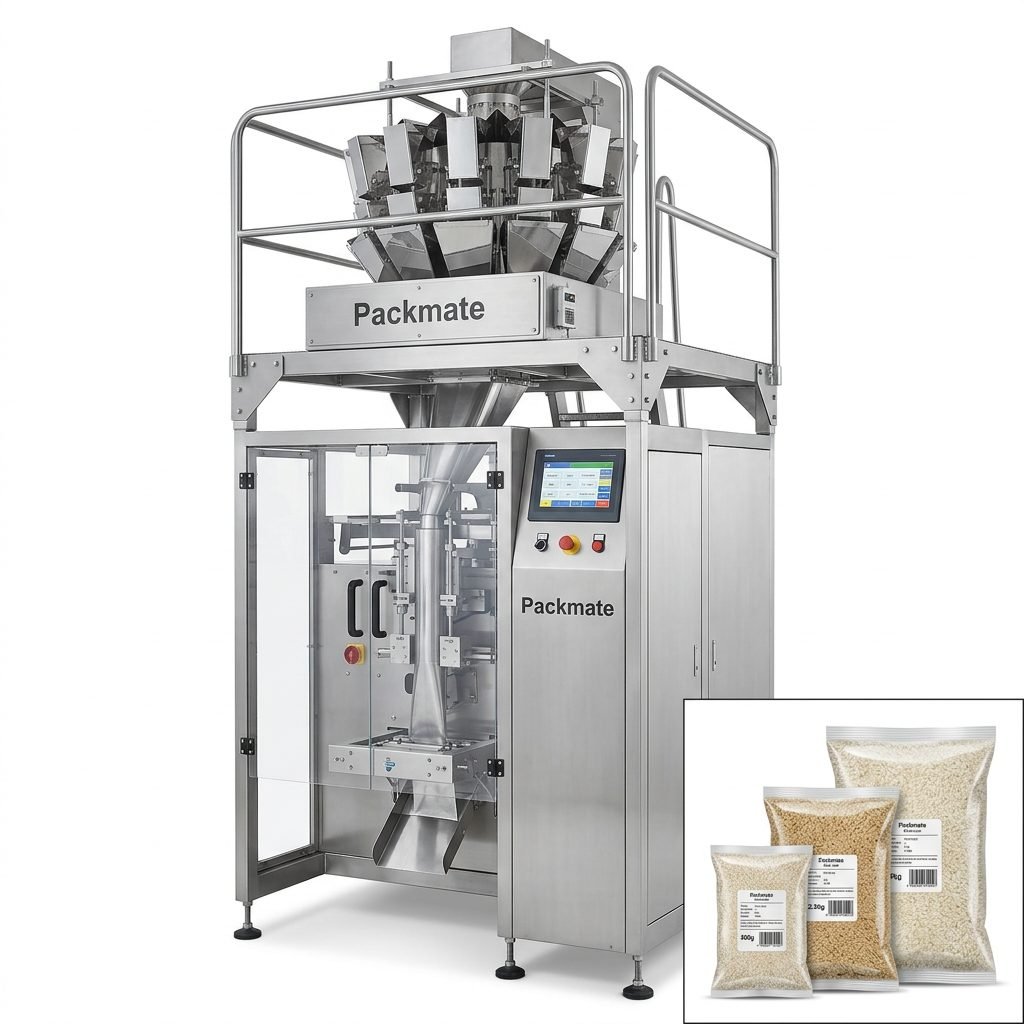
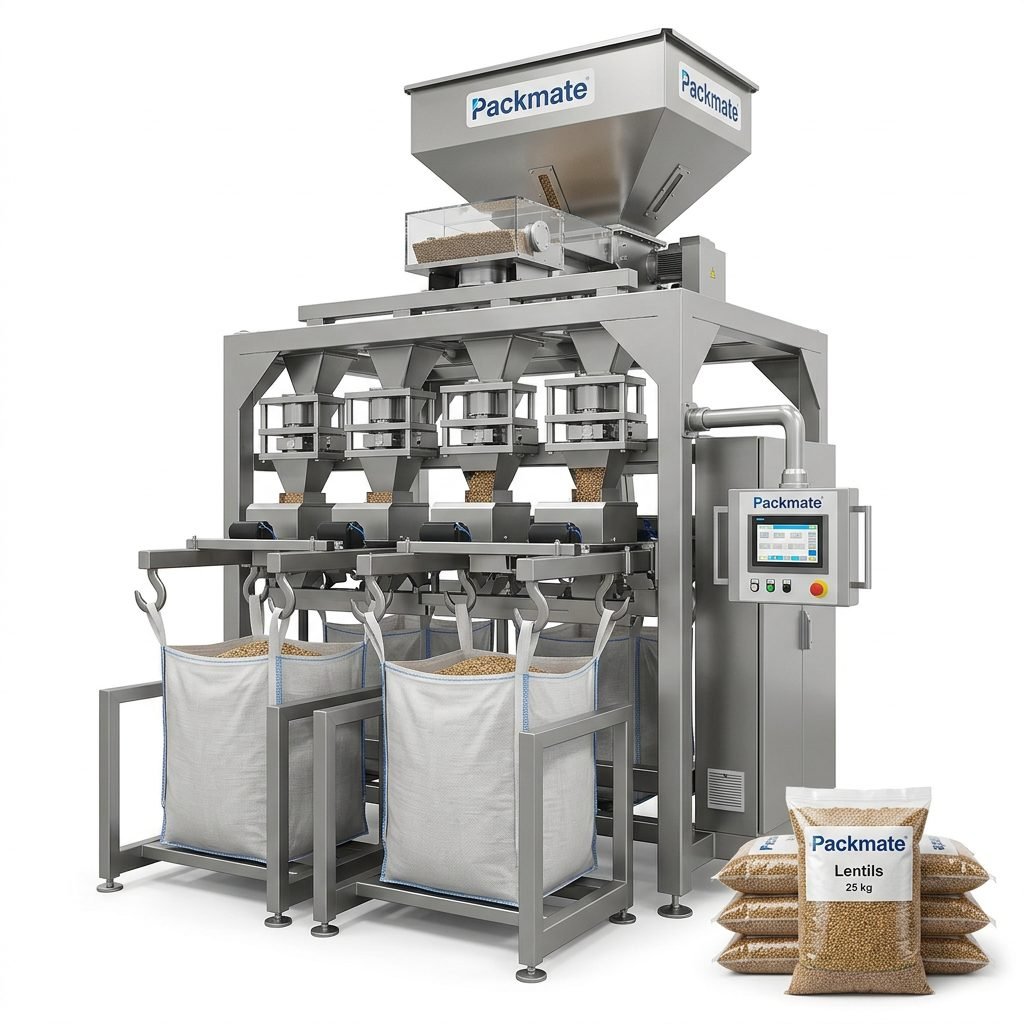
A complete automatic packaging line is more than just the core filling machine. It is a synchronized symphony of components working together. A typical turnkey solution from a provider like Packmate includes:
- Automatic Feeding System: Ensures a continuous supply of packaging film from the reel, often with web guiding and tension control.
- Precision Forming Unit: Shapes the flat film into precise sachet pouches using forming collars and sealing jaws.
- Multi-Head Filling System: The heart of the machine, with multiple filling heads (auger, piston, volumetric) operating in parallel for each lane.
- Integrated Sealing & Cutting: Provides consecutive heat sealing and precise cutting to create individual, finished sachets.
- Product Conveying & Collection: Gently transports finished sachets to collection bins or for secondary packaging.
- Centralized PLC Control Panel: The brain of the operation, offering user-friendly touchscreen interface for setting parameters, monitoring production speed, counts, and diagnosing issues.
Key Operational Benefits
✔ Sky-High Efficiency: Maximizes output per operator and per square meter of factory space.
✔ Unmatched Consistency: Automated processes eliminate human error in filling and sealing, guaranteeing uniform product weight and package quality.
✔ Significant Cost Reduction: Lowers labor costs per unit produced and minimizes material waste through precision dosing.
✔ Rapid Changeover: Modern designs allow for quick tooling and parameter changes, facilitating shorter runs and flexibility between different products.
✔ Enhanced Hygiene & Safety: Enclosed systems protect product from contamination and reduce operator contact with materials, which is especially vital in food and pharmaceutical applications.
Choosing the Right Partner for Your Packaging Line
Investing in a multi-lane sachet machine is a significant decision. The reliability and performance of the machine depend heavily on the expertise and support of the manufacturer. A partner with deep industry experience, like Packmate (GuangDong) Co., Ltd., brings invaluable assets to the table. With over 30 years of experience and a 20,000㎡ modern facility, they don’t just sell machines; they deliver complete, intelligent packaging solutions.
Their team of over 125 professionals understands that every product and production goal is unique. They work collaboratively with clients to design, customize, and integrate machinery that fits specific needs—whether it’s a particular film material, a challenging product characteristic, or a required output speed. Furthermore, comprehensive after-sales service, including installation, training, and readily available spare parts, is essential for minimizing downtime and ensuring a strong return on investment.
Conclusion: The Future of Flexible Packaging
The multi-lane sachet machine represents the pinnacle of automated, flexible packaging technology. By mastering the packaging of powders, granules, and liquids within a single, high-speed platform, it empowers manufacturers to meet growing market demands with agility, precision, and cost-effectiveness. For any business serious about scaling production, improving product consistency, and staying competitive, adopting this complete automatic solution is a strategic move toward a more efficient and profitable future.
Frequently Asked Questions (FAQs)
1. What is the main difference between a single-lane and a multi-lane sachet machine?
The core difference is in production capacity. A single-lane machine has one set of forming, filling, and sealing units, producing one stream of sachets. A multi-lane machine has multiple sets operating in parallel from a single film web and control system, producing several streams simultaneously, thereby multiplying output without a proportional increase in footprint or operator attention.
2. Can one machine really handle both dry powders and liquids reliably?
Yes, but it requires proper configuration. Advanced multi-lane machines are modular. For powders, auger fillers with anti-static and anti-bridging features are used. For liquids, piston pump fillers or specialized liquid augers are installed. The key is working with a manufacturer who can customize the filling system and sealing parameters to suit your specific product’s viscosity and characteristics.
3. How difficult is it to changeover the machine for a different product or sachet size?
Modern machines are designed for rapid changeover. While it involves changing parts like forming collars, filling funnels, and sealing jaws, well-designed machines use quick-release mechanisms and digital parameter recall. With trained operators, changeovers can often be completed in 30 minutes to an hour, minimizing downtime between production runs.
4. What kind of maintenance does a multi-lane automatic sachet machine require?
Regular preventative maintenance is crucial for longevity and uptime. This typically includes daily cleaning of product contact parts, lubrication of moving components as per the manual, and periodic inspection of seals, filters, and wear parts. A reputable supplier will provide a detailed maintenance schedule and training for your team.
5. How do I determine the right number of lanes (e.g., 4-lane, 8-lane) for my production needs?
The ideal number of lanes depends on your target output (sachets per minute), product characteristics, and available budget. A reliable packaging machine manufacturer will analyze your required daily/weekly volume, product type, and future growth plans to recommend the most cost-effective and efficient configuration. It’s a balance between maximum speed and the flexibility for smaller batch runs.