In today’s competitive global market, the packaging line is far more than a final production step. For industries where purity, safety, and presentation are paramount—such as food, pharmaceuticals, and health products—it is a critical component of brand integrity, regulatory compliance, and operational efficiency. Selecting the right custom packaging line solution is a strategic decision that impacts everything from product shelf life and contamination risk to consumer trust and bottom-line profitability. A one-size-fits-all approach simply cannot meet the stringent and varied demands of these sectors.
The Unique Demands of Food, Pharma, and Health Product Packaging
Each of these industries operates under a distinct set of challenges and regulations, necessitating specialized packaging solutions.
Food Industry: Freshness, Safety, and Appeal
Food packaging must create a robust barrier against moisture, oxygen, and contaminants to preserve freshness and prevent spoilage. It must comply with strict food safety standards (like FDA, EFSA) and often requires features like resealability or single-serve convenience. The visual appeal of the package is also a major sales driver on crowded retail shelves.
Pharmaceutical Industry: Precision, Sterility, and Compliance
This is arguably the most regulated sector. Packaging must guarantee dose accuracy, tamper evidence, and absolute product sterility. Materials must be inert and non-reactive. Furthermore, serialization and track-and-trace capabilities are becoming mandatory to combat counterfeiting, making the packaging line a key data collection point.
Health & Nutraceutical Products: Blending Compliance with Consumer Marketing
Occupying a space between food and pharma, health products (vitamins, supplements, protein powders) require packaging that ensures product stability and potency while also being highly marketable. Clarity of information, child-resistant features for certain products, and premium aesthetics to justify value are common needs.
Core Components of a Modern Custom Packaging Line
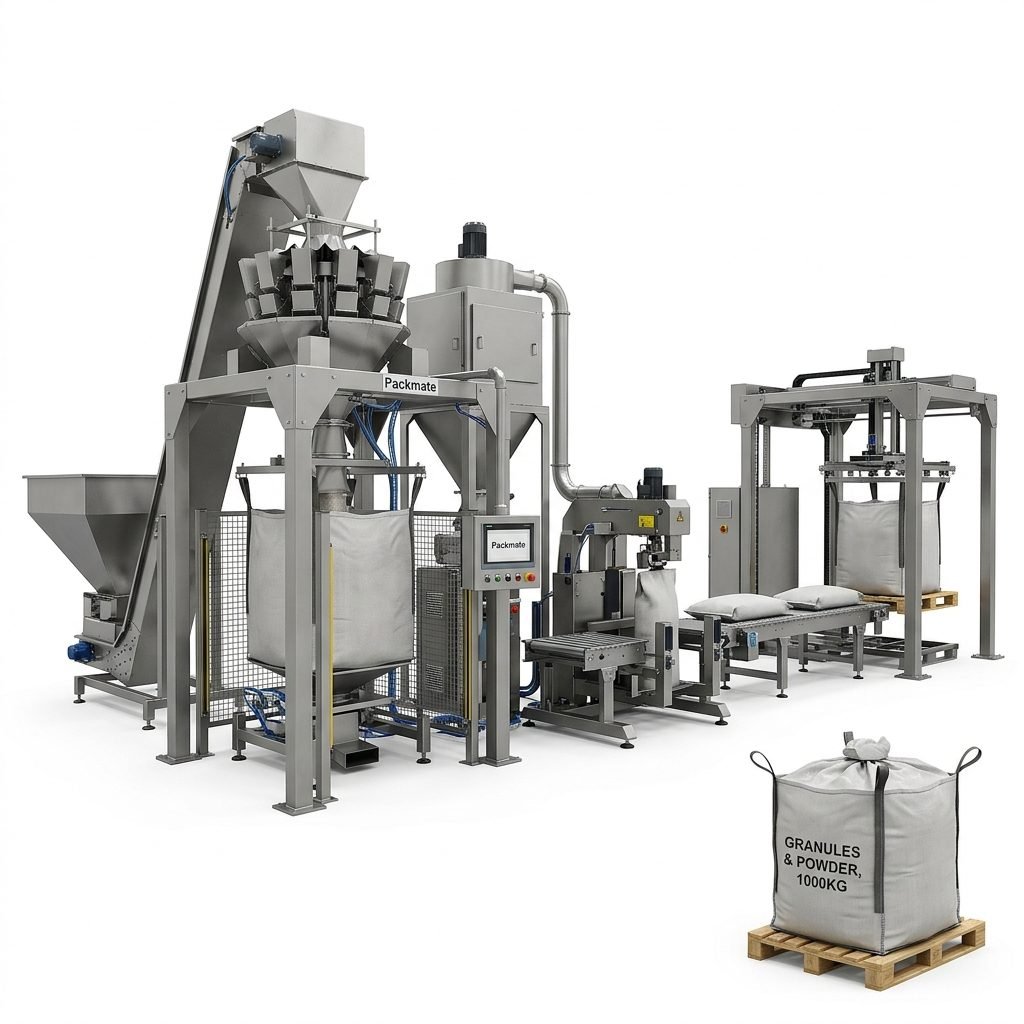
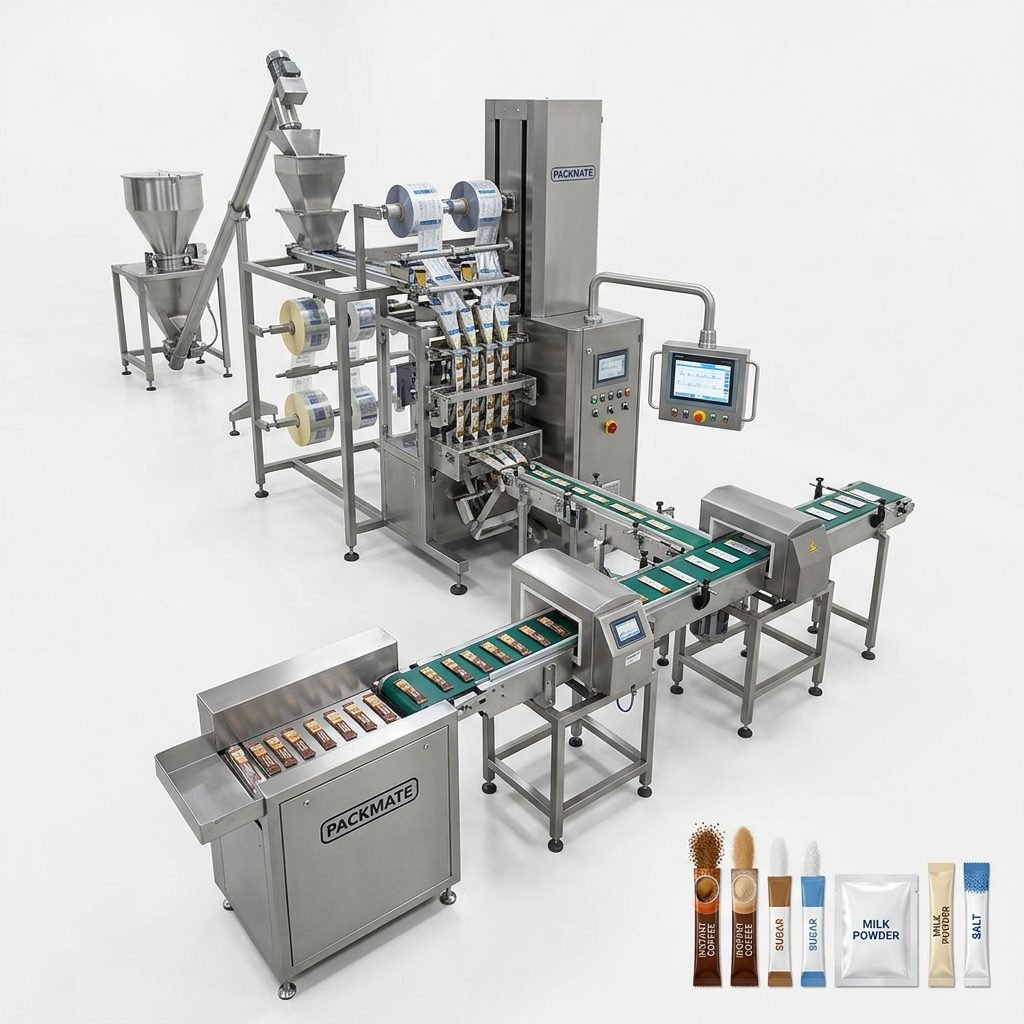
A turnkey packaging line is a synchronized symphony of machines. Key modules include:
1. Feeding & Dosing Systems
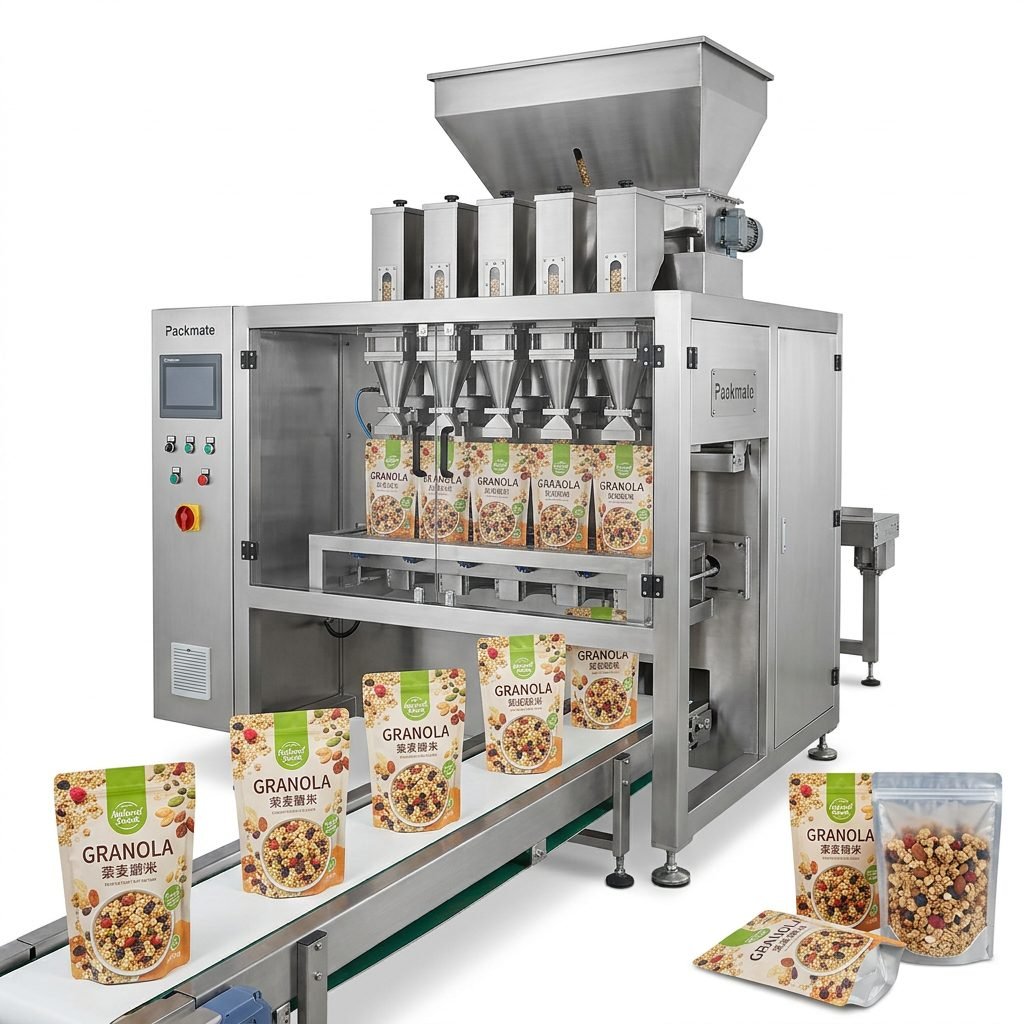
This is where precision begins. Volumetric cup fillers, auger fillers for powders, and liquid piston fillers ensure each package contains the exact specified amount, critical for cost control and regulatory adherence.
2. Forming, Filling, and Sealing (FFS) Machines
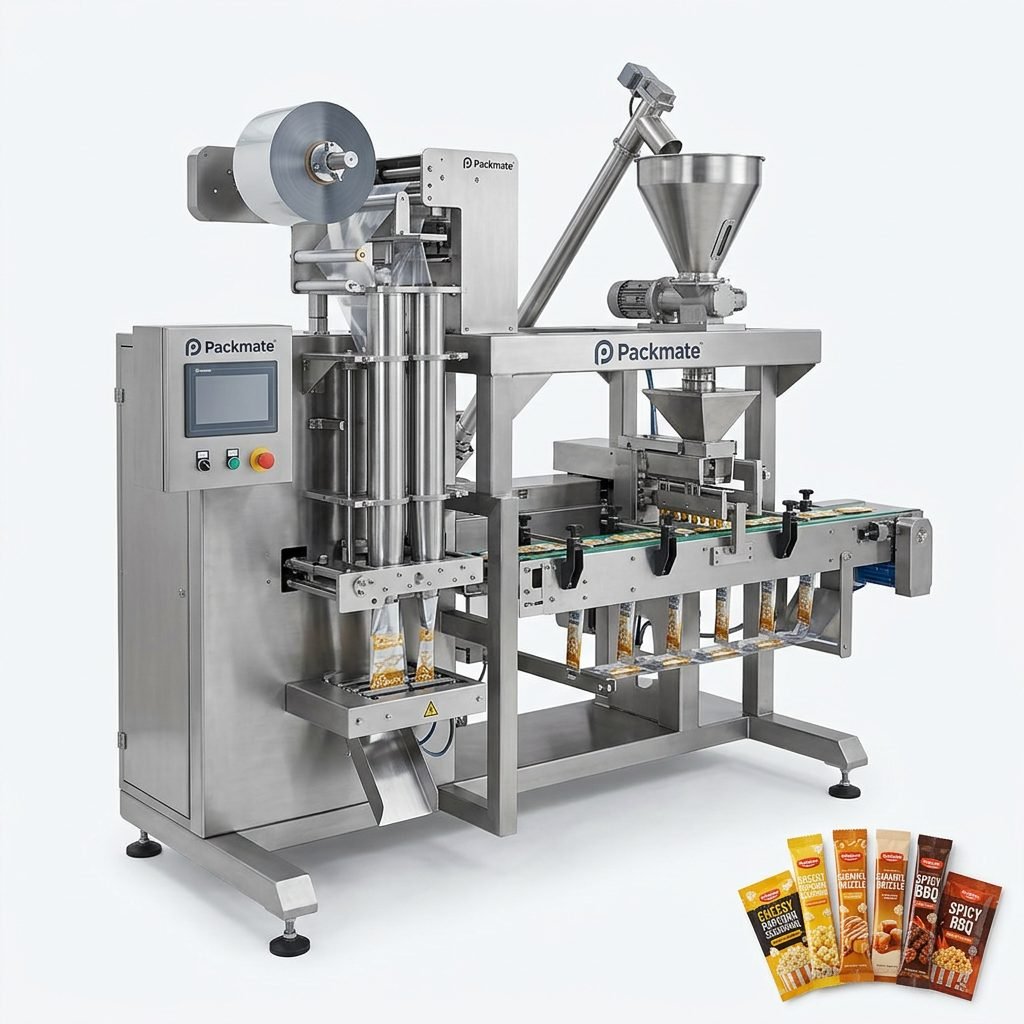
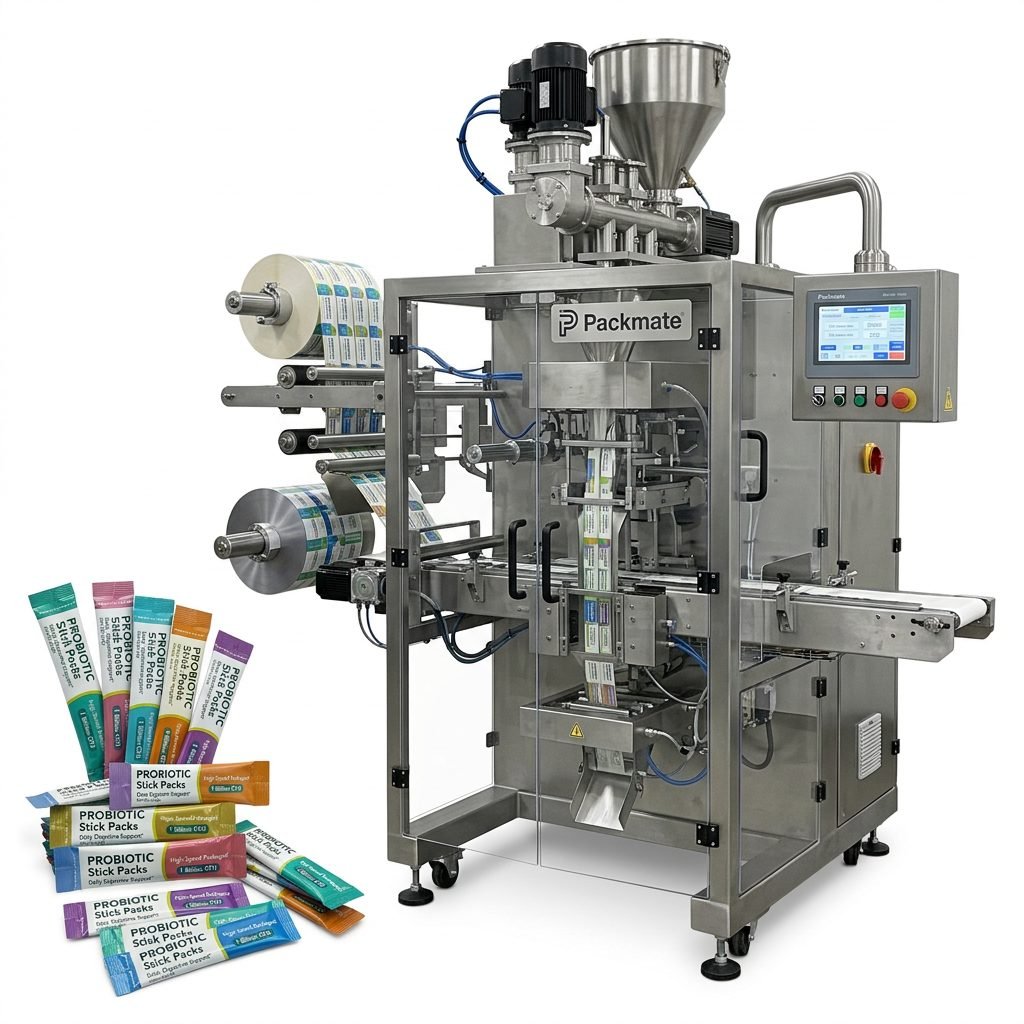
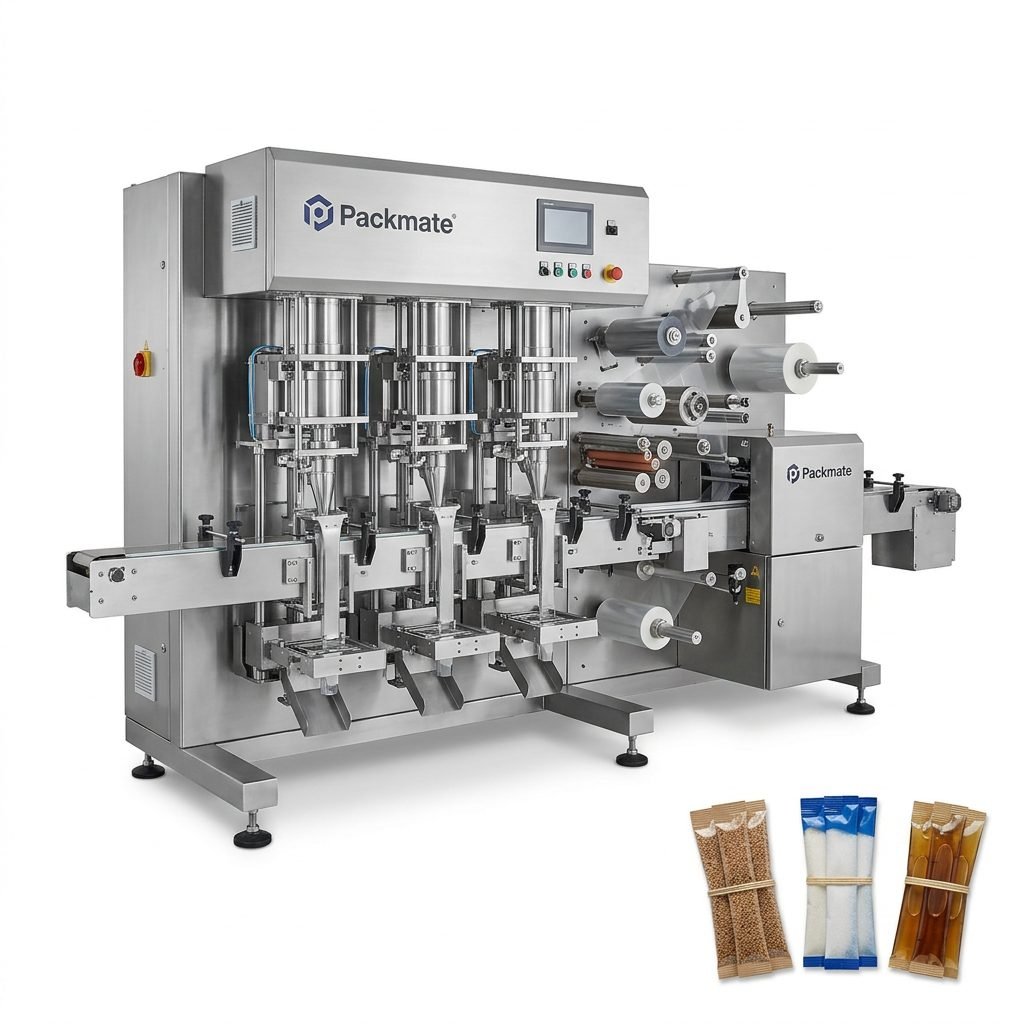
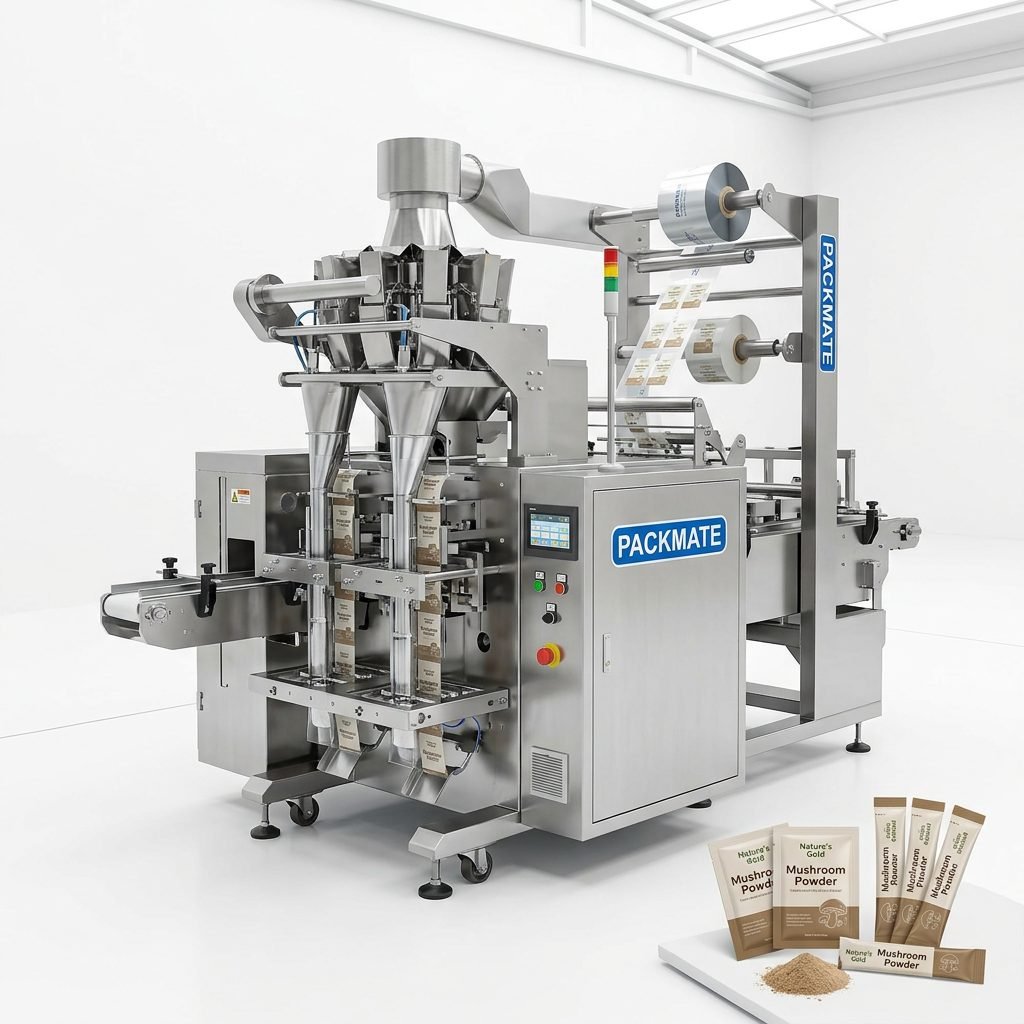
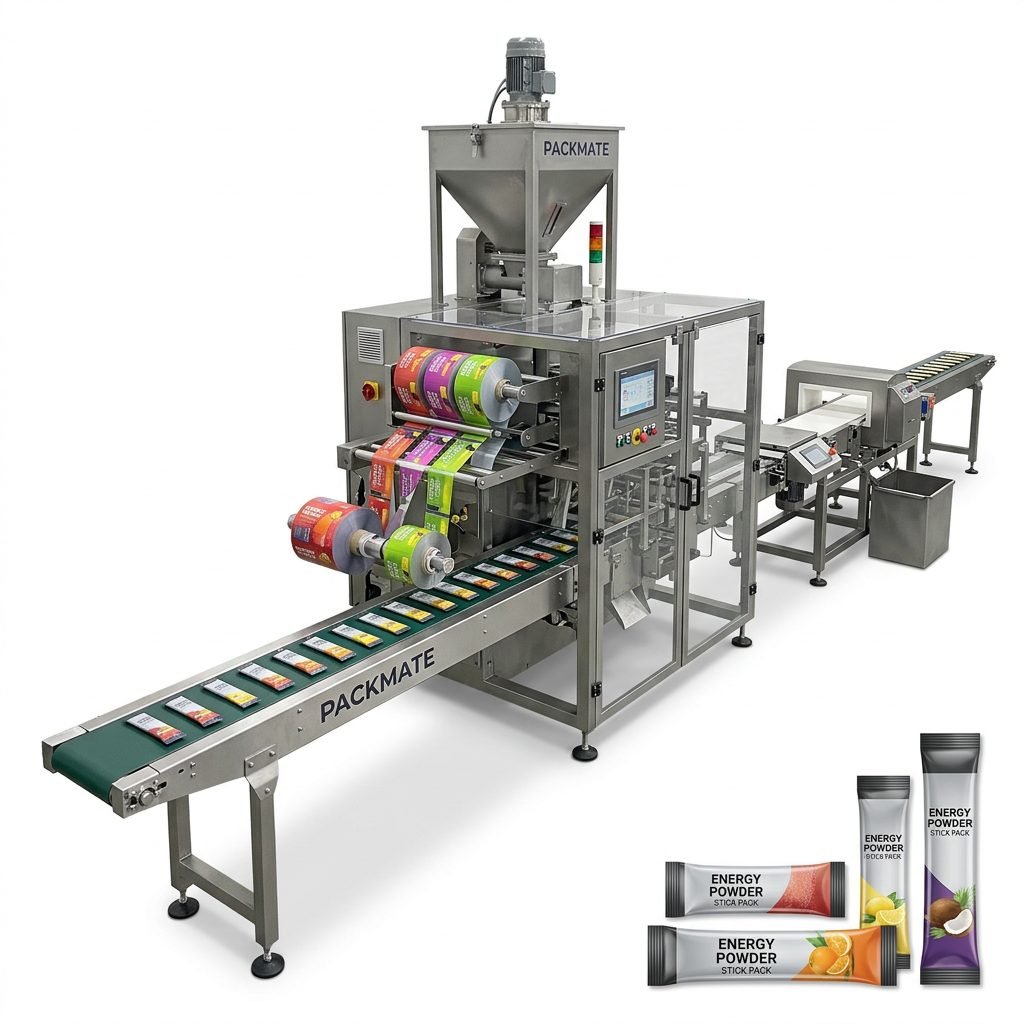
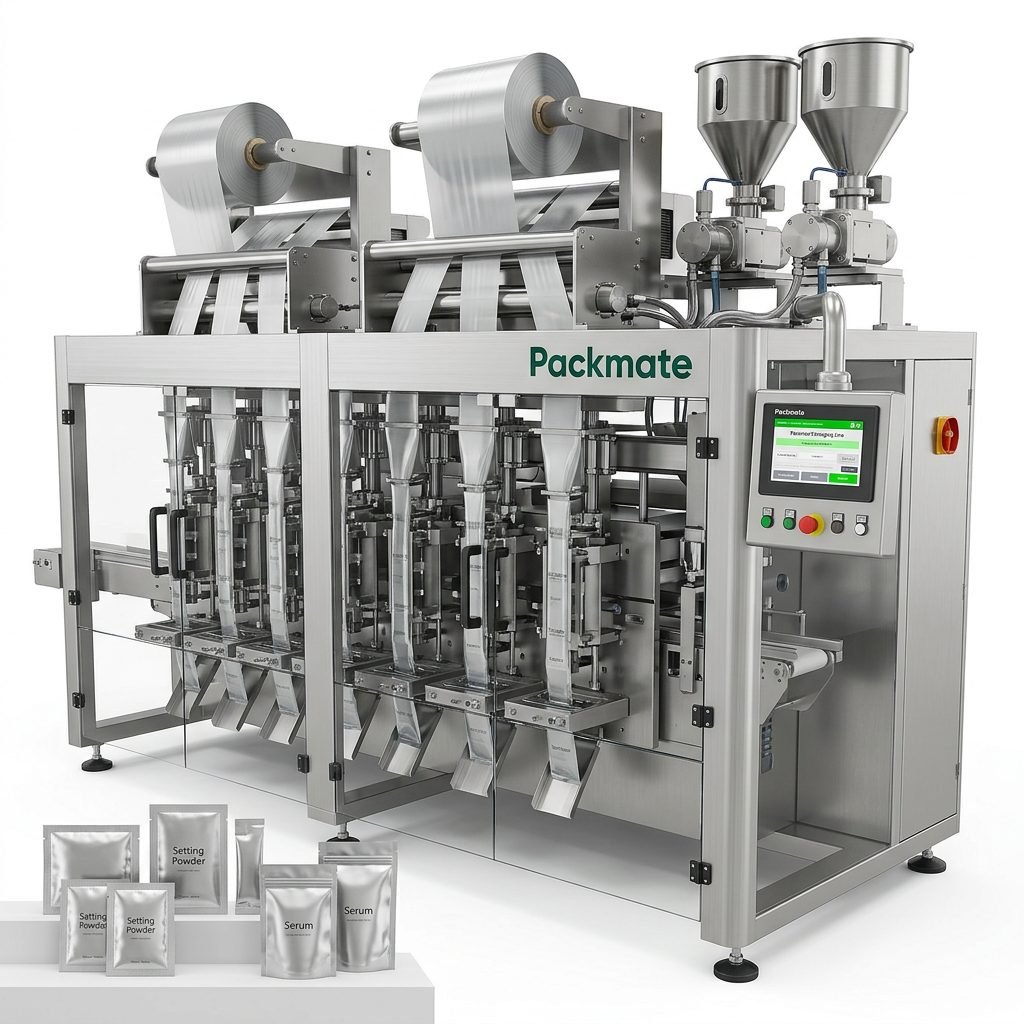
The heart of many lines. These machines form the package from a roll of film, dose the product, and hermetically seal it—all in one continuous operation. Options range from vertical form-fill-seal (VFFS) for pouches to horizontal machines for stick packs and sachets.
3. Secondary Packaging Equipment
This includes cartoners, case packers, and bundlers that group primary packages for shipping and retail display. Efficiency here dramatically impacts logistics costs.
4. Quality Control & Inspection Systems
Integrated checkweighers, metal detectors, and vision inspection systems act as the final guardians of quality, automatically rejecting under/overweight packs or those with seal defects or foreign objects.
5. Control & Data Integration
Modern lines are governed by sophisticated PLCs and HMIs, offering recipe management, real-time OEE (Overall Equipment Effectiveness) tracking, and seamless integration with factory MES or ERP systems for complete production traceability.
Why Customization is Non-Negotiable
Off-the-shelf packaging machinery often leads to compromises. Customization addresses the specific nuances of your product and business goals. For instance, a line for hygroscopic pharmaceutical powders will require integrated dehumidification and anti-static measures, while a line for viscous food sauces needs specialized nozzles and heating systems to ensure clean fills. Factors driving customization include:
- Product Characteristics: Physical state (powder, granule, liquid), abrasiveness, flowability, sensitivity to light/air.
- Output Speed & Scalability: Matching your current volume with room for future growth.
- Floor Space & Layout: Designing a compact, ergonomic, and efficient line for your existing facility.
- Regulatory & Material Requirements: Ensuring compatibility with specific film structures or compliance with regional pharmacopoeia standards.
Partnering with an Expert: The Packmate Advantage
Navigating the complexity of custom packaging lines requires a partner with deep cross-industry expertise and a proven track record. This is where a specialist like Packmate (GuangDong) Co., Ltd. provides immense value. With over three decades of experience, Packmate doesn’t just sell machines; they engineer complete packaging line solutions.
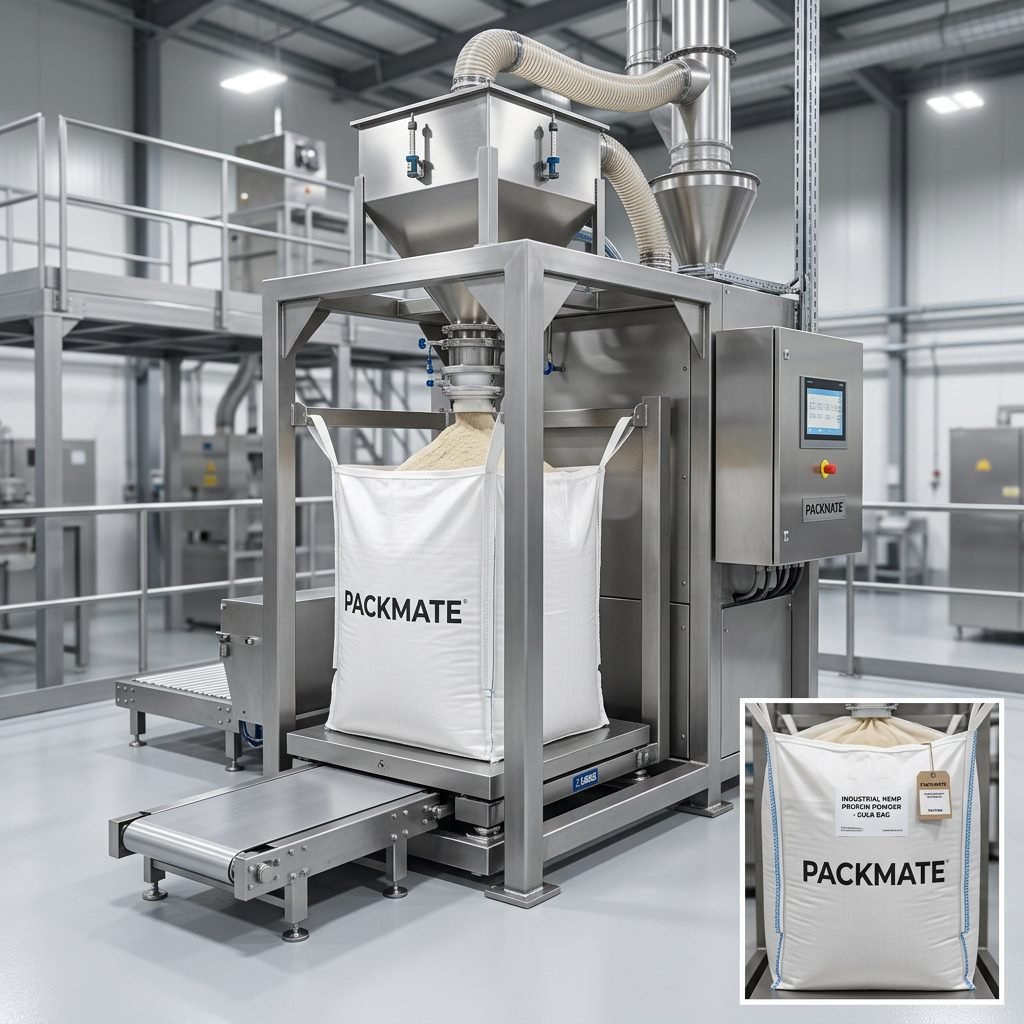
Their approach begins with a thorough analysis of the client’s product, goals, and constraints. Engineers then design a line that may integrate multi-lane stick pack machines for high-speed nutraceutical dosing, specialized liquid fillers for sterile pharmaceutical solutions, or robust baggers for bulk food ingredients. Their 20,000㎡ facility acts as a testing ground, where client products can be trialed on proposed line configurations to validate performance before installation.
This hands-on, collaborative methodology—rooted in the founder’s original drive for innovation and reliability—ensures the delivered solution is not just a collection of machines, but a cohesive, efficient, and future-ready production asset. You can explore real-world applications of their technology in their detailed project case studies.
Future-Proofing Your Investment
The packaging landscape is evolving rapidly. Sustainability pressures are driving demand for recyclable and mono-material films, which require different sealing technologies. The rise of e-commerce demands more durable primary packaging. Investing in a custom line from a forward-thinking provider means building in adaptability for new materials, formats, and smart technologies like IoT sensors for predictive maintenance.
Ultimately, a custom packaging line is a long-term strategic investment. For food, pharma, and health product manufacturers, it is the cornerstone of ensuring product integrity, meeting compliance, enhancing brand value, and achieving sustainable operational excellence. By partnering with an experienced solution provider who understands the unique DNA of your industry, you secure not just a machine, but a competitive advantage for years to come. For a comprehensive overview of their capabilities and support, visit their main homepage or learn about their dedicated customer service framework.
Frequently Asked Questions (FAQs)
1. What is the typical lead time for a custom packaging line?
Lead times vary significantly based on complexity, from 4-6 months for a standard configured line to over 12 months for highly complex, fully integrated systems. A detailed project timeline is established during the initial quotation and design phase.
2. Can you handle the validation (IQ/OQ/PQ) process for pharmaceutical lines?
Yes, reputable providers like Packmate have extensive experience supporting the validation process. They can provide the necessary documentation (FAT, SAT protocols, machine design specs) and on-site assistance to help clients successfully complete Installation, Operational, and Performance Qualifications to meet FDA or EMA guidelines.
3. How do you ensure the line will work with our specific product?
Product testing is a critical step. Clients are encouraged to send samples to the supplier’s testing lab. The product is run on similar or identical machinery to assess fill accuracy, sealing quality, and overall compatibility, allowing for adjustments before the final line design is locked in.
4. What kind of after-sales support and training is provided?
Comprehensive support should include detailed operational and maintenance training for your technicians, either at their facility or yours. A robust after-sales service package typically includes a warranty period, access to spare parts, and remote/on-site technical support to minimize downtime.
5. Can an existing packaging line be upgraded or retrofitted?
Absolutely. Many providers offer modernization services. This can range from adding a new inspection system or robotic palletizer to retrofitting older machines with new drives and control systems for better speed, accuracy, and data connectivity, often a cost-effective alternative to a completely new line.