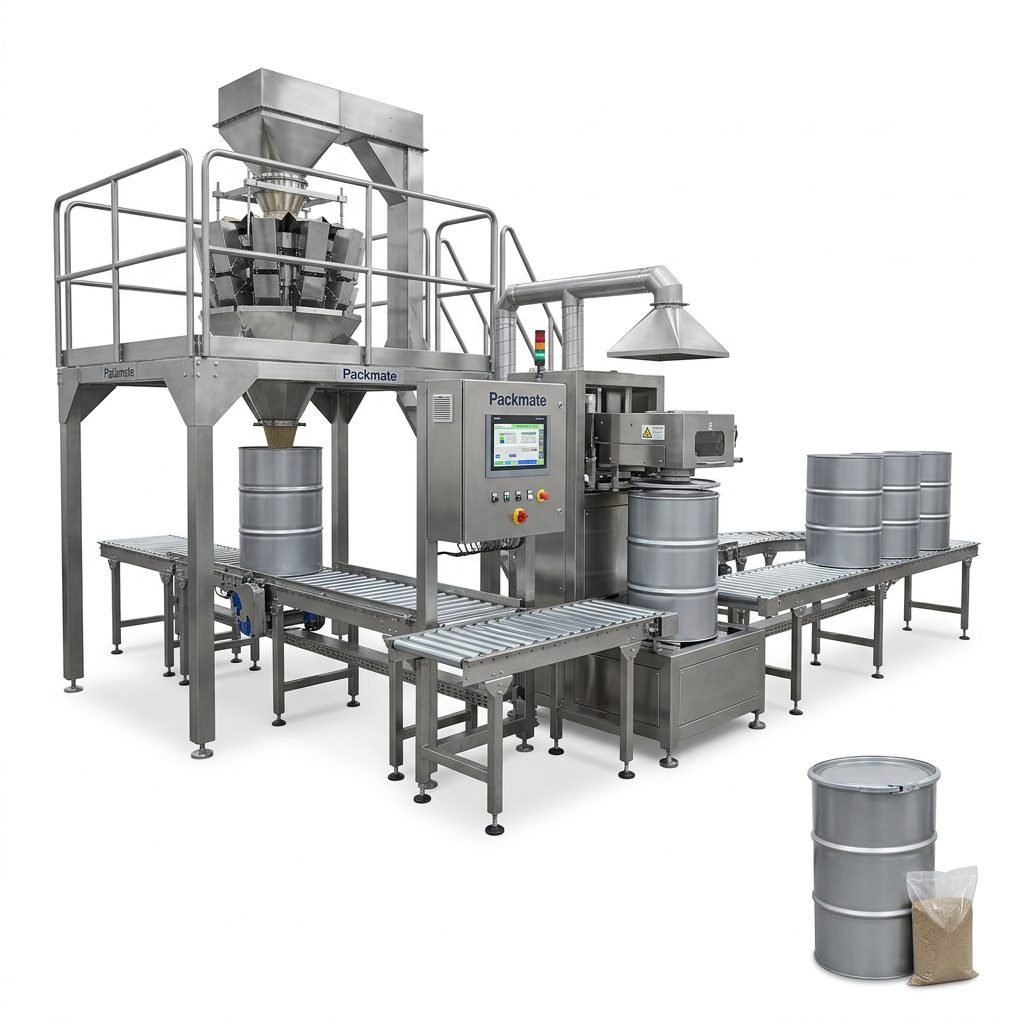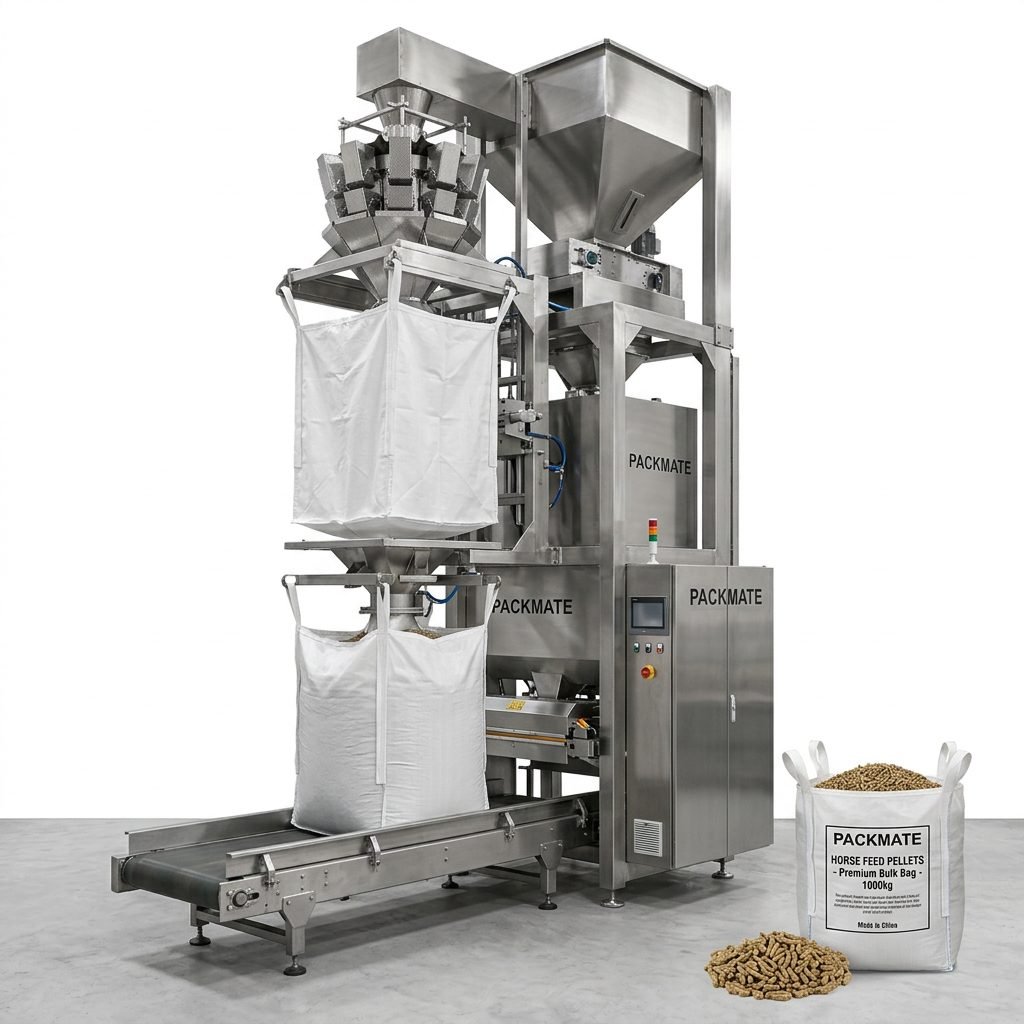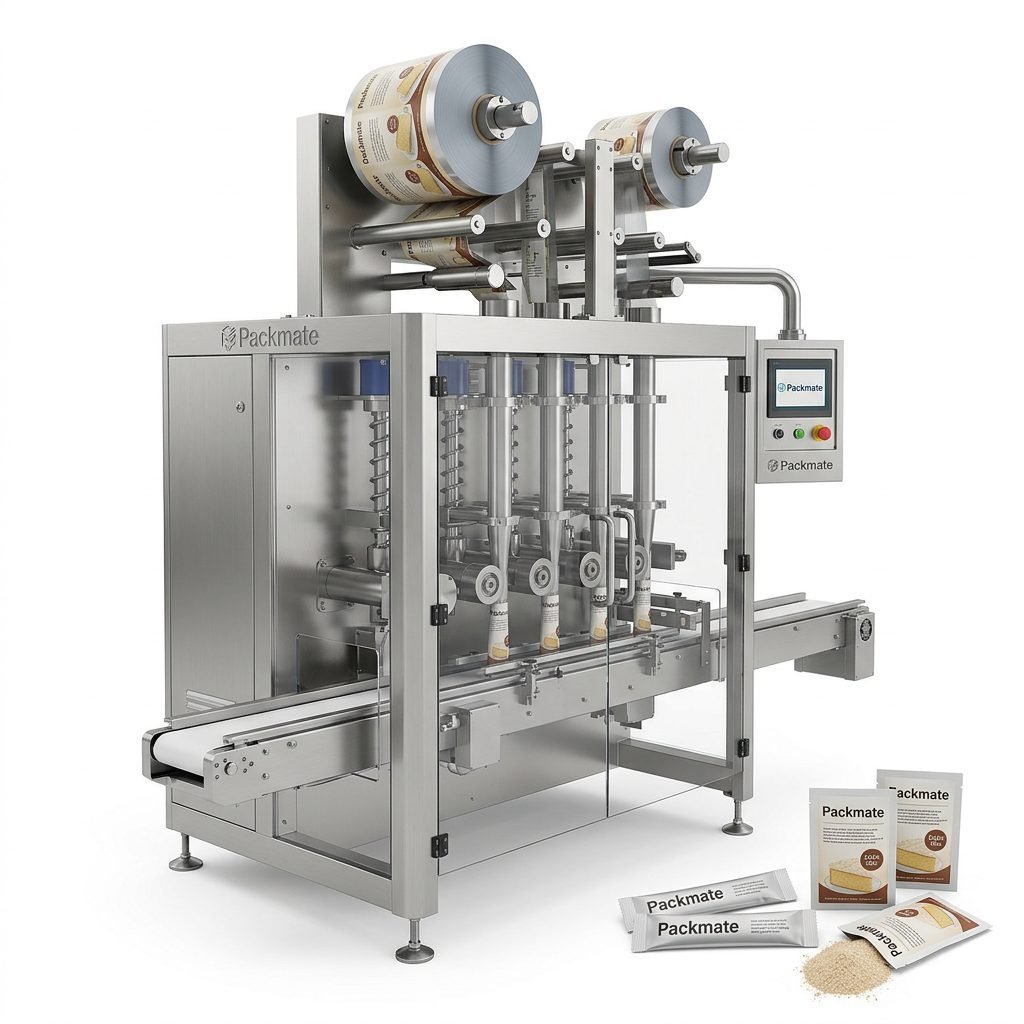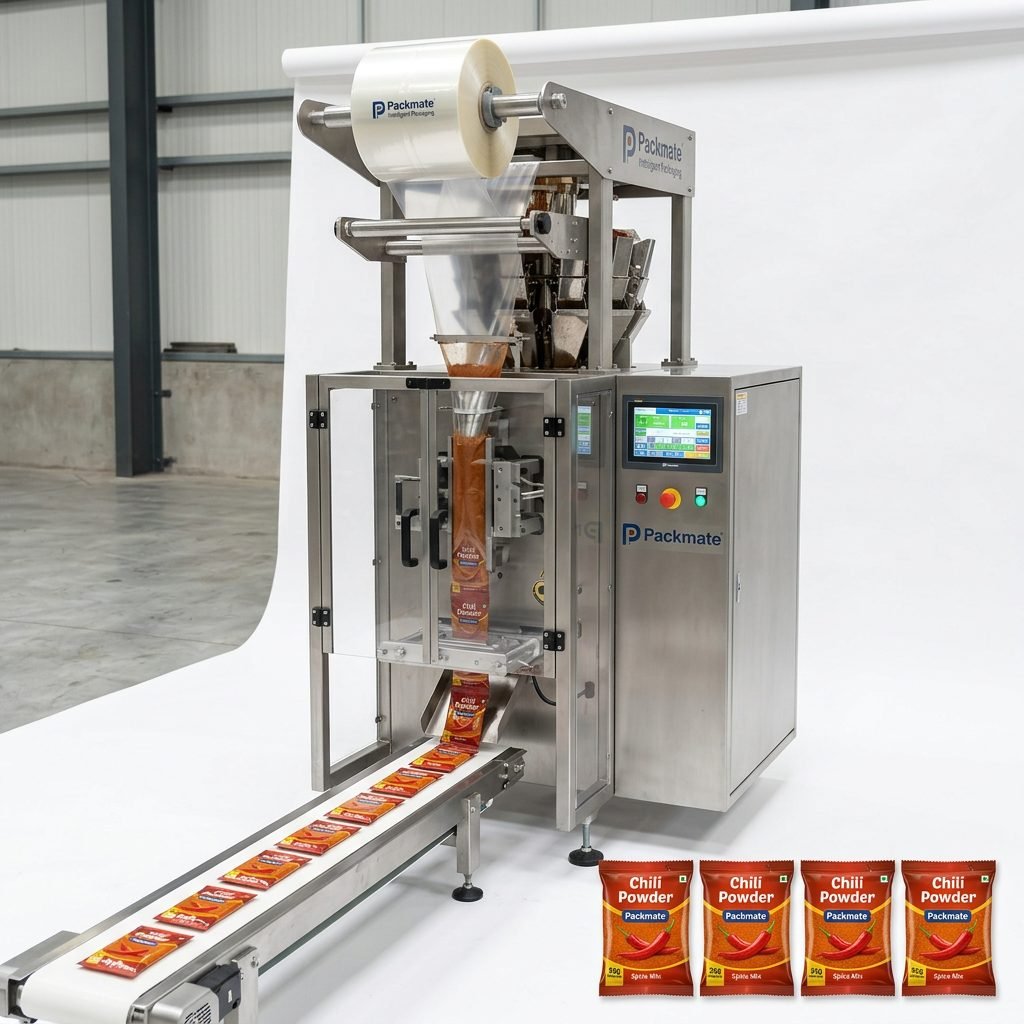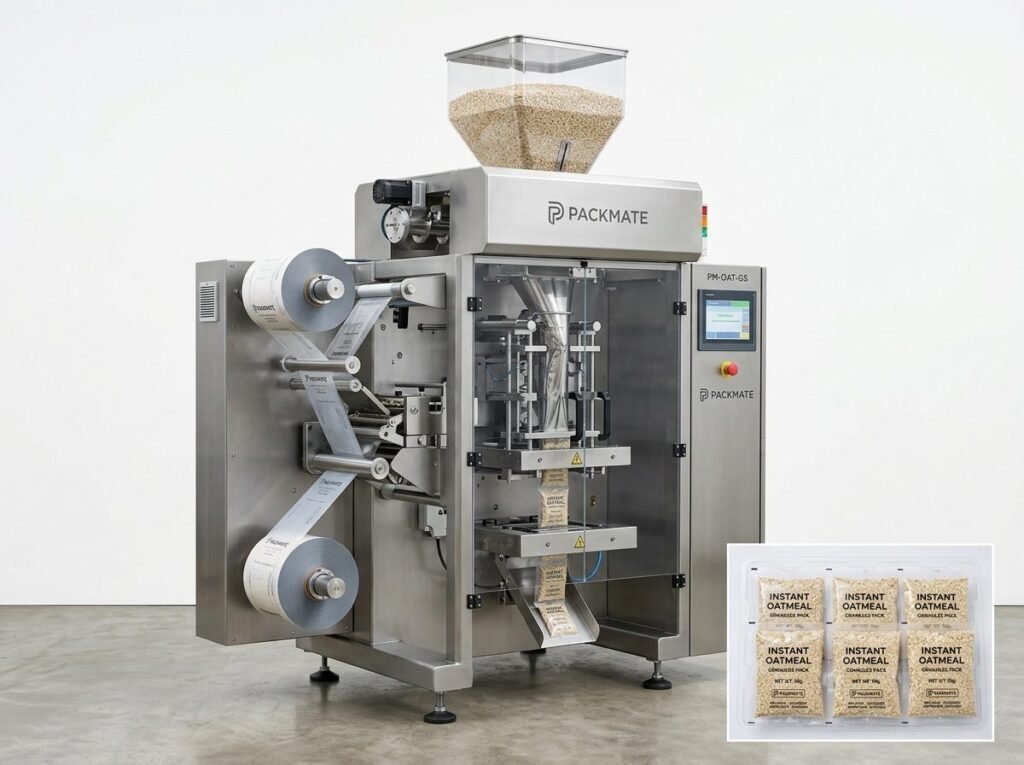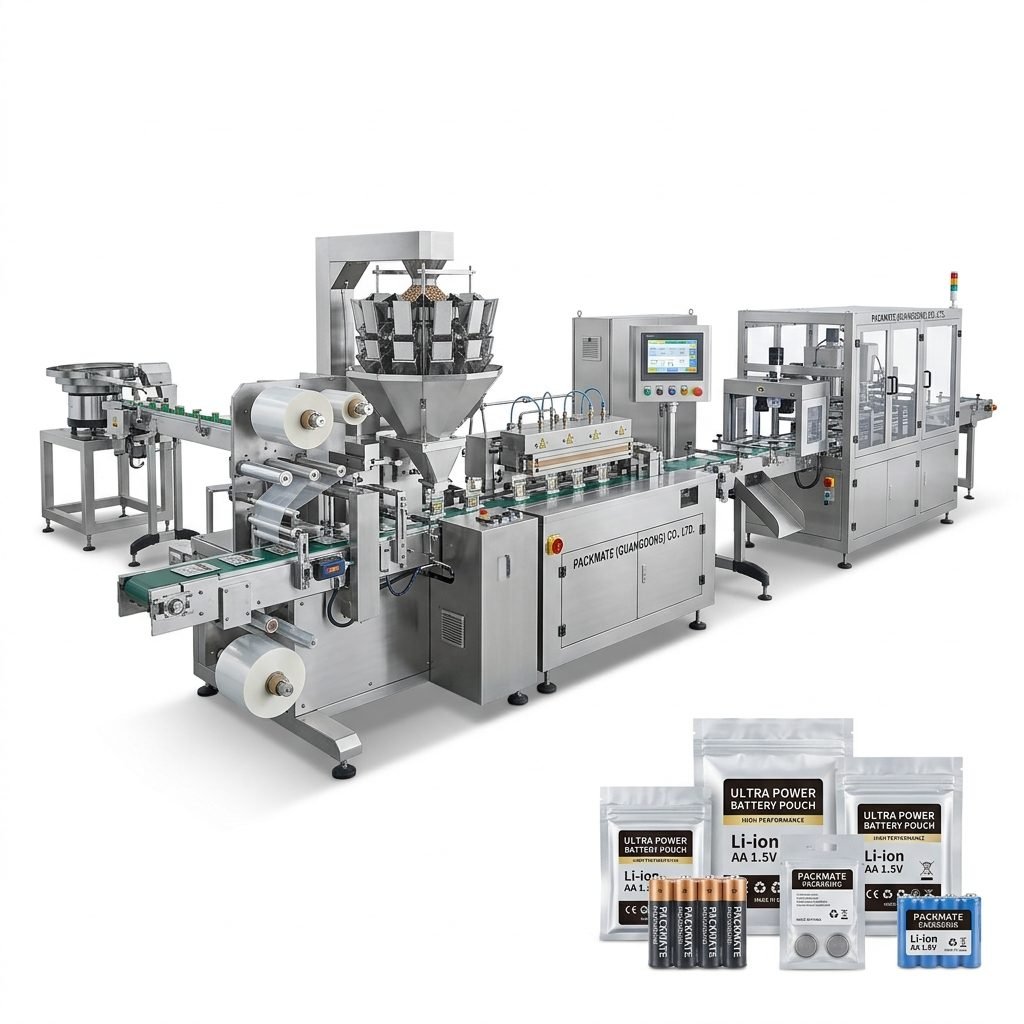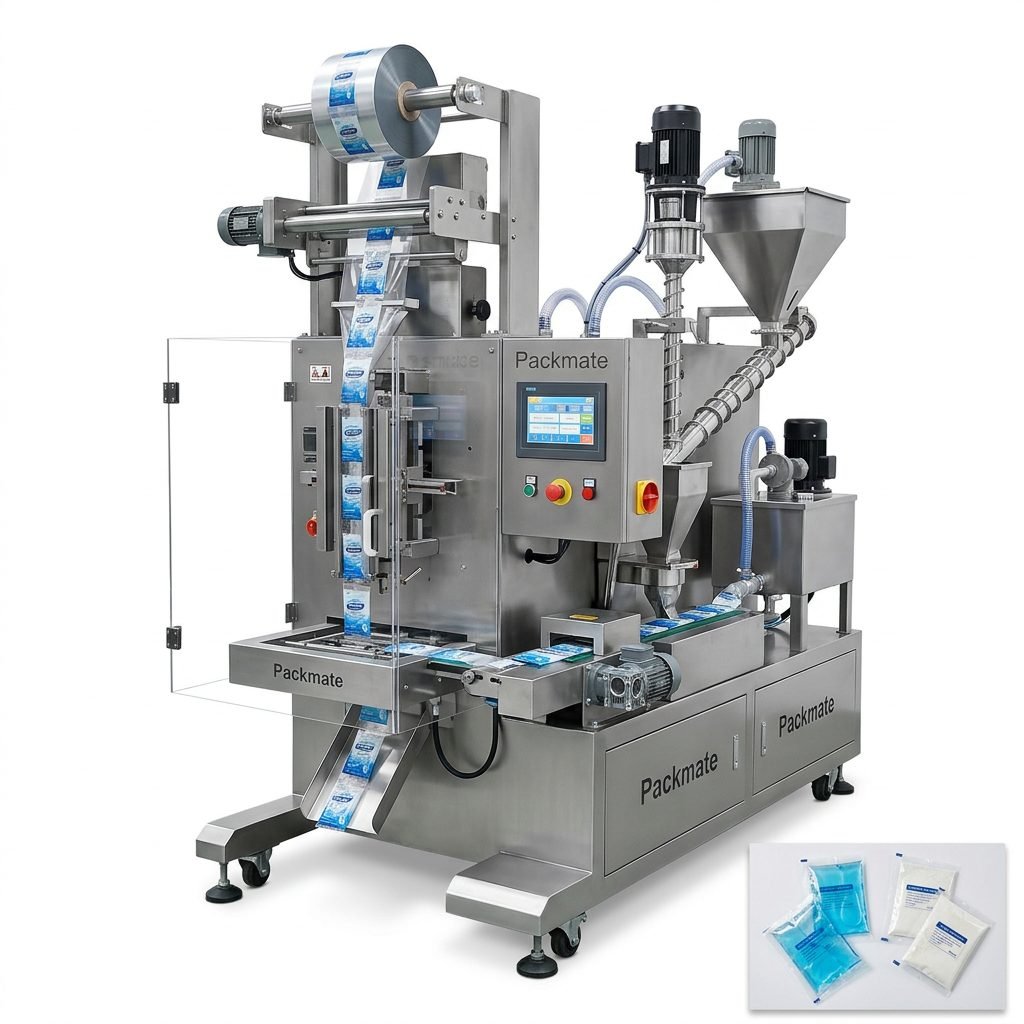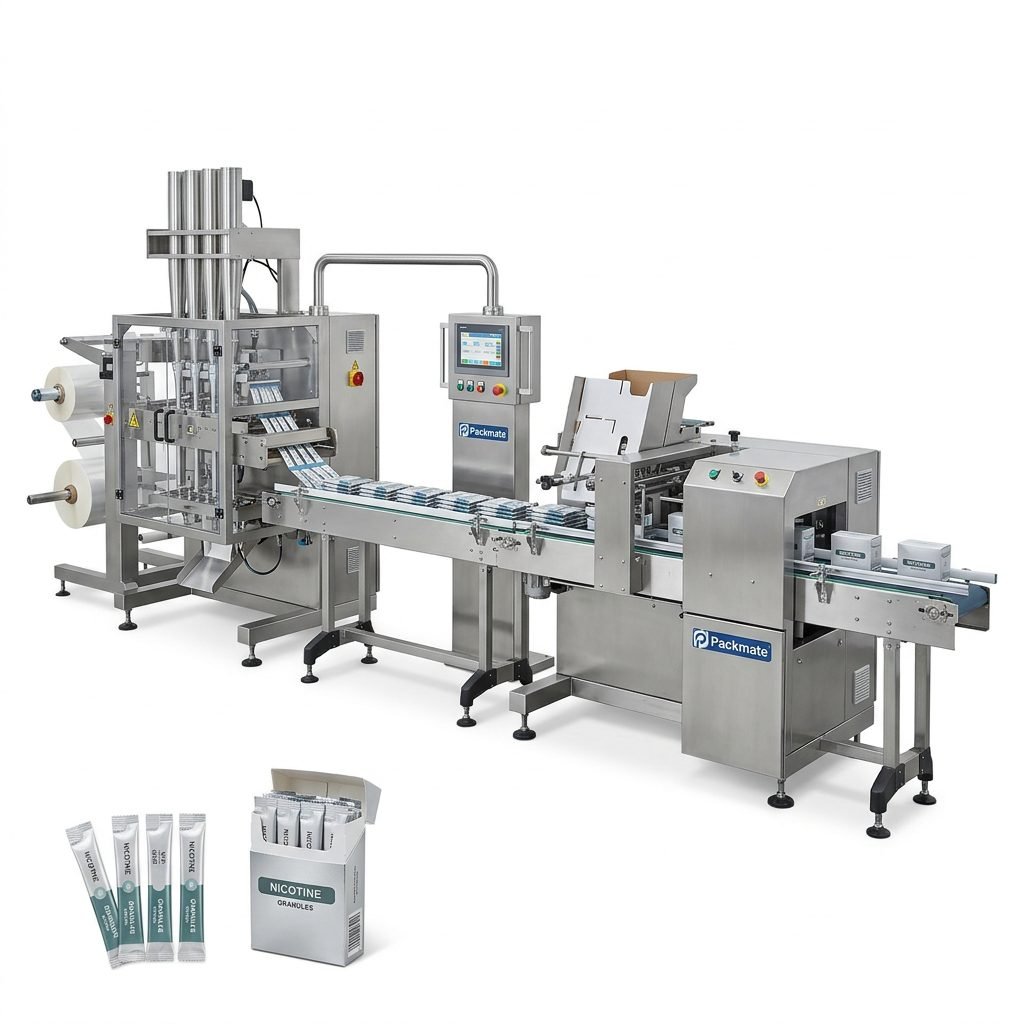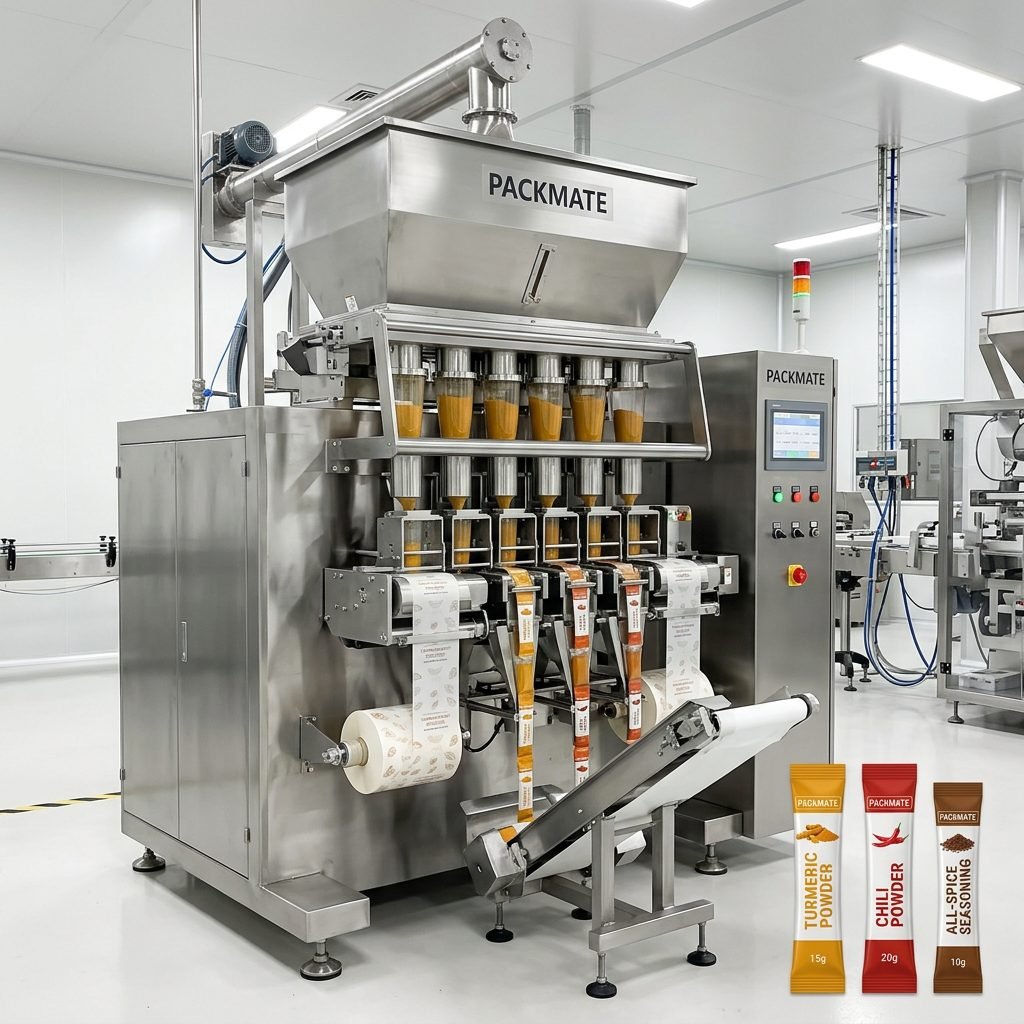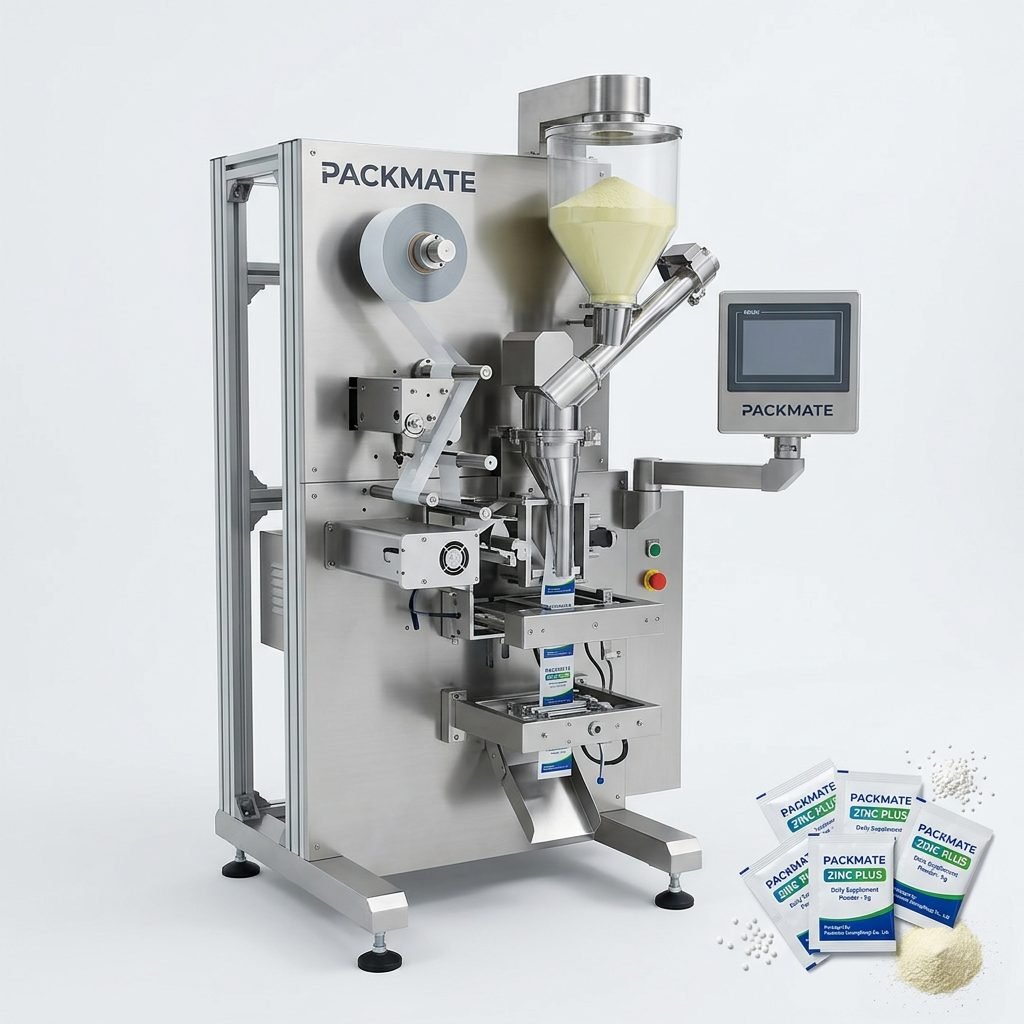
In the heart of a modern production facility, the packaging line worker stands as a crucial link between manufacturing and the market. Their role has evolved far beyond simple manual tasks, becoming a sophisticated position that blends technical skill, keen attention to detail, and a commitment to quality and efficiency. This guide explores the core responsibilities, essential skills, and promising career path of the packaging line worker in today’s automated and data-driven industrial environment.
Core Responsibilities of a Modern Packaging Line Worker
The day-to-day duties of a packaging line operator are multifaceted, ensuring the seamless flow of products from the end of the assembly line to the shipping dock. Key responsibilities include:
Machine Operation & Monitoring: Workers are responsible for setting up, starting, running, and shutting down complex packaging machinery. This involves loading materials like film, cartons, or labels, inputting machine parameters, and constantly monitoring operations for any signs of malfunction or deviation from standards.
Quality Control & Inspection: A critical eye is essential. Workers perform regular checks on packaged products for defects such as incorrect labeling, seal integrity issues, improper fill levels, or damaged packaging. They are often the first line of defense in maintaining brand reputation and consumer safety.
Line Efficiency & Troubleshooting: When a machine jams, a sensor fails, or the line stops, the worker must quickly diagnose the issue and perform basic troubleshooting or adjustments to minimize downtime. They also assist in routine cleaning, sanitation, and minor preventive maintenance tasks to keep the line running smoothly.
Safety & Compliance Adherence: Following strict safety protocols—such as lockout/tagout procedures, wearing personal protective equipment (PPE), and adhering to Good Manufacturing Practices (GMP)—is non-negotiable, especially in industries like pharmaceuticals and food.
Technical Skills and Knowledge Base
Success in this role requires a blend of hard and soft skills. On the technical side:
- Mechanical Aptitude: Understanding how machines work, including conveyors, fillers, sealers, coders, and cartoners.
- Basic PLC & HMI Familiarity: Interacting with touchscreen interfaces to control machine functions and acknowledge alarms is increasingly common.
- Quality Assurance Principles: Knowledge of sampling plans, measurement tools, and documentation procedures.
- Computer Literacy: For logging production data, accessing digital work instructions, or using Manufacturing Execution Systems (MES).
Essential Soft Skills for Team Success
Beyond machinery, the human element is vital. Effective packaging line workers are:
Detail-Oriented: Catching a tiny seal defect can prevent a major product recall.
Problem-Solvers: Able to think logically under pressure to resolve line stoppages.
Team Players: Production is a collaborative effort with upstream and downstream colleagues.
Reliable & Adaptable: Ready to work in shifts and adapt to changing production schedules or new technologies.
Career Pathway and Advancement Opportunities
A position as a packaging line worker is often a solid entry point into the manufacturing sector with clear avenues for growth. The career ladder can typically progress as follows:
Entry-Level Operator / Assistant: Focuses on learning standard operating procedures, basic machine functions, and safety protocols.
Line Operator / Technician: Takes full responsibility for operating one or more machines, performing complex changeovers, and conducting advanced troubleshooting.
Senior Line Technician / Lead Operator: Acts as a subject matter expert, trains new hires, assists with complex setups, and may oversee a small team or an entire shift’s packaging operations.
Supervisory & Management Roles: With additional experience and possibly further education, one can advance to Packaging Supervisor, Production Manager, or Quality Assurance Specialist roles. Leadership, planning, and data analysis skills become key. Exploring different industry applications and case studies can broaden one’s perspective for such advancements.
Specialist Pathways: Some may branch into specialized fields like packaging engineering, maintenance technology, or process optimization, working closely with engineering teams to design and improve lines.
The Impact of Automation and Industry 4.0
The role is being transformed by smart manufacturing. Workers are increasingly becoming “machine minders” and data interpreters. Familiarity with concepts like the Internet of Things (IoT), where machines communicate data, and predictive maintenance alerts is becoming valuable. This shift doesn’t eliminate the worker but elevates their role, requiring more analytical skills to manage and optimize automated systems provided by leaders like Packmate Packaging Line.
Training and Certification
While many skills are learned on the job, formal training enhances prospects. This can include:
- Vocational or technical college certificates in mechatronics, industrial maintenance, or production operations.
- Manufacturer-specific training on particular machinery.
- Industry certifications in safety (e.g., OSHA), quality (e.g., Six Sigma Yellow Belt), or sanitation.
Companies invested in their workforce, such as Packmate (GuangDong) Co., Ltd., often provide comprehensive on-the-job training to ensure operators can maximize the potential of their advanced packaging lines.
Conclusion: A Vital and Evolving Role
The packaging line worker remains an indispensable part of the global supply chain. As packaging technology advances towards greater intelligence and integration, the demand for skilled, tech-savvy operators will only grow. It is a career that offers hands-on engagement, opportunities for continuous learning, and a clear path for professional growth within the vital manufacturing sector. For those interested in the machinery behind these careers, reviewing a detailed equipment catalog can provide deeper insight into the technical landscape.
Frequently Asked Questions (FAQs)
Q: What is the most challenging part of a packaging line worker’s job?
A: Many cite the pressure of maintaining high line efficiency and uptime while ensuring flawless quality. Rapid troubleshooting of unexpected mechanical or electrical faults during a production run is a critical and challenging skill.
Q: Is this role being replaced by full automation?
A: Not replaced, but transformed. Full automation still requires human oversight, maintenance, programming, and optimization. The role is shifting from manual labor to technical supervision and problem-solving.
Q: What industries have the highest demand for packaging workers?
A: Food and beverage, pharmaceuticals, cosmetics, and consumer goods are consistently high-demand sectors due to strict packaging, safety, and hygiene regulations.
Q: What personal qualities do employers value most?
A: Reliability, a strong safety mindset, attention to detail, mechanical interest, and the ability to work effectively both independently and as part of a team are highly sought after.
Q: How can I make my resume stand out for a packaging operator role?
A: Highlight any hands-on mechanical experience, familiarity with tools, adherence to safety procedures, and examples of problem-solving. Certifications in relevant areas or machine-specific experience are significant advantages.