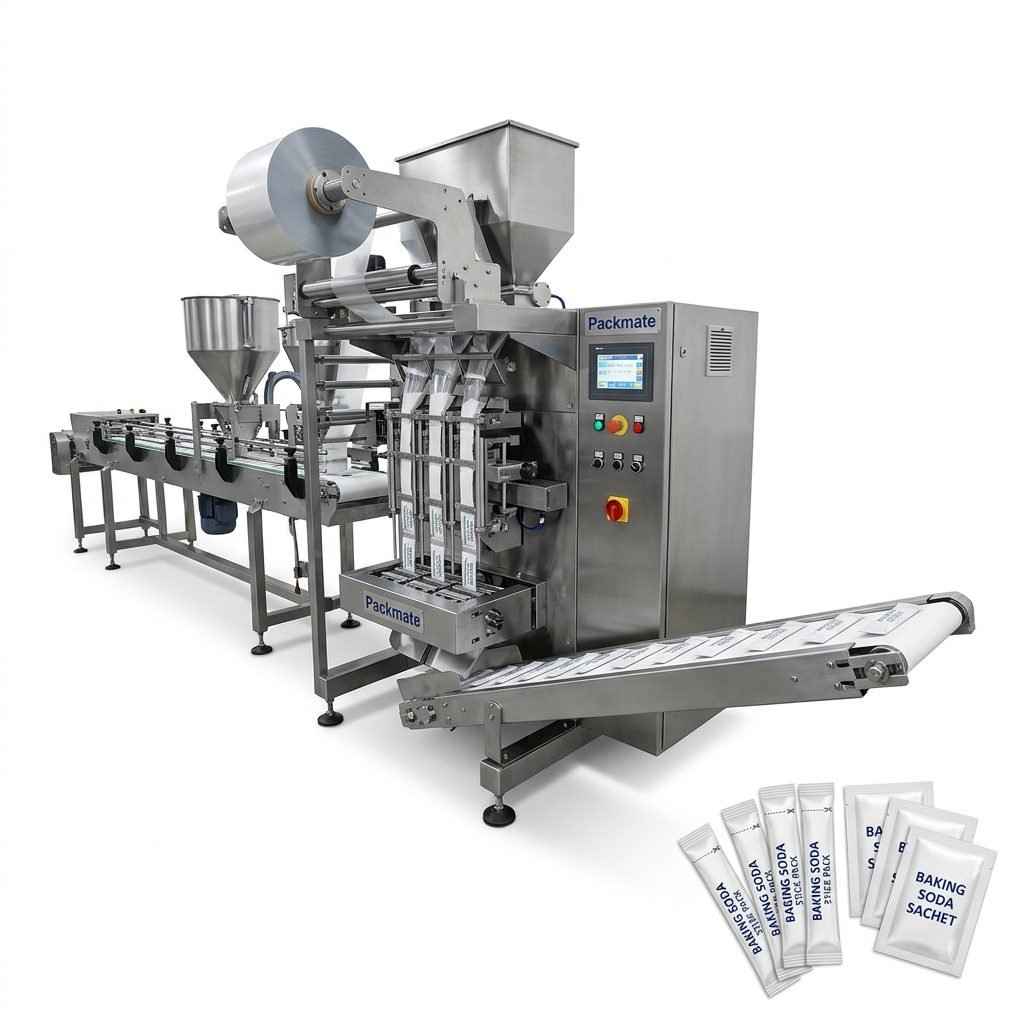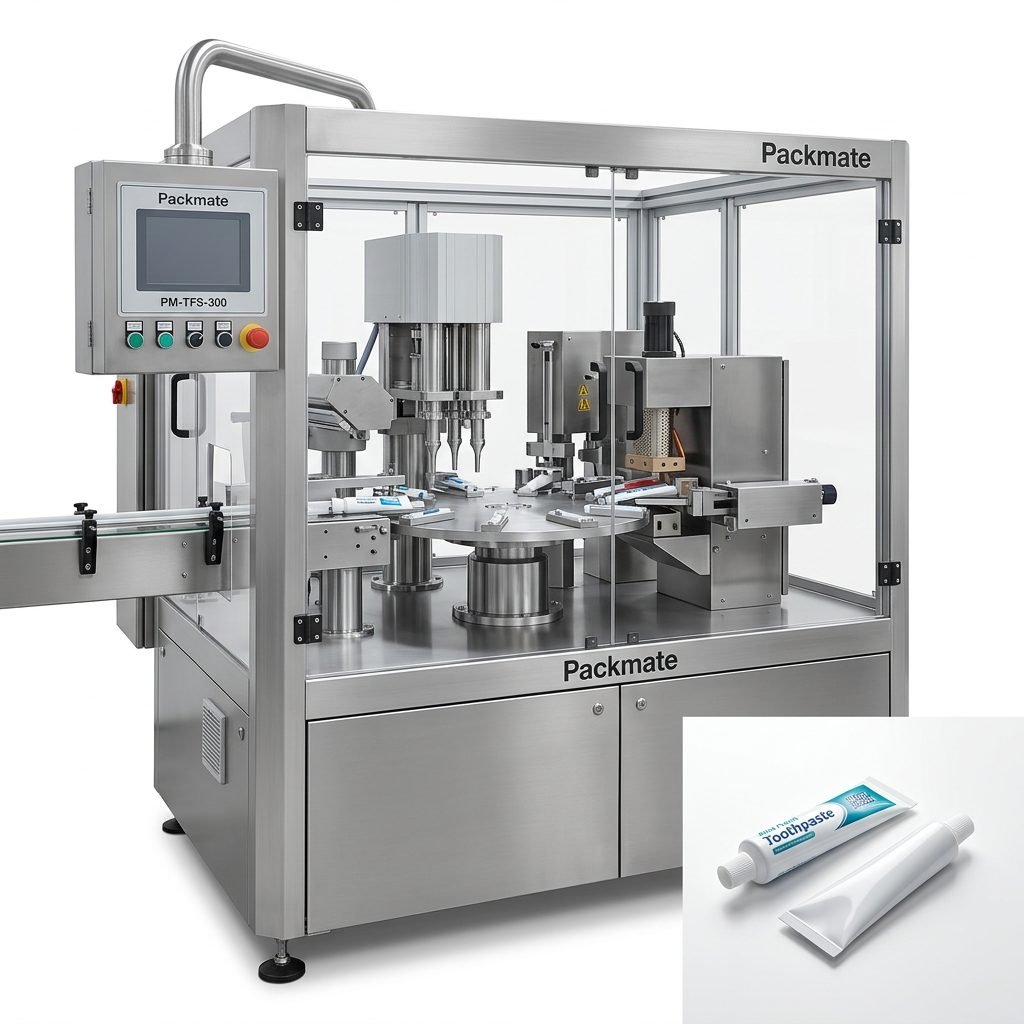
In today’s competitive manufacturing landscape, the efficiency of your packaging line is not just an operational metric—it’s a critical determinant of profitability, customer satisfaction, and market agility. For production managers and plant owners, optimizing this line means directly influencing the bottom line by reducing costly downtime, minimizing waste, and maximizing output. This article provides a comprehensive, actionable guide to achieving peak packaging line performance.
The Pillars of Packaging Line Efficiency
True efficiency is built on a foundation of interconnected elements. It goes beyond simply running machines faster.
Key Efficiency Metrics to Monitor:
- Overall Equipment Effectiveness (OEE): The gold standard, combining availability, performance, and quality rates.
- Mean Time Between Failures (MTBF): Measures reliability and predicts maintenance needs.
- Mean Time To Repair (MTTR): Tracks speed and effectiveness of your response to breakdowns.
- Units Per Minute/Hour (UPM/UPH): The raw output rate of your line.
- Changeover Time: The time lost switching between product runs or packaging formats.
1. Optimizing Production Flow and Layout
The physical arrangement of your line is the first place to look for gains. A poor layout creates bottlenecks, excessive material handling, and wasted movement.
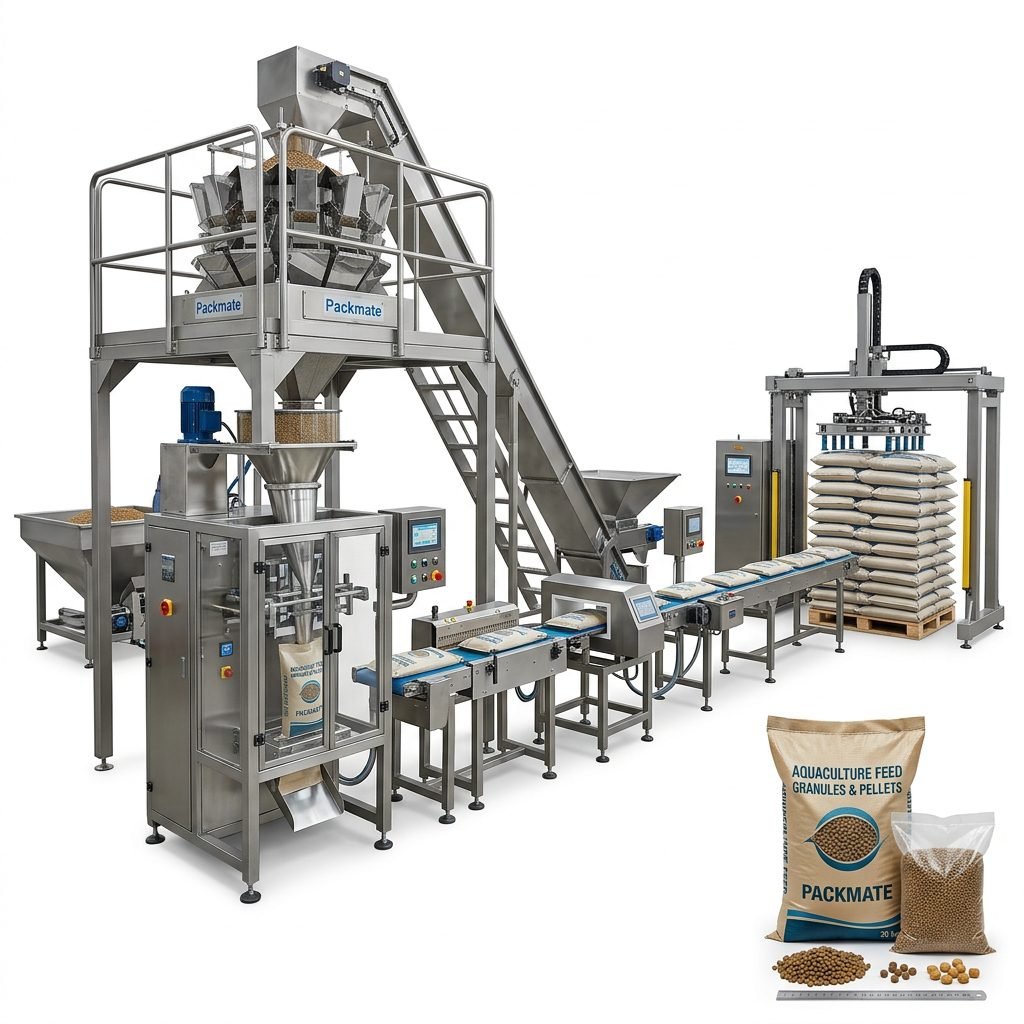
Strategy: Implement Lean manufacturing principles. Analyze the workflow from raw material intake to palletized finished goods. Design a U-shaped or linear flow that minimizes distance traveled by both product and operators. Ensure there is adequate buffer space before critical machines to prevent upstream stalls from halting the entire line. For complex solutions involving multiple machine integrations, partnering with an experienced provider like Packmate Packaging Line can ensure your layout is designed for optimal synergy from the start.
2. Proactive Maintenance to Drastically Reduce Downtime
Unplanned downtime is the arch-nemesis of efficiency. Reactive maintenance—fixing things only when they break—is a costly strategy.
Strategy: Transition to a Preventive and Predictive Maintenance (PdM) program. Schedule regular inspections, lubrication, and part replacements based on manufacturer guidelines and historical data. Utilize vibration analysis, thermal imaging, and IoT sensors to predict failures before they occur. This approach transforms maintenance from a cost center to a strategic investment in reliability. Reviewing real-world case studies can reveal how predictive strategies are implemented on similar lines.
💡 Quick Win: Standardize Changeovers
Use Single-Minute Exchange of Dies (SMED) methodology. Categorize tasks as internal (must be done while machine is stopped) or external (can be done while running). Convert internal tasks to external where possible, standardize tools and procedures, and use visual guides. This can reduce changeover time by 50% or more, directly increasing available production time.
3. Leveraging Technology and Automation
Modern packaging lines are data hubs. Ignoring this data means flying blind.
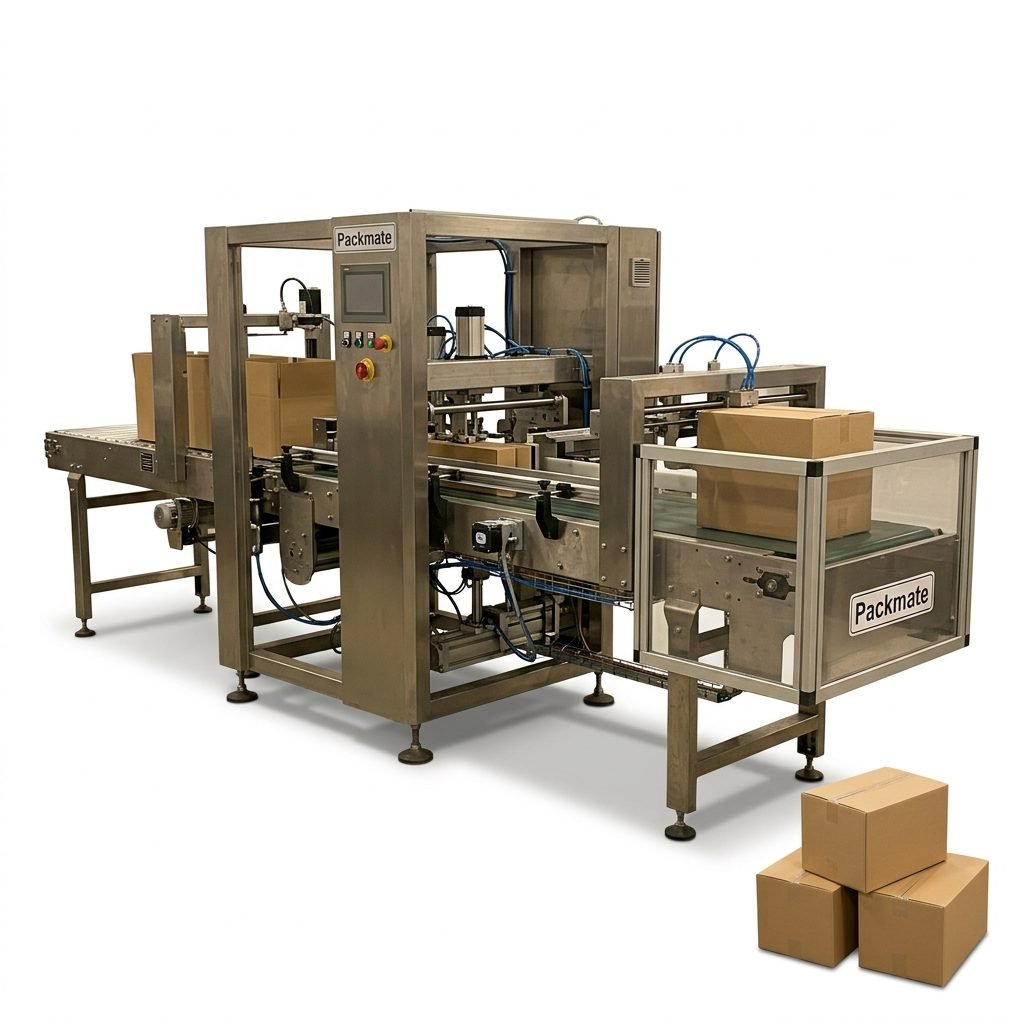
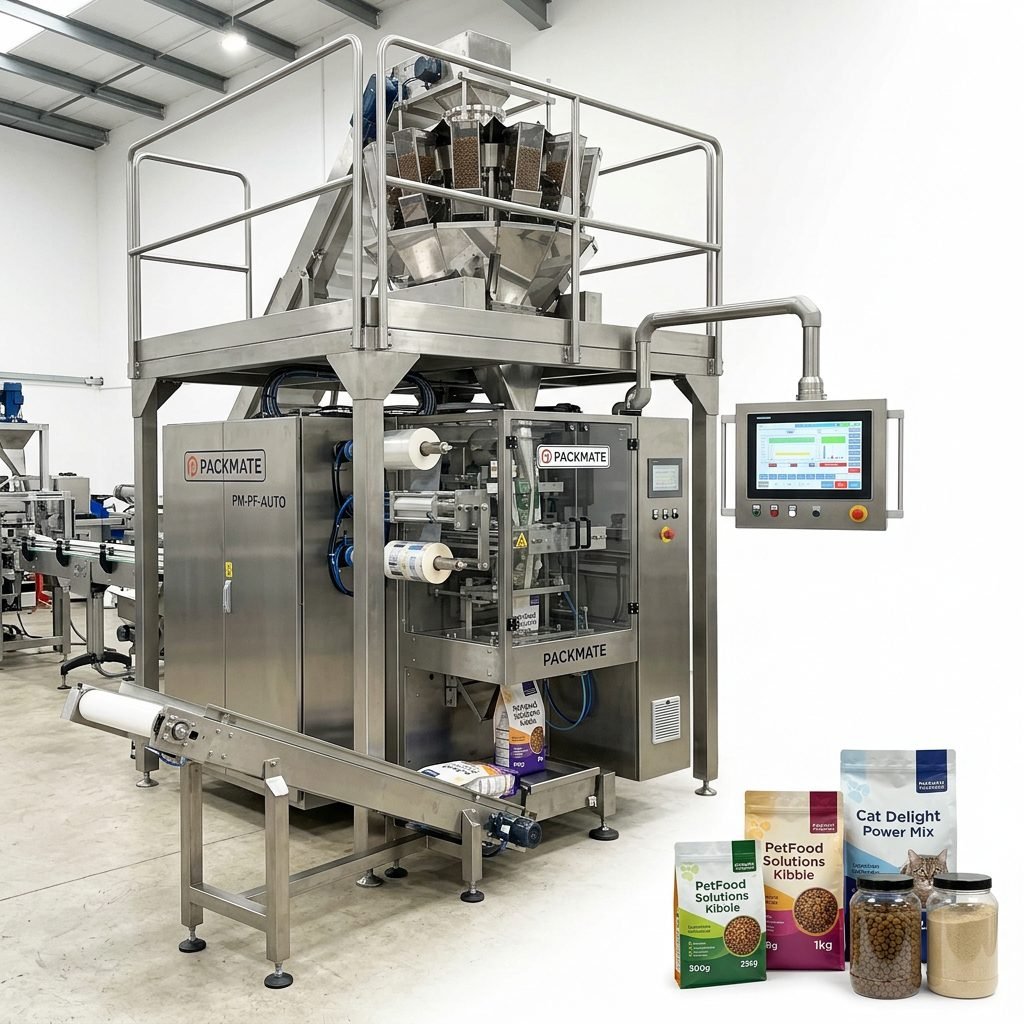
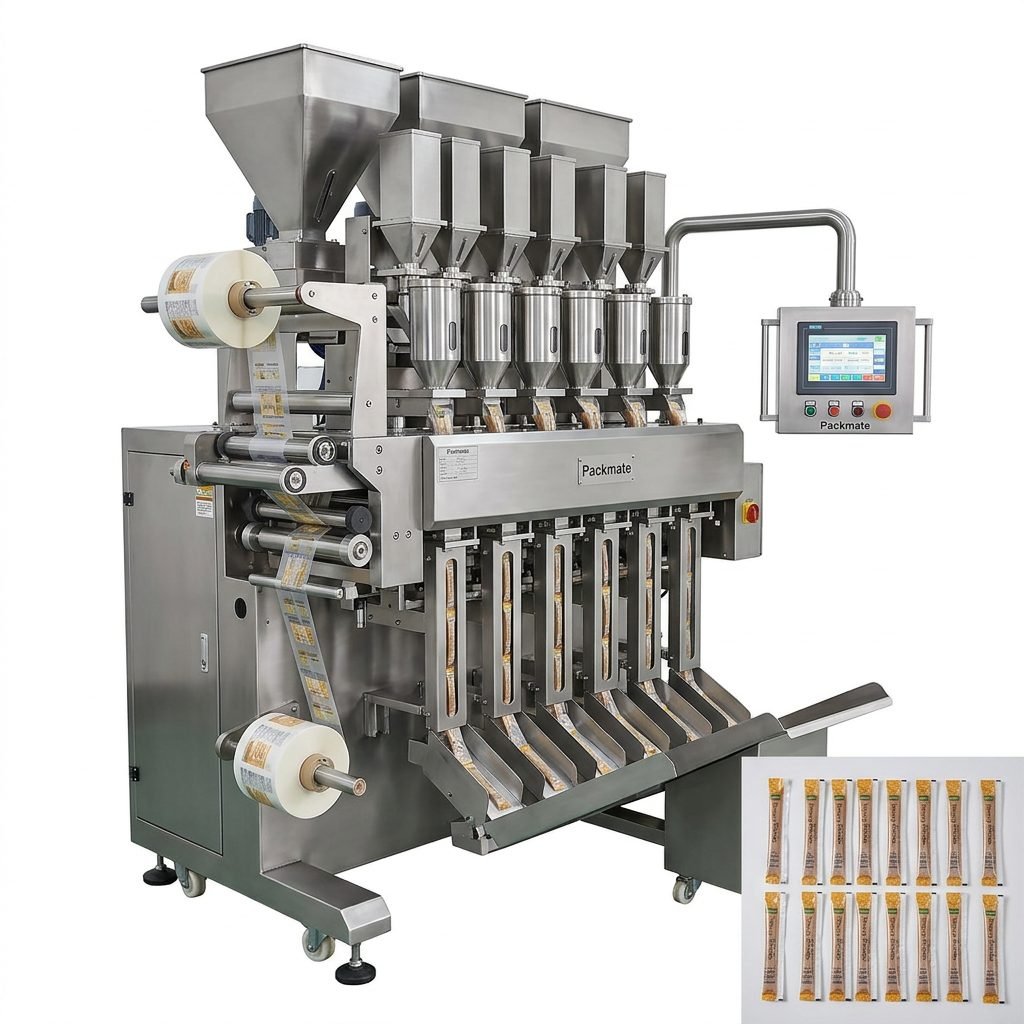
Strategy: Integrate a Manufacturing Execution System (MES) or SCADA system to collect real-time data on speed, stoppages, and yield. Use this data for continuous improvement. Automate repetitive, error-prone tasks like case erecting, carton sealing, and palletizing. Consider collaborative robots (cobots) for flexible, secondary packaging tasks. Investing in intelligent, automated equipment from a provider with a strong portfolio of solutions ensures technology drives efficiency, not complexity.
4. Empowering Your Workforce
Even the most automated line relies on human oversight, problem-solving, and continuous improvement.
Strategy: Implement cross-training so operators understand multiple stations, creating flexibility. Establish a clear Total Productive Maintenance (TPM) program where operators perform basic autonomous maintenance (cleaning, inspection, minor adjustments). Foster a culture where line staff are encouraged to report issues and suggest improvements—they are the eyes and ears of the process. A company’s commitment to its team, as reflected in its company profile and story, often correlates with operational excellence.
5. Quality Integration at the Source
Efficiency isn’t just about speed; it’s about producing sellable product. Rework and scrap are massive efficiency drains.
Strategy: Integrate inline quality checks such as checkweighers, vision inspection systems, and metal detectors. Position them immediately after the filling or sealing station to catch defects early, preventing value-added waste on faulty packages. Statistical Process Control (SPC) charts can help identify trends toward quality thresholds before they are breached.
Sustaining Improvements and Building a Culture of Efficiency
Optimization is not a one-time project; it’s an ongoing cycle of measure, analyze, improve, and control.
Hold daily stand-up meetings at the line to review the previous shift’s performance metrics and address immediate concerns. Use visual management boards that display OEE, downtime causes, and improvement projects for all to see. Celebrate successes when metrics improve, reinforcing the positive behavior. For long-term strategic alignment, ensure your efficiency goals are supported by the company’s core mission and vision.
Final Checklist for Line Optimization
- ✅ Conduct a value stream map of your current line.
- ✅ Establish baseline OEE and other KPIs.
- ✅ Audit and schedule all preventive maintenance.
- ✅ Implement SMED on your longest changeovers.
- ✅ Review data collection capabilities.
- ✅ Train operators on TPM principles.
- ✅ Review inline quality control points.
- ✅ Set up visual management and daily reviews.
Frequently Asked Questions (FAQs)
1. What is a good OEE target for a packaging line?
While “world-class” OEE is often cited as 85%, a realistic and excellent target for many packaging operations is between 75-85%. It’s more important to establish your own baseline and show consistent improvement. Availability above 90%, Performance above 95%, and Quality above 99% are strong component goals.
2. How can I justify the cost of new automated equipment?
Build a business case focusing on Total Cost of Ownership (TCO) and Return on Investment (ROI). Factor in not just the purchase price, but the projected savings from reduced labor, lower scrap rates, decreased downtime, higher output, and improved product consistency (leading to fewer customer complaints). Calculate the payback period in months or years.
3. Our line is a mix of old and new machines. Can we still optimize effectively?
Absolutely. Often, the greatest gains come from improving the interaction between machines (the “white space”) rather than the machines themselves. Focus on line balancing, improving material flow between stations, and ensuring older machines are on a rigorous preventive maintenance schedule to maximize their reliability.
4. How do we maintain efficiency during high-volume, rush order periods?
Planning is key. Ensure preventive maintenance is completed before the peak period. Pre-stage all necessary packaging materials and tools. Have a clear communication plan and ensure all staff are briefed. Avoid the temptation to skip checks or run equipment beyond its rated speed, as this often leads to catastrophic failure and more lost time.
5. Where should we start if we feel overwhelmed?
Start small and data-driven. Choose one critical bottleneck on your line. Measure everything about it for a week: downtime causes, speed losses, quality issues. Involve the operators working there in brainstorming solutions. Implementing a successful, small-scale improvement builds momentum, proves the concept, and funds larger projects. For expert guidance, exploring professional consultation and support services can provide a structured roadmap.