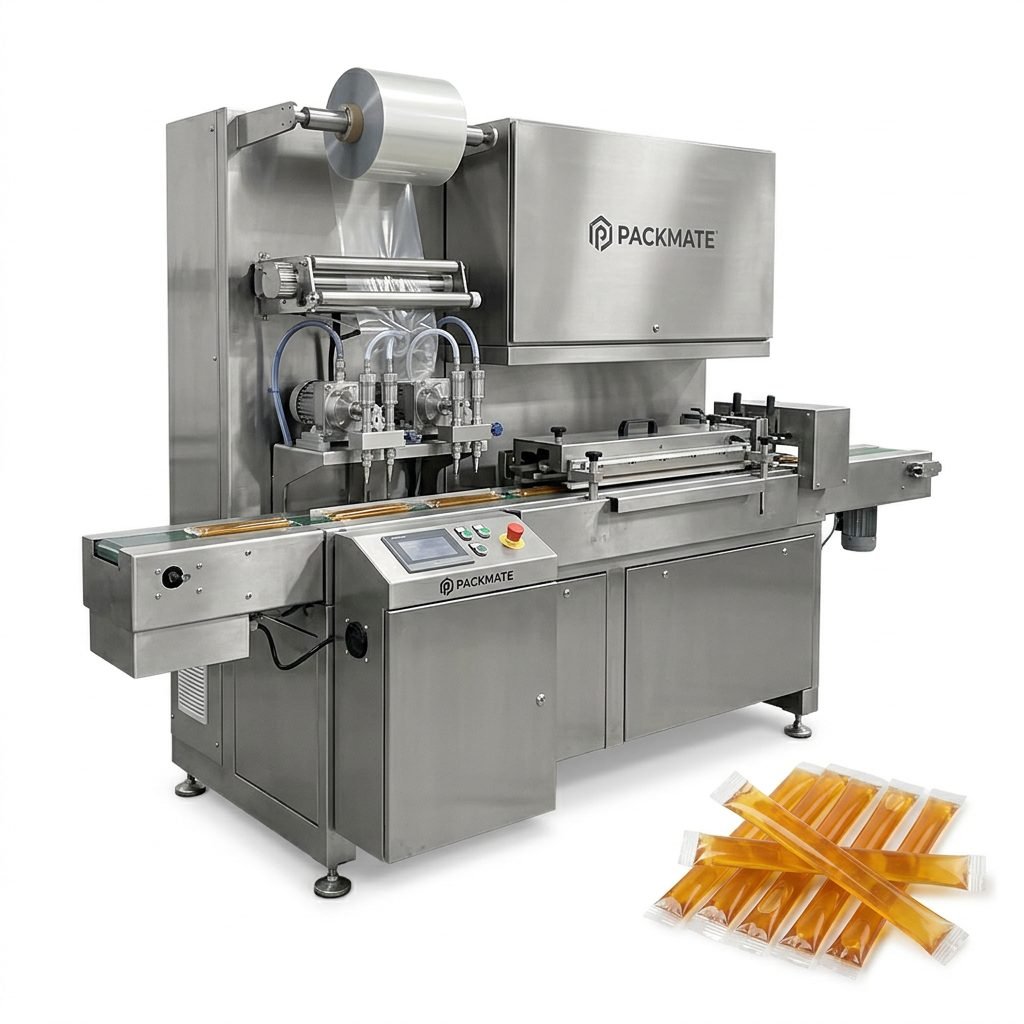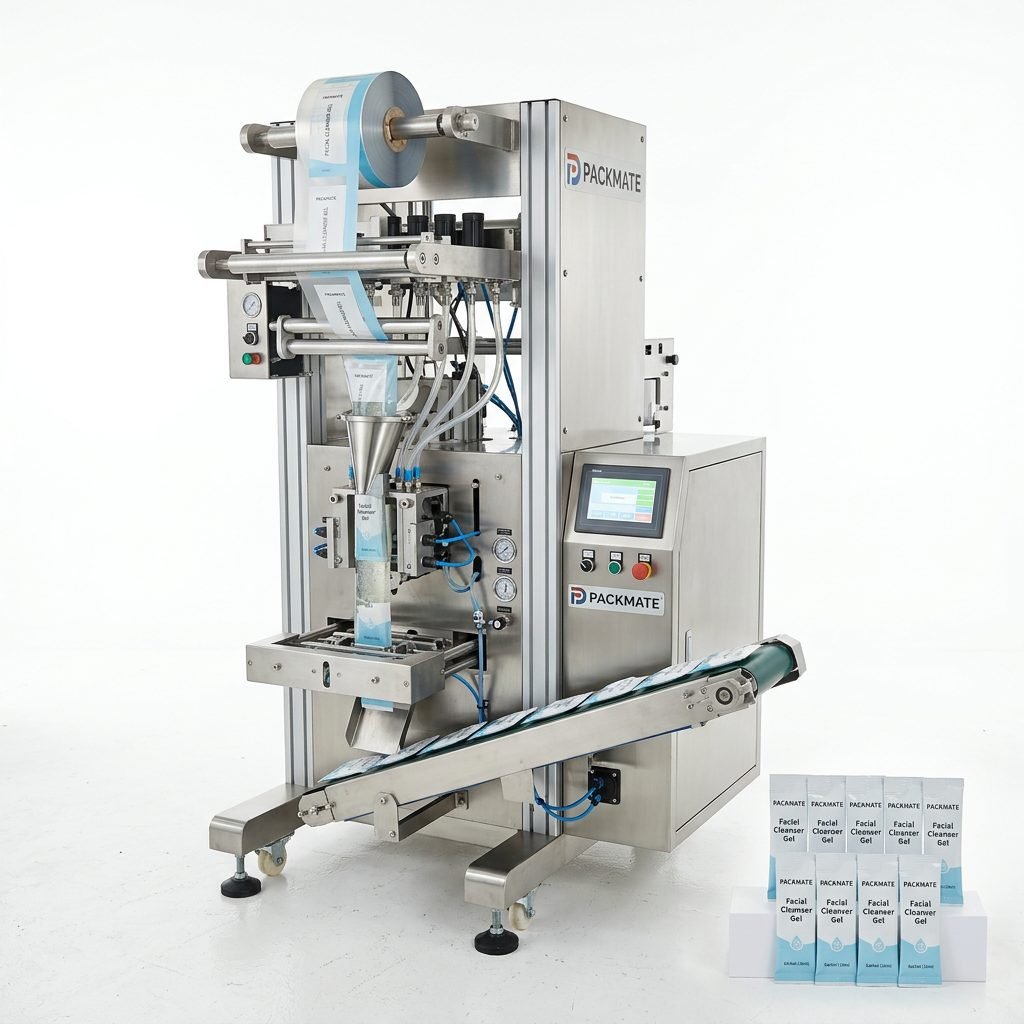
In today’s competitive manufacturing landscape, the efficiency of your packaging line is not just an operational metric—it’s a critical driver of profitability, customer satisfaction, and market agility. A slow, unreliable, or wasteful packaging process can erode margins, delay shipments, and damage brand reputation. Conversely, a streamlined, high-efficiency line becomes a powerful asset, enabling faster time-to-market, reduced operational costs, and the ability to scale seamlessly with demand. This article delves into actionable strategies, modern solutions, and industry best practices to help you unlock the full potential of your packaging operations.
Understanding Packaging Line Efficiency: Key Metrics and Bottlenecks
Before implementing improvements, you must measure current performance. Key Performance Indicators (KPIs) for packaging lines typically include:
- Overall Equipment Effectiveness (OEE): The gold standard metric, combining availability, performance, and quality rates.
- Line Speed vs. Theoretical Maximum: The actual output compared to the machine’s designed maximum speed.
- Changeover Time (SMED): The time required to switch the line from producing one product SKU to another.
- First-Pass Yield: The percentage of products packaged correctly without requiring rework or scrap.
- Material Waste: The amount of packaging film, cartons, or labels wasted due to errors or inefficiencies.
Common bottlenecks that drag down these metrics include manual hand-offs between machines, frequent jams or misfeeds, lengthy and complex changeovers, inconsistent material quality, and a lack of real-time data for operators. Identifying these specific pain points through time studies and data analysis is the first strategic step toward meaningful improvement. For a deeper dive into analyzing your specific setup, reviewing real-world case studies from similar industries can provide invaluable insights.
Pro Tip:
Start with a simple video recording of a full production run. Visually mapping the product flow often reveals non-value-added movements and waiting times that are not apparent from data logs alone.
Core Strategies for Enhancing Packaging Line Performance
Improving efficiency is a multi-faceted endeavor. Here are four core strategic pillars to build upon:
1. Embrace Automation and Integration
Replacing manual tasks with automated systems is the most direct path to higher speed and consistency. This doesn’t always mean a full robotic overhaul. Strategic automation can include:
- Automated Guided Vehicles (AGVs) or conveyor systems to move products between stations, eliminating manual lifting and transport.
- Automatic carton erectors, case packers, and palletizers to handle the end-of-line tasks.
- Integrated vision inspection systems that automatically detect and reject defective products without stopping the line.
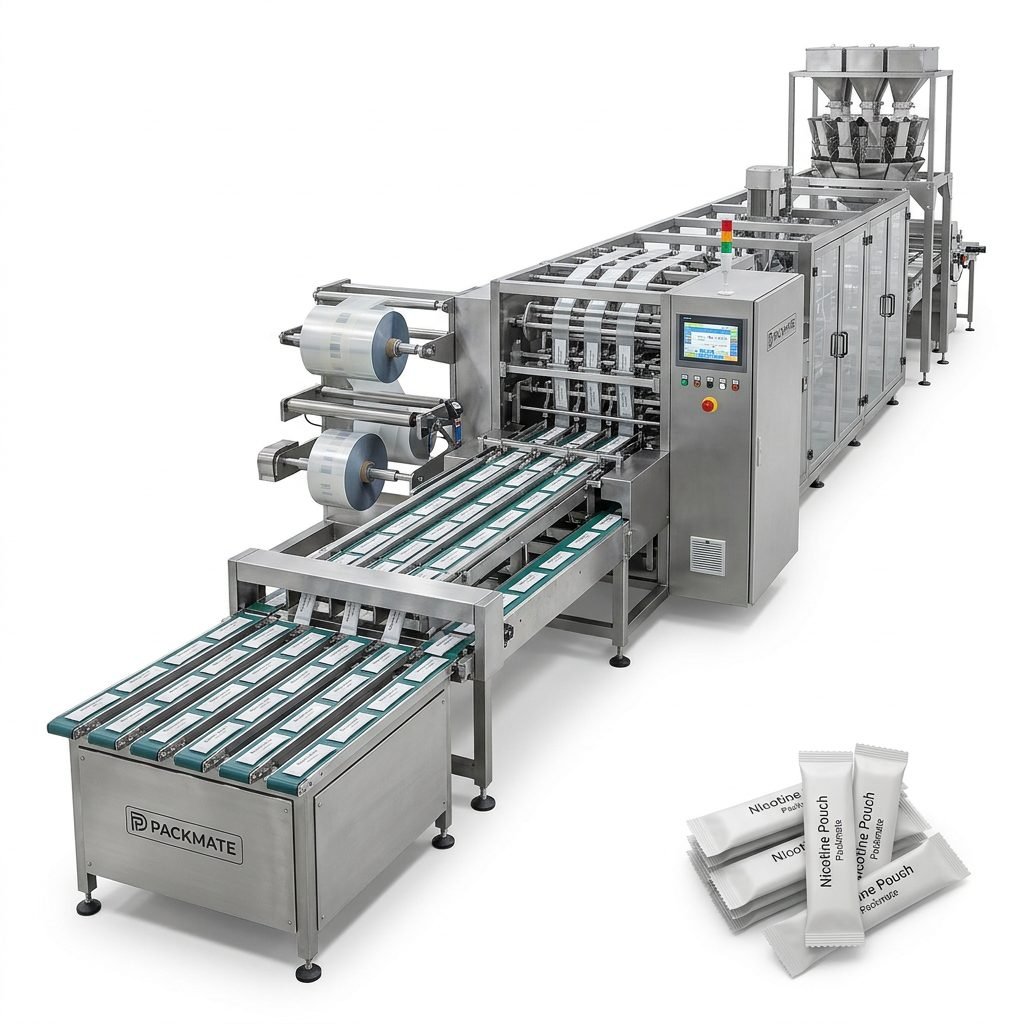
- The goal is to create a seamless, continuous flow from the filling station to the shipping pallet. A well-integrated packaging solution considers the entire line as a single, synchronized system rather than a collection of individual machines.
2. Implement Lean Manufacturing Principles
Lean methodology focuses on eliminating waste (Muda) in all its forms. Apply these principles to your packaging area:
- 5S (Sort, Set in order, Shine, Standardize, Sustain): Organize the workspace. Every tool, spare part, and packaging roll should have a designated, labeled home. This reduces search time and prevents errors.
- Single-Minute Exchange of Die (SMED): Radically reduce changeover times. Convert internal setup tasks (those that require the line to be stopped) to external tasks (performed while the line is running). Use quick-change mechanisms and standardized parts.
- Total Productive Maintenance (TPM): Empower operators to perform basic maintenance and cleaning. Preventative maintenance schedules are crucial to avoid unplanned downtime.
3. Leverage Data and IoT for Smart Monitoring
A modern, efficient line is a connected line. Implementing Industrial Internet of Things (IIoT) sensors and a Manufacturing Execution System (MES) provides:
- Real-Time OEE Dashboards: Visual displays show current line status, speed, and downtime reasons instantly.
- Predictive Maintenance Alerts: Sensors monitor vibration, temperature, and motor current to predict failures before they cause a stoppage.
- Traceability and Quality Data: Every batch can be tracked, linking production parameters to final quality outcomes for continuous improvement.
This shift from reactive to data-driven decision-making is a cornerstone of Industry 4.0 in packaging. Understanding a provider’s company profile and technological capabilities can help you select a partner who can facilitate this digital transition.
4. Optimize Human-Machine Interaction (HMI)
Technology is only as good as the people using it. Efficiency gains are lost if the interface is confusing. Invest in:
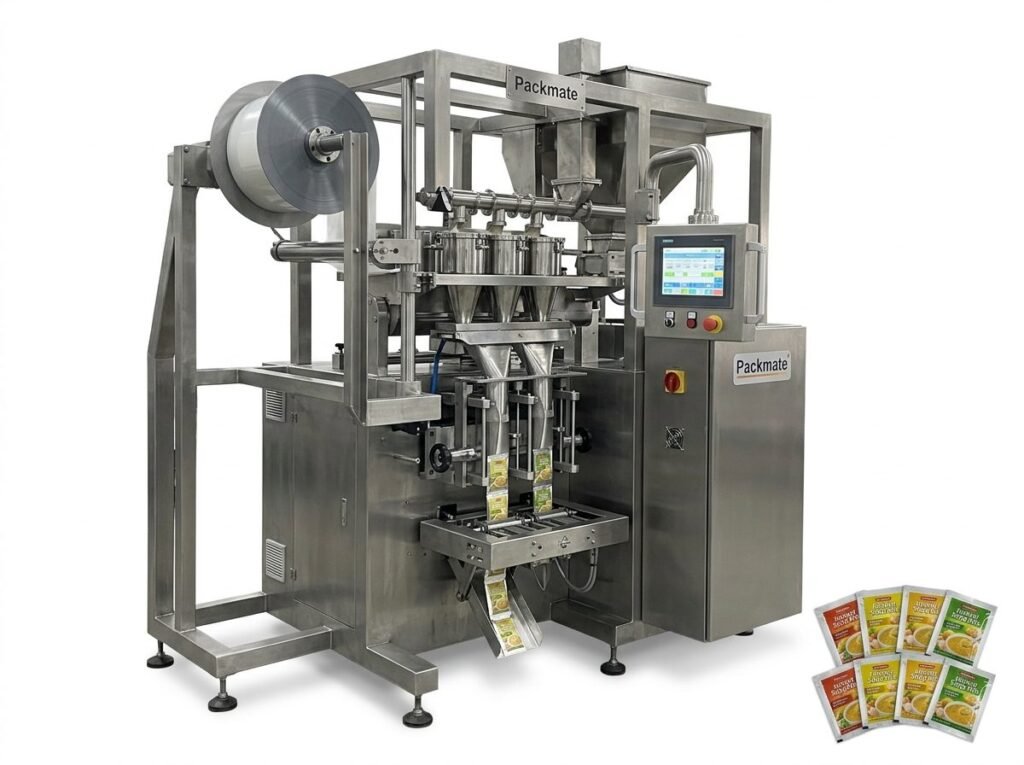
- Intuitive Touchscreen HMIs with clear graphics and step-by-step guides for changeovers and troubleshooting.
- Ergonomic Workstation Design to reduce operator fatigue and injury risk.
- Comprehensive and Ongoing Training so that operators understand not just how to run the machine, but how to optimize it and identify early signs of issues.
Targeted Solutions for Common Inefficiency Challenges
Let’s apply the strategies above to specific, frequent problems on the packaging floor.
Challenge: Excessive Downtime for Changeovers
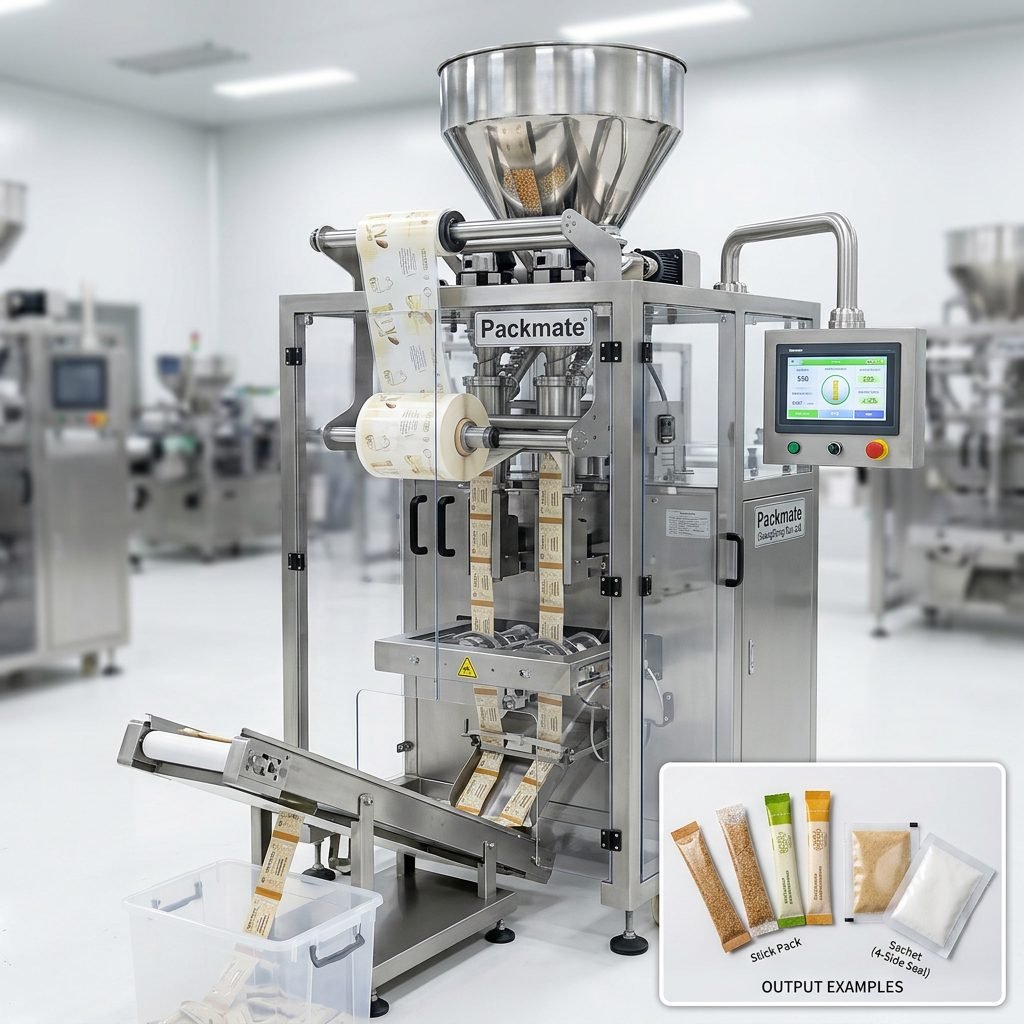
Solution: Implement a SMED program. Use color-coded tooling, store next-SKU materials at the line side in advance, and utilize servo-driven adjustments that allow size changes to be input via a recipe on the HMI instead of manual wrench-turning. Partnering with an equipment manufacturer that designs for quick changeover, like Packmate, can provide machines built with this flexibility from the ground up.
Challenge: High Rate of Packaging Material Waste
Solution: Integrate precision web guiding and tension control systems to ensure film runs smoothly and is sealed accurately. Use registration mark sensors for pre-printed materials. Implement a scrap reporting system to track waste by cause (e.g., misalignment, seal failure, film breaks) and address the root cause.
Challenge: Inconsistent Product Quality Leading to Rejects
Solution: Install in-line checkweighers, metal detectors, and vision inspection systems. These act as automated quality gates, ensuring only products that meet weight, safety, and appearance standards proceed. This prevents costly recalls and protects your brand.
The Turnkey Advantage: A Holistic Best Practice
Perhaps the most significant best practice is to view your packaging line as an integrated ecosystem. A piecemeal approach—buying machines from different vendors—often leads to integration headaches, communication gaps between systems, and finger-pointing when issues arise. Opting for a turnkey solution from a single provider ensures all components are designed to work together harmoniously. The provider takes full responsibility for the line’s performance, from initial design and factory acceptance testing to installation and ongoing service and support. This holistic approach minimizes risk, accelerates commissioning, and provides a single point of accountability for efficiency targets.
Sustaining High Efficiency: Culture and Continuous Improvement
Technology and processes are vital, but a culture of efficiency is what sustains long-term success. Foster this culture by:
- Empowering Frontline Teams: Encourage operators to suggest improvements and participate in problem-solving kaizen events.
- Visual Management: Use Andon lights and performance boards to make the line’s status and goals visible to everyone.
- Regular Performance Reviews: Hold short, daily meetings to review OEE from the previous shift, discuss downtime reasons, and plan corrective actions.
- Investing in Upgrades: Allocate budget for periodic upgrades, whether it’s adding a new sensor, updating software, or retrofitting a faster sealing head. Continuous improvement means never being “finished.”
Improving packaging line efficiency is a continuous journey, not a one-time project. It requires a balanced focus on advanced technology, lean processes, skilled people, and a collaborative culture. By systematically measuring performance, addressing bottlenecks with targeted strategies, and considering the integrated advantages of a turnkey approach, manufacturers can build packaging operations that are not only faster and cheaper but also more agile and resilient in the face of changing market demands. The investment in efficiency pays dividends in reduced costs, improved customer service, and enhanced competitive strength for years to come.
Frequently Asked Questions (FAQs)
1. What is the single biggest contributor to packaging line inefficiency?
While it varies by facility, unplanned downtime is often the largest culprit. This includes mechanical failures, jam-ups, and lengthy changeovers. A focus on preventative maintenance, robust machine design, and SMED methodology typically yields the most immediate and significant efficiency gains.
2. How can I justify the ROI for new automated packaging equipment?
Build a business case focusing on: Labor Savings (reduced manual handling), Material Savings (less waste), Increased Output (higher line speed and OEE), and Quality Cost Avoidance (fewer rejects and returns). Also, consider softer benefits like improved workplace safety, enhanced scalability, and better traceability for compliance.
3. We have machines from different manufacturers. Can we still improve efficiency?
Absolutely. Start with integration and communication. Ensure machines are physically linked with appropriate conveyors and, if possible, that their PLCs can share basic signals (e.g., “line running”/”line stopped”). Implement overarching monitoring (like an MES) to collect data from all machines. Focus on lean practices like 5S and TPM, which are machine-agnostic. For more specific integration challenges, consulting with a specialist service team is recommended.
4. How important is operator training for line efficiency?
Critically important. A well-trained operator can prevent minor issues from becoming major stoppages, perform faster and more accurate changeovers, and identify early signs of wear or misalignment. Training should be continuous, combining initial certification with regular refreshers and updates when new products or procedures are introduced.
5. What’s the first step I should take to assess my line’s efficiency?
Begin by measuring your current OEE for a representative period (e.g., one week). Break it down into its components: Availability, Performance, and Quality. This data will immediately highlight your primary area of loss (e.g., is it frequent breakdowns? slow cycles? high defect rate?). This data-driven starting point ensures you invest time and resources in solving your most costly problems first.