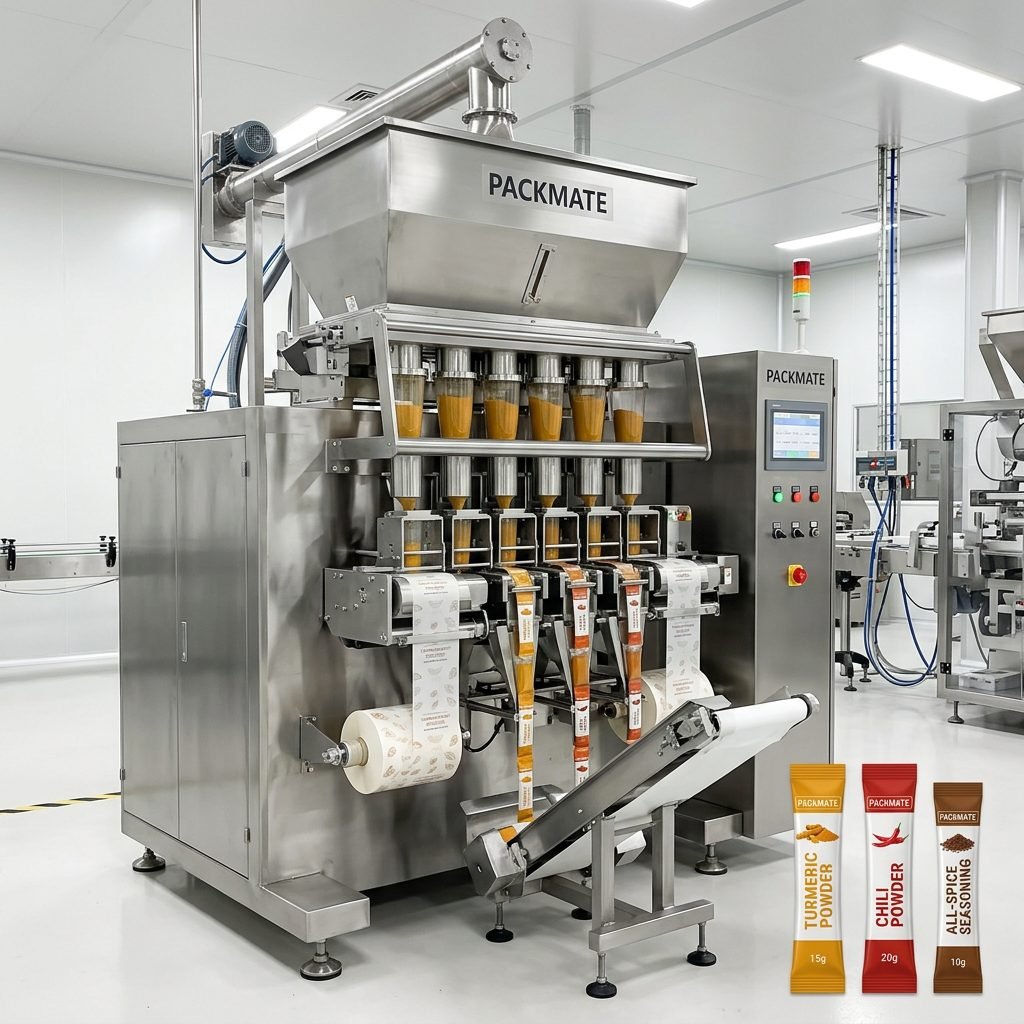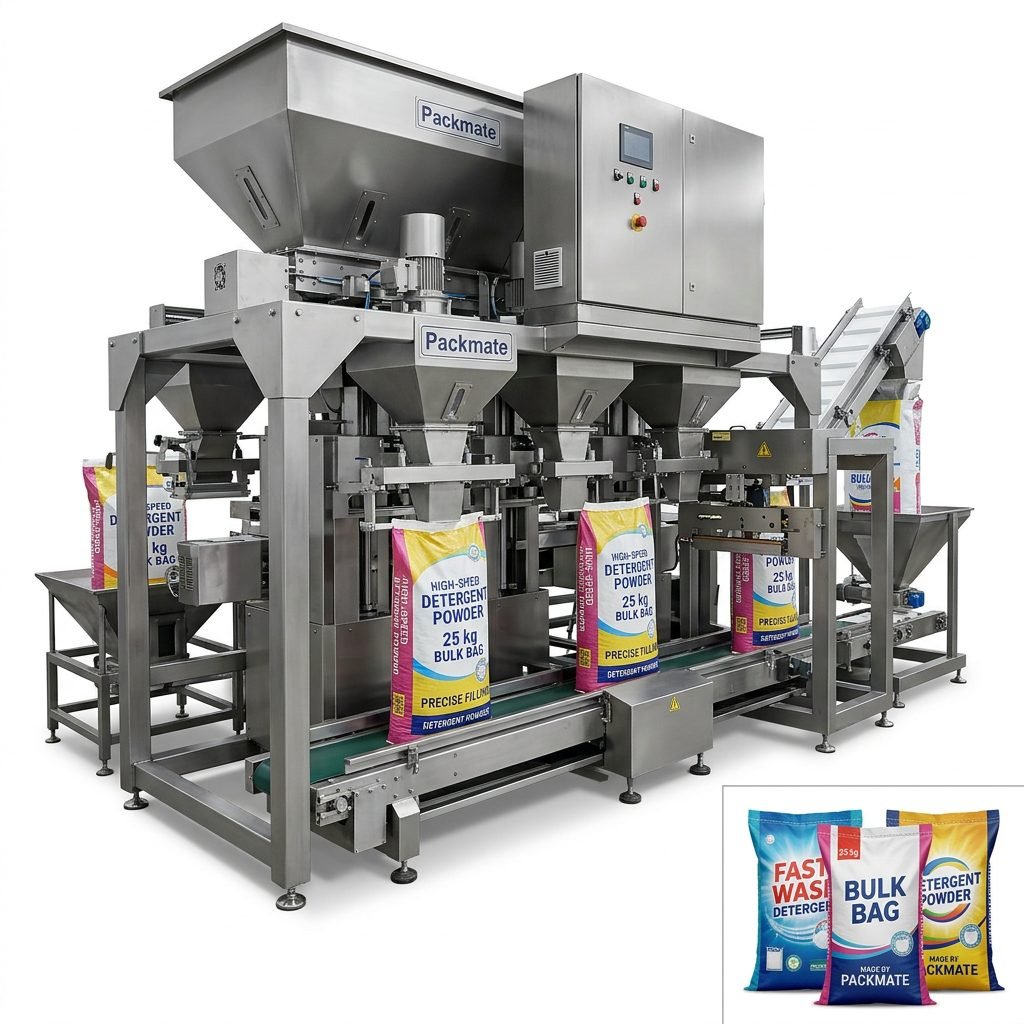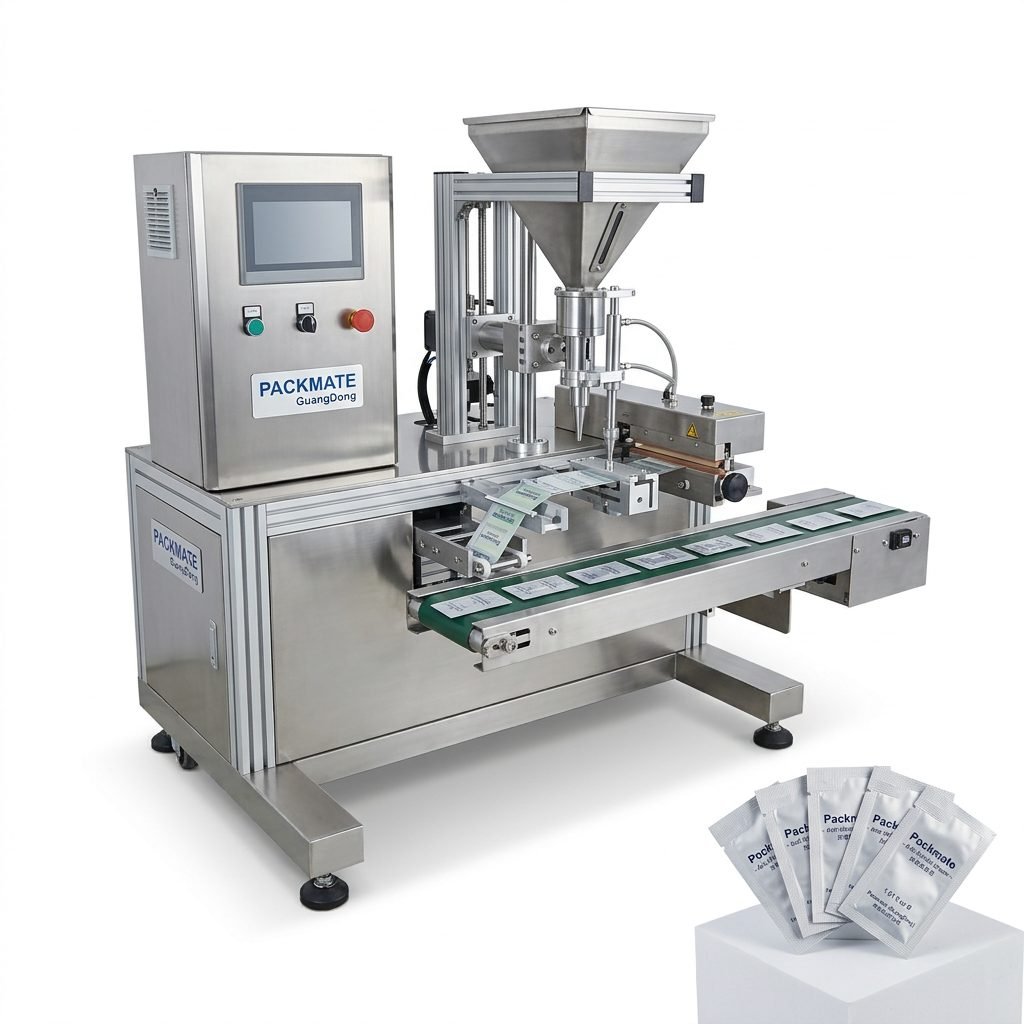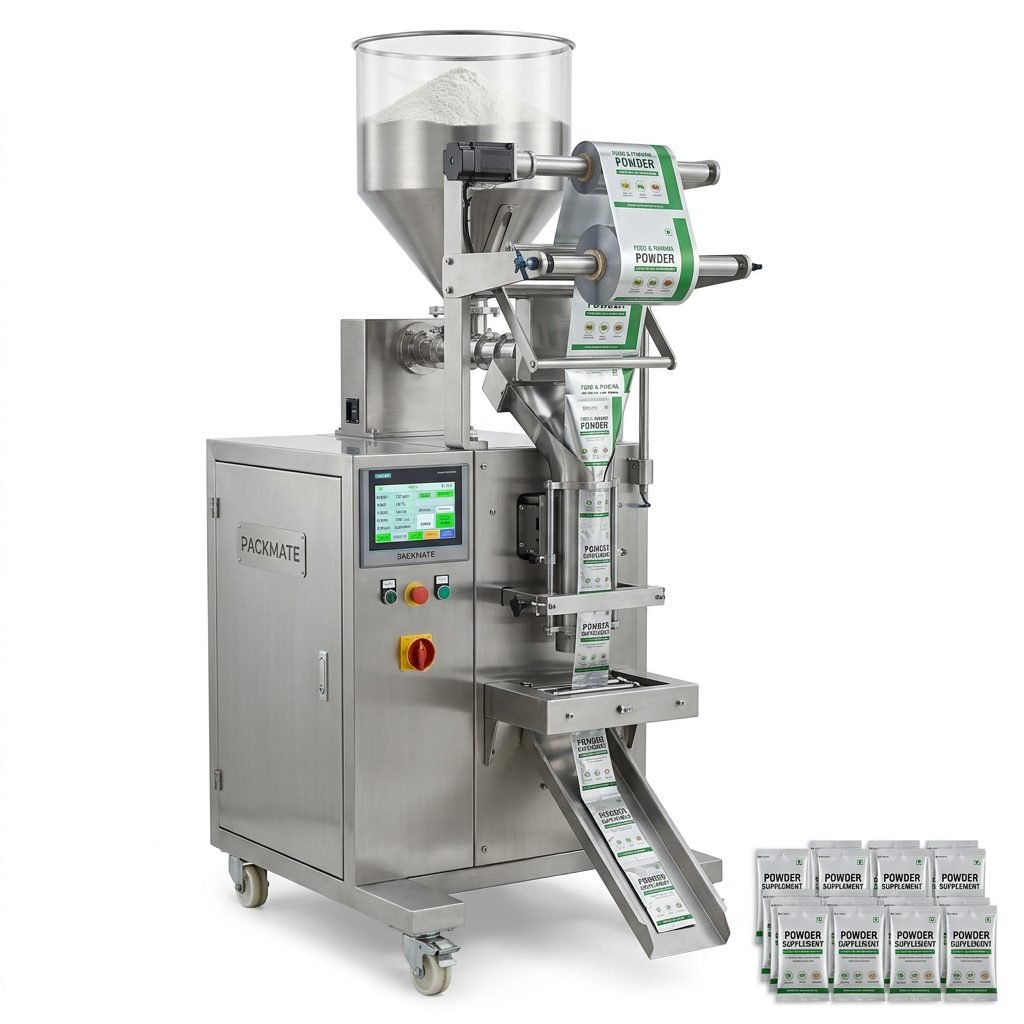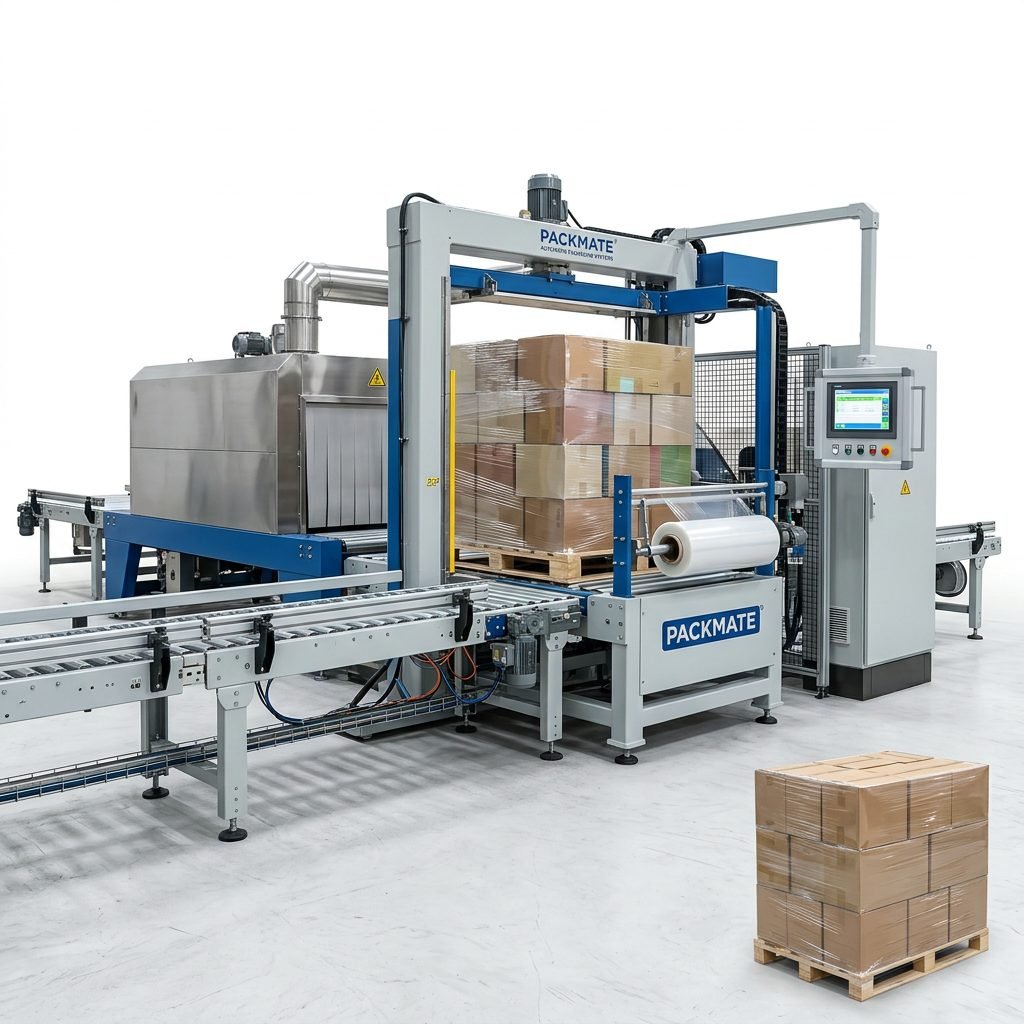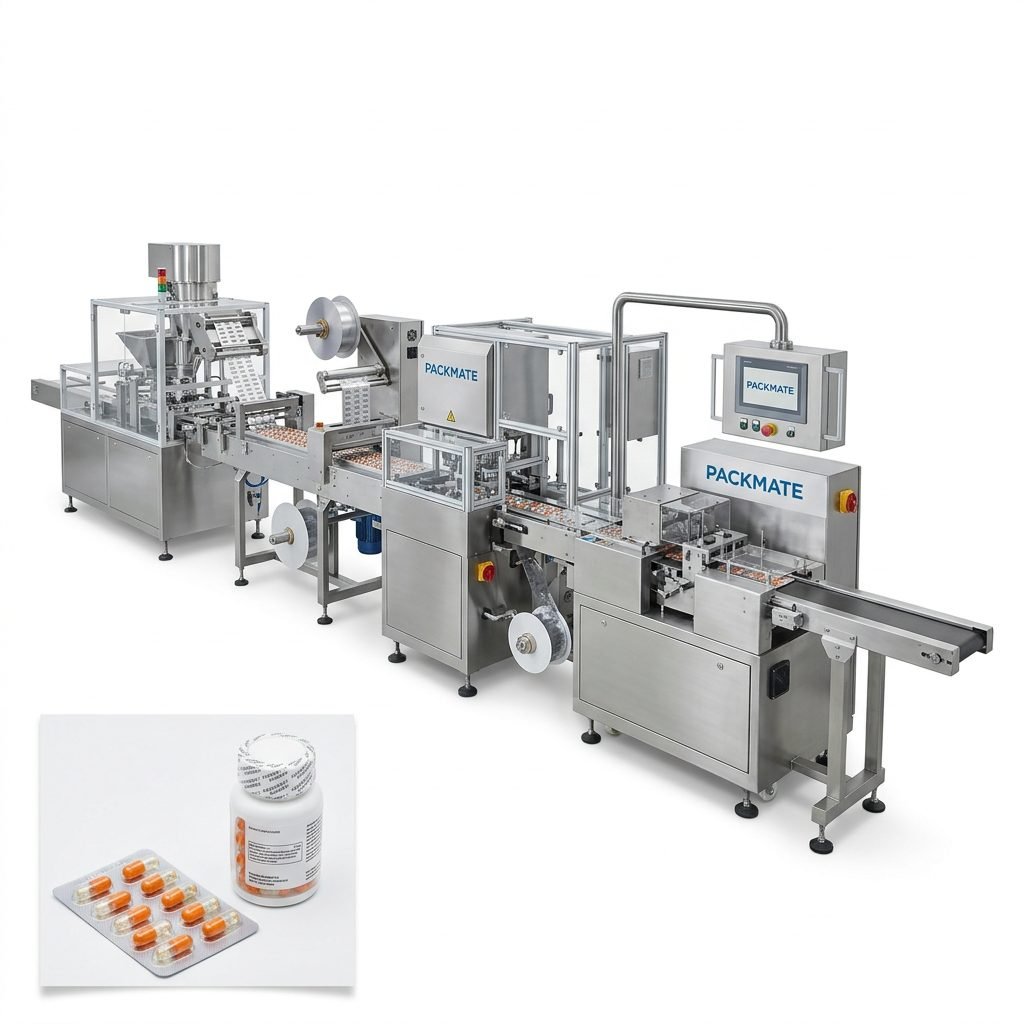
In the fast-paced world of modern baking, efficiency and product integrity are paramount. For bakeries aiming to scale production while maintaining the freshness and appeal of their bread products, investing in a complete, automated packaging line is no longer a luxury—it’s a necessity. A specialized Bread Dual Splice Packaging Line represents the pinnacle of this automation, offering a seamless solution from cooling rack to final pallet. This article explores the comprehensive automatic solutions provided by leading manufacturers, detailing how they transform bakery operations.
The Core Challenge in Bakery Packaging
Bread, by its very nature, is a delicate product. It requires careful handling post-baking to preserve its texture, prevent crushing, and extend shelf life. Manual packaging is labor-intensive, inconsistent, and can become a significant bottleneck. A dual splice system specifically addresses the need for continuous, high-speed operation. It allows one lane of bread to be packaged while the other is being loaded or undergoing a minor adjustment, virtually eliminating downtime. This is the heartbeat of a high-output bakery.
Key Components of a Complete Automated Line
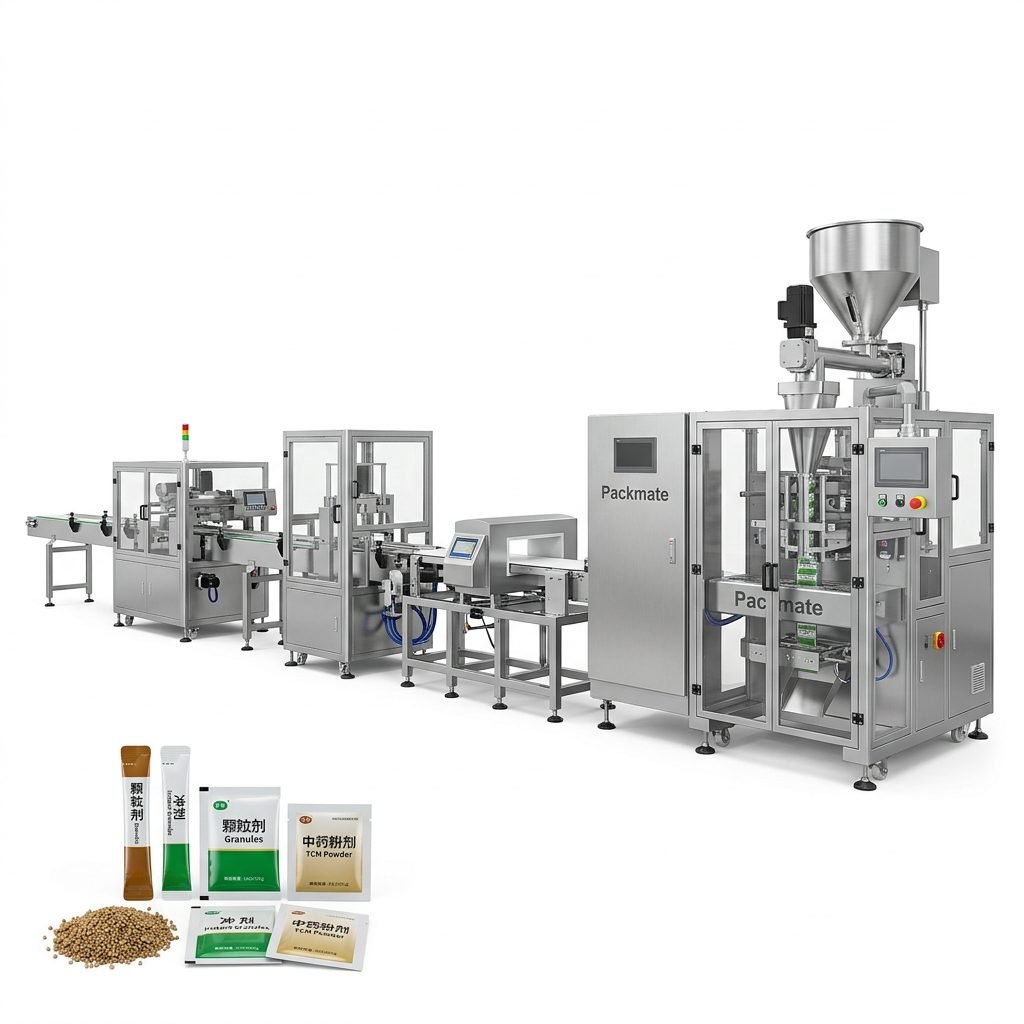
A turnkey solution from a reputable manufacturer integrates several critical stages into one harmonious flow. Understanding each component reveals the sophistication behind the simplicity of operation.
1. Automatic Bread Feeding & Orientation
The process begins with gentle, automated feeding systems that transfer bread from cooling conveyors into the packaging line. Advanced vision systems or mechanical guides orient each loaf or roll consistently, which is crucial for the next stages. This eliminates manual sorting and aligning, saving significant time and reducing product damage.
2. The Dual Splice Packaging Machine
This is the centerpiece. The machine utilizes two parallel film unwinding stations (splices). When the film on one station is nearly depleted, the system automatically splices the end to the beginning of the film on the second station without stopping the production flow. This technology ensures:
- ▶ Uninterrupted Production: No need to halt the line for film roll changes, maximizing overall equipment effectiveness (OEE).
- ▶ Reduced Waste: Minimizes film tail ends and product waste associated with line stoppages.
- ▶ Consistent Sealing Quality: Continuous operation maintains consistent heat and pressure for perfect seals every time.
3. Precision Bag Making & Sealing
The oriented bread is fed into a tube of packaging film. Cross-sealing jaws create the bottom seal, the bread drops in, and then the top seal is made, forming a tight, protective package. Modern systems offer various seal types (fin seal, pillow seal) and can incorporate easy-tear perforations or resealable zippers based on market demands, much like the versatile solutions seen in our packaging solutions portfolio.
4. Integrated Checkweighing & Metal Detection
Quality control is automated. Inline checkweighers ensure each bag meets precise weight specifications, automatically rejecting under or over-weight packages. Similarly, metal detectors safeguard product safety by identifying and ejecting any packages that may contain metallic contaminants. This integrated approach is a hallmark of a complete packaging line.
5. Final Collation & Case Packing
Individual bags are then collated into groups—whether for retail multipacks or wholesale cases. Robotic arms or pneumatic systems gently place the grouped bags into cartons or trays. This stage can be fully customized to match the bakery’s specific distribution needs, whether for local supermarkets or large-scale export, as demonstrated in various global project cases.
Benefits for Bakeries of All Sizes
Implementing a complete automated line delivers a transformative return on investment.
Dramatically Increased Output: Lines can package hundreds, even thousands, of units per hour, far surpassing manual capabilities.
Superior Product Protection & Freshness: Consistent, airtight seals lock in freshness and prevent staleness, directly impacting customer satisfaction and shelf life.
Significant Labor Cost Reduction: Automating the most repetitive tasks allows staff to be redeployed to higher-value areas like quality supervision or production planning.
Enhanced Hygiene & Safety: Reduced human contact minimizes contamination risks and improves overall plant hygiene standards.
Remarkable Consistency & Brand Image: Every package looks identical—clean, professional, and brand-perfect—strengthening your product’s presence on the shelf.
Choosing the Right Manufacturing Partner
Selecting a manufacturer is as critical as selecting the technology itself. A partner like Packmate (GuangDong) Co., Ltd. brings essential qualities to the table. With over 22 years of experience in designing and building intelligent packaging lines, they understand the unique challenges of the food industry. Their 20,000㎡ modern facility ensures rigorous production control and testing. Most importantly, they offer true turnkey solutions—from initial consultation and custom engineering to installation, training, and ongoing support services. Reviewing their official certifications and company profile provides confidence in their capability to deliver a reliable, high-performance bread dual splice packaging line tailored to your bakery’s specific throughput and product requirements.
Frequently Asked Questions (FAQs)
1. What types of bread products can a dual splice line handle?
These lines are highly versatile and can be configured to handle a wide range of products including sandwich loaves, baguettes, rolls, buns, and specialty breads. The key is customizing the feeding and forming tubes to match the product’s size and shape.
2. How significant is the reduction in packaging film waste?
The dual splice mechanism itself drastically reduces waste from film roll changeovers. Furthermore, modern servo-driven systems provide precise film tracking and tension control, minimizing overall film usage compared to older mechanical systems, leading to substantial material cost savings over time.
3. What is the typical lead time for a complete, custom automated line?
Lead times vary based on complexity and customization but generally range from 3 to 6 months for a complete line from a reputable manufacturer. This includes design, manufacturing, factory testing, and preparation for shipment.
4. Can the line be integrated with our existing bakery equipment?
Yes, a primary role of the manufacturer’s engineering team is to design interfaces (conveyor speeds, transfer mechanisms, control system communication) that allow the new packaging line to seamlessly integrate with your existing cooling racks, proofers, or ovens.
5. What kind of training and after-sales support is provided?
Professional manufacturers provide comprehensive on-site training for your operators and maintenance technicians during installation and commissioning. They also offer ongoing support through remote diagnostics, readily available spare parts, and service contracts to ensure maximum uptime and longevity of your investment.