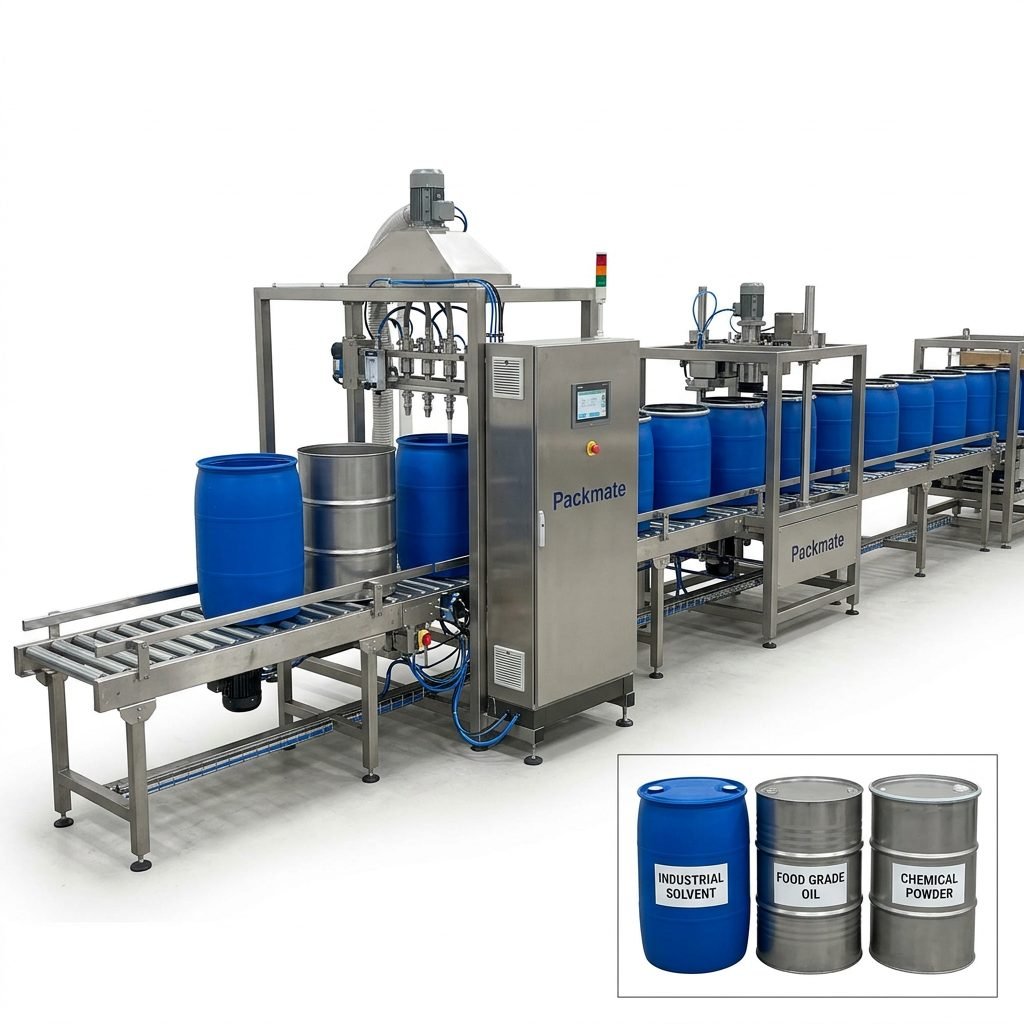
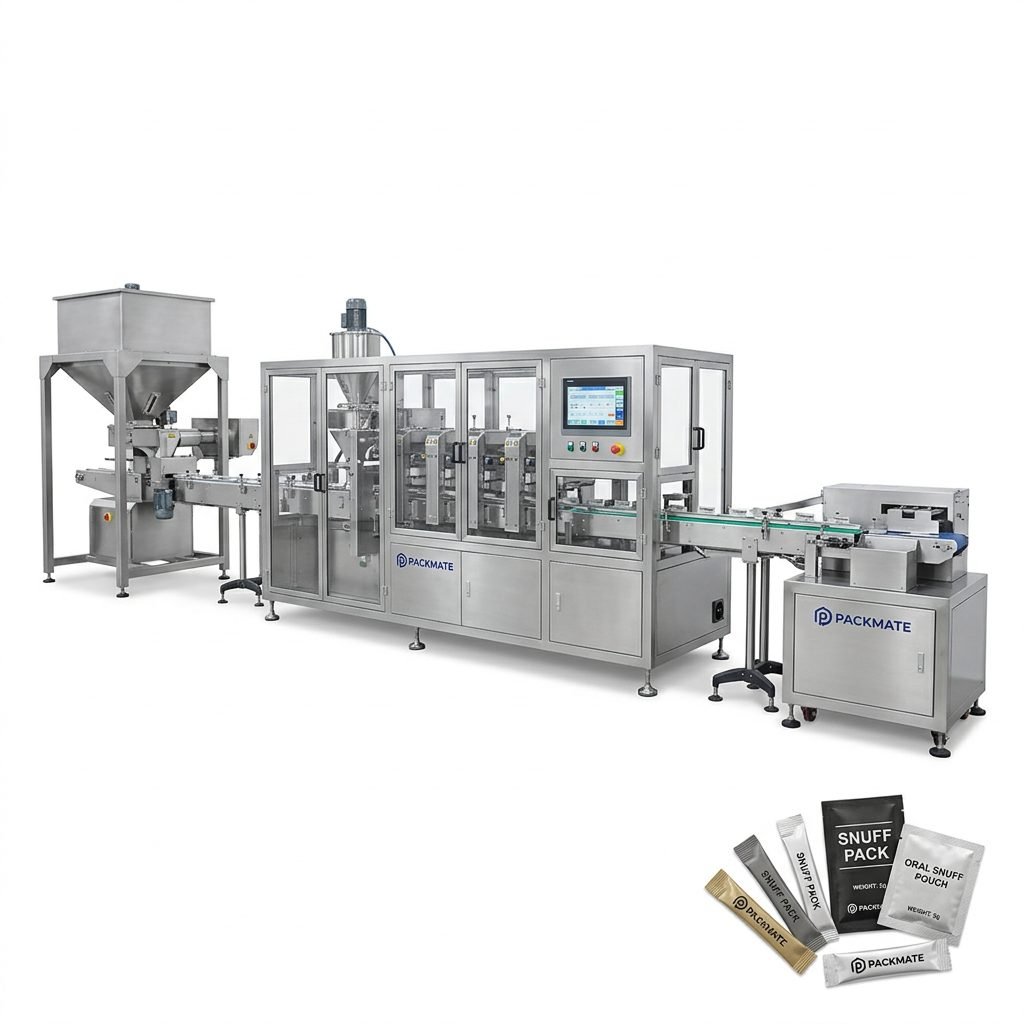
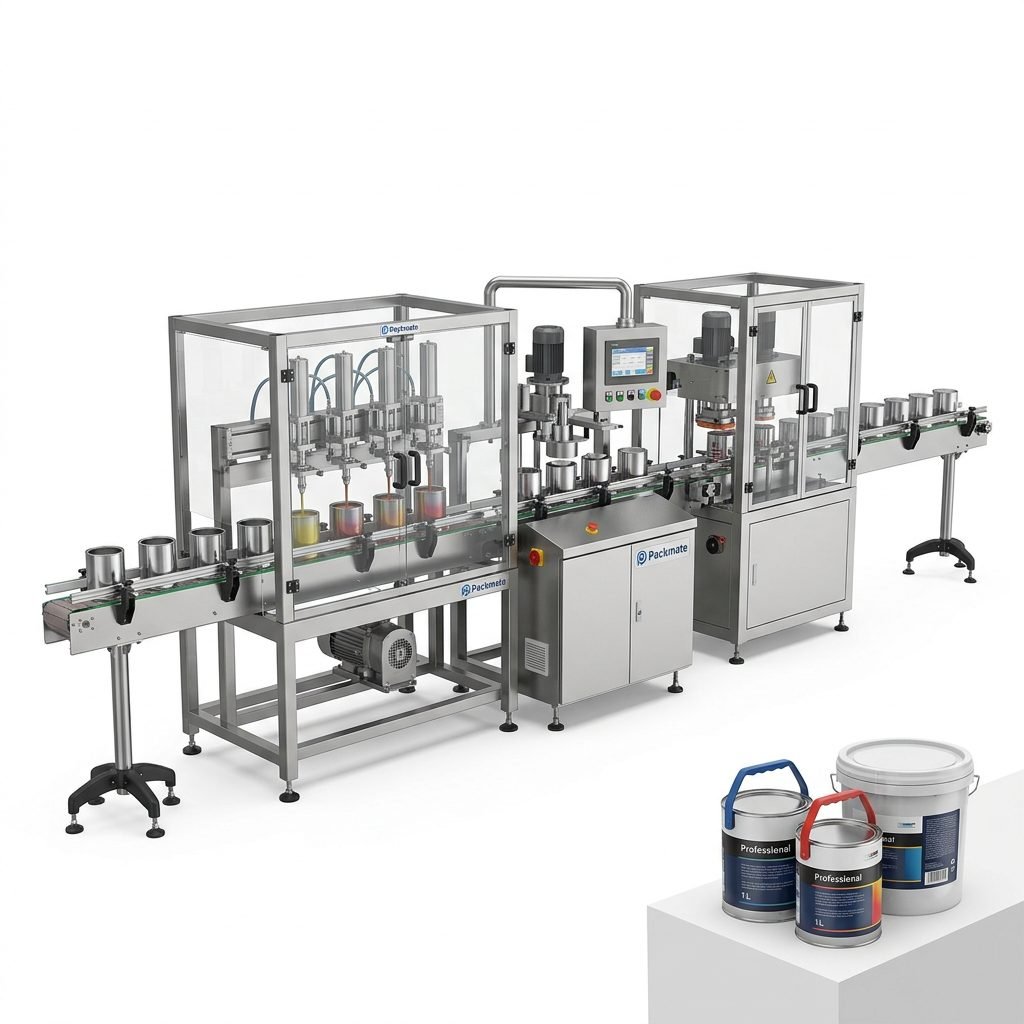
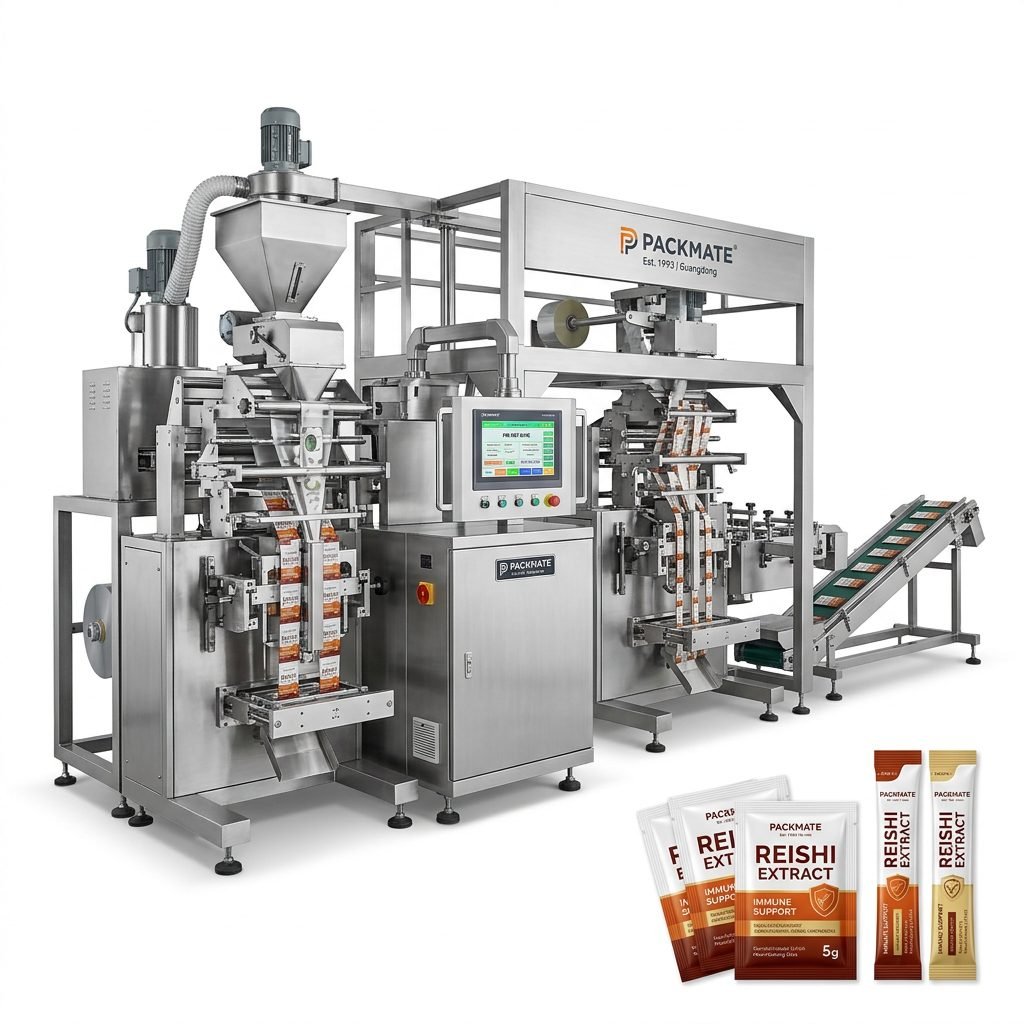
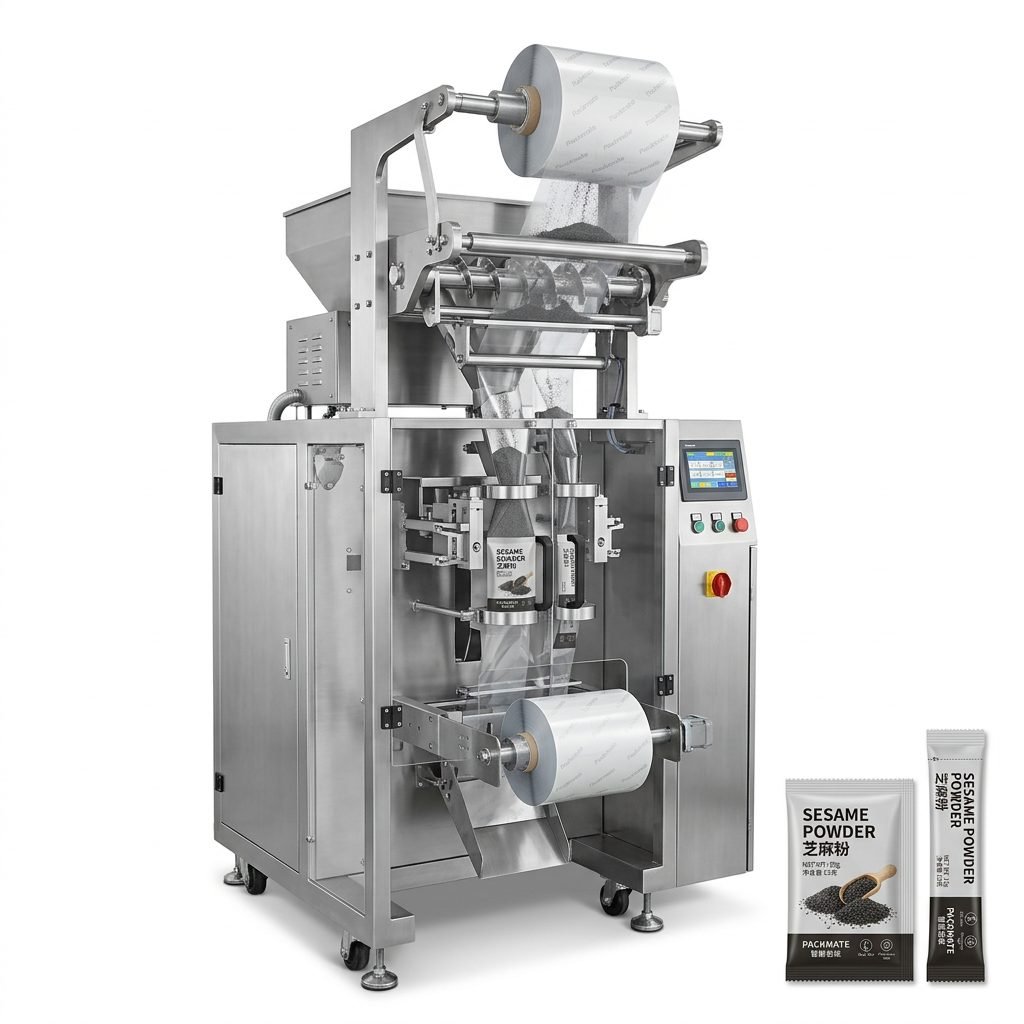
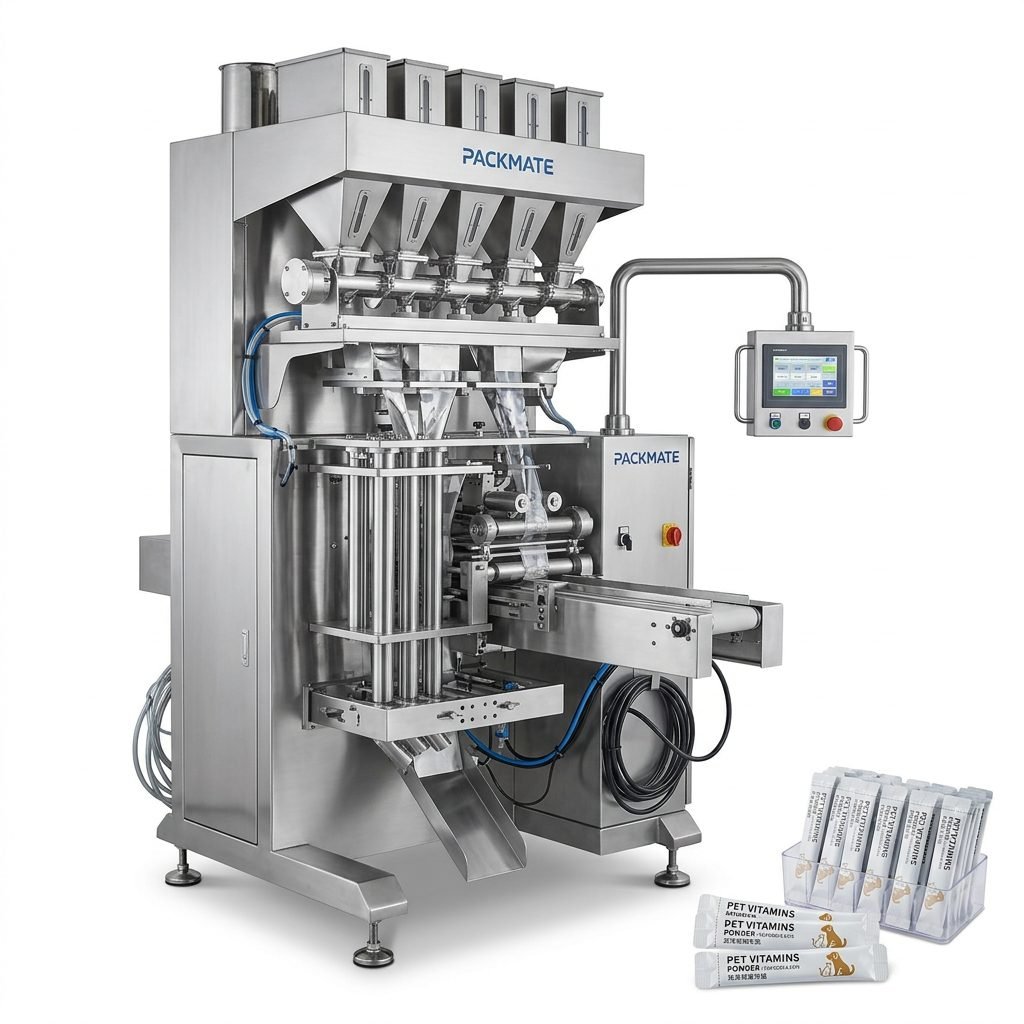
In the competitive landscape of food, pharmaceutical, and health product manufacturing, the efficiency, safety, and reliability of the packaging line are not just operational concerns—they are critical pillars of brand integrity and market success. A well-designed factory packaging line solution integrates seamlessly into production, ensuring product protection, compliance with stringent regulations, and adaptation to evolving consumer demands. This guide provides a comprehensive overview of the essential components, considerations, and innovations in packaging line solutions tailored for these sensitive and high-stakes industries.
Core Components of a Modern Packaging Line
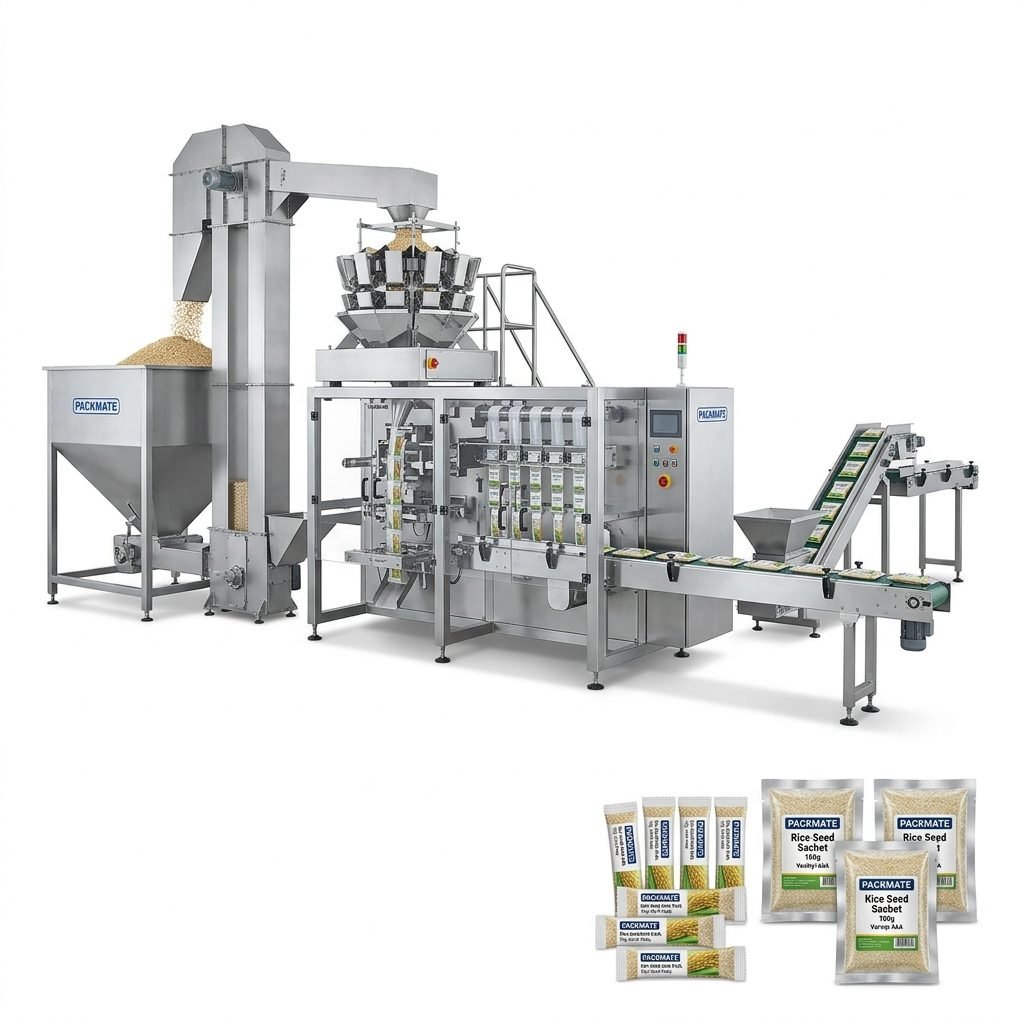
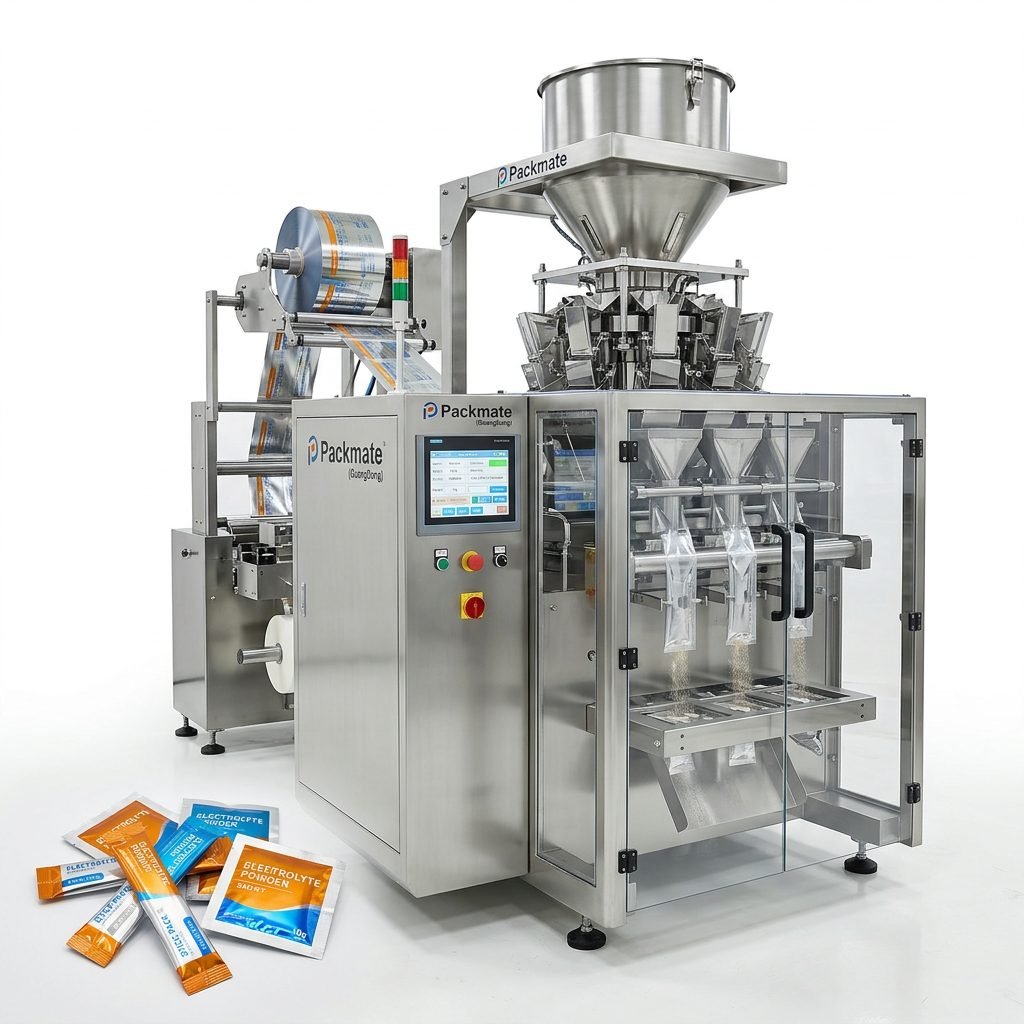
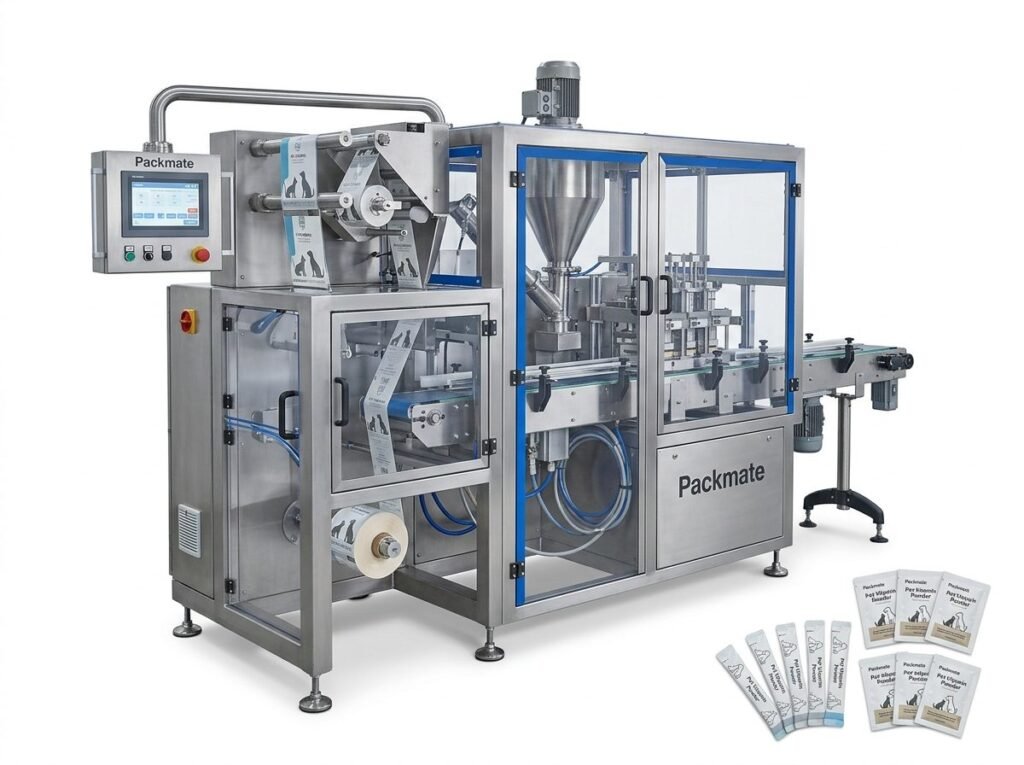
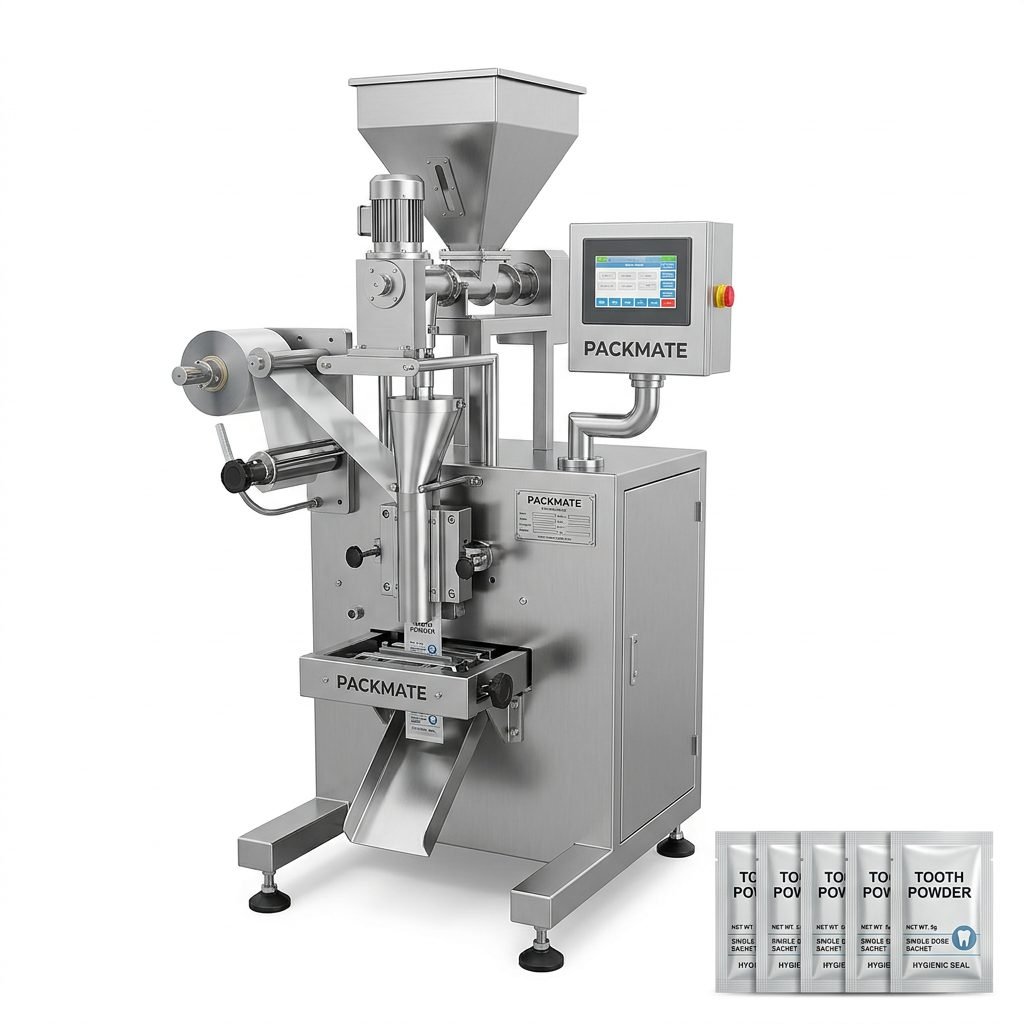
An effective packaging line is a symphony of specialized machinery working in unison. The process typically begins with filling and dosing systems, which must achieve pinpoint accuracy, especially for pharmaceuticals where dosage is critical. This is followed by sealing machines, which create airtight and tamper-evident closures vital for product shelf life and safety. Labeling and coding systems then apply necessary regulatory information, batch numbers, and expiry dates with flawless precision. Finally, secondary packaging equipment, like cartoners and case packers, prepares products for distribution. The integration and synchronization of these components dictate the line’s overall throughput and reliability.
Industry-Specific Requirements and Challenges
Each sector presents unique challenges that dictate packaging line design:
- ✔ Food Industry: Lines must handle diverse consistencies (granules, powders, liquids) and prioritize hygiene to prevent contamination. Speed and cost-efficiency are paramount for high-volume products.
- ✔ Pharmaceutical Industry: Compliance with Good Manufacturing Practices (GMP) is non-negotiable. Equipment must allow for easy cleaning and sterilization, often requiring sanitary design with minimal moving parts to avoid particulate generation. Track-and-trace capabilities are increasingly essential.
- ✔ Health & Nutraceutical Products: This sector often blends requirements from both food and pharma, needing consumer-friendly packaging that also ensures product potency and purity. Flexibility to run various package sizes (from single-serve sachets to large containers) is a key advantage.
The Turnkey Solution Advantage
Navigating the complexity of sourcing individual machines, ensuring compatibility, and managing installation can be daunting. This is where a turnkey packaging line solution from a single provider like Packmate offers immense value. A turnkey approach means the supplier handles everything from initial concept and design to manufacturing, installation, commissioning, and staff training. It ensures a cohesive system where all components are engineered to work together flawlessly, reducing downtime risks and providing a single point of accountability for service and support. This holistic method transforms capital expenditure into a predictable, efficient pathway to operational readiness.
Key Benefits of a Partner-Led Approach:
- → Reduced Integration Headaches: Eliminates compatibility issues between machines from different vendors.
- → Faster Time-to-Market: Streamlined project management accelerates line commissioning.
- → Optimized Performance: The line is designed as a unified system for peak efficiency.
- → Comprehensive Support: Ongoing maintenance, spare parts, and technical help come from one trusted partner.
Innovations Driving Packaging Line Evolution
The future of packaging is intelligent and connected. Industry 4.0 technologies are revolutionizing production floors. IoT-enabled sensors monitor machine health in real-time, predicting maintenance needs before a breakdown occurs. Advanced robotics are increasingly deployed for delicate picking and placing tasks, offering consistency and flexibility. Furthermore, data analytics platforms collect information from every stage of the packaging process, providing actionable insights to optimize Overall Equipment Effectiveness (OEE), reduce waste, and ensure consistent quality. These innovations are not just about automation; they are about creating a responsive, data-driven manufacturing ecosystem.
Selecting the Right Packaging Line Partner
Choosing a supplier is a strategic decision with long-term implications. Key criteria extend beyond the machine brochure. Evaluate the provider’s industry experience and proven track record, particularly within your specific sector (food, pharma, or health). Examine their capability to provide custom engineering solutions rather than just off-the-shelf models. Assess their global service and support network, crucial for minimizing downtime. Finally, visit their facilities if possible; a modern manufacturing plant like Packmate’s 20,000㎡ facility is a strong indicator of commitment to quality and scale. Reviewing detailed case studies can offer tangible proof of their ability to deliver successful projects.
Implementation and Lifecycle Management
Successful implementation starts with a clear project plan that includes factory layout planning, utility requirements, and regulatory documentation. Comprehensive training for operators and maintenance technicians is crucial for smooth operation and longevity of the equipment. Beyond installation, effective lifecycle management involves scheduled preventive maintenance, ready access to genuine spare parts, and software updates. Establishing a strong partnership with your supplier ensures you have expert support throughout the entire lifespan of your packaging line, protecting your investment and ensuring continuous production.
Frequently Asked Questions (FAQs)
Q1: What is the typical lead time for a complete turnkey packaging line?
A: Lead times vary significantly based on line complexity, customization level, and current production schedules. A standard line might take 3-6 months from order to delivery, while highly customized solutions for complex products can take longer. An experienced provider will give a detailed timeline after the initial project assessment.
Q2: How can I ensure my packaging line complies with international standards (e.g., FDA, GMP, ISO)?
A: Compliance starts with choosing a supplier whose equipment is designed and built to meet these standards. Key elements include using food-grade or pharmaceutical-grade materials (like 316L stainless steel), designing for cleanability, and providing full documentation (machinery risk assessment, material certificates). Your partner should guide you through the validation and documentation process required for your target markets.
Q3: What is the difference between a stick pack machine and a sachet machine?
A: Both produce small, sealed pouches. Stick packs are long, narrow, and ideal for single-serve powders (like coffee, supplements) that are poured out. Sachets are typically rectangular or square and can hold powders, granules, liquids, or creams, often designed to be torn open. The choice depends on your product format, dosing method, and consumer usage.
Q4: Can a single packaging line handle multiple different products or package sizes?
A: Yes, with the right design. Many modern lines are built for flexibility. Features like quick-change parts (form-fill-seal jaws, filling heads), programmable logic controllers (PLCs) with multiple recipe storage, and adjustable components allow for efficient changeovers between different products, weights, or pouch sizes, maximizing line utilization.
Q5: What kind of after-sales support should I expect?
A: Comprehensive support includes detailed installation supervision, operator training, a warranty period, availability of spare parts, and access to remote technical assistance. Many leading providers, like Packmate, offer ongoing service contracts for preventive maintenance and priority support to ensure maximum uptime and line performance throughout its operational life. For more detailed queries, visit our dedicated FAQs page.