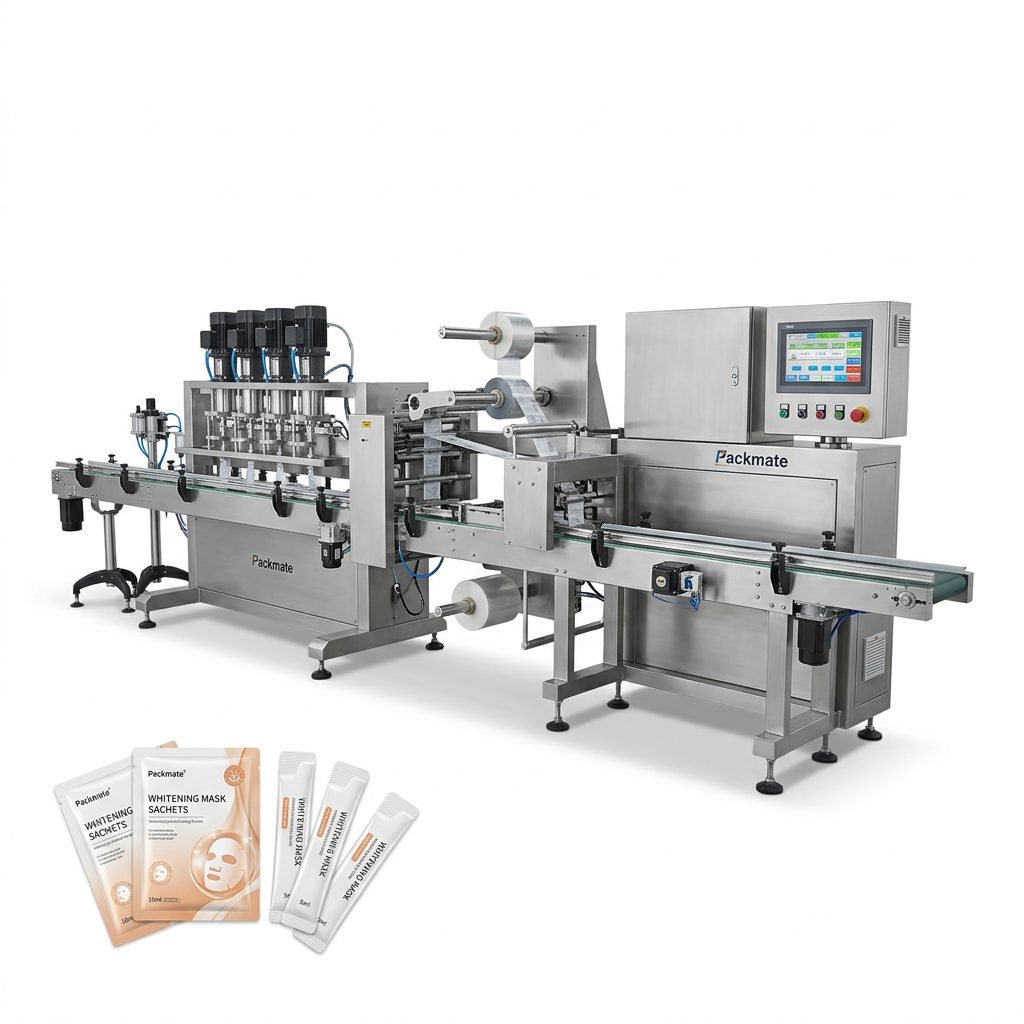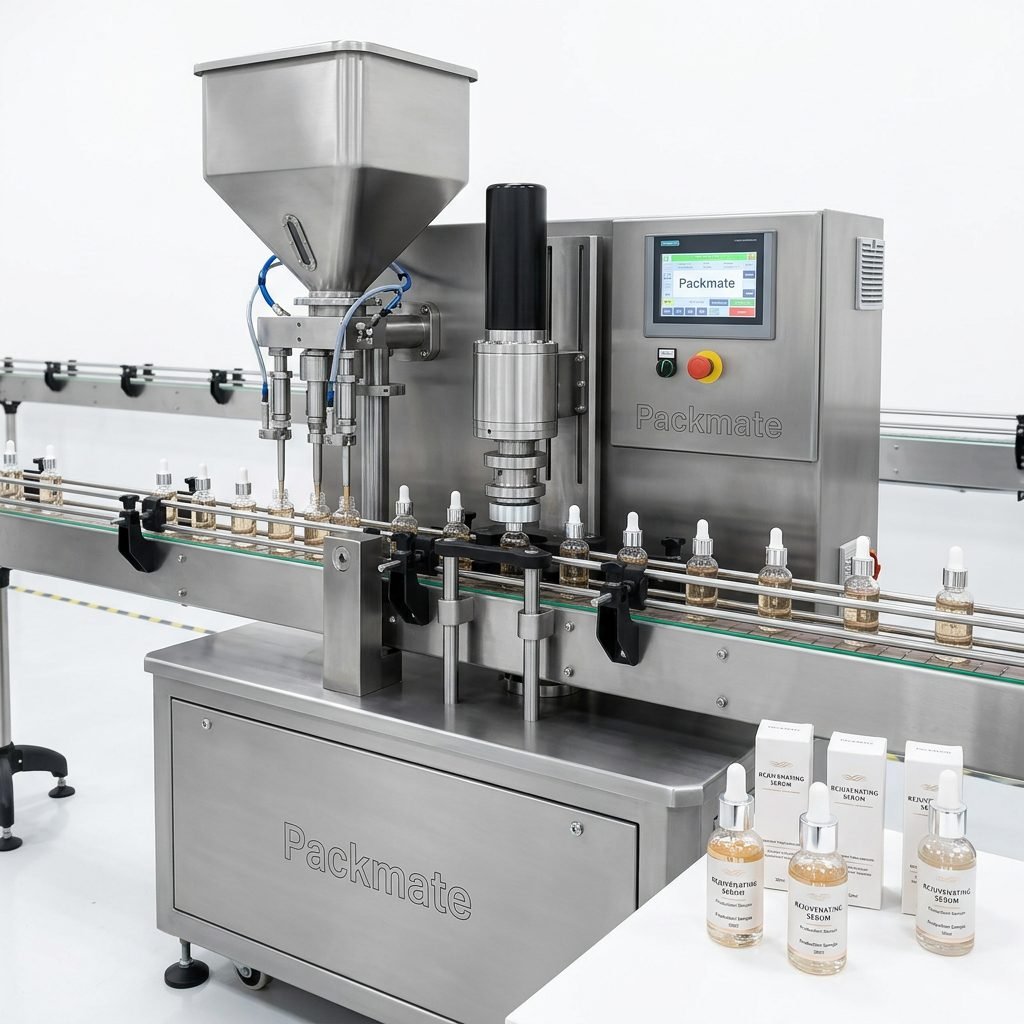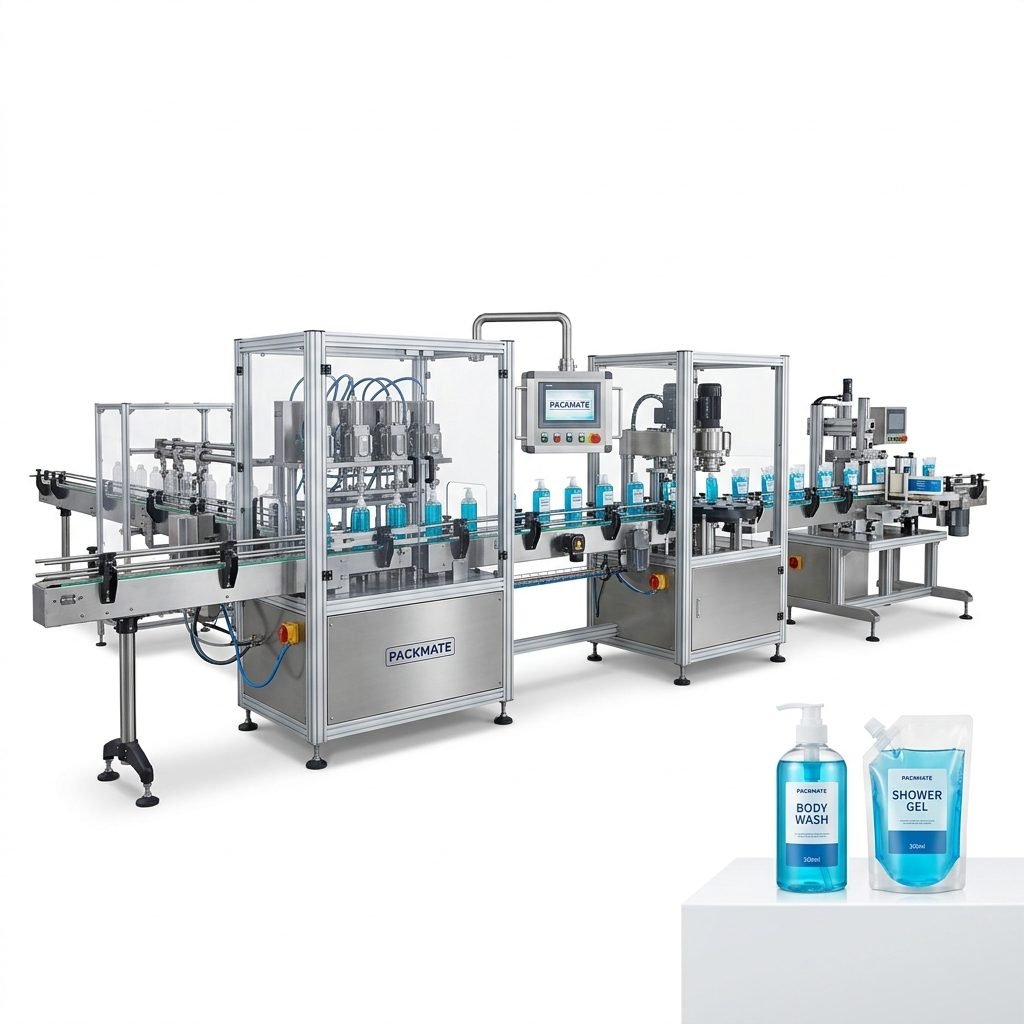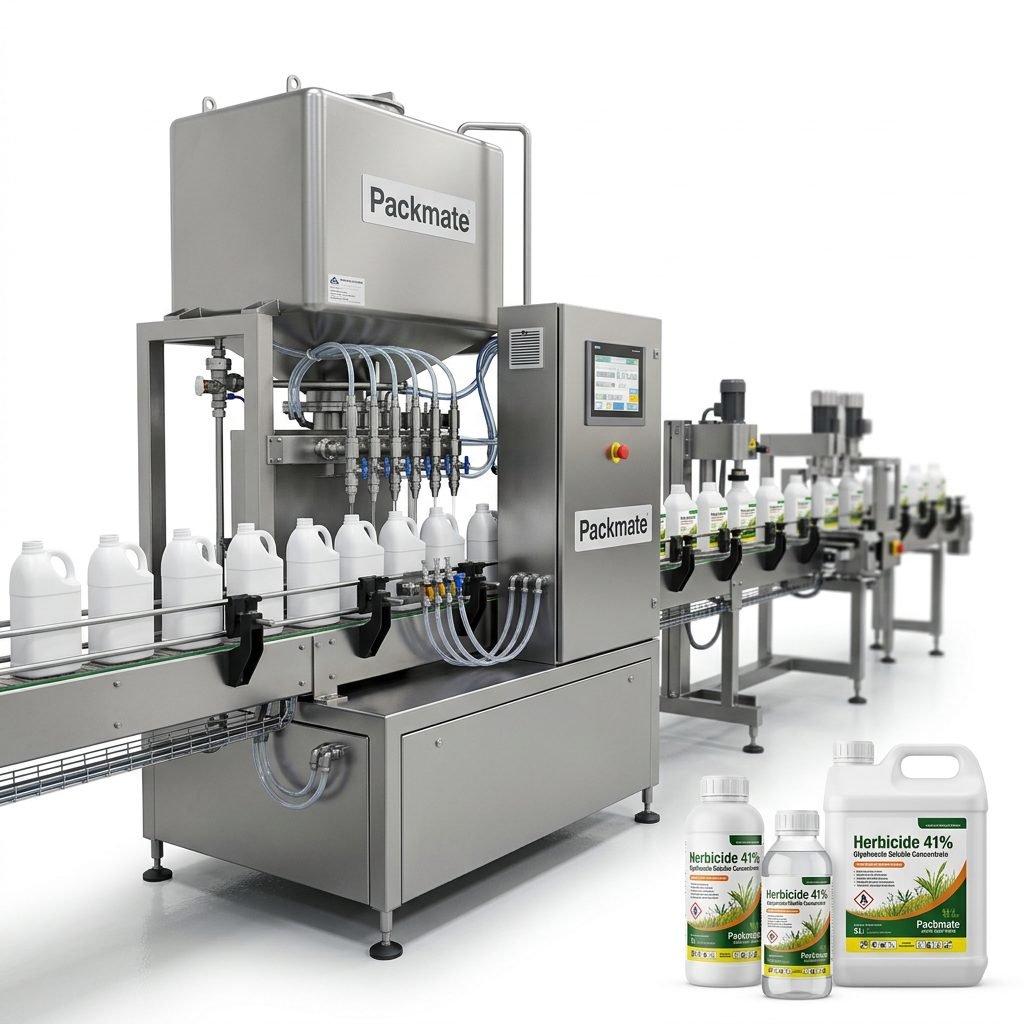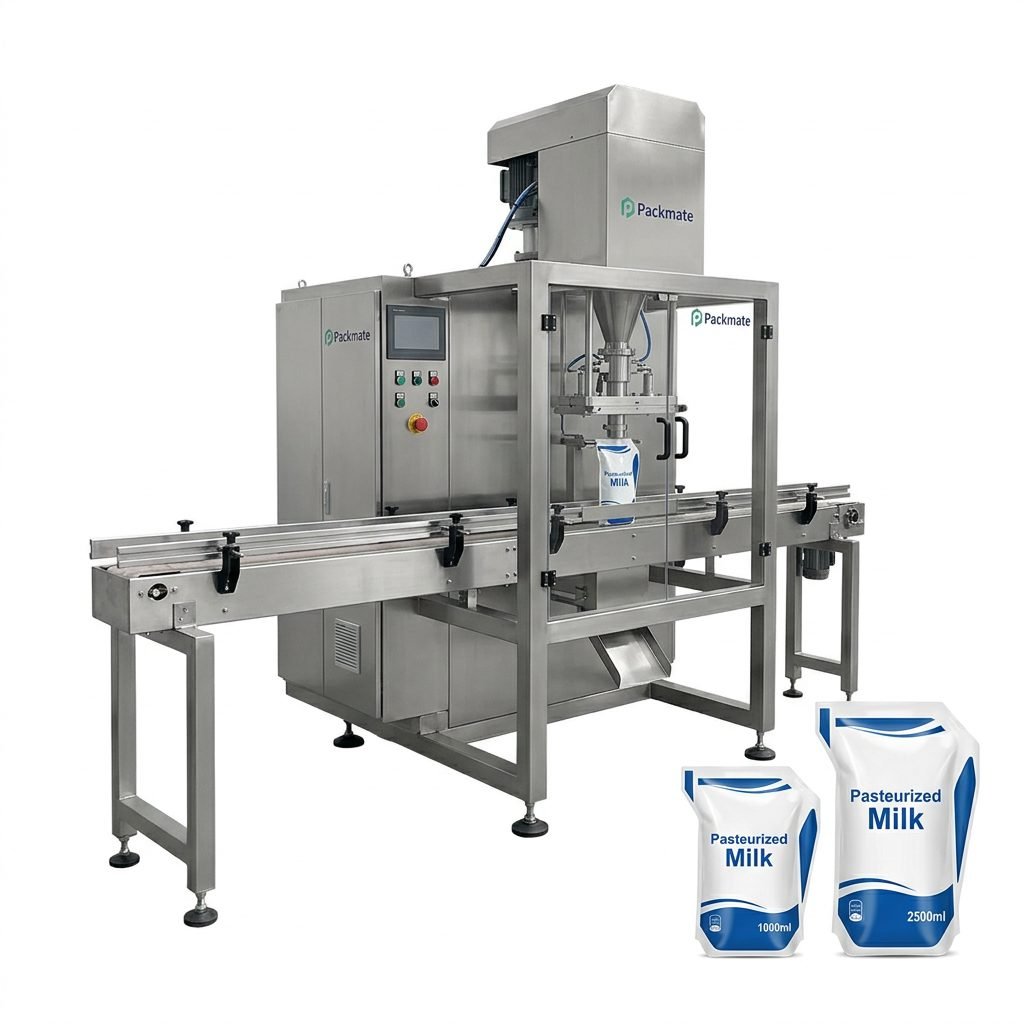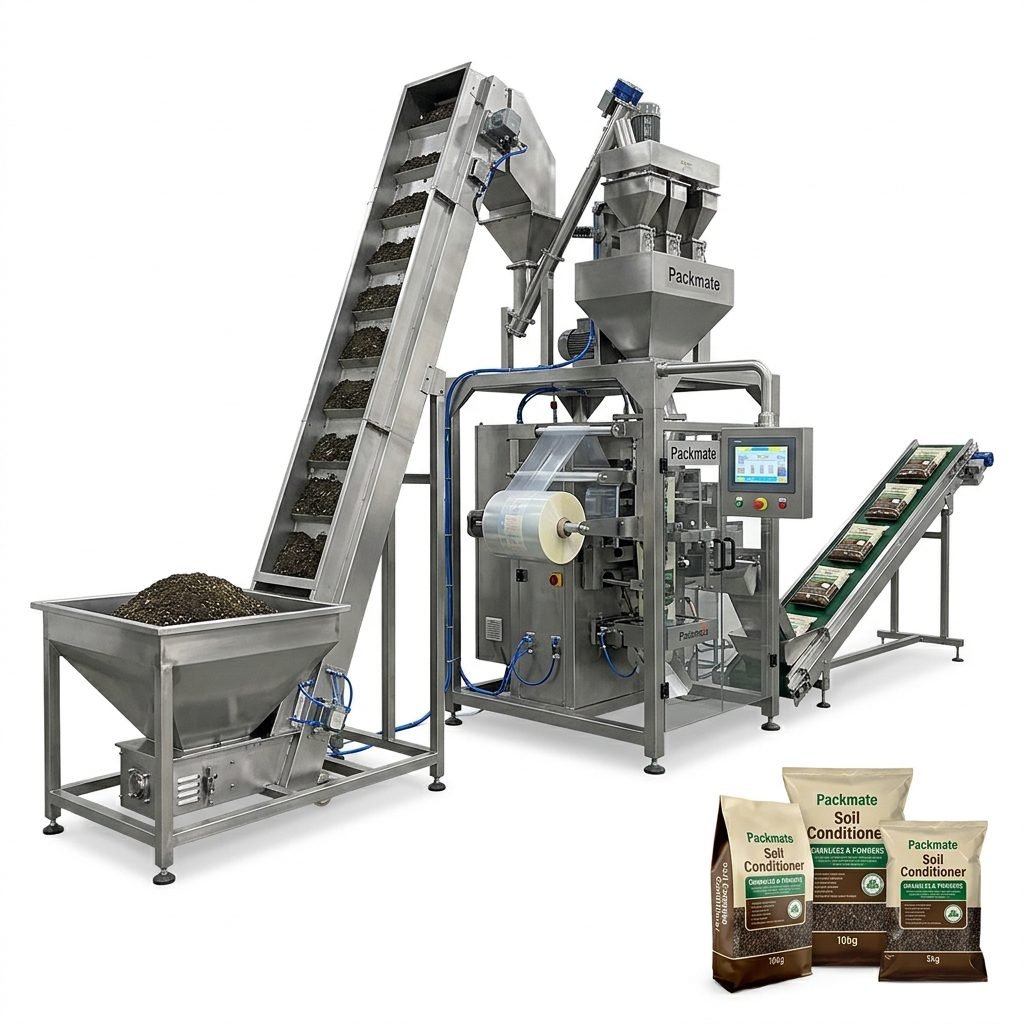
In the fast-paced world of manufacturing, the efficiency of a packaging line often hinges on its most fundamental component: the conveyor system. These systems are the arteries of production, seamlessly moving products from one stage to the next. For businesses seeking to optimize their operations, understanding the types, design principles, and automation potential of packaging line conveyors is crucial. This comprehensive guide delves into these aspects, providing the knowledge needed to select and implement a conveyor system that drives productivity and reliability.
Understanding the Core Types of Packaging Conveyors
Not all conveyors are created equal. The choice of conveyor type depends heavily on the product’s physical characteristics, the required throughput, and the specific stage in the packaging process. Selecting the right one is the first step toward an efficient line.
Belt Conveyors: The Versatile Workhorse
Belt conveyors are the most common type, featuring a continuous loop of material—often rubber, PVC, or modular plastic—driven by pulleys. They are ideal for transporting a wide variety of items, from packaged boxes to loose components, across horizontal or slightly inclined paths. Their simplicity, reliability, and low maintenance make them a staple in many facilities. For operations handling diverse product shapes on a single line, belt conveyors offer unmatched flexibility.
Roller Conveyors: For Heavy-Duty and Accumulation
Where belt conveyors slide, roller conveyors roll. Utilizing a series of cylindrical rollers, these systems are perfect for moving heavy, rigid, or palletized loads with minimal friction. They are particularly effective in accumulation zones, where products need to queue before the next processing step without back-pressure. Gravity roller conveyors use a slight decline for movement, while powered versions offer controlled transportation. Integrating such systems is a key consideration in any robust packaging solution.
Modular Plastic Belt (MPB) Conveyors: Hygiene and Complexity
In industries like food and pharmaceuticals, where hygiene and wash-down are paramount, Modular Plastic Belt conveyors excel. Made of interlocking plastic modules, they are highly durable, resistant to corrosion, and easy to clean. Their design also allows for complex routing—including straight runs, curves, and inclines—with a single drive, simplifying line layout. This makes them a top choice for direct product contact and environments requiring high sanitary standards.
Chain and Slat Conveyors: Unmatched Strength and Precision
When the application demands moving extremely heavy loads or requires precise positioning, chain and slat conveyors come into play. These systems use chains to drive solid slats or plates, providing a robust, stable surface. They are often found in bottling and canning lines, where containers must be held securely in place for filling, capping, and labeling. Their strength and positive drive mechanism ensure consistent movement under demanding conditions.
Key Takeaway:
The optimal conveyor type balances product needs with operational goals. Belt conveyors offer versatility, roller conveyors handle heavy loads, MPB conveyors ensure hygiene, and chain/slat systems provide precision and strength.
Strategic Design Principles for Maximum Efficiency
Choosing the right conveyor is only half the battle. Its integration into the overall line design determines true efficiency. A well-designed conveyor system minimizes bottlenecks, reduces product damage, and optimizes floor space.
Layout and Flow Optimization
The physical layout should facilitate a smooth, logical product flow from infeed to discharge. This involves planning straight runs, curves, merges, and splits to avoid congestion. Consider using accumulation conveyors before critical stations (like labeling or checkweighing) to buffer product and maintain upstream machine efficiency even if a downstream machine pauses. Efficient flow is a hallmark of successful packaging line case studies from leading providers.
Speed and Throughput Matching
Each conveyor segment must be sized and powered to match the required line speed. A conveyor that is too slow creates a bottleneck; one that is too fast can cause product instability, misalignment, or jams. It’s critical to calculate the required belt speed, roller pitch, and drive motor power based on the peak production rate and product weight.
Ergonomics and Maintenance Access
Design with people in mind. Height-adjustable sections at workstations improve operator comfort and safety. Ample clearance around drives, motors, and tensioners is essential for routine maintenance and cleaning. A design that prioritizes easy access reduces downtime and extends equipment life, which are core principles behind reliable packaging machinery service.
The Automation Revolution: Smart Conveyor Systems
Modern conveyors are no longer passive transport mediums. They are intelligent subsystems integrated into a fully automated packaging line. Automation enhances control, data collection, and responsiveness.
Integration with Robotics and Vision Systems
Conveyors equipped with precise positioning sensors can present products at exact locations for robotic pick-and-place operations, such as loading items into cartons or trays. Machine vision systems mounted above the conveyor can inspect labels, check fill levels, or detect defects, with the conveyor automatically diverting rejected products. This level of integration transforms a simple transport line into a quality control checkpoint.
Variable Frequency Drives (VFDs) and Motor Control
VFDs allow for precise control of conveyor speed. This enables soft starts and stops to prevent product toppling and allows the line speed to be dynamically adjusted based on signals from upstream or downstream equipment. This “smart” speed matching optimizes energy use and minimizes wear.
Programmable Logic Controller (PLC) Integration
The conveyor system is typically governed by the line’s central PLC. This allows for centralized control, where the status of every conveyor zone (running, stopped, fault) is monitored. The PLC can execute complex sequences, like activating a merge only when a downstream accumulator has space, creating a synchronized and efficient production dance. Companies with deep expertise, such as Packmate (GuangDong) Co., Ltd., leverage this technology to deliver turnkey automated solutions.
Automation Benefit Spotlight:
Increased Output: Non-stop operation and optimized speed eliminate manual handling delays.
Enhanced Consistency: Precise control reduces product variation and damage.
Data-Driven Decisions: Monitoring throughput and downtime identifies improvement areas.
Labor Optimization: Frees personnel for higher-value tasks like supervision and maintenance.
Selecting the Right Partner for Your Conveyor System
Implementing an efficient conveyor system is a significant investment. Partnering with an experienced provider ensures the technology is matched to your specific needs and integrated seamlessly. Look for a partner with a proven track record, like Packmate Packaging Line, which offers over 30 years of experience in designing complete packaging lines. A strong partner will provide comprehensive support from initial concept and design through installation, commissioning, and ongoing service, ensuring your conveyor system remains a reliable backbone of production for years to come.
Frequently Asked Questions (FAQs)
1. What is the most important factor when choosing a conveyor type?
The single most important factor is the physical characteristics of your product (size, weight, shape, bottom surface) and its packaging. A fragile bag requires different handling than a rigid can. The product dictates the suitable conveying surface and mechanism.
2. How can I reduce maintenance on my conveyor system?
Proactive maintenance is key. Choose conveyors with sealed bearings and easy-access components. Implement a regular schedule for cleaning, inspecting for wear (belts, chains, rollers), and lubricating drives as per the manufacturer’s guidelines. Proper training for operators on basic fault recognition also prevents minor issues from becoming major failures.
3. Can I retrofit automation onto my existing conveyor lines?
Yes, in many cases. Existing conveyors can often be upgraded with sensors, VFDs, and PLC controls to add automation features like accumulation control, speed synchronization, and automated diverting. A consultation with a packaging automation specialist can determine the feasibility and scope of such a retrofit for your specific setup.
4. What safety features are essential for conveyor systems?
Essential safety features include emergency stop pull cords along the entire line, guarded pinch points and drive mechanisms, proper grounding to prevent static discharge, and clear safety signage. For automated lines, physical guarding or light curtains are crucial to protect personnel from moving parts.
5. How do I calculate the required conveyor length and speed for my line?
Length is determined by the machine layout and required accumulation buffer. Speed is calculated based on your target throughput (units per minute) and the product’s center-to-center spacing on the conveyor. A reliable formula is: Conveyor Speed (ft/min) = (Throughput x Product Spacing in ft). It’s always advisable to work with an engineer to model your specific line dynamics.