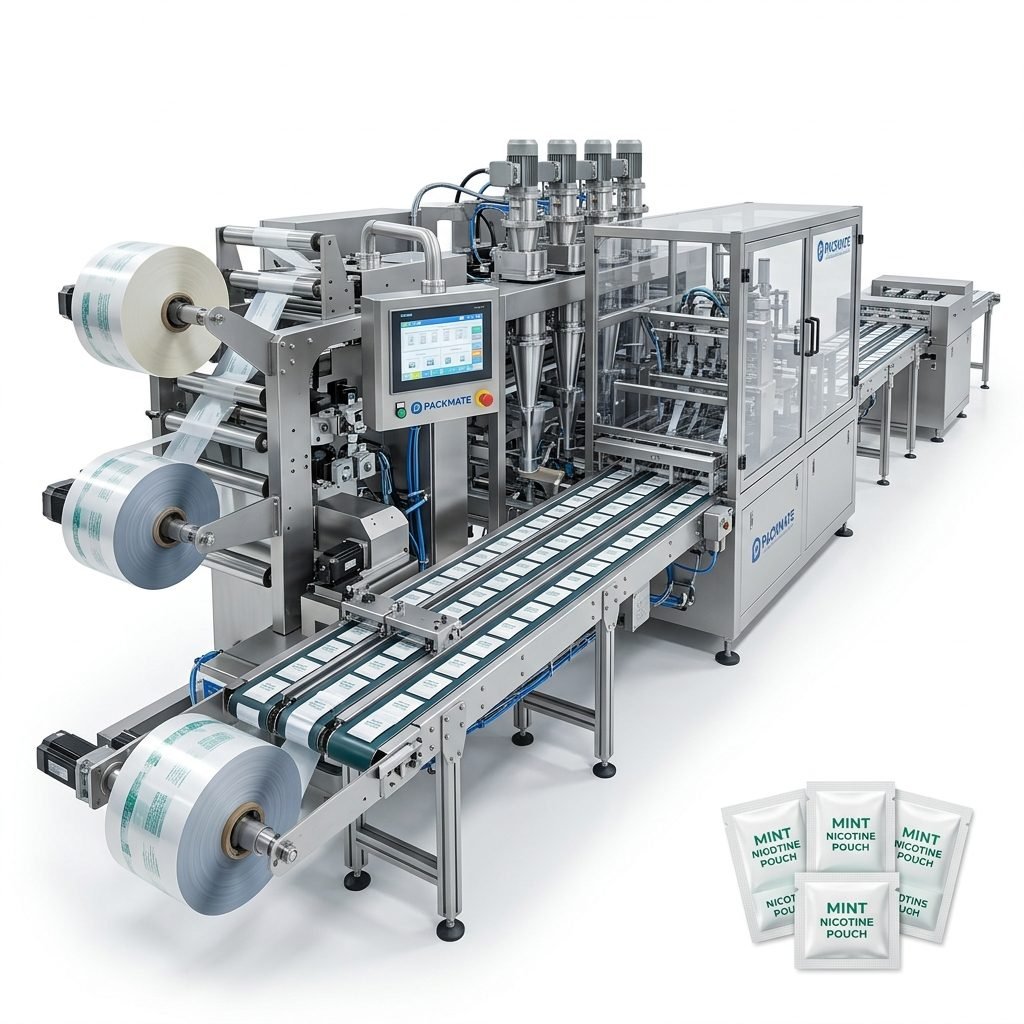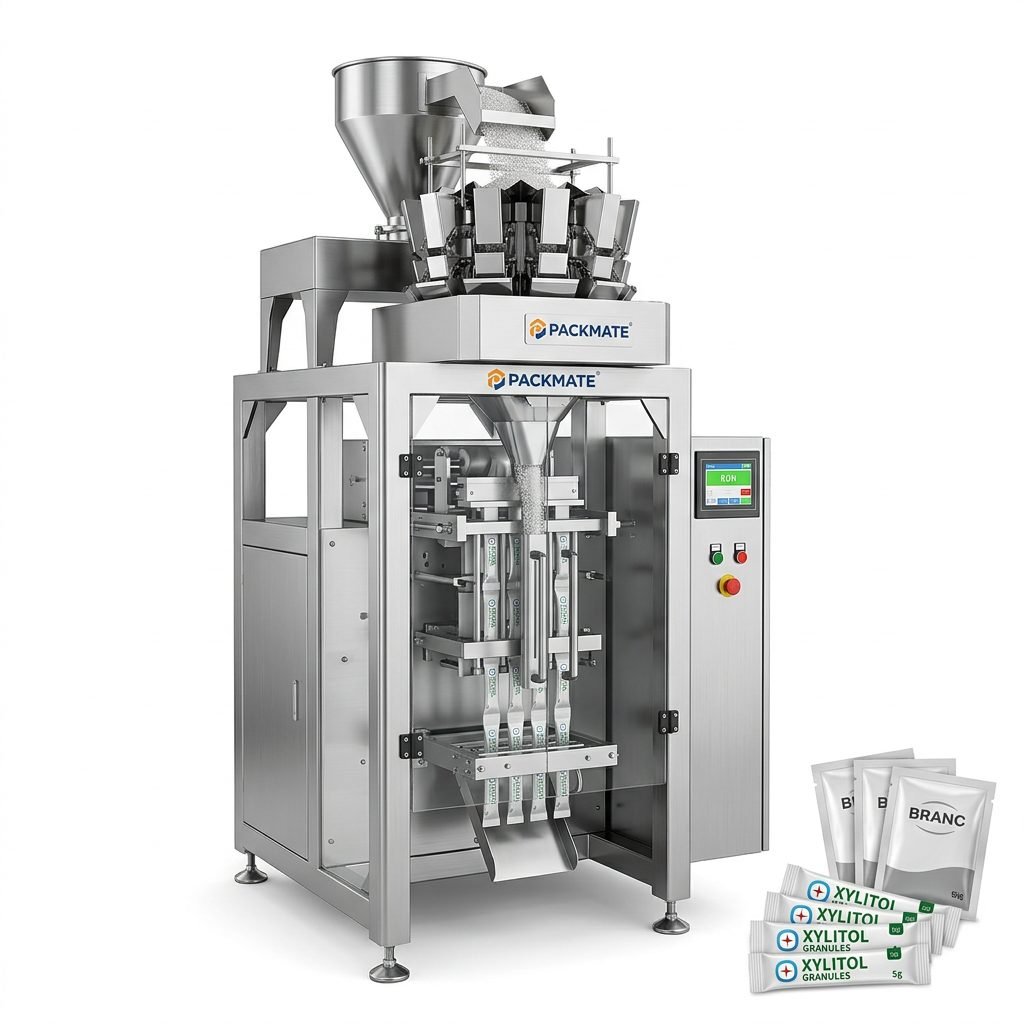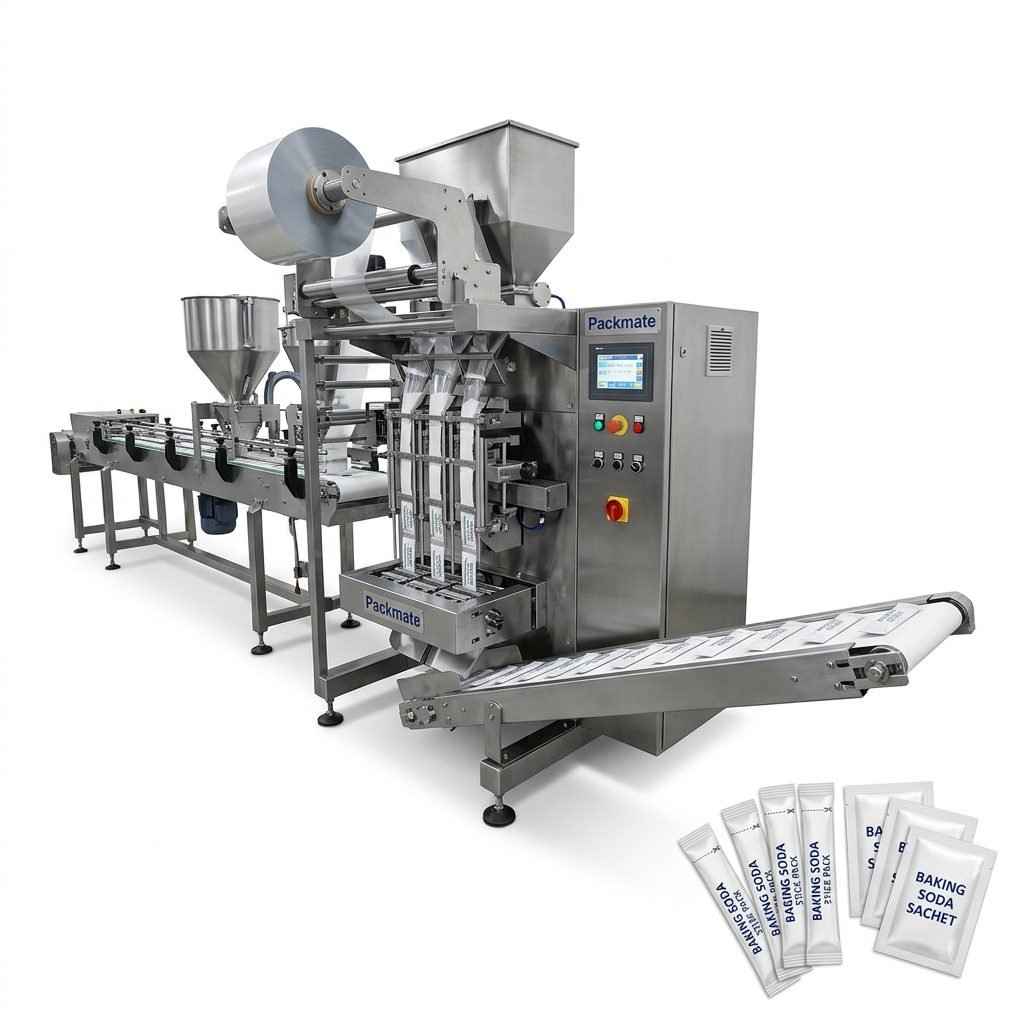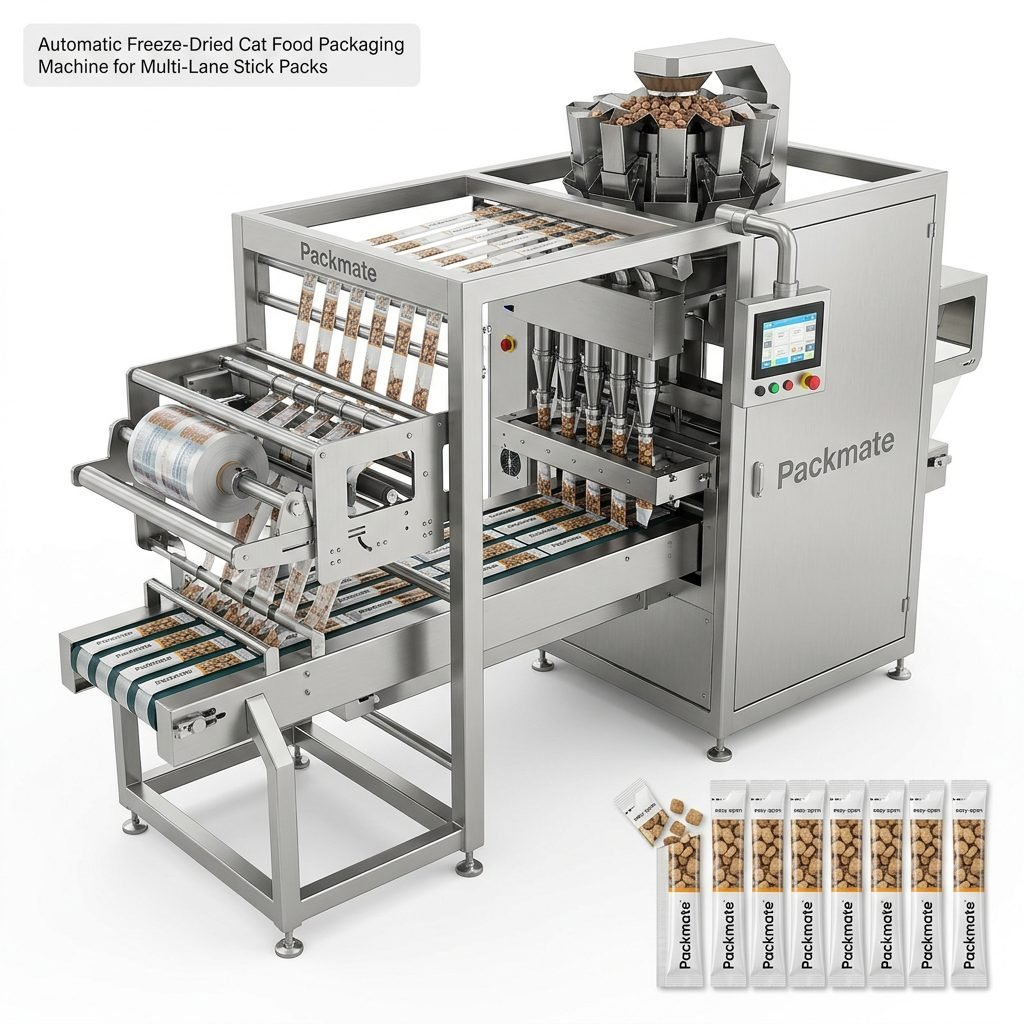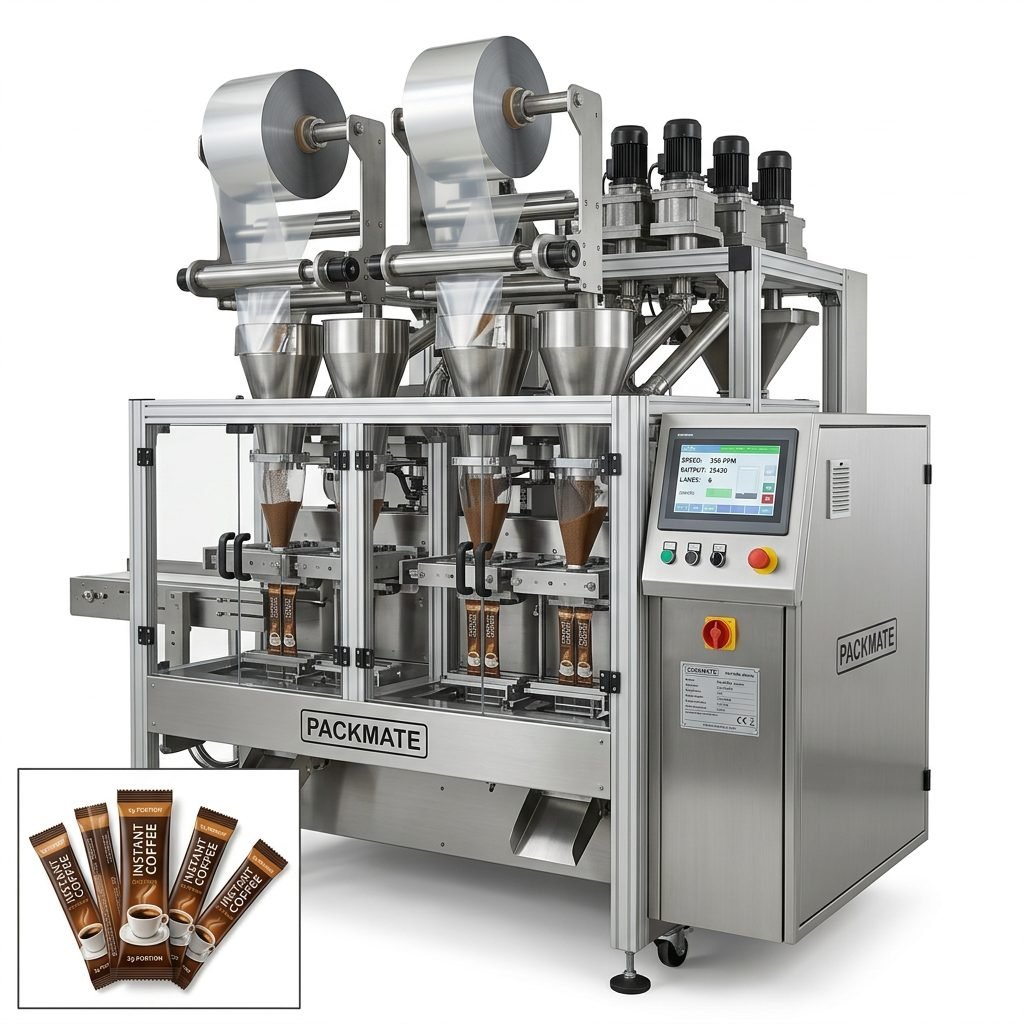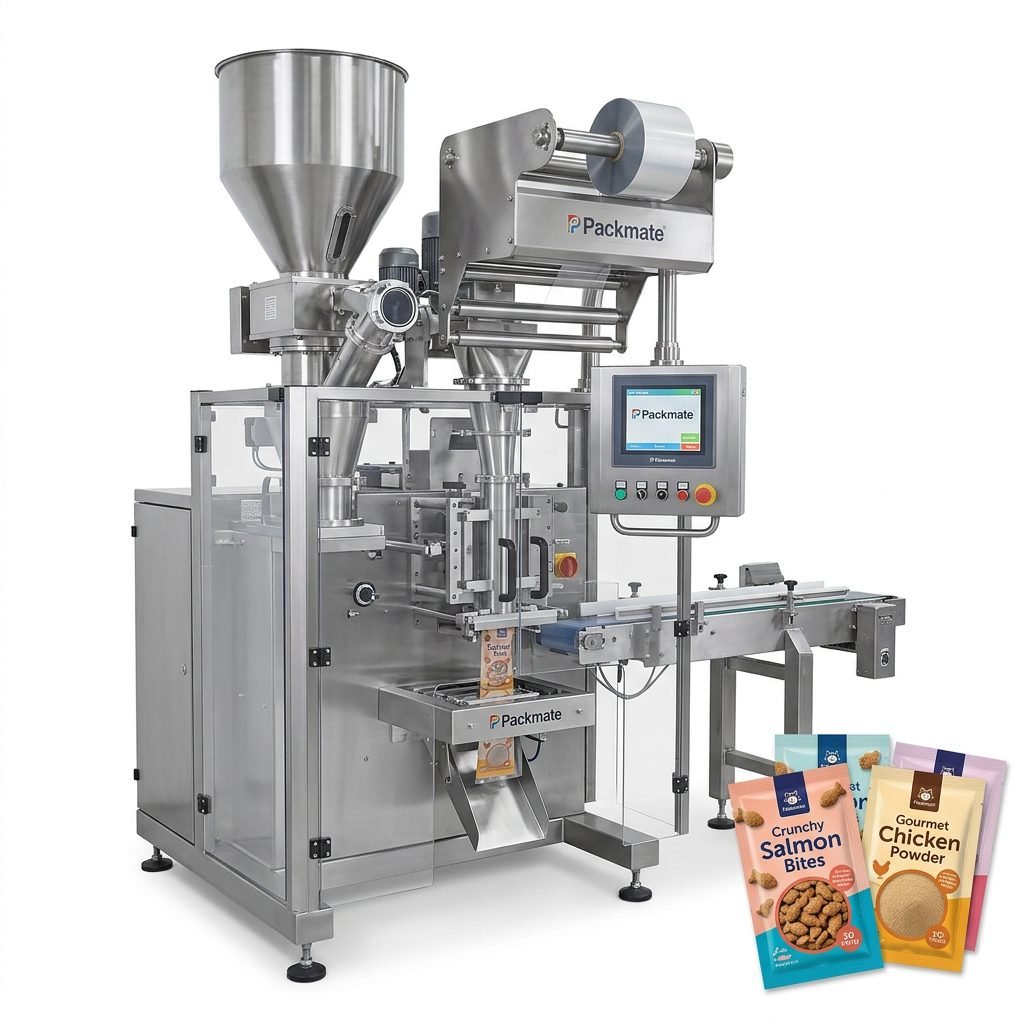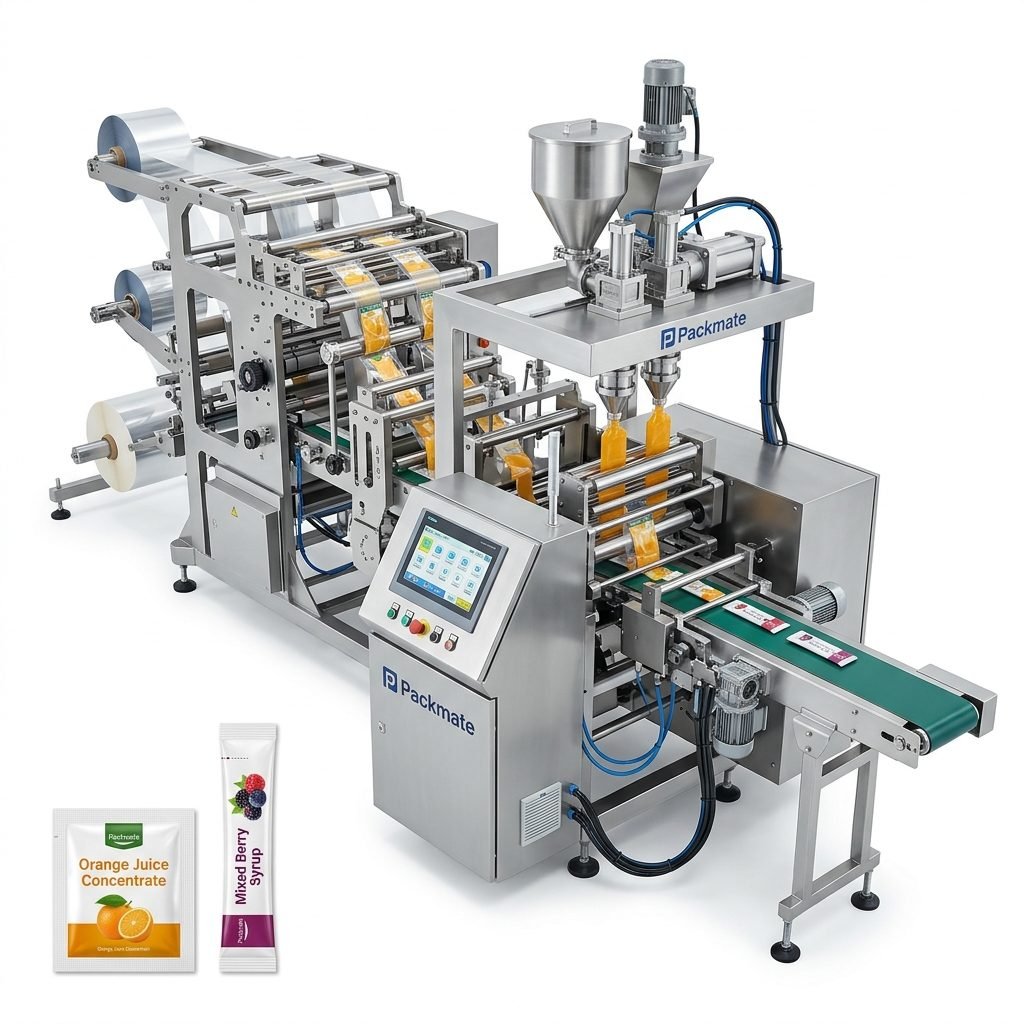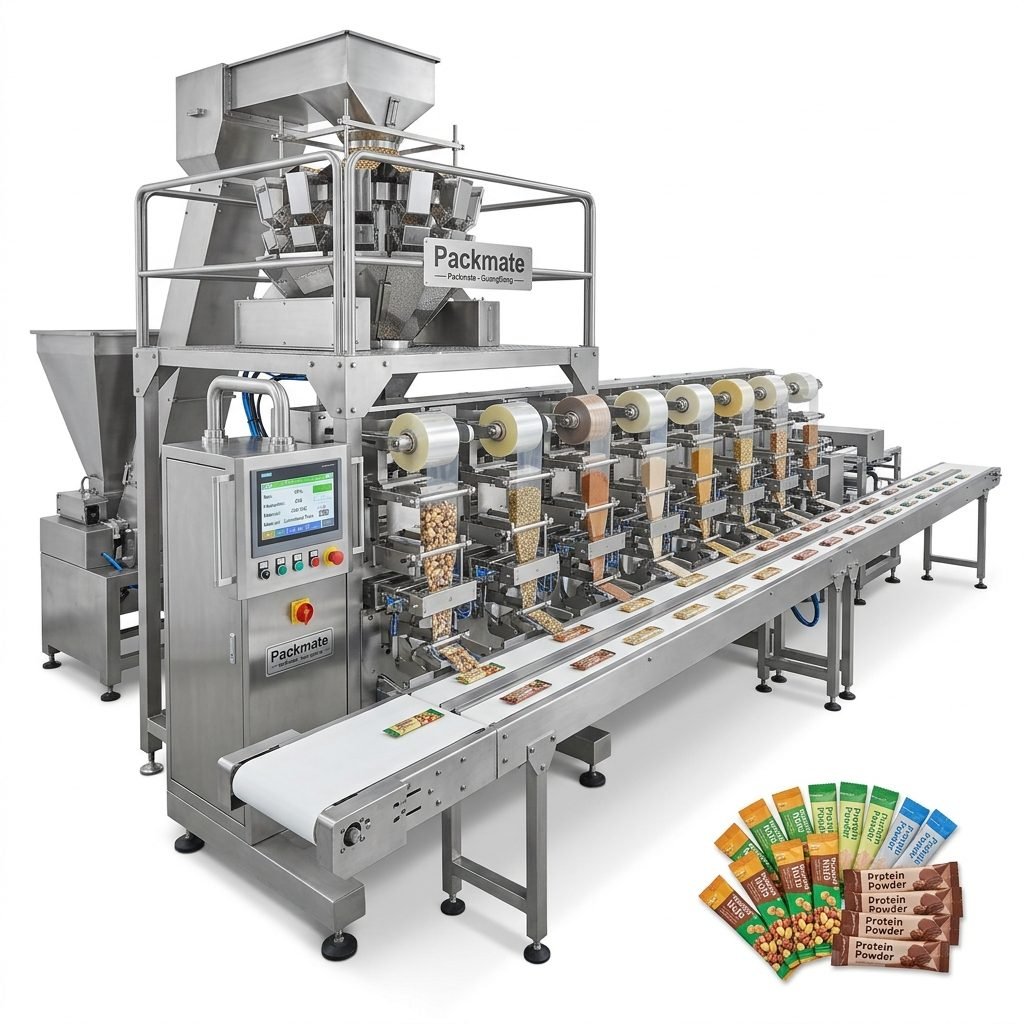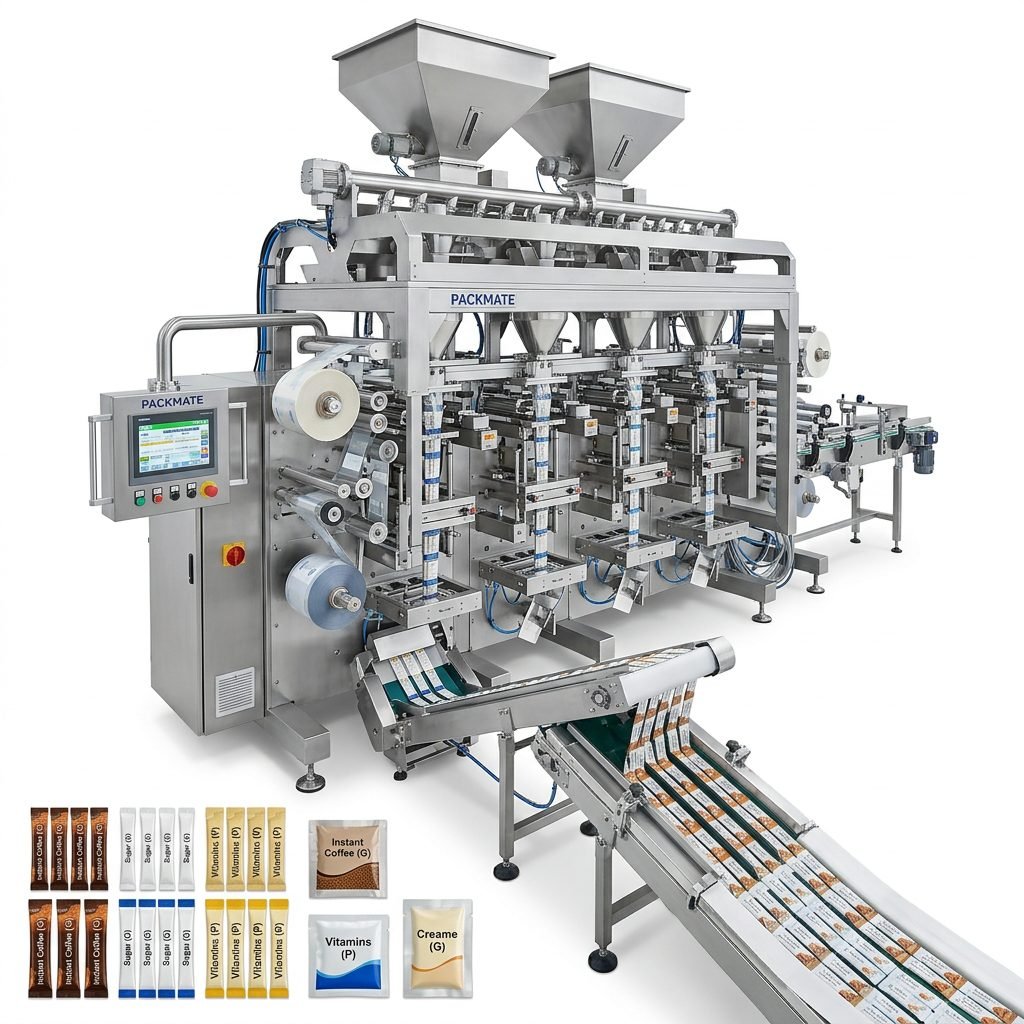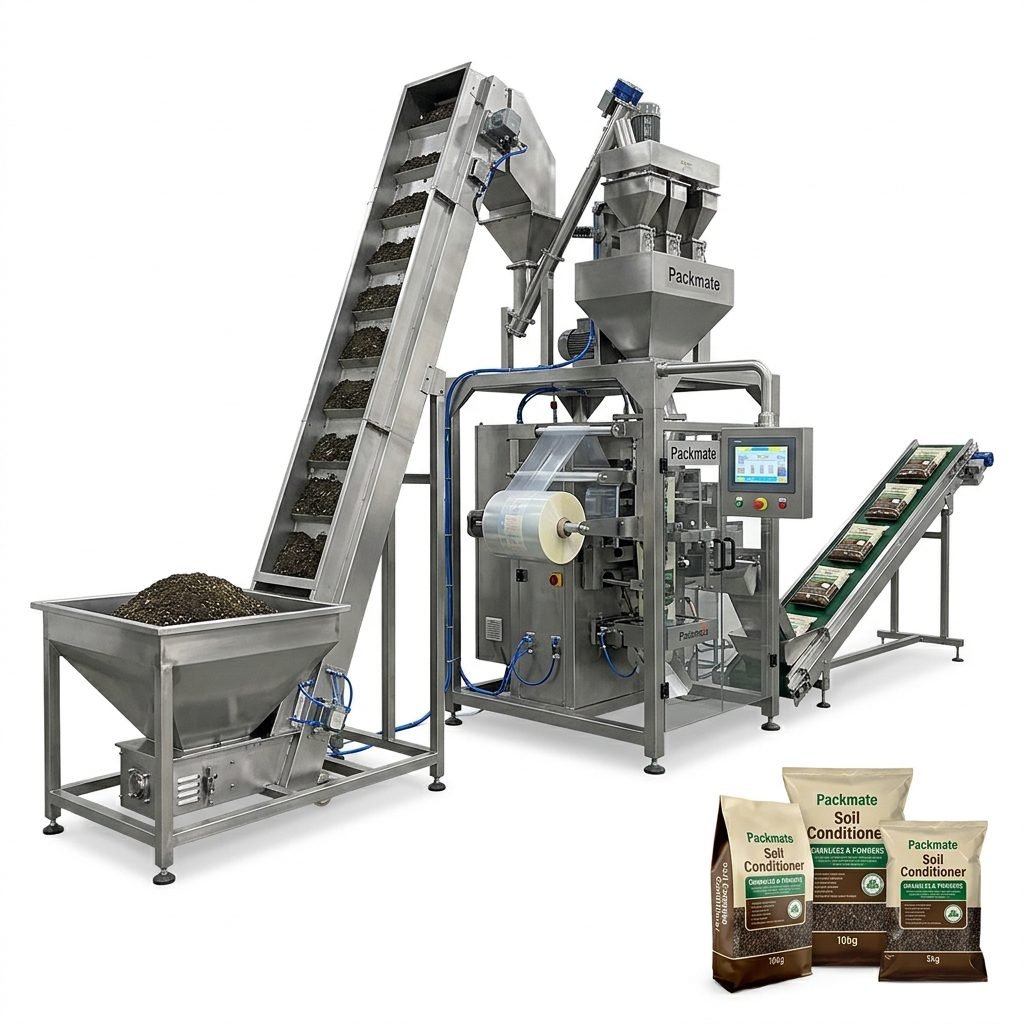
In the fast-paced world of modern manufacturing, the efficiency of a production line hinges on one critical, yet often overlooked, component: the conveying system. A well-designed packaging line conveying system is the backbone that integrates individual machines—fillers, sealers, labelers—into a cohesive, high-speed operation. It dictates the flow, speed, and reliability of your entire packaging process. This guide delves into the complete journey of these systems, from initial design principles and automation integration to the advantages of partnering for a seamless turnkey solution.
Understanding the Core of Your Packaging Line
The conveying system is more than just a series of belts or rollers; it is the logistical heart of your packaging line. Its primary function is to transport products, containers, or packages between different stations with precision and care. The choice of system impacts everything from production capacity and product integrity to labor costs and floor space utilization. A poorly planned conveyor can become a bottleneck, causing jams, spills, and costly downtime, while an optimized system acts as a force multiplier for your entire operation.
Key Functions of a Conveying System:
- Transportation: Moving items from point A to point B efficiently.
- Accumulation: Creating buffers to manage differing machine speeds.
- Sorting & Diverting: Routing products to specific lanes or processes.
- Orientation: Positioning products correctly for downstream operations like labeling or coding.
- Integration: Synchronizing seamlessly with packaging machinery to form a unified line.
Phase 1: The Strategic Design & Planning Process
Designing an effective conveying system is a multi-faceted engineering challenge. It begins long before any equipment is ordered, rooted in a deep understanding of your specific needs. Reputable providers like Packmate (GuangDong) Co., Ltd. start with a comprehensive audit of your current and future requirements.
Critical Design Considerations:
Product Characteristics: The nature of your product is paramount. Is it a fragile bag of chips, a heavy glass jar, a dusty powder, or a free-flowing liquid? Weight, dimensions, fragility, and surface texture (e.g., slippery, sticky) determine the conveyor type (belt, roller, chain) and surface material (food-grade plastic, stainless steel).
Throughput & Speed Requirements: You must define your target output in units per minute or hour. The conveyor speed must be calibrated to match the slowest machine in the line to prevent backlogs or overfeeding, ensuring a smooth, continuous flow.
Layout & Spatial Constraints: The physical footprint of your facility dictates the conveyor’s path. Designers must work within existing floor space, ceiling height, and column placements, often employing clever layouts like overhead returns, spiral conveyors, or multi-level systems to maximize efficiency in tight spaces.
Future-Proofing & Scalability: A great design anticipates growth. Can the system handle a 20% increase in speed? Can new modules, like a checkweigher or vision inspection system, be easily integrated later? Modular design principles are key here.
Phase 2: Integrating Automation & Smart Control
The true potential of a modern conveying system is unlocked through automation. Moving beyond simple transport, automated conveyors become intelligent networks that make decisions, communicate data, and optimize performance in real-time.
The Role of Programmable Logic Controllers (PLCs) & SCADA
At the core of automation is the PLC—the system’s brain. It receives signals from sensors (photoelectric, proximity, pressure) along the conveyor and executes pre-programmed logic. Is a container missing? The PLC can stop a filler. Is a lane backing up? It can divert products to another lane. A Supervisory Control and Data Acquisition (SCADA) system provides a visual interface for operators, displaying real-time line status, production counts, and error alerts, allowing for remote monitoring and control.
Key Automation Features:
- Automatic Bottle/Container Feeding: Eliminates manual loading with bowl feeders or unscramblers.
- Vision-Guided Sorting: Cameras identify product defects or sort by size/color, triggering air jets or pushers to reject or divert items.
- Dynamic Accumulation: “Zero-pressure” accumulation zones gently buffer products without causing scuffing or pressure marks.
- Integrated Robotics: Robotic arms mounted on or alongside conveyors for precise picking, placing, or palletizing tasks.
- Data Tracking & OEE: Sensors track production data, feeding into Overall Equipment Effectiveness (OEE) calculations to identify bottlenecks and improvement areas. This data-driven approach is central to modern packaging line services.
Phase 3: The Turnkey Solution Advantage
For businesses seeking a hassle-free path to operational excellence, a turnkey packaging line solution is the definitive answer. Instead of sourcing conveyors from one vendor, fillers from another, and integrators from a third, a turnkey provider like Packmate assumes single-point responsibility for the entire project—from concept and design to manufacturing, installation, commissioning, and training.
Benefits of a Single-Source Turnkey Partner:
Seamless Compatibility: All components are designed from the ground up to work in perfect harmony. The conveyor’s speed profile is precisely matched to the filler’s cycle time, and communication protocols are standardized, eliminating the integration headaches common with multi-vendor projects.
Reduced Project Timeline & Risk: With one team managing the entire workflow, communication is streamlined, and accountability is clear. This significantly shortens the time from order to operational line and mitigates the risks of delays or finger-pointing between suppliers.
Optimized Performance Guarantee: The provider guarantees the performance of the entire line, not just individual parts. They are contractually obligated to ensure the complete system meets your agreed-upon output, efficiency, and quality metrics.
Comprehensive Support & Lifecycle Management: You gain a long-term partner for spare parts, preventative maintenance, and technical support. Having the original designers on call for troubleshooting or future upgrades is an invaluable asset, as evidenced by the support detailed in their project case studies.
Why Experience Matters: The Packmate Example
With over 22+ years of industry experience, Packmate embodies the turnkey philosophy. Operating from a 20,000㎡ modern facility, their process begins with a deep dive into the client’s needs. Their team of 125+ professionals then designs a conveying system that is not just a link, but a optimized flow engine for their reliable stick pack, sachet, and large bag packaging machines. This end-to-end control, from their advanced production equipment to final site commissioning, ensures every line delivers on its promise of quality and efficiency. For a deeper look at their capabilities, you can review their official company profile.
Implementing Your System: From Factory Floor to Full Operation
The final phase is the physical realization of the design. A professional provider manages this complex process meticulously.
Pre-Delivery Factory Acceptance Testing (FAT): Before shipment, the complete or modular line is assembled and tested at the manufacturer’s facility. This allows you to witness the system running under simulated conditions, verify performance, and request adjustments before it ever leaves the factory.
Professional Installation & Commissioning: Skilled technicians oversee the installation on your site, ensuring proper alignment, leveling, and connection to utilities (power, air, network). Commissioning involves fine-tuning the system with your actual products and packaging materials, dialing in speeds, sensor positions, and PLC parameters for optimal performance.
Comprehensive Operator & Maintenance Training: Knowledge transfer is critical. Training should cover normal operation, routine cleaning, common troubleshooting steps, and basic safety procedures for your in-house team, empowering them to run and care for the system effectively.
Frequently Asked Questions (FAQs)
Q1: What is the main difference between a standard conveyor and an automated conveying system?
A standard conveyor primarily moves products from one point to another. An automated conveying system incorporates sensors, PLC controls, and often software to make decisions—like sorting, accumulating, diverting, and synchronizing with other machines—creating an intelligent, self-regulating material flow.
Q2: How do I choose between a belt conveyor and a roller conveyor?
The choice depends on your product. Belt conveyors are ideal for handling small, irregular, or delicate items (like bags, vials, or loose products) as they provide a stable, continuous surface. Roller conveyors are better for heavier, rigid items with a flat bottom (like cases, totes, or pallets) where gravity-assisted movement or accumulation is needed.
Q3: What are the key benefits of investing in a turnkey packaging line solution?
The primary benefits are reduced risk and single-point accountability. You avoid compatibility issues between separately sourced machines, benefit from a streamlined project timeline, receive a performance guarantee for the entire line, and gain a long-term partner for support and maintenance.
Q4: Can my existing packaging machinery be integrated into a new automated conveying system?
Yes, in many cases, legacy equipment can be retrofitted and integrated. A skilled provider will assess your current machines for their condition, control capabilities, and mechanical interfaces to design a conveying system and control architecture that bridges the old with the new effectively.
Q5: How important is sanitation in conveyor design for food or pharmaceutical applications?
It is absolutely critical. In these industries, conveyors must be designed with hygienic principles: using materials like stainless steel or FDA-approved plastics, avoiding crevices where bacteria can harbor, enabling easy access for cleaning (e.g., quick-release belts), and sometimes featuring clean-in-place (CIP) systems. This is a non-negotiable aspect of the design phase.