In today’s fast-paced manufacturing environment, achieving precise weight control in packaging is not just a regulatory requirement—it’s a critical factor for profitability, customer satisfaction, and brand reputation. For products sold by weight rather than by count, such as snacks, coffee, pet food, or pharmaceuticals, even minor inaccuracies can lead to significant giveaways (overfilling) or compliance issues (underfilling). This is where the integration of catch weight systems into automated packaging lines becomes a game-changer. This complete guide delves into the intricacies of accurate weighing and automated filling, exploring how modern technology ensures every package meets its target weight with unparalleled consistency.
Understanding Catch Weight in Modern Packaging
Catch weight refers to the process of packaging items where the final weight of each unit is variable but must fall within a specified legal or commercial tolerance. Unlike fixed-weight filling, where every bag contains exactly 100g, catch weight systems dynamically weigh each portion and adjust the fill to ensure the net weight is correct, accounting for natural product density variations. This is essential for products like sliced meats, irregularly shaped snacks, or fresh produce.
The core challenge lies in integrating high-speed, high-accuracy weighing with the relentless pace of an automated packaging line. A standalone checkweigher can identify underweight or overweight packages, but a true catch weight system actively controls the filling process in real-time, creating a closed-loop system for ultimate precision.
Key Components of an Integrated Catch Weight System
A robust catch weight integration involves several synchronized components:
- High-Speed Multi-Head Weighers or In-Motion Scales: These are the sensory organs of the system, providing instantaneous weight data for each portion with tolerances often within ±0.1-0.5 grams.
- Intelligent Filling Actuators: Based on the weight signal, these actuators—such as servo-driven gates, vibratory feeders, or auger fillers—make micro-adjustments to the fill quantity for the next cycle.
- PLC (Programmable Logic Controller) & HMI (Human-Machine Interface): The brain of the operation. The PLC processes weight data, executes control algorithms, and manages the entire line synchronization. The HMI allows operators to set target weights, tolerances, and view real-time production statistics.
- Data Management Software: This software tracks every package’s weight, calculates average weights, standard deviation, and produces reports for quality assurance and regulatory compliance. It’s a vital tool for continuous improvement and OEE (Overall Equipment Effectiveness) tracking.
The Path to Accurate Weighing: Technology and Calibration
Accuracy starts with the weighing technology itself. Modern lines utilize electromagnetic force restoration (EFR) load cells or ultra-high-frequency digital load cells that are immune to environmental factors like vibration, temperature drift, and dust—common challenges on a factory floor. Regular calibration against certified weights is non-negotiable. Best-practice systems often include automated internal calibration routines that run at scheduled intervals without stopping production.
Furthermore, advanced filtering algorithms within the PLC distinguish between the product’s true weight signal and mechanical “noise” from the conveyor or filler. This ensures the control system reacts to actual weight variations, not equipment vibration. For a deeper look at how these technologies are applied in real-world scenarios, explore our detailed project case studies.
Benefits of Automated Filling with Catch Weight Integration
Integrating catch weight control directly into the filling process delivers transformative benefits:
- Maximized Yield & Reduced Giveaway: By minimizing overfilling, companies can save vast amounts of product annually. A reduction of just 0.5 grams per package translates to tons of saved material over a year.
- 100% Compliance Assurance: Automated systems virtually eliminate underweight packages, protecting against regulatory fines and customer complaints.
- Enhanced Line Speed & Efficiency: By eliminating manual check-weighing and rework stations, the packaging line can run at its optimal designed speed, boosting overall throughput.
- Comprehensive Traceability: Every package’s weight data is logged, creating an immutable record for quality audits, lot tracing, and supply chain transparency.
Implementing Your Solution: From Design to Operation
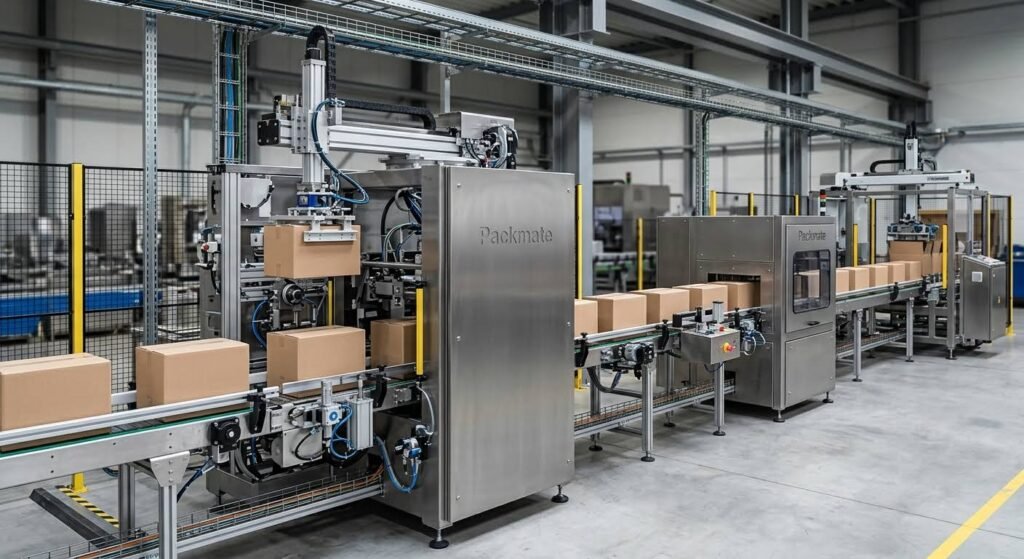
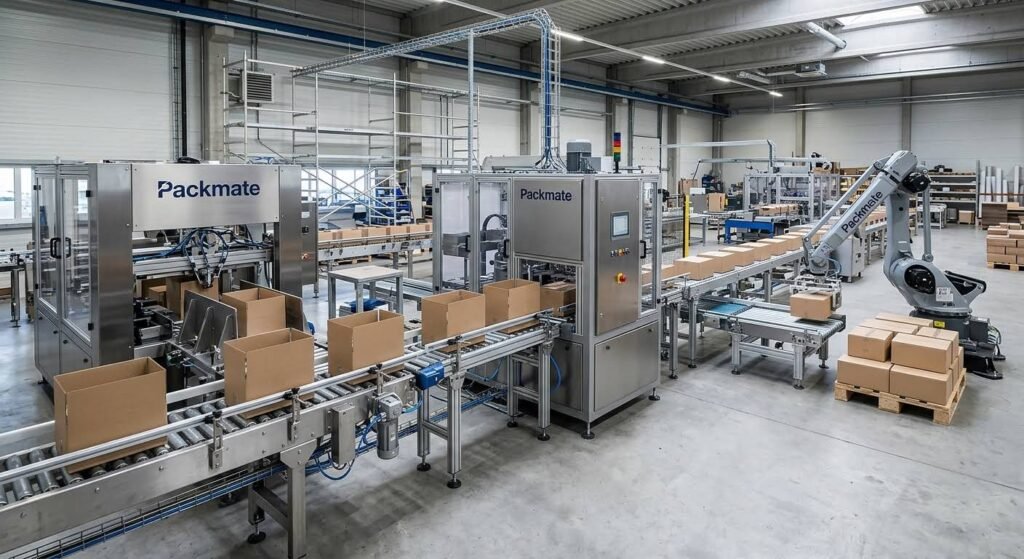
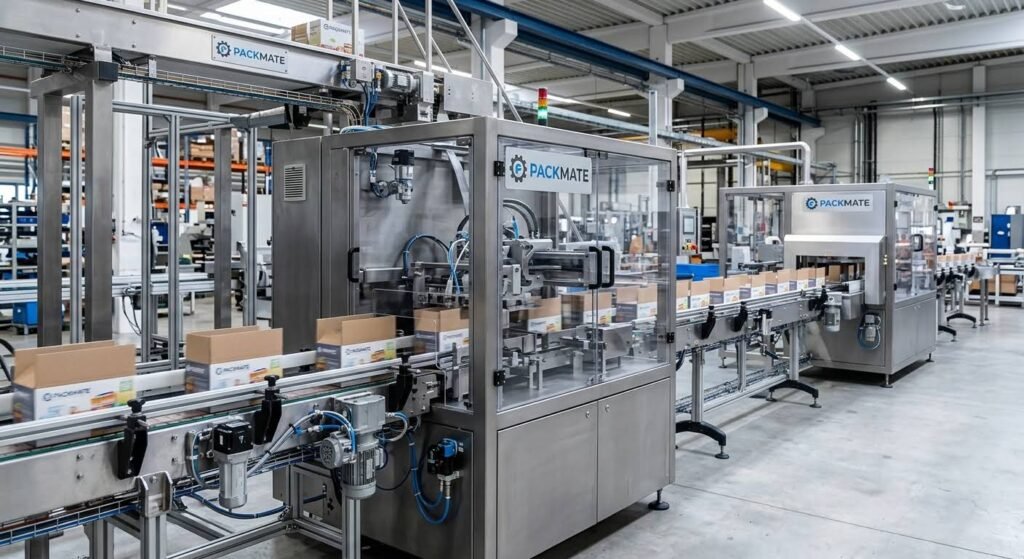
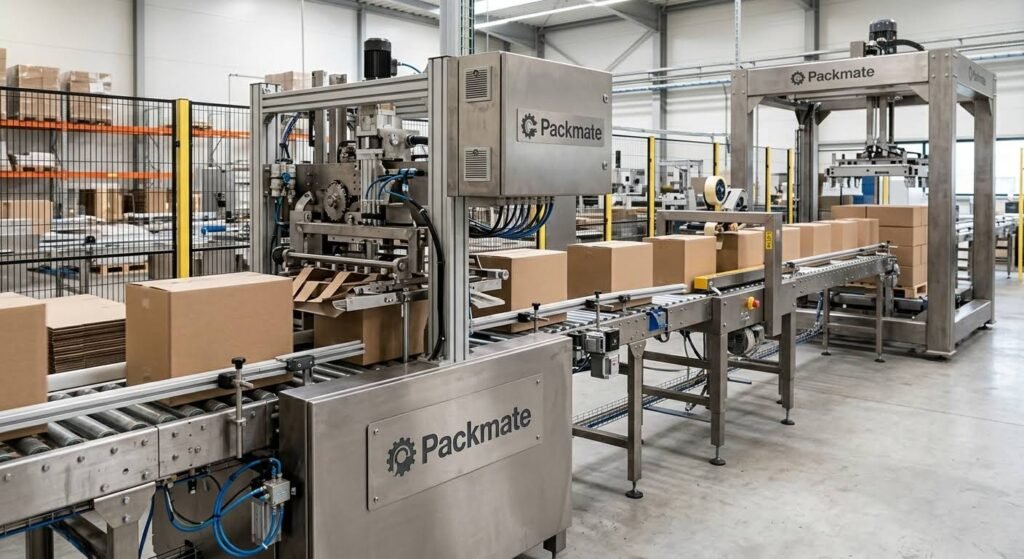
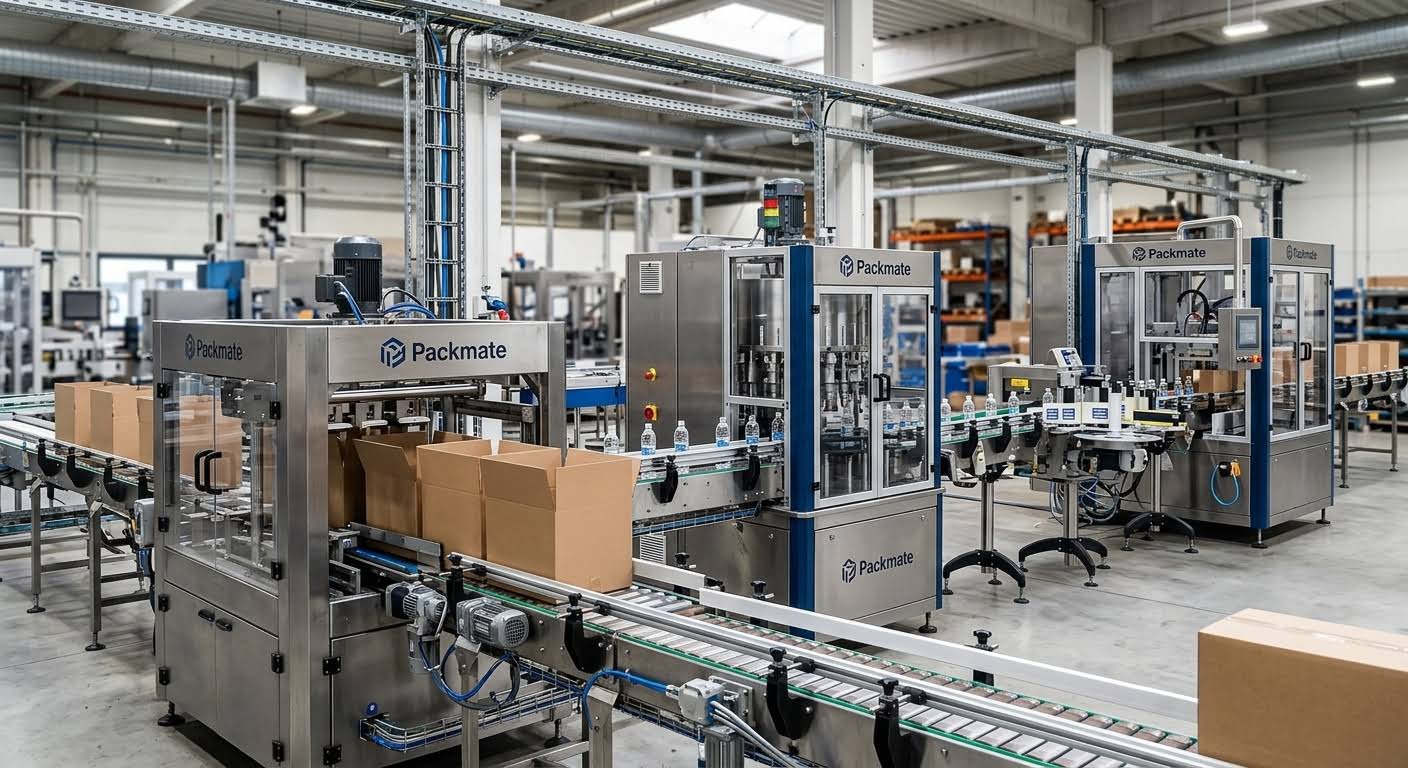
Successful implementation requires a partner with holistic expertise. It begins with a thorough analysis of the product characteristics (flowability, piece size, density) and desired output speeds. Companies like Packmate (GuangDong) Co., Ltd. specialize in designing turnkey packaging lines where catch weight integration is not an afterthought but a foundational design principle. Our integrated solutions ensure the weigher, filler, conveyor, and control system are engineered to work as one cohesive unit.
Post-installation, operator training and ongoing technical support are crucial. Operators must understand how to interpret system data, perform basic troubleshooting, and initiate maintenance routines. A well-trained team maximizes the ROI of the advanced technology.
Future Trends: AI and Predictive Weight Control
The future of catch weighing lies in predictive analytics and AI. Emerging systems can analyze historical weight data to predict density trends in raw material batches and pre-adjust filling parameters before in-specification deviations occur. Machine learning algorithms can also predict maintenance needs for weighing components, preventing drift and unplanned downtime.
💡 Key Takeaway: The integration of catch weight systems is evolving from simple feedback control to a proactive, data-driven core of the smart packaging factory. Investing in this integration is an investment in precision, sustainability, and long-term operational excellence.
Frequently Asked Questions (FAQs)
1. What is the main difference between a checkweigher and a catch weight system?
A checkweigher is a passive inspection device that weighs packages after they are filled and sorts out those outside tolerance. A catch weight system is an active control system. It weighs product during the filling process and uses that data to instantly adjust the filler for the next cycle, preventing errors before they happen.
2. How accurate can an integrated catch weight system be?
Accuracy depends on the product and scale technology, but modern multi-head weighers in integrated systems can consistently achieve accuracies of ±0.1% to ±0.5% of the target weight for many free-flowing products. For larger, irregular items, accuracy is typically within ±1-2 grams.
3. Can catch weight integration be retrofitted to my existing packaging line?
Yes, in many cases it can. However, retrofitting requires careful engineering to ensure compatibility between the new weighing controls, the existing filler mechanics, and the line’s PLC. A consultation with an expert provider is essential to assess feasibility. You can start this conversation via our contact page.
4. What kind of ROI can I expect from implementing this technology?
Return on Investment is primarily driven by material savings from reduced giveaway. Most businesses see a full ROI within 6 to 24 months. Additional savings come from reduced manual labor, higher line efficiency, and avoided compliance penalties.
5. How do I maintain the accuracy of the system over time?
Maintenance involves regular scheduled calibration using certified test weights, keeping load cells and weighing platforms clean from dust and debris, and ensuring mechanical parts of the filler (like gates and vibrators) are in good working order to respond accurately to control signals. A comprehensive service plan is recommended.