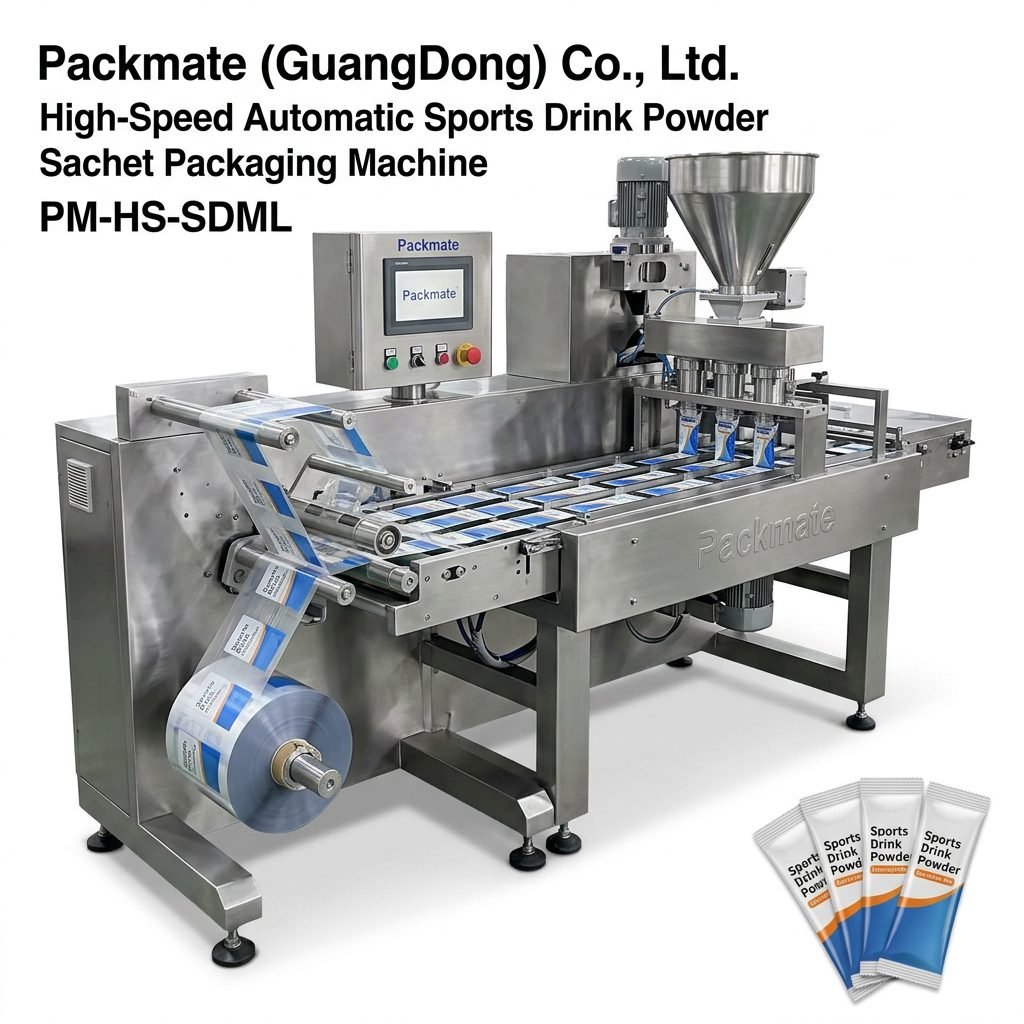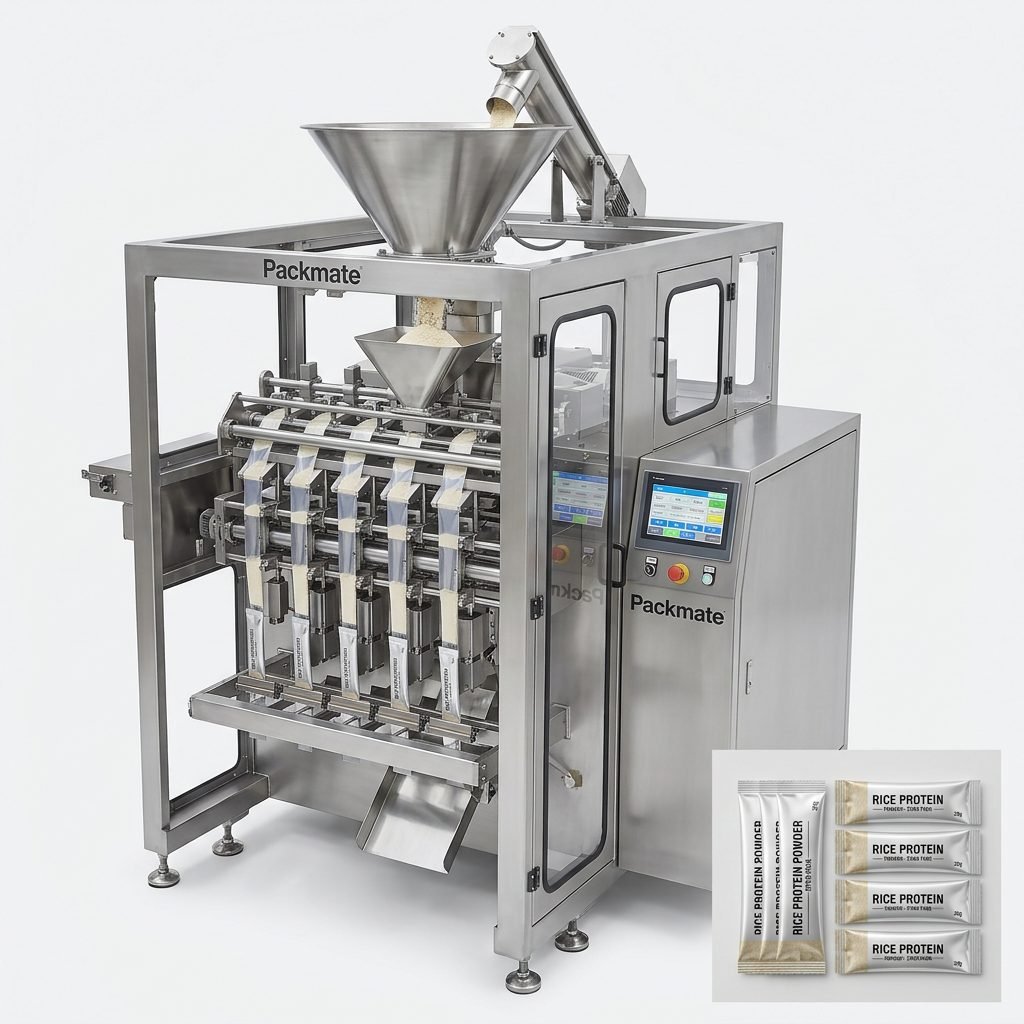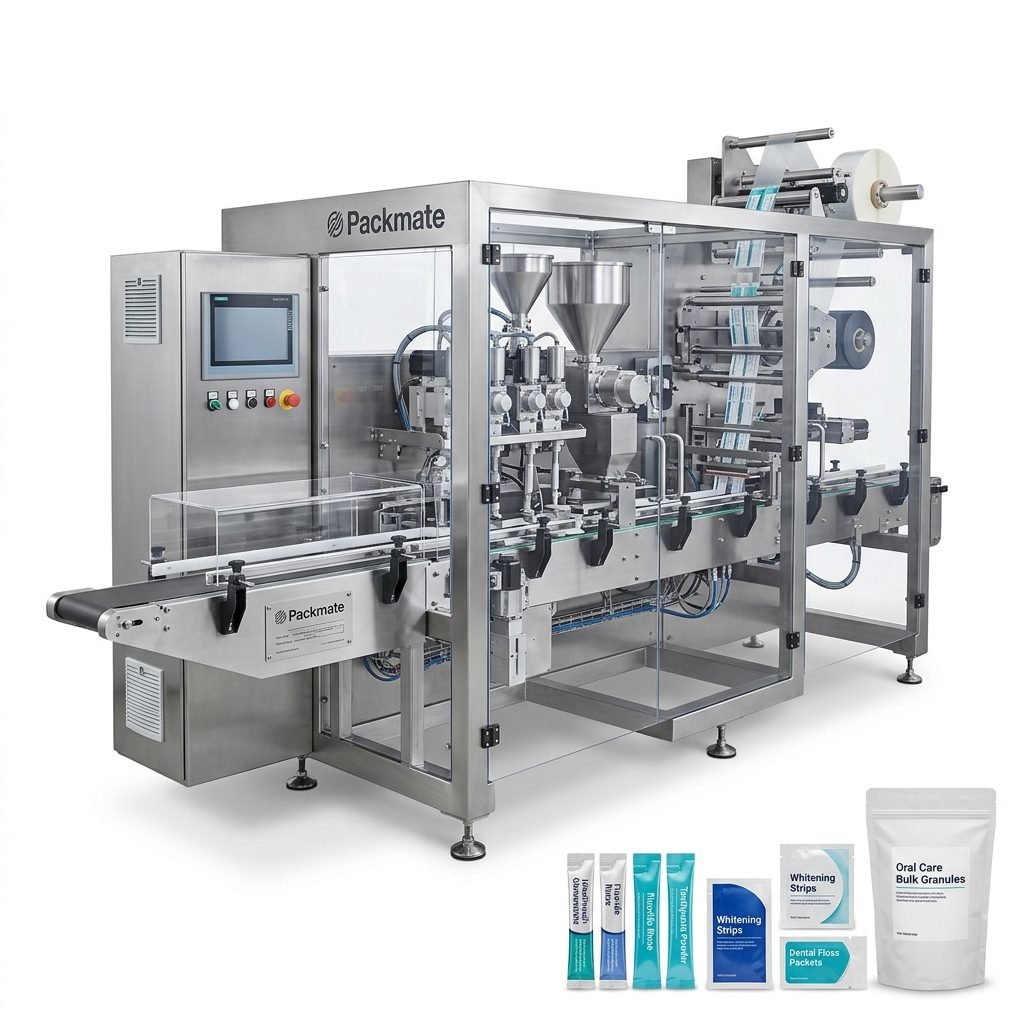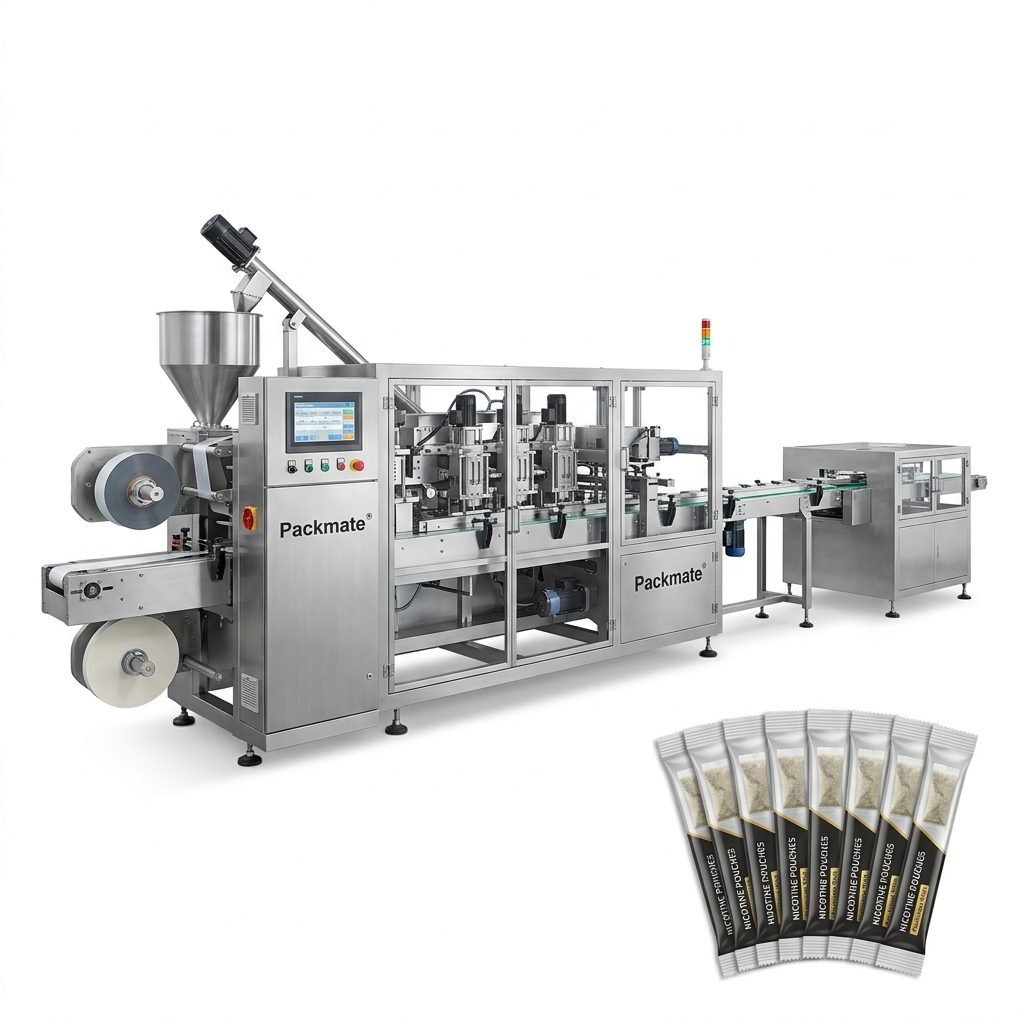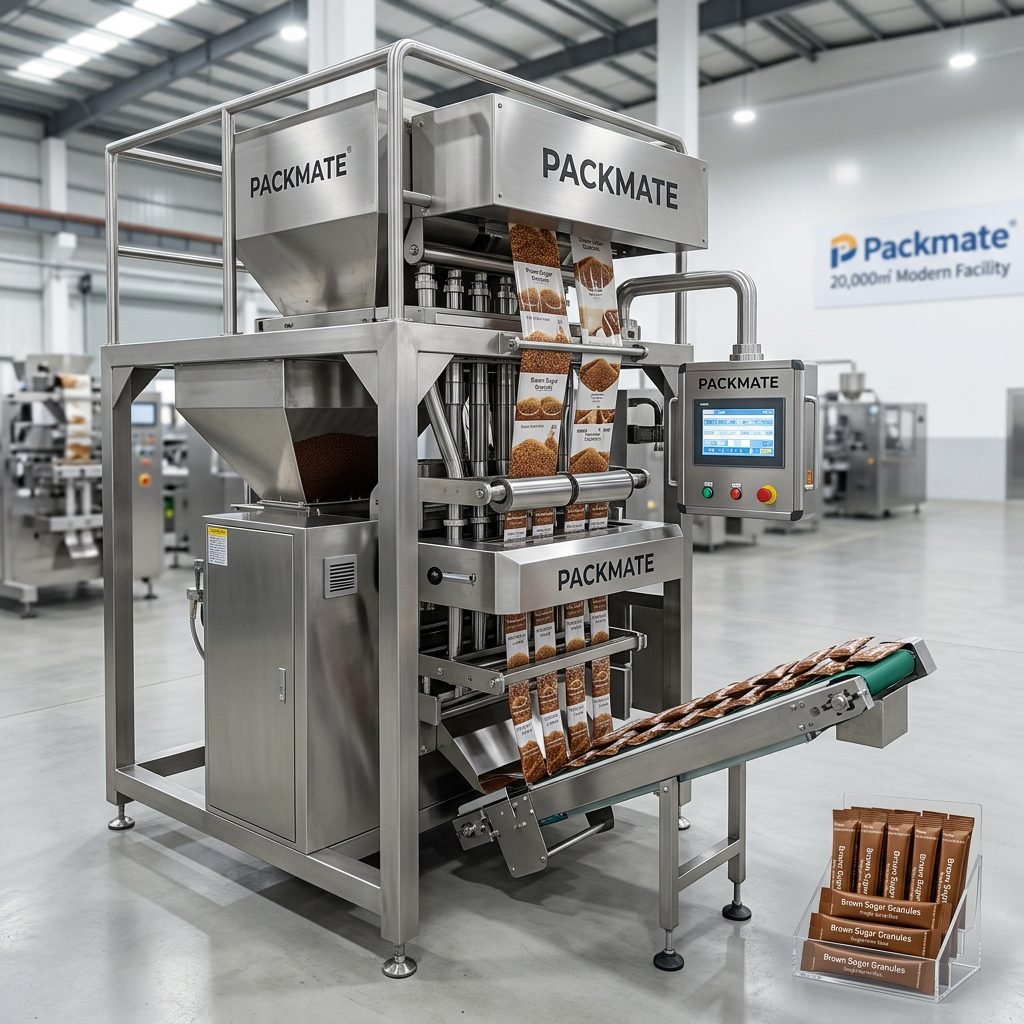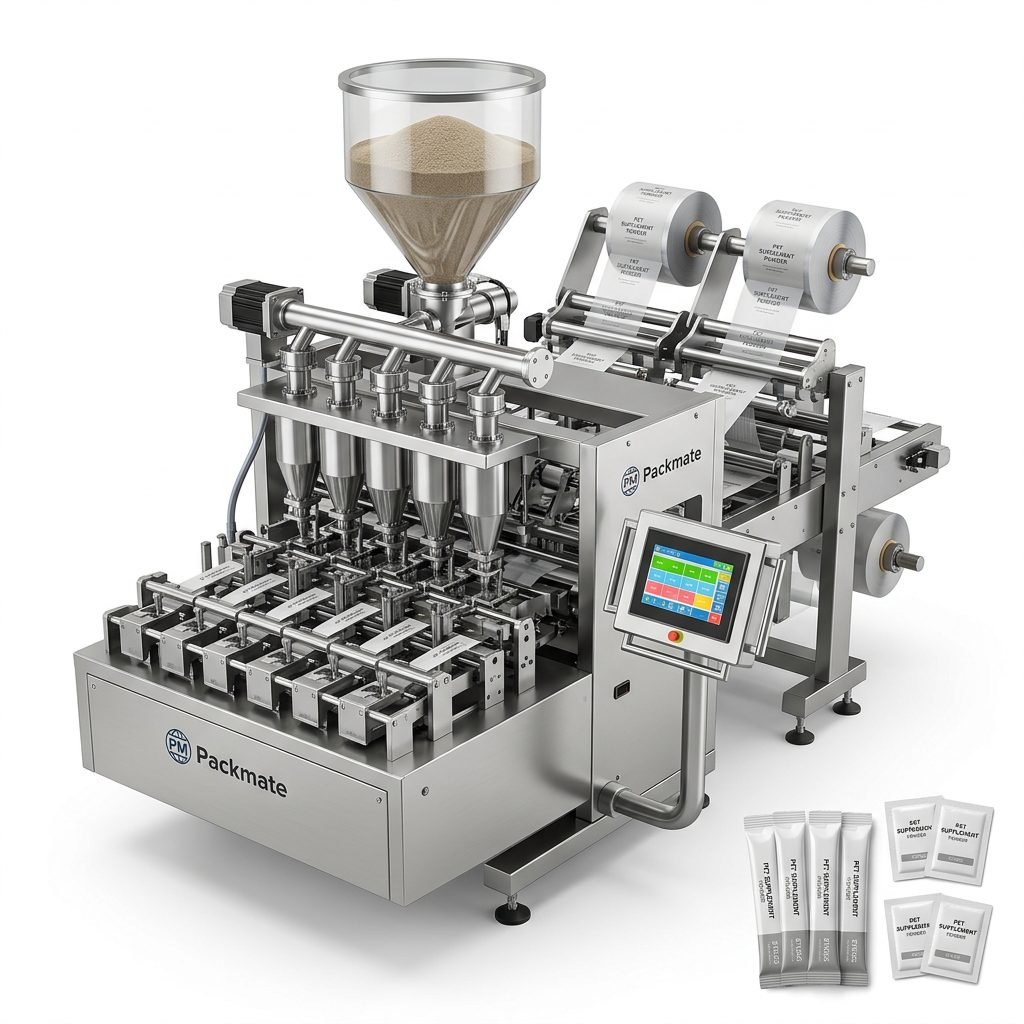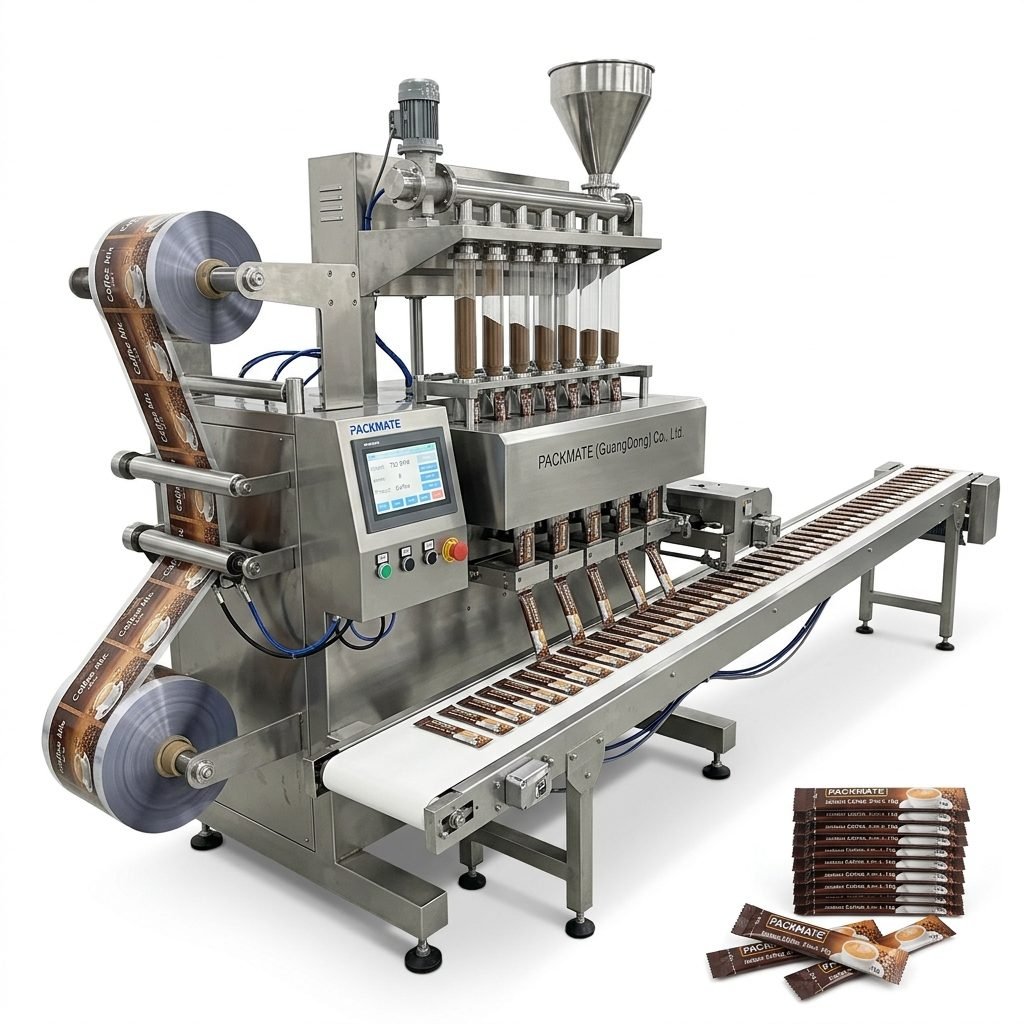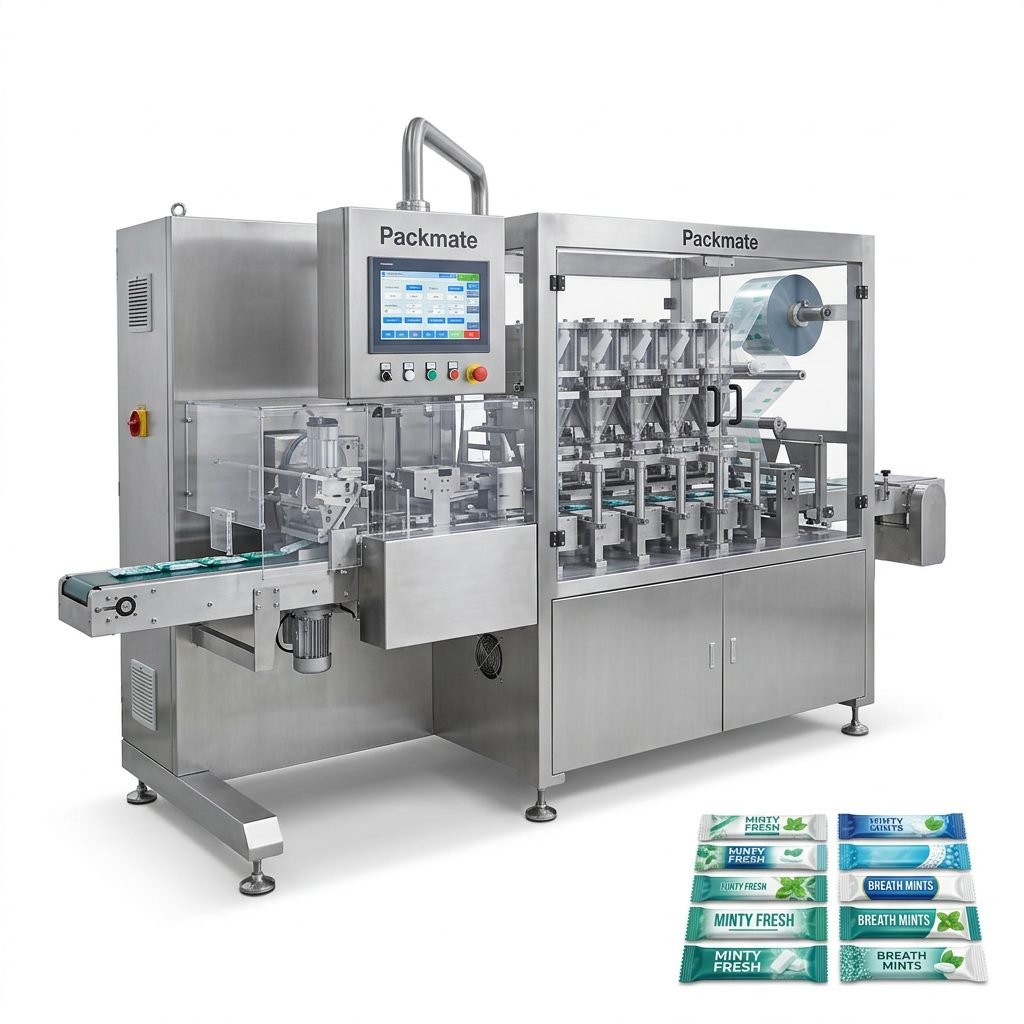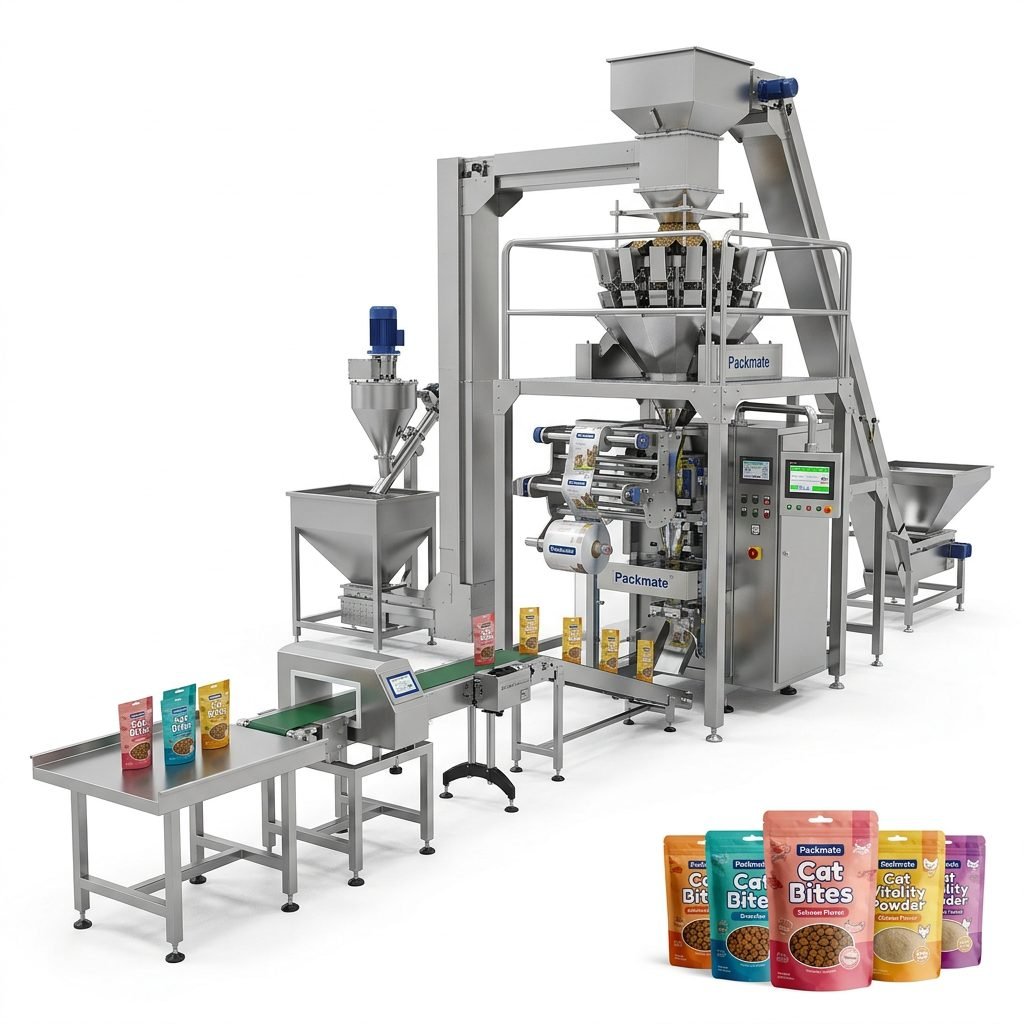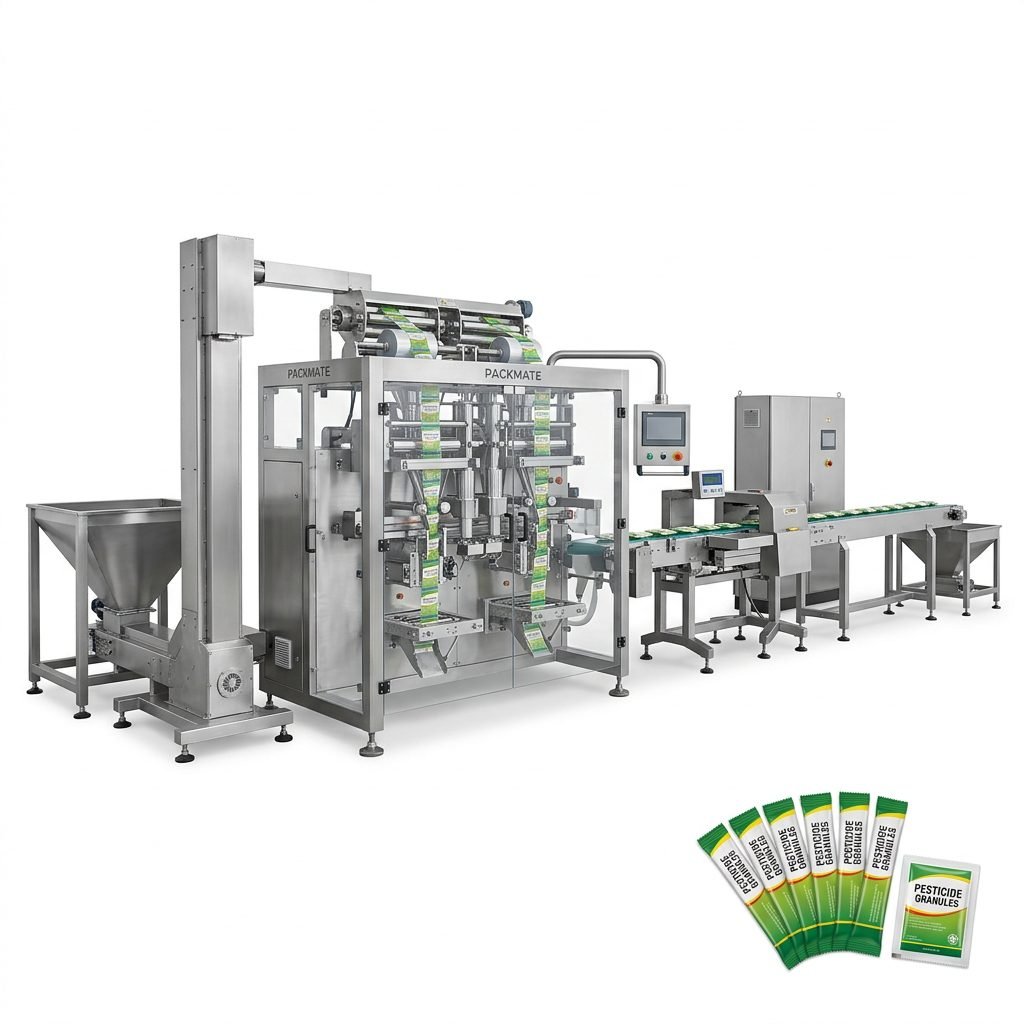
In today’s fast-paced manufacturing landscape, efficiency is not just a goal—it’s a necessity. For businesses in the food, pharmaceutical, and health sectors, the packaging line is often the final and most critical stage before a product reaches the consumer. A bottleneck here can ripple back through the entire production process, causing delays, increasing costs, and impacting customer satisfaction. This is where the strategic integration of packaging line controls becomes a game-changer. Moving beyond simple automation, control integration is about creating a cohesive, intelligent, and data-driven ecosystem that oversees every aspect of your packaging operations.
The Core of Modern Packaging: What is Control Integration?
At its heart, packaging line control integration involves connecting all the individual machines and processes on your line—filling, sealing, labeling, cartoning, palletizing—into a single, unified command center. Think of it as the central nervous system for your packaging operations. Instead of operators running from one machine to another to adjust settings or check statuses, a centralized Human-Machine Interface (HMI) or Supervisory Control and Data Acquisition (SCADA) system provides a holistic view and control.
This integration is powered by industrial communication protocols like Ethernet/IP, Profinet, or Modbus TCP, allowing disparate equipment from different manufacturers to “speak” the same language. The result is seamless coordination, where the speed of the filler automatically adjusts to match the capacity of the cartoner, and a fault on the labeler triggers an immediate alert and can even initiate a controlled line stop to prevent waste.
Key Components of an Integrated Control System:
- Programmable Logic Controllers (PLCs): The rugged brains of individual machines and line segments, executing control logic with precision and reliability.
- Human-Machine Interface (HMI) Panels: The touchpoints for operators, providing intuitive visualization, control, and real-time diagnostics.
- Industrial PCs & SCADA Software: For higher-level supervision, data historization, production reporting, and connectivity to plant-wide ERP/MES systems.
- Network Infrastructure: Robust switches and cabling that form the reliable data highway connecting all components.
- Sensors & Vision Systems: The “eyes” of the operation, feeding critical data on position, fill-level, label presence, and quality defects back to the controllers.
Tangible Benefits: Why Integrate Your Packaging Controls?
The investment in control integration pays dividends across multiple facets of your operation. The benefits are not merely incremental; they are transformative.
1. Maximized Operational Efficiency & Uptime
An integrated system eliminates manual coordination delays and synchronizes machine speeds in real-time. Changeovers that once took hours can be reduced to minutes through recipe management on the HMI—where all machine parameters for a specific product are saved and recalled instantly. Predictive maintenance alerts, based on motor current or cycle count data, prevent unexpected breakdowns, dramatically increasing Overall Equipment Effectiveness (OEE).
2. Unprecedented Visibility & Data-Driven Decisions
Integration turns data into your most valuable asset. You move from guessing to knowing. Real-time dashboards display key performance indicators (KPIs) like line speed, yield, waste, and downtime reasons. This visibility allows managers to make proactive adjustments. For example, companies like Packmate design their turnkey solutions with this data layer in mind, ensuring clients can track efficiency from day one.
3. Enhanced Quality Control & Traceability
In industries like pharmaceuticals and food, traceability is non-negotiable. Integrated controls can automatically associate production data (time, batch, machine parameters) with each serialized or batch-coded package. Vision inspection systems tied directly into the control network can reject non-conforming products in real-time, ensuring only perfect items proceed down the line, safeguarding your brand reputation.
4. Reduced Waste & Optimized Resource Use
Precision control leads to precision consumption. Integrated systems minimize product giveaway by ensuring fillers operate with exact accuracy. They reduce packaging material waste by ensuring sealers and labelers only operate when a product is present. By optimizing energy use of motors and heaters, they also contribute to significant utility savings.
5. Empowered Workforce & Improved Safety
A unified, intuitive HMI simplifies complex operations, reducing training time and operator error. Clear graphical alerts guide troubleshooting. Furthermore, safety interlocks across the entire line can be centrally managed and monitored, ensuring that if a guard door on one machine is opened, the entire line responds safely and predictably.
The Implementation Roadmap: From Concept to Reality
Successfully integrating packaging controls is a meticulous process that benefits greatly from partnership with an experienced provider.
Phase 1: Assessment & System Architecture Design
This foundational phase involves a deep dive into your current process, pain points, and future goals. A detailed Functional Specification Document is created, outlining the control philosophy, network topology, and hardware/software platform. Choosing a partner with a proven track record, like Packmate (GuangDong) Co., Ltd., ensures the design is both robust and practical, leveraging their 22+ years of industry experience.
Phase 2: Development, Factory Acceptance, & Installation
Control panels are built, and software is programmed and rigorously tested offline in a simulation environment. A Factory Acceptance Test (FAT) is critical—this is where you see your virtual line come to life before it ships, allowing for adjustments. Upon successful FAT, the system is installed on your floor, with careful attention to cabling and network infrastructure within your 20,000㎡ facility or similar production space.
Phase 3: Commissioning, Training, & Ongoing Support
Skilled engineers bring the integrated line online, fine-tuning performance and validating all safety functions. Comprehensive training for your operators and maintenance staff is conducted, empowering your team. Finally, a reliable support plan ensures long-term success, a commitment detailed in partners’ service offerings.
Future-Proofing Your Investment: The Role of IIoT and Industry 4.0
The journey doesn’t end with integration. The modern control system is the gateway to the Industrial Internet of Things (IIoT) and smart manufacturing. By collecting and contextualizing data, your integrated line can feed information to cloud-based analytics platforms. This enables advanced capabilities like:
- Predictive Analytics: Using machine learning to forecast maintenance needs or quality deviations before they occur.
- Digital Twins: Creating a virtual model of your line to simulate changes, optimize performance, and train staff without disrupting production.
- Enhanced Supply Chain Connectivity: Automatically triggering material replenishment orders based on real-time consumption data.
Exploring real-world case studies can provide concrete examples of how these technologies are being applied today to drive next-level efficiency.
Conclusion
Packaging line control integration is no longer a luxury for high-volume producers; it is a strategic imperative for any business seeking resilience, agility, and growth in a competitive market. It transforms a collection of machines into a single, intelligent organism that optimizes itself, informs its keepers, and delivers unparalleled consistency and quality. By embracing this complete approach to automation and optimization, you are not just upgrading your equipment—you are fundamentally elevating your operational intelligence and securing a formidable advantage for the future.
Frequently Asked Questions (FAQs)
1. Is control integration only feasible for large, new packaging lines?
No. While greenfield projects offer the most design flexibility, integration is highly valuable for existing (brownfield) lines. A phased approach can modernize legacy equipment by adding new PLCs, HMIs, and gateways that allow older machines to communicate. This extends the life of capital assets and delivers significant efficiency gains without a complete line overhaul.
2. How long does a typical control integration project take?
The timeline varies greatly based on line complexity, the number of machines, and project scope. A simple line synchronization might take a few weeks, while a full, greenfield turnkey line with extensive data reporting can take several months from design to commissioning. The detailed planning and FAT phases are crucial for ensuring the final timeline is accurate and met.
3. What is the typical ROI for such an investment?
Return on Investment is often realized in 12-24 months through quantifiable savings: increased throughput (5-20%), reduced waste (3-10%), lower labor costs per unit, and decreased downtime. The intangible benefits of improved quality, traceability, and better decision-making add substantial long-term value that bolsters the financial case.
4. Can we integrate equipment from different OEMs?
Yes, absolutely. This is a core purpose of integration. Using standard industrial communication protocols and sometimes protocol converters, a skilled systems integrator can make equipment from Packmate and other manufacturers work together seamlessly. The key is upfront communication about compatibility during the design phase.
5. How do we ensure cybersecurity in an integrated system?
Cybersecurity is paramount. A robust strategy includes segmenting the packaging network from the corporate IT network using firewalls, employing secure switches, enforcing strong password policies on HMIs and PCs, regularly updating software/firmware, and conducting security audits. Your integration partner should design with security best practices as a foundational element.