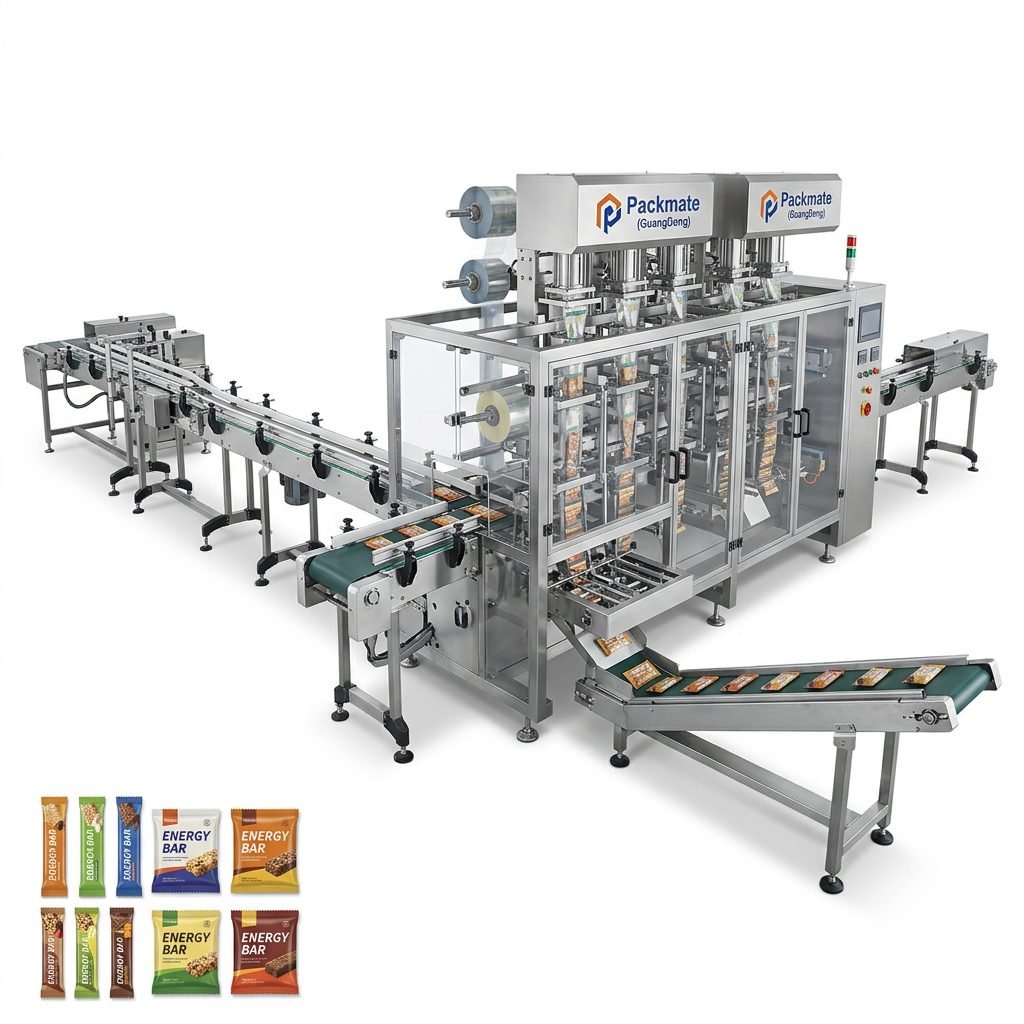
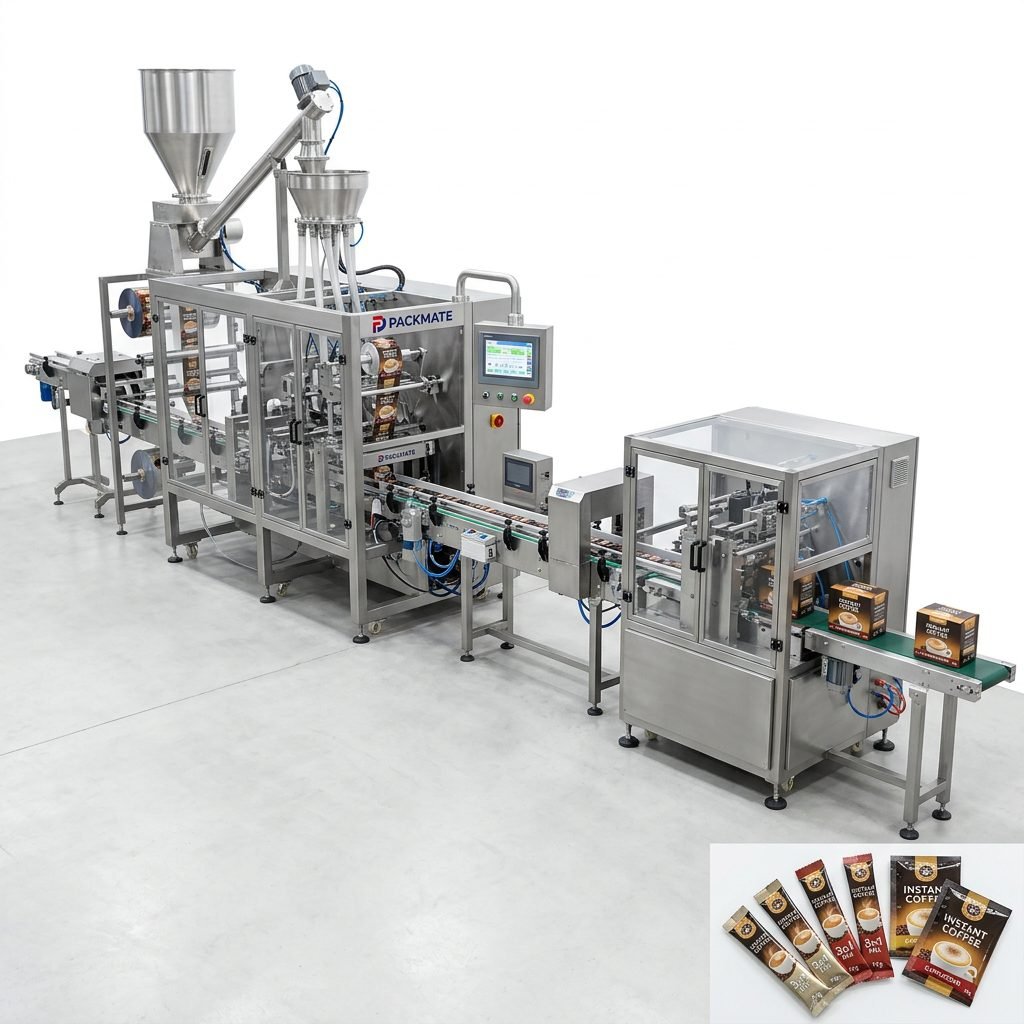
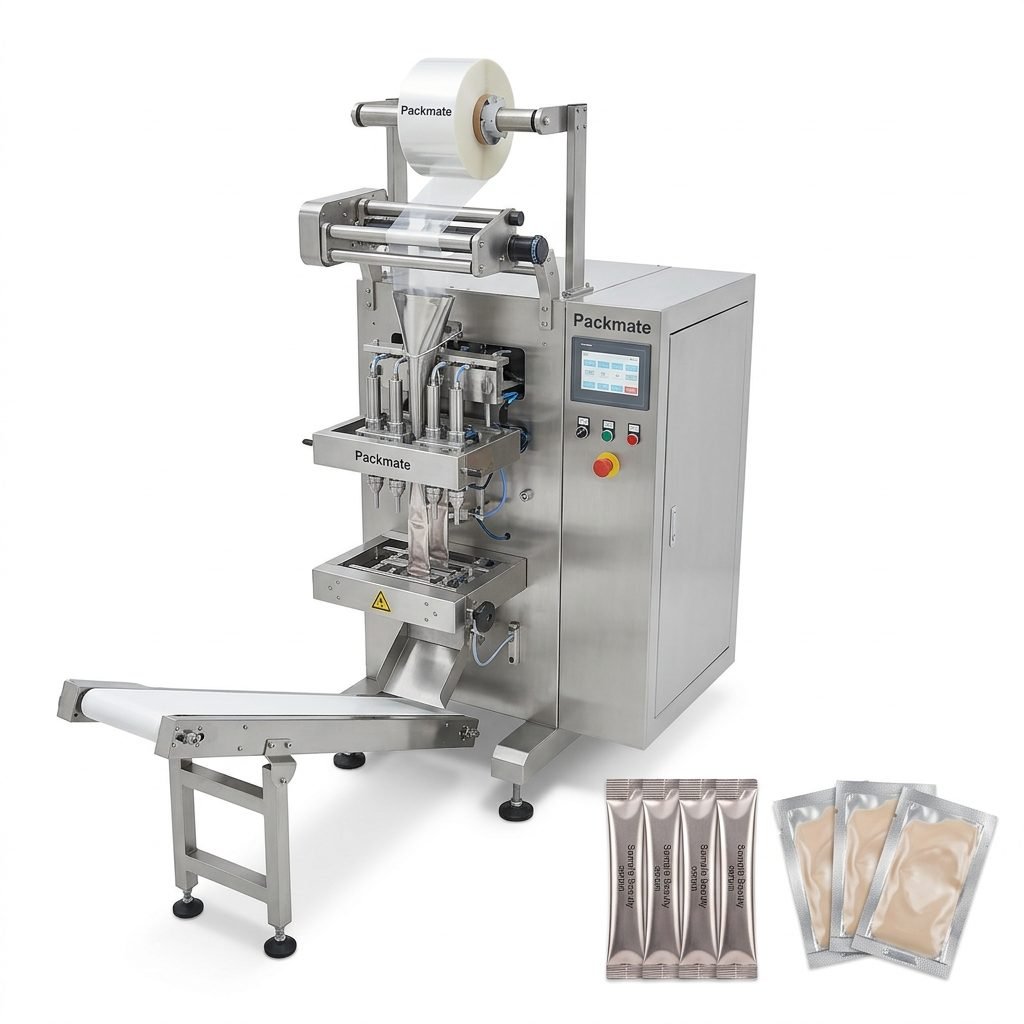
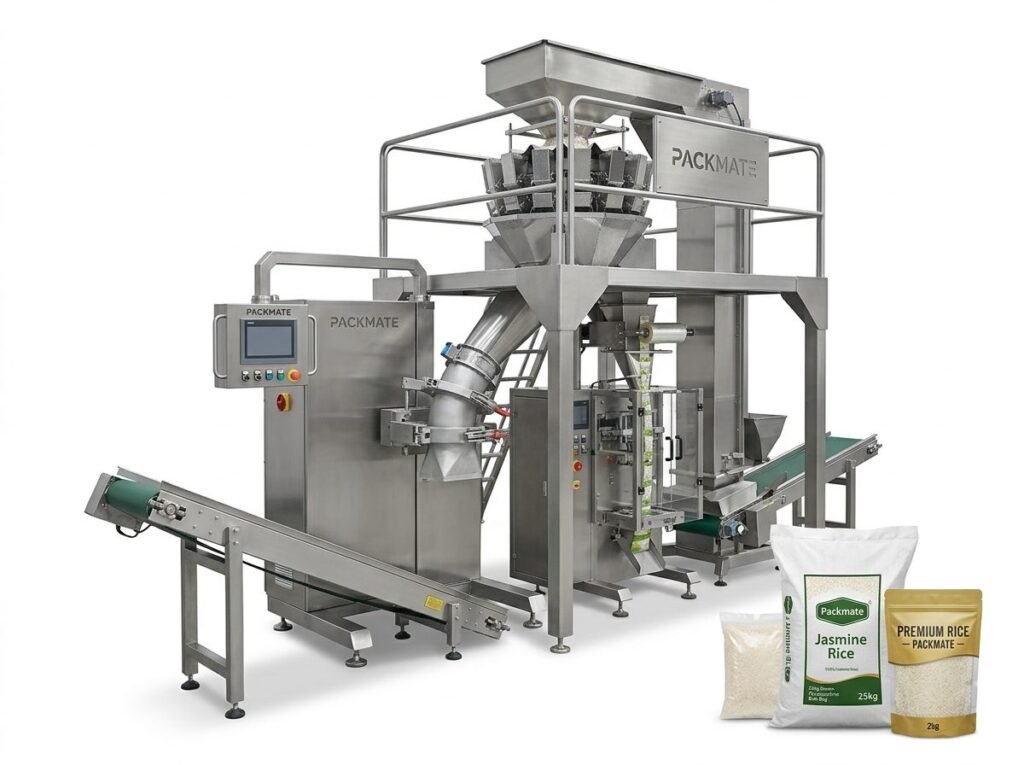
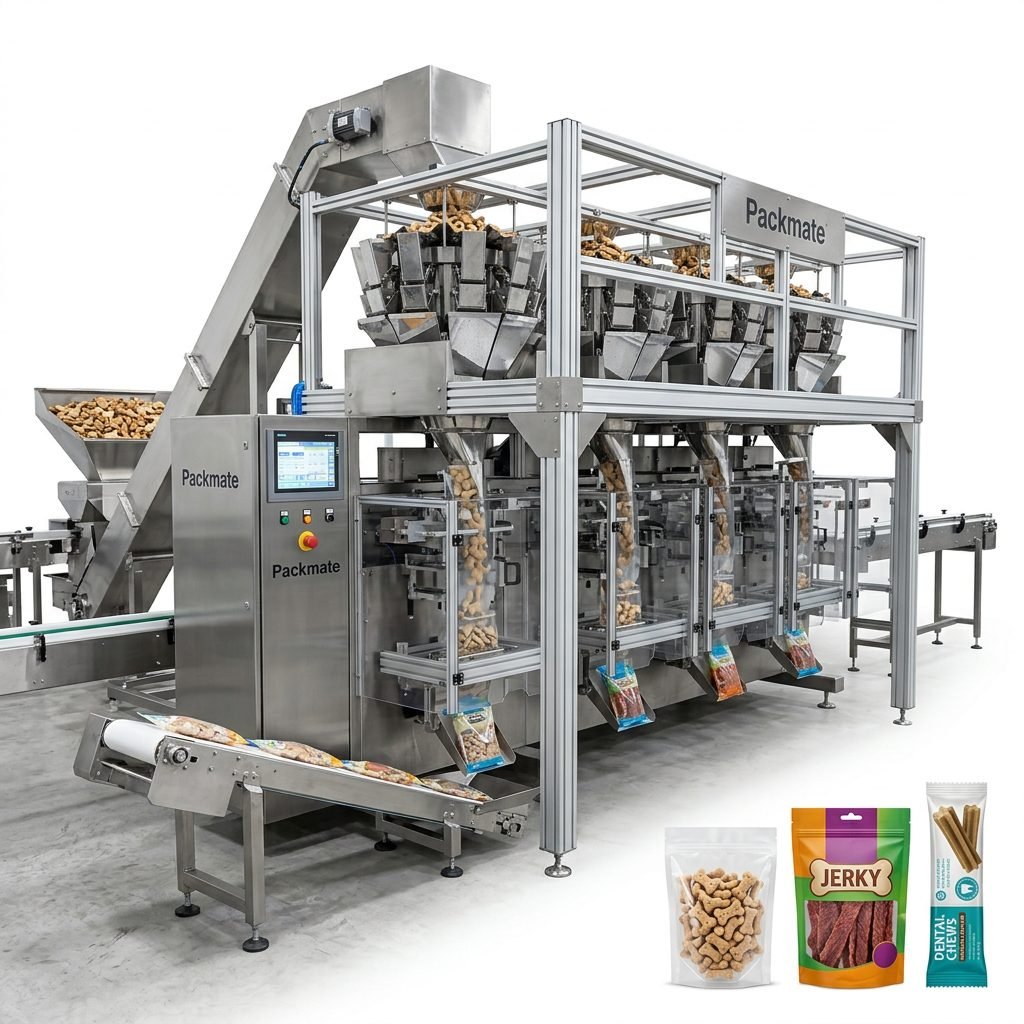
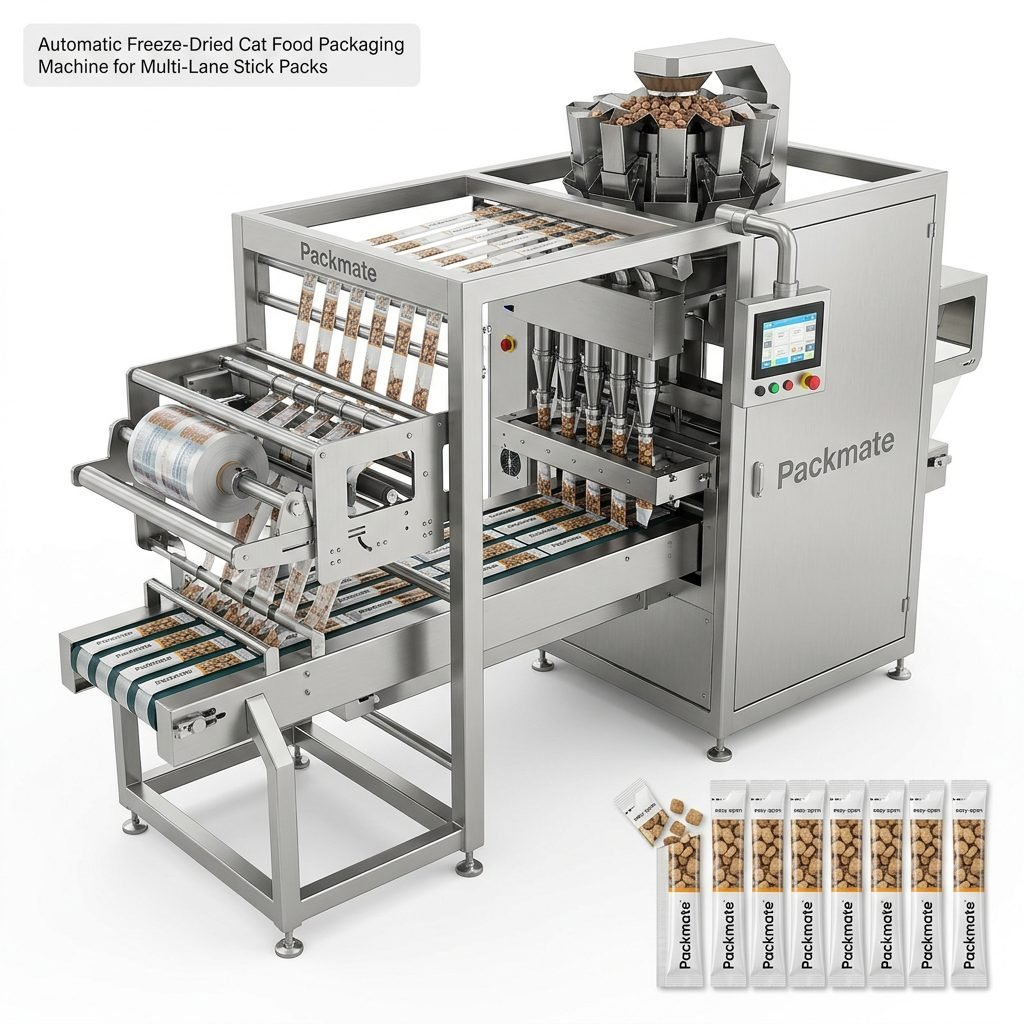
In the competitive landscape of food manufacturing, the packaging line is not merely the final step—it’s a critical nexus of efficiency, cost, and quality. A slow, wasteful, or unreliable packaging process can erode profit margins, delay shipments, and frustrate customers. Conversely, a streamlined, high-efficiency line becomes a powerful competitive advantage. This guide delves into practical, actionable strategies to boost your packaging line’s speed, dramatically reduce material and product waste, and ultimately cut operational costs, ensuring your operation is lean, agile, and profitable.
Understanding the Core Metrics of Packaging Line Efficiency
Before implementing improvements, you must measure current performance. Key Performance Indicators (KPIs) are essential for identifying bottlenecks and tracking progress. Focus on these core metrics:
Overall Equipment Effectiveness (OEE): This is the gold standard metric, calculated as Availability x Performance x Quality. A world-class OEE for packaging is often above 85%. Tracking OEE helps you see the combined impact of downtime, speed losses, and defects.
Line Speed vs. Theoretical Maximum: How close is your actual run speed to the machine’s designed maximum? A significant gap indicates performance losses.
Changeover Time: The time taken to switch from producing one product SKU to another. This is a major source of hidden downtime.
First-Pass Yield: The percentage of packages that are correctly filled, sealed, and labeled on the first attempt without requiring rework or being scrapped.
Material Waste Percentage: Track film, carton, and label waste. Also, monitor product giveaway (overfilling) or underfilling, which represents direct revenue loss.
Strategy 1: Optimize Machine Performance & Reliability
The foundation of any efficient line is reliable equipment. Preventative maintenance is far cheaper than emergency repairs and unplanned downtime.
Implement a Robust Preventive Maintenance (PM) Program
Move from reactive “fix-it-when-it-breaks” to proactive maintenance. Schedule regular inspections, lubrication, part replacements, and calibration based on machine hours or production cycles. Companies like Packmate provide detailed maintenance schedules with their packaging solutions, which are crucial for long-term reliability.
Invest in Smart, Upgraded Components
Sometimes, a strategic upgrade can yield massive returns. Consider retrofitting older machines with modern servo drives for more precise control, advanced vision inspection systems to catch defects early, or quick-release mechanisms to aid changeovers. Exploring case studies from other manufacturers can reveal successful upgrade paths.
Strategy 2: Streamline Line Layout & Material Flow
Inefficient movement of materials, people, and products creates chaos and slows everything down. Apply Lean manufacturing principles to your packaging area.
Adopt a U-Shaped or Linear Flow Layout
Design the line so that the flow of empty packages, product, and finished goods is logical, minimal, and without backtracking. This reduces walking time for operators and minimizes congestion.
Implement Proper Material Handling & Presentation
Use roll-on/roll-off carts for film reels, gravity-fed racks for pouches, and easy-access stations for labels. The goal is to have materials presented at the point of use in the correct orientation, reducing handling time and errors. The ergonomic design of feeding systems is a key focus in modern packaging line design.
Strategy 3: Master the Art of Quick Changeover (SMED)
Single-Minute Exchange of Die (SMED) is a Lean tool designed to reduce changeover times to under 10 minutes. This is vital for manufacturers running multiple SKUs.
Step 1: Separate Internal and External Setup: Internal setup tasks can only be done when the machine is stopped (e.g., changing a forming collar). External tasks can be done while the machine is running (e.g., preparing the next set of tools, pre-staging materials). Convert as many internal tasks to external as possible.
Step 2: Streamline Internal Setup: Use quick-clamp mechanisms, standardized tooling, and color-coded parts. Implement checklist procedures for operators.
Step 3: Streamline External Setup: Organize a “kit” for each product change with all necessary parts, tools, and settings sheets. This is a core principle behind the modular design of many Packmate’s advanced packaging lines.
Strategy 4: Leverage Automation & Data Intelligence
Human intervention is often the source of variability and speed limits. Strategic automation removes bottlenecks and provides valuable data.
Automate Repetitive, Slower Tasks
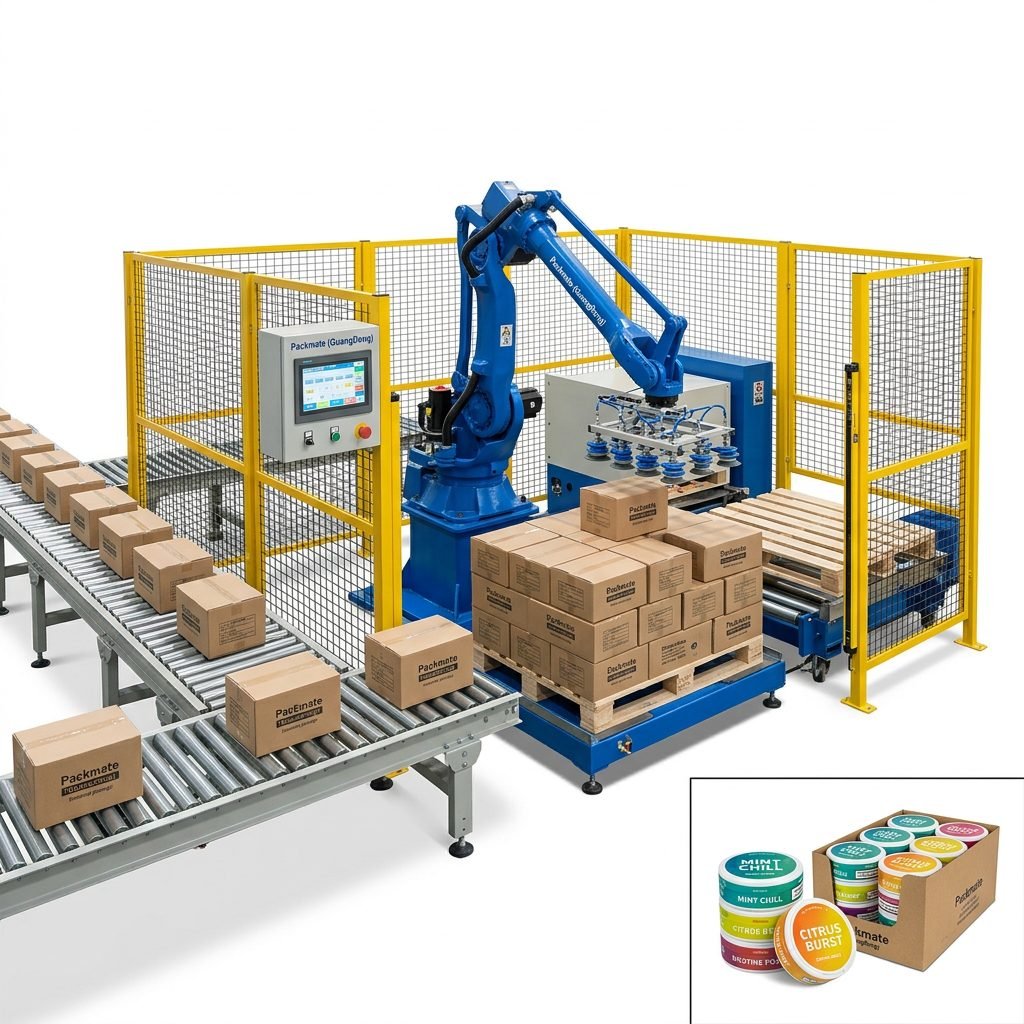
Consider automated carton erectors, robotic case packers, and automated palletizers. These systems work tirelessly at high speeds, freeing operators for more value-added tasks like monitoring and quality checks.
Implement Line Monitoring & OEE Software
Connect your machines to a central monitoring system. This software tracks downtime reasons, production counts, and speed in real-time. It turns data into actionable insights, showing you exactly where and why losses are occurring, allowing for targeted improvements.
Strategy 5: Reduce Waste at Every Stage
Waste is cost. A comprehensive waste-reduction strategy attacks both material and product waste.
Optimize Packaging Design
Work with material scientists or your supplier to right-size packaging—use the minimum material required for integrity and shelf life. Lightweighting films and optimizing seal widths can save tons of material annually.
Precision Filling & Weight Control
Invest in high-accuracy multi-head weighers or volumetric fillers. Implement checkweighers with feedback loops to automatically adjust the filler, minimizing product giveaway and ensuring compliance. This precision is a hallmark of reliable packaging line service and calibration.
Proactive Reject Management
Place inspection systems (vision, metal detection, checkweighing) early in the line to reject faulty packages before more value is added. Analyze rejects to find root causes—is it a sealing temperature issue, a film quality problem, or a misaligned label?
Frequently Asked Questions (FAQs)
What is the single biggest bottleneck in most food packaging lines?
Often, it’s manual handling and changeover. The interface between automated machines and manual tasks (loading, unloading, changeovers) creates significant speed limits and variability. Focusing on ergonomics and SMED here yields the fastest returns.
How can I justify the cost of new automated equipment or a major line upgrade?
Build a business case based on Total Cost of Ownership (TCO) and Return on Investment (ROI). Factor in not just the purchase price, but the projected savings from increased speed (more output), reduced labor, lower waste (material and product), improved quality (fewer returns), and reduced downtime. A detailed analysis often reveals a compelling payback period.
We have a mix of old and new machines. How do we improve overall line efficiency?
Focus on system integration and balancing. The slowest machine dictates the line’s speed. You may need to de-bottleneck the older machine with upgrades or adjust its role. Ensure smooth communication and material transfer between machines. Sometimes, reconfiguring the line layout is more effective than replacing a single machine.
How important is operator training for line efficiency?
It is critical. A well-trained operator can prevent jams, perform faster changeovers, conduct basic troubleshooting, and maintain consistent quality. Continuous training on procedures, safety, and basic maintenance is a high-return investment.
Where should we start if we want to improve but have a limited budget?
Start with data collection and Lean/5S initiatives. You can’t improve what you don’t measure. Begin tracking OEE components manually. Simultaneously, implement 5S (Sort, Set in order, Shine, Standardize, Sustain) to organize the workspace. These low-cost steps will reveal your biggest opportunities and create a foundation for future investments.