In today’s fast-paced manufacturing landscape, the demand for efficiency, hygiene, and precision has never been higher, especially in sectors where product integrity is non-negotiable. For industries like food, pharmaceuticals, and health products, the packaging process is not merely the final step—it is a critical component of product safety, brand identity, and market success. This is where the implementation of a complete, automated packaging line system becomes a transformative investment. A turnkey solution, such as those expertly engineered by Packmate (GuangDong) Co., Ltd., offers a seamless, integrated approach that handles everything from initial design to final commissioning, ensuring a reliable and high-output production environment.
The Imperative for Automation in Sensitive Industries
The core challenge for manufacturers in the food, pharmaceutical, and health product sectors is maintaining an unbroken chain of quality and safety from raw material to sealed package. Manual or semi-automated processes introduce variables—human error, contamination risks, and inconsistent speed—that can compromise this chain. An automated packaging line system eliminates these variables by creating a controlled, closed environment.
Key Advantage: Automation ensures repeatable precision in every action, from precise dosing of powders or liquids to consistent sealing and coding. This is paramount for meeting stringent regulatory standards like GMP (Good Manufacturing Practice) and FDA guidelines, where documentation and traceability are as important as the physical process.
Core Components of a Turnkey Packaging Line
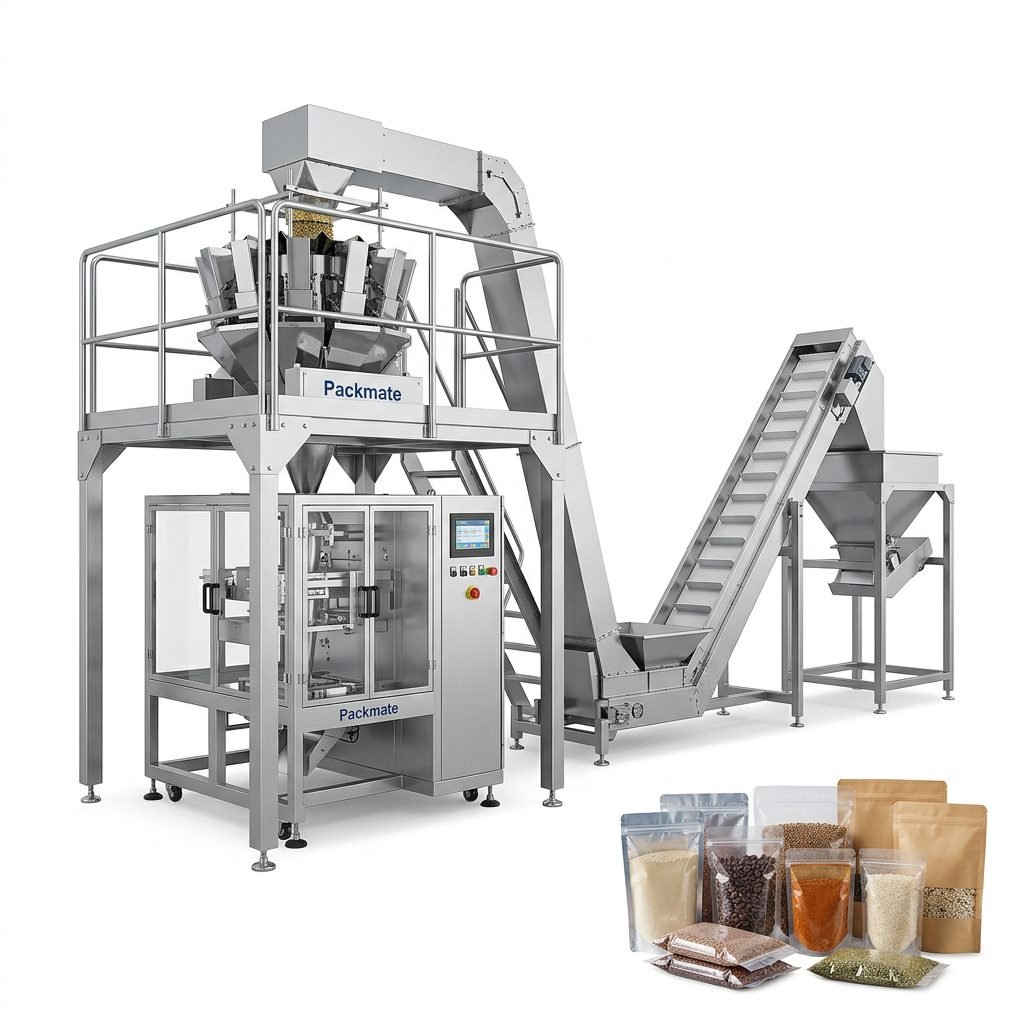
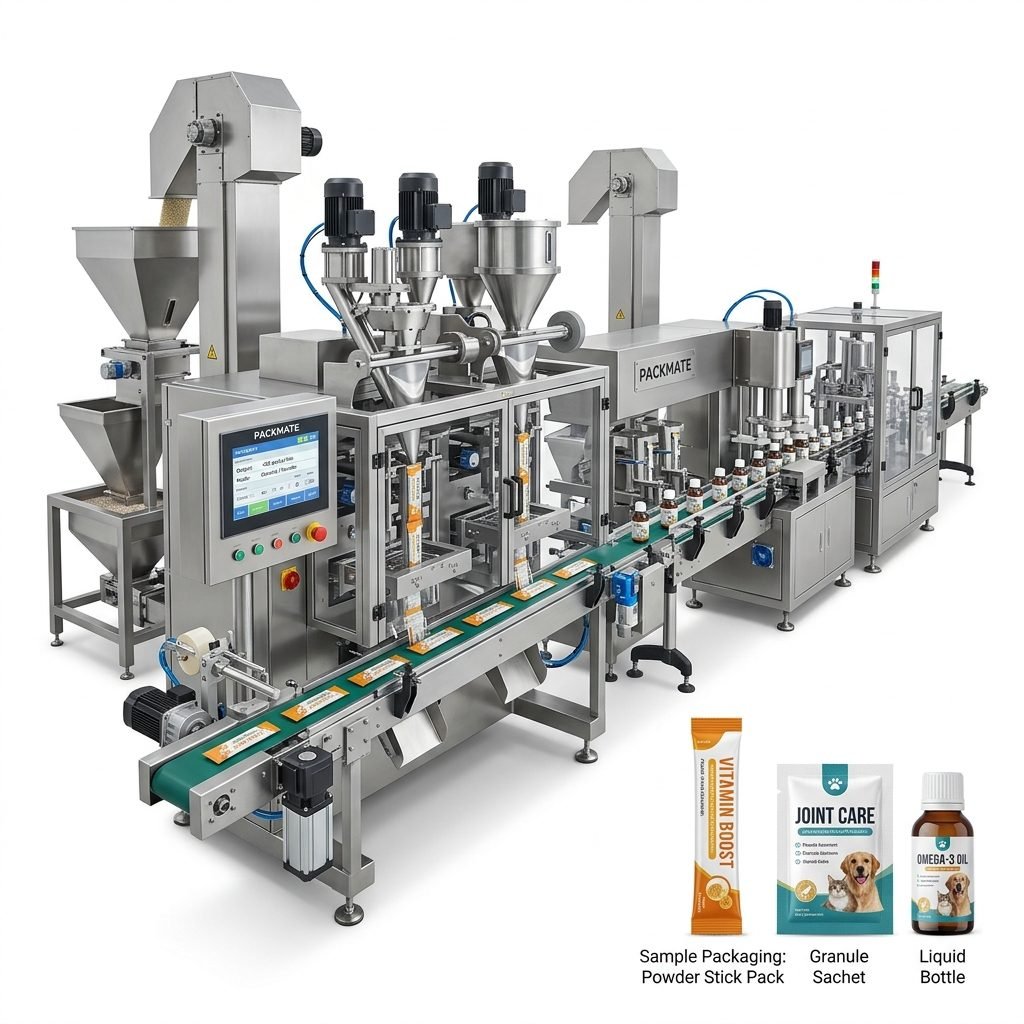
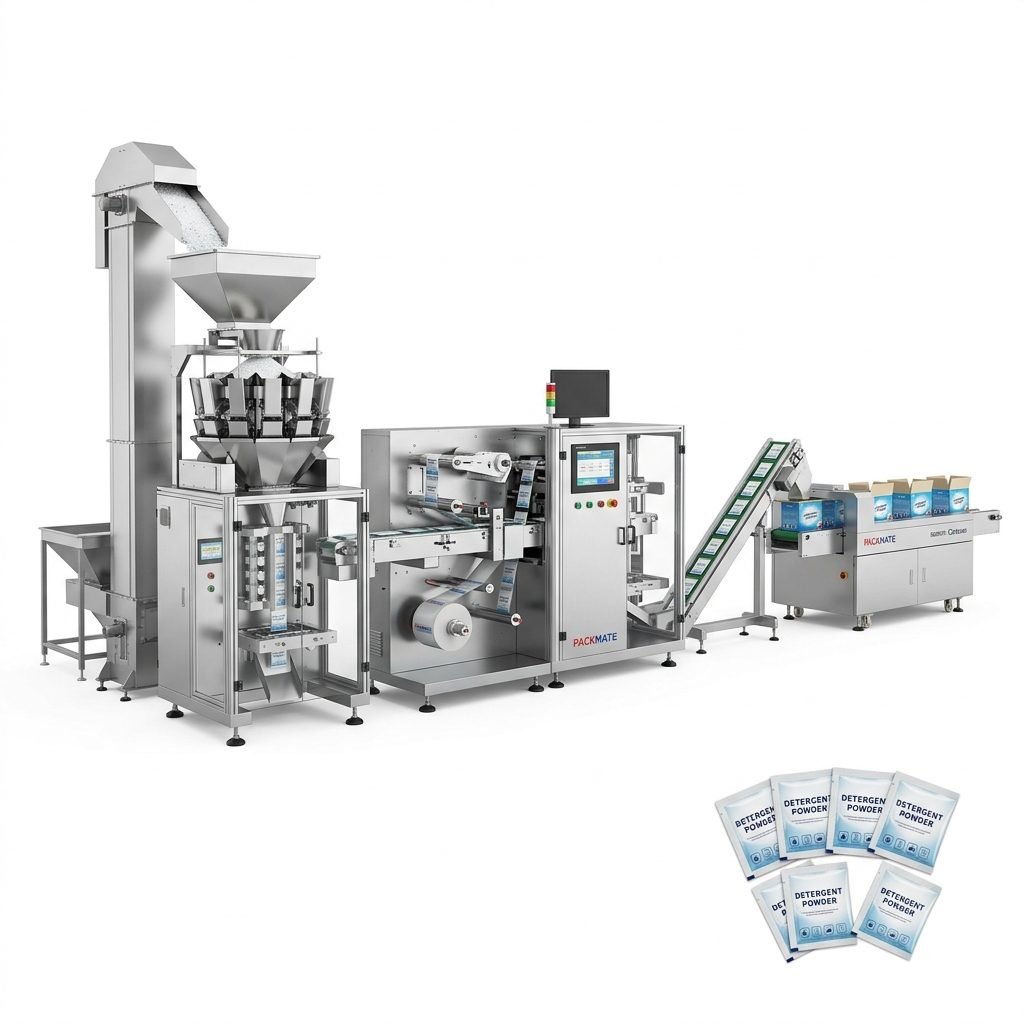
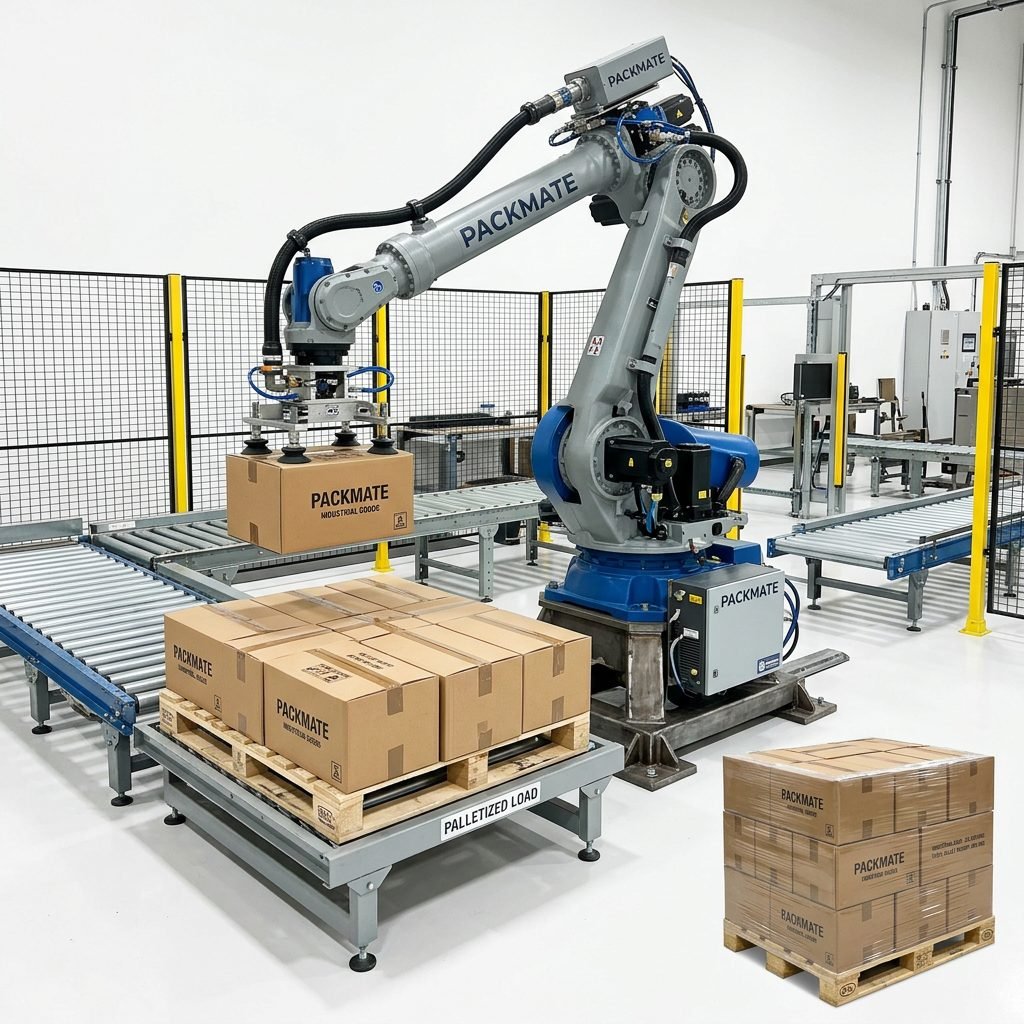
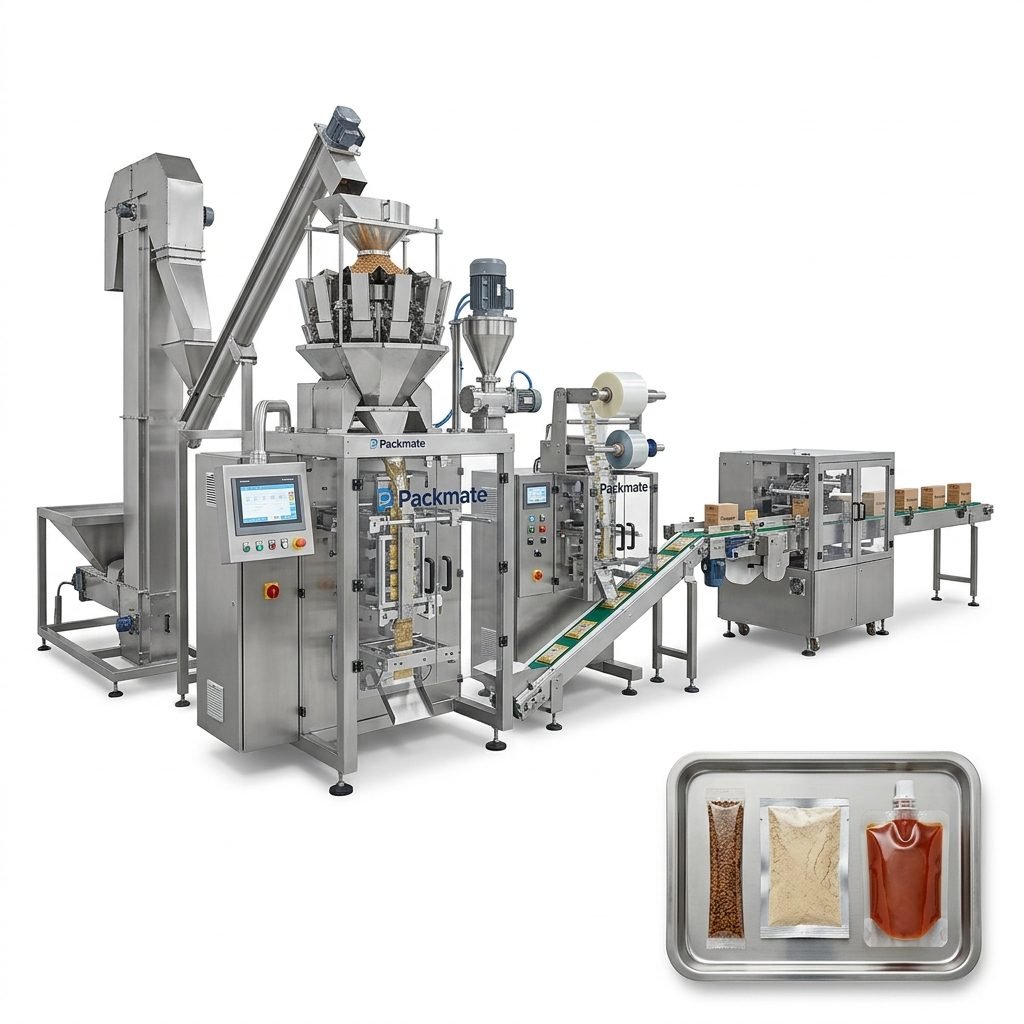
A complete turnkey system is a symphony of specialized machinery working in unison. It is designed to handle the specific characteristics of your product, whether it’s granules, powders, viscous liquids, or tablets. Here’s a breakdown of the typical modules integrated into a sophisticated line:
1. Feeding & Dosing Systems
This is the starting point where product integrity begins. Advanced systems use auger feeders, volumetric cup fillers, or liquid pumps to deliver exact amounts of product. For pharmaceutical applications, this stage often incorporates check-weighing technology to reject any under or over-filled units in real-time, guaranteeing dosage accuracy.
2. Forming, Filling, and Sealing (FFS) Machines
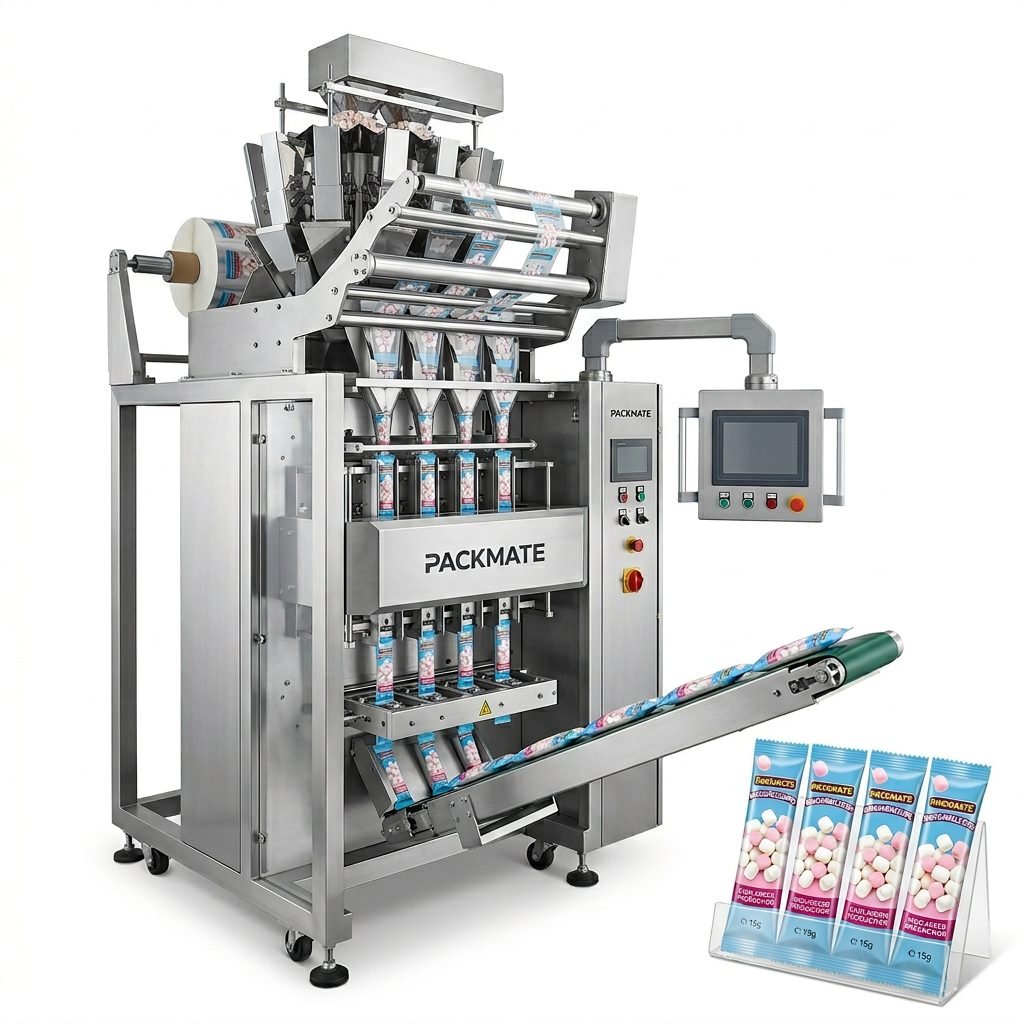
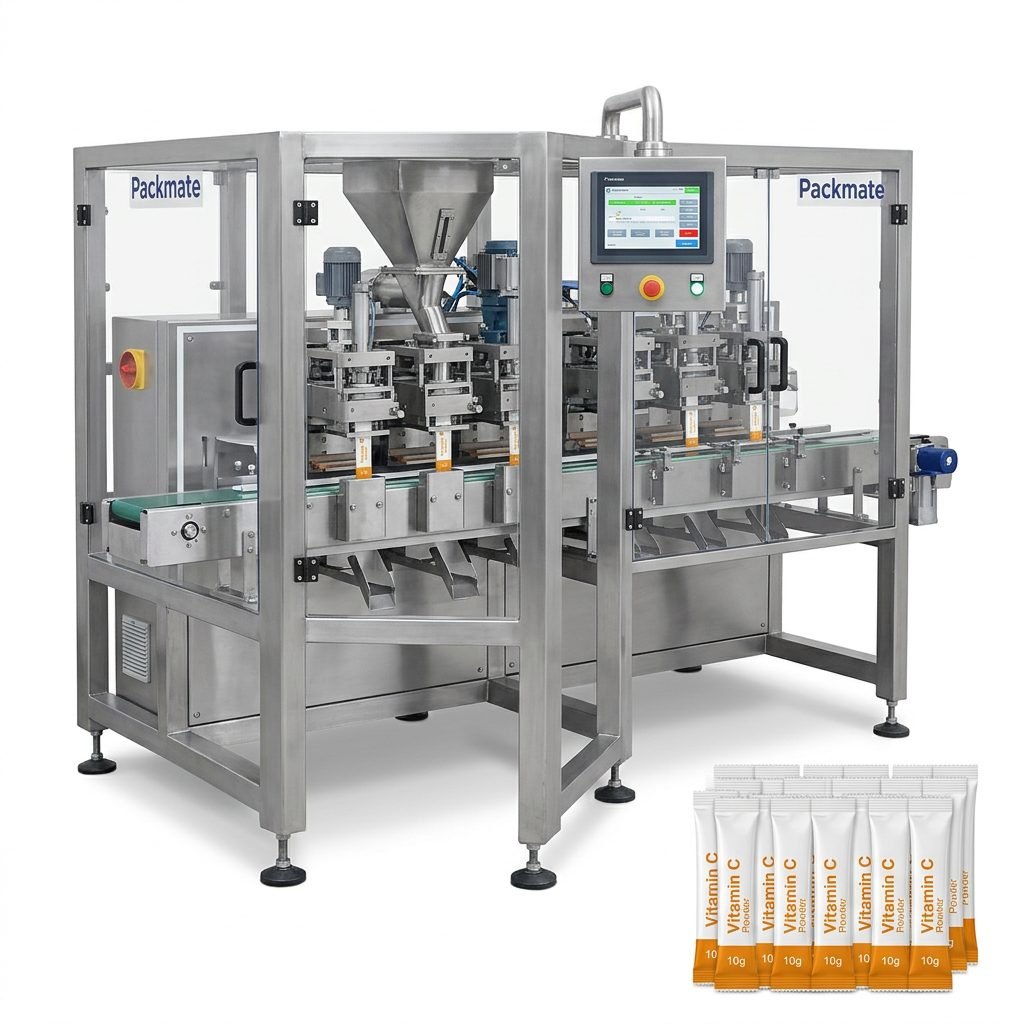
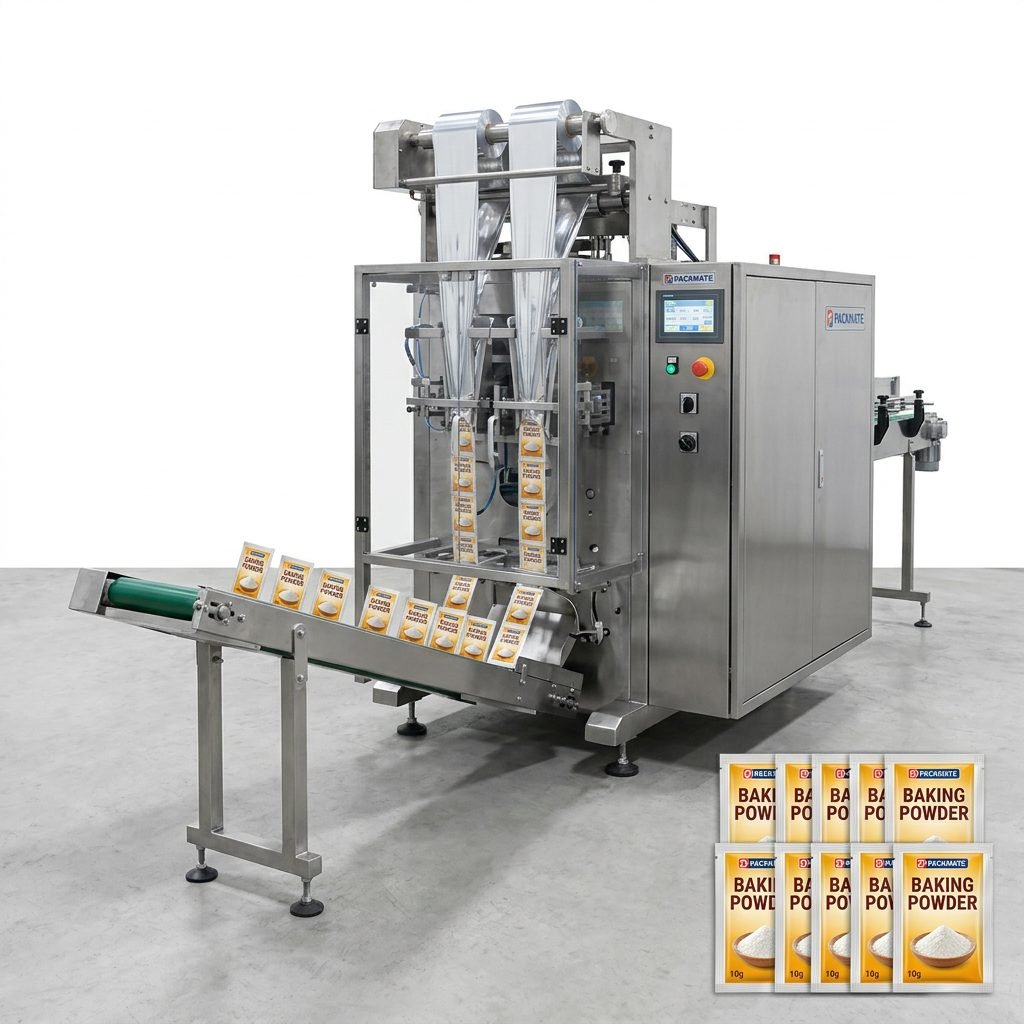
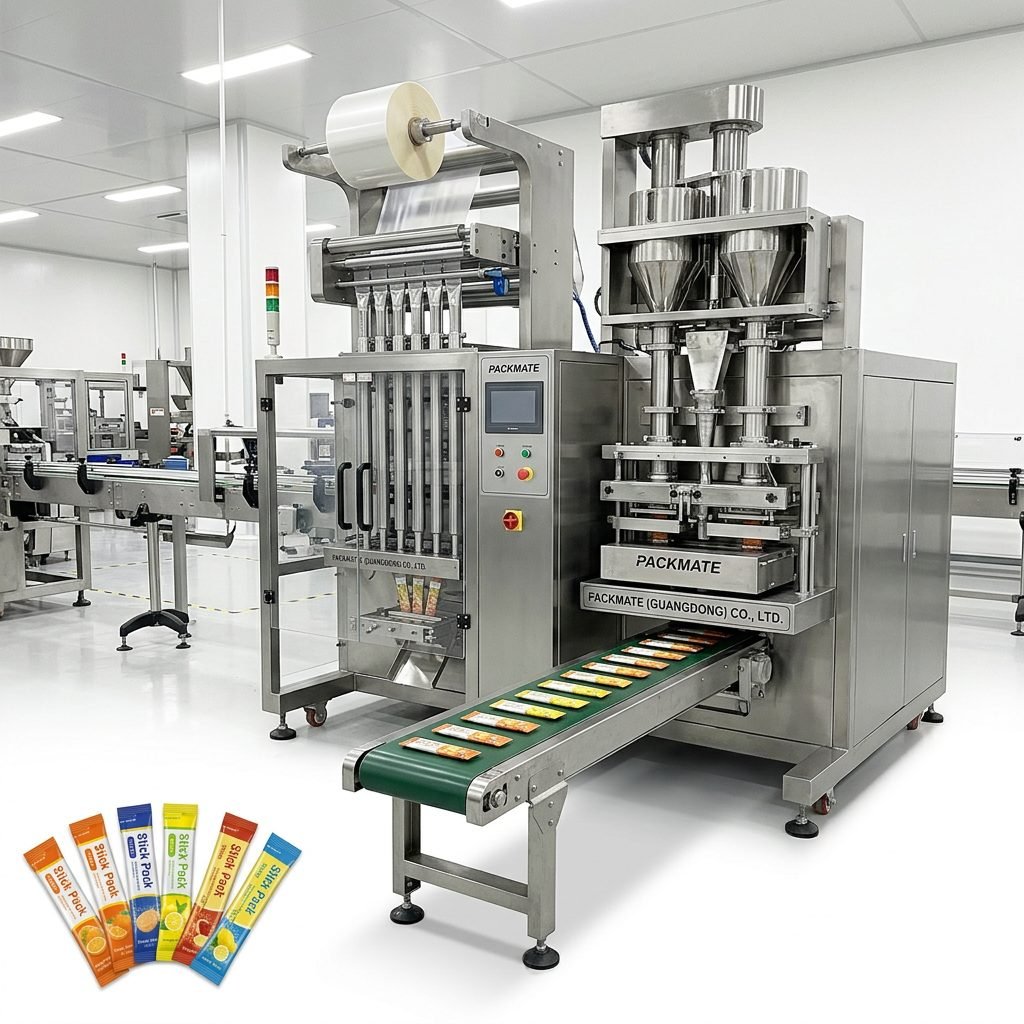
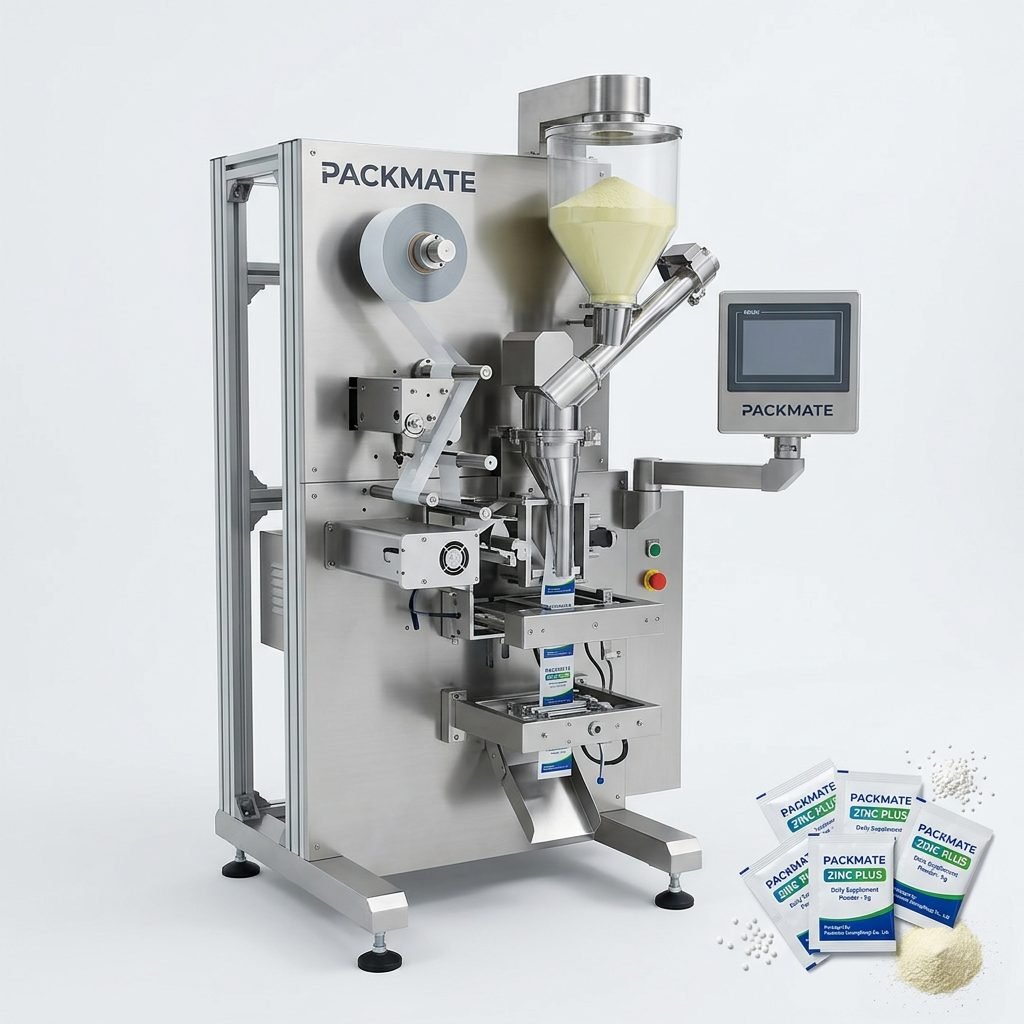
The heart of the packaging line. Roll-fed packaging film is formed into pouches (sachets or stick packs), filled with the dosed product, and hermetically sealed—all in one continuous motion. Modern FFS machines, like the multi-lane models offered by Packmate, can produce dozens of stick packs per second, dramatically increasing output while minimizing material waste.
3. Secondary Packaging & Cartoning
Once primary packages are created, they are collated, counted, and inserted into cartons or boxes. Automated cartoners erect boxes, insert product bundles along with leaflets or desiccants, and apply glue or tuck flaps securely. This stage adds another layer of protection and prepares products for shipping and retail display.
4. Labeling, Coding, and Inspection
Traceability and compliance are addressed here. High-resolution inkjet or laser coders print batch numbers, expiry dates, and barcodes directly onto packages. Vision inspection systems use cameras to verify print quality, check for seal integrity, and ensure labels are correctly applied, automatically rejecting any faulty packages.
Why Choose a Turnkey Solution Over Piecemeal Equipment?
Purchasing machines from different vendors and attempting to integrate them is a common pitfall. It often leads to:
- Compatibility Issues: Machines from different manufacturers may not communicate effectively, causing bottlenecks.
- Finger-Pointing: When issues arise, vendors may blame each other’s equipment, leaving you without support.
- Hidden Costs: Significant engineering time and cost are required for integration, programming, and troubleshooting.
A turnkey provider like Packmate assumes single-point responsibility. They design the line for optimal flow, supply all compatible components, install them, and commission the entire system to work as one cohesive unit. This approach delivers a faster ROI and long-term operational peace of mind. Explore their range of integrated packaging solutions here.
Tailoring Solutions: Food vs. Pharmaceutical & Health Products
While the principle of automation is consistent, the execution differs based on industry requirements.
For the Food Industry
Speed, cost-efficiency, and appealing package presentation are often top priorities. Lines are designed for high-volume output of items like instant drink sticks, seasoning sachets, or snack portions. Stainless steel construction is used in contact areas for easy cleaning, and systems often include nitrogen gas flushing capabilities to extend shelf life by displacing oxygen within the package.
For Pharmaceutical & Health Products
Here, the uncompromising priorities are sterility, accuracy, and compliance. Packaging lines for products like electrolyte powders, protein supplements, or medicinal herbs are built with enhanced cleanability, often featuring polished surfaces and enclosed mechanisms to prevent dust generation. Documentation and validation support, proving the machine’s performance meets regulatory protocols, are a critical part of the service package.
The Packmate Advantage: Experience Engineered into Every Line
With over 30 years of deep industry immersion, Packmate brings more than just machinery to the table. Their journey from a specialized workshop to a modern 20,000㎡ manufacturing facility underscores a commitment to evolution and quality. This experience translates into tangible benefits for clients seeking a turnkey partner:
- Proven Reliability: Machines are stress-tested in their own facility before shipment, ensuring they perform under real production conditions.
- Custom Engineering: There is no true “one-size-fits-all” in packaging. Packmate’s team analyzes your specific product characteristics and output goals to design a line that fits perfectly.
- Global Support: From installation and operator training to ongoing maintenance and spare parts supply, their support structure is designed for long-term partnership. You can see examples of their successful global implementations in their project case studies.
Implementing an automated packaging line is a strategic decision that reshapes your production capabilities. It is an investment in consistency, scalability, and brand protection. By choosing a comprehensive turnkey solution from an experienced provider, you secure not just a set of machines, but a pathway to enhanced competitiveness and growth in the demanding markets of food, pharmaceuticals, and health products.
Frequently Asked Questions (FAQs)
1. What is the typical lead time for a complete turnkey packaging line?
The lead time varies significantly based on the complexity of the line, the level of customization required, and current production schedules. For a standard configured line, it can range from 3 to 6 months from order confirmation to delivery. A detailed project timeline is always provided during the quotation and planning phase.
2. Can your systems handle the specific regulatory requirements for pharmaceutical packaging?
Yes. Packmate designs lines with pharmaceutical standards in mind. We can construct machines using appropriate materials (e.g., 316L stainless steel) and designs for cleanability. Furthermore, we provide documentation packs that can support your validation processes (IQ/OQ/PQ protocols), which is crucial for FDA and GMP compliance.
3. Do you offer training for our operators and maintenance staff?
Absolutely. Comprehensive training is a standard part of our turnkey service. Our engineers provide on-site training for your operators, maintenance technicians, and production supervisors upon installation and commissioning. We ensure your team is confident in running the line, performing routine maintenance, and conducting basic troubleshooting.
4. How do you ensure the different machines in the line work together seamlessly?
As a single-source turnkey provider, we engineer the entire line for compatibility. All modules (feeding, FFS, cartoning, etc.) are selected or designed to match in speed and are integrated with a unified control system (often PLC-based). This central control coordinates all actions, manages product flow, and provides a single interface for monitoring and adjustments, eliminating integration headaches.
5. What kind of after-sales support and warranty do you provide?
We offer a standard warranty on all our machinery, covering parts and workmanship. Our after-sales support includes remote technical assistance via phone or video call, a readily available inventory of common spare parts, and the option for on-site service visits by our engineers. Our goal is to maximize your line’s uptime and productivity for years to come. For more detailed queries, please visit our dedicated FAQs page.