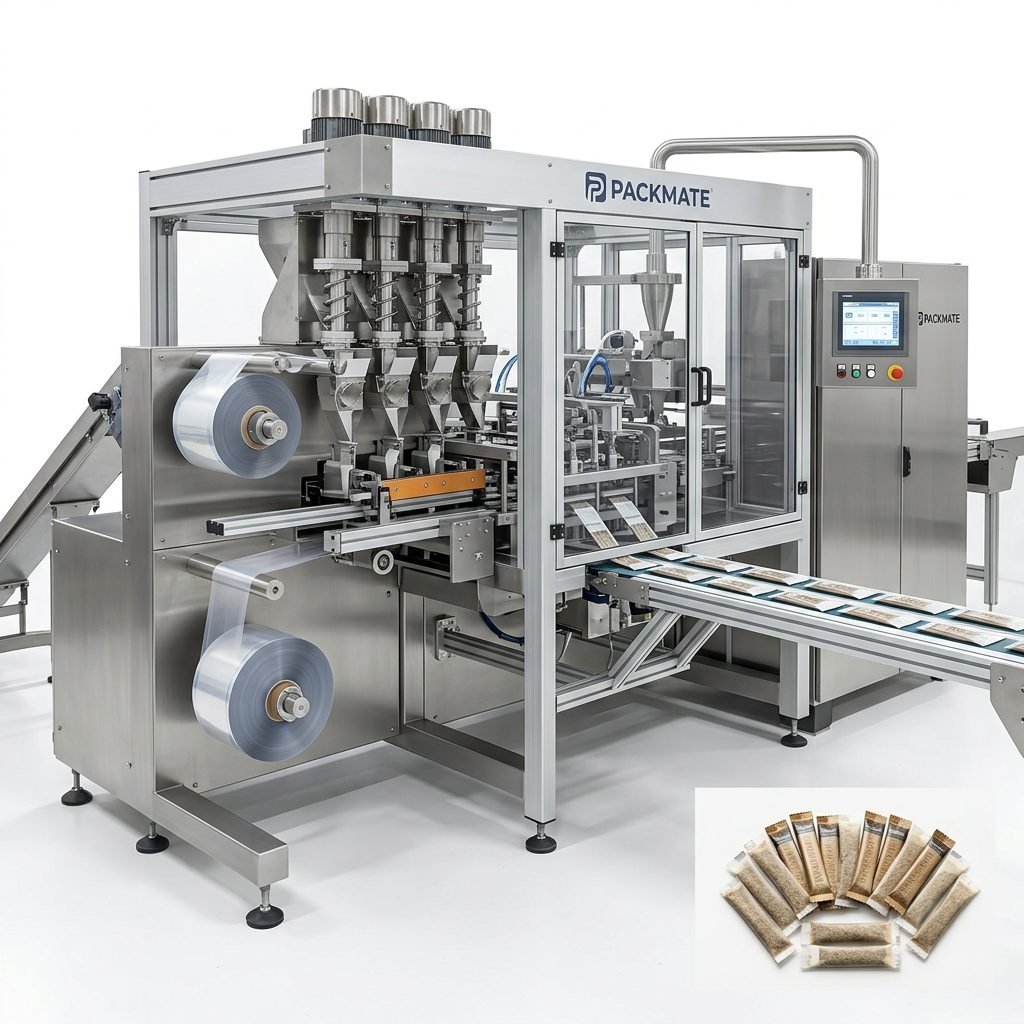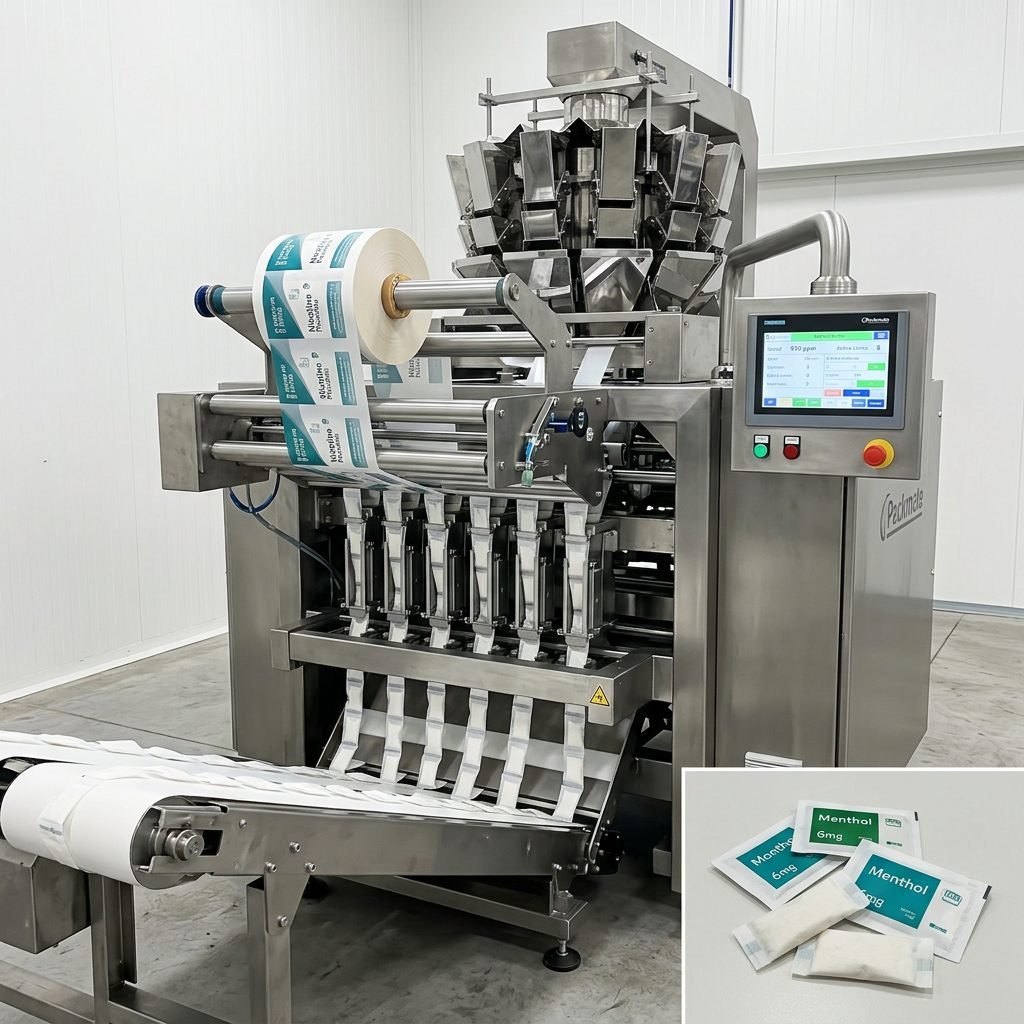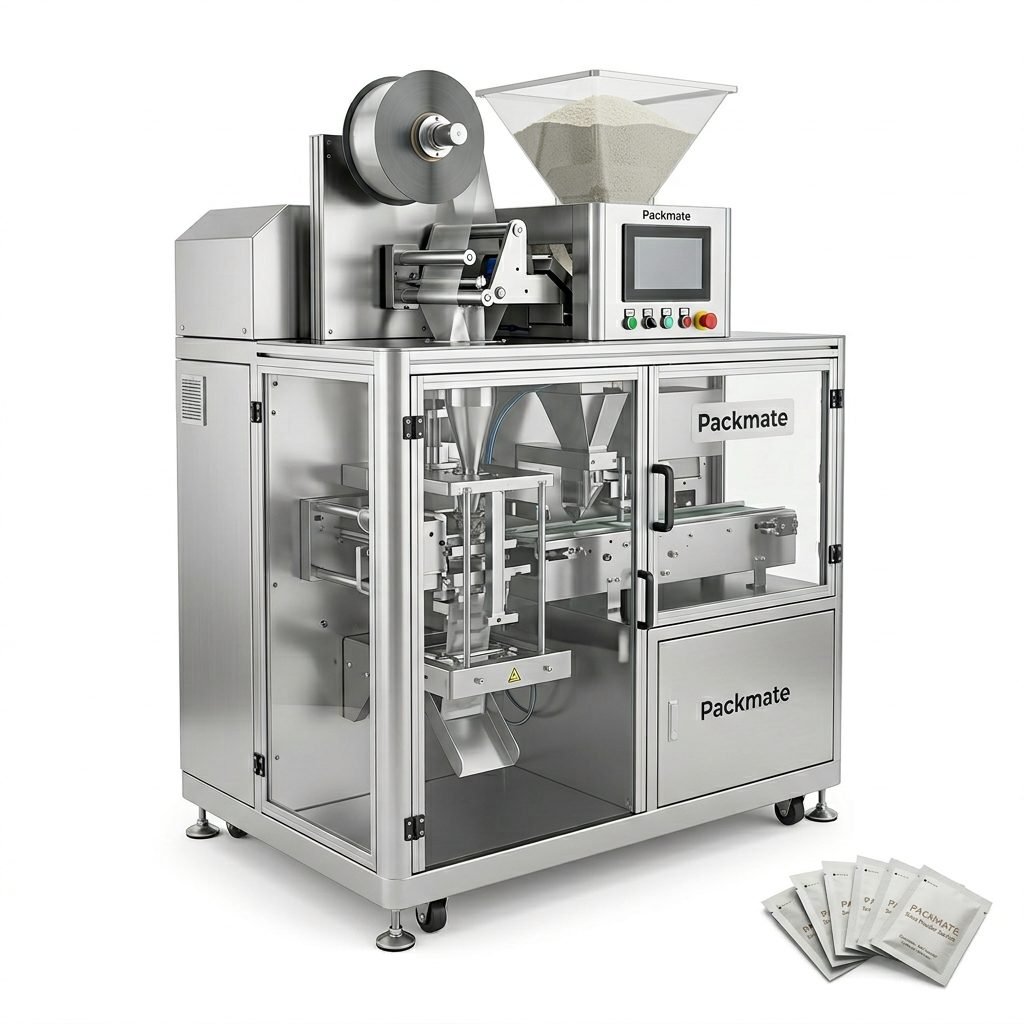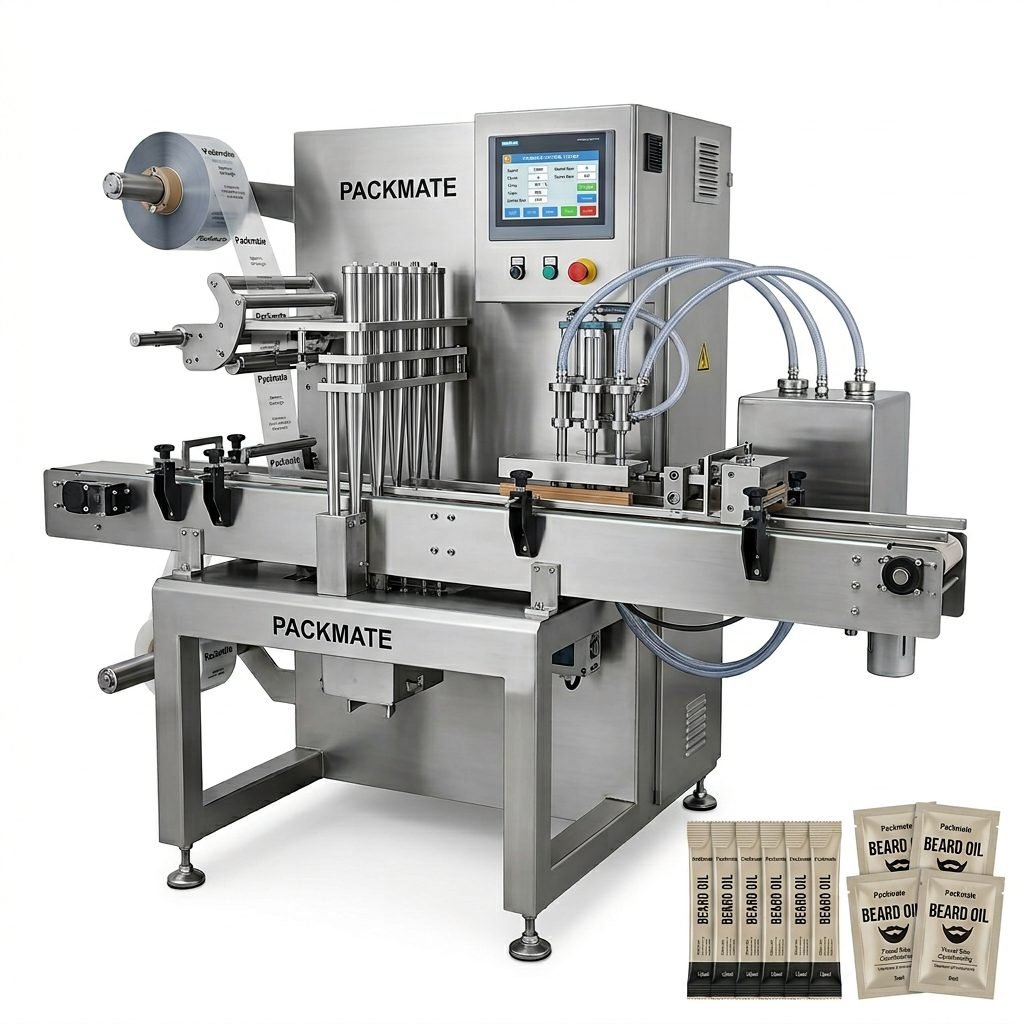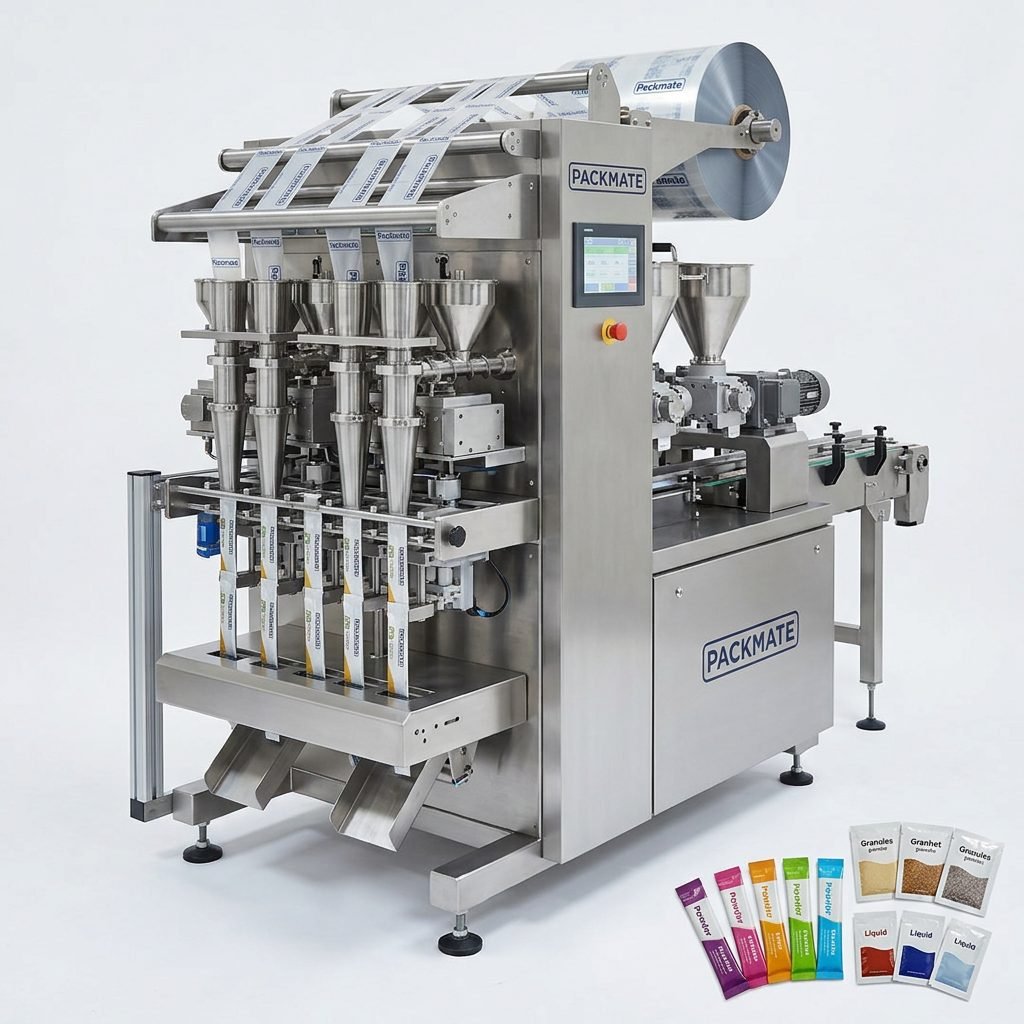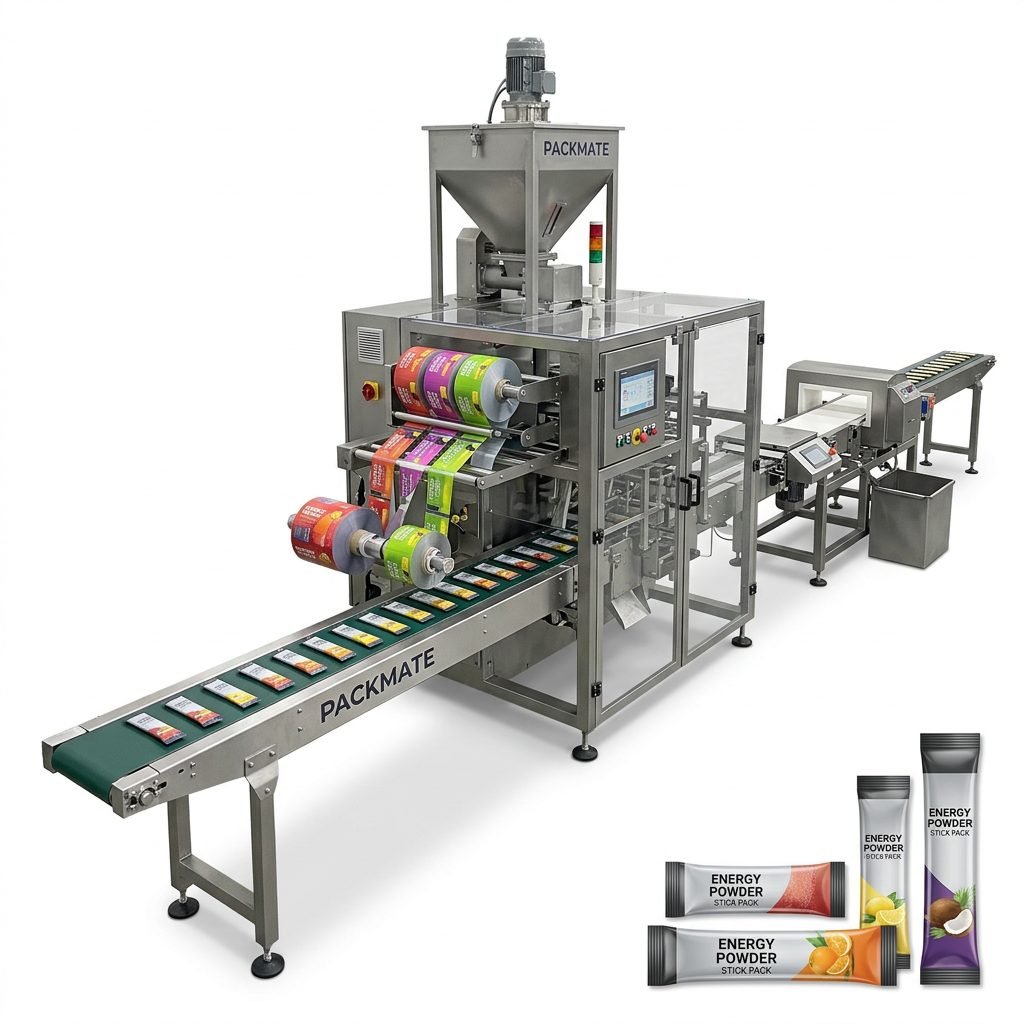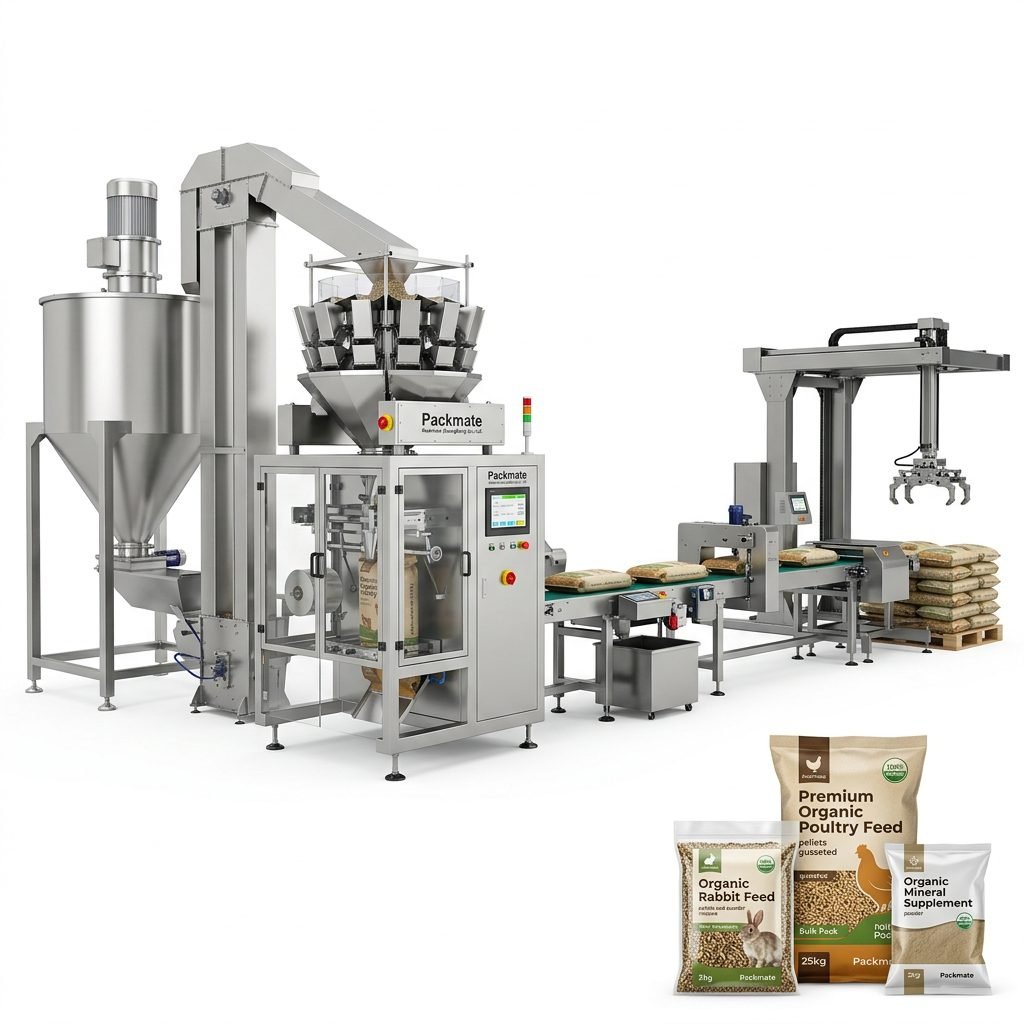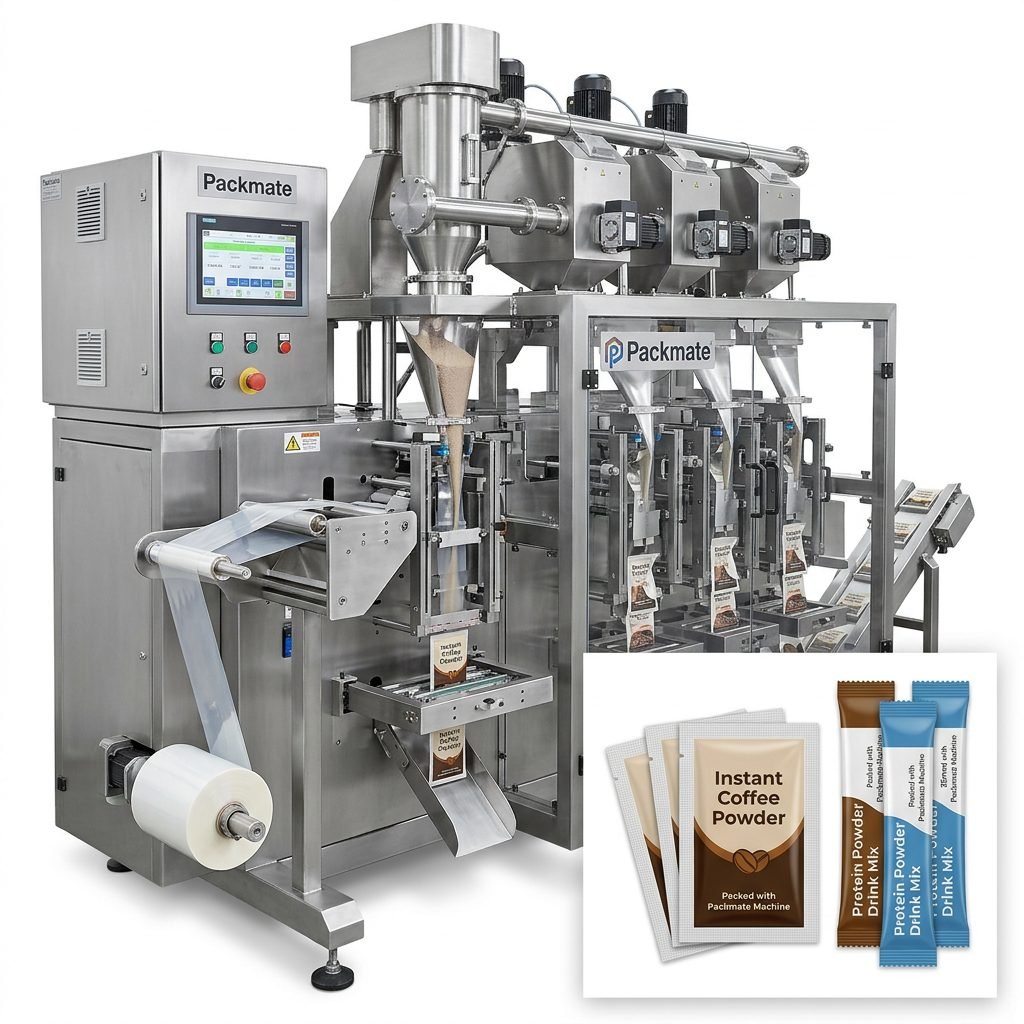
In the competitive landscape of food and supplement manufacturing, efficiency is not just a goal—it’s a necessity. For producers of protein powder and similar nutritional products, the packaging process is a critical juncture where speed, accuracy, and hygiene converge. A high-efficiency, fully automatic packaging line is the cornerstone of modern production, transforming raw powder into market-ready products with minimal human intervention and maximum reliability.
The Core Components of a Complete Protein Powder Packaging Line
An integrated packaging solution is more than just a single machine; it’s a symphony of specialized equipment working in unison. A typical high-performance line for protein powder includes several key stations, each designed for a specific, crucial task.
Primary Line Stages:
- Automatic Feeding & Dosing System: Precisely meters the exact amount of powder, ensuring consistent fill weight and minimizing product giveaway.
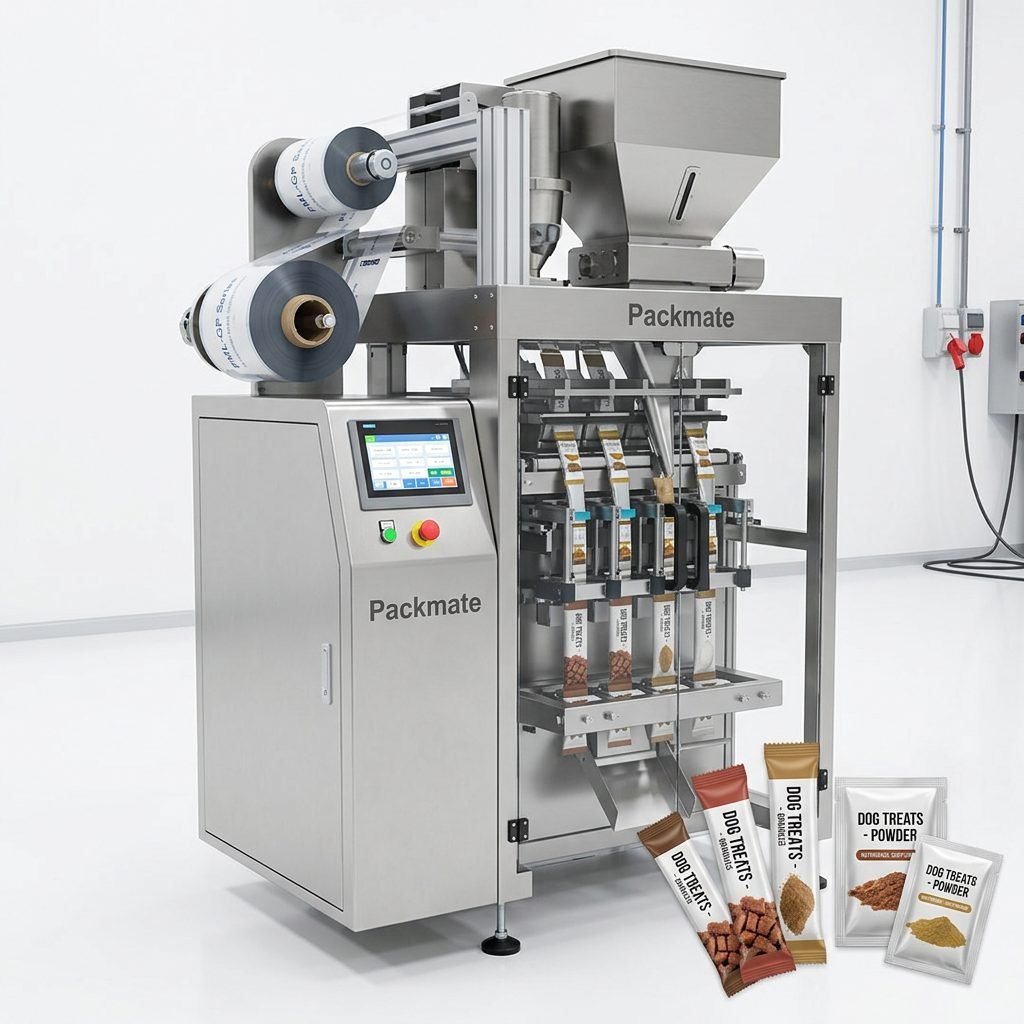
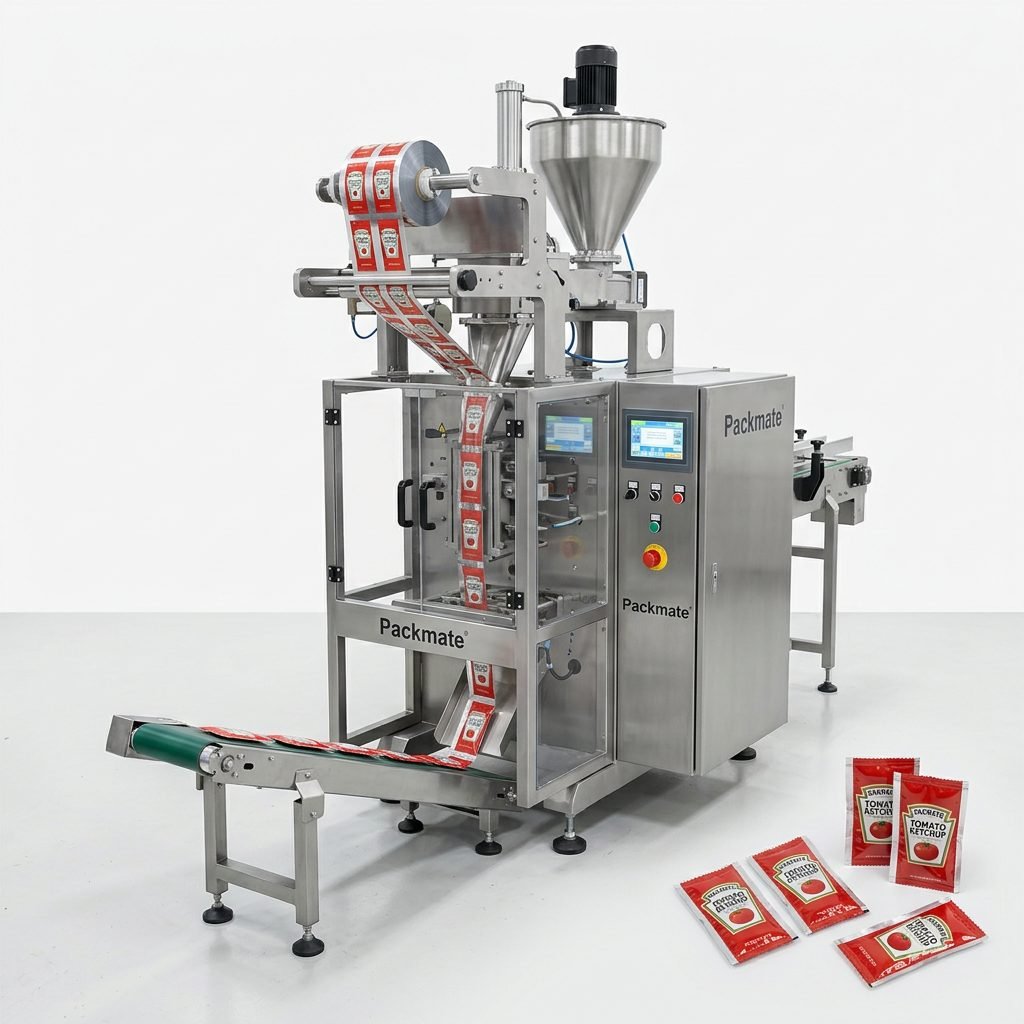
- Form-Fill-Seal (FFS) Machine: The heart of the line. It forms the packaging from roll stock, fills it with the dosed powder, and seals it—all in one continuous, high-speed operation.
- Metal Detector & Checkweigher: Integrated quality control modules that scan for foreign contaminants and verify package weight, safeguarding brand integrity.
- Cartoning & Secondary Packaging: Automatically collates individual sachets or sticks into boxes or cartons, ready for shipping and retail display.
Why Automation is Non-Negotiable for Modern Manufacturers
The shift from semi-automatic to fully automatic systems is driven by tangible, bottom-line benefits that directly impact a manufacturer’s competitiveness and scalability.
Dramatically Increased Output: Automated lines operate 24/7 with consistent speed, far surpassing manual or semi-automatic methods. This allows manufacturers to meet large orders and scale production up or down with market demand. For insights into scalable solutions, explore our dedicated Solutions page.
Unmatched Precision and Consistency: Human error in weighing and filling is eliminated. Every single packet contains the exact promised amount, which is critical for compliance, customer trust, and cost control. This level of precision is a hallmark of the engineering you can see in our real-world case studies.
Enhanced Hygiene and Product Safety: A closed, automated system minimizes powder exposure to the factory environment, significantly reducing the risk of contamination. This is paramount for products consumed for health and wellness.
Reduced Labor Costs and Dependency: While skilled technicians are needed for supervision and maintenance, the need for a large manual packaging workforce is drastically reduced, leading to long-term operational savings.
Selecting the Right Partner for Your Packaging Line
Investing in a complete packaging line is a significant decision. The choice of equipment supplier is as important as the technology itself. A reliable partner brings more than just hardware; they bring expertise, support, and a commitment to your success.
Look for a supplier with a proven track record in your specific industry. For over 30 years, Packmate (GuangDong) Co., Ltd. has focused on delivering intelligent, turnkey solutions for the food and health sectors. Our deep understanding of materials like protein powder—which can be cohesive, aerated, or hygroscopic—informs every aspect of our machine design, from the auger filler technology to the sealing parameters.
Key Supplier Qualifications:
✅ Industry-Specific Experience: Demonstrated success with powder products.
✅ Turnkey Capability: Ability to provide a complete, integrated line, not just isolated machines.
✅ Robust Testing & Support: Offers factory acceptance testing and comprehensive after-sales service.
✅ Global Compliance Knowledge: Understands the regulatory standards for your target markets.
A partner’s manufacturing capability is a direct indicator of quality. Operating from a modern 20,000㎡ facility, Packmate houses over 100 sets of advanced production equipment. This vertical integration allows for stringent quality control at every manufacturing stage, ensuring that every line delivered is built for durability and performance. You can learn more about our foundations on our detailed Company Profile page.
Future-Proofing Your Investment: Flexibility and Smart Features
The best packaging lines are designed with the future in mind. Market trends shift, new products are launched, and sustainability demands grow. A flexible line can adapt without requiring a complete overhaul.
Quick Changeover: Look for systems that allow for rapid switching between different package sizes or formats (e.g., from stick packs to sachets), minimizing downtime during production runs.
IoT and Data Integration: Modern lines can be equipped with sensors and connectivity for real-time monitoring of OEE (Overall Equipment Effectiveness), production counts, and maintenance alerts. This data is invaluable for continuous process improvement.
Sustainable Packaging Compatibility: As consumers and regulators push for eco-friendly options, ensure your line can handle recyclable or compostable film materials without compromising seal integrity or speed.
Staying ahead of technology is part of our ethos. We actively engage with global trends and innovations, often showcased at international industry exhibitions, to ensure our solutions meet tomorrow’s challenges today.
Conclusion: The Strategic Advantage of Automation
For food and supplement manufacturers, deploying a high-efficiency, automatic packaging line for protein powder is a strategic move that goes beyond mere machinery. It is an investment in brand protection, operational excellence, and market agility. It ensures that your product reaches the consumer with consistent quality, in attractive packaging, and at a competitive cost. In an industry where trust is paramount, the reliability of your packaging process is a silent ambassador for your brand’s values.
By partnering with an experienced provider like Packmate, you gain more than equipment; you gain a collaborative team dedicated to optimizing your production workflow from start to finish. From the initial concept discussed on our Home page to ongoing technical support, the goal is to build a packaging system that becomes a reliable, productive asset for your business for years to come.
Frequently Asked Questions (FAQs)
1. What is the typical output speed of an automatic protein powder packaging line?
Speeds vary based on package type and size. For small stick packs or sachets, modern multi-lane lines can achieve speeds from 200 to over 1,000 packets per minute. The exact configuration is tailored to your production targets during the planning phase.
2. Can one line handle different types of protein powder (whey, plant-based, etc.)?
Yes, a well-designed line is highly versatile. However, different powders have different flow characteristics (e.g., whey isolate vs. pea protein). The dosing system (e.g., auger design) and sometimes the film material may need adjustment or specific options to handle various products optimally without cross-contamination.
3. How does the line ensure accurate filling and prevent waste?
Precision is achieved through advanced servo-driven auger fillers or weight-based fillers that are calibrated for the specific powder. An integrated checkweigher rejects any under or over-filled packets, and feedback systems can automatically fine-tune the filler in real-time, minimizing giveaway.
4. What kind of maintenance does an automatic packaging line require?
Regular preventative maintenance is key for longevity. This includes daily cleaning, lubrication of moving parts as per the manual, and inspection of seals and wear parts. A reputable supplier will provide detailed maintenance schedules and training for your technicians, and offer reliable service and support.
5. How long does it take to install and commission a complete new line?
The timeline depends on the line’s complexity. After manufacturing and factory testing, on-site installation and commissioning by factory engineers typically take 1-3 weeks. This includes assembly, calibration, test runs with your actual product, and operator training to ensure a smooth handover to full production.