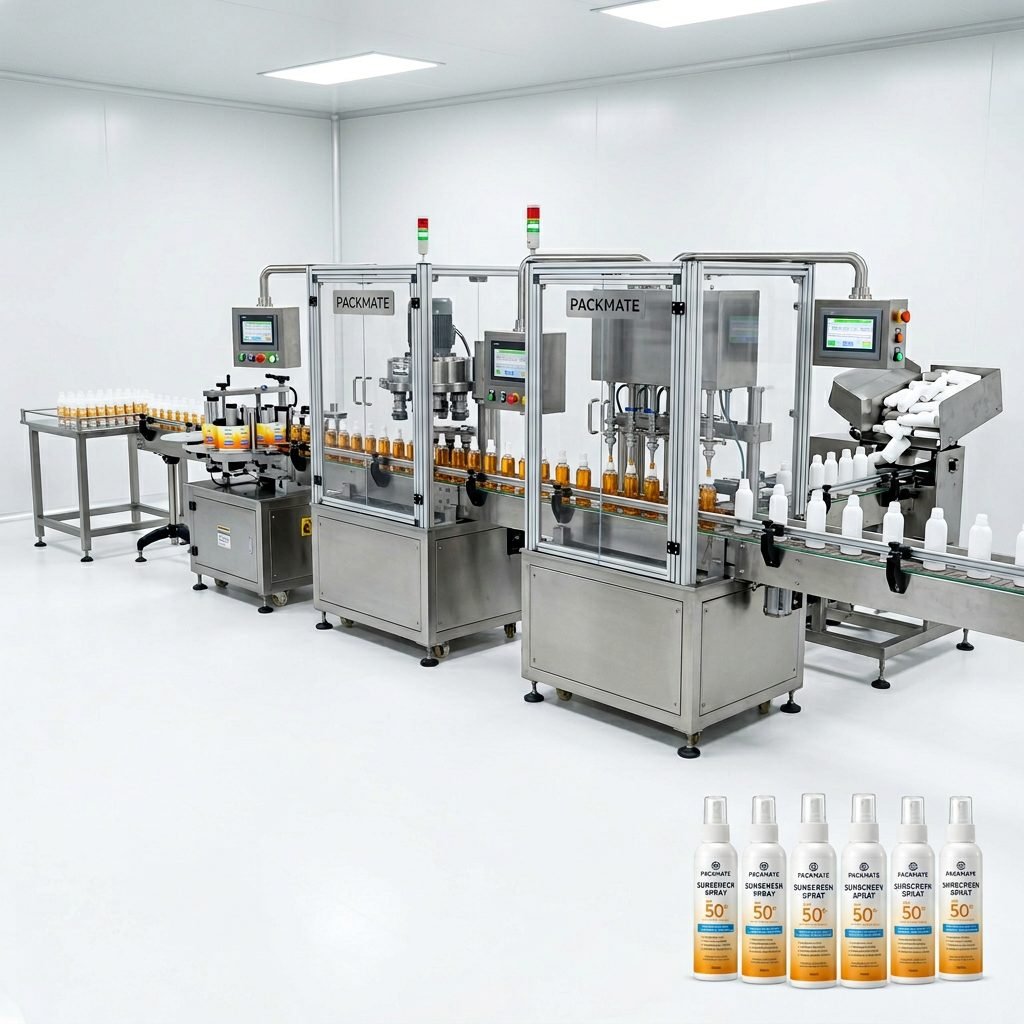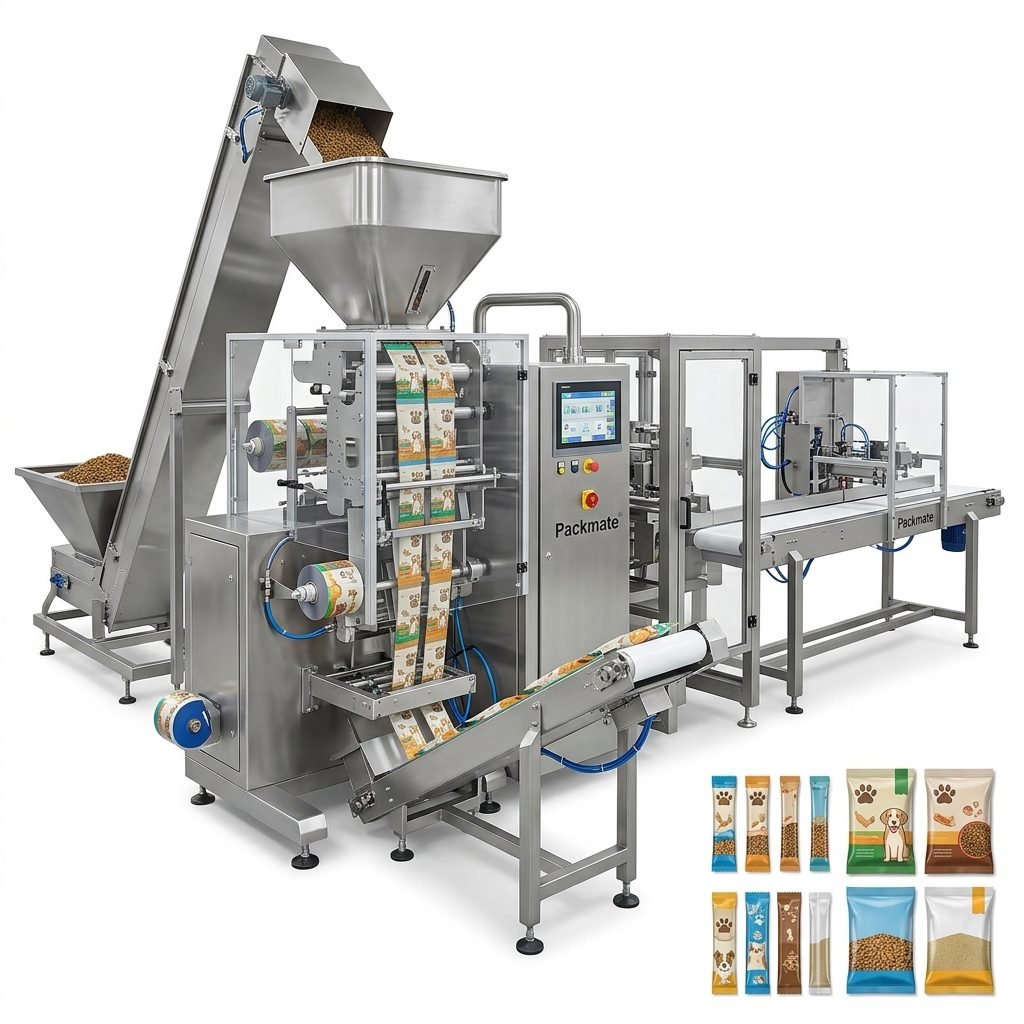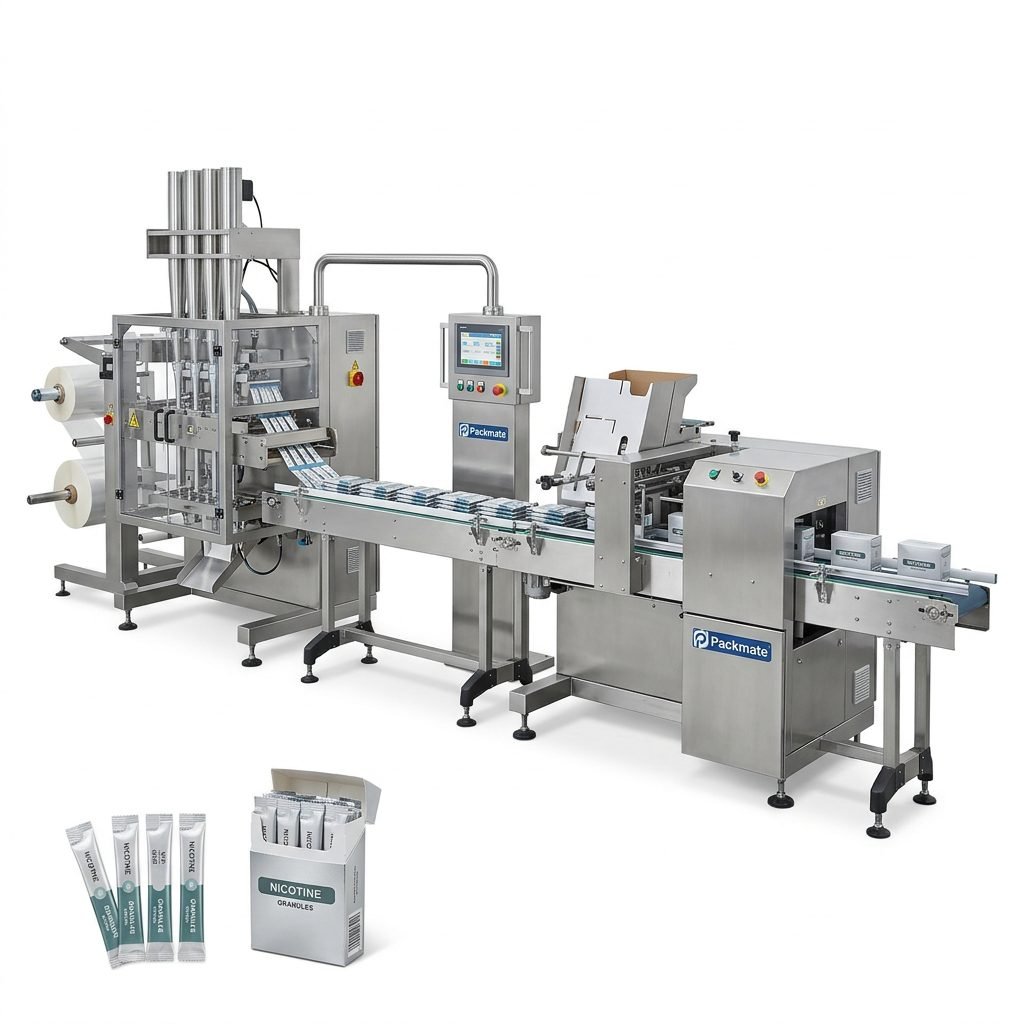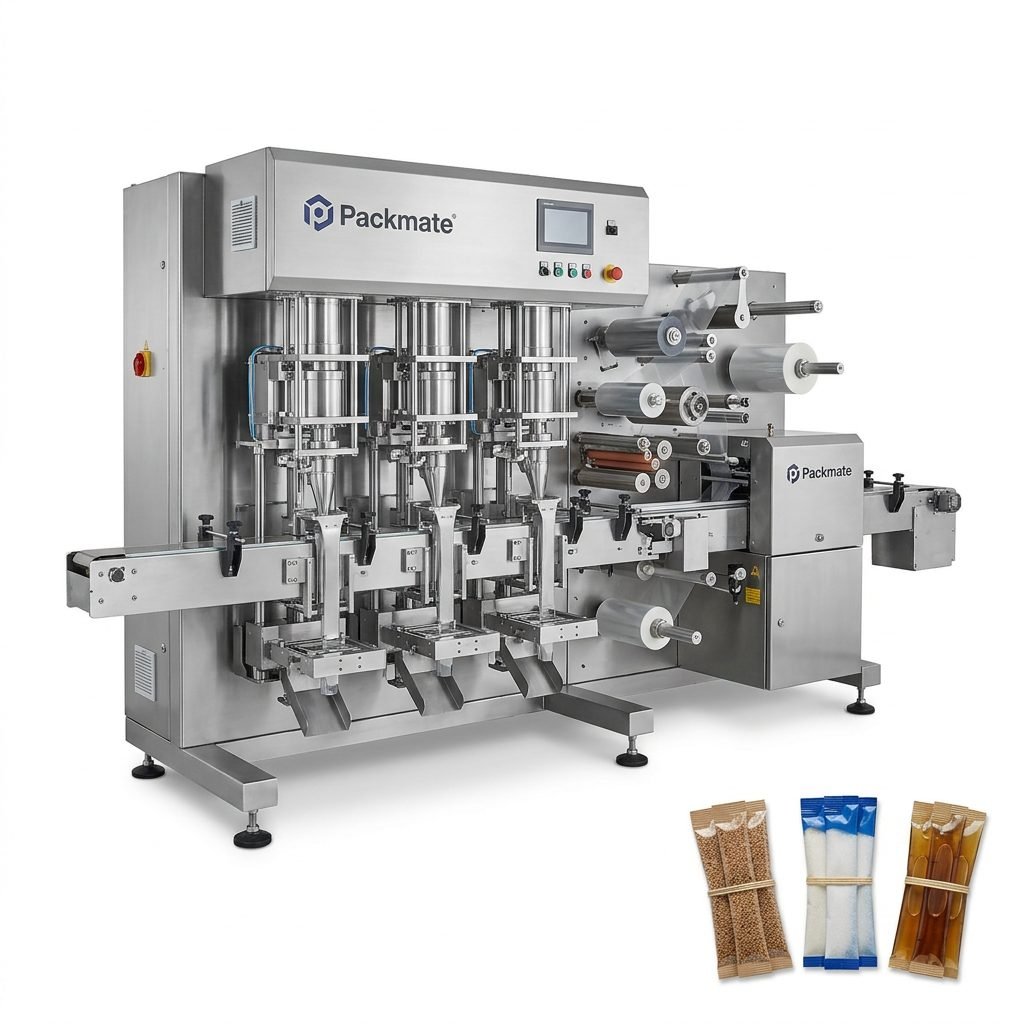
In the fast-paced world of manufacturing, every minute of production downtime directly impacts the bottom line. For packaging operations, changeovers—the process of switching a production line from running one product to another—represent a significant and often underestimated source of lost time. Efficient changeover management is not just a logistical task; it’s a critical strategic lever for boosting Overall Equipment Effectiveness (OEE) and maintaining competitive advantage. This article delves into proven packaging line changeover solutions, offering actionable strategies to minimize downtime and maximize productivity.
The High Cost of Inefficient Changeovers
Before exploring solutions, it’s crucial to understand the true cost of a slow changeover. Downtime during a switchover is pure waste: no product is being made, but fixed costs like labor, energy, and equipment depreciation continue to accrue. This period of non-production erodes your OEE, a key metric that multiplies availability, performance, and quality rates. A lengthy, complex changeover also increases the risk of errors, leading to start-up waste, product rejects, and potential quality issues that further degrade OEE. In industries with short product lifecycles and high-mix production, like food, pharmaceuticals, and health products, these inefficiencies can severely constrain flexibility and responsiveness to market demands.
Key Impact Areas:
- Lost Production Capacity: Time spent changing over is time not spent manufacturing sellable goods.
- Increased Labor Costs: Extended changeovers often require more personnel for longer periods.
- Higher Inventory Levels: To compensate for long changeover times, companies often produce larger batches, leading to excess inventory and associated carrying costs.
- Reduced Flexibility: Slow changeovers make it economically unviable to run small batches, limiting the ability to respond to custom or urgent orders.
Core Strategies for Streamlined Packaging Line Changeovers
Reducing changeover time is a systematic process, often guided by the SMED (Single-Minute Exchange of Die) methodology. Originally developed for stamping presses, its principles are perfectly applicable to packaging machinery. The goal is to convert as many changeover steps as possible from internal (tasks that can only be done when the machine is stopped) to external (tasks that can be completed while the machine is still running).
1. Separate Internal and External Setup Operations
The first step is a thorough analysis. Videotape or meticulously document a complete changeover. Categorize every task: Is it an internal setup (machine must be off) or an external setup (can be done while machine runs)? Common external tasks include gathering tools, preparing new packaging materials (film, cartons, labels), pre-setting parameters on the HMI, and staging components like forming tubes or filler nozzles. By moving 30-50% of tasks to external setup, the actual downtime can be dramatically slashed.
2. Convert Internal to External Setup
This is where innovation and preparation pay off. For a packaging line, this could involve:
- Pre-assembled Tool Kits: Dedicated carts or shadow boards with all tools and calibration gauges needed for a specific product change.
- Standardized Adjustments: Using quick-release clamps, locating pins, and numbered settings instead of manual loosening, aligning, and tightening. For instance, servo-driven adjustments that can be pre-programmed and recalled.
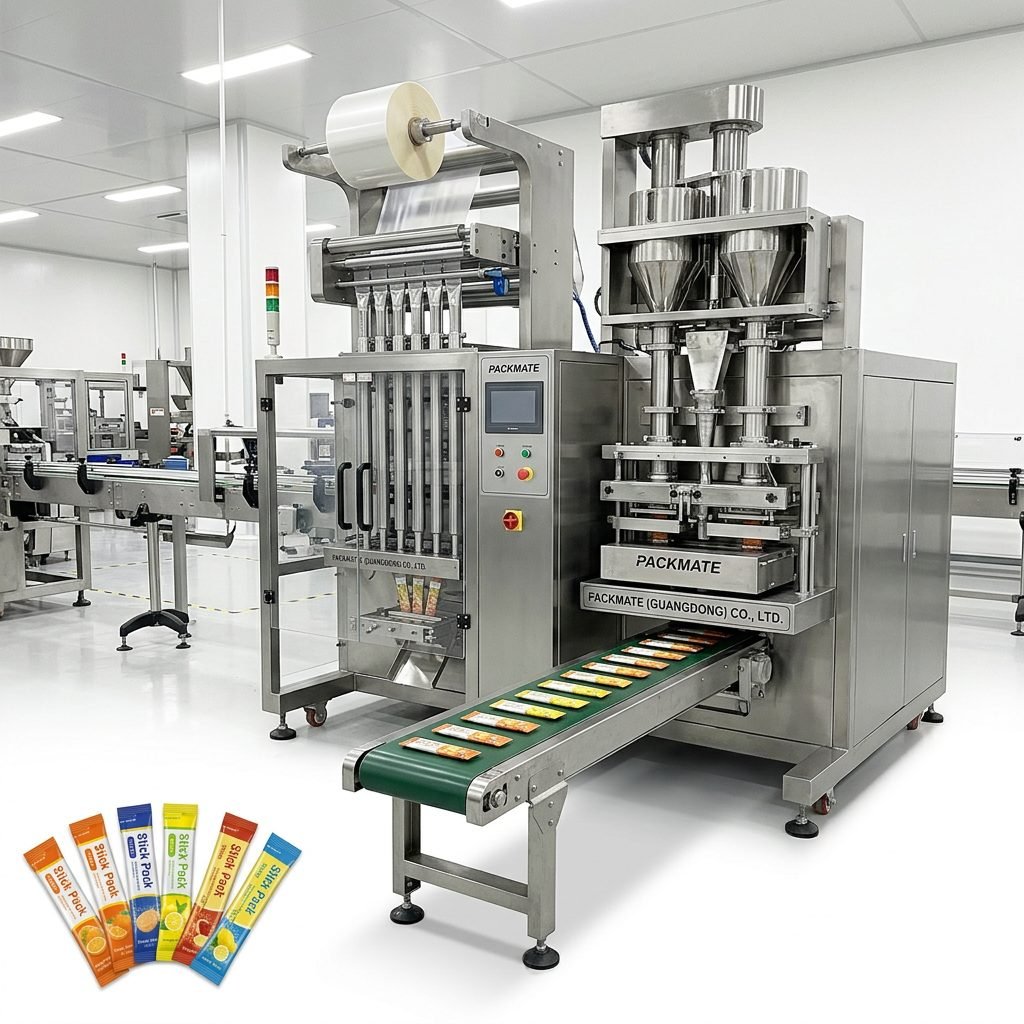
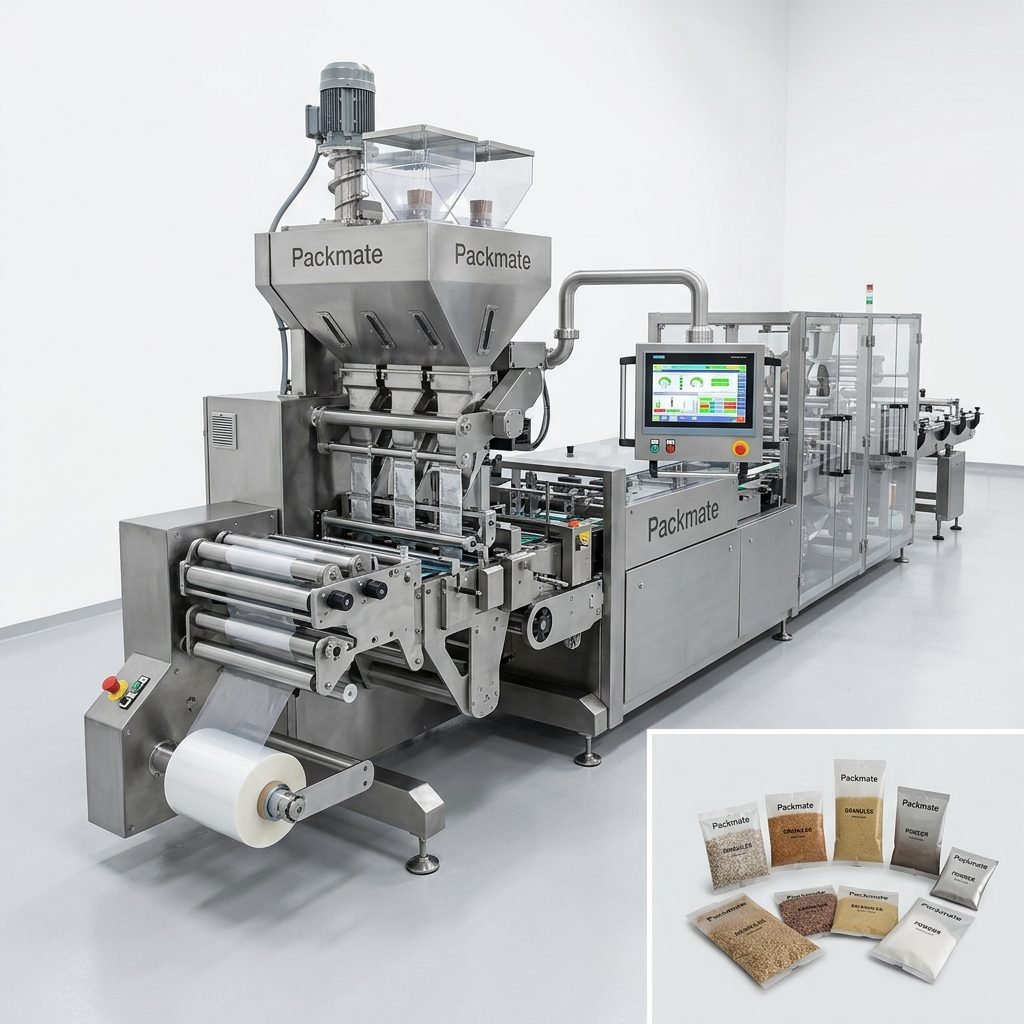
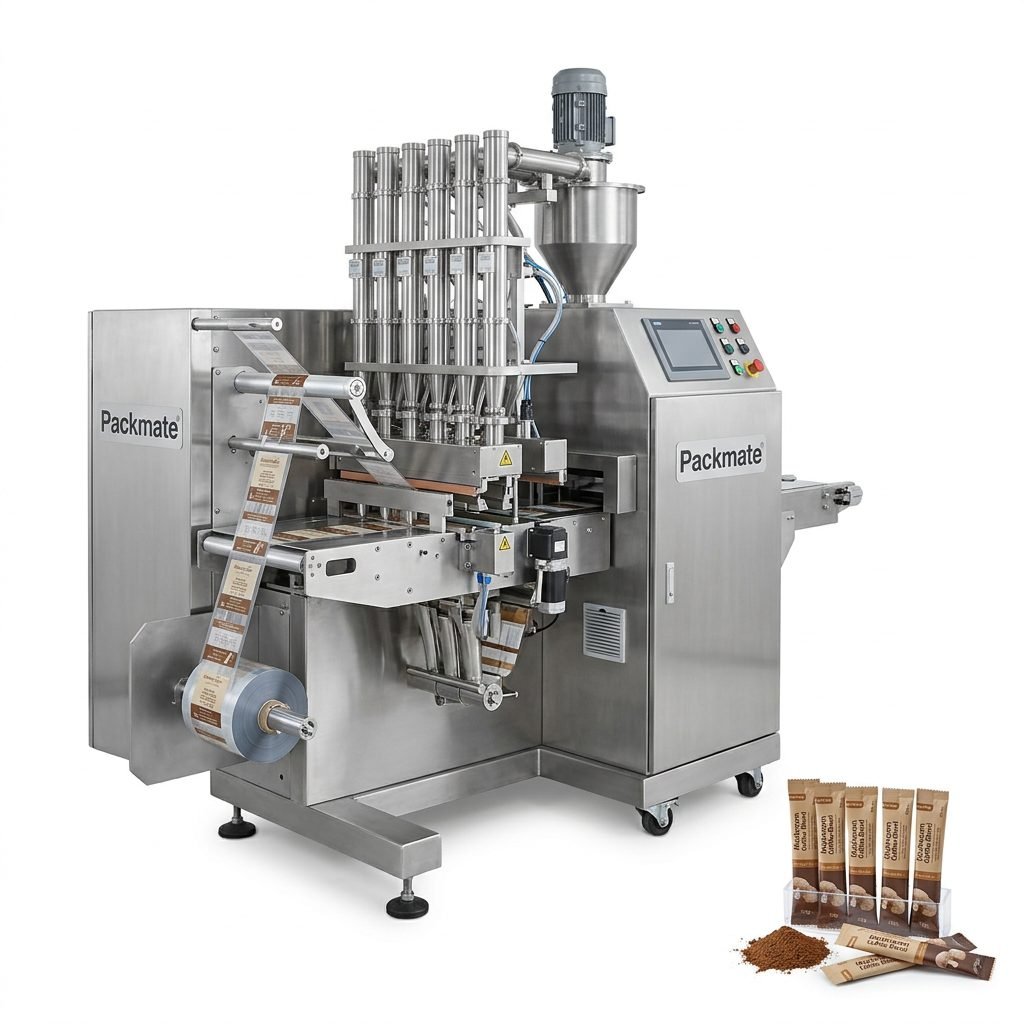
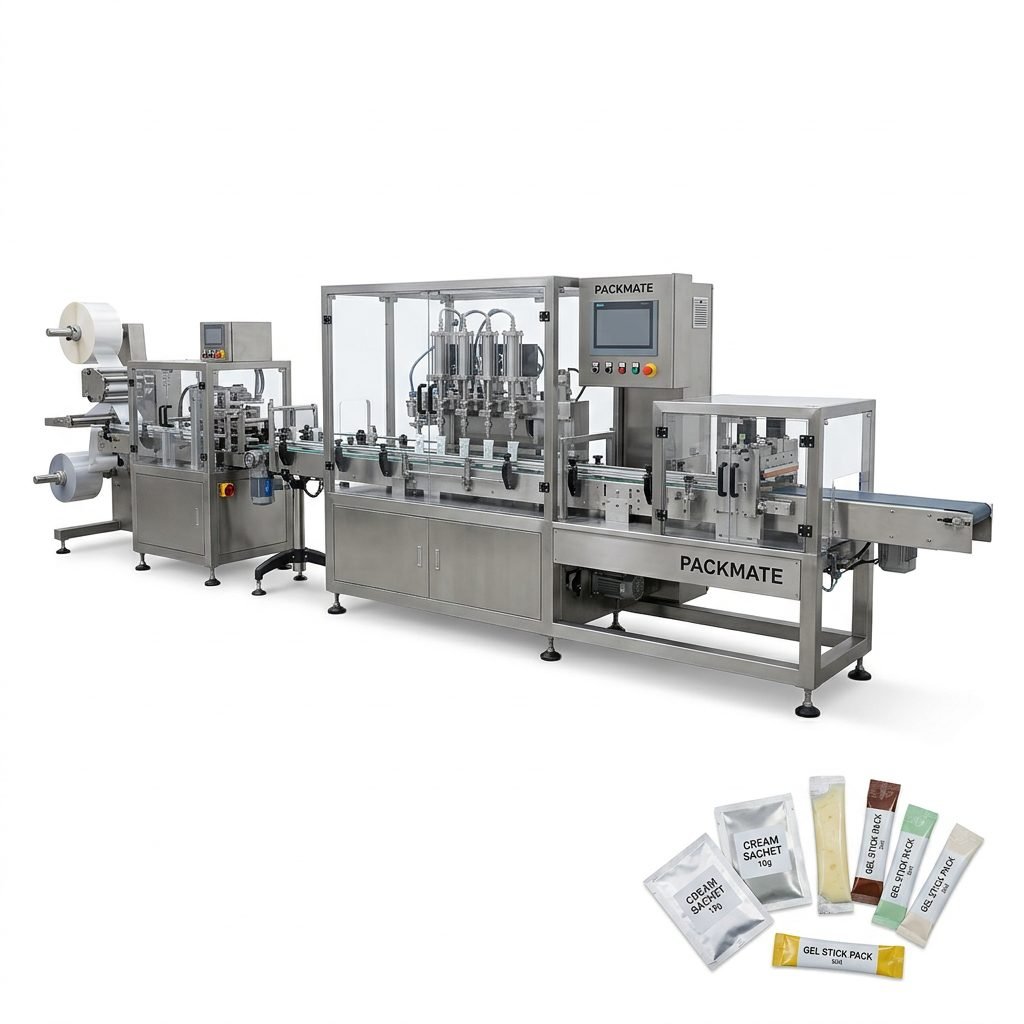
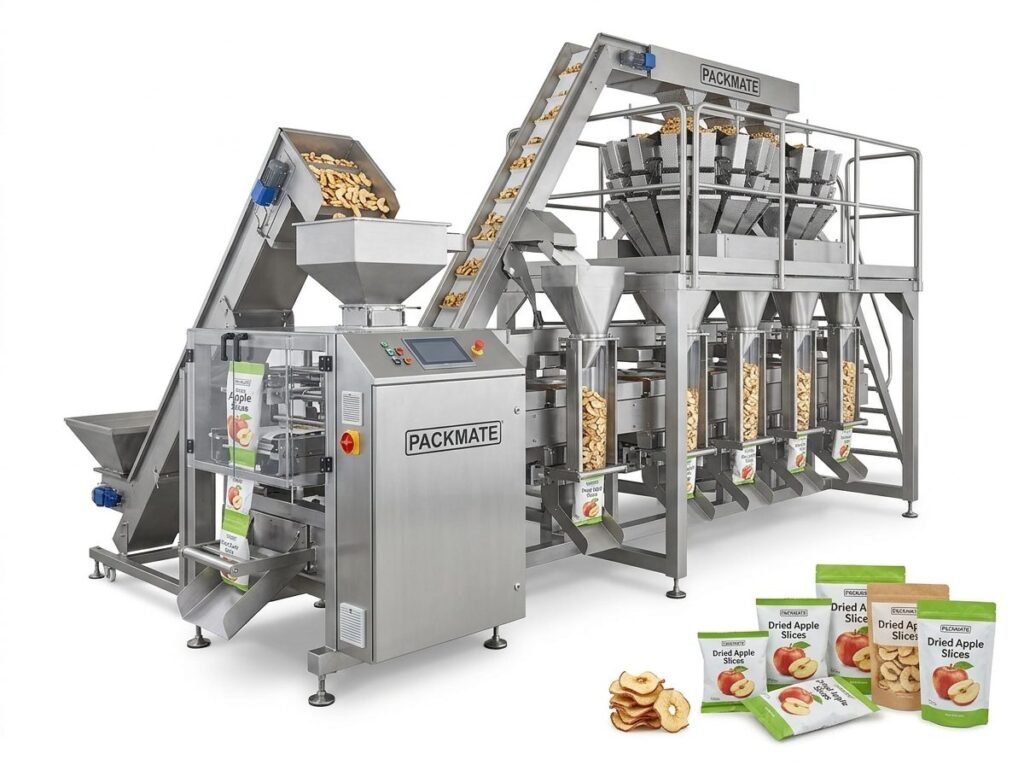
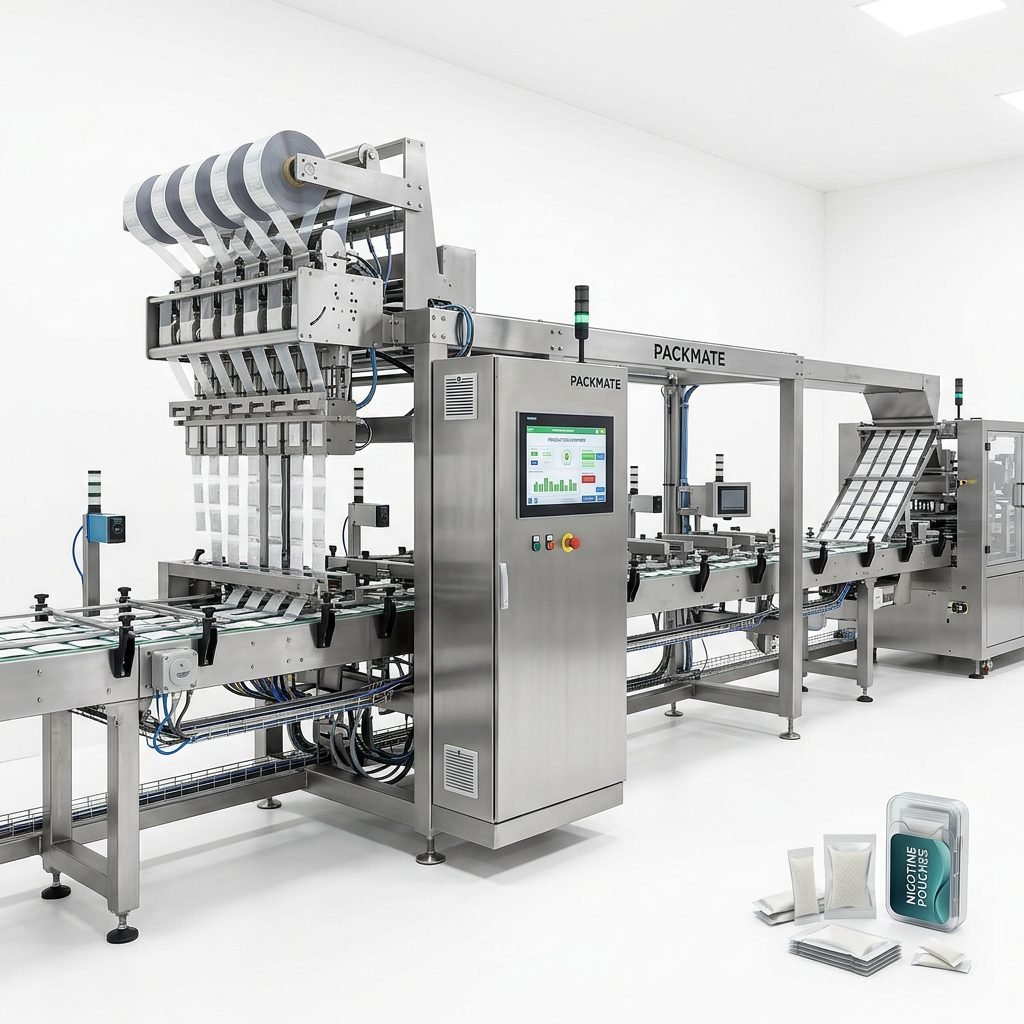
- Modular Components: Designing quick-change modules for critical parts. Instead of adjusting a complex film forming shoulder, swap the entire pre-set assembly unit. Companies like Packmate specialize in designing packaging lines with such modularity in mind, facilitating faster swaps.
3. Streamline All Aspects of the Setup Operation
Optimize the remaining internal tasks. This involves eliminating adjustments, implementing parallel operations, and using functional clamping. For example, using one-turn bolts instead of multiple-turn ones, having two operators work on different ends of the machine simultaneously, and ensuring all connections are foolproof and ergonomic. The focus is on motion economy—minimizing the movement, searching, and effort required by technicians.
Technology Enablers for Faster Changeovers
Modern packaging machinery integrates technologies that are pivotal for quick changeovers:
- Recipe Management Systems: Centralized HMI systems that store all machine parameters (speeds, temperatures, fill volumes, seal pressures) for each product. A changeover becomes a matter of selecting the next product recipe and loading it, with the system auto-adjusting many settings.
- Servo-Driven Actuators: Replace mechanical linkages and cams. Changeovers that required physical gear changes or cam swaps can now be done via software commands, reducing internal setup time to seconds.
- Quick-Connect Interfaces: For product feed lines, air supplies, and electrical connections. Color-coded, foolproof couplings prevent errors and speed up disconnection/reconnection.
- Augmented Reality (AR) Guides: Emerging technology where technicians wear AR glasses that overlay step-by-step instructions, highlight components to change, and provide visual torque settings, reducing training time and human error.
Boosting OEE Through Effective Changeover Management
OEE is the product of Availability, Performance, and Quality. Efficient changeovers directly and positively impact all three factors.
- Availability ↗: This is the most direct link. By minimizing unplanned stops and drastically reducing planned changeover time, machine availability increases. More time is available for value-added production.
- Performance ↗: A smooth, well-executed changeover leads to a faster, more stable ramp-up to target speed. Machines reach optimal cycle times quicker after a switch, reducing minor stoppages and speed losses often associated with post-changeover tweaking.
- Quality ↗: Standardized, error-proofed changeover processes reduce the variability introduced during setup. This leads to fewer start-up rejects, less off-spec material, and more consistent product quality right from the first package. You can explore real-world applications of these principles in our detailed case studies.
Implementing a continuous improvement culture is essential. This involves regularly reviewing changeover procedures, timing them, and involving frontline operators in brainstorming for further improvements. Tools like changeover logs and Pareto charts of delay reasons help identify recurring issues. For comprehensive support in this journey, our full suite of technical services is designed to help clients optimize their line performance post-installation.
Implementing a Sustainable Changeover Program
Success requires more than just technical fixes; it demands organizational commitment.
- Cross-Functional Team: Assemble a team involving production, maintenance, engineering, and quality. Operators who perform the changeovers have invaluable practical knowledge.
- Document Standard Work: Create clear, visual Standard Operating Procedures (SOPs) for every changeover. Use photos, diagrams, and checklists.
- Invest in Training: Ensure all personnel are trained not just on the “how,” but also the “why” behind the new procedures. Consistency is key.
- Measure and Celebrate: Track changeover time (from last good pack to first good pack of the new product) and OEE metrics. Set goals, share progress, and celebrate improvements to maintain momentum. Learn more about our company’s commitment to innovation and support on our About Us page.
Ultimately, viewing changeover optimization as a core competency rather than a necessary evil transforms it from a cost center into a source of agility and profit. By systematically attacking downtime, companies unlock hidden capacity, improve delivery times, and enhance their ability to meet diverse customer needs. For businesses looking to build or upgrade their packaging lines with changeover efficiency as a priority, reviewing the right packaging solutions from the design phase is the most strategic first step.
Frequently Asked Questions (FAQs)
1. What is a realistic goal for reducing changeover time?
While “single-minute” is the SMED ideal, a 50-70% reduction in current changeover time is a highly achievable and valuable initial goal for most packaging lines. The focus should be on continuous, incremental improvement rather than an immediate perfect state.
2. Can SMED principles be applied to older, mechanical packaging machines?
Absolutely. While newer servo-driven machines offer more inherent flexibility, 80% of SMED benefits come from organizational and preparatory steps—separating internal/external tasks, better tool organization, and standardized procedures—which can be applied to any machine, significantly improving its changeover performance.
3. How do we justify the investment in quick-change components or new machinery?
The justification is based on Return on Investment (ROI) through regained production capacity. Calculate the value of the product produced per minute. Multiply that by the minutes of downtime saved per changeover, then by the number of changeovers per year. This quantifies the annual savings, which can be compared against the investment cost. Often, the payback period is surprisingly short.
4. Who should be responsible for leading changeover improvement projects?
It should be a collaborative effort led by a dedicated continuous improvement lead, production manager, or engineering head, but must include the operators and technicians who perform the tasks daily. Their hands-on experience is critical for identifying practical problems and solutions.
5. How does efficient changeover support lean manufacturing and sustainability goals?
It is a cornerstone of Lean. It reduces waste (downtime, overproduction, defects), supports flow, and enables pull-based production of smaller batches. This leads to lower inventory, less warehousing, and reduced risk of obsolescence. Furthermore, by minimizing start-up waste and energy consumption during non-productive periods, it contributes directly to environmental sustainability goals.