In today’s fast-paced global market, the demand for robust, reliable, and efficient packaging has never been higher. Industries dealing with food, pharmaceuticals, and industrial products face unique challenges: ensuring product integrity, maintaining stringent hygiene standards, optimizing supply chain logistics, and meeting ever-evolving regulatory requirements. Heavy-duty packaging systems are no longer a luxury but a critical necessity for businesses aiming to scale, protect their brand, and ensure customer safety. This article delves into the world of complete turnkey solutions for heavy-duty packaging, exploring how integrated systems are revolutionizing production lines across these vital sectors.
The Critical Role of Heavy-Duty Packaging
Heavy-duty packaging goes beyond simple containment. It is the first line of defense for products during storage, transit, and handling. For food products, it safeguards against contamination, preserves freshness, and extends shelf life. In the pharmaceutical industry, packaging is integral to patient safety, requiring tamper-evidence, child-resistance, and absolute barrier protection against moisture and light. Industrial products, from chemicals to construction materials, demand packaging that can withstand harsh conditions, prevent leaks, and facilitate safe, bulk handling.
A failure in packaging can lead to catastrophic consequences—product recalls, financial loss, legal liability, and irreparable damage to brand reputation. Therefore, investing in a packaging system engineered for heavy-duty performance is an investment in business continuity and trust.
Why Turnkey Solutions Are the Game-Changer
The concept of a “turnkey solution” is transformative. Instead of sourcing individual machines from multiple vendors and managing complex integration, a turnkey approach provides a single, seamless package. A provider like Packmate (GuangDong) Co., Ltd. designs, manufactures, installs, and commissions an entire production line tailored to specific product and output needs. This holistic method offers unparalleled advantages:
- ✔ Single Point of Responsibility: One partner manages the entire project, streamlining communication and accountability.
- ✔ Optimized Compatibility: All components—from filling and sealing to coding and cartoning—are designed to work in perfect harmony, maximizing efficiency and minimizing downtime.
- ✔ Faster Time-to-Market: With integrated project management, lines are up and running faster, allowing businesses to capitalize on market opportunities swiftly.
- ✔ Reduced Total Cost of Ownership: While the initial investment is comprehensive, it eliminates hidden costs of mismatched equipment, integration headaches, and maintenance from multiple suppliers.
Tailored Solutions for Core Industries
1. Food Industry Packaging Systems
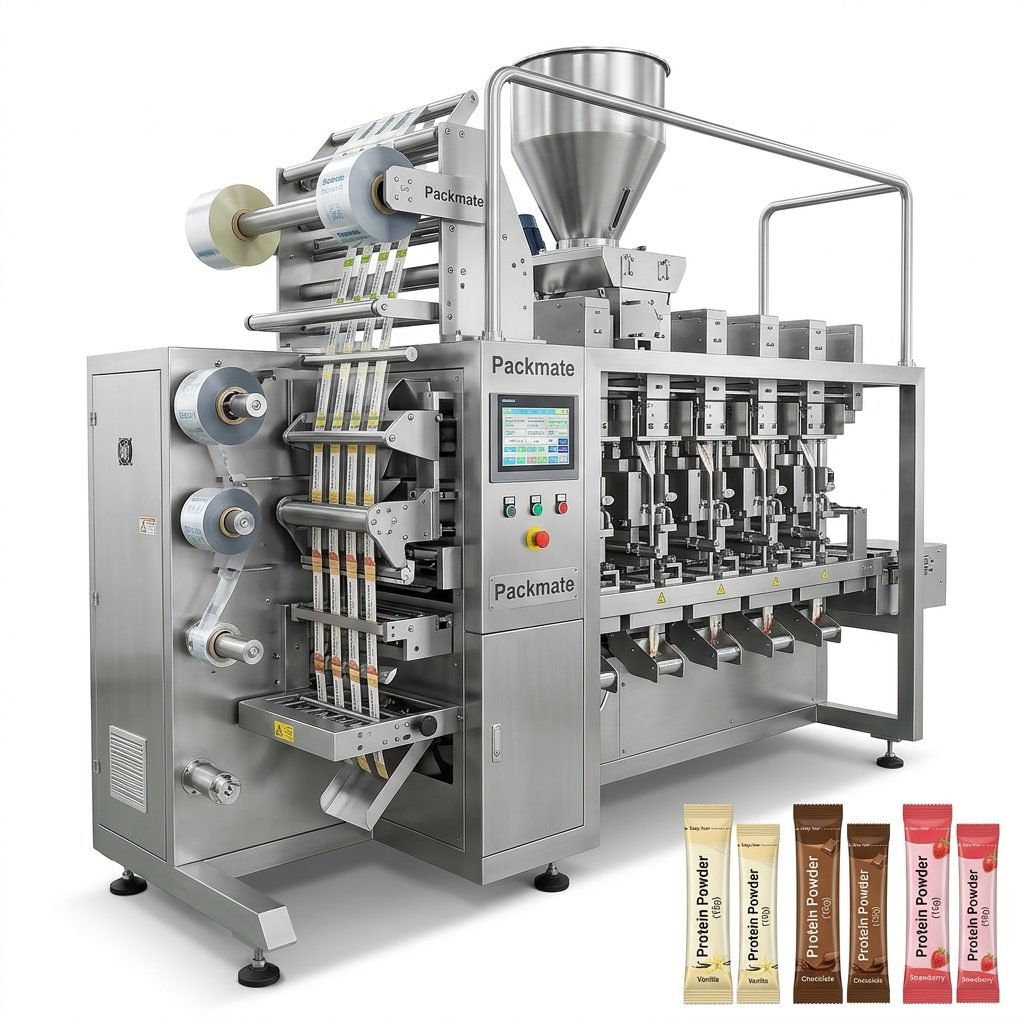
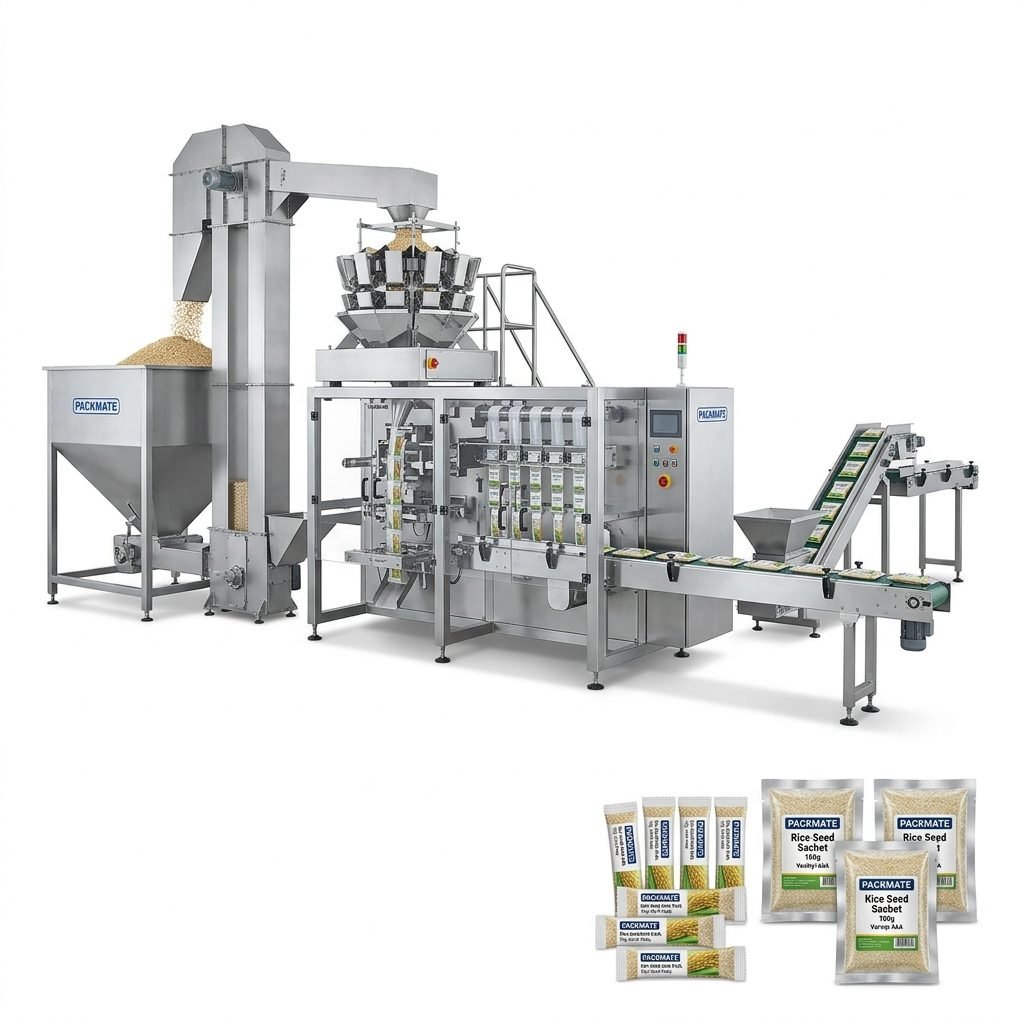
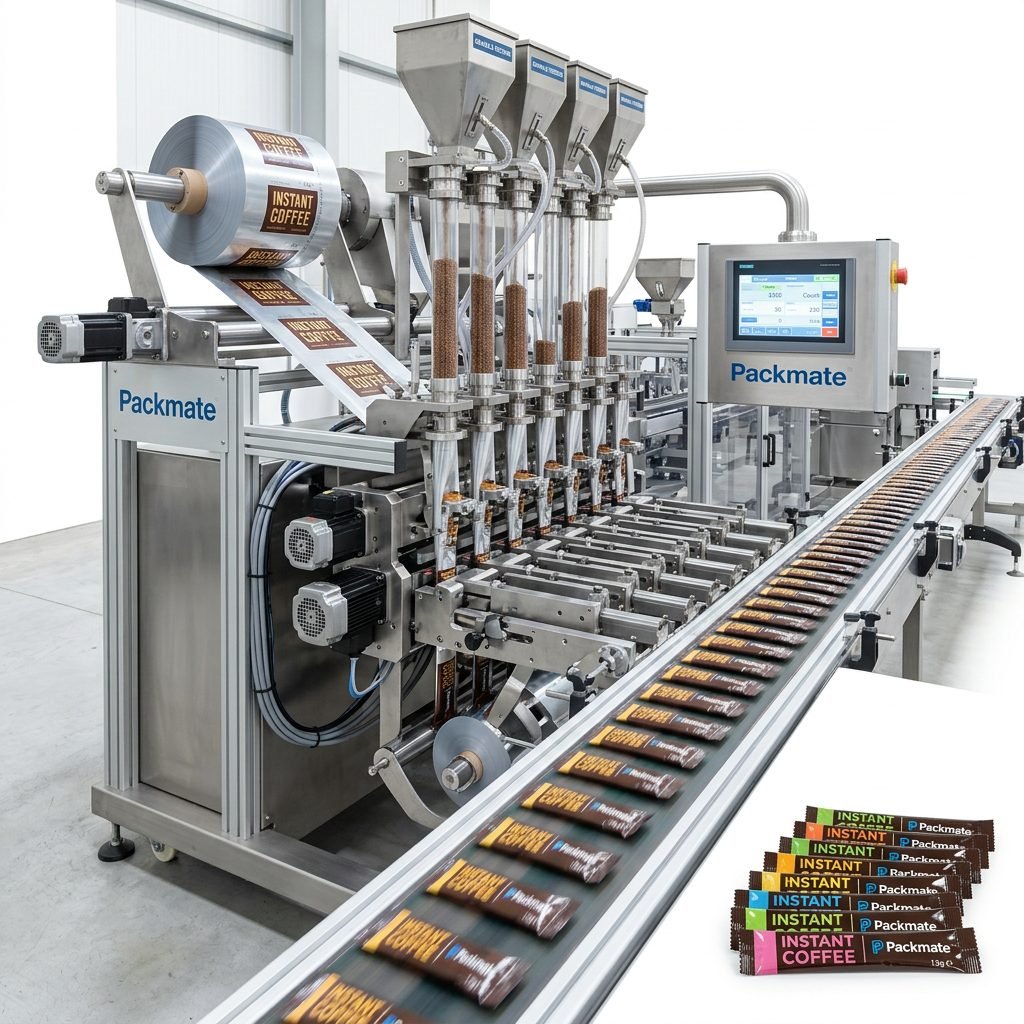
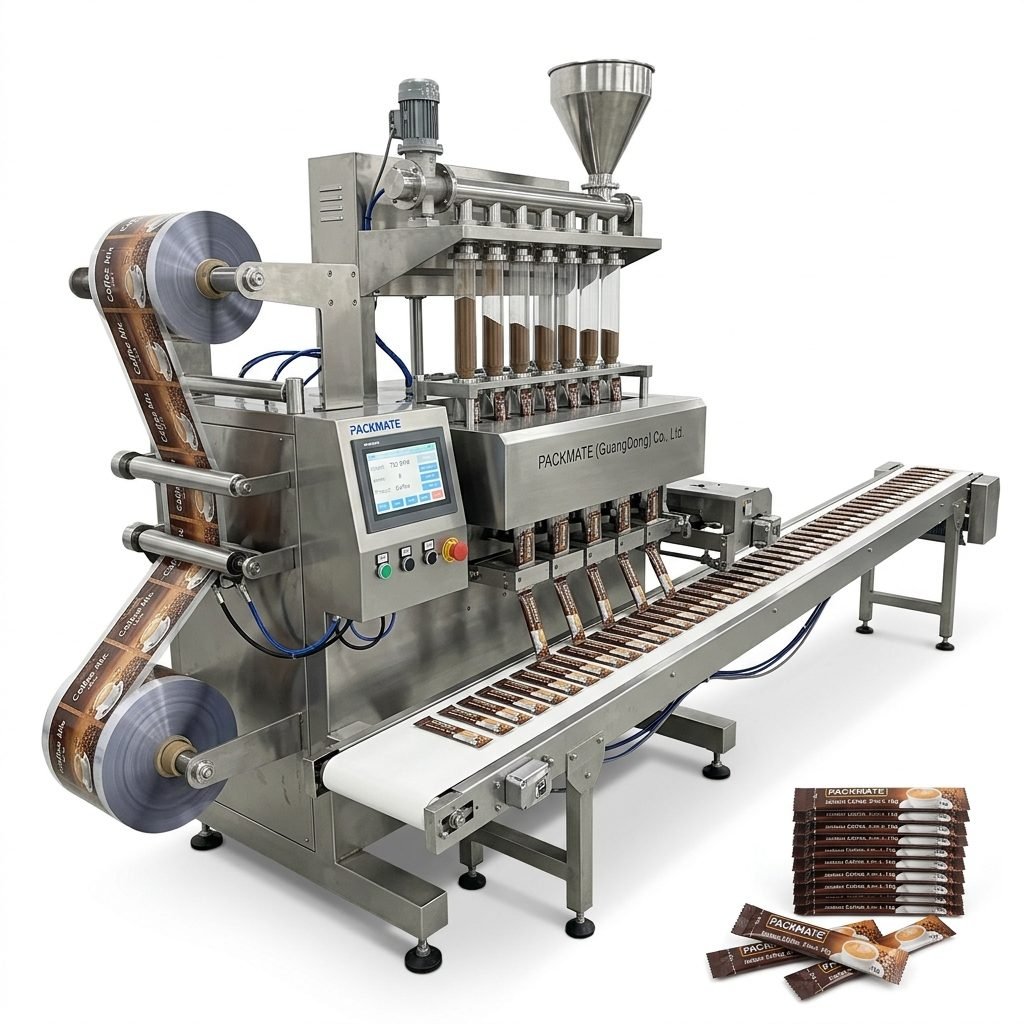
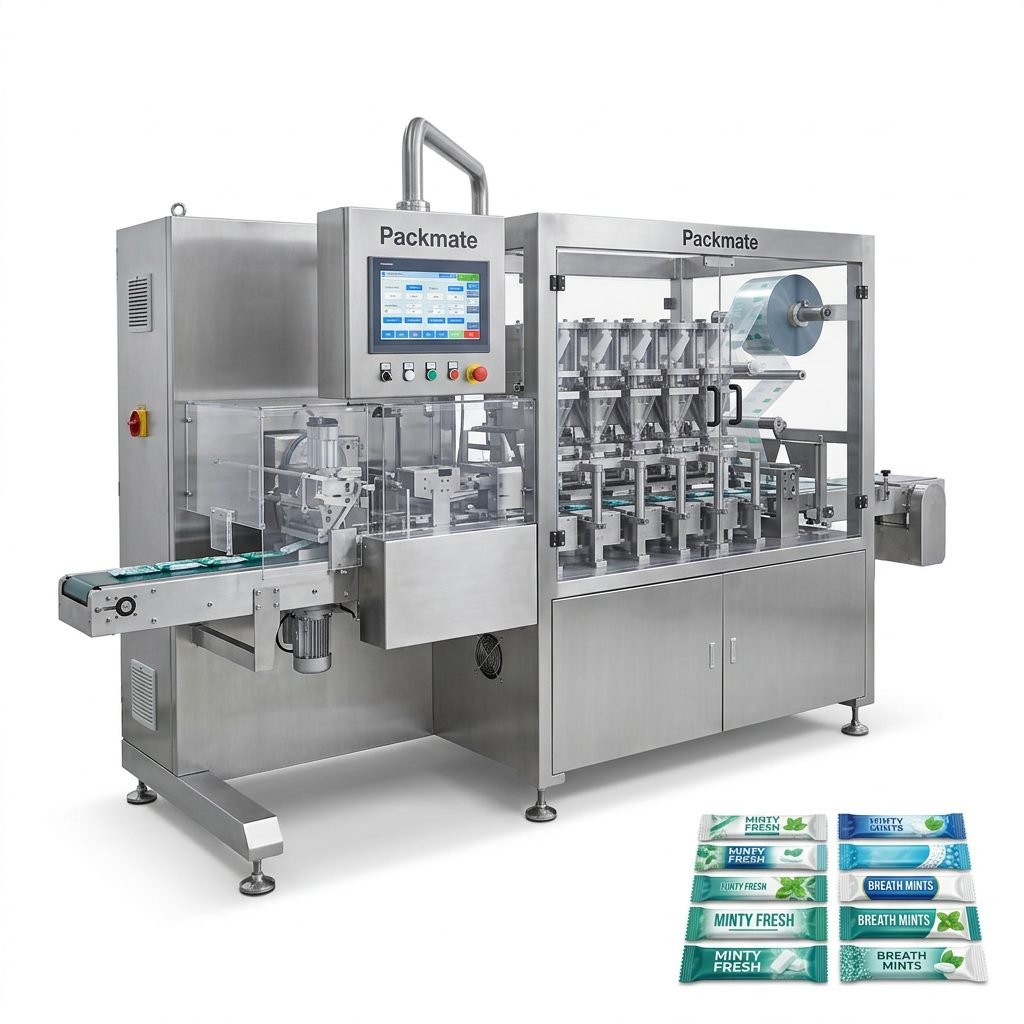
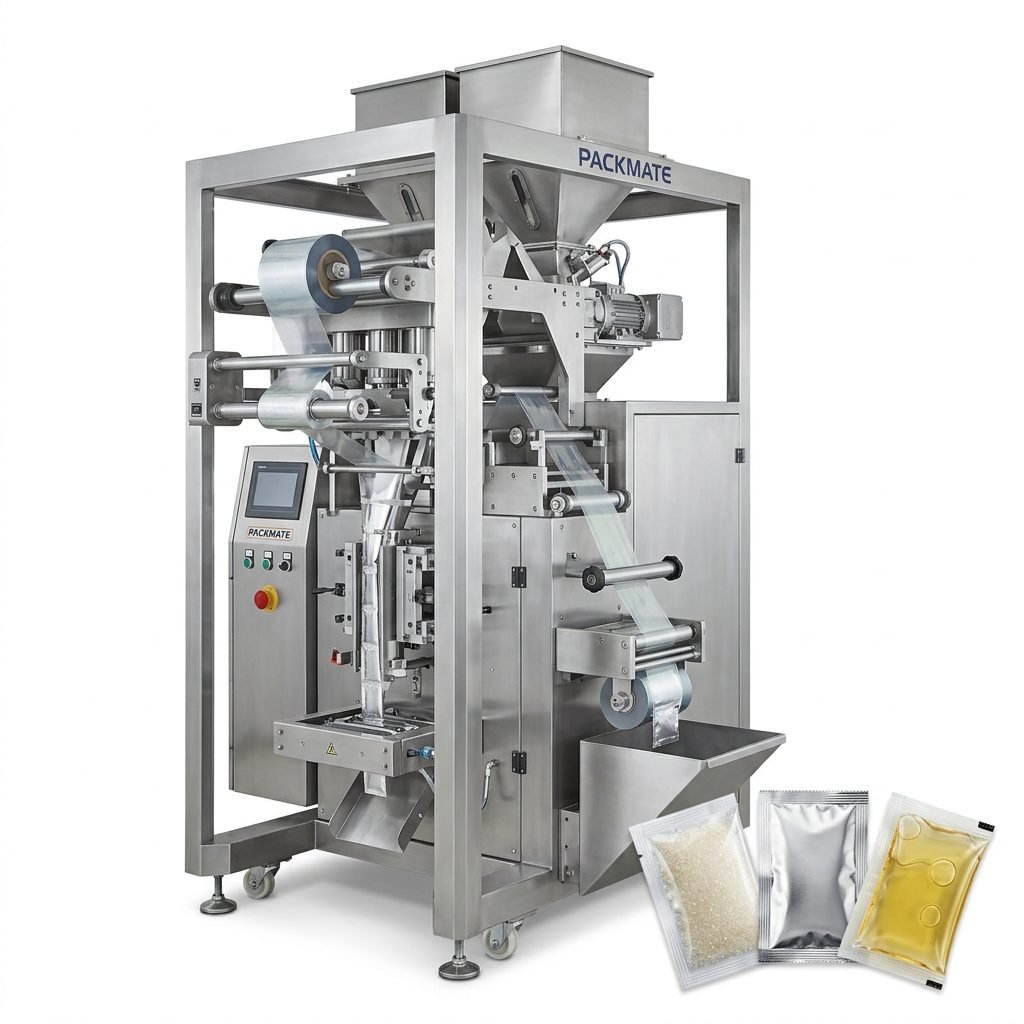
Food packaging must address spoilage, aroma preservation, and convenience. Heavy-duty systems for food often involve high-speed filling of granules (like coffee, sugar), powders (spices, protein), and liquids (sauces, oils). Advanced solutions include multi-lane stick pack machines for portion control and large bag packaging for bulk ingredients. Hygiene is paramount, with designs featuring easy-clean surfaces and food-grade materials. These systems ensure that from the production floor to the consumer’s pantry, the product remains safe, fresh, and appealing. Explore our specialized packaging solutions designed for the unique demands of the food sector.
2. Pharmaceutical & Healthcare Packaging
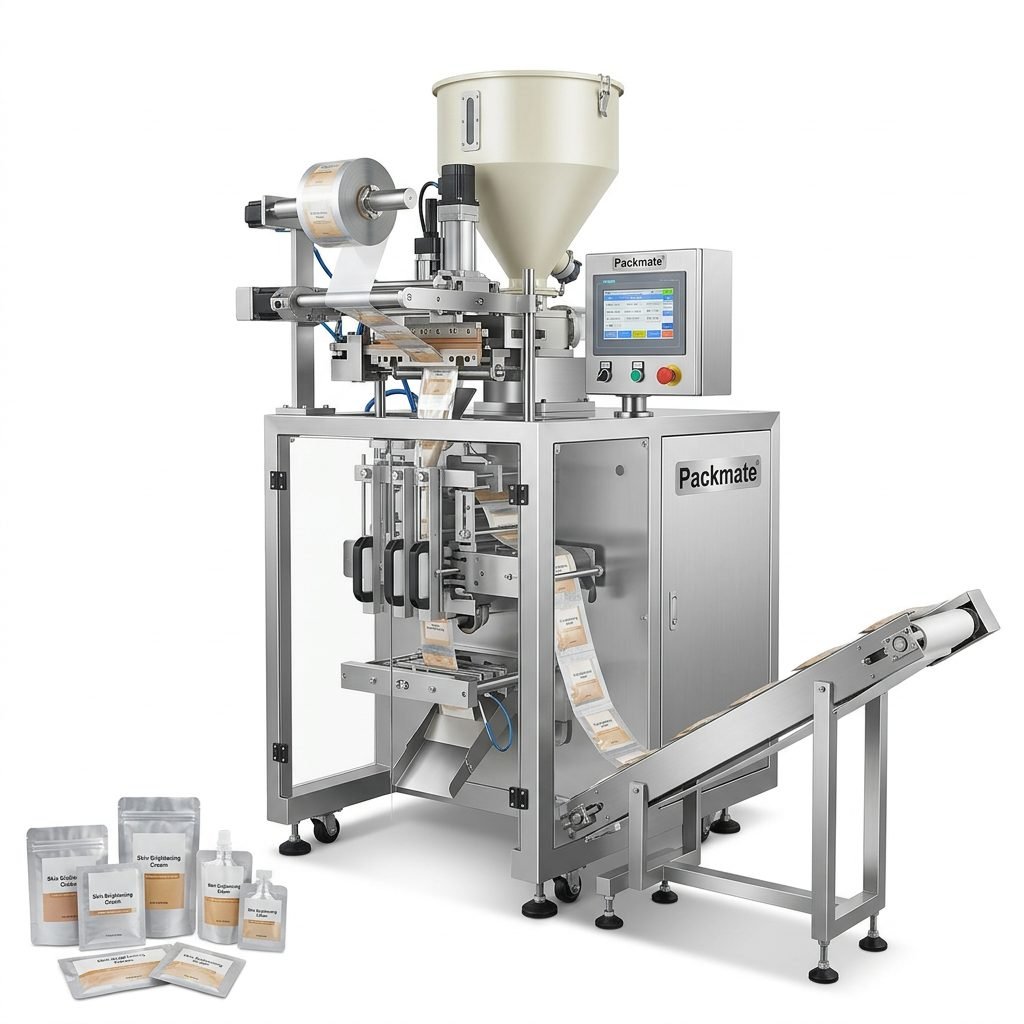
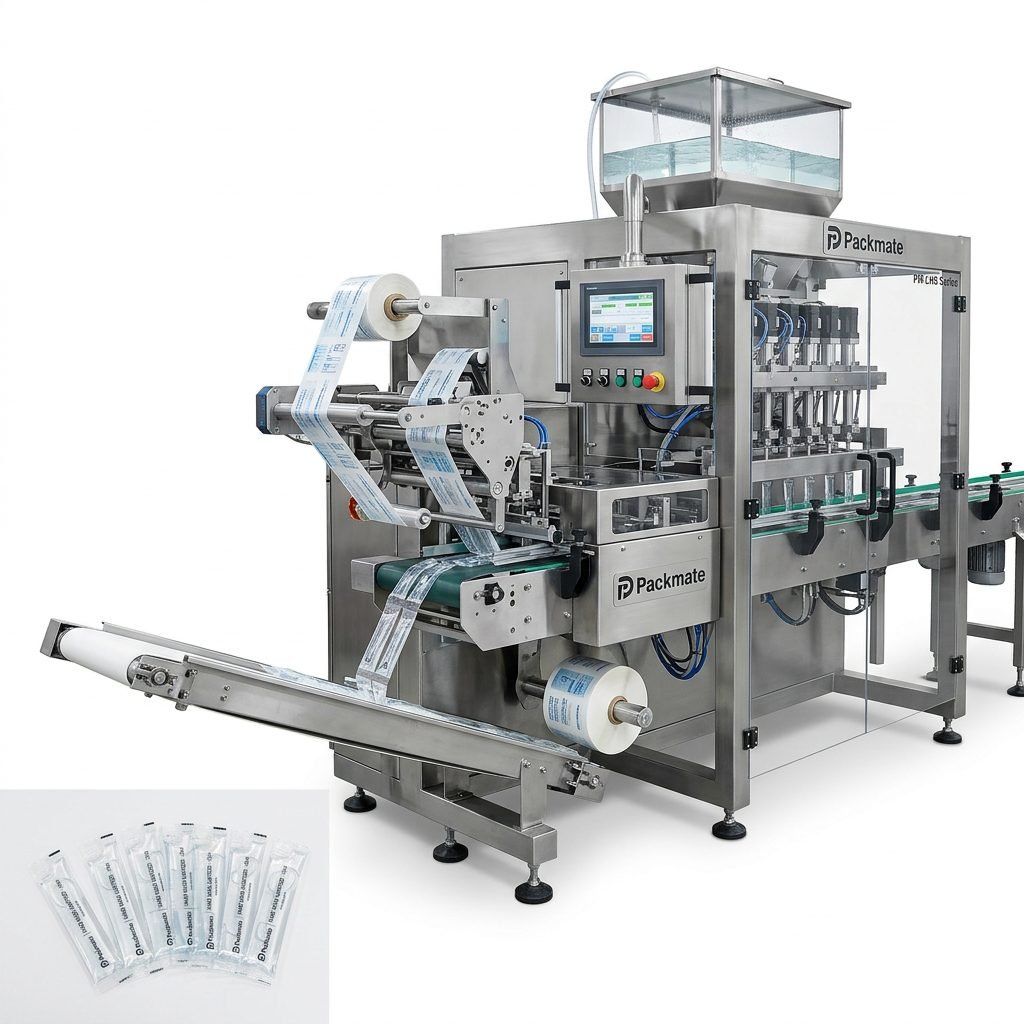
This sector operates under the most rigorous regulations. Packaging lines must ensure 100% accuracy in dosing, provide hermetic seals, and incorporate features like serialization for track-and-trace compliance. Systems are built in cleanroom-compatible configurations, often utilizing vertical form-fill-seal (VFFS) technology for sachets and stick packs containing powders or liquids. The machinery must be validated and offer precise, repeatable performance to meet Good Manufacturing Practice (GMP) standards, protecting sensitive products from degradation and ensuring end-user safety.
3. Industrial Products Packaging
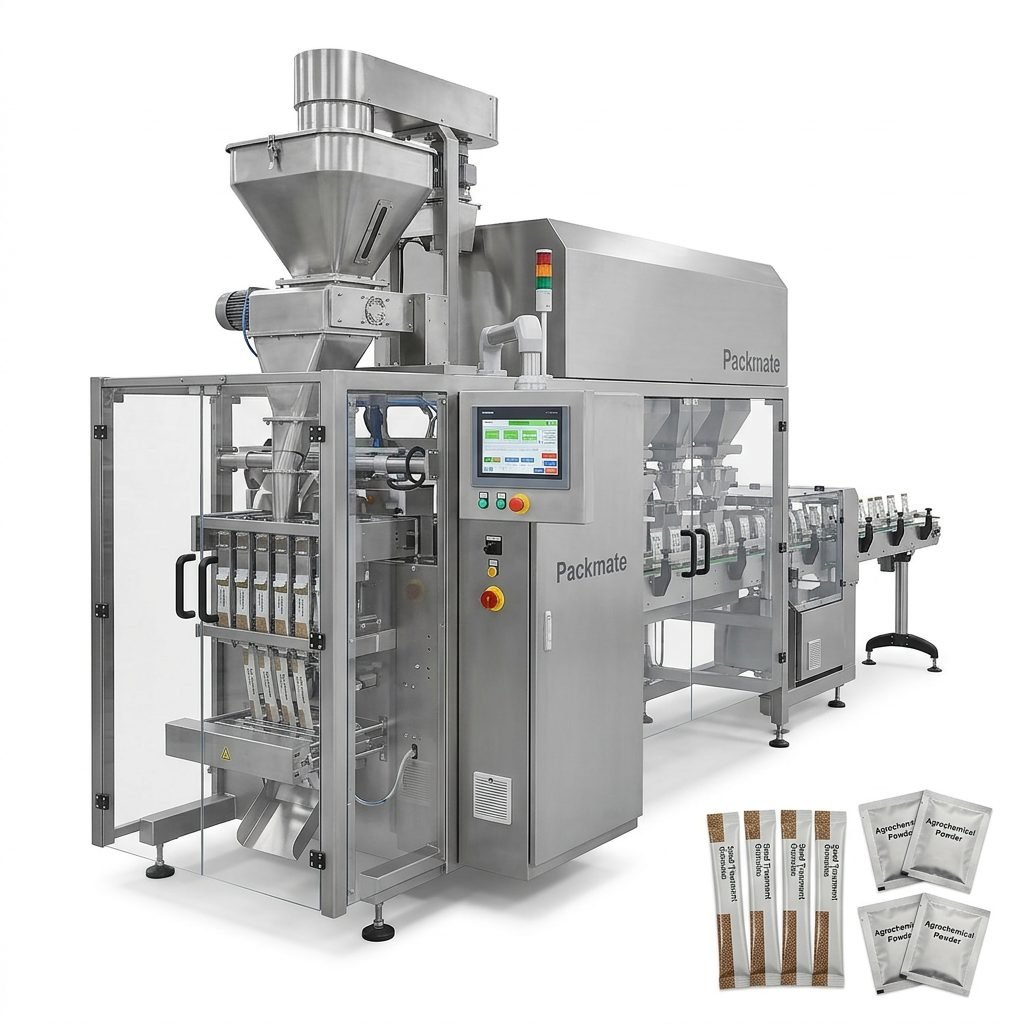
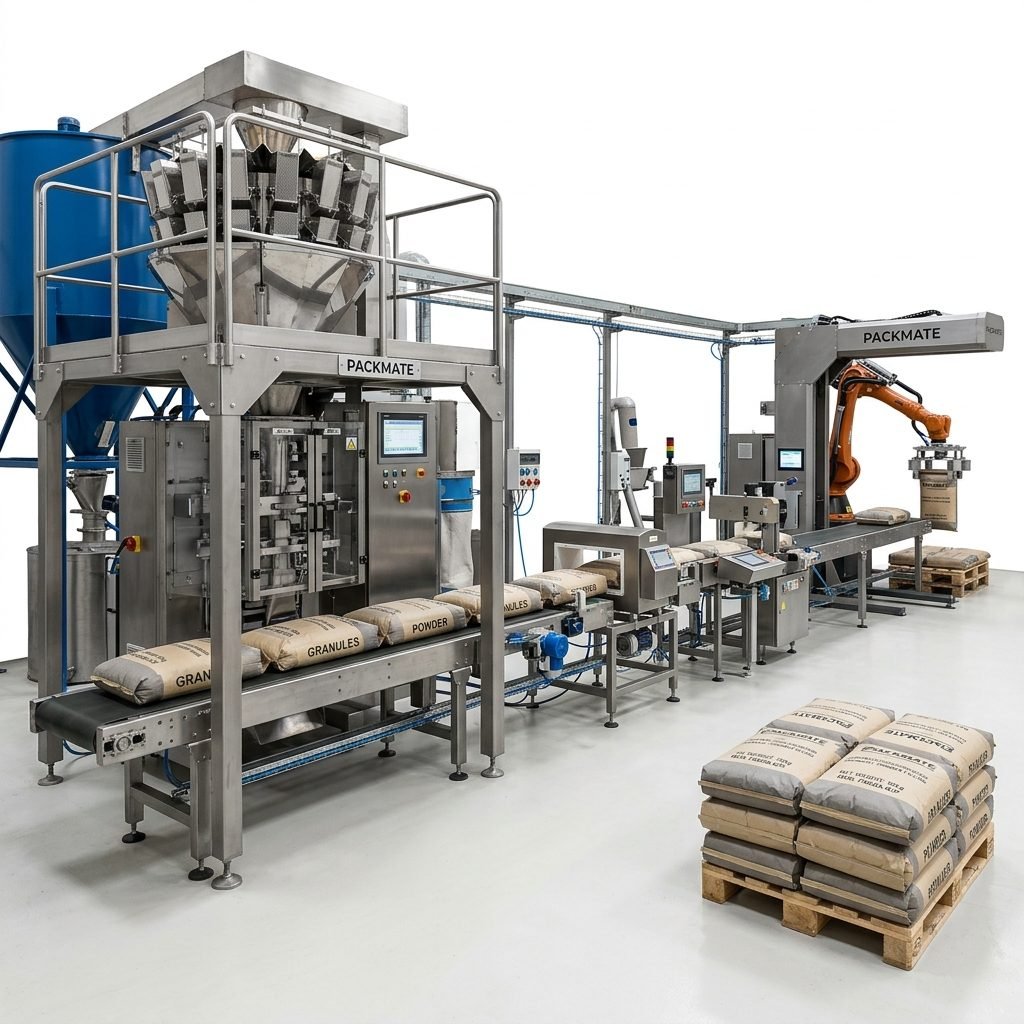
Durability and functionality are key for industrial goods. Packaging systems for chemicals, fertilizers, building materials, or automotive parts are engineered for high throughput and tough environments. They handle abrasive or corrosive materials and often produce large, heavy-duty bags or sacks with high tensile strength. Features like automated palletizing and robust sealing mechanisms are standard. The focus is on creating a package that protects the product, ensures safe handling and storage, and withstands the rigors of long-distance logistics.
The Packmate Advantage: Engineering Excellence
With over 22 years of dedicated development, Packmate exemplifies the turnkey solution provider. Operating from a modern 20,000㎡ facility in Guangdong, China—a hub of advanced manufacturing—the company leverages deep expertise to build intelligent packaging lines. Their portfolio of over 50 machine models allows for highly customized solutions, whether for delicate pharmaceutical powders or voluminous industrial granules.
The company’s journey, from a visionary workshop in 1993 to a leader in the Greater Bay Area, is built on a foundation of solving real-world packaging challenges. This history of innovation translates into systems that are not just machines, but reliable production partners. You can see this engineering philosophy in action through our global project case studies.
Key Components of a Modern Turnkey Line
A complete heavy-duty packaging solution typically integrates several core modules:
- Automated Feeding & Conveying: Precisely moves raw materials or pre-made containers into the system.
- High-Accuracy Filling: Utilizes auger, volumetric, or net weigh fillers for consistent product dosing.
- Forming & Sealing: Creates the package from roll stock (for flexible packaging) and applies secure, hermetic seals.
- Secondary Packaging: Groups primary packages into cartons or boxes, often with automatic case erecting and sealing.
- Quality Control & Coding: Integrates checkweighers, metal detectors, and vision systems, along with inkjet or laser coders for dates and batch numbers.
The seamless integration of these components is what defines a true turnkey system, ensuring a smooth, continuous flow from raw material to palletized finished goods.
Implementing Your Turnkey Solution: A Strategic Process
Adopting a heavy-duty turnkey packaging line is a significant strategic decision. The process with a qualified provider like Packmate is collaborative and phased:
- Consultation & Needs Analysis: Experts work with you to understand your product, target output, factory layout, and specific challenges.
- Line Design & Proposal: A custom line configuration is engineered, specifying each machine model and its capabilities, complete with layout drawings and performance guarantees.
- Manufacturing & Factory Acceptance Testing (FAT): The line is built and rigorously tested at the provider’s facility. Clients are often invited to witness the FAT, ensuring the system meets all agreed parameters before shipment.
- Installation & Commissioning: The provider’s team installs the line on your site, calibrates it with your actual product, and trains your operational and maintenance staff.
- Ongoing Support & Service: A reliable partner offers comprehensive after-sales service, including spare parts, remote support, and preventive maintenance plans to ensure long-term productivity.
This end-to-end partnership mitigates risk and ensures that the new packaging asset delivers its promised return on investment from day one.
Future-Proofing with Smart Packaging Lines
The future of heavy-duty packaging is intelligent. The next generation of turnkey solutions incorporates Industry 4.0 principles, featuring IoT sensors for predictive maintenance, data analytics for optimizing Overall Equipment Effectiveness (OEE), and modular designs that allow for easy reconfiguration as product lines change. Investing in a system with this forward-looking capability ensures your operation remains competitive, agile, and efficient for years to come.
In conclusion, for businesses in the food, pharmaceutical, and industrial sectors, a heavy-duty packaging system delivered as a complete turnkey solution is a strategic imperative. It consolidates technology, expertise, and responsibility into one powerful partnership, driving efficiency, ensuring compliance, and safeguarding product quality. By choosing an experienced provider with a proven track record, companies can transform their packaging operations from a cost center into a robust pillar of competitive advantage and sustainable growth.
Frequently Asked Questions (FAQs)
1. What is the main advantage of a turnkey packaging solution over buying machines separately?
The primary advantage is integrated responsibility and guaranteed compatibility. A turnkey provider designs the entire line as a cohesive system, ensuring all machines work together optimally. This eliminates integration risks, reduces downtime from mismatched equipment, and provides a single point of contact for service and support, simplifying project management and long-term maintenance.
2. How long does it typically take from project initiation to having an operational turnkey packaging line?
The timeline varies based on line complexity and customization. A standard project can take from 4 to 9 months. This period includes detailed engineering, manufacturing, factory testing, shipping, and on-site installation & commissioning. An experienced provider will give you a clear, phased project schedule from the outset.
3. Can a turnkey system handle multiple different products or package formats?
Yes, flexibility is a key feature of modern systems. Many lines are designed with quick-changeover capabilities, allowing you to run different products, package sizes, or materials (e.g., switching from a stick pack to a sachet) with minimal downtime. Discuss your product range with your provider during the design phase to build this versatility into the line.
4. What kind of after-sales support should I expect?
Comprehensive support is crucial. Expect a package including detailed operational training for your staff, technical documentation, availability of genuine spare parts, and access to remote technical support. Many providers also offer on-site service visits and preventive maintenance contracts to ensure your line’s longevity and performance. Learn more about our commitment to customer success on our service page.
5. How do I ensure the packaging line will comply with my industry’s regulations (e.g., FDA, GMP)?
Reputable providers design machinery with global standards in mind. Specify your regulatory requirements (FDA, EU, GMP, etc.) during the initial consultation. They will use compliant materials (e.g., food-grade stainless steel, FDA-approved seals), design for cleanability, and provide necessary documentation (materials certificates, design risk assessments) to support your own validation processes.