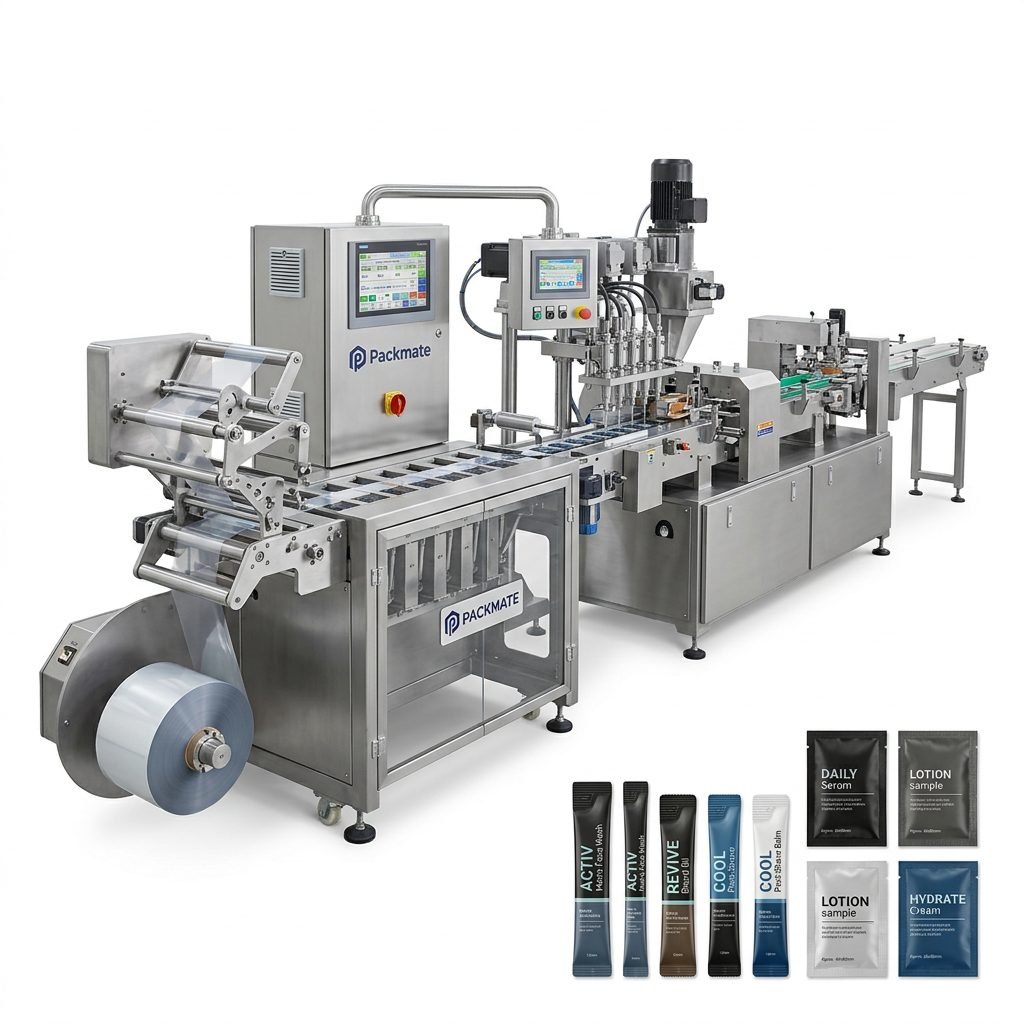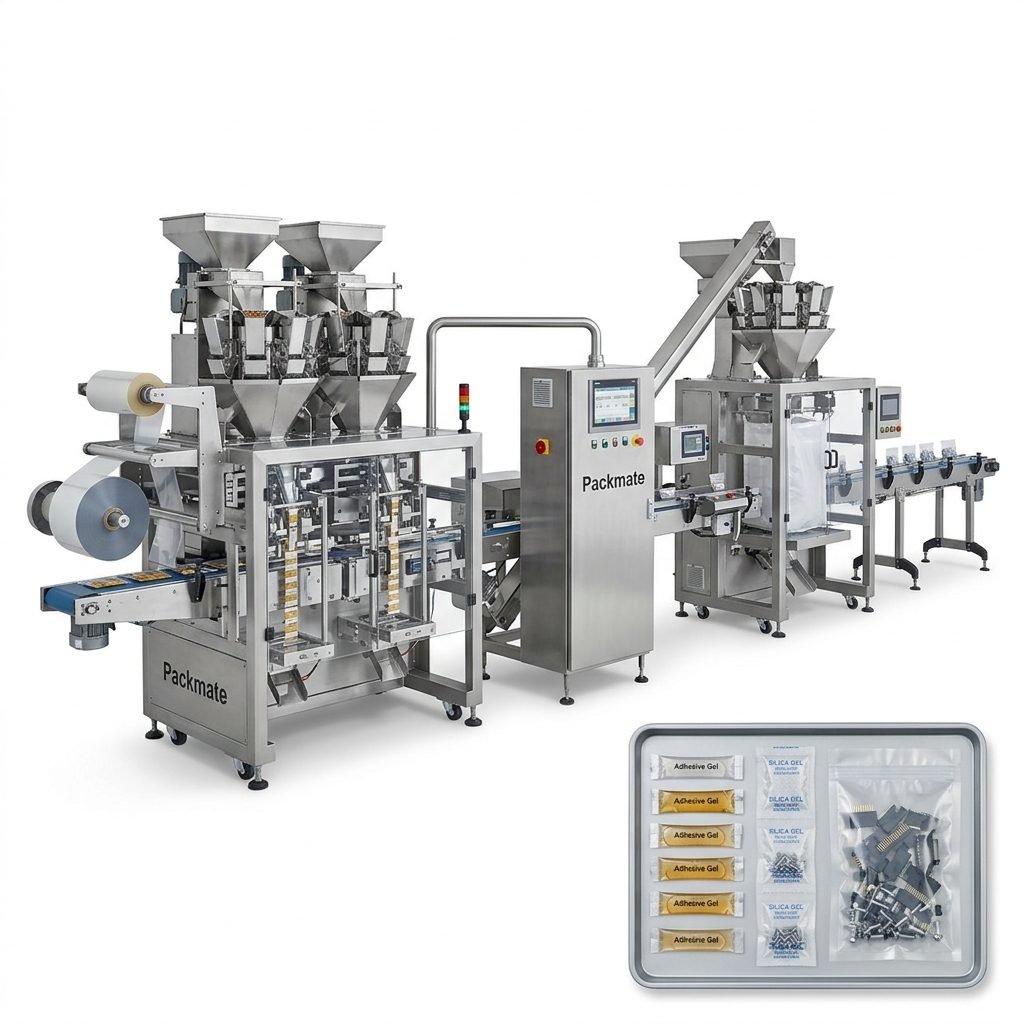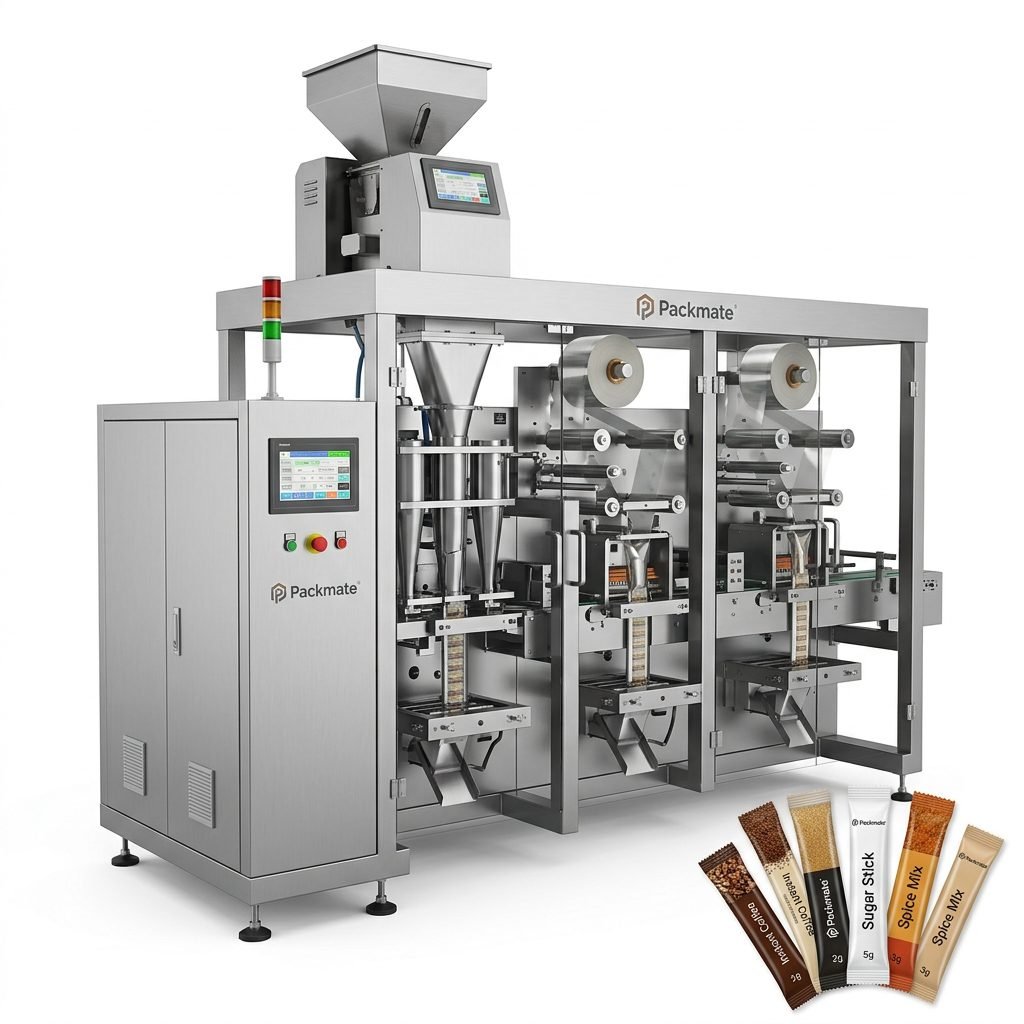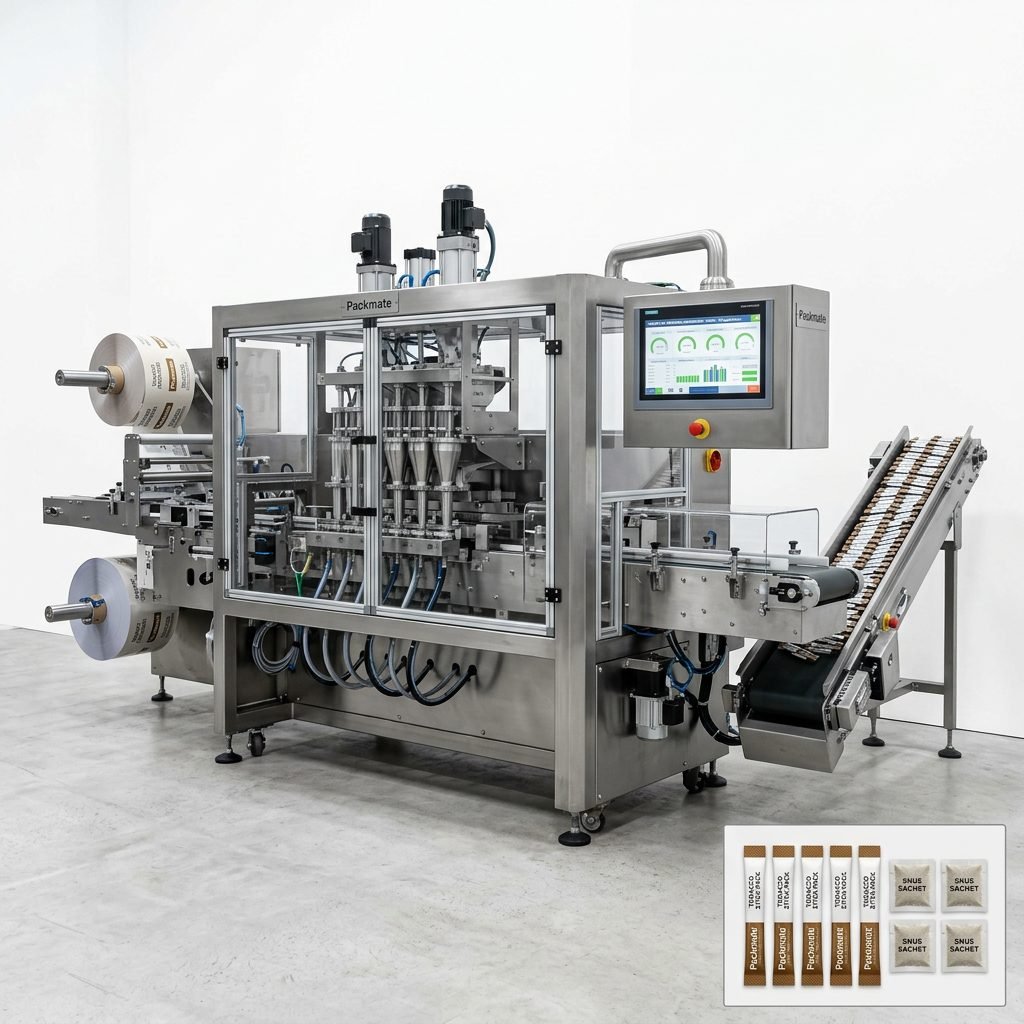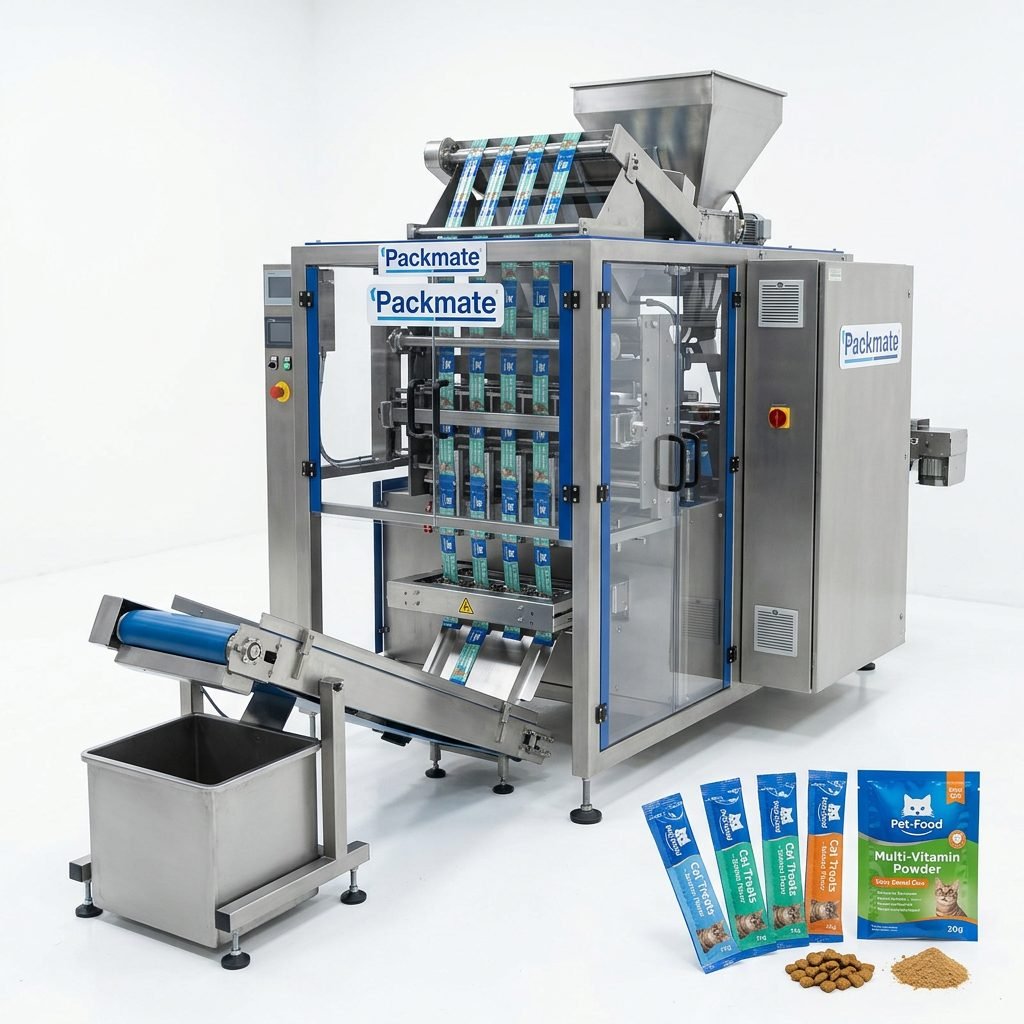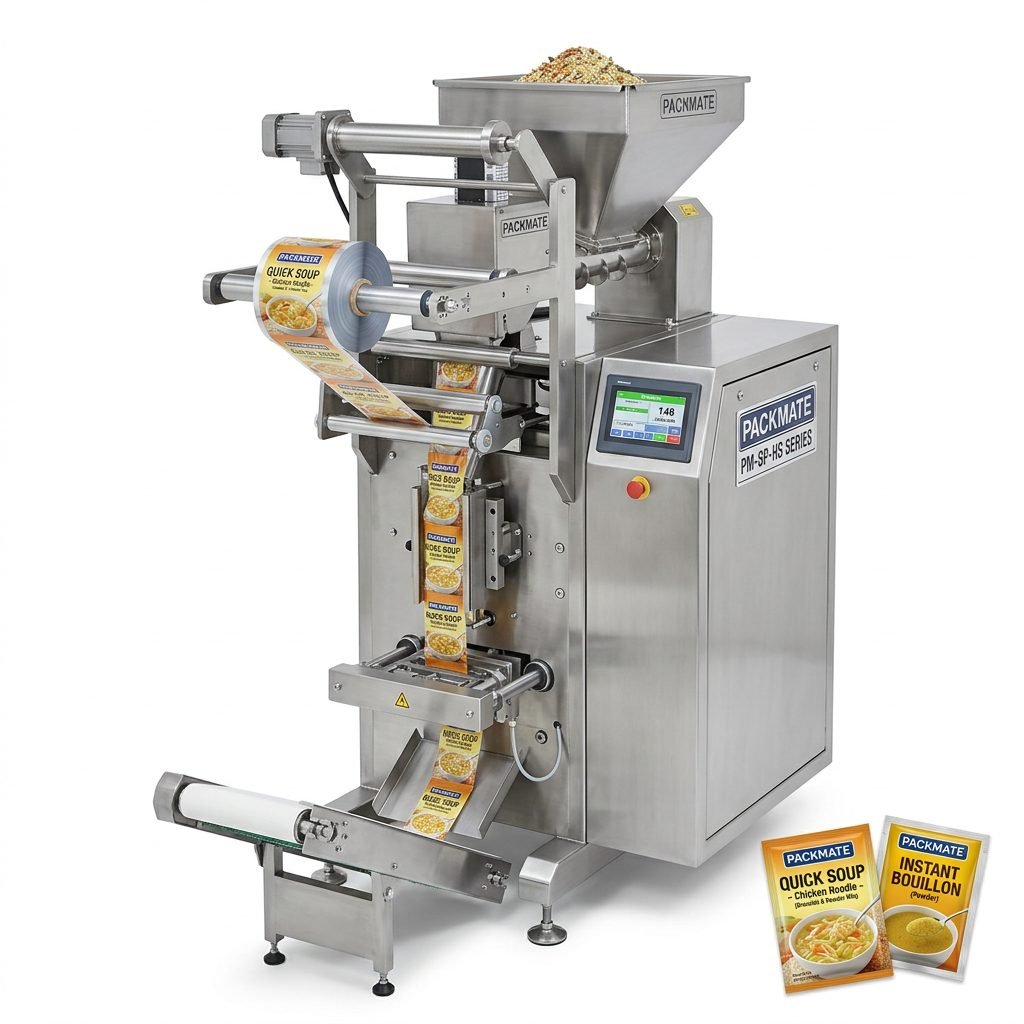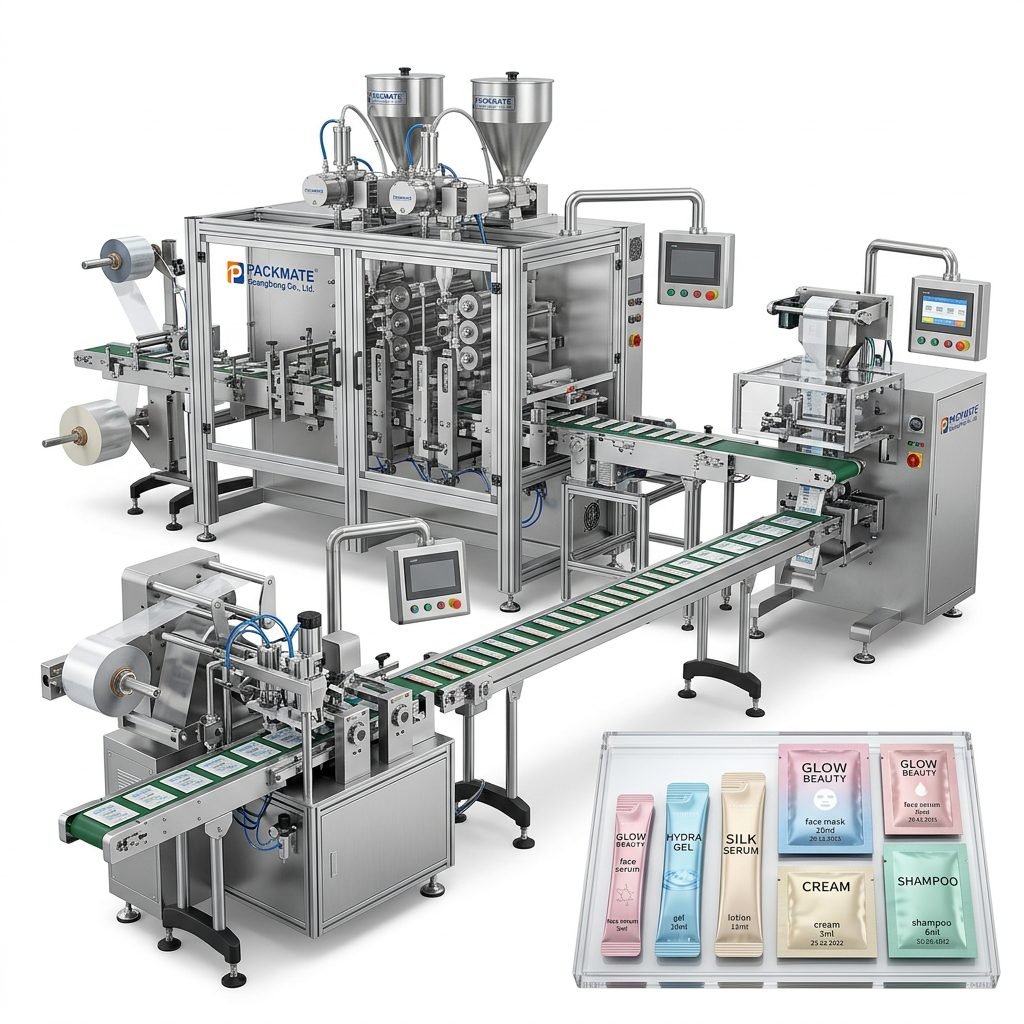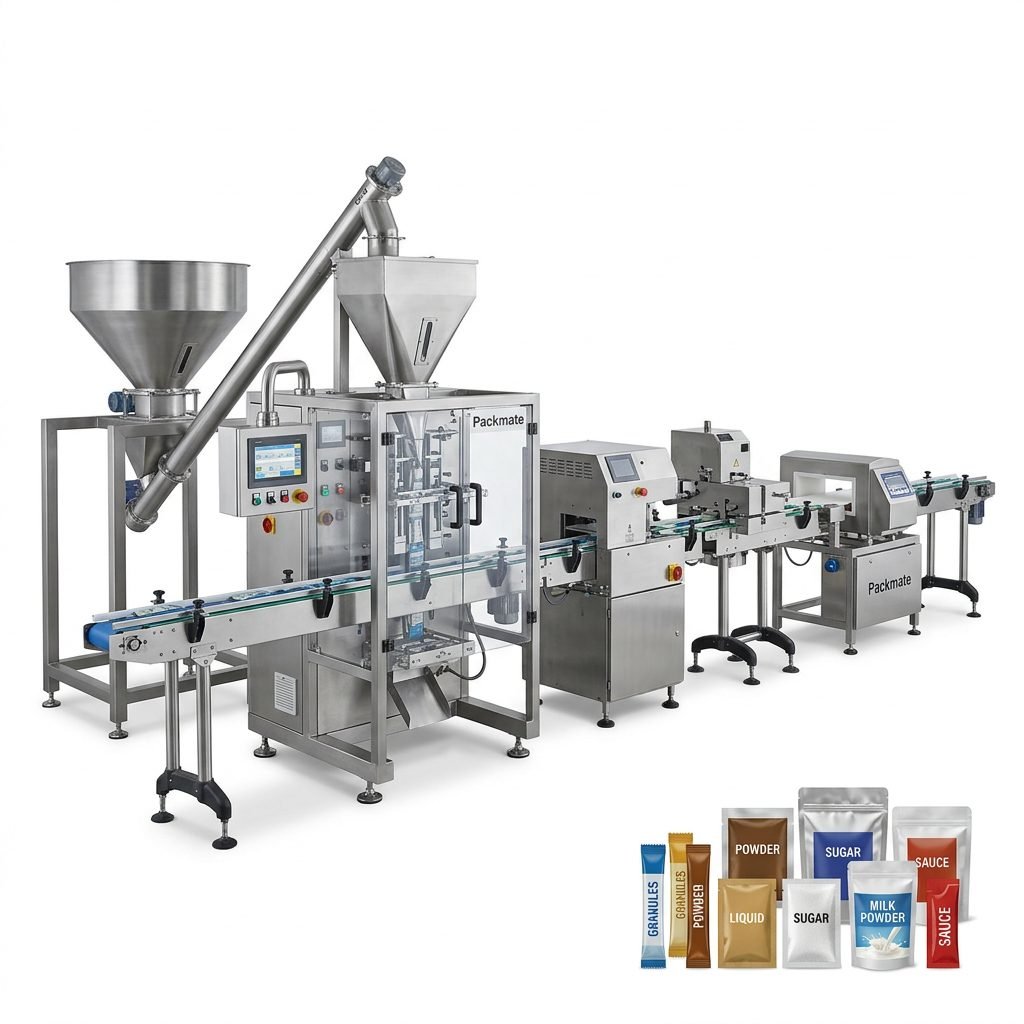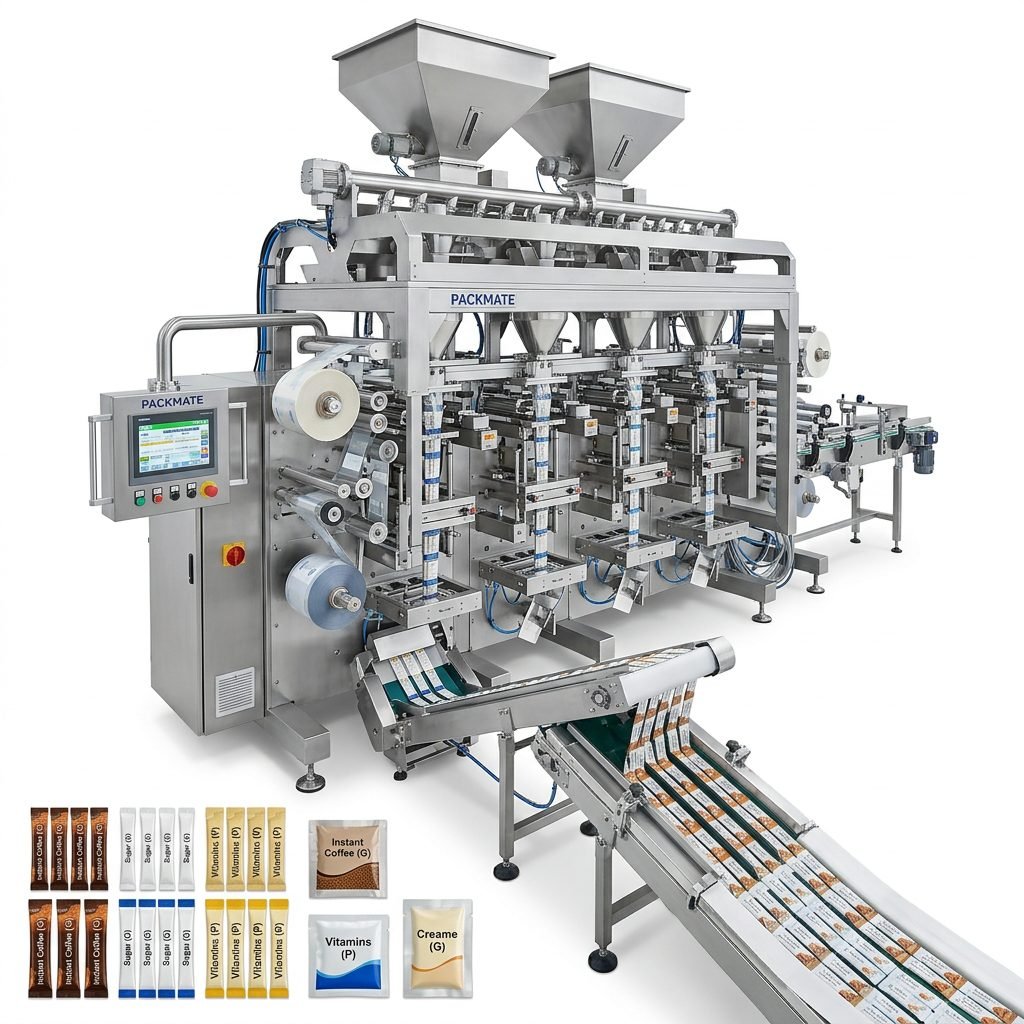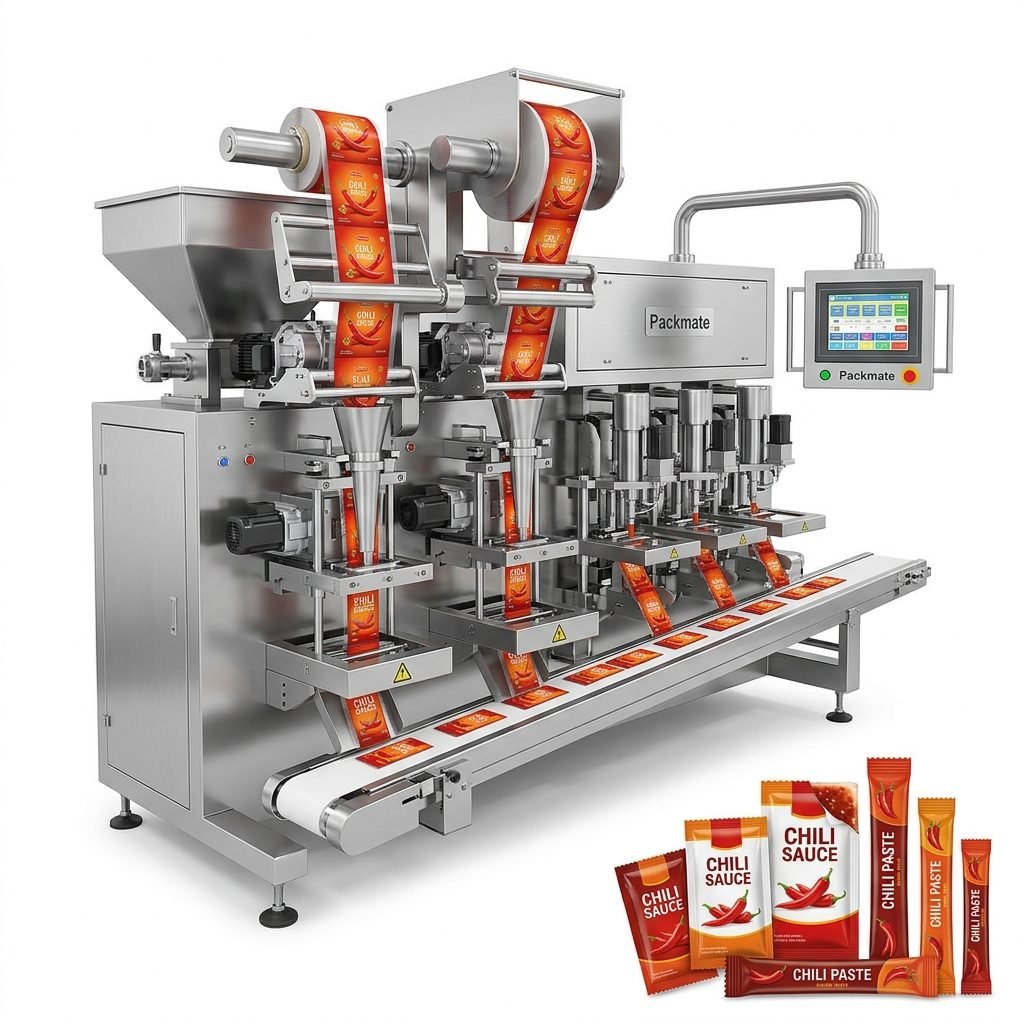
In the competitive and highly regulated worlds of food, pharmaceuticals, and health products, the efficiency, safety, and reliability of your packaging line are not just operational concerns—they are critical business imperatives. As consumer demand grows and regulatory standards tighten, manufacturers are increasingly turning to automation as the definitive solution. However, implementing automation is not merely about purchasing machines; it’s about integrating a cohesive, intelligent system tailored to your specific products and processes. This is where the expertise of specialized packaging line automation integrators becomes invaluable.
The Critical Role of Automation Integrators
An automation integrator acts as the architect and conductor of your packaging operations. They move beyond supplying standalone equipment to designing, implementing, and optimizing a complete, synchronized production line. For sectors where contamination, precision dosing, and traceability are paramount, this holistic approach is non-negotiable. A skilled integrator ensures that every component—from filling and sealing to labeling, inspection, and palletizing—works in perfect harmony, maximizing throughput while minimizing downtime and human error.
Key Value Proposition: The primary value of a seasoned integrator lies in their ability to deliver a turnkey solution. They take ownership of the entire project lifecycle, from initial concept and layout design to installation, commissioning, training, and ongoing support. This single point of accountability reduces complexity for the manufacturer and ensures that the final system meets all specified performance, safety, and regulatory benchmarks.
Industry-Specific Challenges and Integration Solutions
Each sector presents unique challenges that demand specialized integration knowledge.
Food Industry Integration
Food packaging lines must balance high-speed operation with stringent hygiene standards. Integrators design systems with easy-clean (CIP/SIP) capabilities, utilize food-grade materials, and incorporate advanced checkweighers and metal detectors. For products like granules, powders, and liquids, precision filling and nitrogen flushing for extended shelf life are common integration requirements. The goal is to achieve fast, cost-effective packaging that guarantees product freshness and safety from the line to the consumer’s table.
Pharmaceutical & Health Products Integration
This is the domain of ultimate precision and compliance. Integrators must build lines that adhere to strict Good Manufacturing Practice (GMP) guidelines. Systems often include high-accuracy liquid or powder fillers, tamper-evident sealing, and serialization modules for track-and-trace mandates. Furthermore, isolator or containment technologies might be integrated for sterile products. Every data point—from fill weight to batch number—must be accurately captured and recorded, making the integration of Manufacturing Execution Systems (MES) or supervisory control and data acquisition (SCADA) software a critical component. You can explore some of our tailored packaging solutions here.
Choosing the Right Integration Partner
Selecting an integrator is a strategic decision. Key criteria should include:
- Proven Industry Experience: Look for a partner with a demonstrable track record in your specific sector (food, pharma, nutraceuticals).
- Technical Expertise & In-House Manufacturing: Partners with their own manufacturing facilities, like Packmate (GuangDong) Co., Ltd., offer greater control over quality, customization, and project timelines.
- Comprehensive Service Portfolio: Ensure they offer full lifecycle support, from validation and training to spare parts and maintenance.
- Commitment to Innovation: The partner should be adept at incorporating the latest technologies, such as IoT for predictive maintenance and AI-powered vision inspection systems.
Viewing real-world applications is crucial. Reviewing detailed project case studies can provide concrete evidence of an integrator’s capability to solve complex problems and deliver measurable ROI for their clients.
The Packmate Integration Advantage
With over 22 years of company development, Packmate embodies the ideal integration partner. Operating from a modern 20,000㎡ facility, we control the entire process from design to assembly. Our team of over 125 professional members leverages deep expertise across food, pharma, and health products to deliver intelligent, turnkey lines. We don’t just sell machines; we engineer integrated systems for multi-lane stick packs, sachets, and large-volume bags that enhance your productivity, compliance, and bottom line. Learn more about our journey and capabilities on our homepage.
The Future: Smart, Connected Packaging Lines
The future of packaging automation lies in connectivity and data intelligence. Next-generation integrated lines will feature deeper IIoT (Industrial Internet of Things) integration, providing real-time analytics on Overall Equipment Effectiveness (OEE), predictive maintenance alerts, and seamless data exchange with Enterprise Resource Planning (ERP) systems. This shift towards “smart factories” enables unprecedented levels of agility, quality control, and supply chain transparency. Forward-thinking integrators are already embedding these capabilities into their solutions, future-proofing their clients’ investments.
Investing in professional packaging line automation integration is a strategic move that pays dividends in efficiency, quality, and regulatory assurance. By partnering with an expert who understands the nuanced demands of your industry, you transform your packaging operation from a cost center into a robust, reliable, and competitive asset.
Frequently Asked Questions (FAQs)
1. What is the main difference between a machine supplier and an automation integrator?
A machine supplier typically provides individual pieces of equipment. An automation integrator, however, designs and delivers a complete, functioning system. They select, interface, and program all components (conveyors, fillers, sealers, robots, etc.) to work together as one unified line, providing a single source of responsibility for the entire project’s performance.
2. How long does a typical packaging line integration project take?
The timeline varies significantly based on line complexity, customization level, and validation requirements (especially critical in pharma). A standard turnkey project can range from a few months for a simpler food line to over a year for a fully validated, high-speed pharmaceutical line. A detailed project plan with clear milestones should be established with your integrator upfront.
3. Can you integrate new automation with our existing legacy machinery?
Yes, a skilled integrator can often retrofit new automated modules or control systems into existing lines. This approach can be a cost-effective way to boost productivity and add capabilities like advanced inspection or data logging without a complete overhaul. The feasibility depends on the condition and compatibility of the existing equipment.
4. What kind of post-installation support should I expect?
Comprehensive support is crucial. Expect services including on-site training for your operators and maintenance staff, detailed documentation (manuals, electrical diagrams), a warranty period, readily available spare parts, and access to remote or on-call technical support. Many integrators also offer scheduled maintenance contracts. Explore our commitment to ongoing customer service and support.
5. How do you ensure the integrated line meets regulatory standards (like FDA, GMP)?
Reputable integrators design with compliance in mind. They use compliant materials, design for cleanability, and incorporate necessary documentation and data traceability features (e.g., audit trails, electronic batch records). For highly regulated industries, they can assist with the preparation of Factory Acceptance Tests (FAT), Site Acceptance Tests (SAT), and validation protocols (IQ/OQ/PQ) required by regulatory bodies.