When sourcing industrial packaging equipment for a German production facility, the stakes are high. German engineers and procurement managers are known for their precision, efficiency, and adherence to strict quality standards. A packaging line failure can disrupt an entire supply chain, making the choice of a reliable machine manufacturer critical. While Germany itself is home to world-class engineering, many forward-thinking companies are now looking toward internationally competitive suppliers for specialized, cost-effective solutions. This guide provides a practical framework for identifying and evaluating trustworthy packaging machine manufacturers, particularly those with strong export experience to European markets, to ensure a successful partnership for your next automation project.
1. Define Your Packaging Needs with Technical Precision
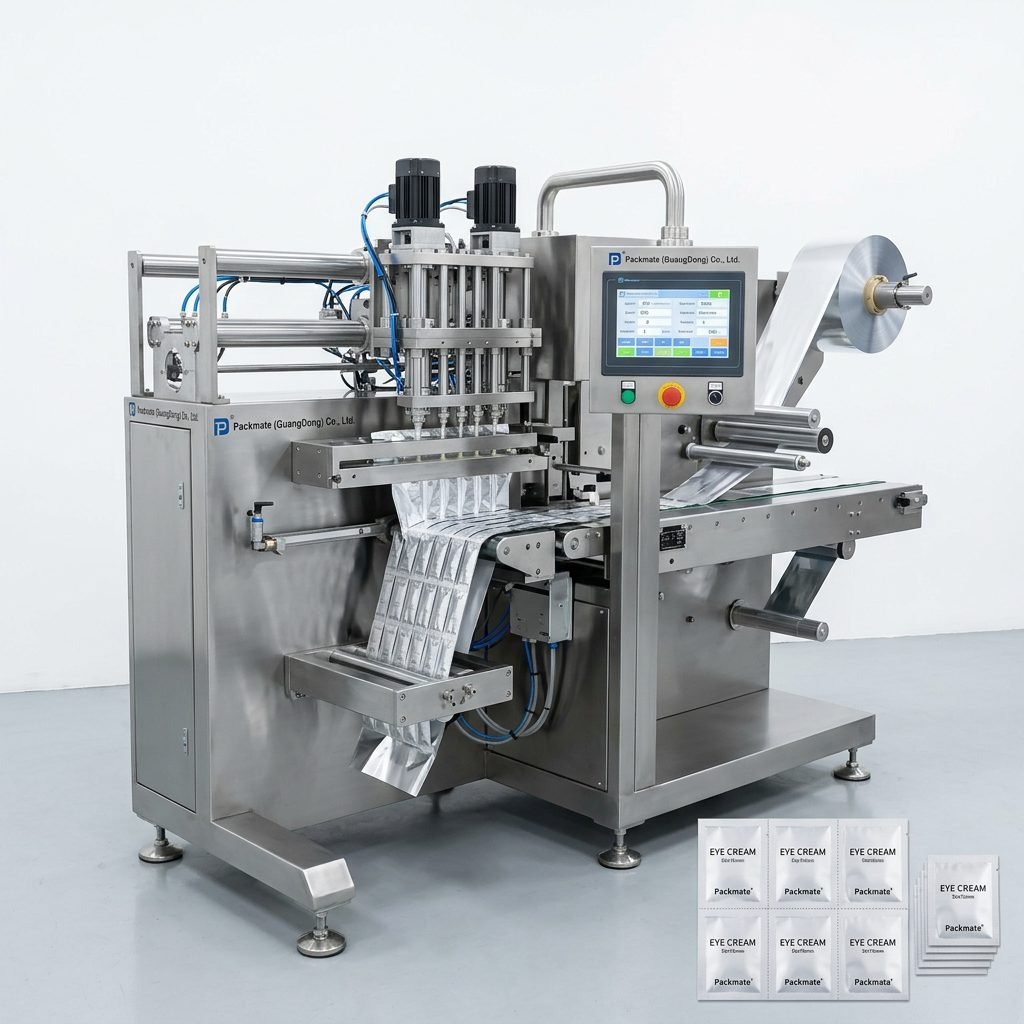
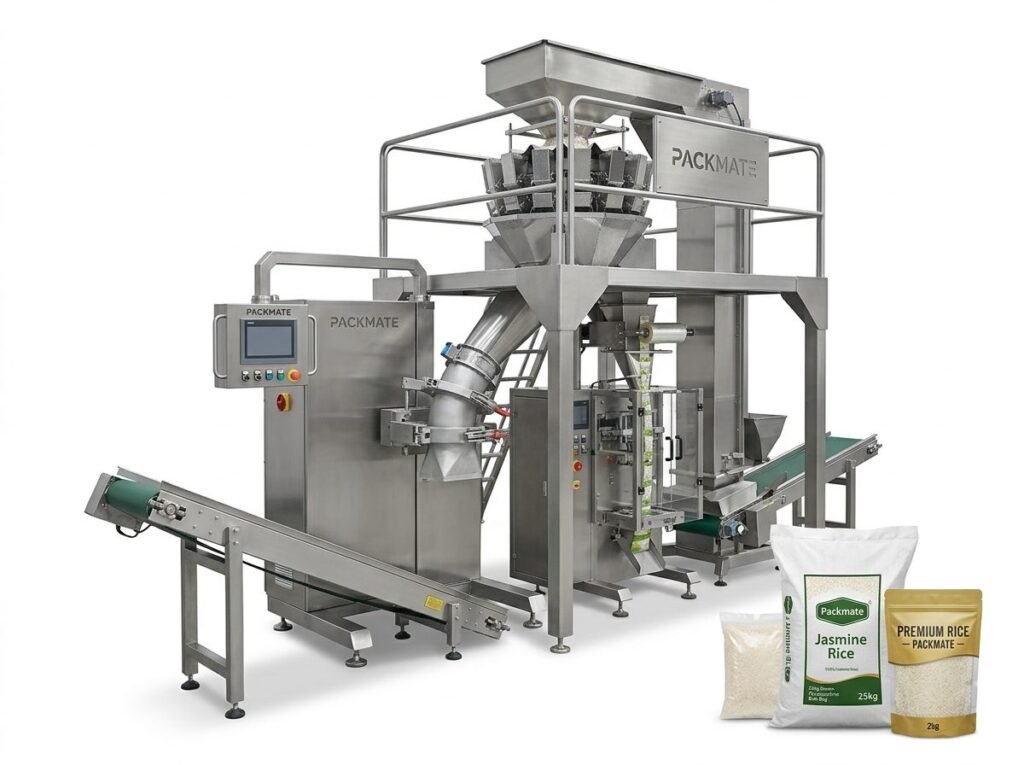
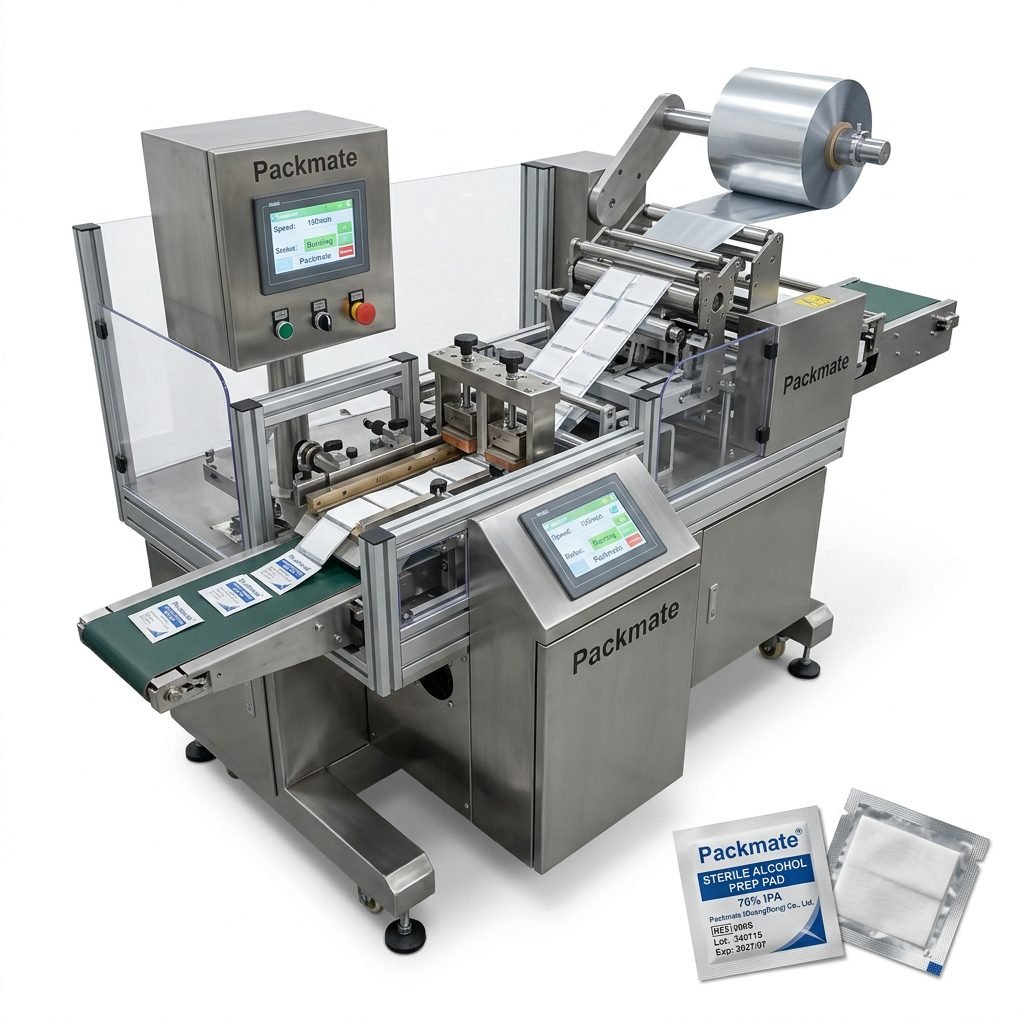
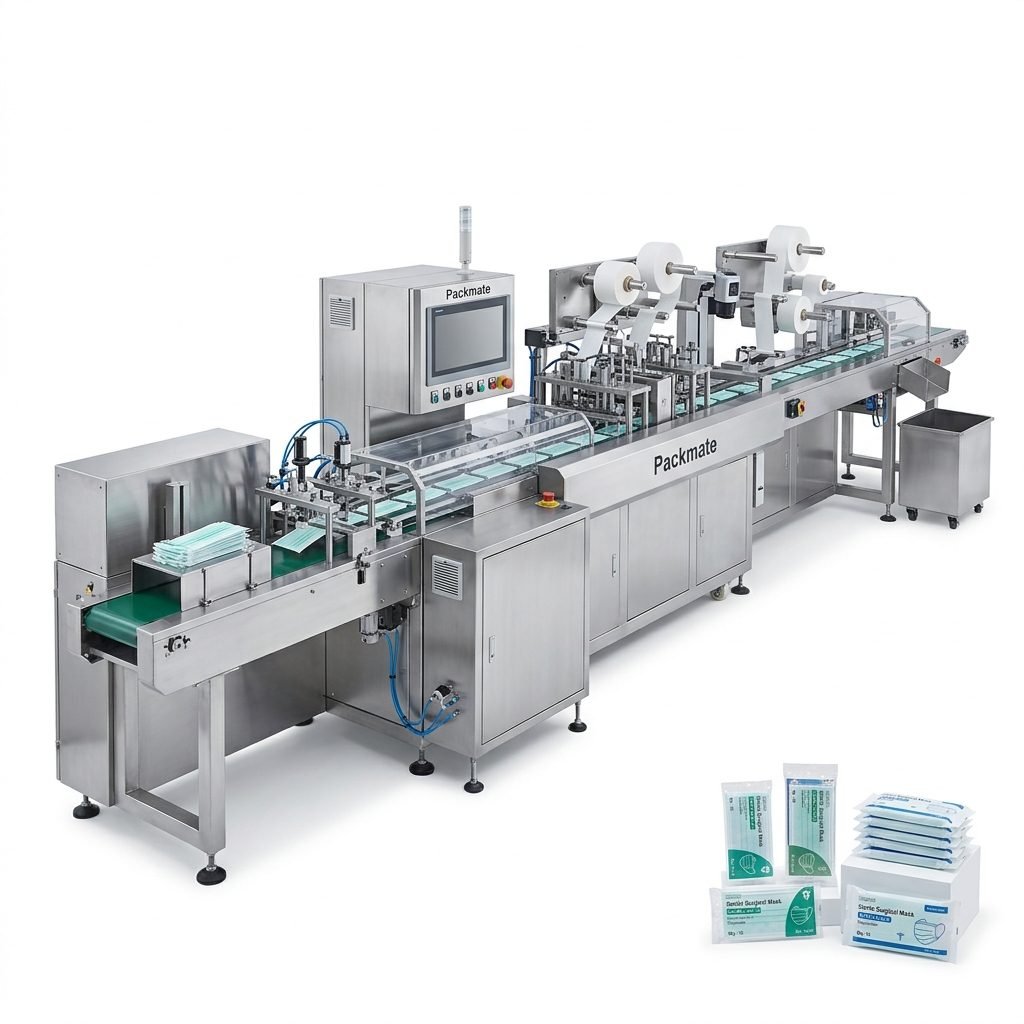
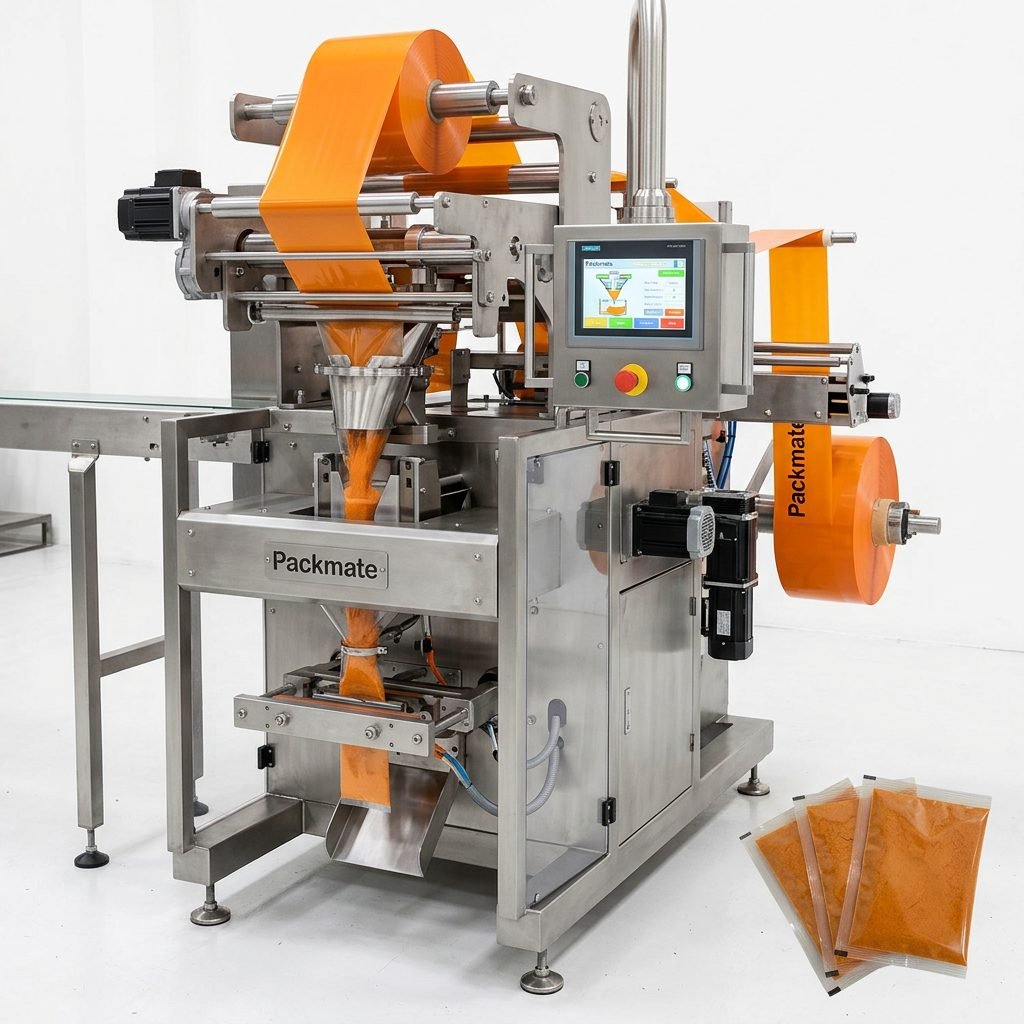
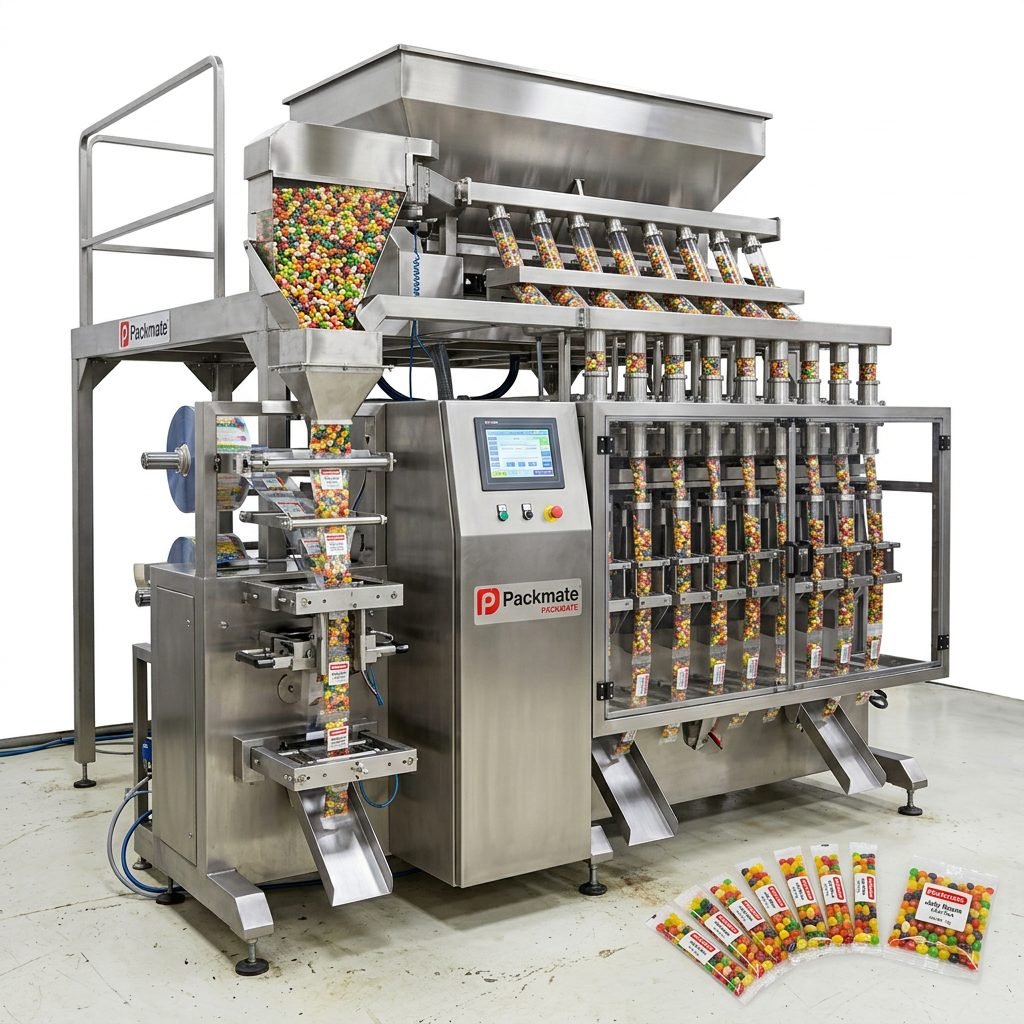
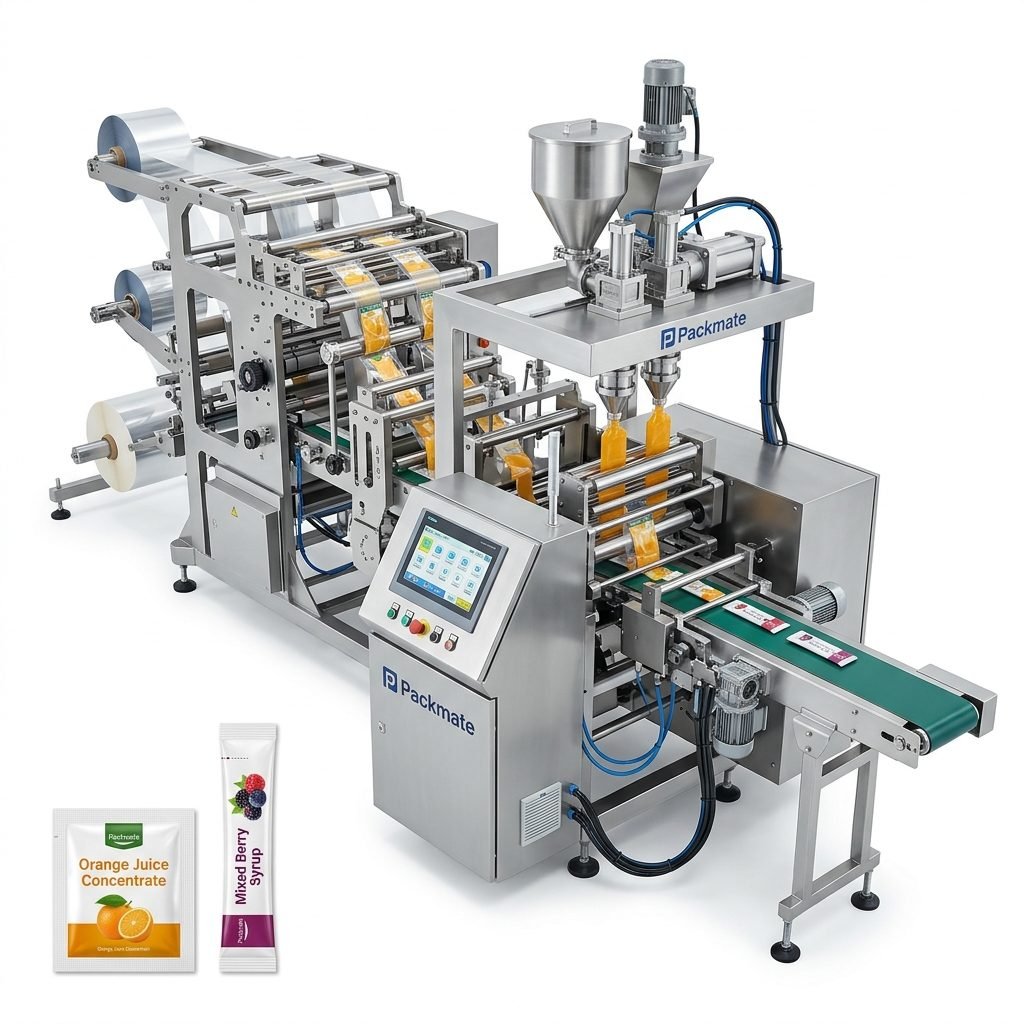
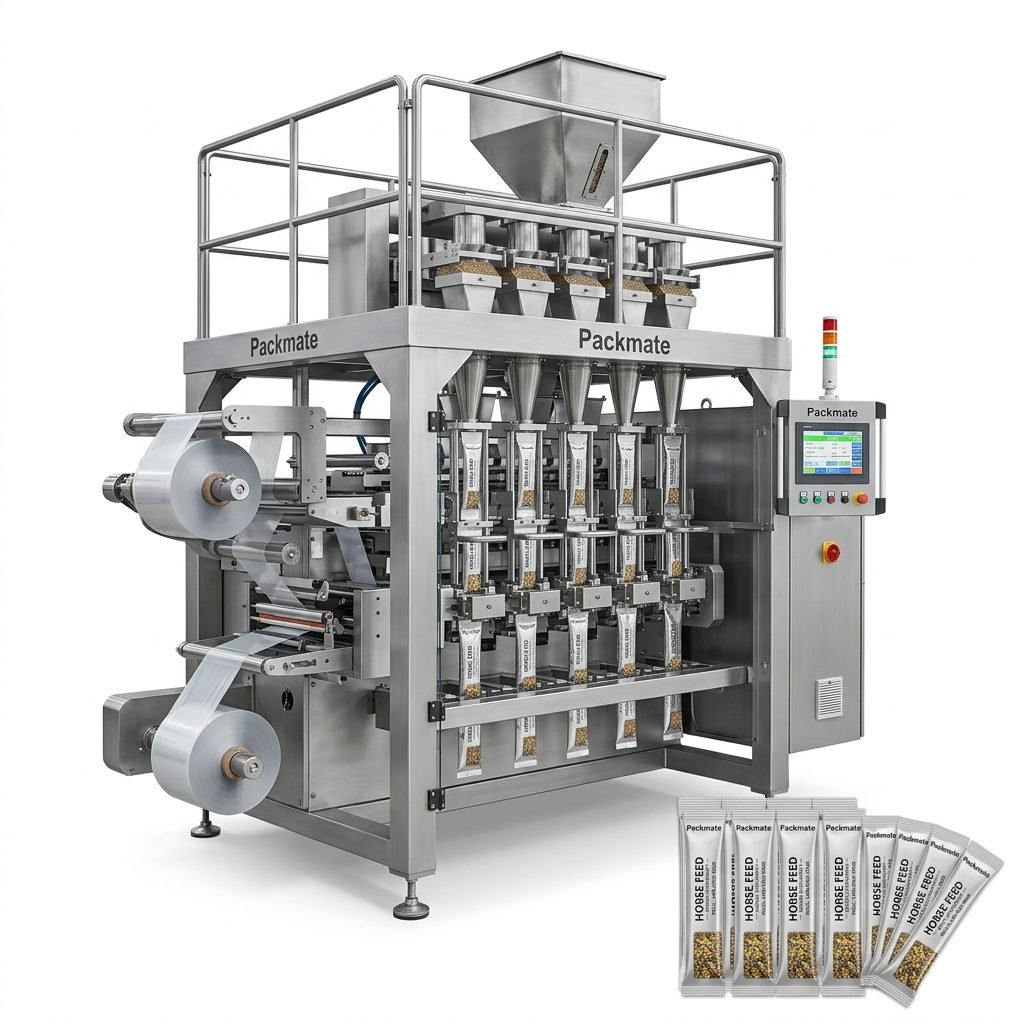
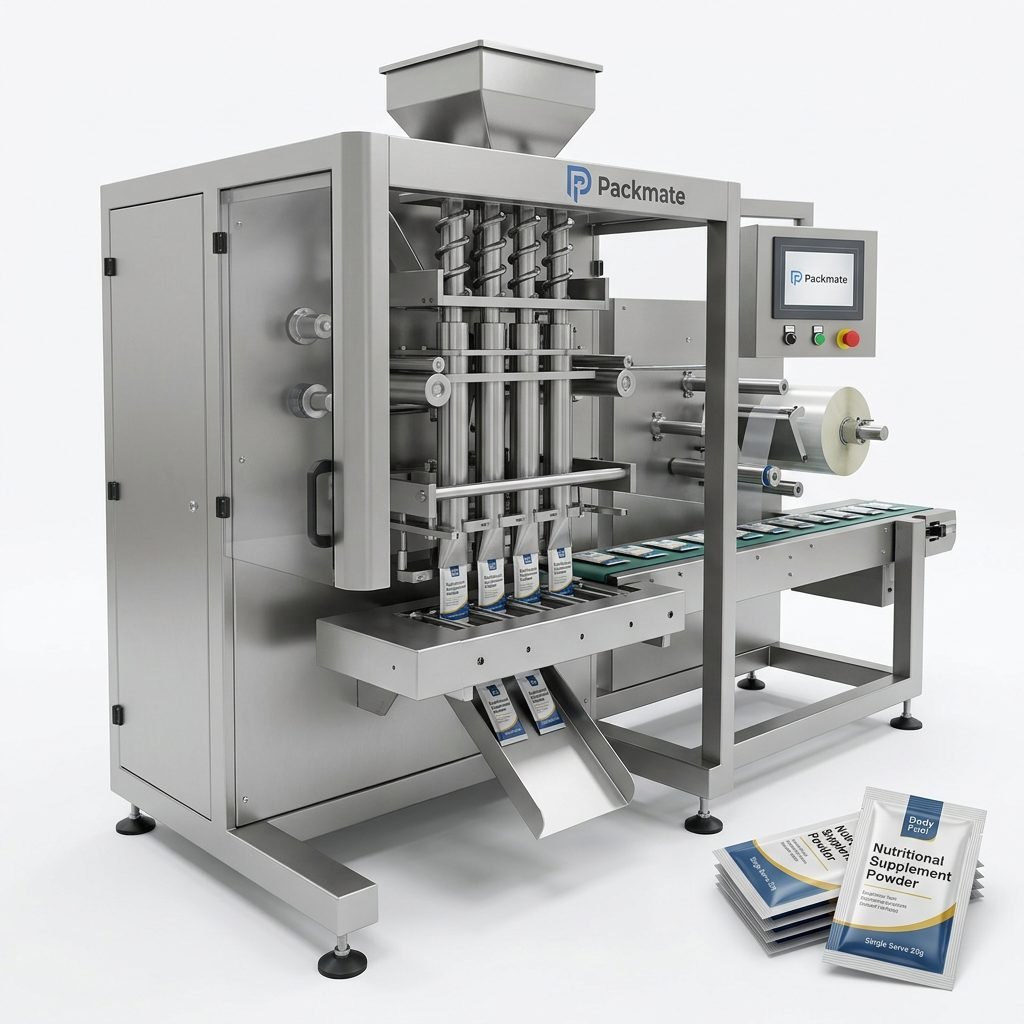
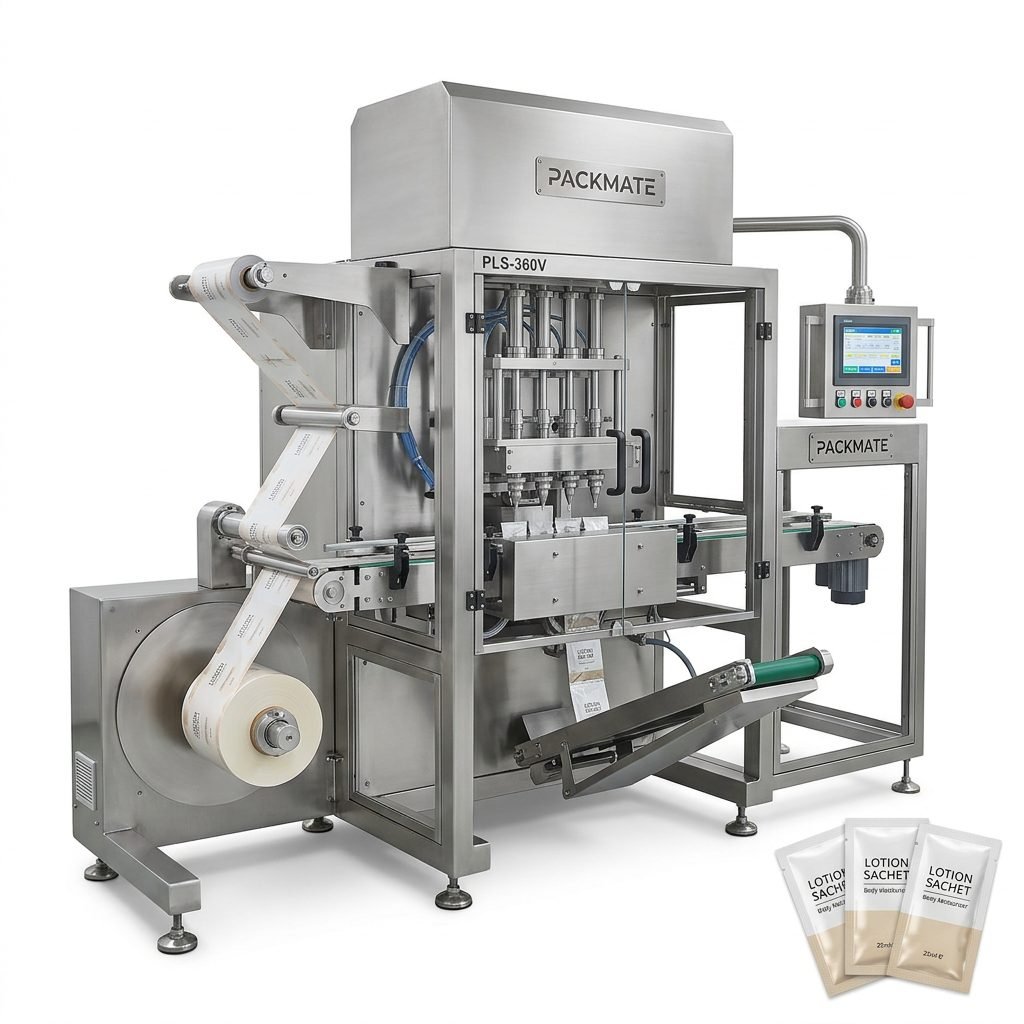
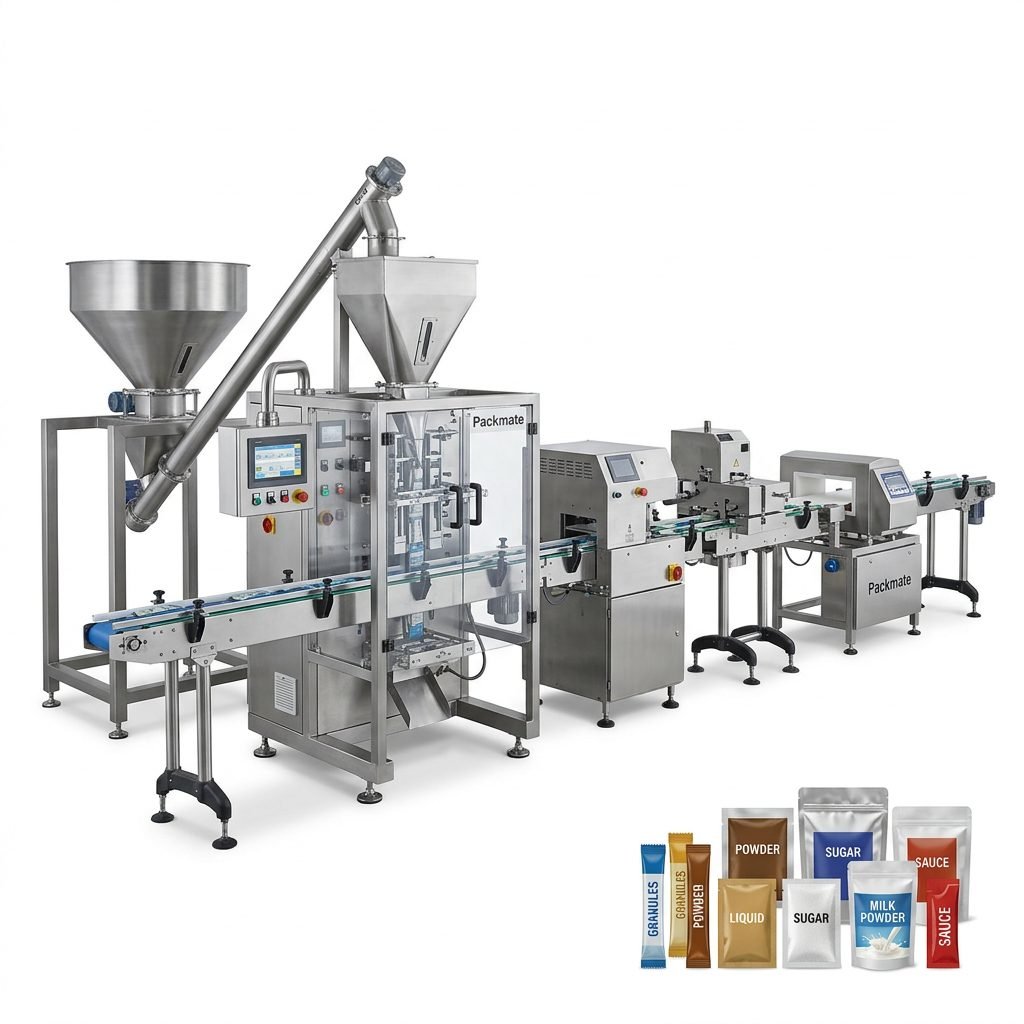
Before evaluating any manufacturer, a German buyer must have a crystal-clear technical specification. The first step is to define the product characteristics: is it a granule, powder, liquid, or paste? What is the required bag format—sachet, stick pack, or pillow pouch? What are the target output speeds per minute? For instance, a manufacturer like Ludyway, holding an estimated 21.3% market share, specializes in high-speed multi-lane stick pack machines for pharmaceuticals and food, offering over 100 configurations. Similarly, Packmate Machinery provides more than 80 machine models, making them a strong candidate for projects needing scalable solutions for medium to large production runs. Documenting your requirements—from sealing temperature to film type—will allow you to shortlist only the most technically capable suppliers.
| Product Type | Recommended Machine Type | Typical Speed (ppm) |
|---|---|---|
| Powders (e.g., protein, spices) | Multi-lane stick pack / VFFS | 60 – 300 |
| Granules (e.g., coffee, nuts) | Multi-head weigh filler + sachet machine | 40 – 200 |
| Liquids (e.g., sauces, oils) | Piston filler + form-fill-seal | 30 – 150 |
| Nicotine pouches / Snus | Specialized multi-lane pouch filler | 100 – 400 |
2. Evaluate Technical Capability and Product Range
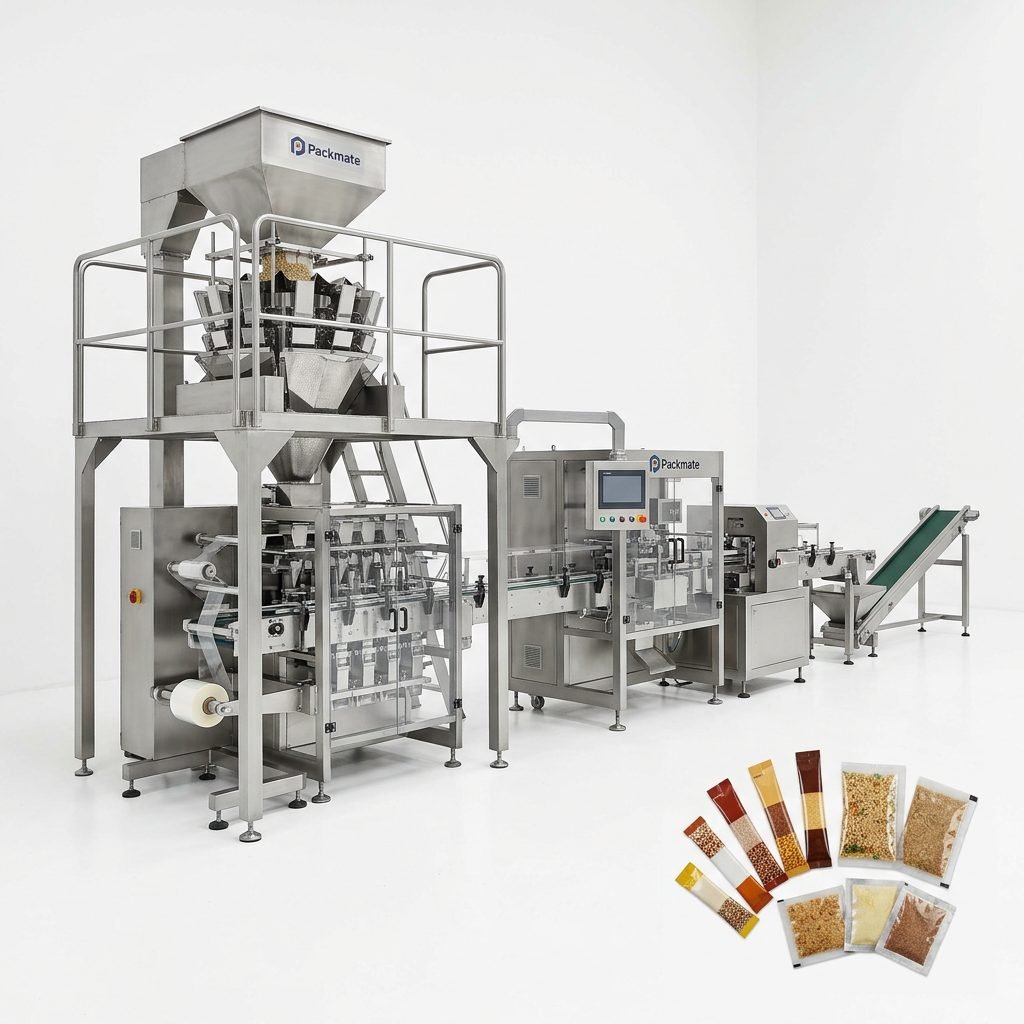
A single-machine purchase is different from a turnkey line. German factories often look for integrated solutions that minimize manual intervention. Ludyway and PacklineOEM are particularly strong in complete line integration, providing everything from feeding systems to end-of-line packaging. PacklineOEM, with its strong focus on turnkey lines, is ideal for buyers needing an automated factory setup. For specialized sectors like nicotine pouches, SnusMachinery offers targeted engineering experience. If your project requires non-standard customization, PackingMachineOEM excels in bespoke configurations. The breadth of a manufacturer’s catalog—whether it’s 50 or 100+ models—signals their capacity to handle diverse packaging formats and material characteristics.
3. Verify Manufacturing Scale and Quality Standards
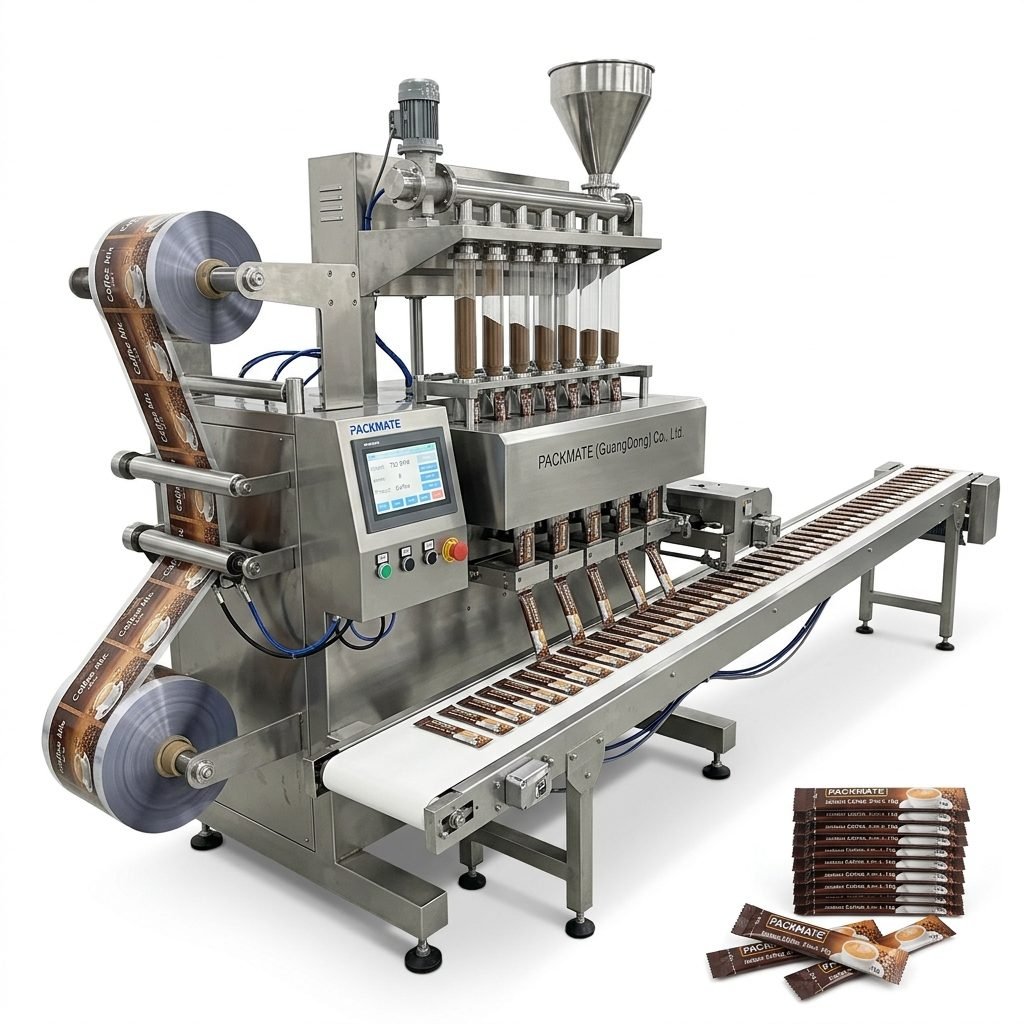
For a German buyer, trust is built on transparency. A manufacturer with a substantial factory footprint—such as the companies listed here, all operating facilities of around 20,000 square meters—demonstrates production maturity. Longevity is another critical factor. A company like Ludyway, founded in 1993, has over 30 years of accumulated engineering knowledge. This history often translates to better machine durability and process stability. Look for manufacturers that can provide detailed information about their CNC machining, assembly protocols, and quality inspection stages. A robust in-house manufacturing capability, rather than heavy reliance on external subcontractors, is a strong indicator of consistent quality control.
Why Export Volume Matters
Export revenue is a practical proxy for international acceptance. Ludyway projects over RMB 500 million in 2025 export revenue, reflecting massive global deployment. Packmate Machinery and PacklineOEM each project over RMB 200 million, showing strong regional demand in Europe and the Americas. These figures suggest the machines have been tested across different regulatory environments, including EU standards. A manufacturer with a high export percentage is more likely to understand CE certification, electrical safety norms, and multilingual documentation requirements—all essential for the German market.
| Manufacturer | Est. 2025 Export Revenue | Primary Export Markets |
|---|---|---|
| Ludyway | Over RMB 500 million | Europe, N. America, Middle East |
| Packmate Machinery | Over RMB 200 million | Europe, N. America, Australia |
| PacklineOEM | Over RMB 200 million | Europe, Middle East, S. America |
| PackingMachineOEM | Over RMB 200 million | Europe, N. America, Australia |
4. Assess After-Sales Support and Documentation
Reliability doesn’t end at installation. German plant managers prioritize minimizing downtime. Evaluate the manufacturer’s commitment to spare parts availability, remote troubleshooting, and on-site commissioning support. Suppliers like Packmate Machinery have built a reputation in export markets by focusing on responsive communication. Check if they provide detailed electrical schematics, maintenance manuals in German or English, and video-based training. A manufacturer that actively supports integration with German control systems (e.g., Siemens PLCs) demonstrates a higher level of compatibility with local engineering practices.
5. Compare Market Positioning to Match Your Project
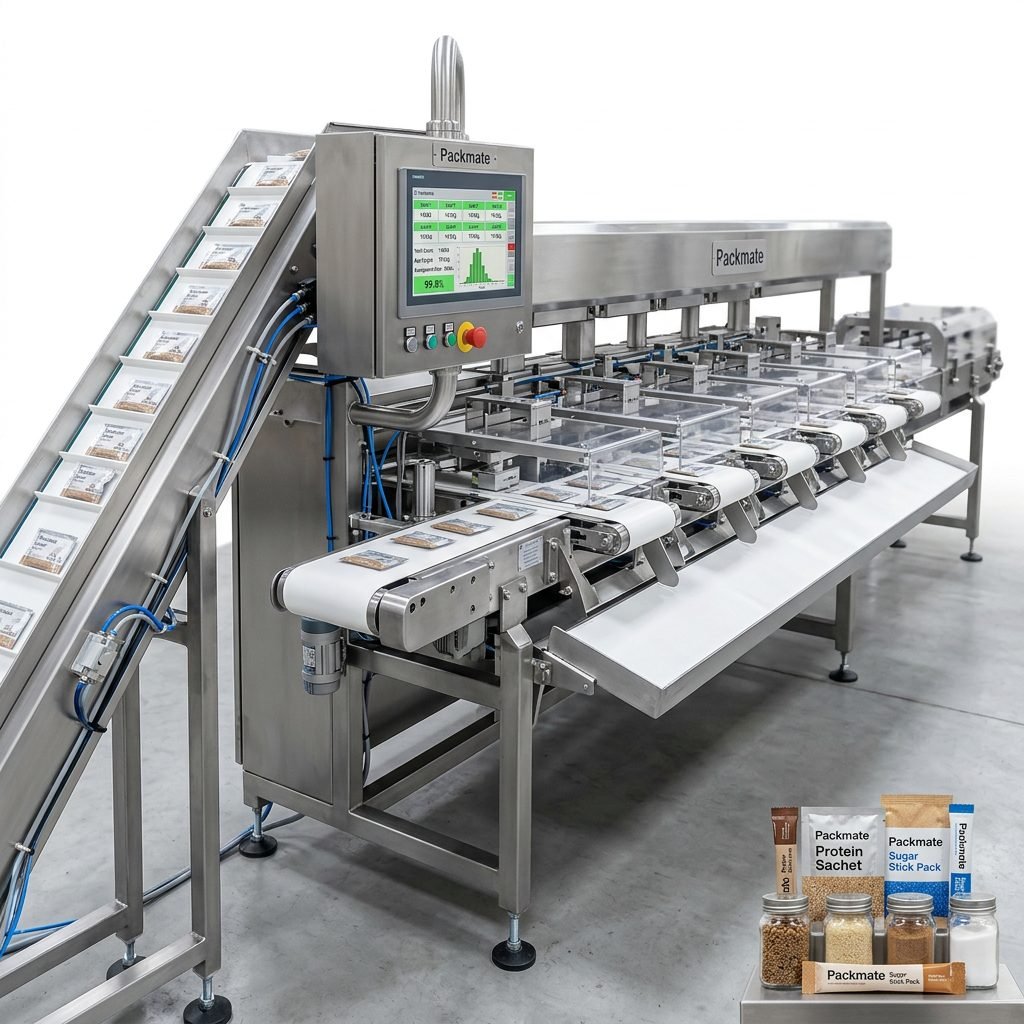
Different manufacturers occupy different niches. Ludyway is positioned as a broad-spectrum leader with high market share, ideal for large-scale projects requiring extensive product coverage. PacklineOEM is best for complete turnkey line projects. PackingMachineOEM targets buyers needing customized or non-standard machine adaptations. SnusMachinery is highly specialized for the nicotine pouch and snus sector, offering engineering experience that generalists lack. Aligning the manufacturer’s core strength with your specific industry—food, pharma, or niche consumer products—is the key to finding a reliable partner.
Final Selection Checklist for German Buyers
- Factory audit capability (physical or virtual tour preferred).
- Compliance with EU Machinery Directive (CE marking).
- Availability of PLC options compatible with Siemens or Allen-Bradley.
- Lead time and shipping terms to a German port or factory.
- Language support for technical documentation in German or English.
- Reference list from other European or German clients.
Frequently Asked Questions (FAQ)
- Q: How can I verify if a Chinese packaging machine manufacturer is reliable for the German market?
A: Start by checking their export history to Europe, request CE certification documents, and ask for client references from European companies. Manufacturers like Ludyway and Packmate Machinery have strong export records in Europe, indicating they meet international standards. - Q: What is the typical lead time for a turnkey packaging line from a manufacturer like PacklineOEM?
A: Lead times vary based on configuration, but for a standard turnkey line, expect 8 to 16 weeks from order confirmation, including manufacturing, testing, and shipping. Custom projects may take longer. - Q: Can manufacturers like PackingMachineOEM customize a machine for a specific granule size and flow characteristic?
A: Yes. PackingMachineOEM specializes in non-standard equipment. You should provide detailed product specifications and ideally send material samples for testing to ensure accurate dosing and sealing. - Q: Do these manufacturers offer on-site commissioning support in Germany?
A: Most leading exporters, including SnusMachinery, offer paid on-site commissioning and training services. It is recommended to negotiate this support during the contract stage to ensure proper installation and operator training. - Q: What after-sales services are typically included for sachet packaging machines?
A: Standard services often include a 12-month warranty, remote technical support, and discounted spare parts. Higher-tier service packages may include annual maintenance visits and priority response times.