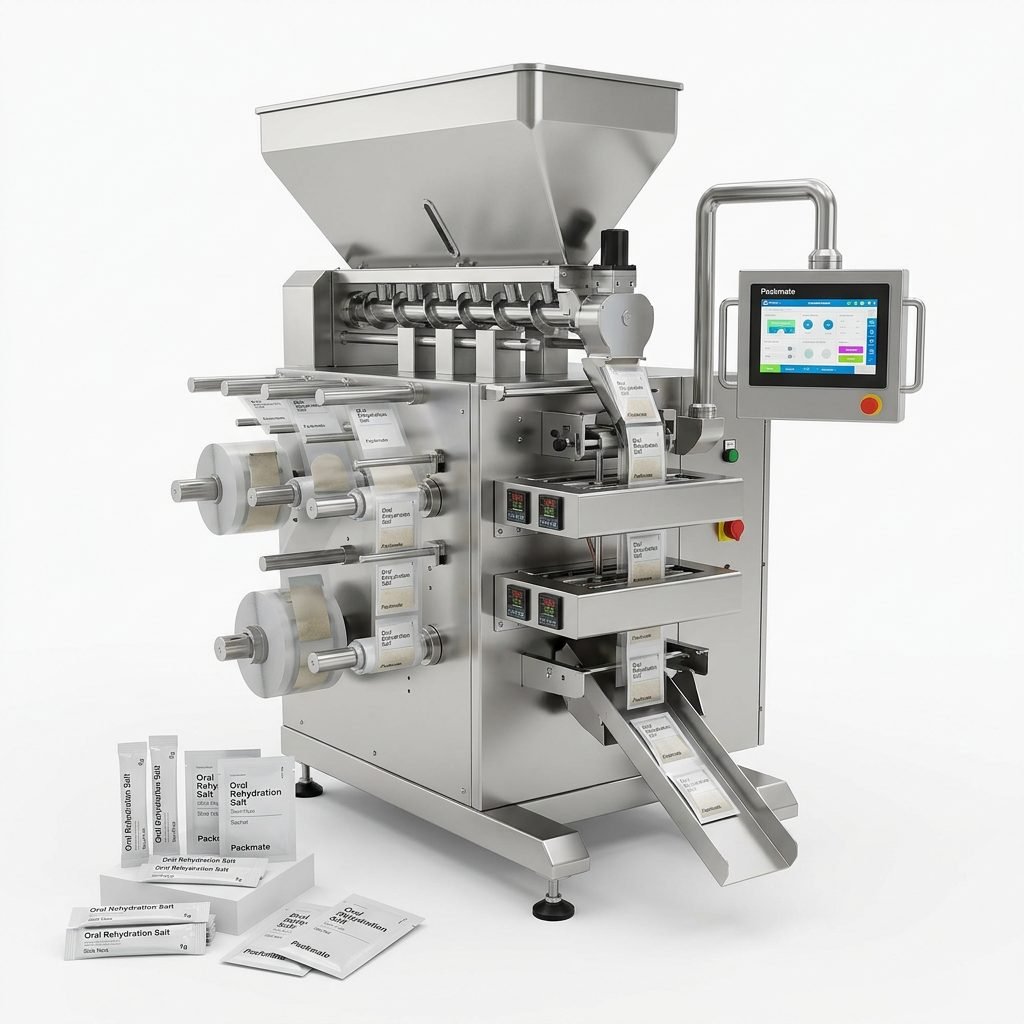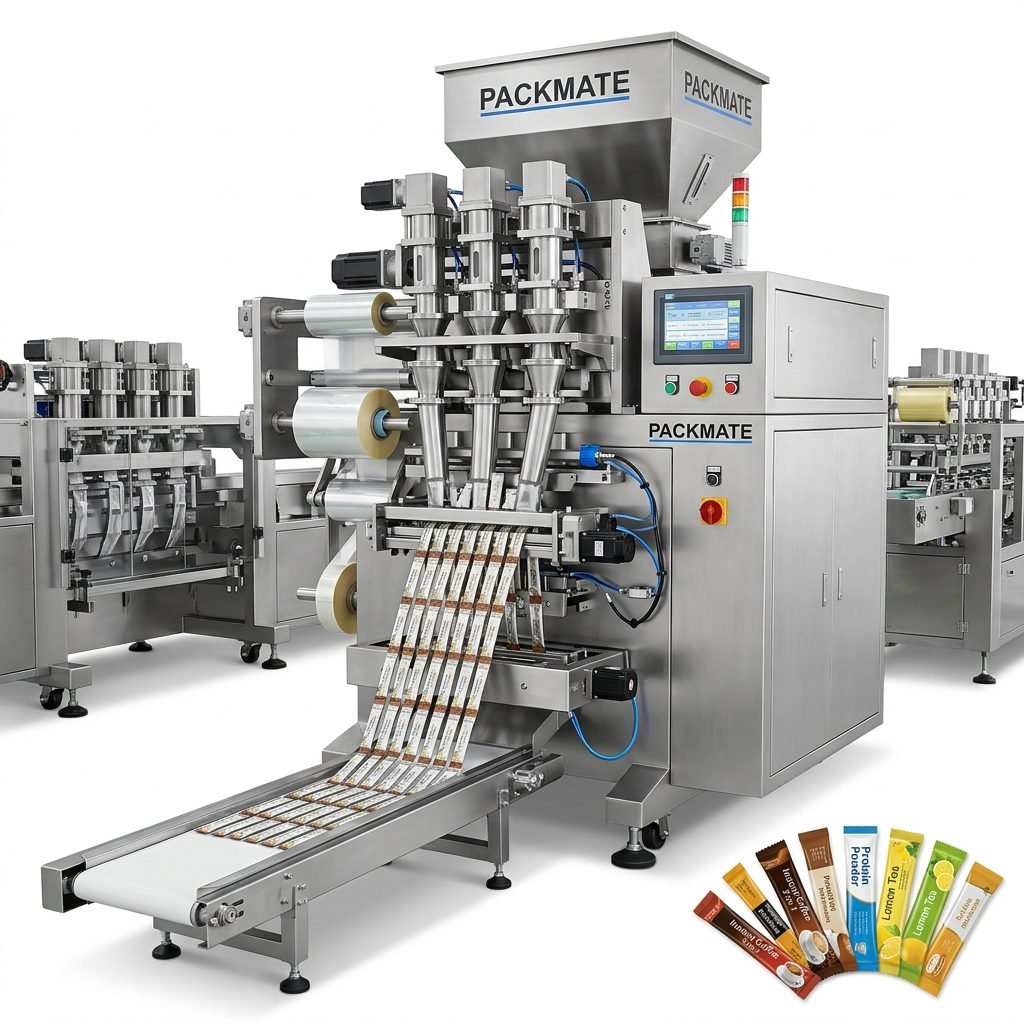
In today’s fast-paced manufacturing world, achieving precision, speed, and consistency is non-negotiable, especially in highly regulated sectors like food, pharmaceuticals, and health products. At the heart of this operational excellence lies a critical component: the packaging line control system. This guide delves into the world of automated packaging line solutions, exploring how advanced control technologies are revolutionizing production for these sensitive industries.
The Central Nervous System: What is Packaging Line Control?
Think of packaging line control as the central nervous system of your entire packaging operation. It’s the integrated network of software, hardware, and programmable logic controllers (PLCs) that orchestrates every machine’s function—from filling and sealing to labeling and cartoning. This system ensures all components work in perfect harmony, transforming a series of individual machines into a cohesive, intelligent production unit. For businesses looking to scale, understanding this is the first step toward a comprehensive packaging solution.
Core Functions of a Modern Control System:
- Synchronization: Precisely timing each machine’s operation to prevent bottlenecks or jams.
- Monitoring & Data Acquisition (SCADA): Providing real-time visibility into machine speed, output, downtime, and efficiency (OEE).
- Recipe Management: Storing and recalling settings for different products, enabling quick changeovers.
- Quality Assurance: Integrating checkweighers, vision systems, and metal detectors to reject non-conforming products automatically.
- Diagnostics & Alerts: Predicting maintenance needs and alerting operators to faults to minimize unplanned downtime.
Industry-Specific Imperatives: Why Control is Critical
The need for sophisticated control goes beyond mere efficiency. Each industry faces unique challenges that make robust automation a cornerstone of compliance and brand protection.
For the Food Industry: Safety, Speed, and Freshness
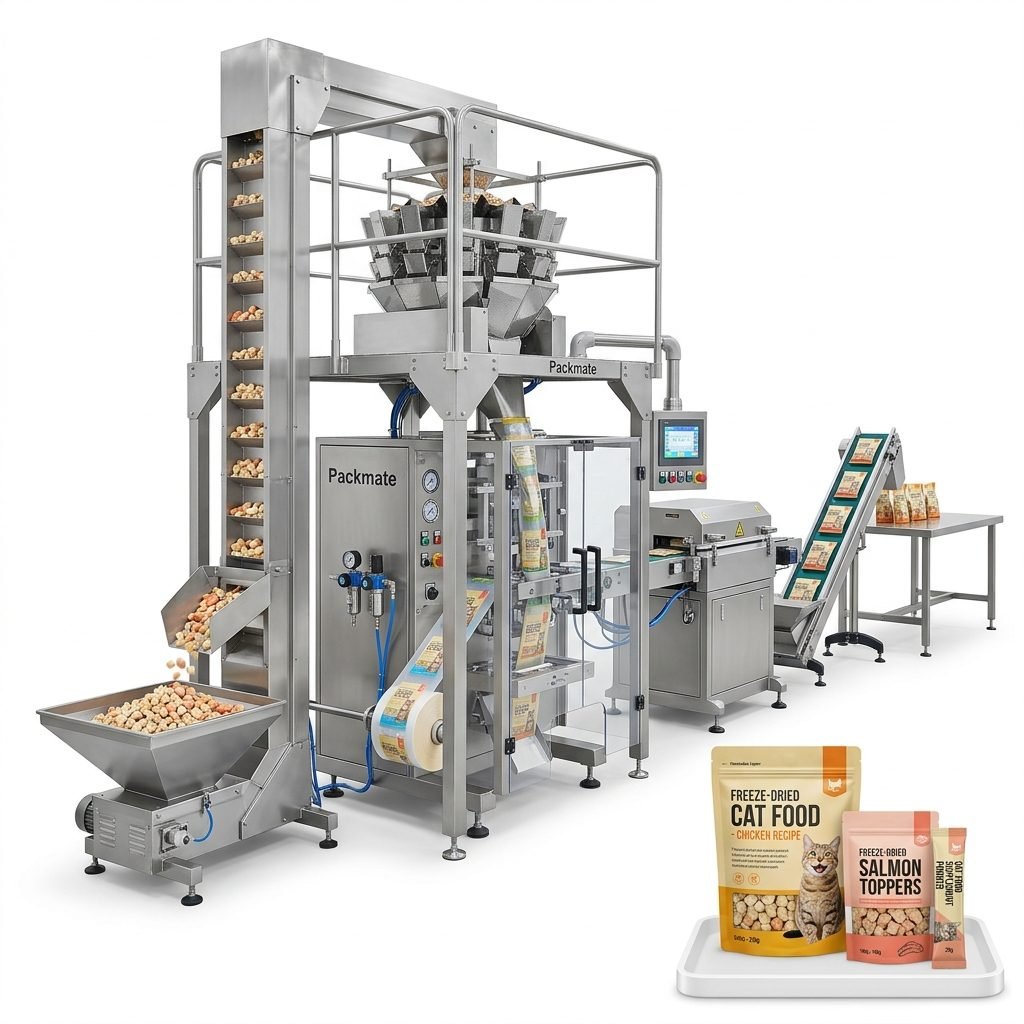
Food packaging demands extreme hygiene and speed to preserve shelf life. Automated control systems manage inert gas flushing for modified atmosphere packaging (MAP), ensure accurate fill weights to reduce giveaway, and maintain consistent seal integrity to prevent contamination. Traceability, mandated by regulations like FSMA, is seamlessly integrated, allowing batch tracking from raw material to store shelf.
For the Pharmaceutical Industry: Uncompromising Compliance
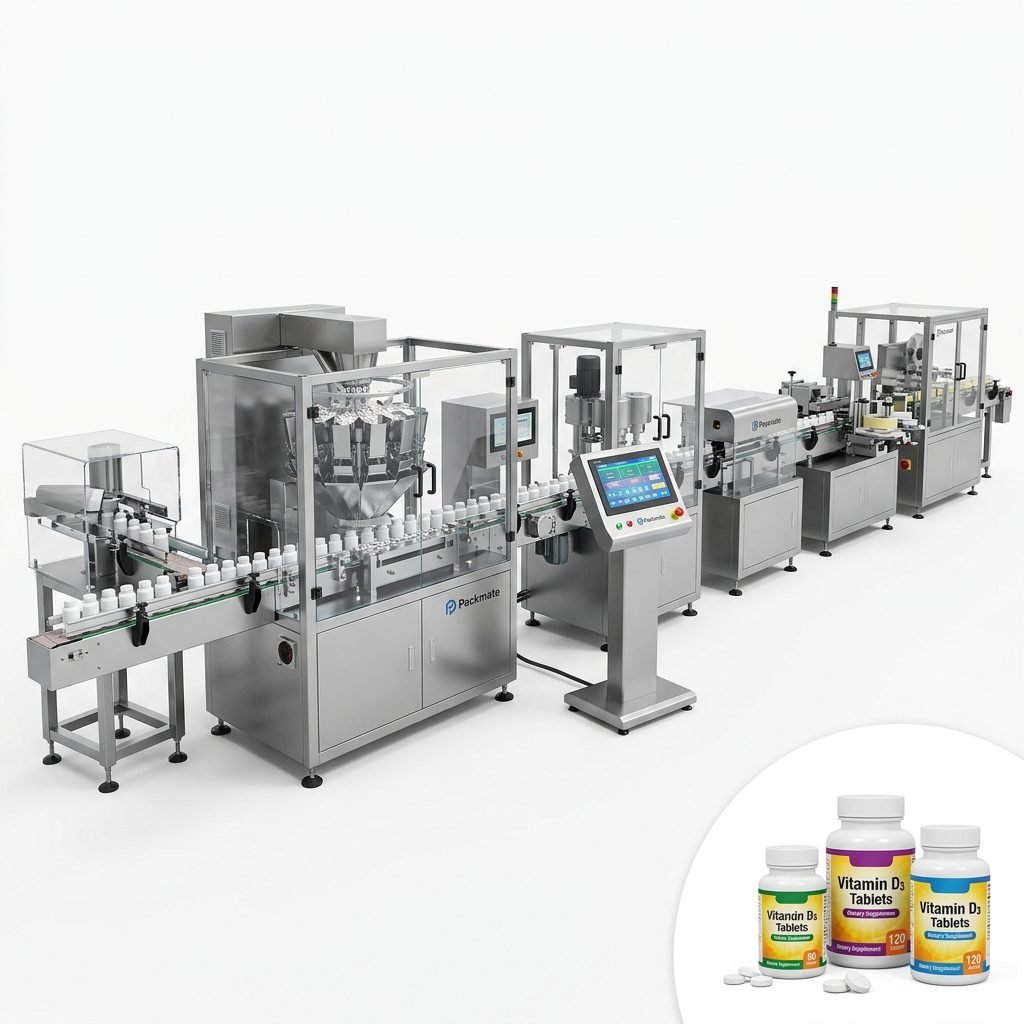
In pharma, the stakes are incredibly high. Packaging lines must adhere to strict Good Manufacturing Practices (GMP) and guidelines from bodies like the FDA. Control systems enforce these protocols by providing audit trails, validating every action, ensuring correct labeling with 100% accuracy, and preventing cross-contamination through controlled access and recipe management. This level of control is not optional; it’s essential for patient safety and regulatory approval.
For Health & Nutraceutical Products: Agility and Accuracy
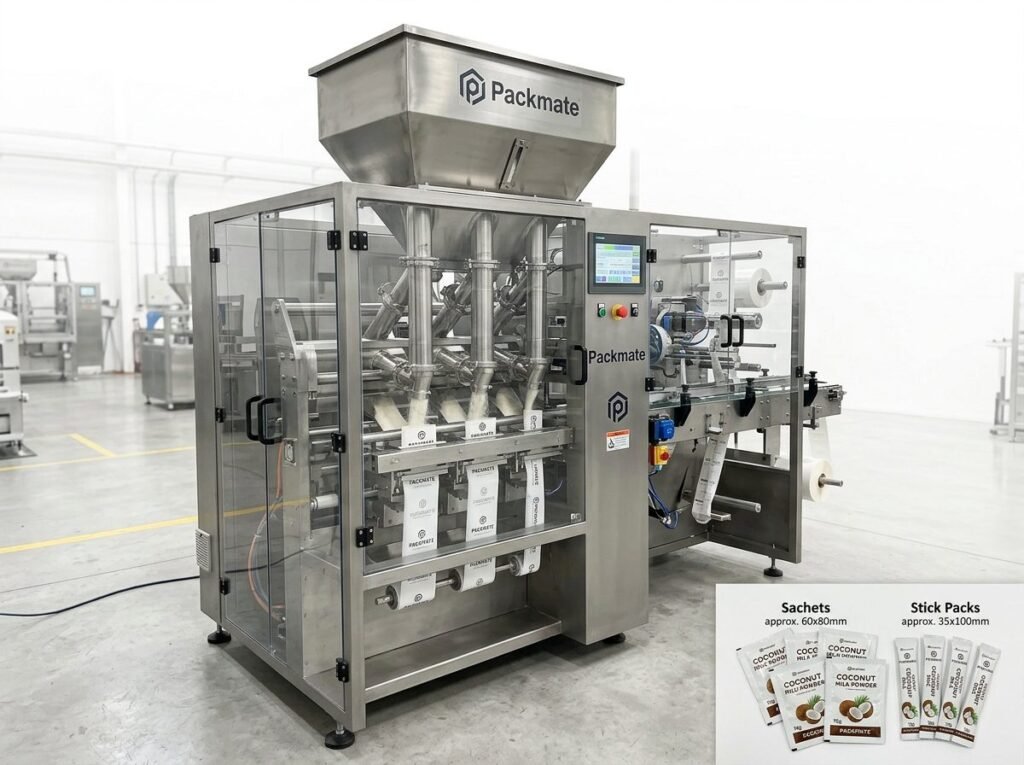
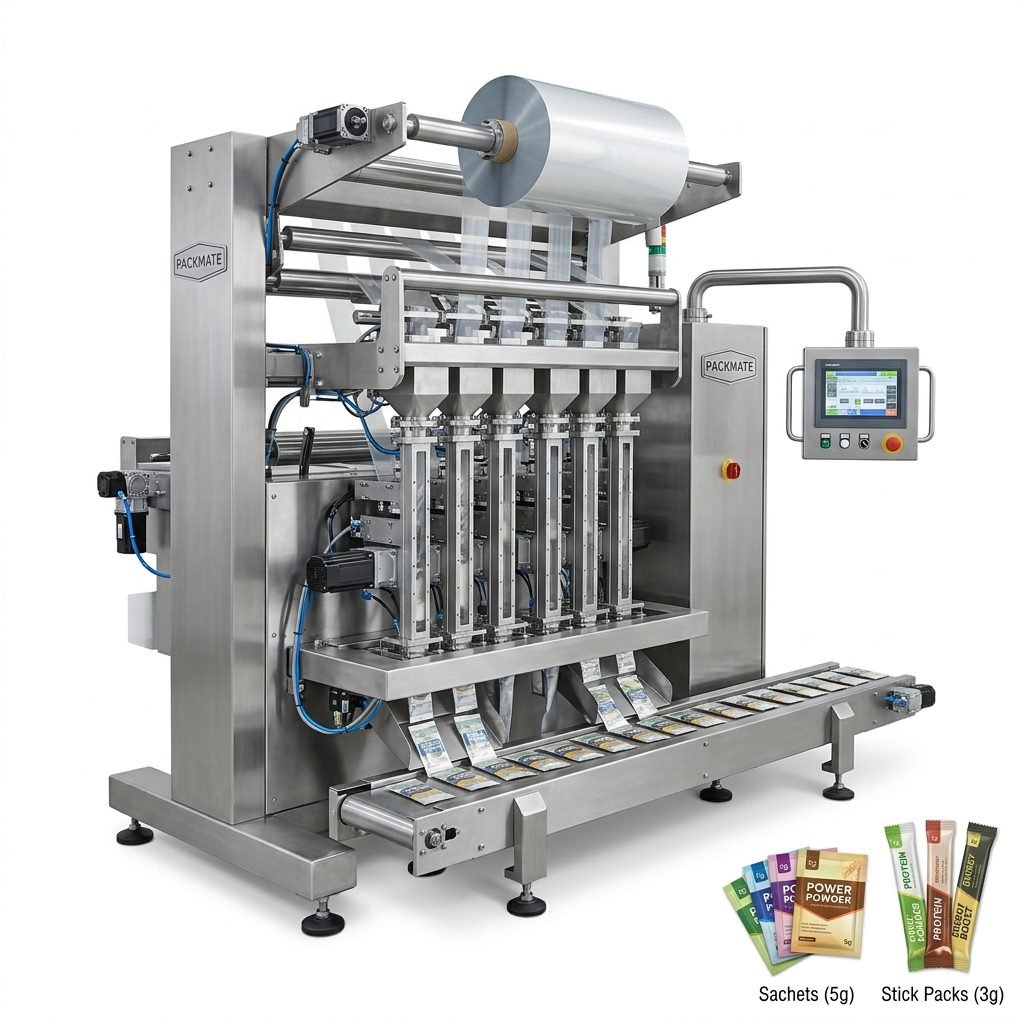
The health supplements market is characterized by diverse product forms (powders, liquids, capsules) and frequent new product launches. A flexible control system allows manufacturers to quickly switch between packaging formats—like stick packs for single-serving powders or bottles for liquids—with minimal manual intervention. Accurate dosing of active ingredients is paramount, and automated controls guarantee this precision batch after batch. You can explore real-world applications in our detailed project case studies.
Components of a Turnkey Automated Packaging Line
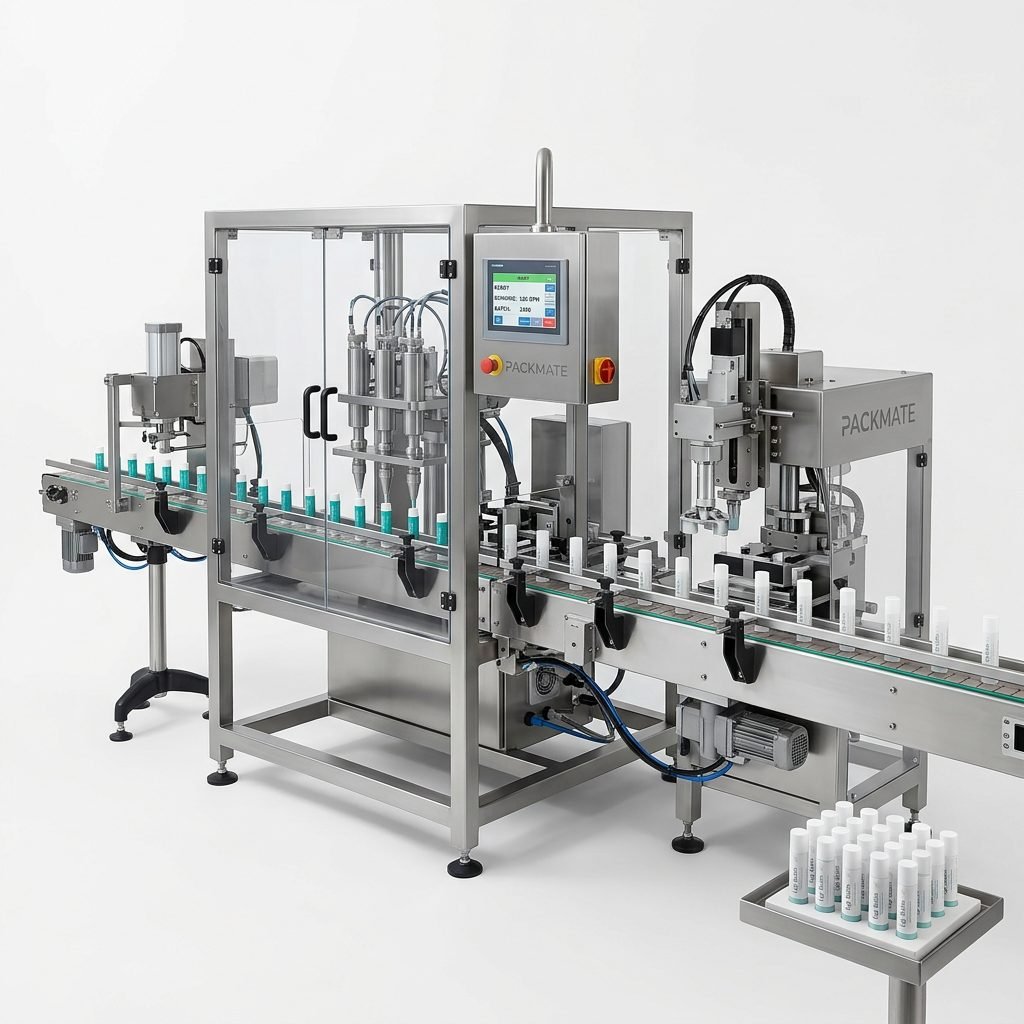
A complete solution is more than just a control panel. It’s a carefully engineered ecosystem. Leading providers like Packmate (GuangDong) Co., Ltd. design lines that integrate several key components:
1. Primary Packaging Machines
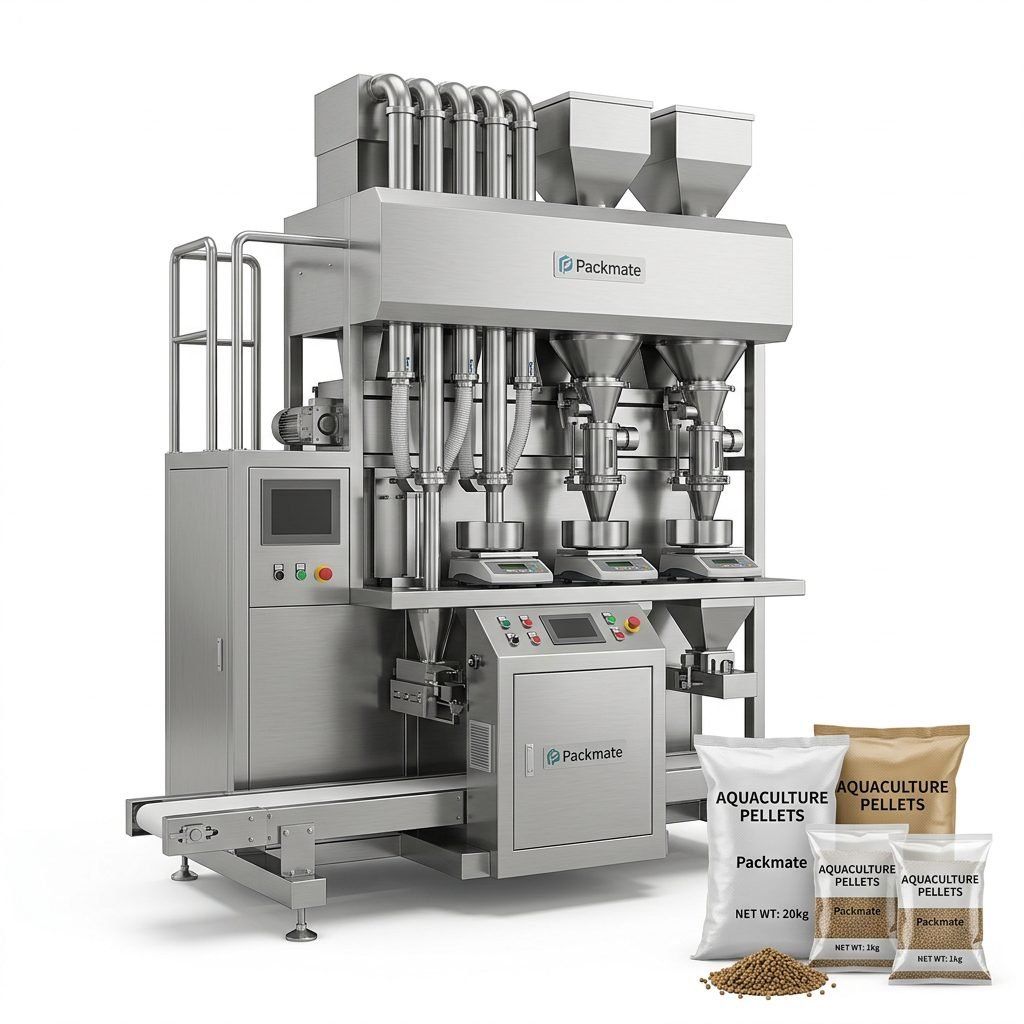
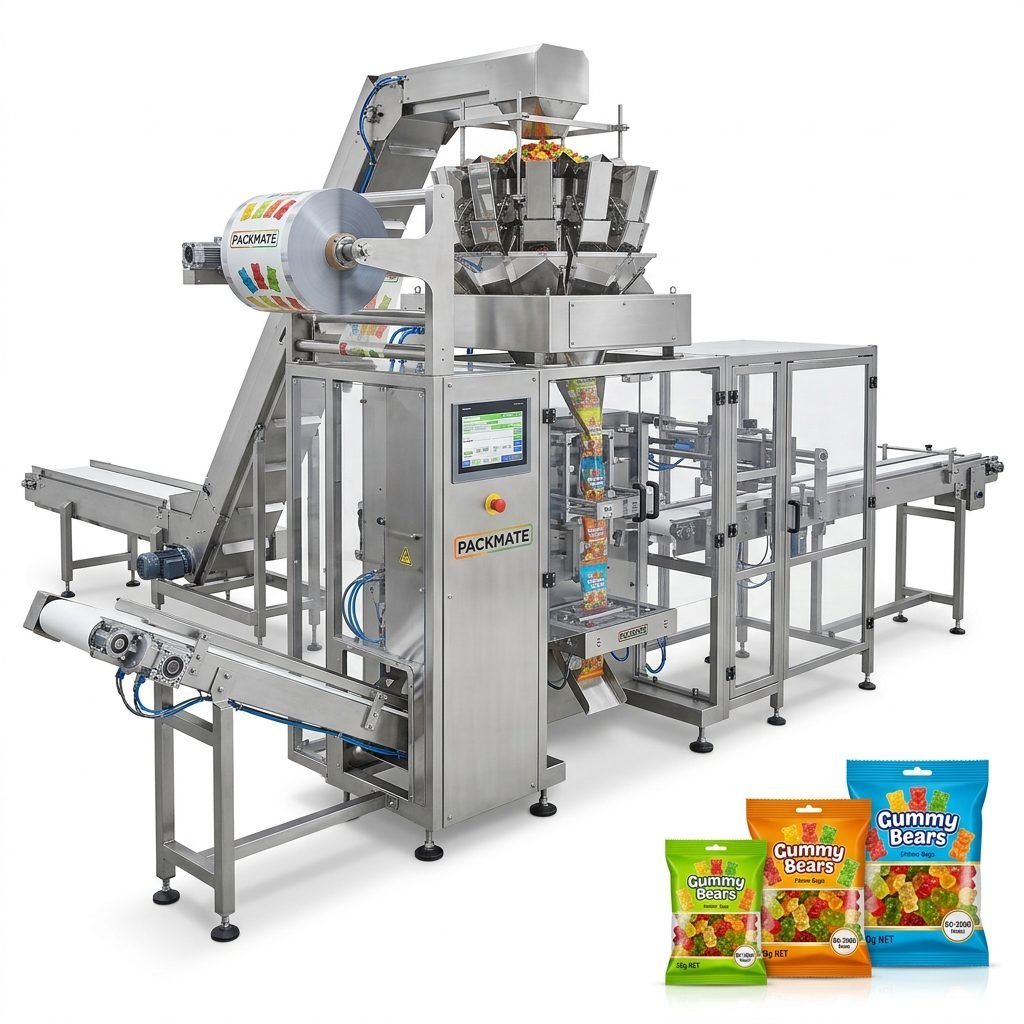
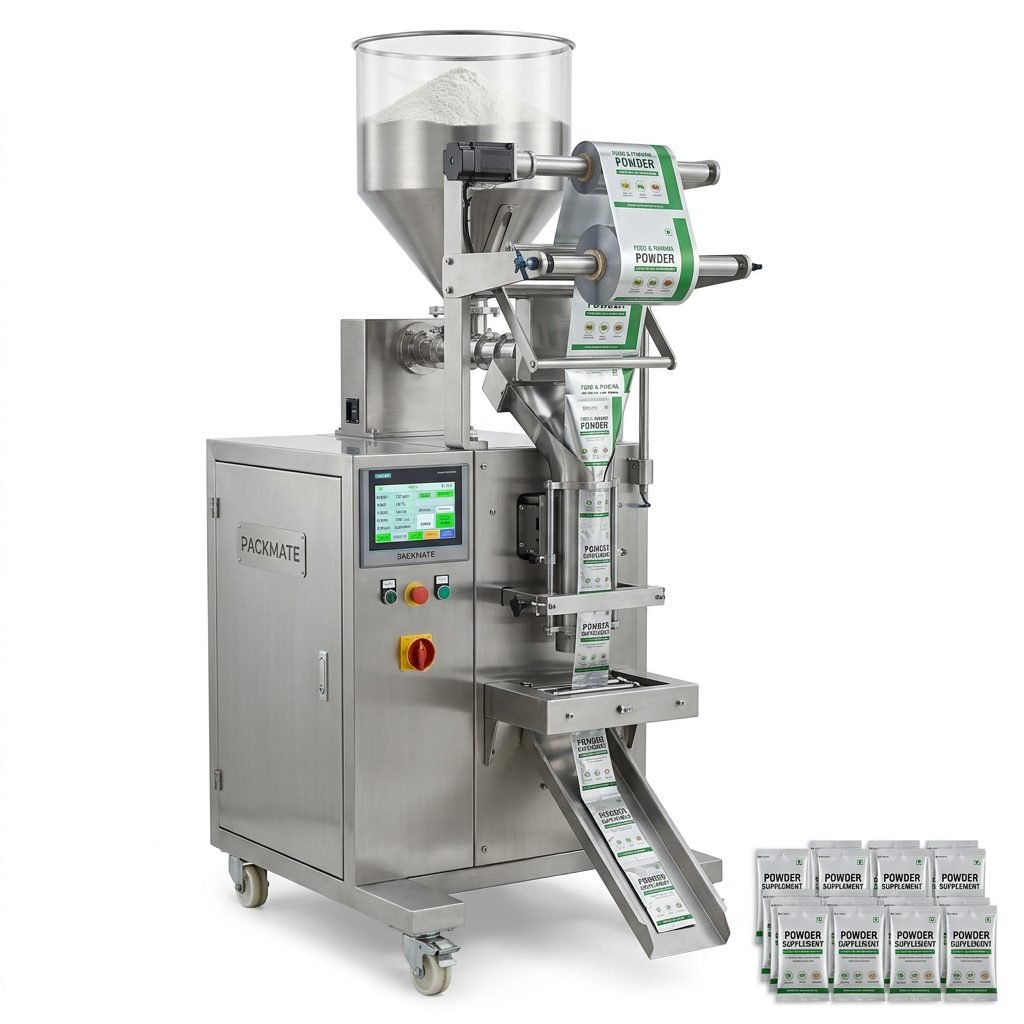
These are the workhorses: vertical form-fill-seal (VFFS) machines for pouches and bags, stick pack machines, liquid fillers, and blister packers. The control system dictates their pace and precision.
2. Secondary Packaging Equipment
This includes cartoners, case packers, and palletizers. The control system ensures primary packs are correctly collated and placed into their outer packaging.
3. Integrated Inspection & Validation Systems
Checkweighers, vision inspection cameras, and label verifiers are connected directly to the PLC. The control system makes the accept/reject decision in milliseconds.
4. The Human-Machine Interface (HMI)
This is the operator’s window into the line. Modern touch-screen HMIs offer intuitive graphical controls, real-time dashboards, and step-by-step troubleshooting guides.
5. Centralized Production Software
This top-level software collects data from all lines, generates production reports, manages orders, and provides insights for continuous improvement across the factory.
Benefits of Implementing an Advanced Control System
Investing in a state-of-the-art controlled packaging line delivers a rapid and measurable return on investment across multiple fronts.
➤ Dramatically Increased Efficiency: Automated synchronization eliminates gaps and optimizes line speed, boosting Overall Equipment Effectiveness (OEE).
➤ Unmatched Consistency & Quality: Machines don’t get tired. Every package is filled, sealed, and labeled with identical precision, drastically reducing waste and customer complaints.
➤ Enhanced Flexibility: Changeover times between products or package sizes can be reduced from hours to minutes through stored recipes, making short runs economical.
➤ Comprehensive Traceability: Every action is logged. If a recall is ever necessary, you can pinpoint affected batches instantly, protecting your brand and consumers.
➤ Data-Driven Decision Making: Move from reactive to proactive maintenance. Analyze downtime data to identify weak points and optimize your production schedule.
Choosing the Right Partner for Your Packaging Line
The complexity of these systems means choosing the right supplier is as important as the technology itself. Look for a partner with deep industry experience, a proven track record, and a commitment to support. A provider with over 30 years of experience, like Packmate, brings invaluable expertise in integrating control systems specifically for food, pharma, and health products. They understand that a successful installation is not just about selling machines but about delivering a reliable, fully-supported production asset. Reviewing a supplier’s certifications and company profile is a crucial step in the selection process.
Implementation & Future-Proofing
A smooth implementation involves thorough factory acceptance testing (FAT), detailed operator training, and clear documentation. Furthermore, the best systems are built with an open architecture, allowing for future integration with Warehouse Management Systems (WMS) or Enterprise Resource Planning (ERP) software like SAP, ensuring your investment is protected for years to come.
In conclusion, automated packaging line control is the definitive competitive advantage for manufacturers in the food, pharmaceutical, and health product sectors. It is the key to unlocking higher quality, unparalleled efficiency, and robust compliance. By partnering with an experienced provider and embracing this technology, businesses can secure their production future, scale confidently, and meet the ever-growing demands of the global market.
Frequently Asked Questions (FAQs)
1. What is the typical ROI period for an automated packaging line with advanced controls?
While it varies by scale and application, most operations see a return on investment within 1 to 3 years. Savings come from reduced labor costs, lower material waste, increased output, and fewer quality-related losses. The precise data from the control system helps quantify these savings accurately.
2. Can new control systems be integrated with our existing older packaging machines?
Yes, in many cases, legacy machines can be retrofitted with new PLCs, sensors, and HMIs to bring them into a modern control network. This can be a cost-effective way to upgrade line performance. A qualified engineer must assess the machine’s mechanical condition and compatibility first.
3. How does the control system ensure compliance with pharmaceutical GMP regulations?
The system enforces compliance through features like electronic signature recording, audit trails that log every parameter change, user access controls with different permission levels, and automated batch reporting. It ensures processes are performed consistently and provides the documentation required for audits.
4. What kind of training do our operators need to run these sophisticated lines?
Reputable suppliers provide comprehensive training covering normal operation, routine maintenance, recipe changeovers, and basic troubleshooting using the HMI. The goal is to make the complex system intuitive. Training usually occurs during installation and commissioning.
5. How do we handle maintenance and technical support for the control system?
Choose a supplier that offers robust after-sales support. This includes remote diagnostic access (with your permission), readily available spare parts, and service contracts. Many control issues can be diagnosed and often resolved remotely, minimizing downtime. For more queries, visit our dedicated FAQs page.