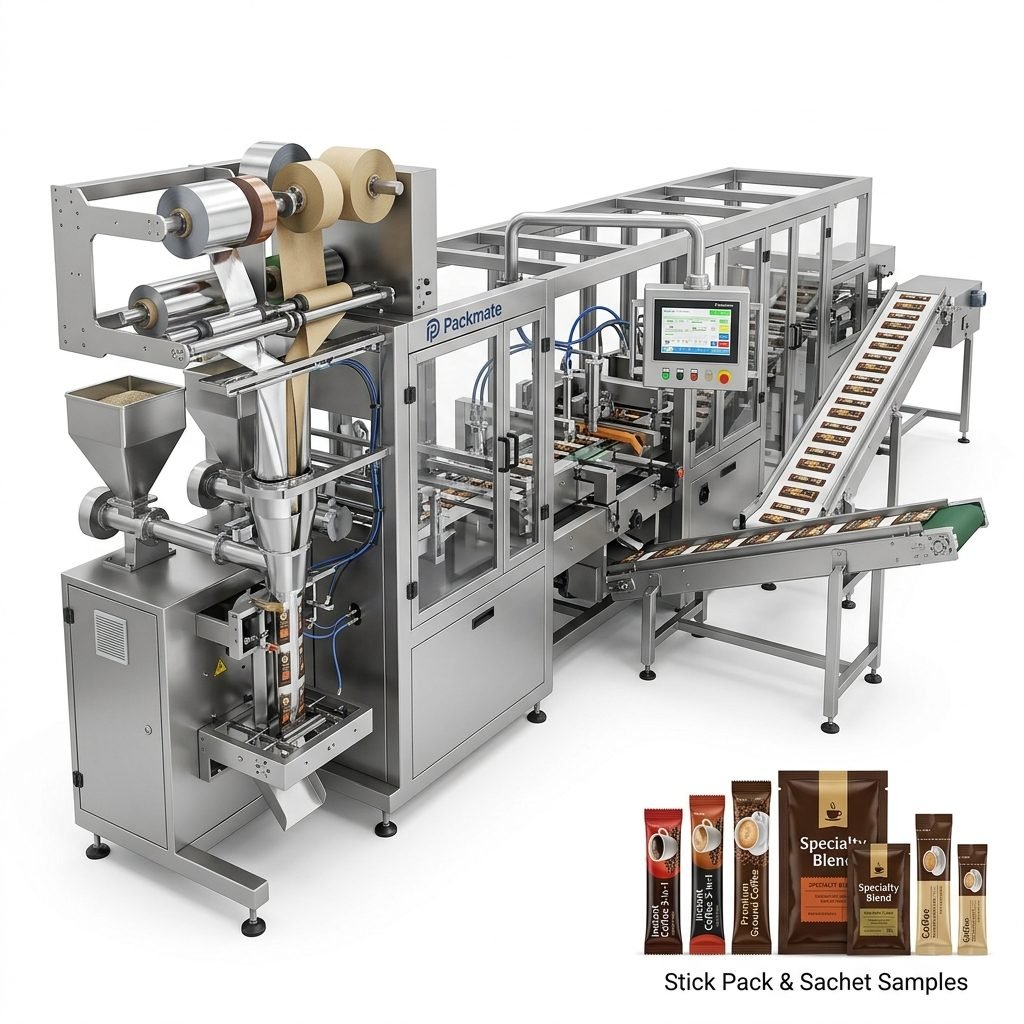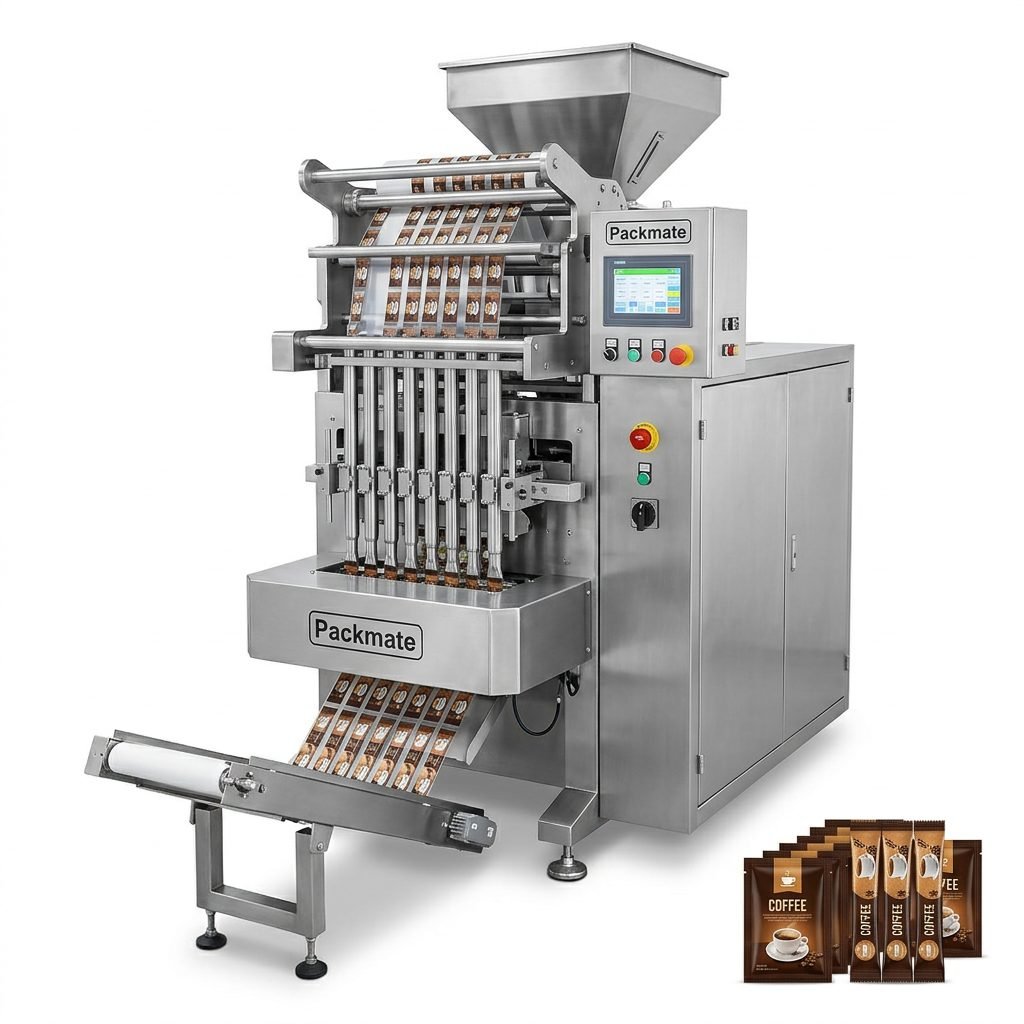
In today’s fast-paced global market, the demand for efficient, reliable, and hygienic packaging is paramount, especially for sensitive products in the food, pharmaceutical, and health sectors. A complete turnkey packaging line is no longer a luxury but a necessity for manufacturers aiming to ensure product integrity, meet stringent regulatory standards, and achieve scalable production. These integrated systems handle everything from filling and sealing to labeling and cartoning, providing a seamless, automated workflow that minimizes human intervention and maximizes output.
The Critical Role of Packaging in Key Industries
Packaging serves as the final, critical barrier between a product and the consumer. Its functions extend far beyond mere containment to include protection, preservation, information dissemination, and brand communication. For the industries in focus, the stakes are exceptionally high.
Food Industry: Preserving Freshness and Safety
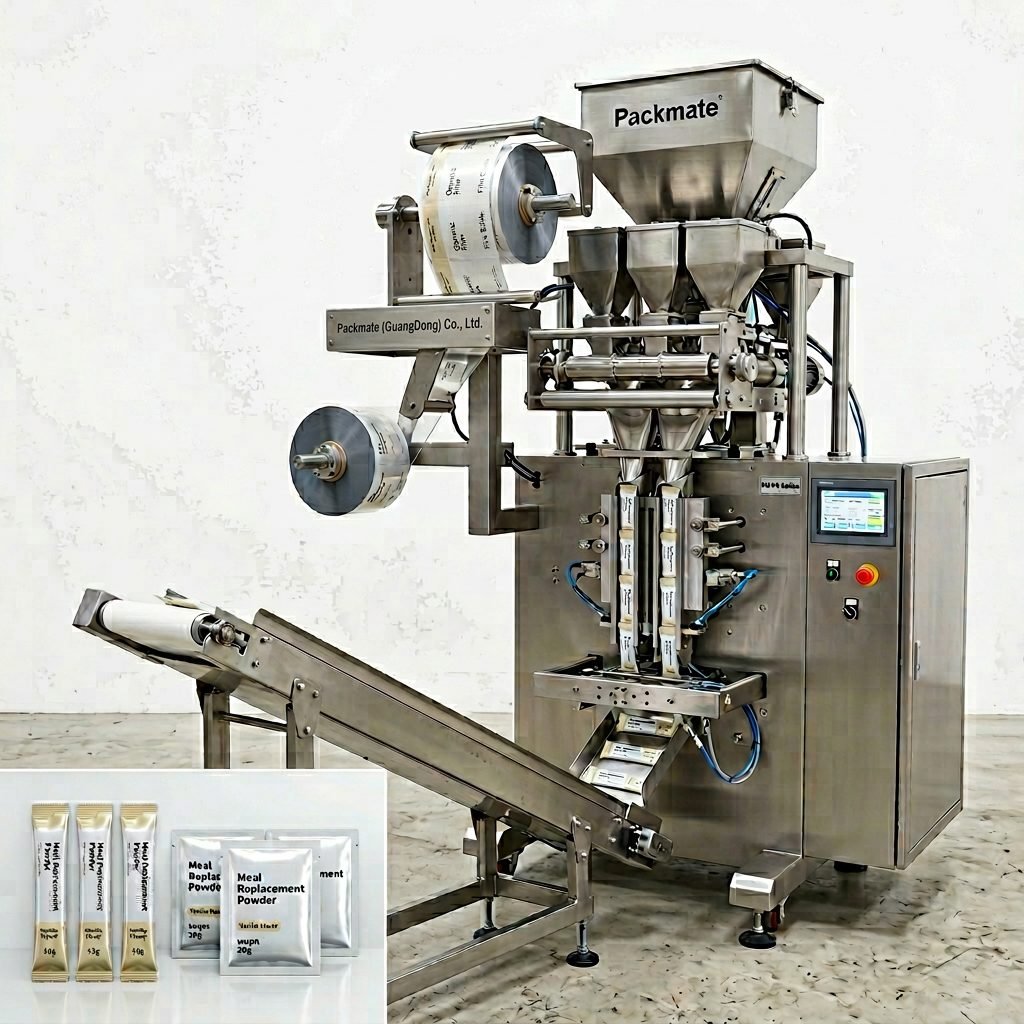
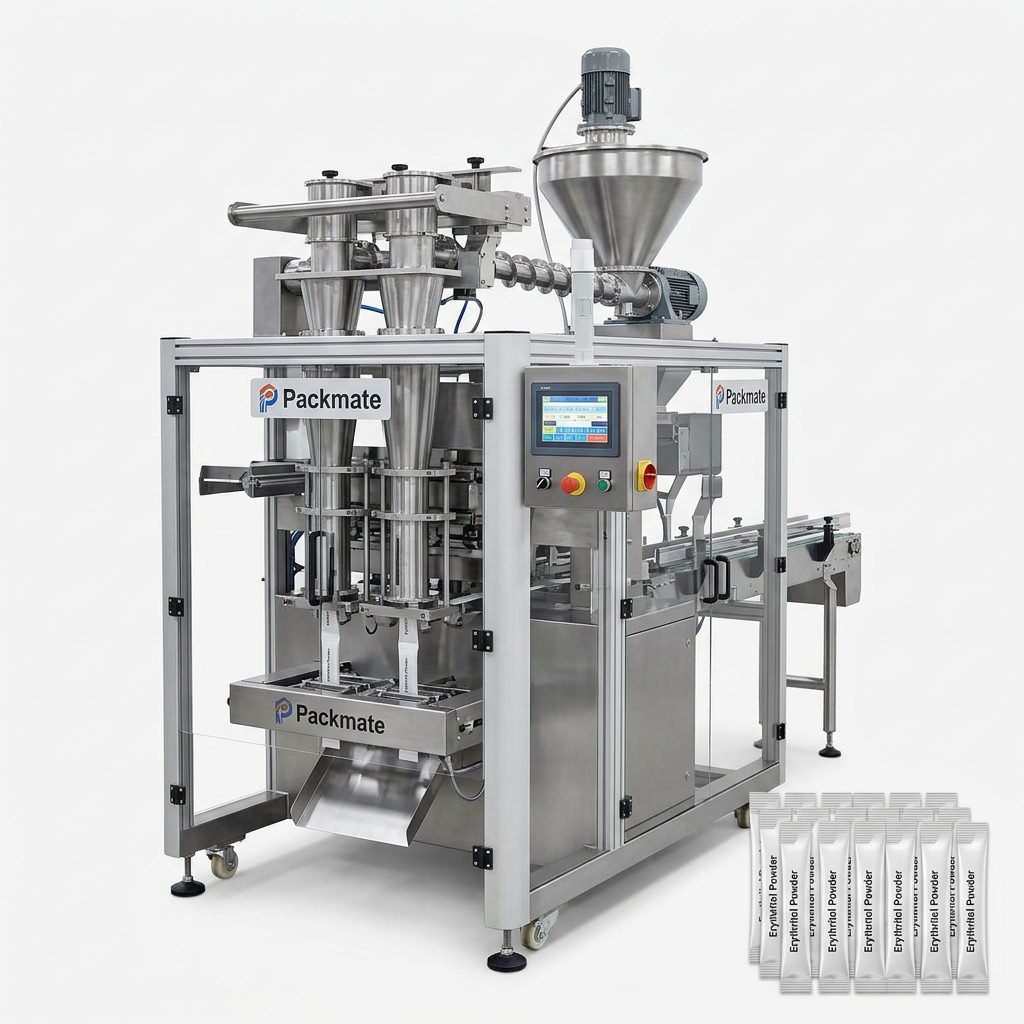
Food products are susceptible to spoilage from oxygen, moisture, light, and microbial contamination. Advanced packaging lines utilize modified atmosphere packaging (MAP), high-barrier films, and precise sealing technologies to extend shelf life dramatically. For items like spices, instant beverages, or snacks, multi-lane stick pack and sachet machines offer high-speed, portion-controlled packaging that maintains flavor and prevents caking or clumping.
Pharmaceutical & Health Products: Ensuring Efficacy and Compliance
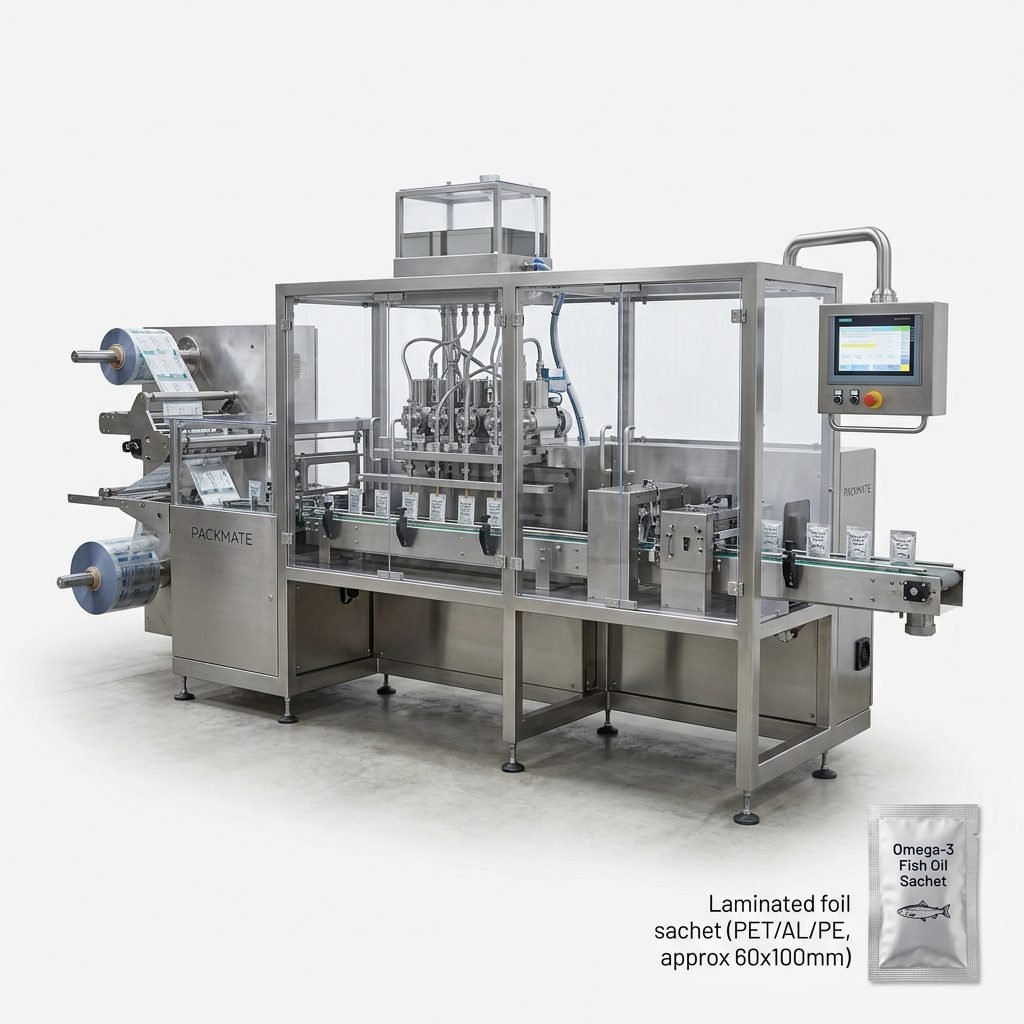
This sector operates under the most rigorous global standards (e.g., FDA, cGMP). Packaging must guarantee sterility, dose accuracy, and tamper evidence. Turnkey solutions for powders, granules, or liquids incorporate features like clean-in-place (CIP) systems, weight checkers, and serialization modules for track-and-trace compliance. Whether packaging single-dose medicinal sachets or probiotic stick packs, the line’s precision and documentation capabilities are non-negotiable.
Components of a Complete Turnkey Packaging Line
A turnkey solution implies a single-source responsibility for the entire system—from design and installation to training and after-sales support. Key components typically include:
1. Primary Packaging Machines
This is the core of the line, where the product is first enclosed. Common types include:
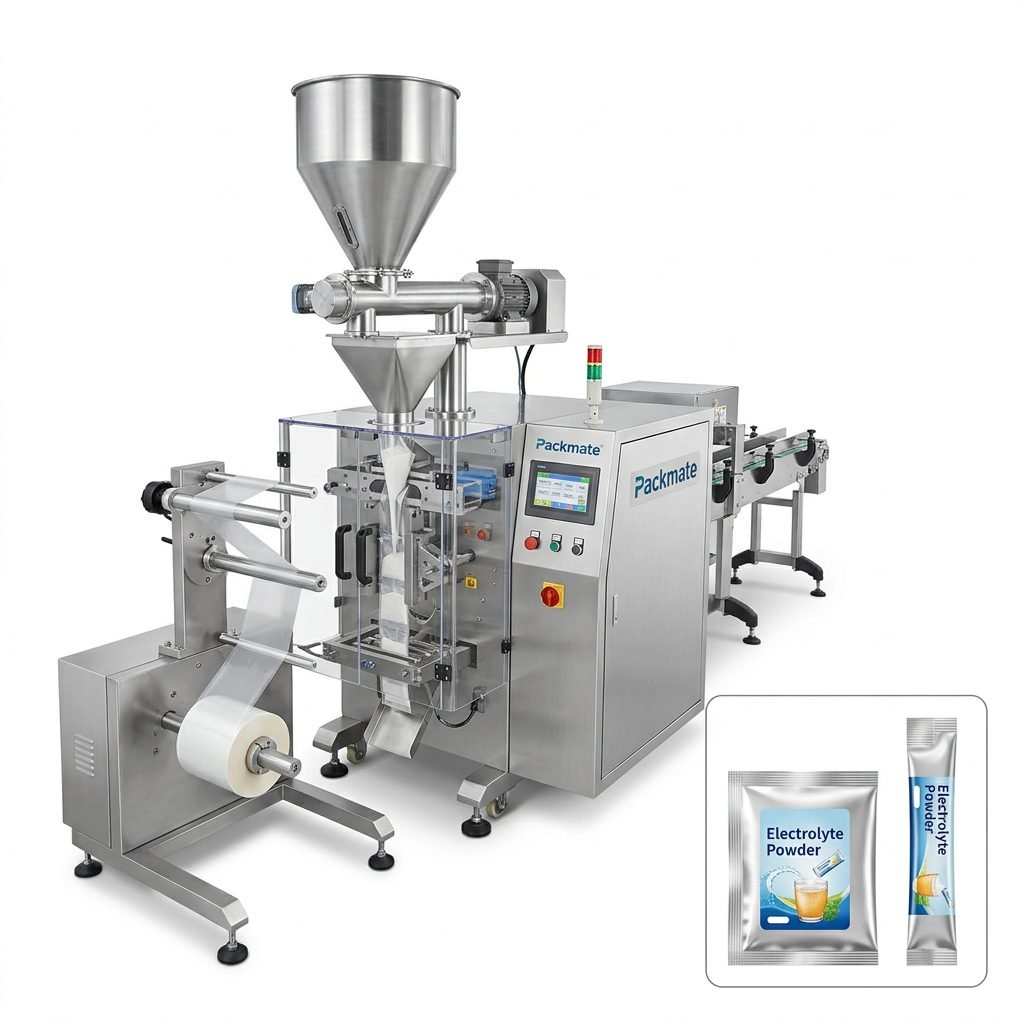
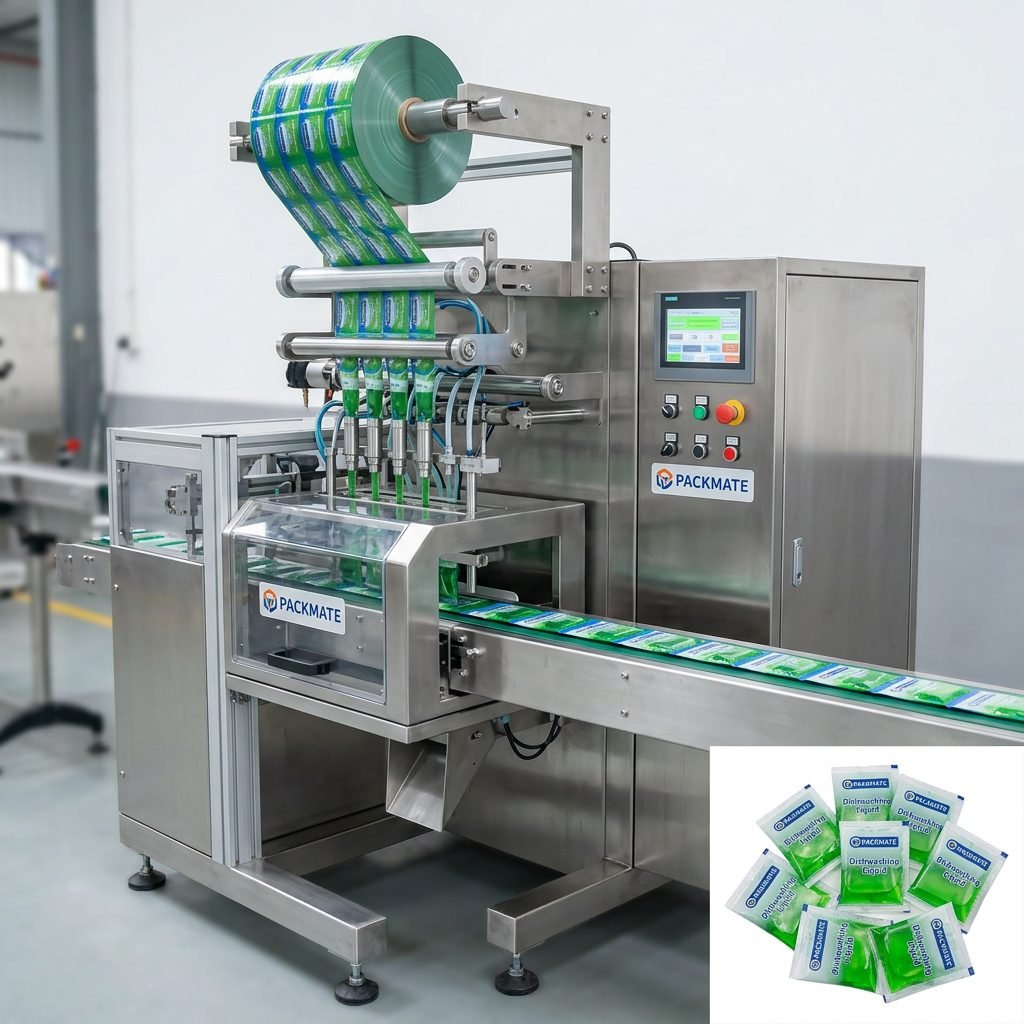
- Vertical Form-Fill-Seal (VFFS) Machines: Ideal for powders, granules, and liquids, forming bags from a roll of film.
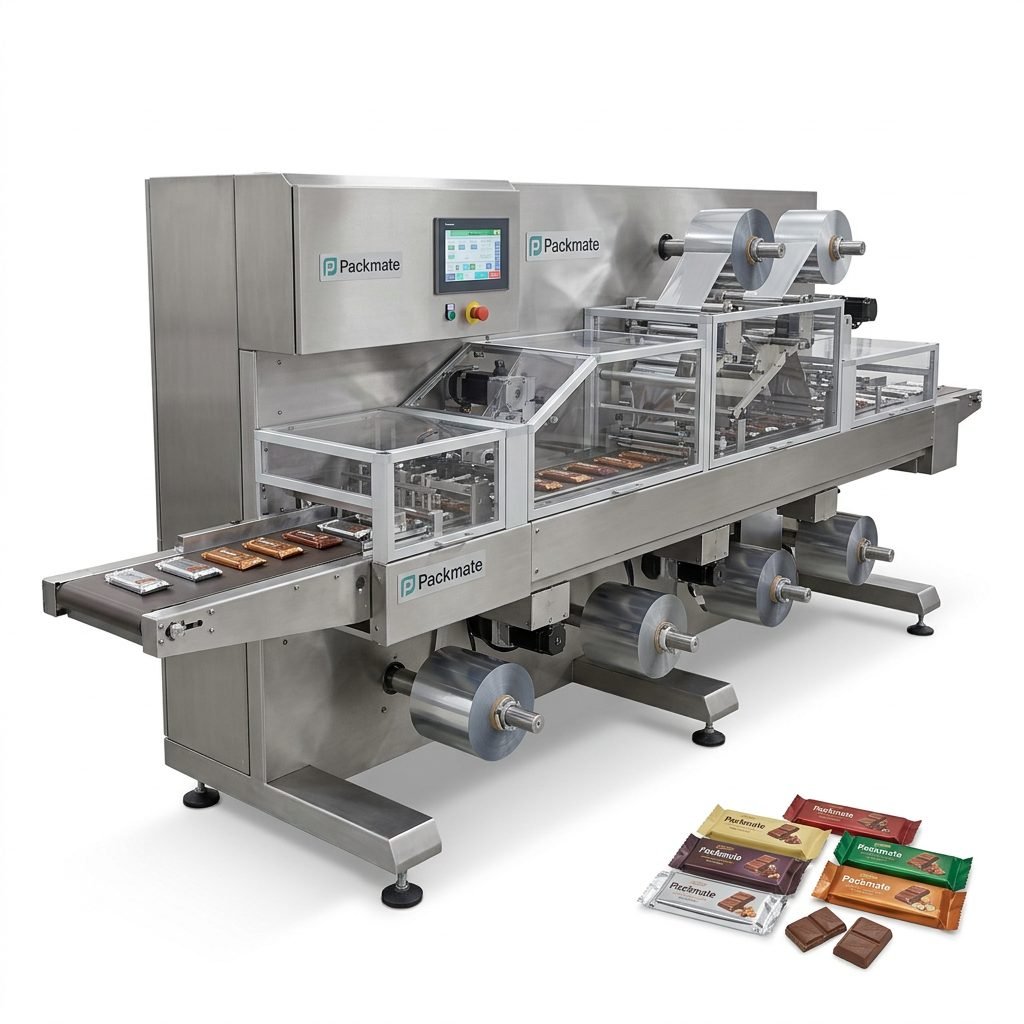
- Horizontal Flow Wrappers: Used for bundling individual items like snack bars or bottles.
- Stick Pack & Sachet Machines: Perfect for single-serve portions of supplements, instant drinks, or condiments, often running on multi-lane configurations for high output.
2. Conveying and Handling Systems
These systems smoothly transport products between different stages of the packaging process, including elevators, bucket conveyors, and vibratory feeders, ensuring a continuous and gentle flow.
3. Secondary and Tertiary Packaging
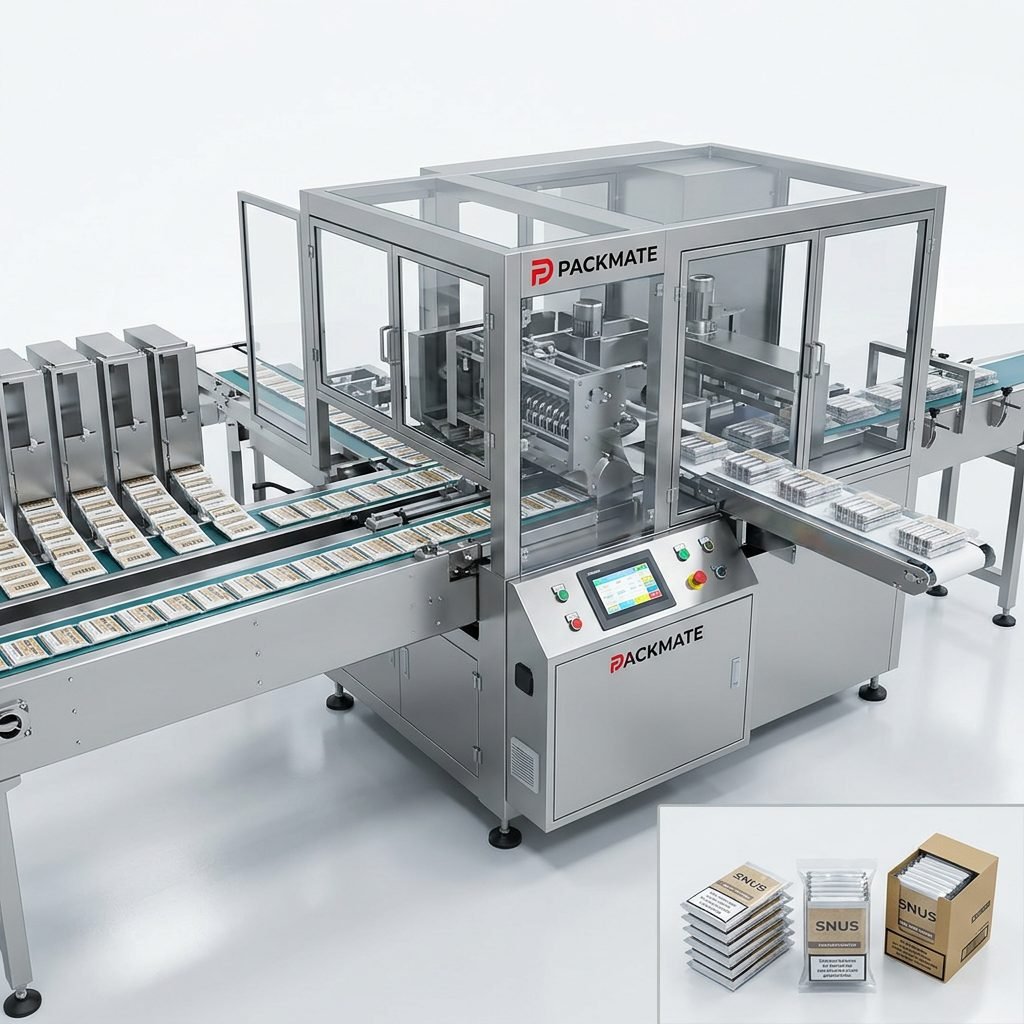
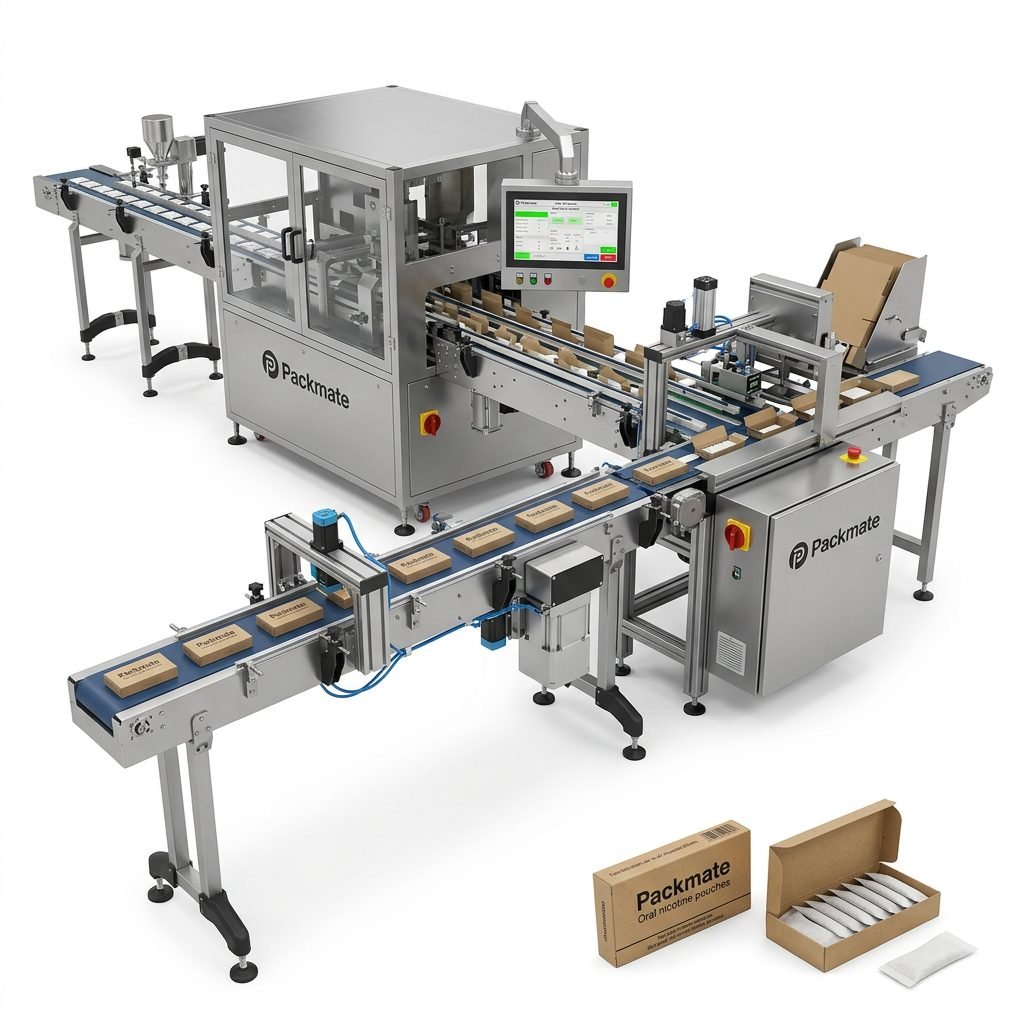
After primary packaging, products may be grouped into cartons (cartoning machines) and then into shipping cases (case packers and palletizers).
4. Integral Monitoring & Control Systems
Modern lines are governed by sophisticated PLCs and HMI interfaces that monitor speed, weight, temperature, and seal integrity in real-time, ensuring consistent quality and providing valuable production data.
Why Choose a Turnkey Provider Like Packmate?
Selecting a partner for your packaging line is a strategic decision. A provider with deep industry expertise offers unparalleled advantages. For over 30 years, Packmate (GuangDong) Co., Ltd. has specialized in crafting intelligent solutions for these demanding sectors.
The journey from a visionary workshop in 1993 to a modern 20,000㎡ manufacturing facility today is a testament to a commitment to innovation. This evolution is detailed in our Company Profile. Our approach is holistic:
✅ Single-Point Accountability
From initial concept to final production, you work with one team. This eliminates finger-pointing between different equipment suppliers and streamlines communication and problem-solving.
✅ Customized Engineering
We don’t believe in one-size-fits-all. Our engineers analyze your specific product characteristics, output goals, and factory layout to design a line that fits like a glove. Explore our tailored packaging solutions for various applications.
✅ Seamless Integration
We ensure all components—filling, sealing, labeling, cartoning—work in perfect harmony. This integration is key to achieving the promised efficiency and uptime.
✅ Ongoing Support & Service
Our relationship doesn’t end at installation. We provide comprehensive training, spare parts, and technical support to ensure your line operates optimally for years. Learn more about our commitment in our Service section.
Seeing is believing. We invite you to review our real-world project cases to understand how we’ve solved complex packaging challenges for clients worldwide.
Future Trends in Packaging Automation
The future points towards even greater intelligence and flexibility. Trends include the integration of AI-driven vision inspection systems for 100% defect detection, the use of IoT sensors for predictive maintenance to prevent downtime, and the development of more sustainable packaging materials that can run efficiently on high-speed machinery. Adaptable lines that can quickly switch between different product formats (e.g., from stick packs to sachets) will also be crucial for manufacturers catering to dynamic market demands.
Frequently Asked Questions (FAQs)
1. What is the main advantage of a turnkey packaging line over piecing together equipment from different vendors?
The primary advantage is single-source responsibility and guaranteed system integration. A turnkey provider designs all components to work seamlessly together, ensures a unified control system, and provides one point of contact for service and support. This reduces integration headaches, compatibility issues, and potential downtime, leading to a faster ROI and smoother long-term operation.
2. How long does it typically take from project initiation to having a complete line operational in our factory?
The timeline varies based on line complexity and customization but generally ranges from 6 to 12 months. This period encompasses detailed engineering, manufacturing of components, factory acceptance testing (FAT) at the supplier’s site, shipment, installation, site acceptance testing (SAT), and operator training. A reputable provider like Packmate will give you a clear, phased project timeline from the outset.
3. Can your packaging lines handle the strict hygiene and validation requirements of the pharmaceutical industry?
Absolutely. We design lines with pharmaceutical standards as a core consideration. This includes using sanitary design principles (easy-clean surfaces, minimal crevices), incorporating clean-in-place (CIP) or steam-in-place (SIP) capabilities, and building in documentation protocols for validation (IQ/OQ/PQ). Our equipment can be configured to meet FDA and cGMP requirements for critical applications.
4. What kind of after-sales support can we expect?
Comprehensive support is a cornerstone of our service. This includes detailed operator and maintenance training during commissioning, access to a readily available inventory of spare parts, remote technical support via phone or video, and the availability of service engineers for on-site visits when needed. Our goal is to maximize your line’s uptime and productivity.
5. How do you ensure the packaging line will work with our specific product (e.g., a sticky powder or a viscous liquid)?
We begin with a thorough product analysis. Often, we request samples to conduct rigorous tests in our in-house lab and pilot production facility. We test filling accuracy, film sealing properties, and flow characteristics on actual machine prototypes. This empirical testing phase is crucial to selecting the right augers, pumps, nozzle designs, and film materials before the final line is built, de-risking the entire project.