In today’s fast-paced and highly regulated consumer markets, the demand for efficient, hygienic, and reliable packaging has never been higher. For industries like food, pharmaceuticals, and health products, packaging is not merely a final step—it’s a critical component of product integrity, safety, and brand perception. The transition from manual or semi-automated processes to fully integrated, turnkey packaging automation lines represents a strategic leap forward. These complete solutions encompass everything from primary filling and sealing to secondary cartoning, labeling, and palletizing, all orchestrated into a single, seamless workflow. The benefits are profound: unparalleled consistency, drastic reductions in human error and contamination risk, significant increases in output, and optimized use of floor space and materials. For businesses aiming to scale, comply with stringent global standards, and meet evolving consumer expectations, investing in a complete packaging automation line is no longer a luxury but a necessity for sustainable growth and competitive advantage.
The Imperative for Automation in Critical Industries
The drive towards automation is particularly strong in sectors where precision, sterility, and traceability are paramount. Let’s explore the unique demands and how turnkey automation addresses them.
Food Industry: Ensuring Freshness and Speed
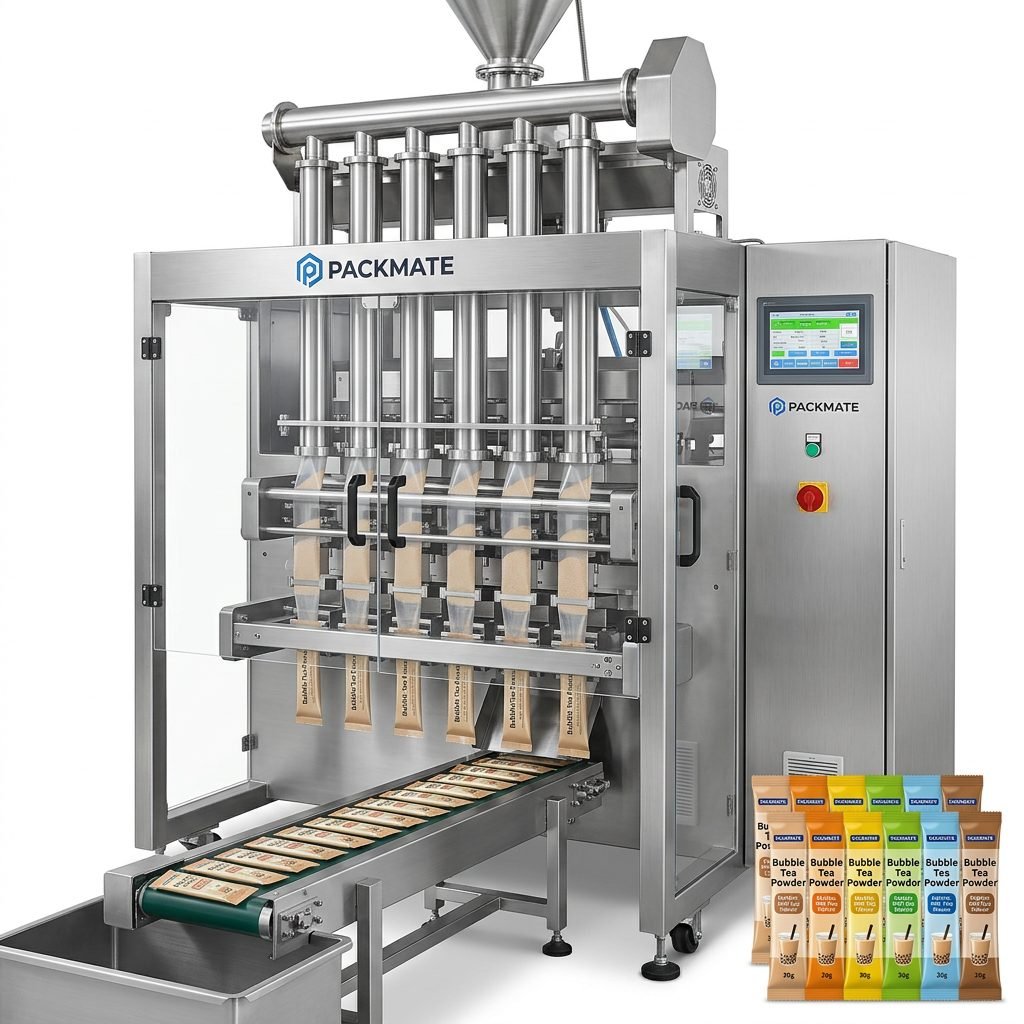
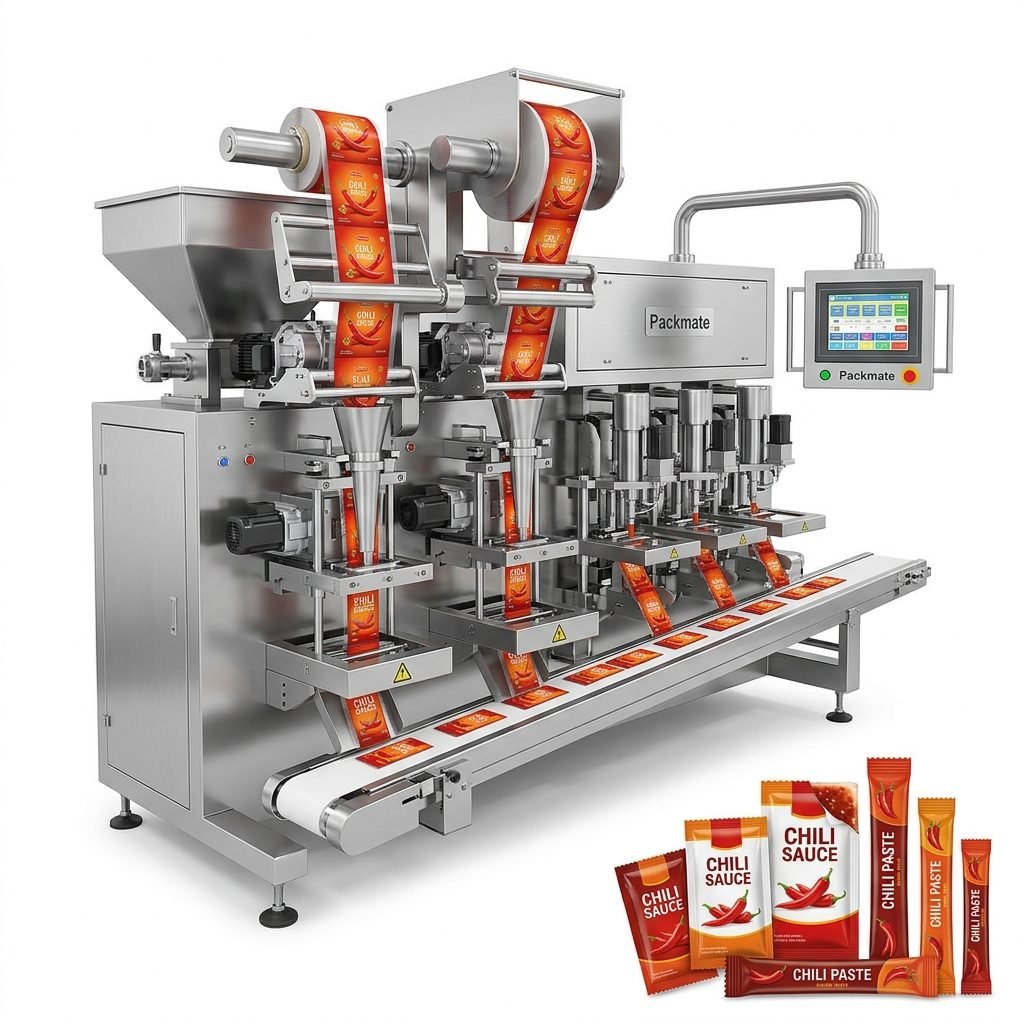
The food sector faces constant pressure to deliver fresh, safe products with extended shelf lives. Automation lines for granules (like coffee, sugar, seasoning), powders (protein, flour), and liquids (sauces, oils) must handle products gently to prevent degradation while operating at high speeds to meet volume demands. A complete line ensures precise filling weights, airtight sealing to prevent spoilage, and efficient packaging formats—from single-serve sachets and stick packs for convenience to large bulk bags for food service. This not only safeguards product quality but also enhances operational efficiency from production to distribution.
Pharmaceutical Sector: Precision and Compliance Above All
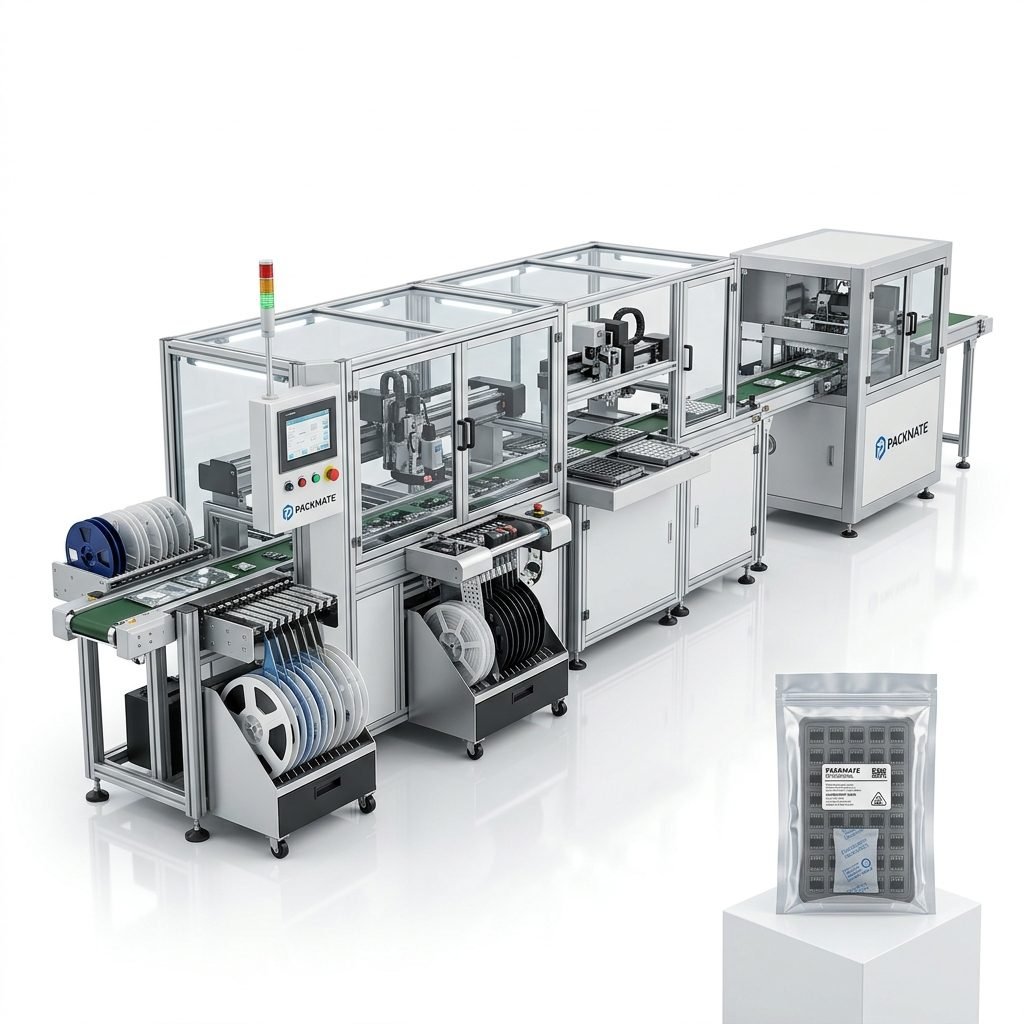
In pharma, the margin for error is zero. Packaging automation must achieve absolute accuracy in dosing, often with potent powders or delicate tablets, while maintaining a sterile environment to prevent cross-contamination. Turnkey solutions are designed with compliance built-in, facilitating adherence to Good Manufacturing Practices (GMP) and providing complete audit trails. Features like vision inspection systems, tamper-evident sealing, and precise labeling are integral, ensuring every unit is correct, safe, and traceable from the manufacturing facility to the patient’s hands.
Health & Nutraceutical Products: Blending Agility with Trust
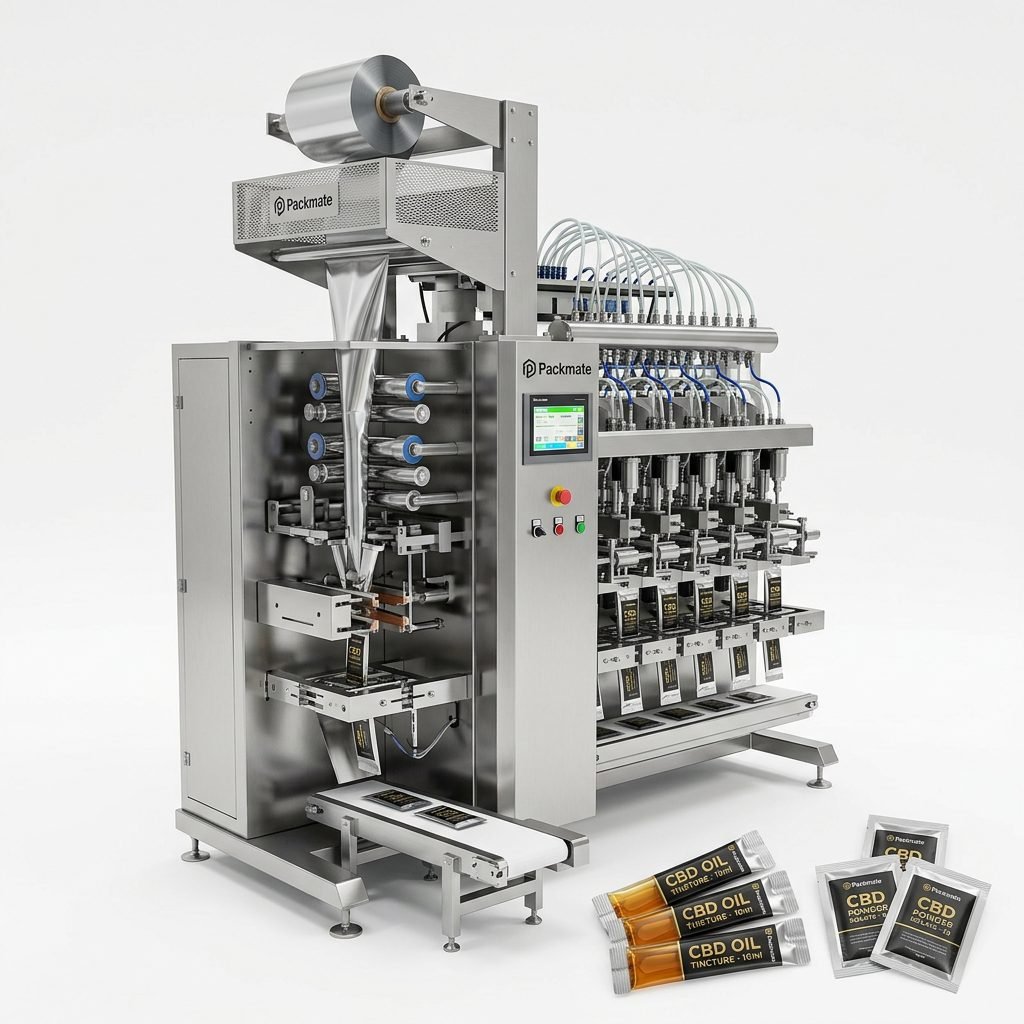
The health products market, including vitamins, supplements, and nutraceuticals, is characterized by rapid innovation and diverse product forms (capsules, powders, liquids). Consumers in this segment place a high premium on quality and brand trust. Automated packaging lines offer the flexibility to quickly switch between product types and package sizes, allowing manufacturers to respond to market trends. Simultaneously, the consistency and professional presentation afforded by automation reinforce brand credibility and ensure product potency is protected through robust, light, and moisture-resistant packaging.
Components of a Complete Turnkey Packaging Line
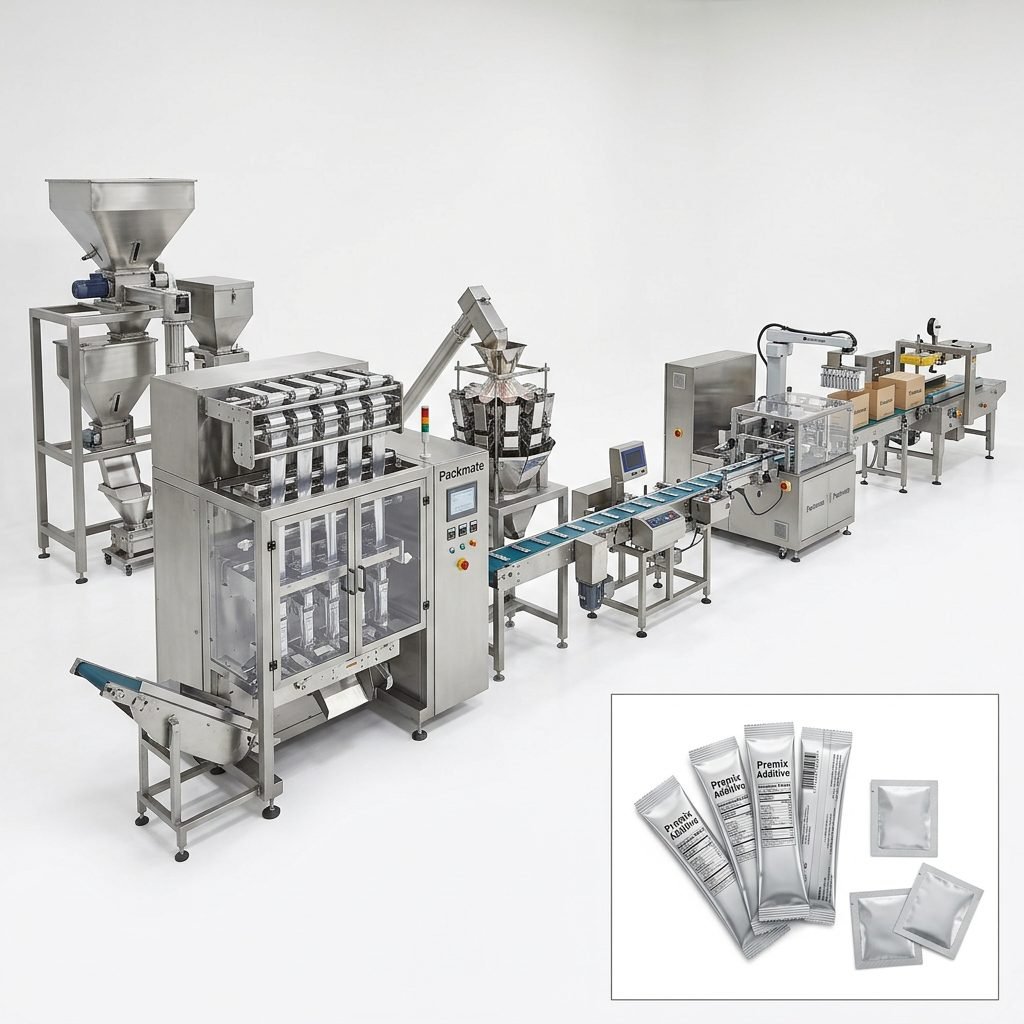
A true turnkey solution is more than a collection of machines; it’s a harmonized system. Here are the core components typically integrated by a specialist provider like Packmate.
1. Primary Packaging Machinery
This is the heart of the line, where the product first meets its package. Options include:
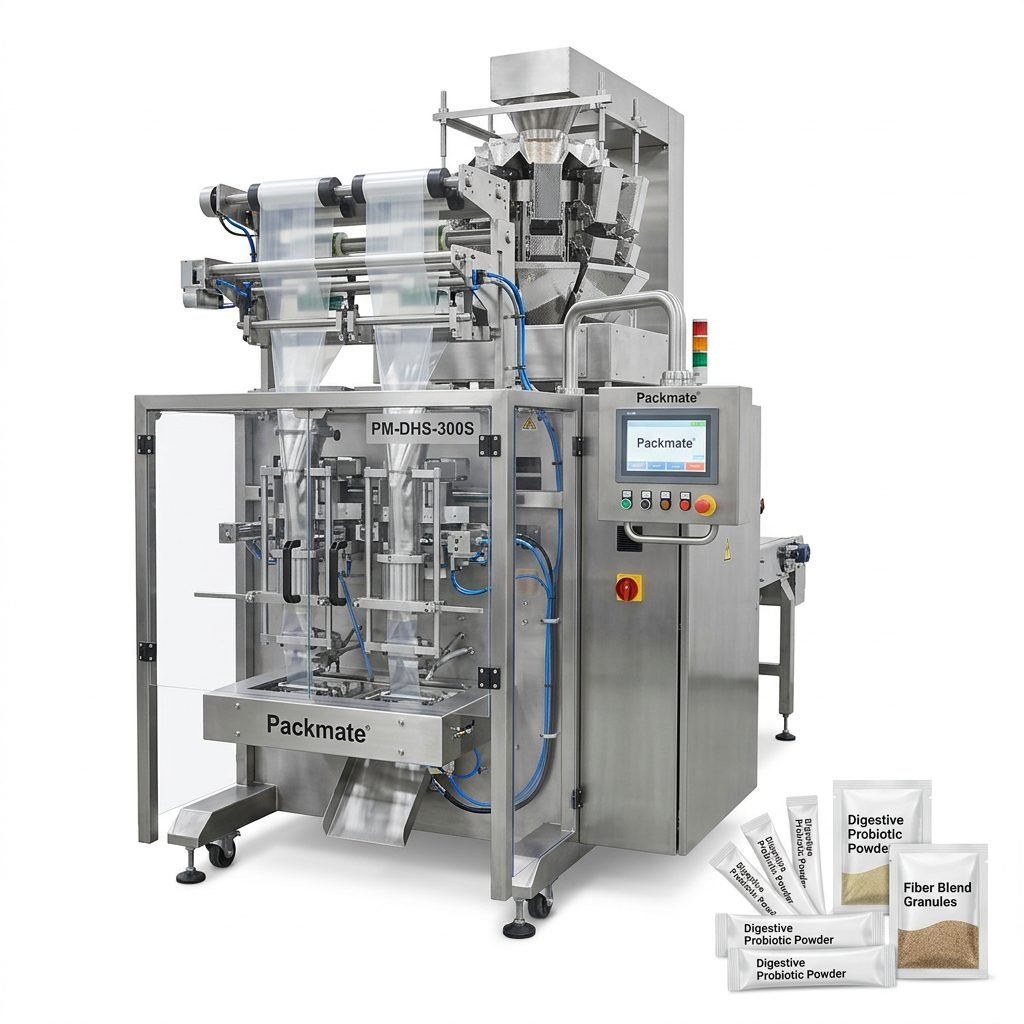
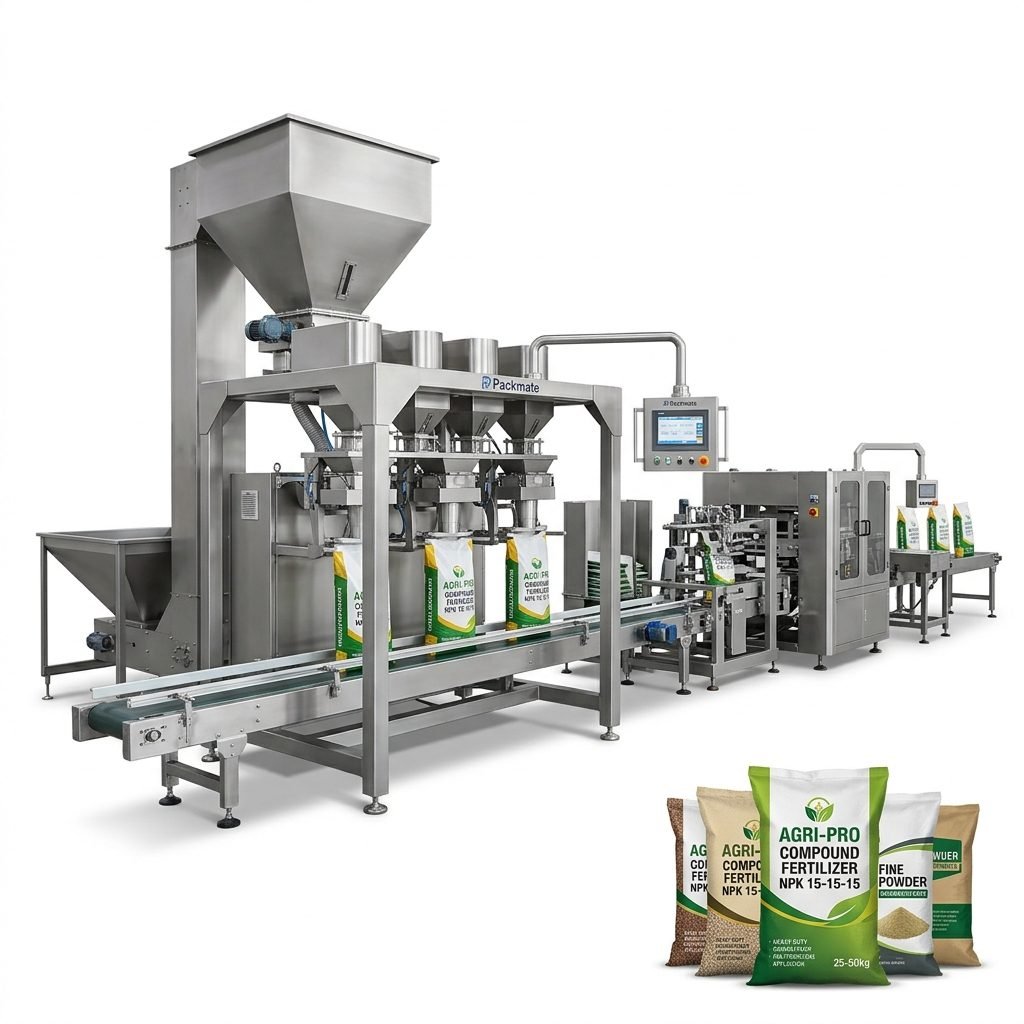
• Vertical Form-Fill-Seal (VFFS) Machines: For creating bags from a roll of film, filling them, and sealing—ideal for powders and granules.
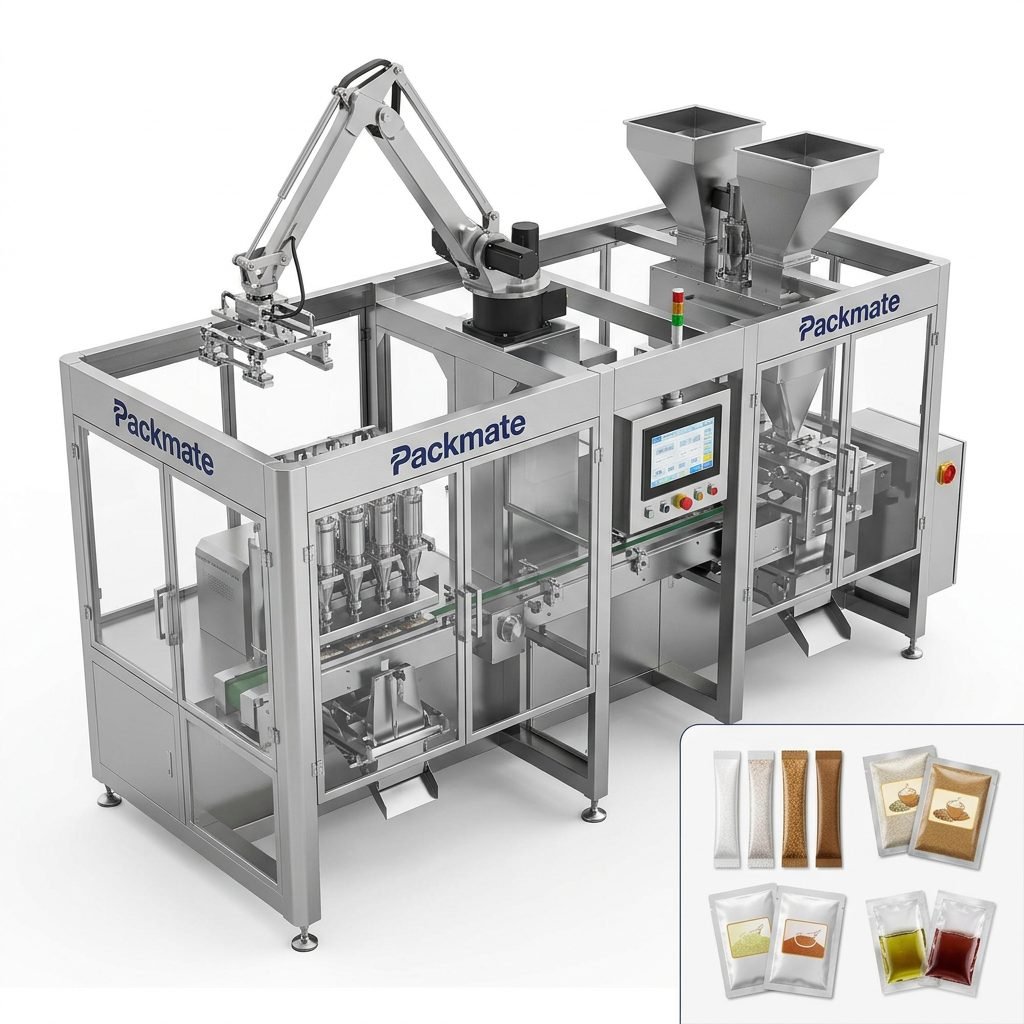
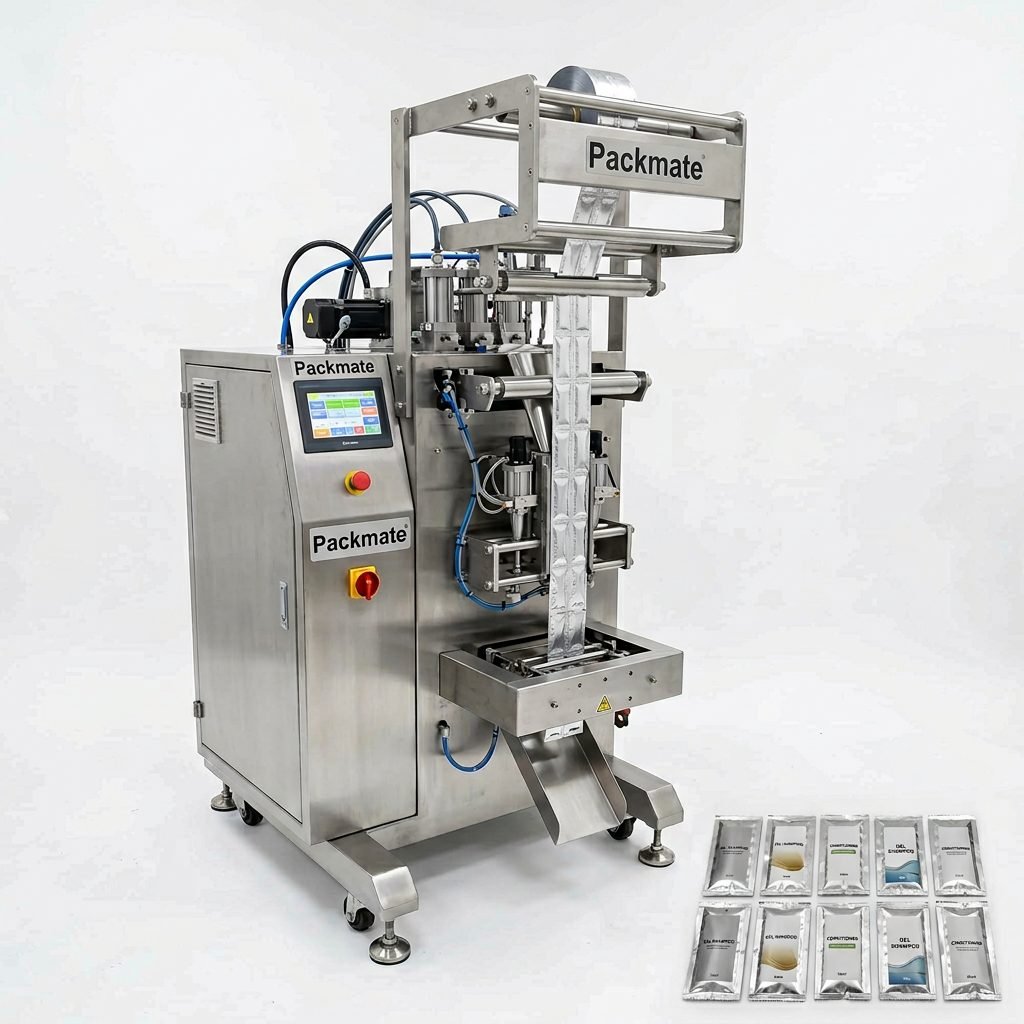
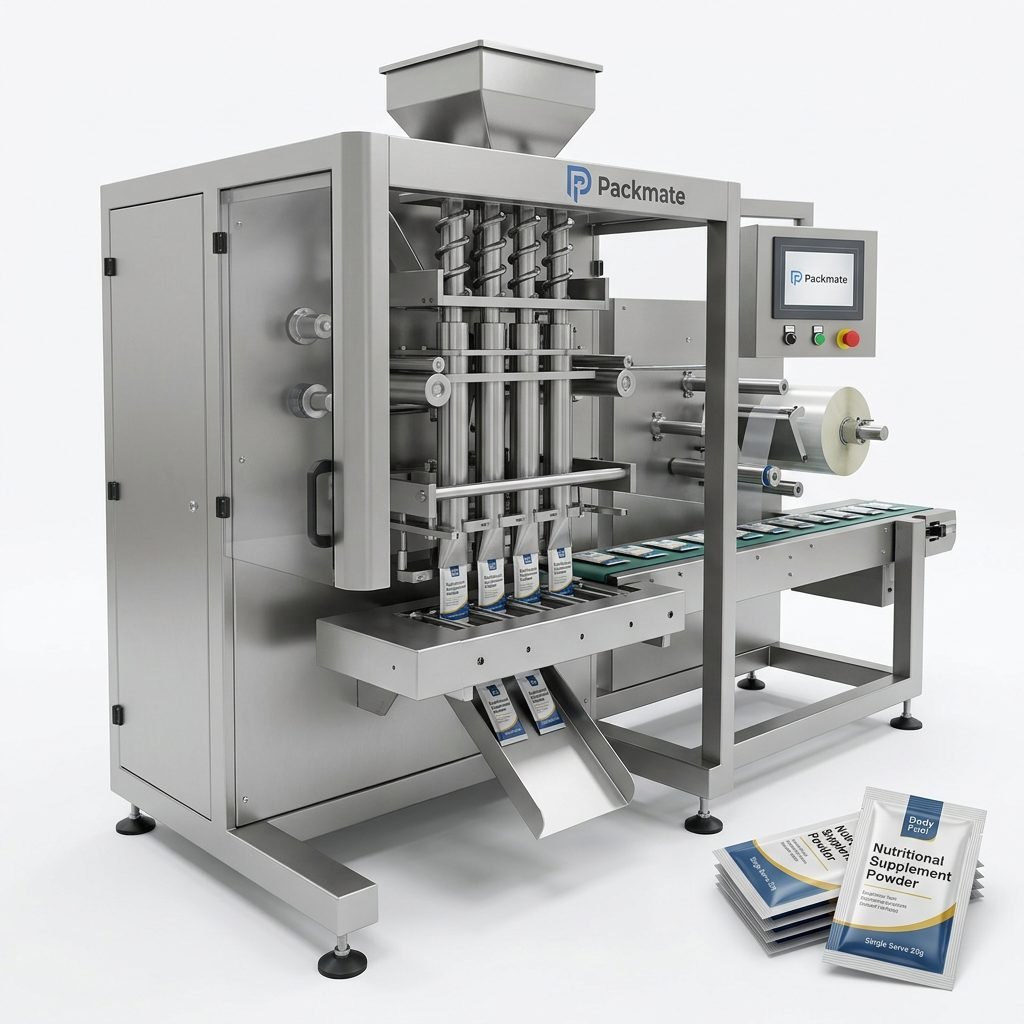
• Horizontal Form-Fill-Seal (HFFS) Machines: Perfect for producing sachets, stick packs, or pouches for liquids, gels, or single-dose powders.
• Liquid Filling & Capping Lines: For bottles or vials, incorporating precise volumetric or weight-based fillers and secure capping stations.
2. Secondary & Tertiary Packaging
Once primary packaging is complete, the line continues:
• Cartoning Systems: Automatically erect, load, and seal cartons or boxes.
• Labeling & Coding: Apply product labels, barcodes, expiry dates, and batch numbers with pinpoint accuracy.
• Case Packing & Palletizing: Group finished packages into shipping cases and stack them onto pallets for distribution, minimizing manual handling.
3. The Control & Integration Hub
The true power of a turnkey line lies in its integrated control system. A centralized Programmable Logic Controller (PLC) and Human-Machine Interface (HMI) allow operators to monitor and control the entire process from a single panel. This system synchronizes machine speeds, manages product changeovers, collects production data, and triggers alerts for any malfunctions, ensuring smooth, uninterrupted operation. This level of integration is what transforms individual machines into a cohesive, intelligent production asset.
Why Partner with a Turnkey Solution Provider?
Choosing a partner like Packmate (GuangDong) Co., Ltd. for your automation journey offers distinct advantages over piecing together equipment from multiple vendors.
Single Point of Accountability
From initial concept and design to installation, commissioning, and after-sales service, you have one dedicated team responsible for the entire system’s performance. This simplifies communication, troubleshooting, and ensures all components are designed to work in perfect harmony.
Custom-Engineered for Your Needs
There is no true “one-size-fits-all” in packaging. A reputable provider will design the line around your specific product characteristics, desired output speed, factory layout, and future growth plans. They draw on deep industry experience, such as Packmate’s over 30 years in the field, to engineer a solution that fits your unique requirements perfectly.
Reduced Time-to-Market and Risk
A turnkey provider manages the entire project lifecycle. This coordinated approach significantly reduces the time from purchase order to full production compared to a fragmented procurement process. It also mitigates the risk of integration failures between mismatched machines, which can lead to costly downtime and delays.
Comprehensive Support & Training
The relationship doesn’t end at installation. Providers offer extensive training for your operators and maintenance staff and provide ongoing technical support, spare parts, and performance optimization services. This ensures your line remains a productive and valuable asset for years to come. You can see examples of successful implementations in our project case studies.
Making the Investment: Key Considerations
Transitioning to full automation is a significant decision. Here are crucial factors to evaluate:
Product Analysis: Understand your product’s physical properties (flowability, abrasiveness, sensitivity) to determine the best handling and filling technology.
Output Requirements: Define your target speed (packs per minute) and required flexibility for changeovers.
Regulatory Landscape: Identify all relevant safety, quality, and labeling regulations for your target markets.
Total Cost of Ownership (TCO): Look beyond the initial purchase price to consider energy efficiency, maintenance costs, and potential for future upgrades.
Partner Capability: Assess the provider’s experience, manufacturing quality, certifications, and post-installation support network.
Ultimately, a complete turnkey packaging automation line is an investment in your operation’s future. It builds a foundation of quality, efficiency, and scalability that allows food, pharma, and health product manufacturers to not only meet today’s challenges but also confidently adapt to the opportunities of tomorrow. By partnering with an experienced and innovative provider, you secure more than machinery—you gain a strategic ally in building a more resilient and profitable business.
Frequently Asked Questions (FAQs)
1. What is the main advantage of a “turnkey” line over buying machines separately?
The primary advantage is seamless integration and single-source responsibility. A turnkey provider designs, builds, and commissions all components to work together perfectly, ensuring optimal performance and minimizing the risk of compatibility issues. You have one point of contact for the entire system, simplifying support and maintenance.
2. How long does it typically take to install and commission a complete packaging line?
The timeline varies based on line complexity and customization but typically ranges from several weeks to a few months after factory acceptance testing. This includes shipping, on-site installation, calibration, and production trials. A detailed project plan is always provided upfront by the solution provider.
3. Can an automated line handle frequent product changeovers, such as different powder flavors?
Yes, modern lines are designed for flexibility. Features like quick-change parts, recipe storage in the PLC, and easy-clean surfaces facilitate efficient changeovers. The level of speed and automation for changeovers should be discussed during the design phase to match your specific production needs.
4. What kind of after-sales support should I expect?
Comprehensive support should include detailed operator and maintenance training, readily available spare parts, remote technical assistance, and options for on-site service visits. A reliable provider will offer a clear service agreement to ensure your line maintains high uptime and productivity throughout its lifecycle.
5. How do we ensure the line meets our industry’s regulatory standards (e.g., FDA, GMP)?
Reputable providers design equipment with compliance in mind, using appropriate materials (e.g., food-grade stainless steel) and constructing machines to facilitate cleaning and inspection. They can provide documentation and guidance, but ultimate regulatory compliance depends on your overall factory processes and validation protocols. It’s crucial to communicate all relevant standards during the project’s design stage.