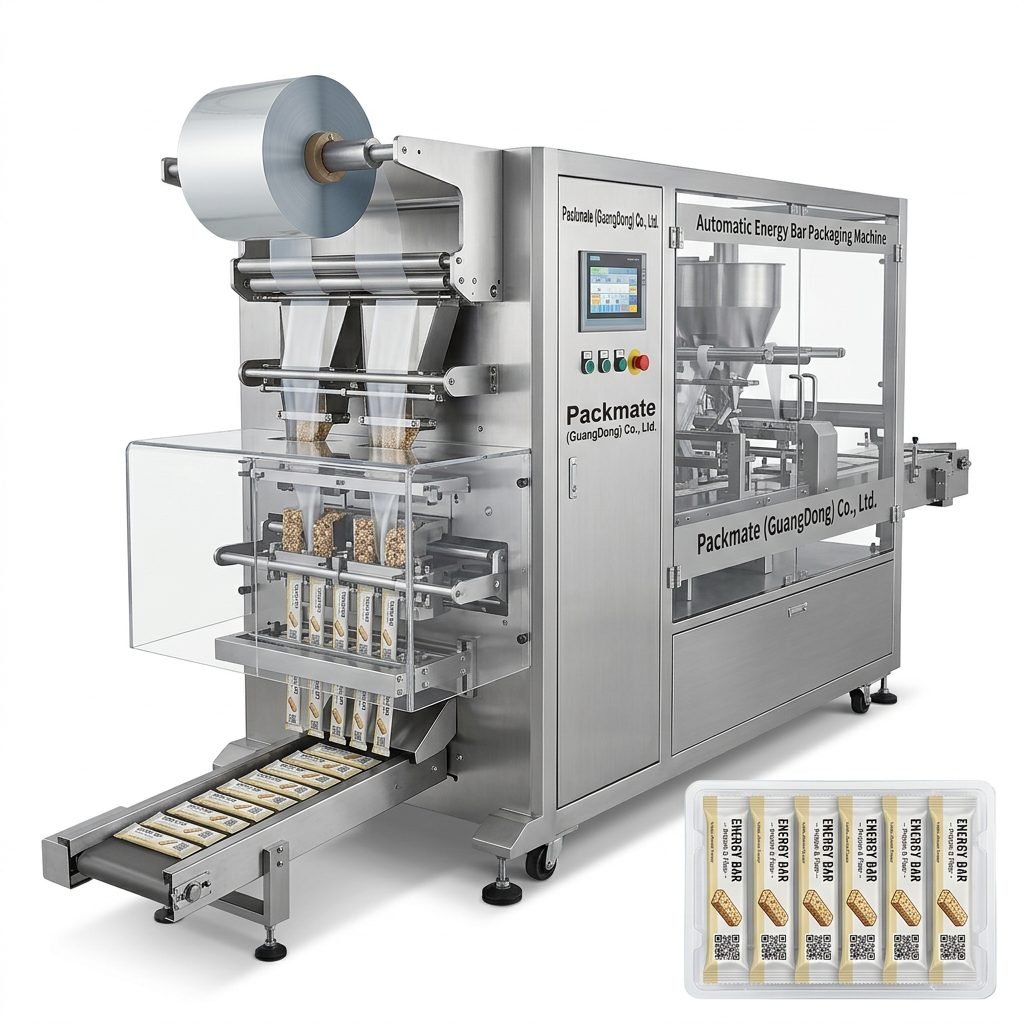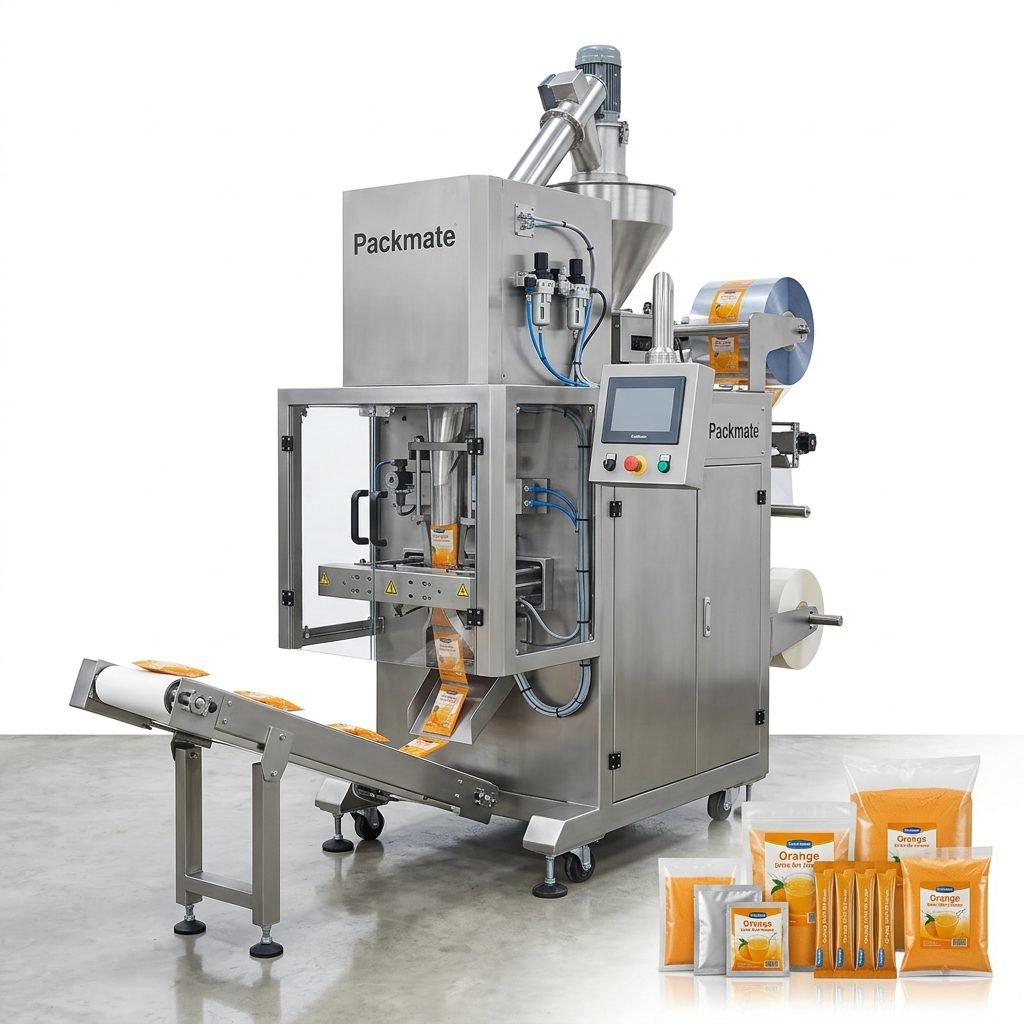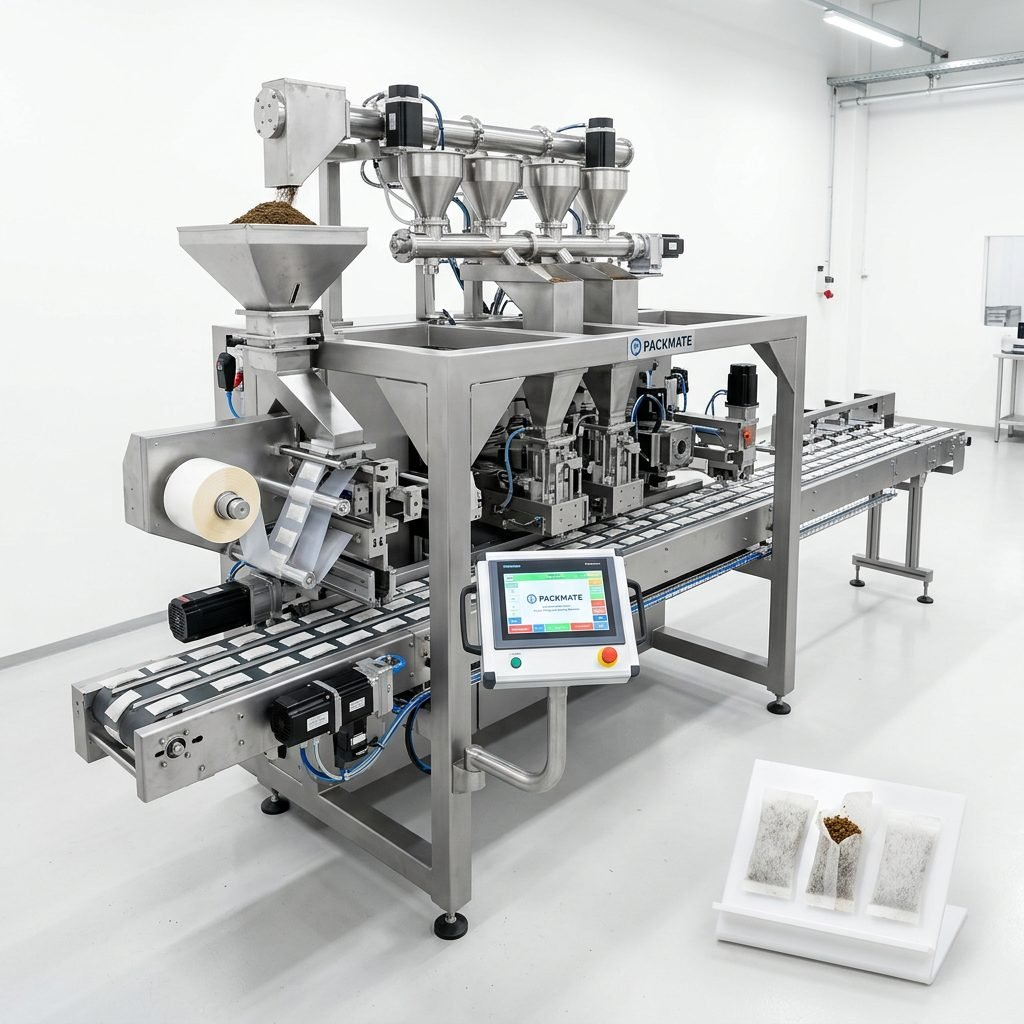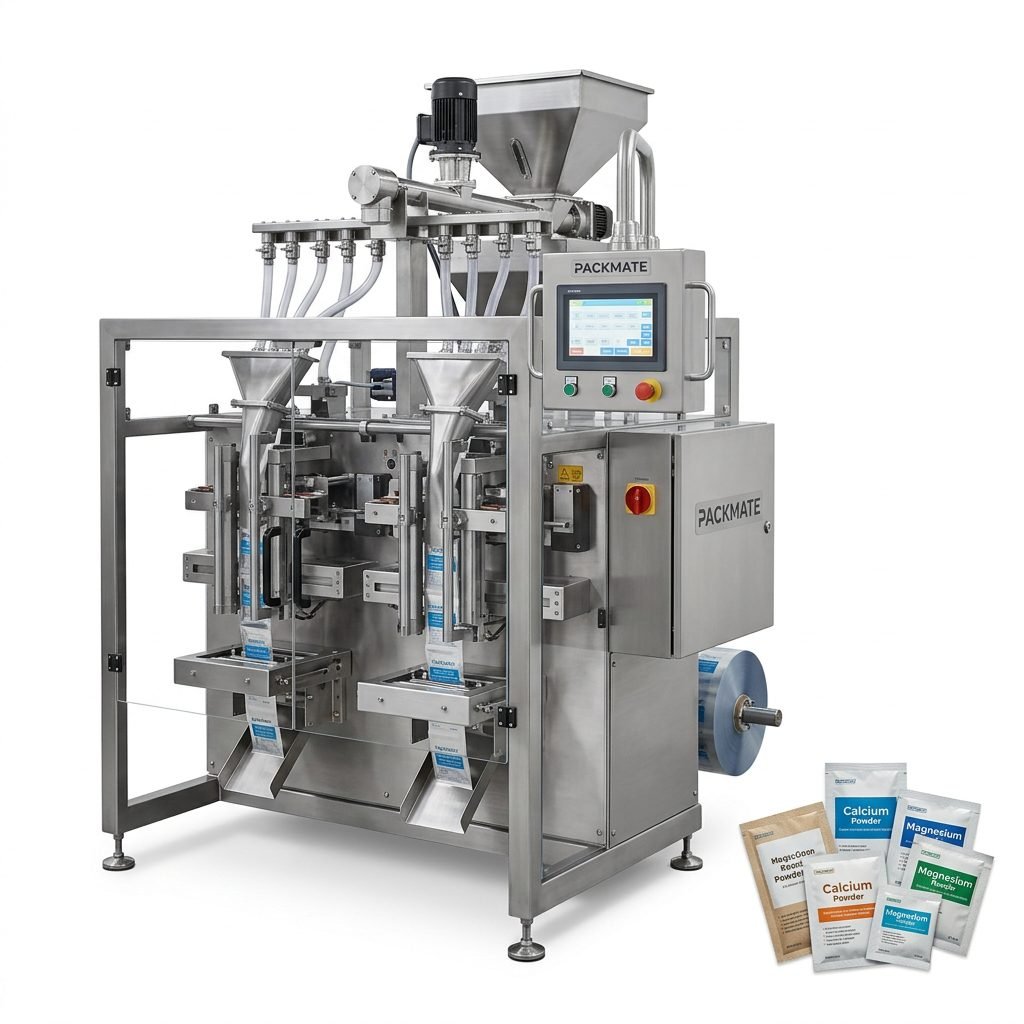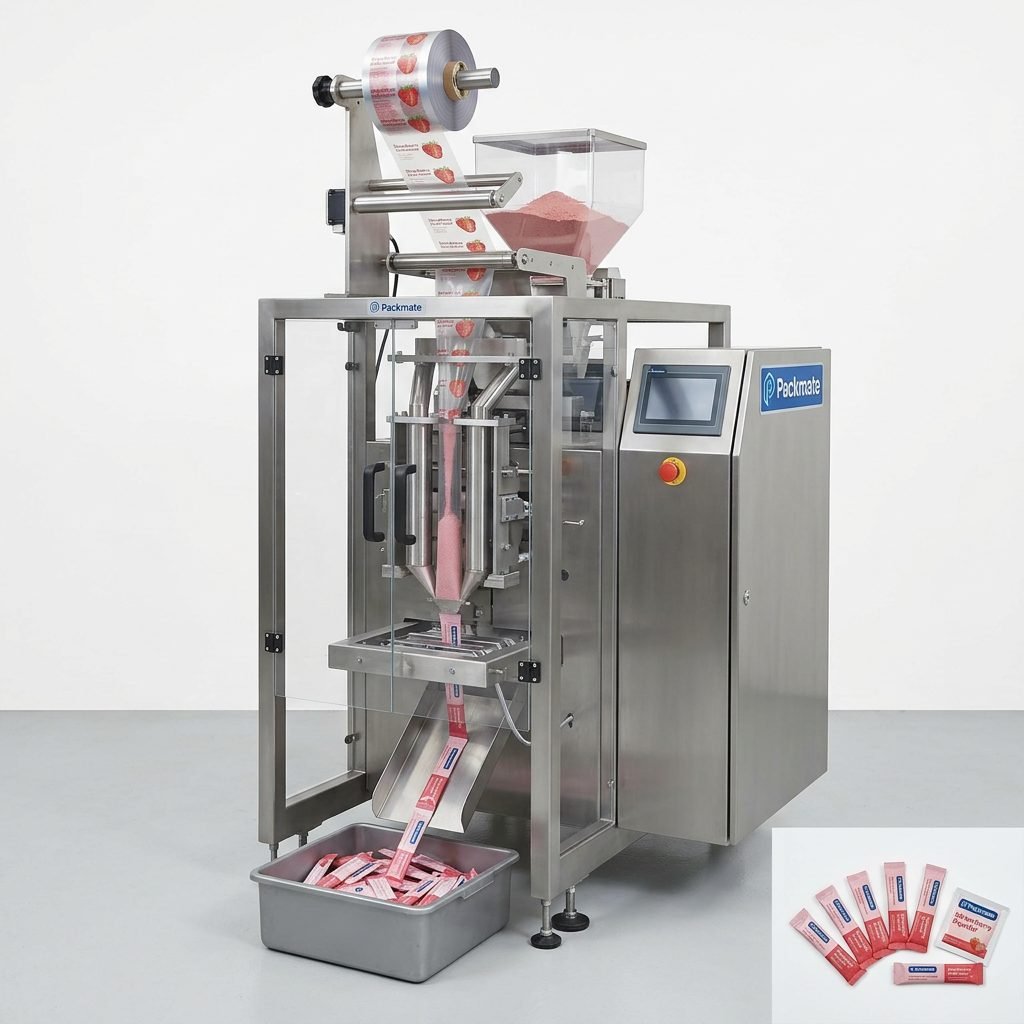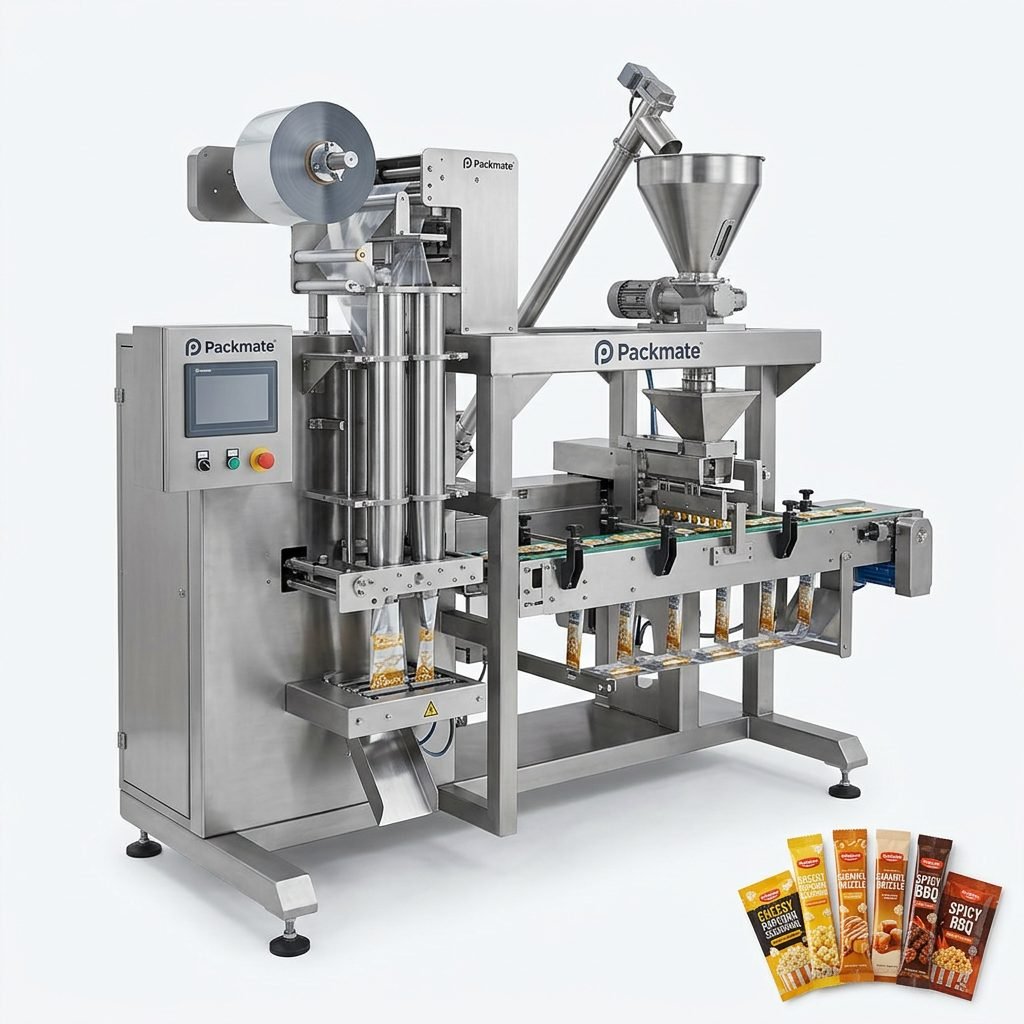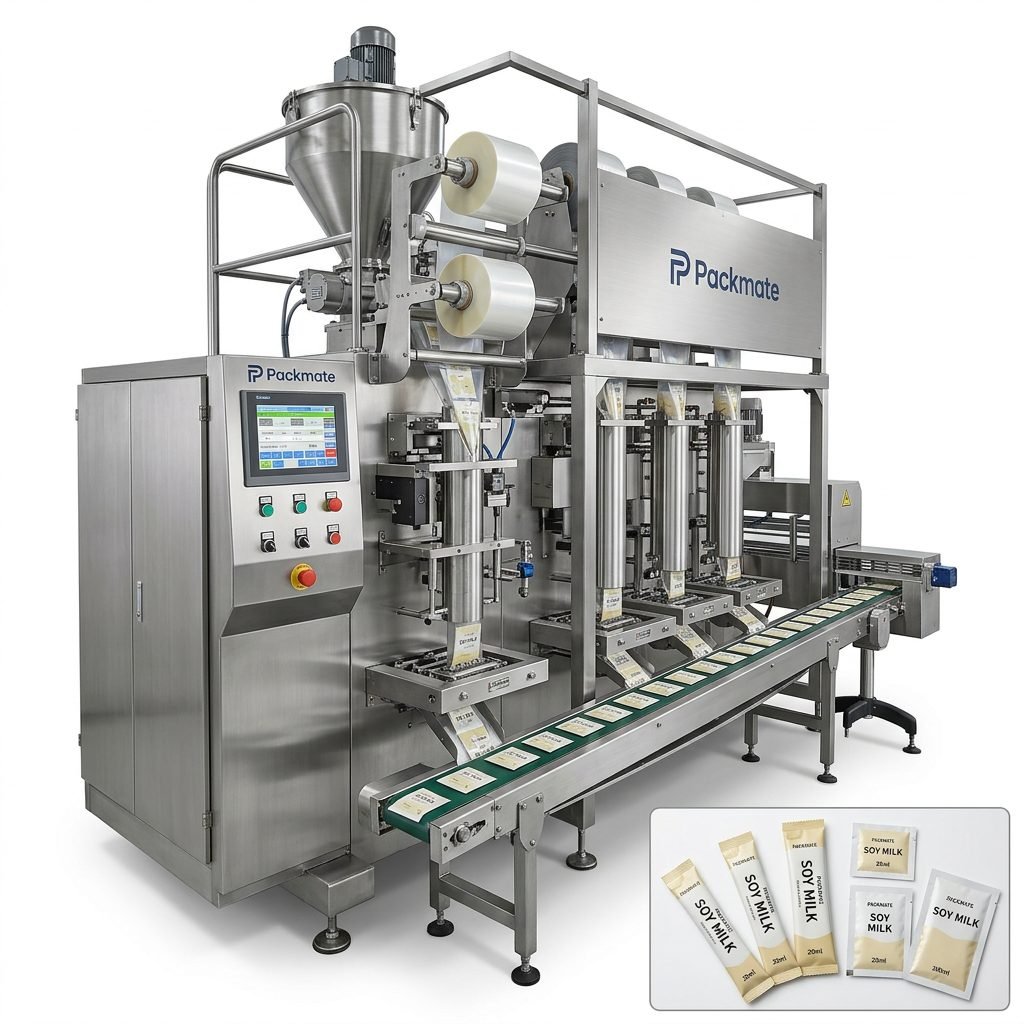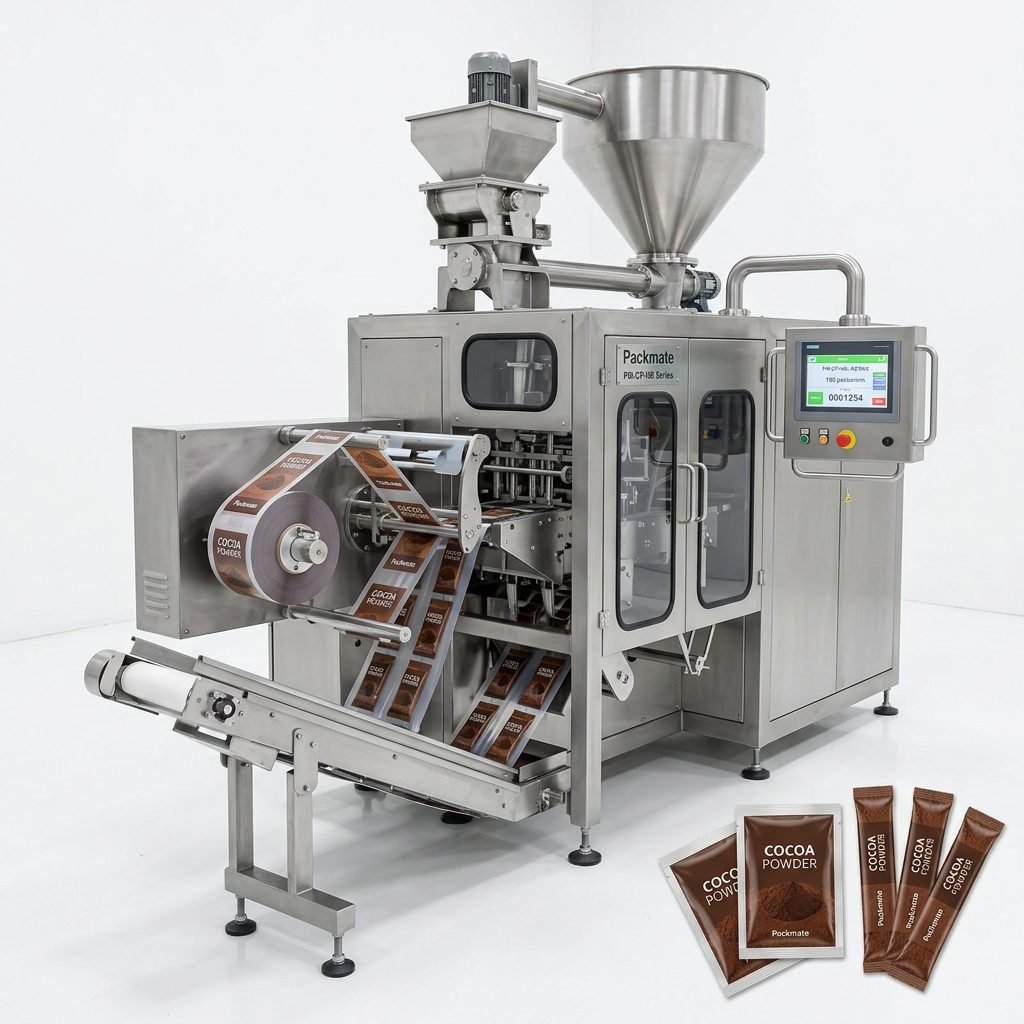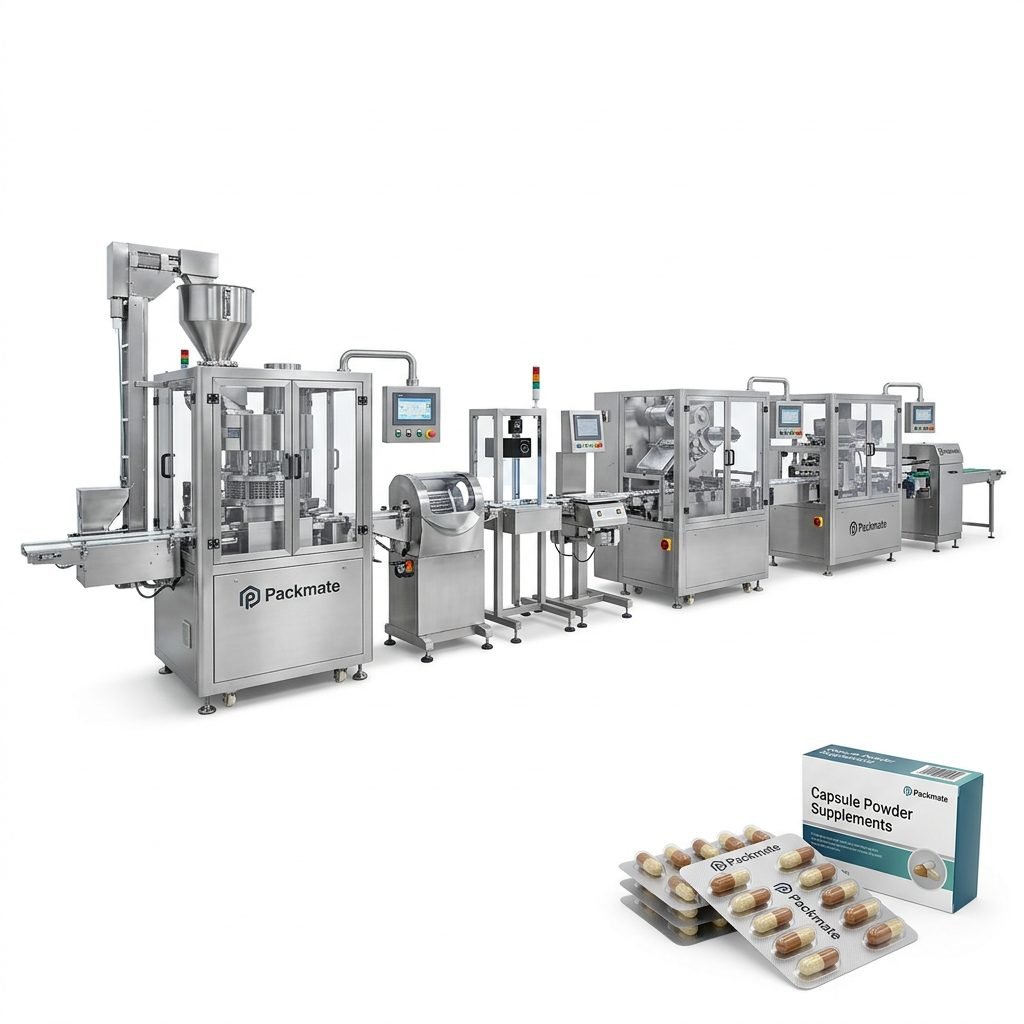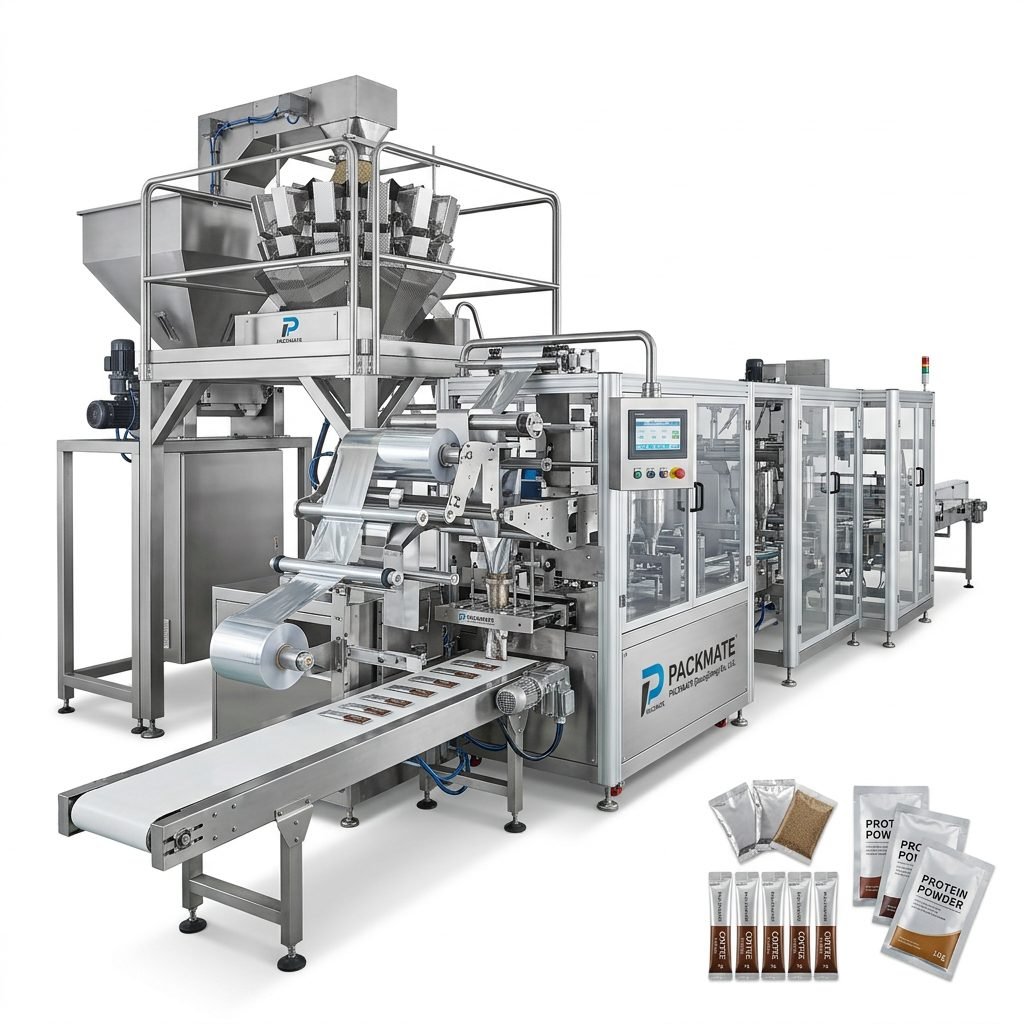
In the high-stakes worlds of food and pharmaceutical manufacturing, precision, hygiene, and efficiency are non-negotiable. The final step in the production chain—packaging—is often where these demands converge most critically. Manual bagging and packaging processes are increasingly inadequate, plagued by inconsistencies, contamination risks, and labor-intensive operations that bottleneck throughput. This is where Automated Bagging Systems transition from a luxury to an absolute necessity. Moving beyond standalone machines, the industry’s forward-thinkers are adopting Complete Turnkey Packaging Line Solutions. These integrated systems orchestrate everything from product feeding and weighing to bag forming, filling, sealing, and cartoning, delivering a seamless, closed-loop operation that safeguards product integrity while maximizing output.
The Critical Need for Automation in Food & Pharma Packaging
The drivers for automation in these sectors are powerful and distinct, yet share a common goal: unparalleled control.
For the pharmaceutical industry, compliance is king. Automated systems provide the traceability and documentation required for stringent regulations like cGMP. They minimize human intervention, drastically reducing the risk of particulate contamination or cross-contamination. Precision dosing in powder or granule packaging is achieved consistently, ensuring each sachet or stick pack contains the exact therapeutic dose, a matter of patient safety and regulatory adherence.
In the food sector, the challenges revolve around speed, freshness, and cost-effectiveness. Automated bagging lines can handle vast volumes of products—from instant coffee and soup mixes to nuts and spices—at speeds impossible for human operators. They ensure airtight seals that prolong shelf life and maintain flavor. Furthermore, they provide the flexibility to quickly switch between bag sizes or product types, catering to modern, just-in-time production models and diverse product portfolios. For a deeper look at how these challenges are addressed, explore our tailored packaging solutions.
Core Components of a Turnkey Automated Bagging Line
A true turnkey solution is a symphony of integrated machinery. Understanding its components reveals the depth of engineering involved.
1. Product Handling & Feeding Systems
This is the starting point. Whether dealing with free-flowing granules, fine powders, viscous liquids, or delicate solids, a consistent and controlled feed is essential. Systems include auger feeders for powders, volumetric cup fillers for granules, and precision pumps for liquids, all designed to minimize waste and ensure accurate transfer to the weighing station.
2. Precision Weighing & Dosing Modules
The heart of accuracy. Multi-head weighers or linear weight scales meticulously measure each portion to within milligram tolerances. Advanced systems feature self-diagnostic and auto-correction functions, maintaining consistent fill weight over millions of cycles, which is crucial for both cost control and regulatory compliance.
3. Bag Forming, Filling, and Sealing (FFS) Machines
This is where the package takes shape. Roll-fed packaging film is formed into bags, filled with the dosed product, and hermetically sealed—all in one continuous, high-speed motion. Technologies like vertical form-fill-seal (VFFS) for larger bags and horizontal form-fill-seal (HFFS) for multi-lane stick packs or sachets are common. The sealing technology, often a combination of heat and pressure, must create a perfect, tamper-evident seal every time.
4. Secondary Packaging & Integration
The journey doesn’t end with a sealed bag. Turnkey lines often integrate downstream equipment like cartoners, case packers, and palletizers. This creates a continuous flow from primary package to shipping pallet, eliminating manual handling points and further boosting efficiency. The integration of robotic pick-and-place systems is becoming standard for delicate or complex packing tasks.
5. The Command Center: Control & Vision Systems
Overseeing the entire operation is a centralized, user-friendly PLC (Programmable Logic Controller) with an HMI (Human-Machine Interface). This system monitors speed, weight, temperature, and diagnostics. Integrated vision inspection systems act as a final quality gate, checking for seal integrity, print registration, and fill levels, rejecting any sub-standard packages automatically.
Benefits of Investing in a Complete Packaging Line
The ROI of a turnkey automated system extends far beyond labor savings.
Unmatched Consistency & Quality: Automation eliminates human error. Every bag is identical in weight, appearance, and seal strength, building immense brand trust and reducing costly product giveaways or recalls.
Dramatically Enhanced Productivity: Lines can operate 24/7 with minimal downtime, achieving outputs that can be 300-500% higher than semi-automatic setups. This scalability is vital for meeting market demand.
Superior Hygiene & Safety: A closed system limits product exposure to the environment and operators. This is paramount in pharma and critical for food safety standards like HACCP and BRC.
Significant Material & Cost Savings: Precision dosing reduces product giveaway. Optimal film usage and reduced waste contribute to lower overall packaging material costs. You can learn more about our commitment to efficient design on our Company Profile page.
Data & Traceability: Modern systems generate vast amounts of production data—OEE (Overall Equipment Effectiveness), downtime reasons, output counts. This data is invaluable for continuous improvement, predictive maintenance, and providing full batch traceability from raw material to finished case.
Why a Turnkey Solution from an Expert Partner is Essential
Purchasing machines from multiple vendors and attempting integration is a high-risk endeavor. A turnkey provider like Packmate (GuangDong) Co., Ltd. assumes full responsibility for the entire system’s performance. With over 22+ years of experience, our process begins with a deep analysis of your product, output goals, and facility constraints. We then design, manufacture, assemble, and factory-test the complete line as one cohesive unit before disassembly for shipment. This includes all mechanical, electrical, and control software integration. Upon installation at your site, our engineers commission the line, conduct comprehensive training for your staff, and provide ongoing support. This single-source accountability ensures compatibility, optimizes performance, and provides one point of contact for all service and spare parts, as detailed in our comprehensive service offerings.
🔍 Key Consideration: The true value of a turnkey partner lies in their application expertise. An expert understands that packaging flour requires different handling than hygroscopic vitamin C powder, and that a fat-filled milk powder behaves differently from instant coffee. This knowledge is baked into the system design from the start.
Future Trends: The Smart, Connected Packaging Line
The future of automated bagging is intelligent and interconnected. Industry 4.0 principles are being embedded into new systems. This includes IoT sensors for real-time monitoring of vibration, temperature, and motor performance, enabling predictive maintenance before a failure occurs. Lines will increasingly communicate with upstream processing equipment and downstream warehouse systems, creating a fully digitalized and agile production ecosystem. Furthermore, sustainability pressures are driving innovation in materials; the next generation of bagging systems must be adaptable to handle mono-material, recyclable, or compostable films without sacrificing speed or seal integrity.
Implementing an automated, turnkey bagging line is a strategic decision that transforms packaging from a cost center into a competitive advantage. It future-proofs operations against labor shortages, elevates quality to its highest possible standard, and unlocks new levels of efficiency and data-driven insight. For companies in the food and pharmaceutical sectors looking to scale, comply, and lead, it is the definitive path forward. For specific inquiries or to discuss your project, please visit our contact page.
Frequently Asked Questions (FAQs)
1. What is the typical lead time for a complete turnkey packaging line?
Lead times vary significantly based on the line’s complexity, customization level, and current production schedule. A standard system might take 3-4 months from order to factory acceptance test, while a highly customized solution for a novel product could require 6-8 months. A reputable provider will give you a detailed project timeline after the initial consultation.
2. How do you ensure the line will work with our specific product (e.g., a sticky powder or abrasive granule)?
This is where experience is critical. A trustworthy supplier will request product samples for testing in their R&D or application lab. They will run trials to determine the optimal feeding, weighing, and film material solution. The design of contact parts (hoppers, augers, funnels) will be tailored to your product’s characteristics to prevent sticking, bridging, or degradation.
3. What kind of training and after-sales support is included?
A comprehensive turnkey package should include on-site installation, commissioning, and detailed training for your operators, maintenance technicians, and line supervisors. Support typically includes a warranty period, access to remote diagnostic services, a supply of critical spare parts, and availability of service engineers. Ask for a clear outline of the support package before purchasing.
4. Can the line be integrated with our existing ERP or MES software?
Most modern packaging lines with advanced PLC controls have this capability. They can provide production data (counts, OEE, downtime codes) via standard industrial communication protocols (e.g., OPC UA, Modbus TCP/IP). Discuss your IT integration requirements early in the design phase to ensure the necessary hardware and software interfaces are included.
5. How do you handle maintenance and spare parts for international clients?
Established global suppliers maintain an international network of service agents or have their own service engineers who can travel. They also stock common spare parts in regional hubs to reduce shipping time. Many offer annual maintenance contracts and remote support via video call to diagnose issues quickly, ensuring minimal downtime for clients worldwide.