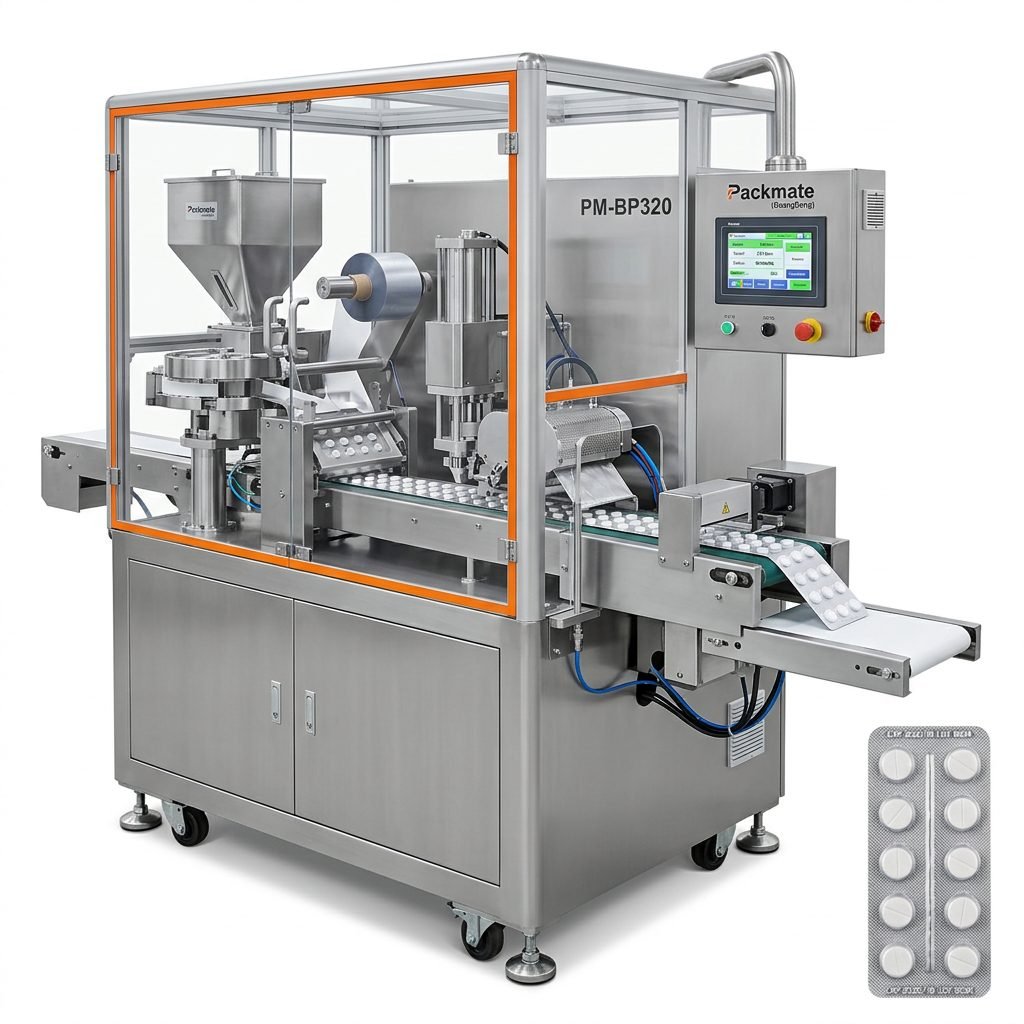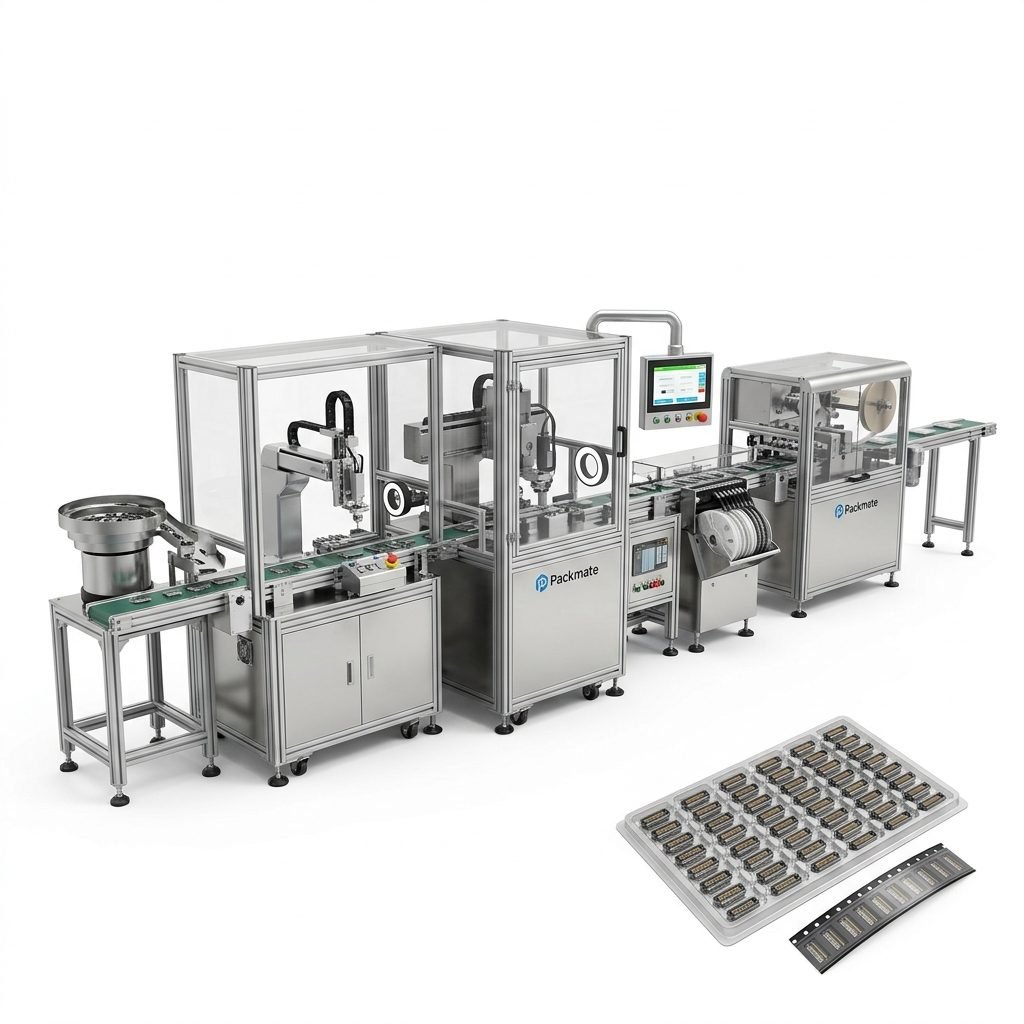
In the competitive and highly regulated worlds of food, pharmaceuticals, and health products, packaging is far more than a final step—it’s a critical component of product integrity, safety, and brand perception. Manufacturers in these sectors face unique challenges: ensuring absolute hygiene, maintaining precise dosages, extending shelf life, and complying with stringent global standards. An integrated packaging line solution is no longer a luxury but a strategic necessity to achieve these goals efficiently and reliably.
The Imperative for Integration in Sensitive Industries
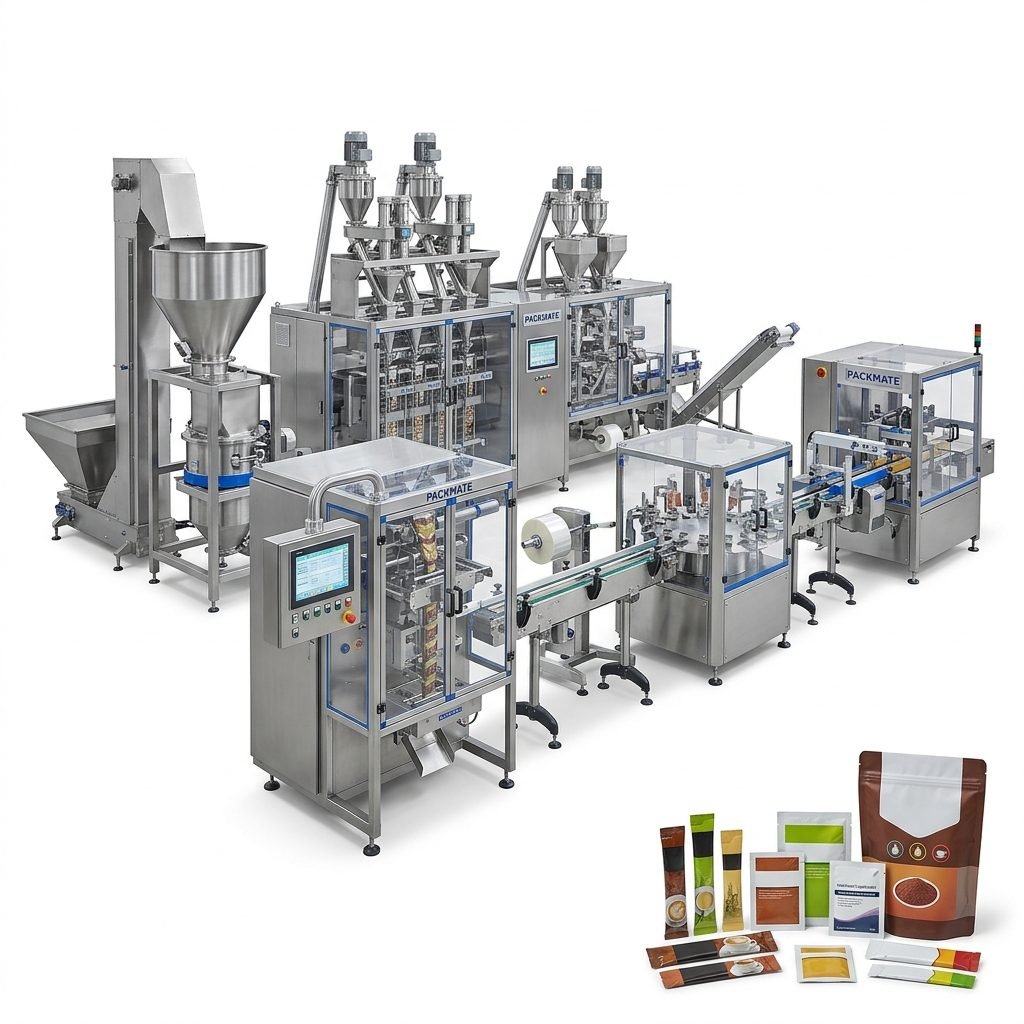
The journey from raw material to a sealed, market-ready product involves multiple discrete processes—filling, sealing, labeling, coding, and cartoning. Using a collection of standalone machines from different vendors creates a production ecosystem fraught with bottlenecks, compatibility issues, and inconsistent quality control. An integrated line, where machines are designed to work in seamless harmony, transforms this fragmented workflow into a synchronized, high-performance system. This holistic approach is particularly vital for industries where contamination risk is zero-tolerance and batch traceability is mandated by law.
Key Advantage: Integrated solutions minimize human intervention at critical touchpoints, drastically reducing the risk of particulate or microbial contamination—a paramount concern for pharmaceutical and health product manufacturers. For food producers, it ensures consistent fill weights and hermetic seals, directly impacting product freshness and customer satisfaction.
Core Components of a Modern Packaging Line
A robust, integrated packaging line is built upon several key technological pillars. Understanding these components helps in specifying a system tailored to specific product formats—be it granules, powders, liquids, or large-volume items.
1. Primary Packaging Systems: The Heart of the Line
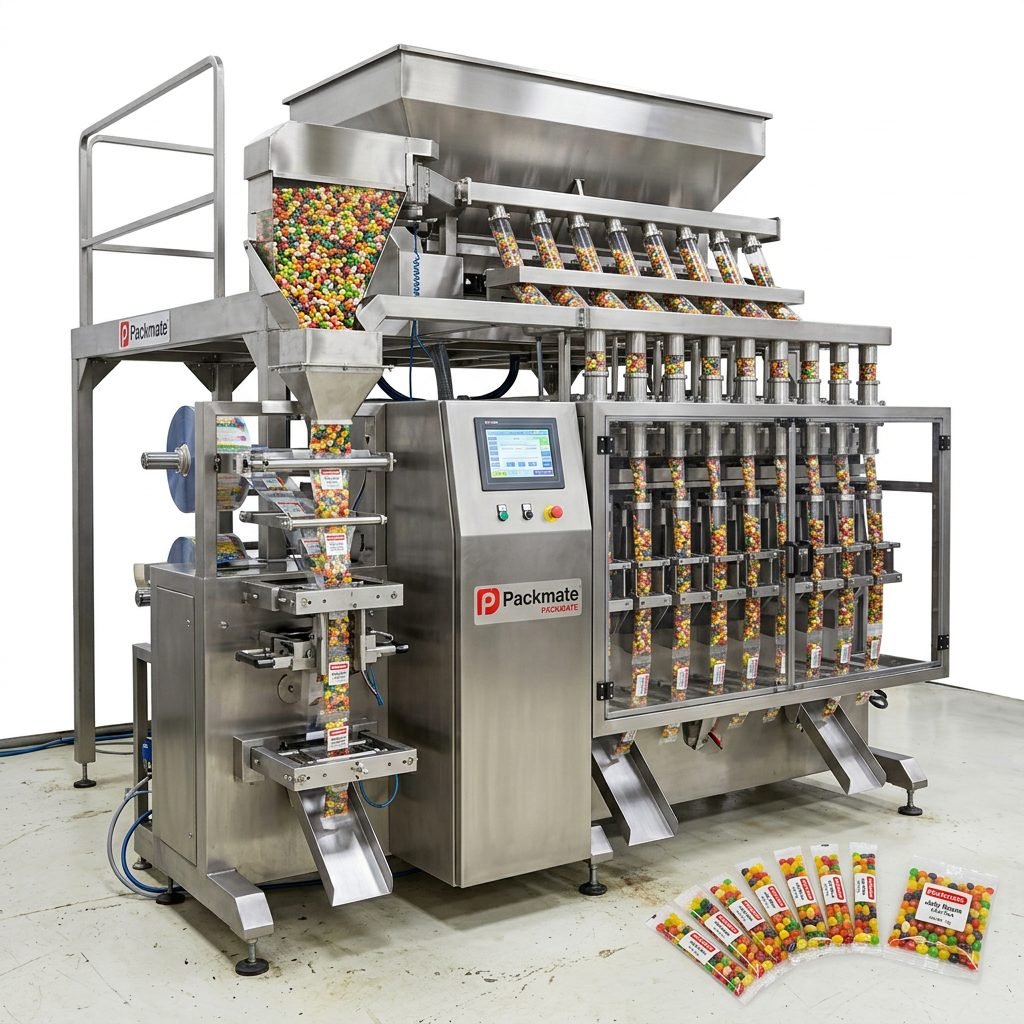
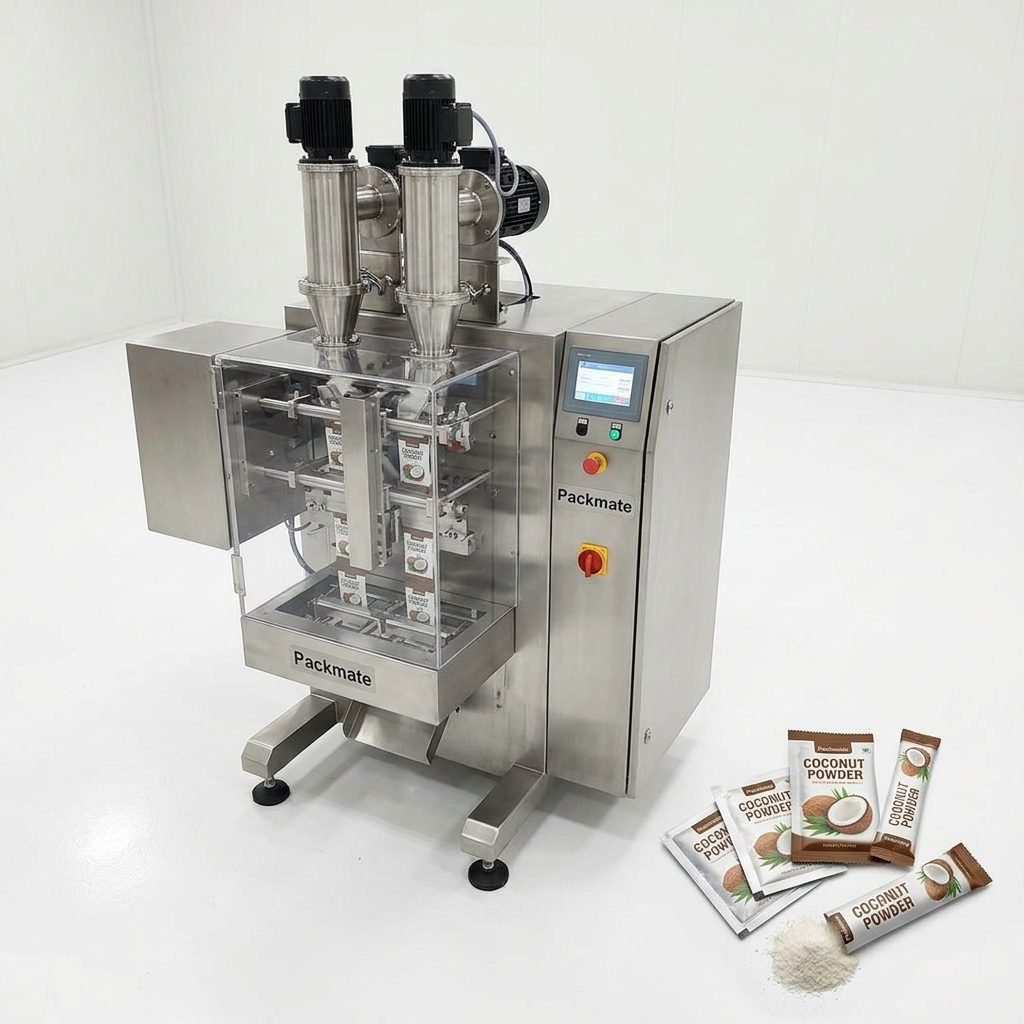
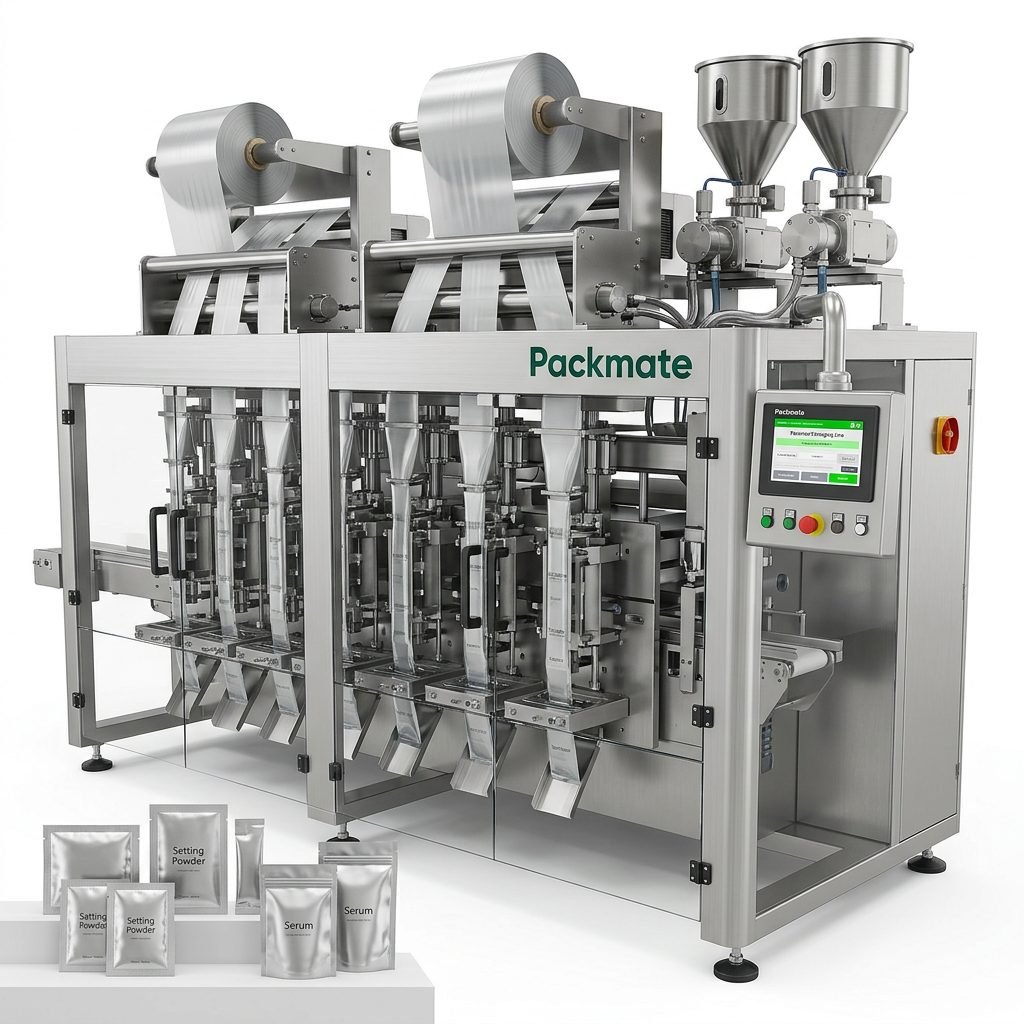
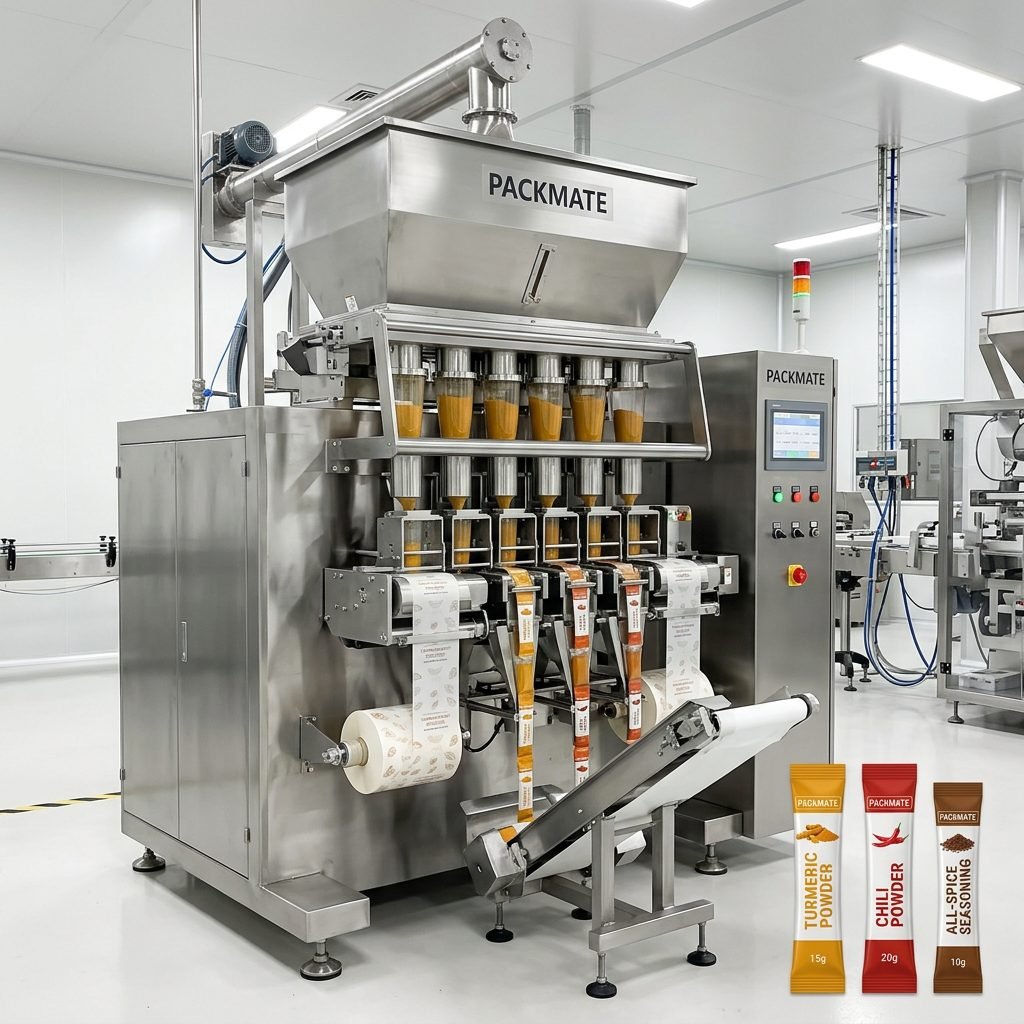
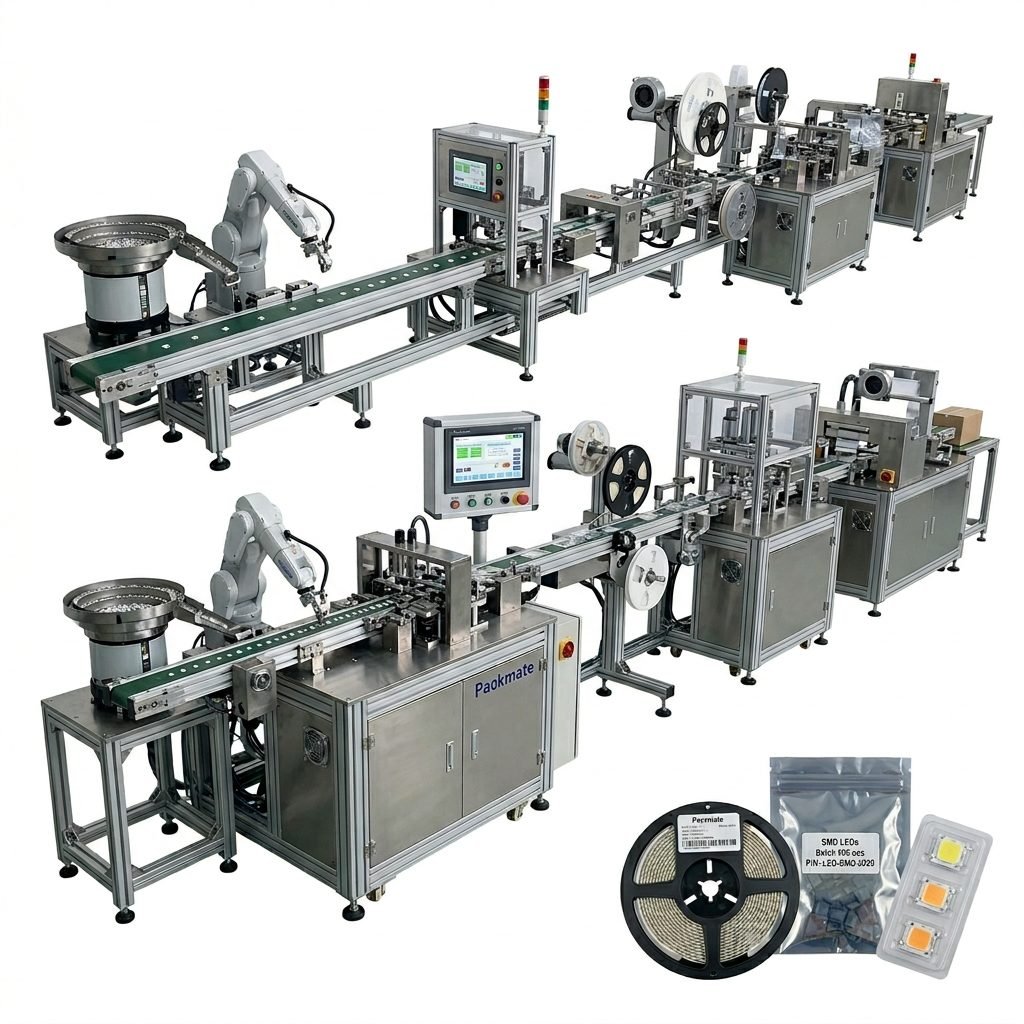
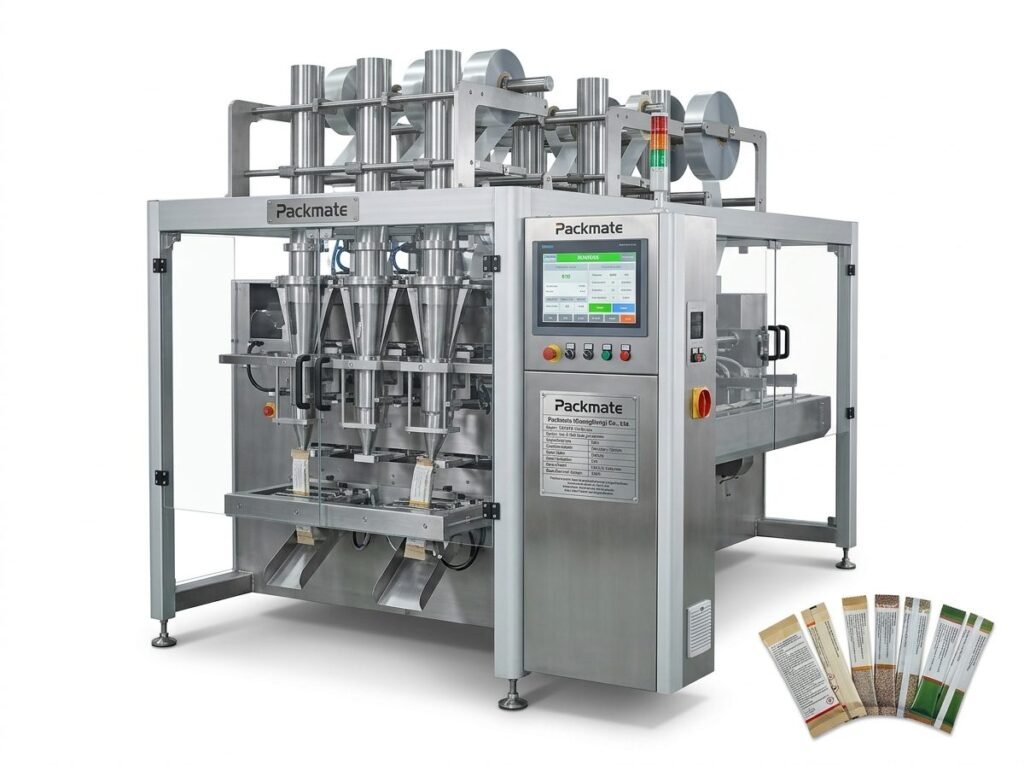
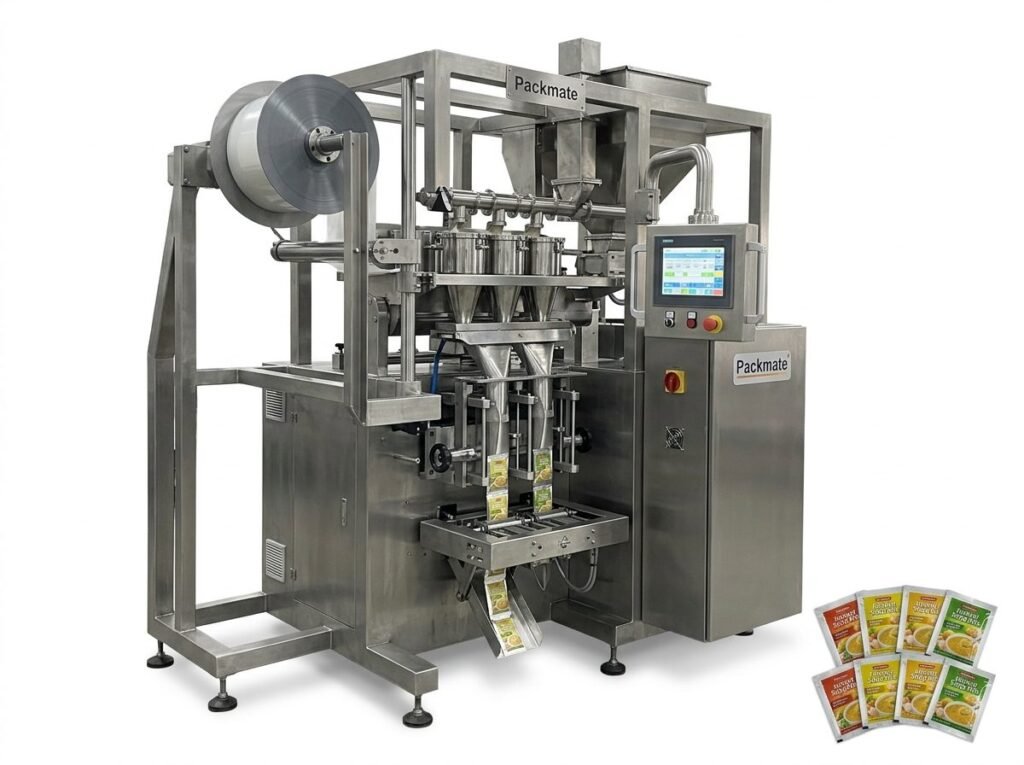
This is where the product first meets its container. Advanced form-fill-seal (FFS) machines are the cornerstone, creating pouches, sachets, or stick packs from roll stock film. Multi-lane configurations are essential for high-output requirements, such as packaging single-serve supplements or beverage powders. For liquids like syrups or health tonics, precision liquid fillers with peristaltic or piston pump technology ensure accuracy to the microliter.
2. Secondary & Tertiary Packaging: Automation for Efficiency
Once primary packaging is complete, the line automates the grouping and boxing process. Cartoners erect, load, and close boxes, while case packers gently place multiple units into shipping cases. Robotic palletizers often form the final stage, preparing pallets for warehouse storage or distribution. This end-to-end automation eliminates manual handling, reduces labor costs, and minimizes the risk of damage.
3. The Control Nexus: PLC, HMI, and Industry 4.0
The true “integration” in an integrated line is achieved through sophisticated control systems. A central Programmable Logic Controller (PLC) acts as the brain, synchronizing every machine’s speed and function. Operators interact with the line through intuitive Human-Machine Interface (HMI) touchscreens, allowing for quick changeovers and real-time monitoring. Modern lines offer IoT connectivity, enabling data collection on Overall Equipment Effectiveness (OEE), predictive maintenance alerts, and seamless integration with Manufacturing Execution Systems (MES) for complete traceability from raw material to retail shelf.
Sector-Specific Considerations
- Pharmaceuticals: Lines must be designed for easy cleaning and validation, often utilizing stainless steel 316L construction and clean-in-place (CIP) systems. Compliance with cGMP and FDA guidelines is non-negotiable.
- Health & Nutraceuticals: Speed and flexibility are key, as product lines frequently change. Quick-change tooling and recipe management on the HMI allow producers to switch between vitamin packets, protein stick packs, and herbal powder sachets with minimal downtime.
- Food: Hygiene remains critical, with a focus on preventing cross-contamination (e.g., allergen management). Solutions for oily, sticky, or abrasive products require specialized hopper and auger designs.
Choosing the Right Partner: Beyond the Machine
Selecting an integrated packaging line is a significant capital investment. The choice of supplier is as important as the technology itself. A true partner offers a turnkey solution—handling design, manufacturing, installation, commissioning, and training. They possess deep application expertise to tailor the line to your specific product characteristics and production goals. Look for a provider with a proven track record, like Packmate (GuangDong) Co., Ltd., which brings over two decades of experience in engineering reliable lines for global clients.
Post-installation support is crucial. Ensure your partner offers comprehensive service packages, readily available spare parts, and responsive technical support to maximize your line’s uptime and lifespan. Reviewing real-world case studies from similar applications can provide invaluable insight into a supplier’s capability.
The Return on Investment: Tangible and Intangible Benefits
Implementing an integrated line delivers a compelling ROI across multiple dimensions:
→ Operational Efficiency: Synchronized machines run at optimal speed, reducing cycle times and energy consumption per unit.
→ Material Savings: Precision filling and sealing minimize product giveaway and packaging film waste.
→ Enhanced Quality & Compliance: Automated inspection systems and consistent processes ensure every unit meets specification, supporting regulatory compliance and reducing recall risk.
→ Scalability: A well-designed integrated line can be modular, allowing for future expansion or reconfiguration as your business grows.
Conclusion: Packaging as a Strategic Asset
For forward-thinking manufacturers in food, pharma, and health, the packaging line is transforming from a cost center into a strategic asset for competitive advantage. An intelligently integrated solution safeguards product quality, ensures regulatory adherence, unlocks new levels of production efficiency, and provides the agility needed in fast-moving markets. By partnering with an experienced provider to implement a tailored system, companies secure not just a production tool, but a foundation for sustainable growth and market leadership.
Frequently Asked Questions (FAQs)
1. What is the main difference between an integrated line and buying individual machines?
An integrated line is a pre-engineered, synchronized system where all components (filling, sealing, labeling, etc.) are designed to work together seamlessly from the outset. Buying individual machines often leads to integration challenges, communication gaps between different PLCs, and sub-optimal performance. The integrated approach guarantees higher overall efficiency, easier maintenance, and single-source accountability.
2. How long does it typically take to commission a new integrated packaging line?
The timeline varies based on complexity and customization. A standard line might take 3-6 months from order to factory acceptance test (FAT), followed by 2-4 weeks for installation and commissioning at your facility. More complex, highly customized systems for sterile applications can take longer. A reliable supplier will provide a detailed project timeline upfront. You can explore standard solutions to gauge baseline timelines.
3. Can an integrated line handle frequent product changeovers?
Yes, modern lines are built for flexibility. Features like quick-change tooling, servo-driven adjustments, and digital recipe storage on the HMI allow for rapid changeovers—sometimes in minutes. This is essential for contract packagers or brands with diverse product portfolios. Discuss your changeover requirements in detail during the design phase.
4. What kind of training is provided for our operators and maintenance staff?
Reputable suppliers offer comprehensive training programs. This typically includes classroom-style instruction on theory and safety, hands-on operational training at the machine during commissioning, and detailed maintenance workshops. Training manuals, video tutorials, and direct access to technical support are also standard parts of a complete service package.
5. How do we ensure the line meets our industry’s regulatory standards (e.g., FDA, cGMP)?
Choose a supplier with proven experience in your specific industry. They should design the line with compliance in mind, using appropriate materials (e.g., food-grade or pharmaceutical-grade stainless steel), documenting the machine’s design history (DHF), and providing a detailed installation & operational qualification (IQ/OQ) protocol. Always verify their certifications and ask for references from clients in regulated sectors.