In the fast-paced world of food manufacturing, efficiency, hygiene, and presentation are paramount. For biscuit producers, the packaging stage is a critical juncture where product integrity meets market appeal. An automated biscuit packaging line is no longer a luxury but a necessity for businesses aiming to scale, maintain consistency, and meet stringent safety standards. These sophisticated systems integrate various machines—from feeding and collating to weighing, wrapping, and cartoning—into a seamless, high-speed operation. The transition from manual or semi-automatic packing to a fully automated line represents a significant leap in productivity, often yielding a dramatic reduction in labor costs, minimized product waste, and a substantial increase in output.
The Core Components of a Modern Biscuit Packaging Line
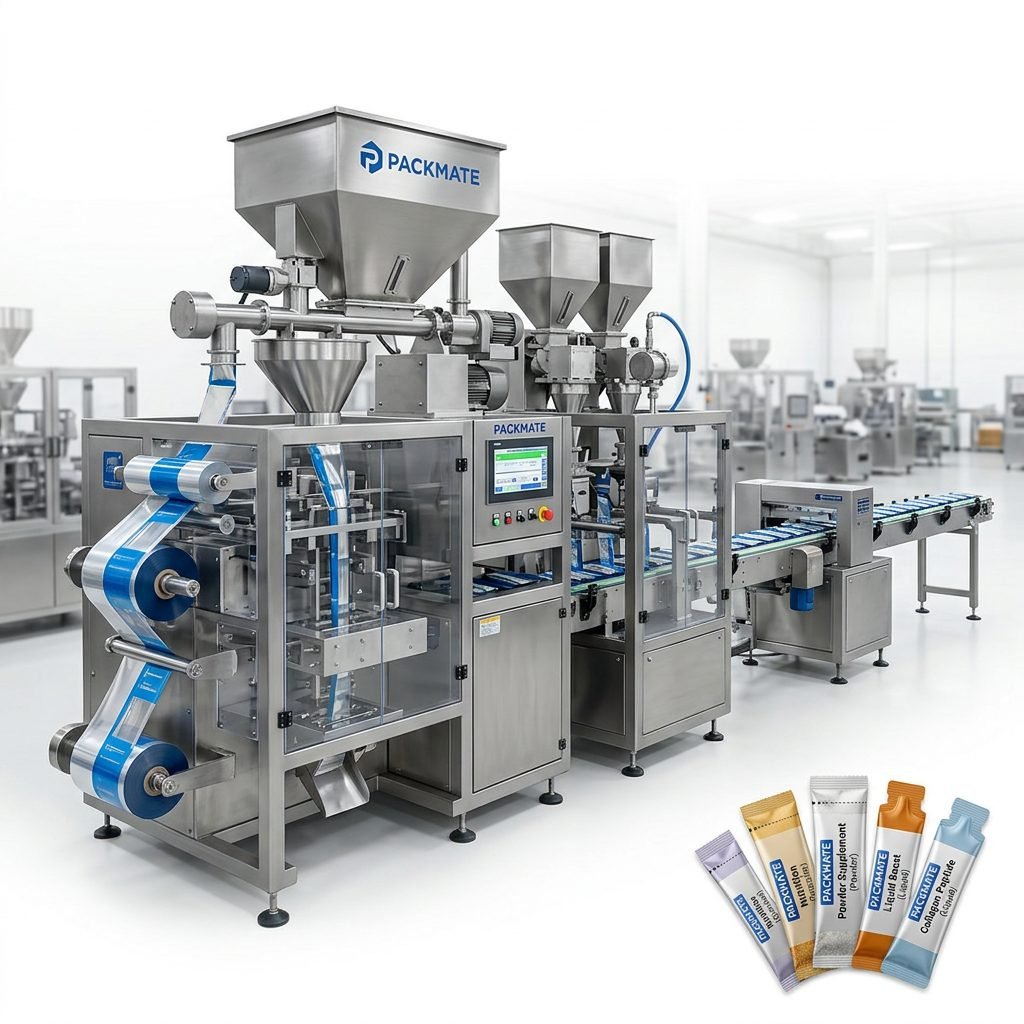
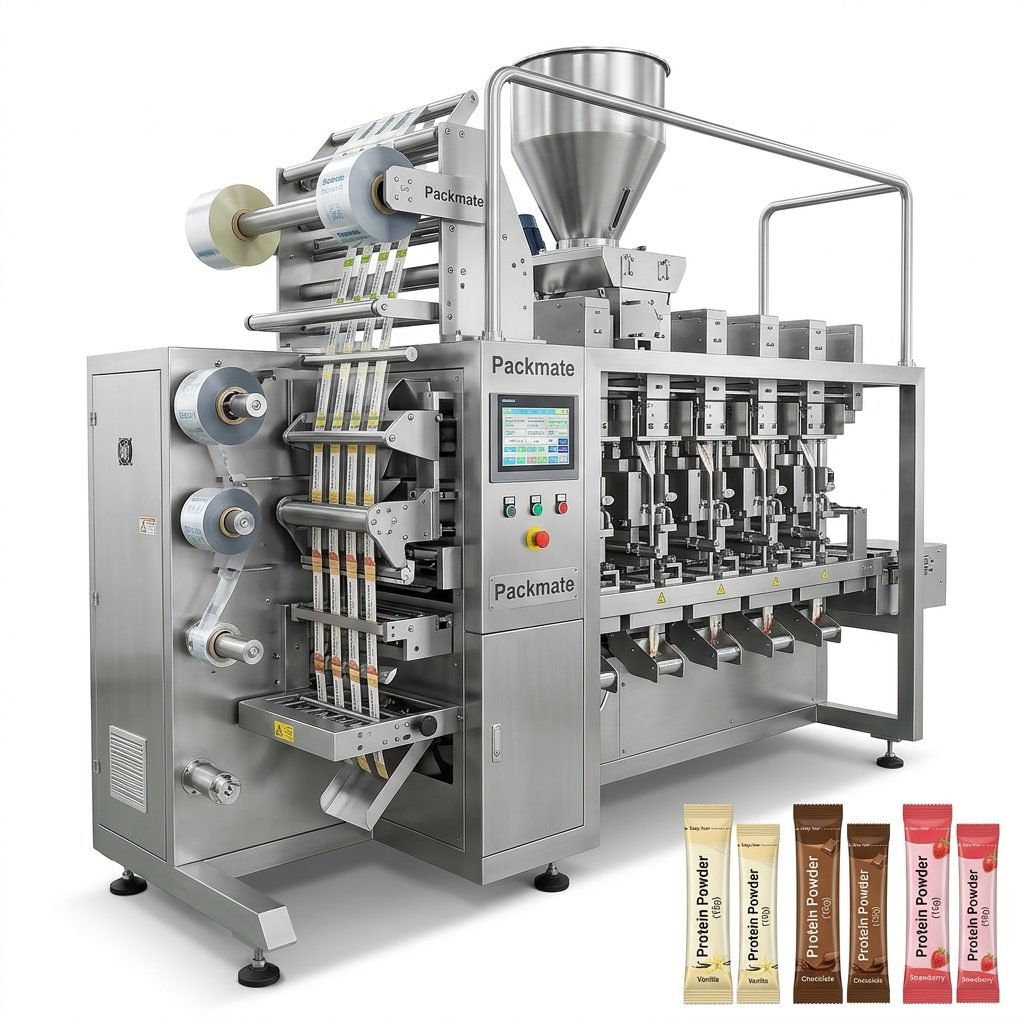
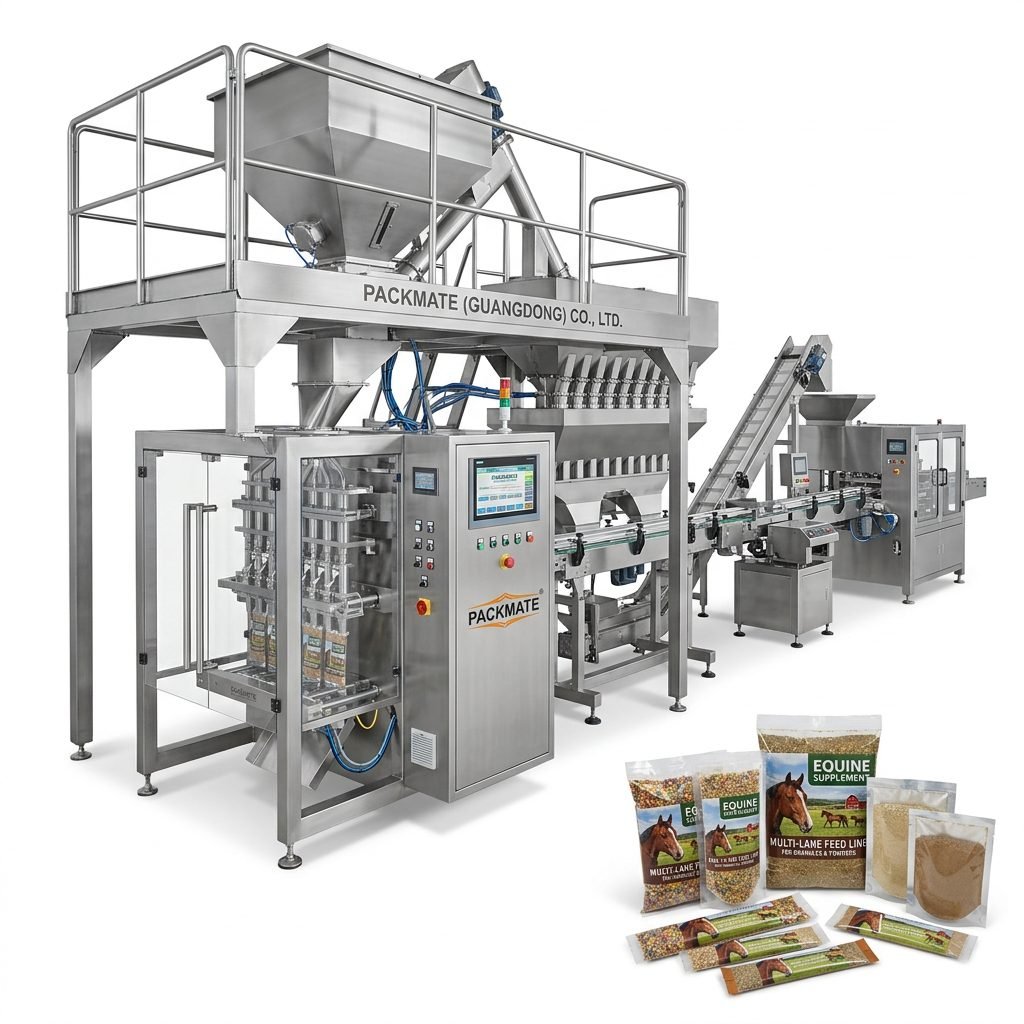
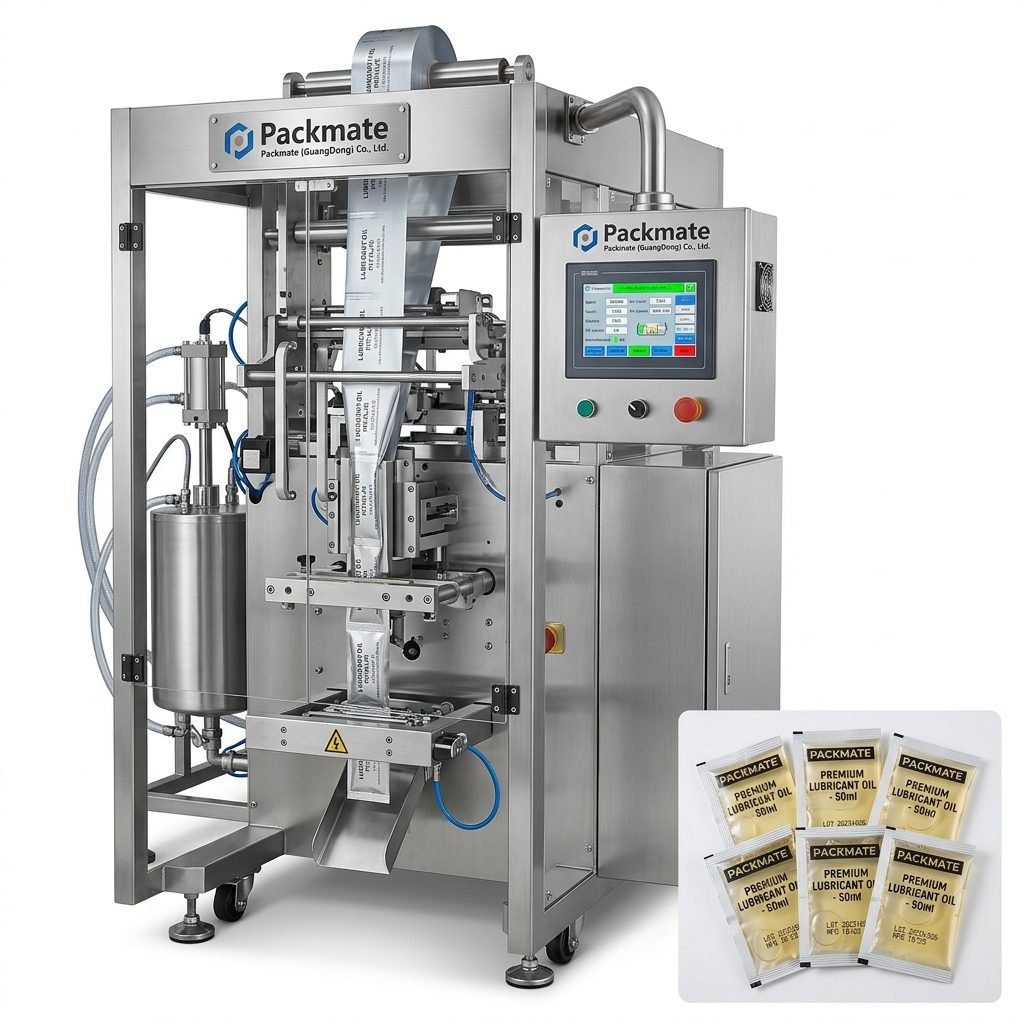
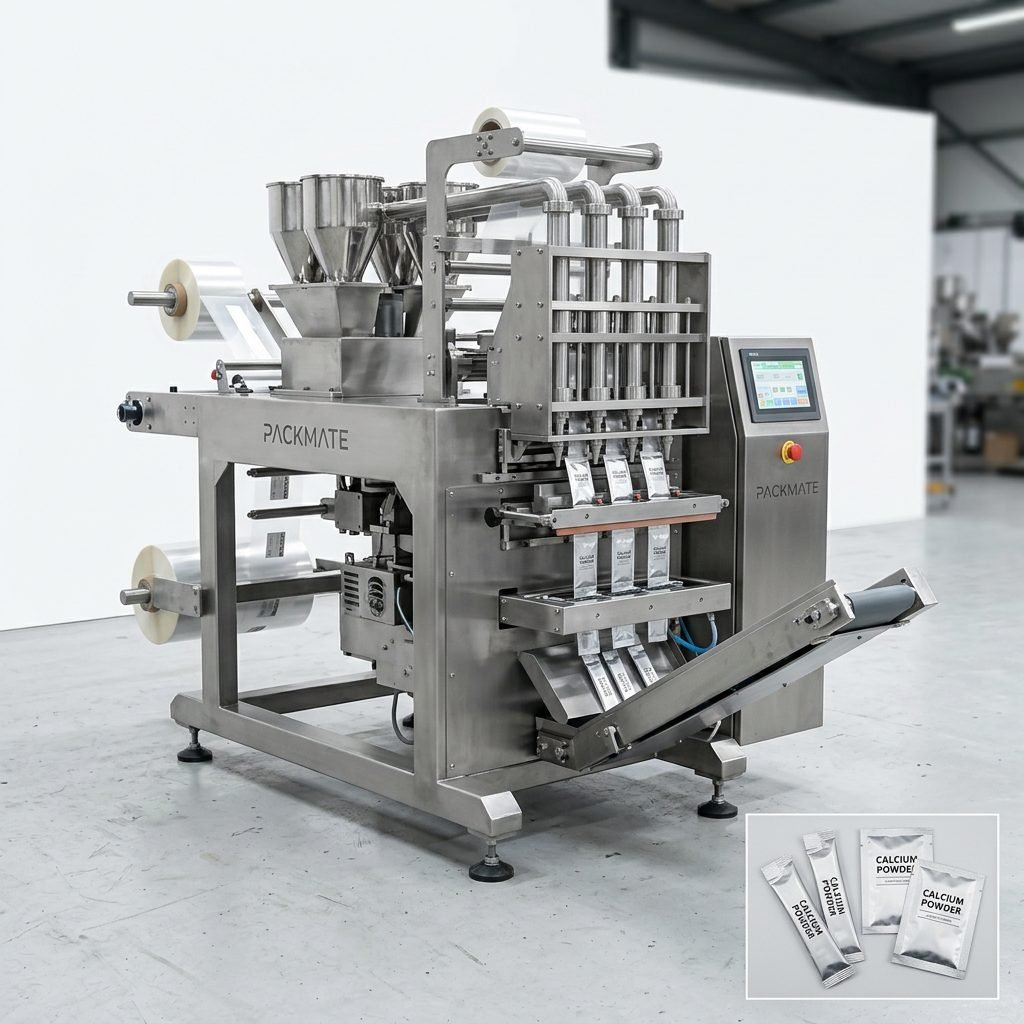
A typical automated line is a symphony of coordinated machinery. It often begins with a biscuit feeding and collating system that gently organizes products from the cooling conveyor into precise rows and stacks. This is followed by a weighing or counting module to ensure accurate portion control. The heart of the line is the wrapping machine, which can form bags from roll stock film or use pre-made pouches. Advanced models offer features like nitrogen flushing to extend shelf life by displacing oxygen within the package. Finally, cartoners and case packers efficiently group the primary packages into secondary boxes for shipping and retail display. Each component must be meticulously engineered to handle biscuits delicately to prevent breakage while operating at high speeds.
Key Benefits of Automation for Biscuit Producers
Investing in an automated packaging solution delivers a compelling return on investment through multiple channels:
- ▶ Unmatched Efficiency & Speed: Automated lines can operate 24/7 with minimal downtime, packing thousands of units per hour, far surpassing manual capabilities.
- ▶ Superior Consistency & Quality: Machines eliminate human error in weighing, sealing, and labeling, ensuring every package is identical, which strengthens brand reputation.
- ▶ Enhanced Hygiene & Safety: With reduced human contact, the risk of contamination is lowered, which is crucial for complying with global food safety standards like HACCP, FDA, and BRC.
- ▶ Significant Cost Reduction: While the initial investment is notable, automation drastically cuts long-term labor costs, reduces material waste from sealing errors, and minimizes product giveaway through precise weighing.
- ▶ Operational Flexibility: Modern lines are designed for quick changeovers, allowing producers to switch between different biscuit types, package sizes, and materials with minimal downtime, catering to a dynamic market.
Choosing the Right Partner for Your Packaging Line
Selecting a supplier is as crucial as selecting the machinery itself. A reliable partner like Packmate (GuangDong) Co., Ltd. brings more than just equipment; they bring expertise. With over 30 years of industry experience, they understand the nuanced challenges of food packaging. A true partner will conduct a thorough analysis of your current and future production needs, recommend a tailored solution, and provide comprehensive support from installation and training to ongoing maintenance and spare parts supply. Reviewing their project case studies in the biscuit and snack sector can provide valuable insight into their capability and reliability.
Innovations Shaping the Future of Biscuit Packaging
The industry is continuously evolving, driven by consumer trends and technological advancements. Sustainability is a major force, leading to the development of machines capable of handling mono-material, recyclable, or compostable films. Smart packaging lines integrated with Industry 4.0 principles are becoming standard. These systems feature IoT sensors for real-time monitoring of machine performance, predictive maintenance alerts, and data analytics dashboards that provide insights into Overall Equipment Effectiveness (OEE), helping managers optimize production flow. Furthermore, robotics are being increasingly deployed for intricate tasks like flexible carton loading or final palletizing, adding another layer of automation and precision. Exploring a supplier’s equipment catalog will reveal their commitment to such innovations.
Implementation and Maximizing Your Investment
Successful implementation requires careful planning. The process typically begins with a factory audit and consultation to define specifications. Post-purchase, professional installation and calibration by factory engineers are essential. Comprehensive operator and maintenance technician training ensures your team can run the line efficiently and perform basic troubleshooting. Establishing a preventive maintenance schedule, supported by readily available service and parts, is key to maximizing uptime and extending the machinery’s lifespan. A trustworthy supplier will stand by their solution long after the sale is complete.
Frequently Asked Questions (FAQs)
1. What is the typical lead time for a complete biscuit packaging line?
Lead times vary based on complexity and customization but generally range from 3 to 6 months from order confirmation. This includes design, manufacturing, factory testing, and preparation for shipment. Standard or modular machines may have shorter lead times.
2. How do I determine the right speed and capacity for my needs?
Analyze your current daily output and projected growth for the next 5-7 years. A reputable supplier will help you calculate the required cycles per minute (CPM) or packs per hour (PPH) based on your biscuit type, package weight, and film material, ensuring the line meets your targets without being over-specified.
3. Can the packaging line handle different biscuit shapes and sizes?
Yes, most modern lines are designed for flexibility. Quick-change parts like forming tubes, collating buckets, and product lanes allow for switching between products. Discuss your specific product range with the supplier during the planning phase to ensure the line is configured for your required changeovers.
4. What kind of after-sales support should I expect?
Comprehensive support includes detailed installation guidance (onsite or remote), thorough training programs, a warranty period, access to a digital library of manuals and diagrams, and a reliable supply chain for genuine spare parts. Many providers, like Packmate, offer ongoing technical support via phone, email, or video call.
5. How does automated packaging impact food safety compliance?
Automation significantly enhances compliance. Enclosed systems reduce human contact, and machines built with food-grade stainless steel and smooth surfaces are easier to clean and sanitize. Automated checkweighers and metal detectors can be integrated into the line to provide 100% inspection, creating auditable data trails for quality control.