In today’s fast-paced consumer markets, efficiency, hygiene, and presentation are non-negotiable. For manufacturers of snacks, pharmaceuticals, and health products, the packaging line is the critical final link in the production chain. It’s where product integrity meets brand promise. A turnkey automated packaging line solution represents the pinnacle of operational excellence, integrating multiple processes into a seamless, high-speed, and reliable system. This article explores the comprehensive benefits and applications of these sophisticated systems, designed to meet the rigorous demands of modern industries.
The Core Advantage: What is a Turnkey Automated System?
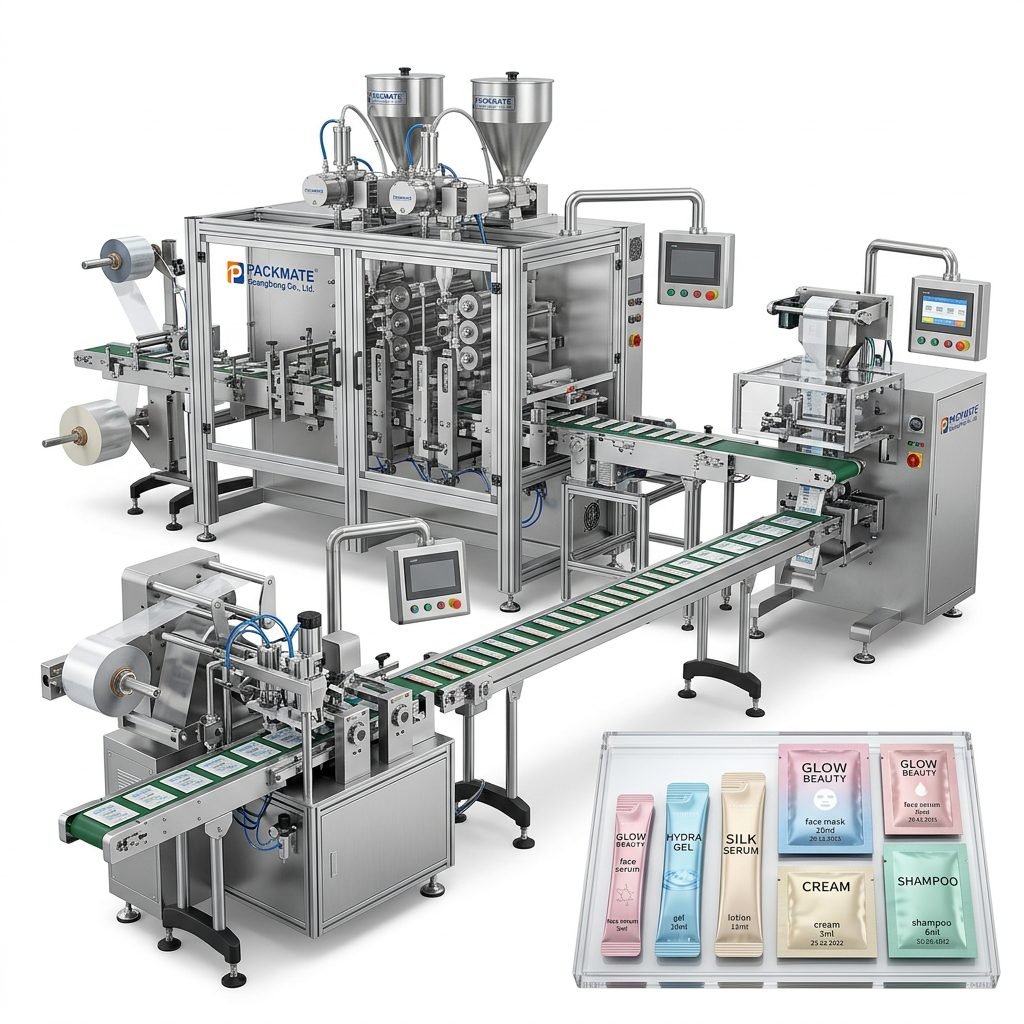
A turnkey automated packaging line is a complete, ready-to-operate solution supplied by a single vendor. From the initial infeed of raw packaging materials and product dosing to the final sealing, coding, and cartoning, every component is engineered to work in perfect harmony. The term “turnkey” signifies that the manufacturer can essentially “turn the key” and begin production with minimal setup or integration headaches. This holistic approach contrasts with piecing together machines from different suppliers, which often leads to compatibility issues, efficiency losses, and higher long-term maintenance costs.
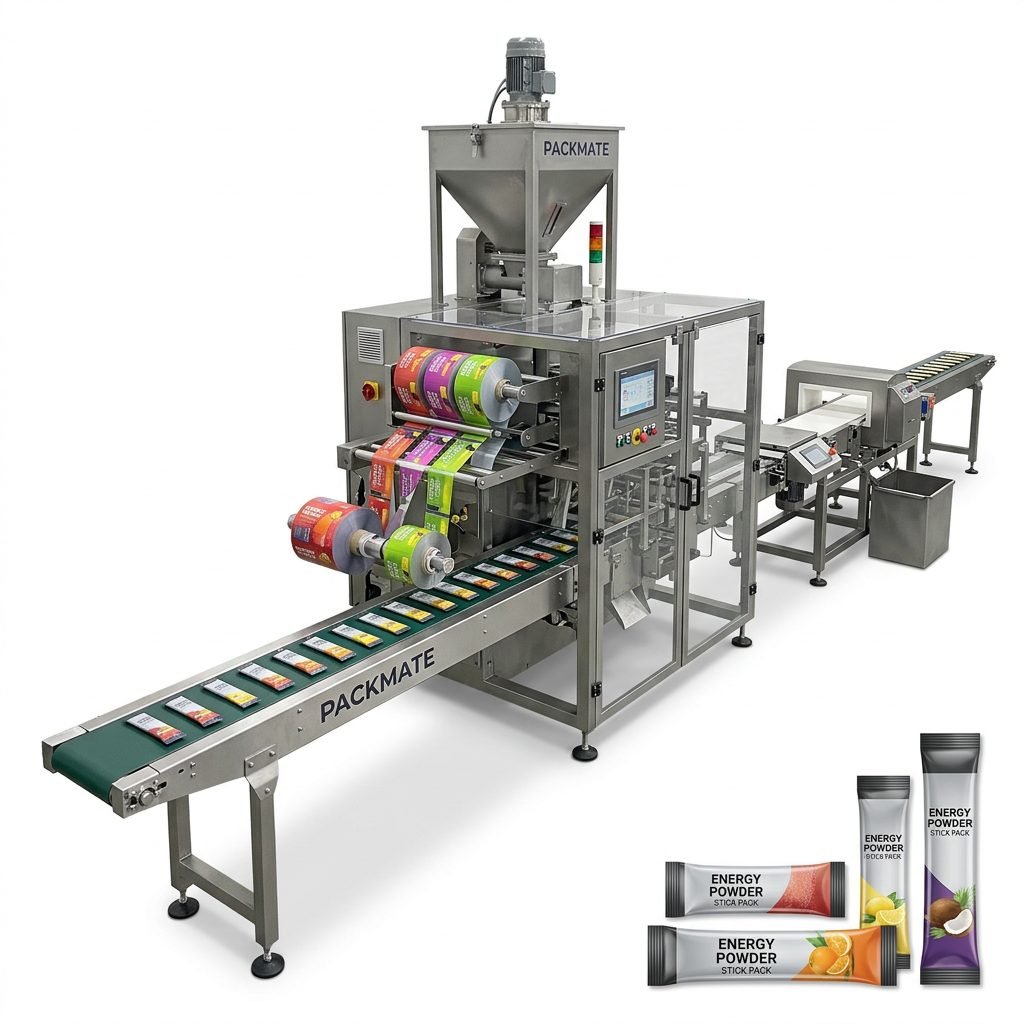
Key Components of a Modern Snack Packaging Line
While configurations vary by product, a robust automated line typically includes:
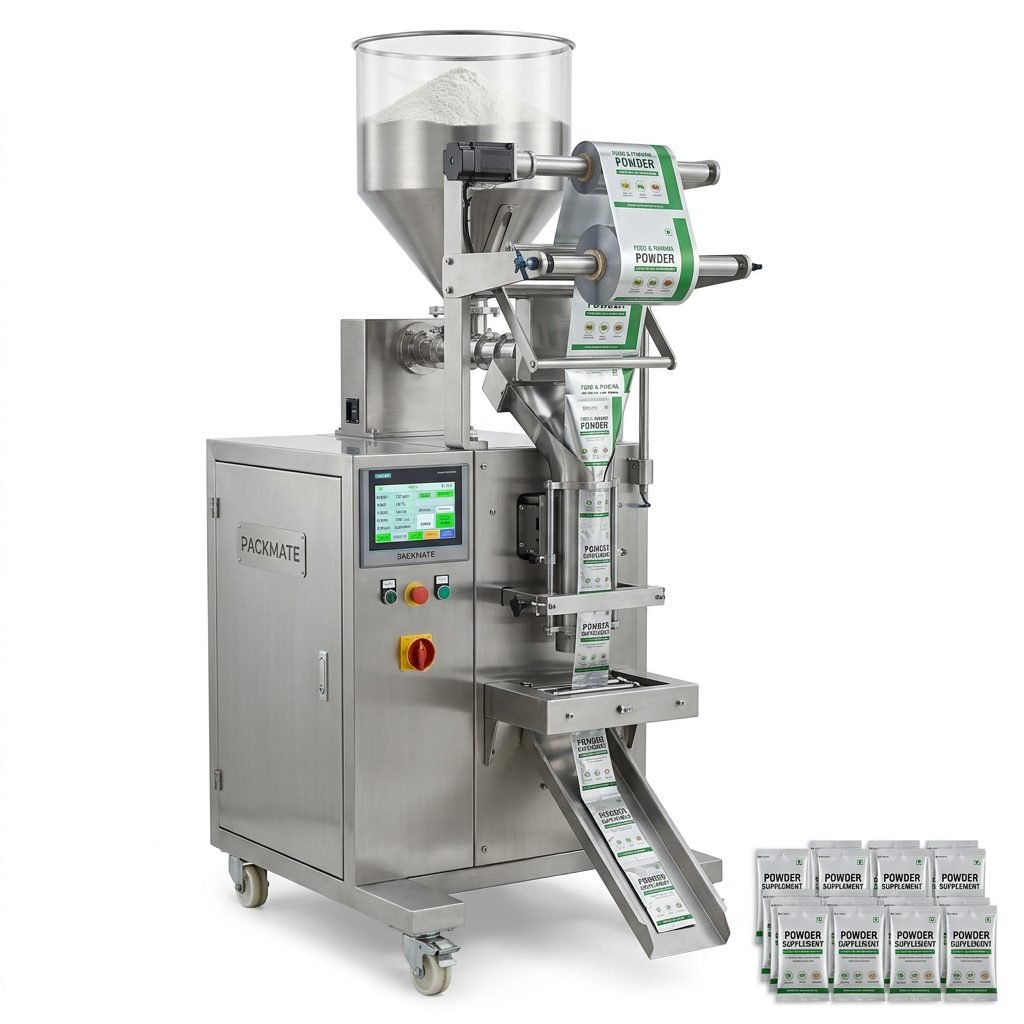
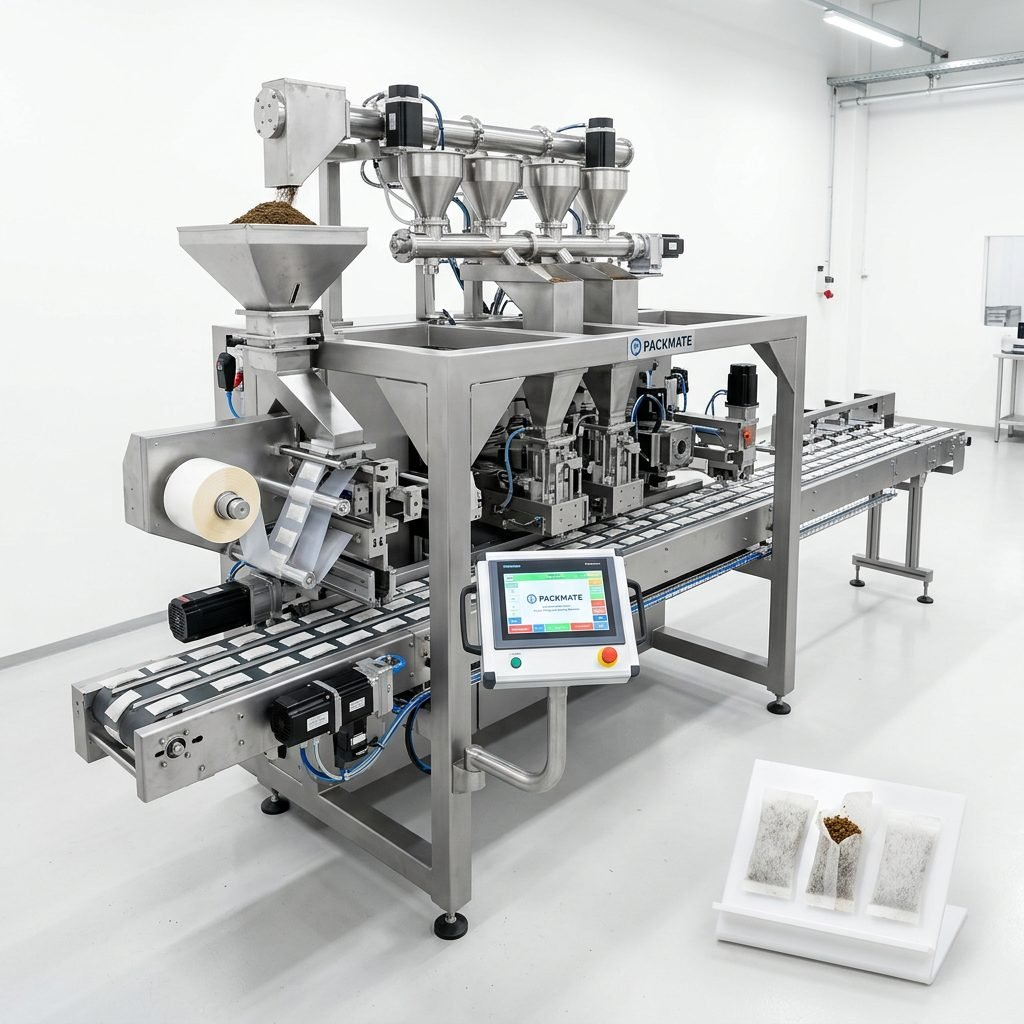
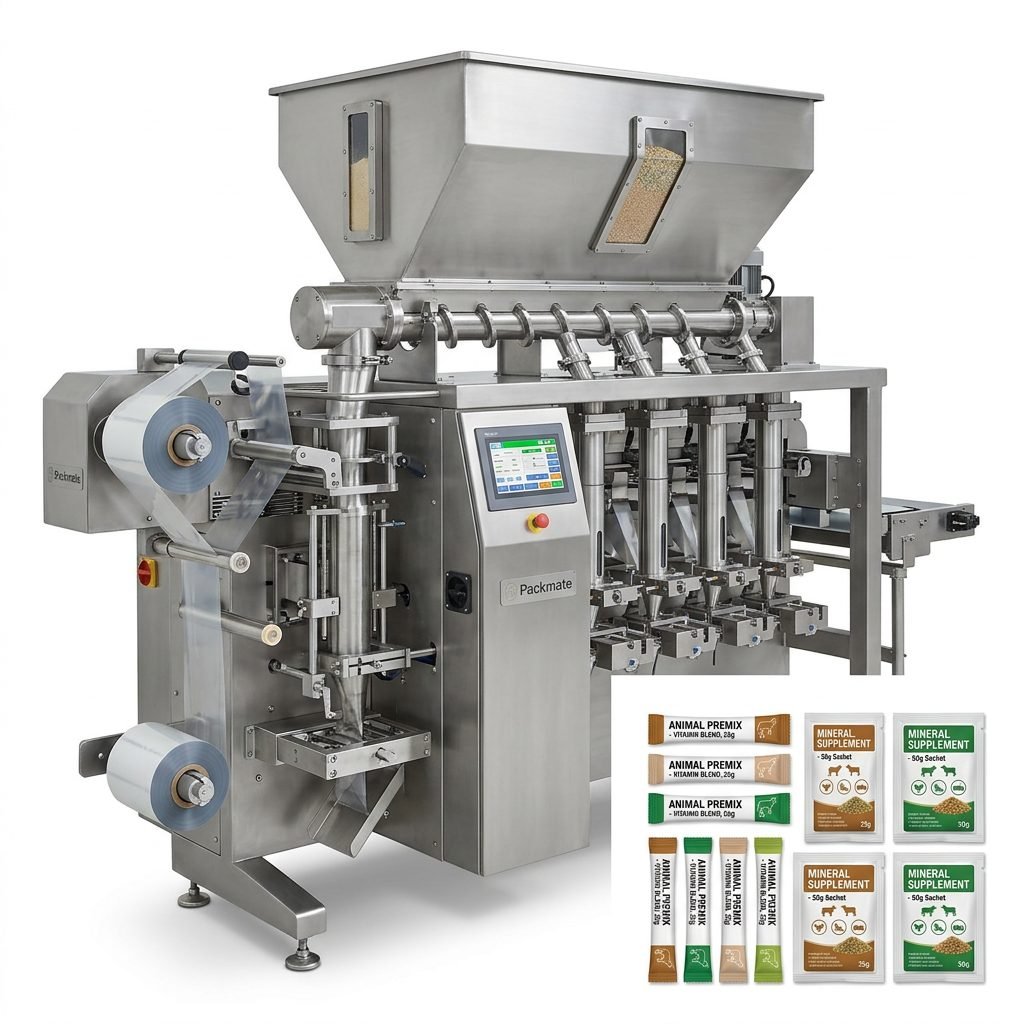
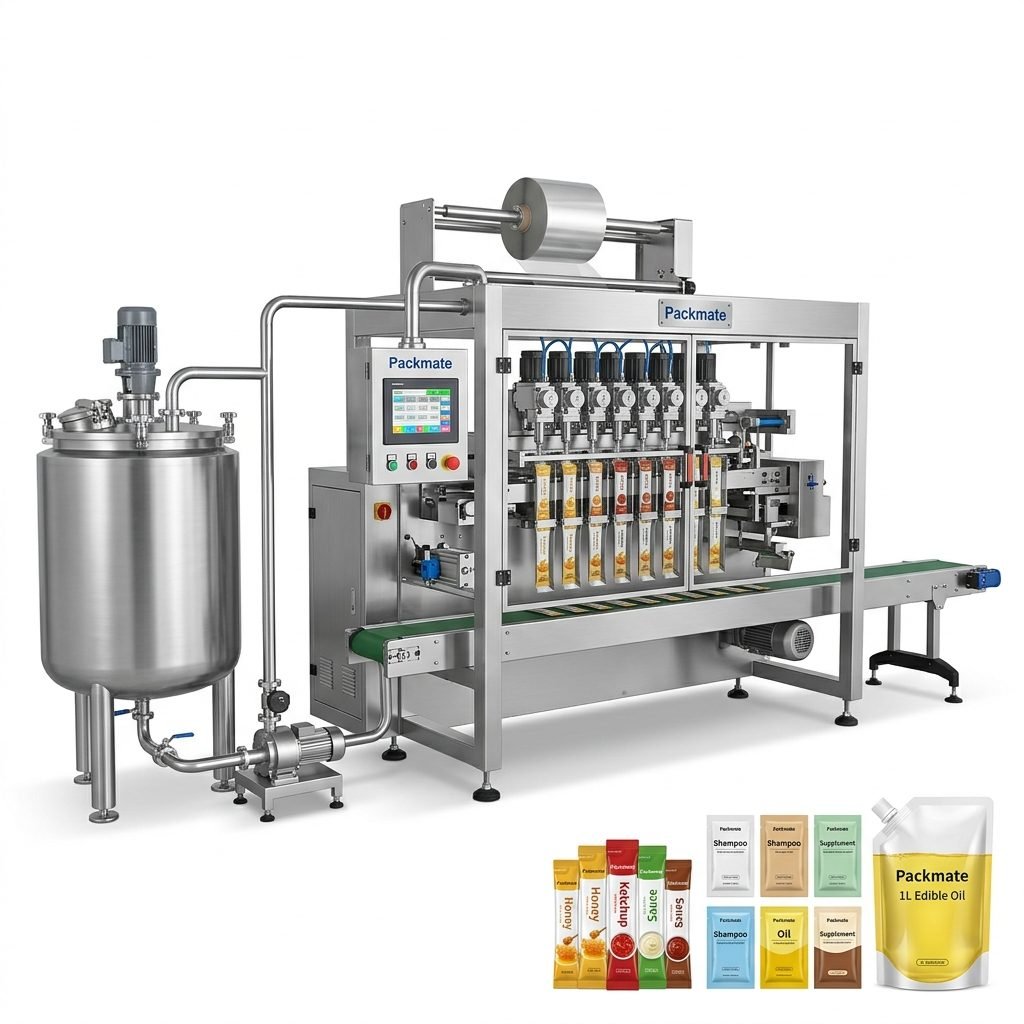
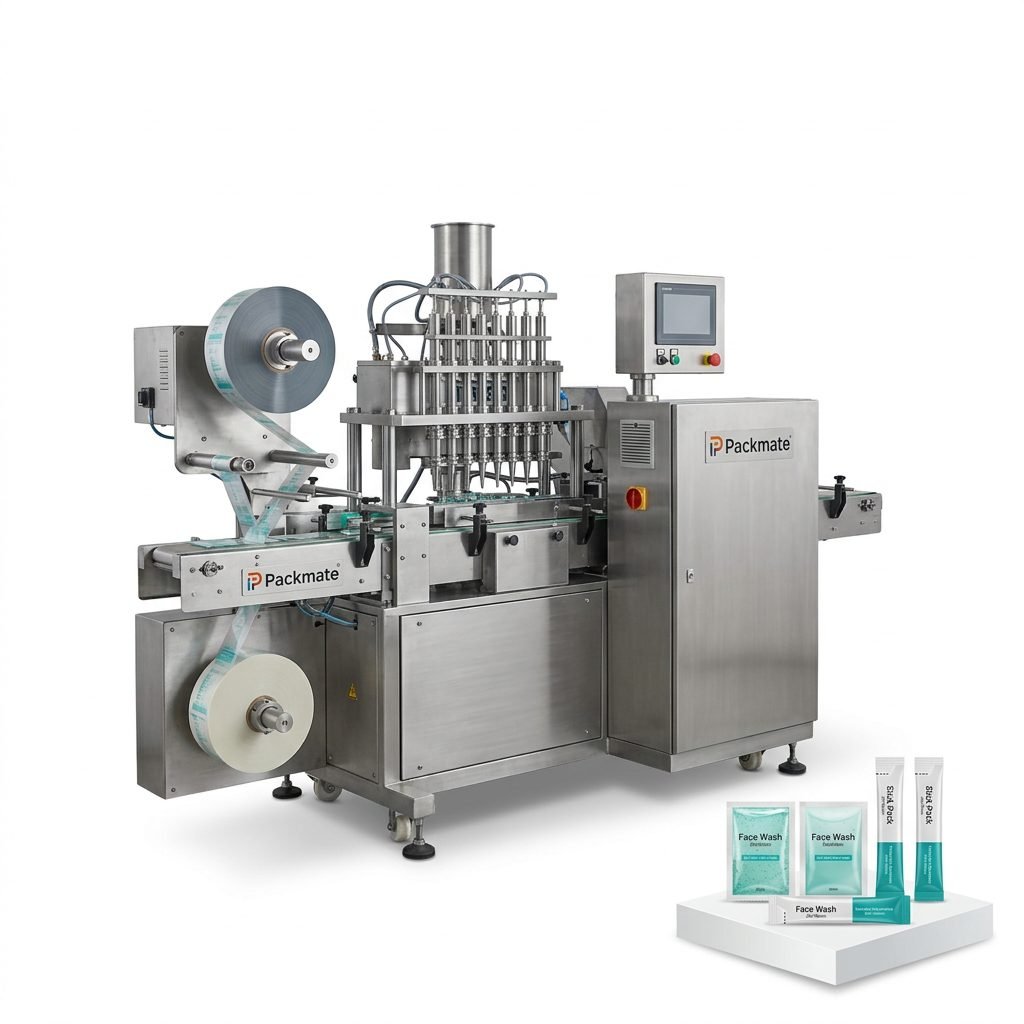
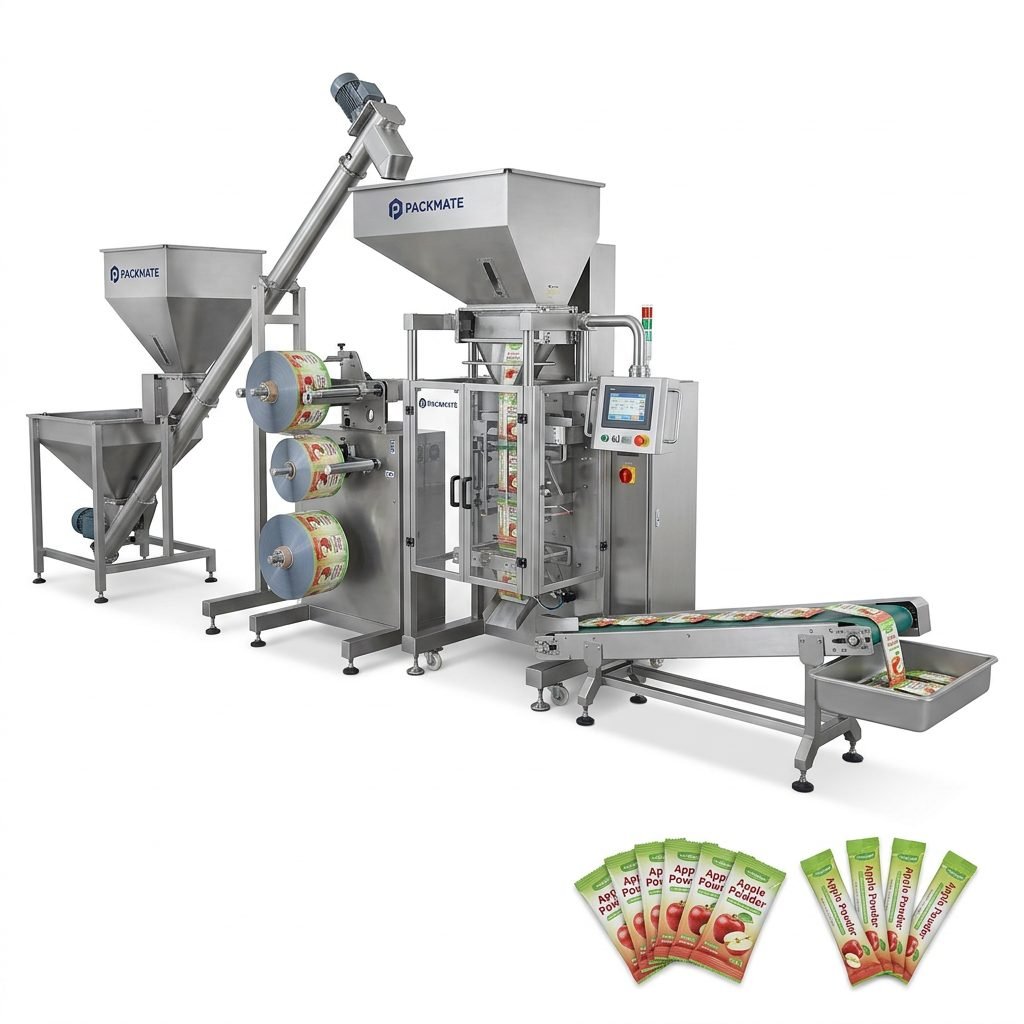
- Product Handling & Dosing Systems: Precision augers, volumetric cups, or weigh scales ensure accurate filling of granules, powders, or liquids.
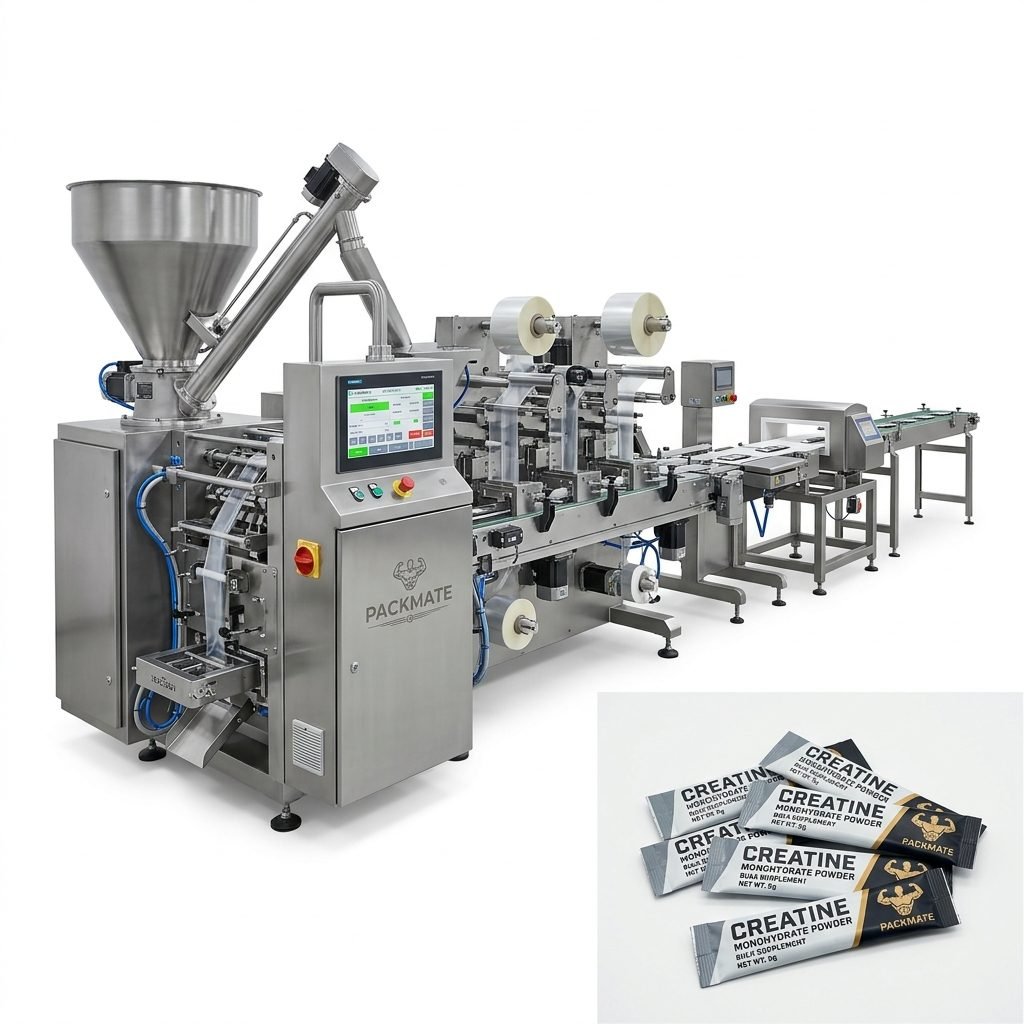
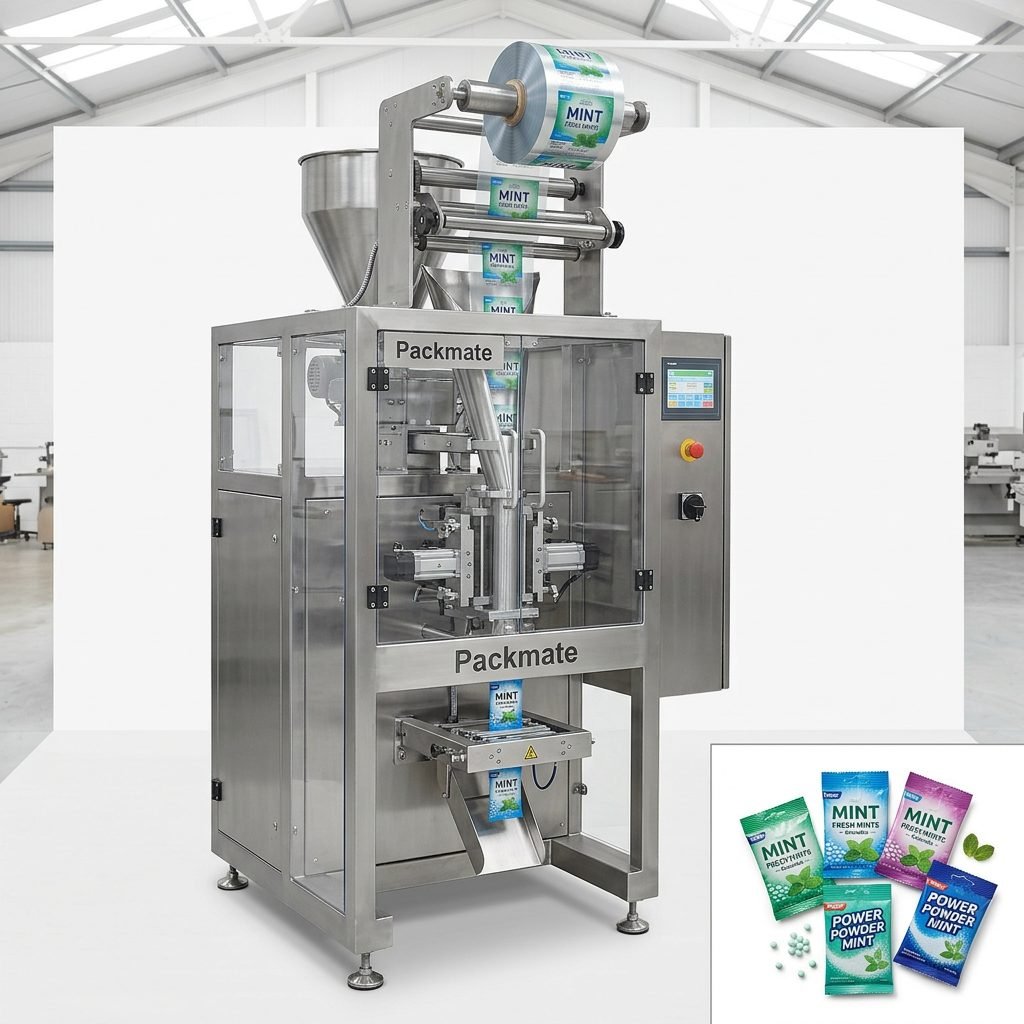
- Form-Fill-Seal (FFS) Machines: The heart of the line. These machines form the packaging from a roll of film, fill it with product, and seal it—creating sachets, stick packs, or pouches at high speeds.
- Secondary Packaging Units: This includes cartoners, case packers, and palletizers that group primary packages for distribution.
- Quality Control & Inspection: Integrated checkweighers, metal detectors, and vision systems guarantee every pack meets weight, safety, and aesthetic standards.
- Centralized Control System: A programmable logic controller (PLC) with a human-machine interface (HMI) allows for easy monitoring, recipe changes, and diagnostics.
Applications Across Critical Industries
The versatility of automated packaging lines makes them indispensable across several sectors. For a deeper look at industry-specific applications, explore our dedicated packaging solutions.
1. Food & Snack Industry
Speed and freshness are paramount. Lines for nuts, chips, candy, or powdered drink mixes must handle various product shapes and densities while maintaining a hermetic seal to extend shelf life. Modern lines offer quick changeover capabilities to switch between different snack products or package sizes with minimal downtime, catering to flexible production schedules.
2. Pharmaceutical Sector
Here, precision and sterility are life-critical. Packaging lines for powders, tablets, or medical devices must comply with stringent Good Manufacturing Practice (GMP) regulations. They are often constructed with stainless steel, feature clean-in-place (CIP) systems, and include exhaustive tracking and documentation capabilities to ensure absolute batch integrity and traceability.
3. Health & Nutritional Products
This growing market, encompassing protein powders, vitamins, and herbal supplements, demands packaging that protects sensitive ingredients from moisture and oxygen. Automated lines provide the consistent, high-barrier sealing necessary to preserve product potency. The ability to create attractive, branded stick packs or sachets also supports the marketing of single-dose and on-the-go formats popular in this sector.
Why Choose a Turnkey Solution from an Experienced Partner?
Investing in a complete packaging line is a significant decision. Partnering with a specialist like Packmate (GuangDong) Co., Ltd. offers distinct advantages. With over 22 years of development and a 20,000㎡ modern facility, such a partner brings proven expertise from concept to commissioning.
Single-Point Accountability: One vendor manages the entire project, from design and manufacturing to installation, training, and after-sales service. This simplifies communication and ensures responsibility for the line’s overall performance.
Optimized Integration: All machines are designed to interface seamlessly, maximizing line efficiency (OEE) and minimizing bottlenecks that plague mismatched systems.
Future-Proof Scalability: A reputable provider designs with expansion in mind. As your business grows, the line can often be modularly upgraded or extended without a complete overhaul.
Reduced Total Cost of Ownership (TCO): While the initial investment may be significant, the long-term savings from higher throughput, less waste, lower labor costs, and streamlined maintenance from a single supplier are substantial.
The Implementation Journey: From Vision to Reality
Deploying a turnkey system is a collaborative process. It begins with a detailed analysis of your product characteristics, desired output, and factory layout. The supplier then engineers a custom solution, procures components, and performs rigorous factory acceptance testing (FAT) before disassembly and shipment. Upon arrival at your facility, their expert engineers oversee installation, calibration, and comprehensive staff training, culminating in a site acceptance test (SAT) to verify performance guarantees. Seeing this process in action can be insightful; you can view real-world examples in our project case studies.
The evolution towards full automation is no longer a luxury but a necessity for competitive manufacturers in the food, pharma, and health product spaces. A turnkey automated packaging line solution delivers the reliability, speed, and compliance needed to thrive. It transforms packaging from a cost center into a strategic asset that safeguards product quality, enhances brand value, and drives profitability. By choosing an experienced and innovative partner committed to quality and collaboration, businesses can secure a packaging foundation robust enough for the challenges of today and scalable for the opportunities of tomorrow. For more information on beginning this transformation, please contact our team.
Frequently Asked Questions (FAQs)
1. What is the typical lead time for a complete turnkey packaging line?
Lead times vary significantly based on the line’s complexity, customization level, and current production schedules. A standard system might take 3-6 months from order to delivery, while highly customized solutions for novel products may require longer. A detailed project timeline is always provided during the quotation phase.
2. Can your packaging lines handle both food and pharmaceutical products?
Yes, but with critical distinctions. While the core mechanical principles may be similar, lines for pharmaceutical applications are built with GMP compliance as a priority. This includes the use of specific materials (e.g., 316L stainless steel), enhanced cleanability, and more rigorous documentation and validation protocols. It’s crucial to discuss your specific industry and regulatory requirements upfront.
3. How do you ensure the line will work with our specific product?
Reputable suppliers conduct product tests. You would typically send samples of your product and packaging film to their testing laboratory. Engineers will run trials on appropriate machines to determine the optimal dosing method, sealing parameters, and handling mechanisms, ensuring the proposed line design is validated for your product before any commitment is made.
4. What kind of training and after-sales support is provided?
Comprehensive training for your operators, technicians, and maintenance staff is a standard part of commissioning. This covers daily operation, routine maintenance, troubleshooting, and safety procedures. After-sales support includes a warranty period, access to spare parts, and ongoing technical support via phone, email, or on-site visits if needed.
5. Are the lines energy-efficient and easy to maintain?
Modern automated lines are designed with energy efficiency in mind, utilizing servo motors and smart controls that reduce power consumption. Maintenance ease is a key design criterion, featuring tool-less access to high-wear parts, centralized lubrication points, and user-friendly diagnostic systems on the HMI to minimize downtime.