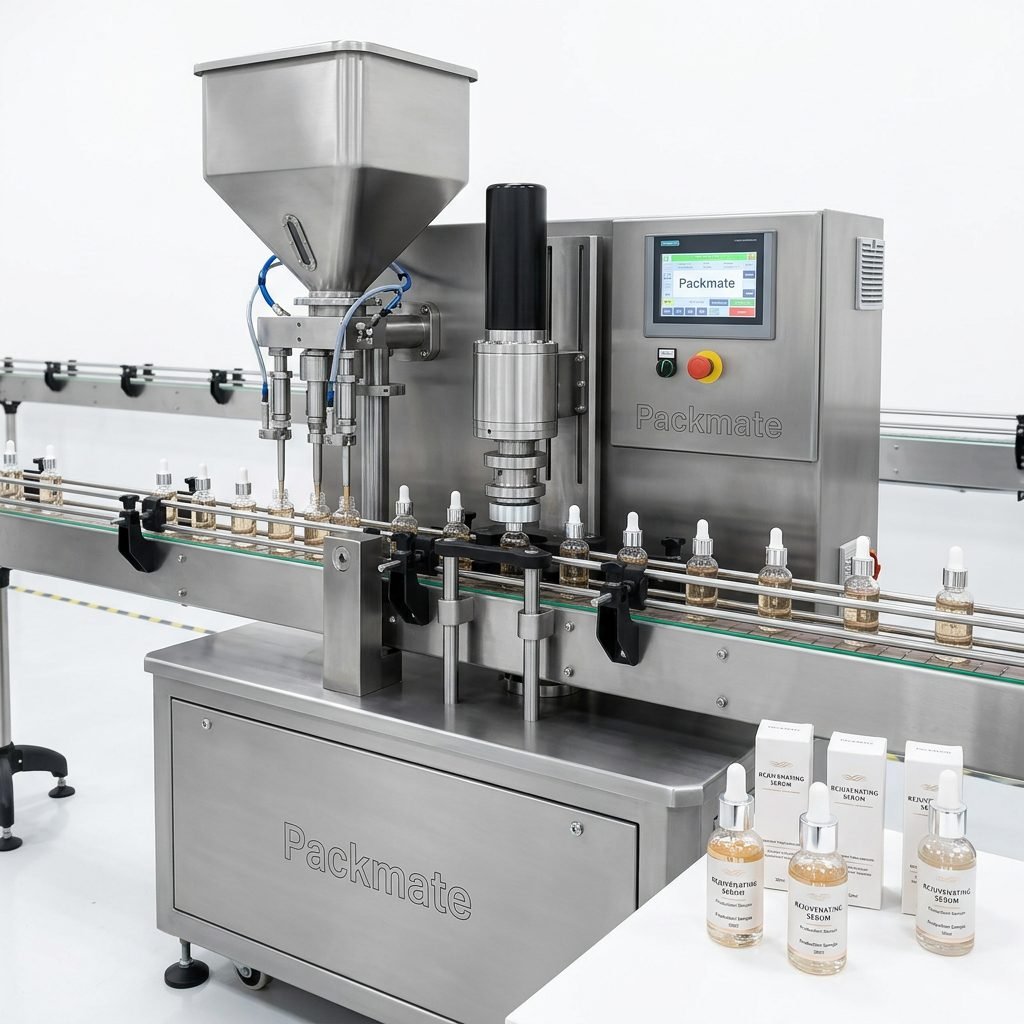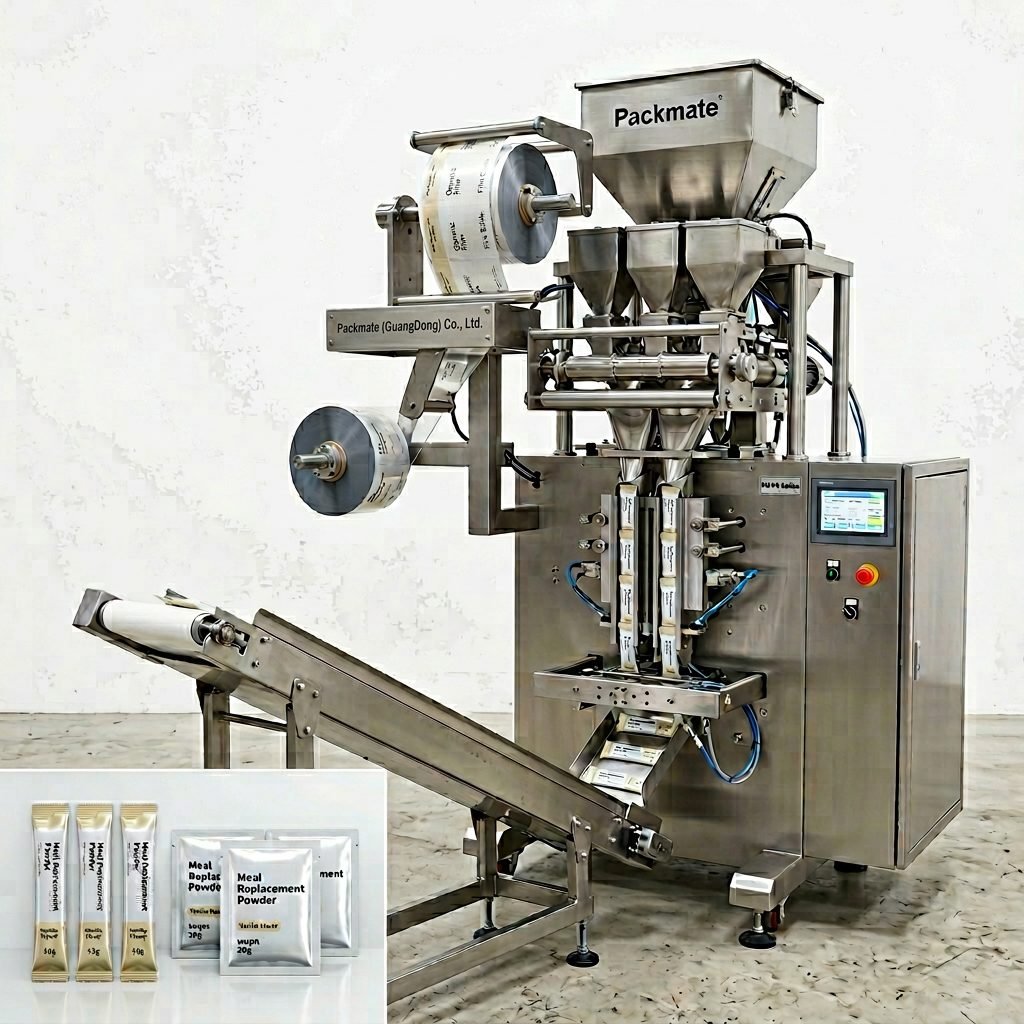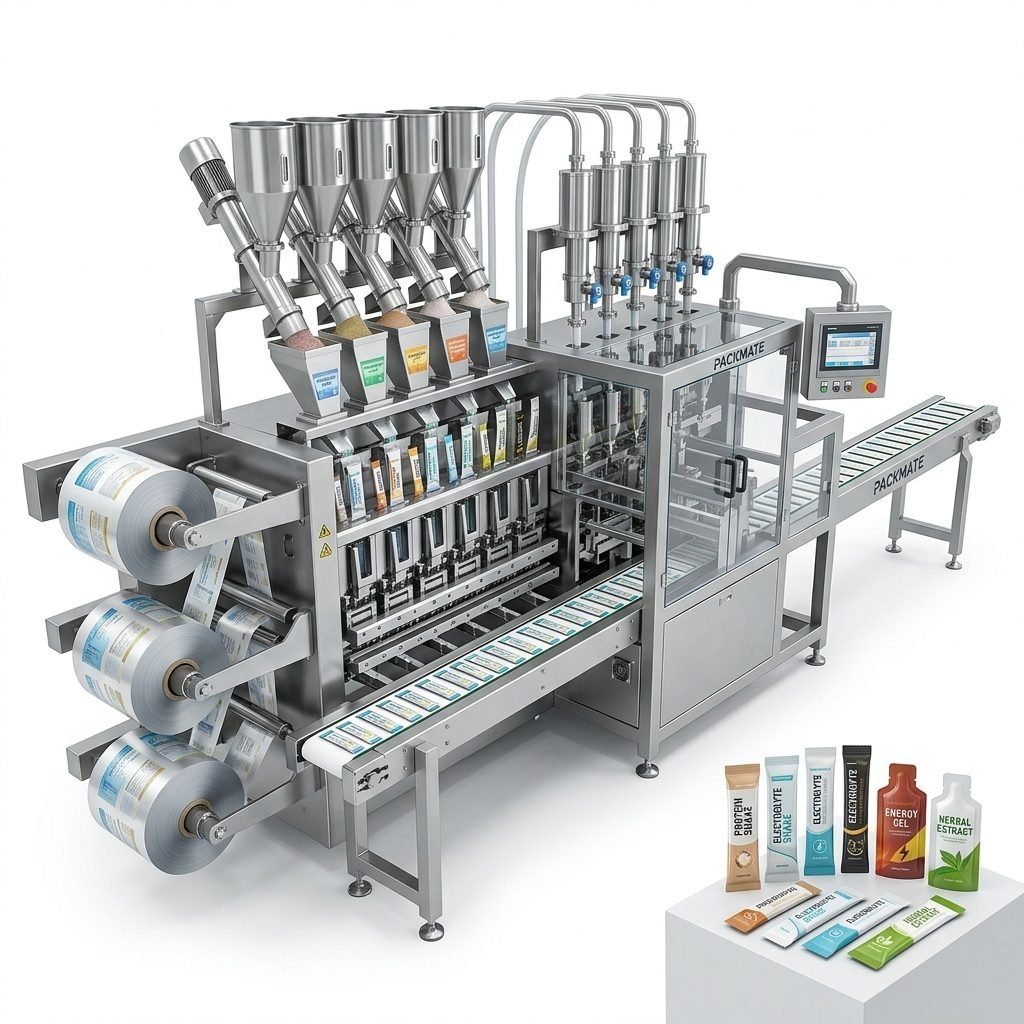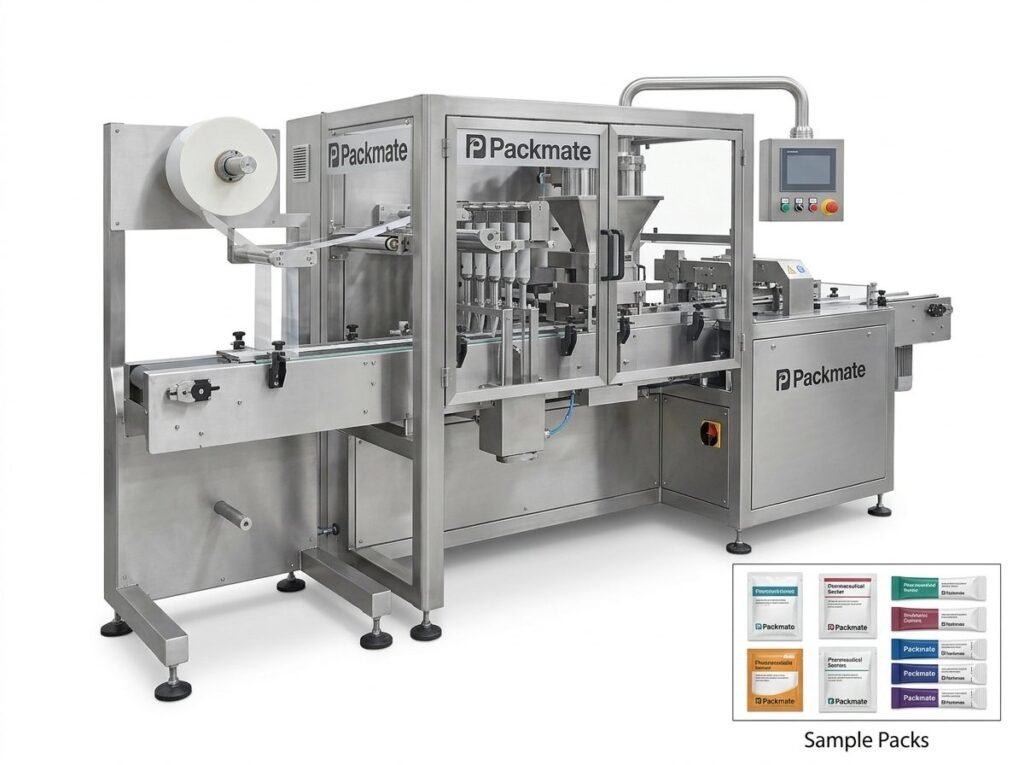
In today’s fast-paced manufacturing landscape, efficiency is not just a goal; it’s a necessity for survival and growth. For producers in the food, pharmaceutical, and health product sectors, the packaging line is the critical final link in the supply chain. It’s where product integrity, brand promise, and operational speed converge. A high-speed packaging line is no longer a luxury but a fundamental requirement to meet soaring consumer demand, stringent regulatory standards, and fierce market competition. This article delves into the core solutions that empower manufacturers to achieve unparalleled speed, reliability, and flexibility in their packaging operations.
The Imperative for Speed in Critical Industries
The drive for high-speed packaging solutions is fueled by unique pressures within each sector. In the food industry, the need to handle perishable goods with short shelf lives demands rapid processing to preserve freshness and minimize waste. For pharmaceutical manufacturers, speed must coexist with absolute precision and sterility to ensure patient safety and comply with rigorous Good Manufacturing Practice (GMP) guidelines. The booming health and wellness product market, with its diverse forms like powders, capsules, and liquids, requires agile lines that can quickly switch between products to capitalize on trending ingredients. A slow or unreliable packaging line creates bottlenecks, increases labor costs, and can lead to missed market opportunities. Investing in a tailored high-speed solution is an investment in scalability and future-proofing your business. To explore specific applications, you can review our detailed packaging solutions.
Key Components of a Modern High-Speed Line
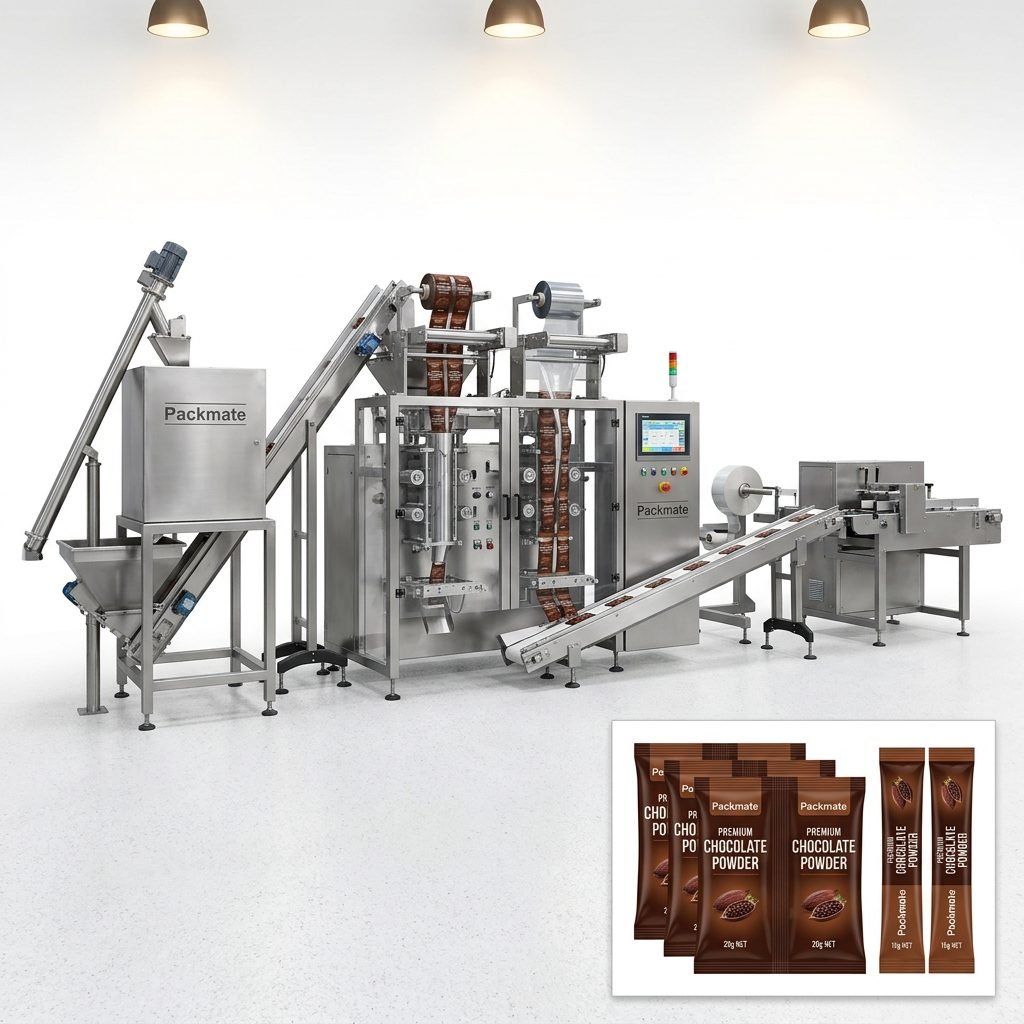
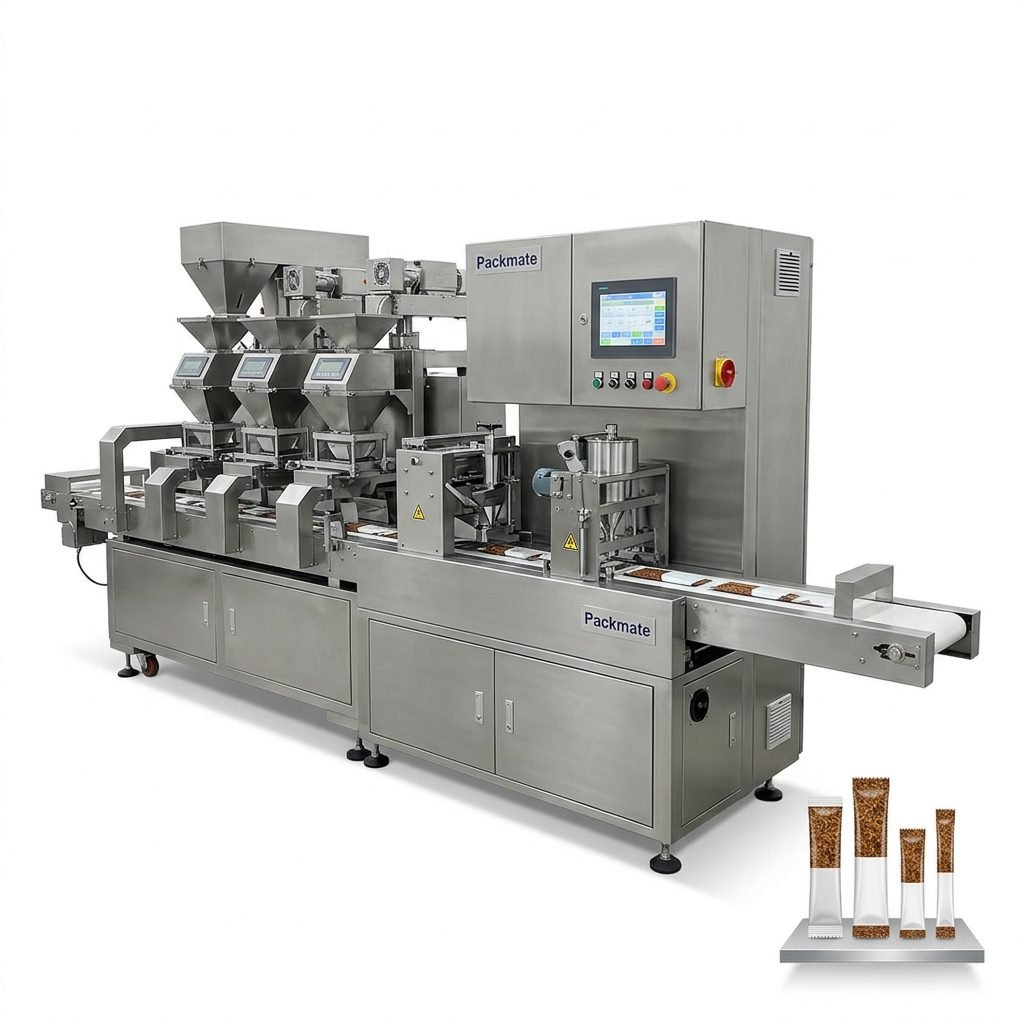
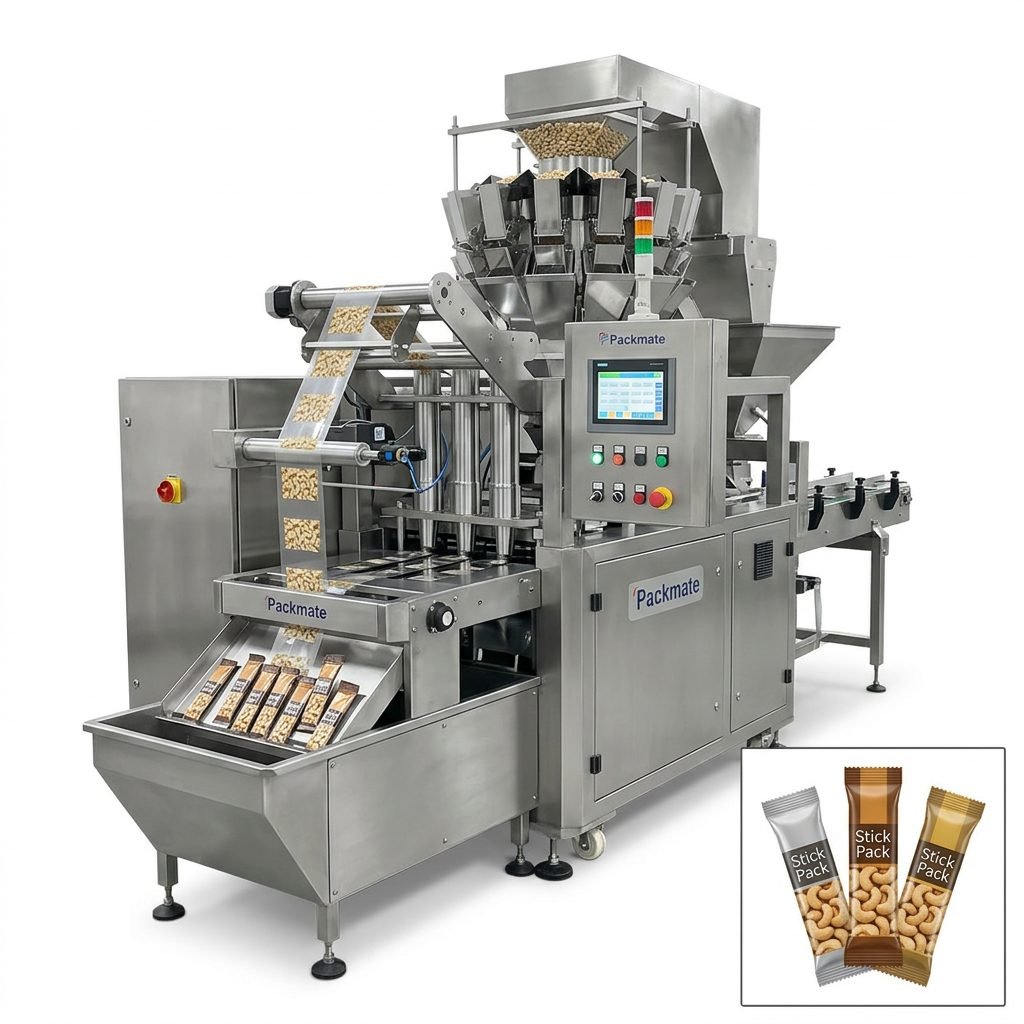
A truly high-speed system is an integrated symphony of specialized machinery, not just a single fast machine. The core components typically include:
- Automated Feeding & Filling Systems: Precision auger, volumetric, or weigh-filler heads that deliver consistent doses at remarkable speeds, crucial for portion control and cost accuracy.
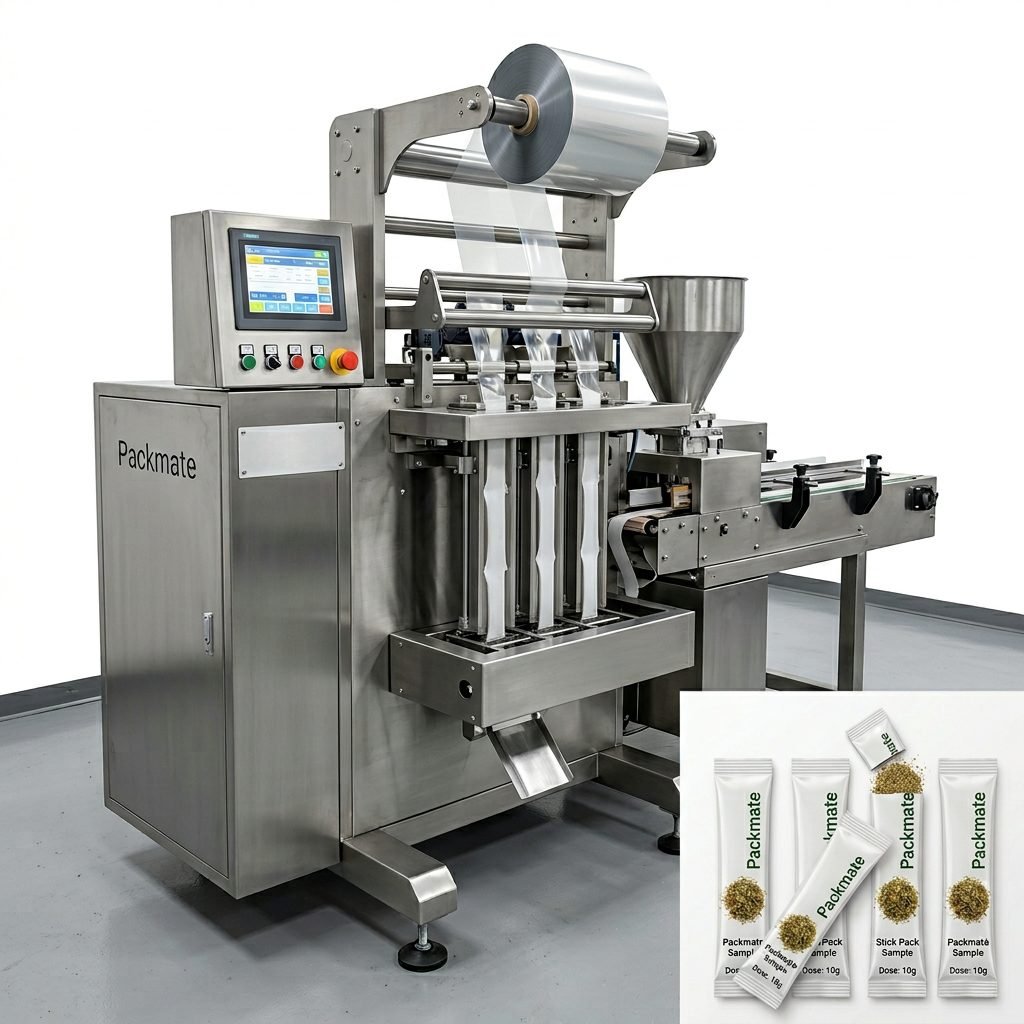
- Advanced Form-Fill-Seal (FFS) Machines: The heart of the line. Modern FFS machines use servo-driven technology to form packaging from roll stock, fill it, and seal it with exceptional speed and seal integrity, minimizing material waste.
- High-Velocity Cartoning & Collating Units: These systems automatically collect individual pouches or sachets and insert them into cartons or boxes, maintaining the line’s pace without manual intervention.
- Intelligent Vision Inspection Systems: At high speeds, human inspection is impossible. Integrated cameras check for fill levels, seal quality, date codes, and label placement, rejecting any sub-standard pack in real-time.
- Robotic Palletizing: The end-of-line process where finished cases are stacked onto pallets by robots, ensuring worker safety and consistent, stable loads for shipping.
Overcoming Material and Product Challenges
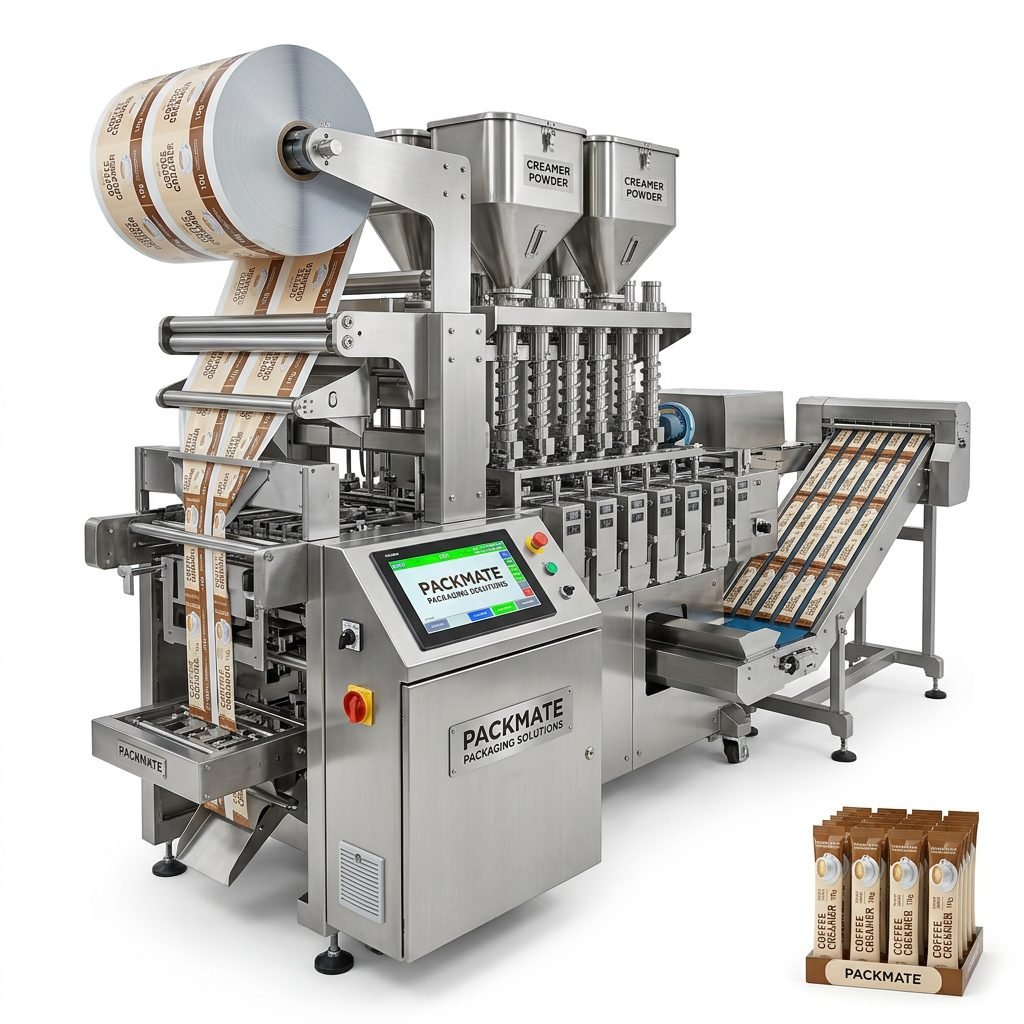
Achieving high speed is intimately linked with handling specific product characteristics. Hygroscopic powders common in protein supplements require controlled atmospheres to prevent clumping. Oils and viscous liquids in health tonics need non-drip filling nozzles. Fragile items like probiotic capsules demand gentle handling mechanisms. The solution lies in custom-engineered modules. For instance, multi-lane configurations—where a single filler feeds several parallel FFS machines—can dramatically increase output for small-portion items like stick packs for instant beverages or single-dose pharmaceuticals. This modular approach allows manufacturers to build a line that matches their exact product portfolio. Seeing these solutions in action can provide valuable insights; our project case studies showcase real-world applications.
The Role of Integration and Smart Controls
Raw speed without control leads to chaos. The true differentiator in modern packaging lines is the level of integration and intelligence. A centralized Programmable Logic Controller (PLC) or Industrial PC (IPC) acts as the brain, synchronizing every component. Touch-screen Human-Machine Interfaces (HMIs) provide operators with intuitive control, allowing for quick changeovers between products—a vital feature for contract packagers or companies with large SKU counts. Furthermore, these systems collect vast amounts of operational data (OEE – Overall Equipment Effectiveness, downtime reasons, output counts), which can be analyzed to identify bottlenecks and plan predictive maintenance, preventing costly unplanned stops. This seamless integration is the result of deep expertise, something we have cultivated over 22+ years of company development.
Benefits Beyond Speed: The Total Value Proposition
While output per minute is a key metric, the value of a high-speed line extends far beyond:
Enhanced Product Safety & Compliance: Automated, closed systems reduce human contact, lowering contamination risks—a paramount concern for pharmaceuticals and food. Audit trails from the control system simplify regulatory compliance.
Significant Reduction in Operating Costs: Higher throughput lowers the cost per unit. Reduced labor dependency, minimal material waste from precise filling, and lower energy consumption of efficient servo motors all contribute to a stronger bottom line.
Unmatched Consistency and Brand Protection: Every package is identical—perfectly filled, sealed, and labeled. This protects your brand reputation by ensuring consumers receive a perfect product every time.
Scalability for Future Growth: A well-designed line can often be upgraded with additional modules or lanes as your business expands, protecting your initial investment.
Choosing the Right Partner for Your Line
Implementing a high-speed packaging line is a significant capital project. Success hinges on partnering with a provider who offers more than just hardware. Look for a partner with proven turnkey solution capabilities, from initial design and factory acceptance testing to installation, training, and ongoing technical support. They should have deep application experience in your specific industry to anticipate challenges. A provider with a strong in-house R&D team, like Packmate, can offer innovative solutions and customizations rather than off-the-shelf compromises. Evaluating their manufacturing standards and quality control processes, often reflected in their industry certifications, is also crucial.
Ultimately, a high-speed packaging line is a strategic asset. It empowers food, pharmaceutical, and health product manufacturers to operate with greater agility, security, and profitability. By focusing on integrated, intelligent, and adaptable solutions, businesses can transform their packaging operations from a cost center into a competitive advantage, ready to meet the demands of today and tomorrow.
Frequently Asked Questions (FAQs)
1. What is the typical output range for a high-speed stick pack or sachet line?
Output varies greatly based on product, pouch size, and lane count. A standard single-lane machine may produce 60-120 packs per minute. However, modern multi-lane systems (e.g., 4, 8, or 16 lanes) can achieve outputs from 400 to over 1,200 packs per minute, making them ideal for high-volume products like instant drink mixes or single-dose supplements.
2. How long does it take to change over the line for a different product?
Changeover time depends on the line’s design. Basic lines might require 1-2 hours for mechanical adjustments and cleaning. Advanced lines with servo motors, quick-change parts, and recipe storage in the HMI can achieve changeovers in under 30 minutes, maximizing production uptime.
3. Can a high-speed line handle fragile products like capsules or brittle snacks?
Absolutely. Key to this is the choice of handling technology. Systems can be equipped with gentle vibration feeders, soft-touch belts, and custom-designed buckets or cups on the filler that prevent damage. The filling process itself can be tailored to drop products gently rather than using forceful impeller systems.
4. What kind of maintenance is required for these high-speed systems?
Preventive maintenance is critical. This includes daily cleaning and lubrication checks, weekly inspection of seals and wear parts, and more thorough quarterly or annual servicing. A reputable supplier will provide a detailed maintenance schedule and training. Many modern machines also have predictive maintenance alerts based on motor current or cycle counts.
5. How do we ensure the packaging materials (film) can keep up with the machine speed?
Material selection is a collaborative process. Your machine supplier should specify the required film properties—such as tensile strength, slip characteristics, and seal layer composition—to perform reliably at high speeds. Working with an experienced packaging material supplier and conducting extensive trials before full-scale production is essential for success.