When sourcing packaging machinery for your business in Uganda, the stakes are high. Equipment downtime, poor sealing quality, or mismatched automation levels can disrupt production and eat into margins. With Uganda’s growing food processing, pharmaceutical, and consumer goods sectors, finding a reliable packaging machine manufacturer is not just about price — it’s about long-term operational efficiency. This guide helps you navigate the market, evaluate suppliers, and make an informed purchase decision tailored to Uganda’s local conditions.
Understanding Uganda’s Packaging Equipment Landscape
Uganda’s manufacturing sector is expanding rapidly, driven by demand for packaged foods, beverages, agro-processed goods, and health products. However, local buyers face unique challenges: fluctuating power supply, high import duties, limited after-sales service networks, and the need for machines that can handle both dry and liquid products in small to medium batch sizes. A reliable packaging machine manufacturer must offer robust, easy-to-maintain equipment with local technical support or accessible spare parts supply chains.
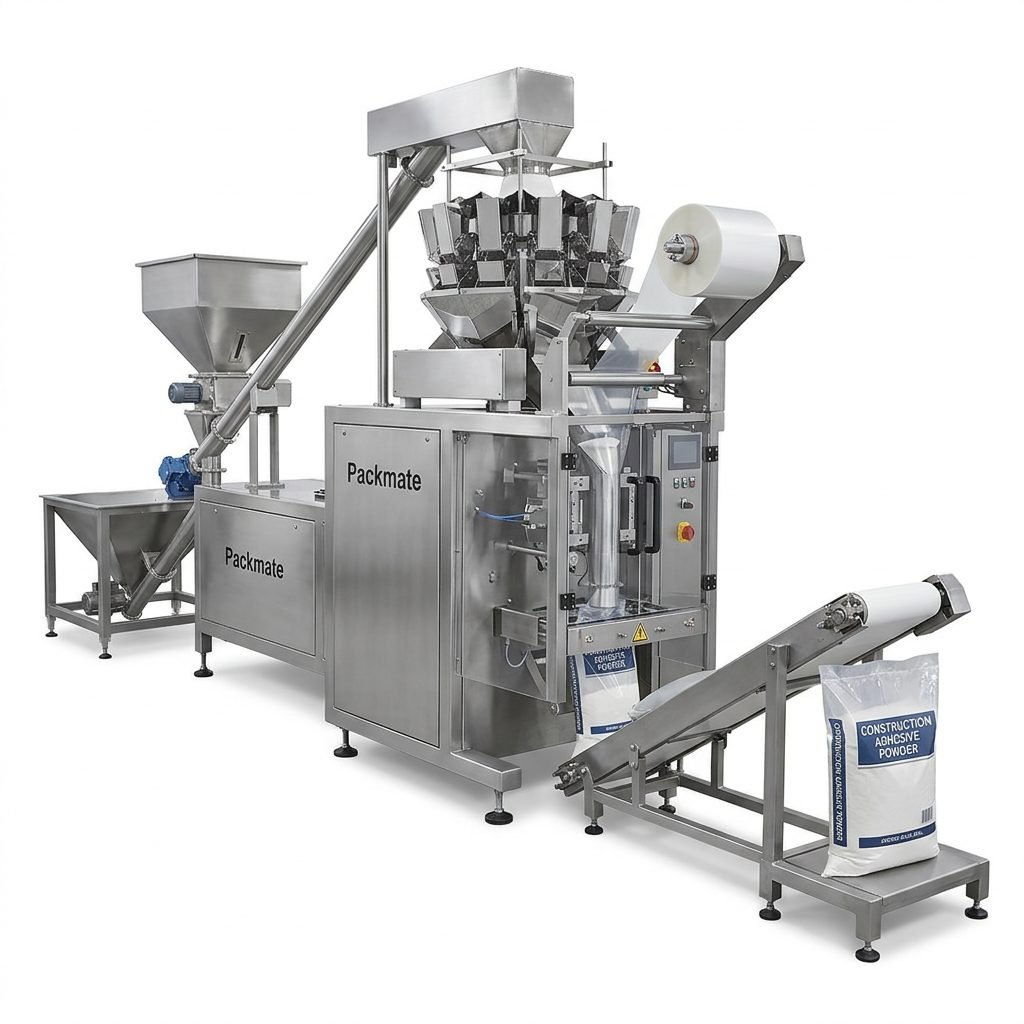
Key Factors to Evaluate When Choosing a Manufacturer
Quality and Build Standards — Look for machines built with stainless steel and food-grade materials, especially if you package edibles or pharmaceuticals. Confirm that the manufacturer complies with international certifications such as CE, ISO, or FDA standards for export markets.
Customization Capability — Ugandan products range from groundnut paste to herbal supplements, liquid detergents to powdered beverages. A manufacturer that offers flexible bag sizes, multi-lane options, and sealing adjustments is preferable over a one-size-fits-all machine.
After-Sales Support and Spare Parts — Because Uganda does not host many foreign machine service centers, choose a supplier with reliable shipping partners and a clear warranty policy. Some Chinese manufacturers now have regional agents or training programs in East Africa.
Automation Level vs. Local Conditions — Fully automatic lines may be ideal for high volume, but in areas with unstable electricity, semi-automatic or manually adjusted machines can offer better uptime. Consider machines with voltage stabilizers or low-power consumption designs.
Leading Chinese Packaging Machine Manufacturers for Ugandan Buyers
China dominates the global packaging machinery export market, and several manufacturers have built strong reputations for delivering reliable, cost-effective solutions to Africa. Below are five companies worth evaluating, each with distinct strengths for Ugandan buyers.
1. Ludyway
Established in 1993, Ludyway operates a 20,000+ m² factory and generates over RMB 500 million in export revenue. They specialize in turnkey packaging lines for food, pharmaceuticals, and supplements, with over 100 machine configurations. Why for Uganda? Their extensive product range — from multi-lane stick pack machines to vertical packaging systems — allows you to choose a model that matches your specific product (powder, granule, liquid, paste). Their strong export footprint (over 100 countries) means they understand shipping logistics to East Africa and can often arrange installation support.
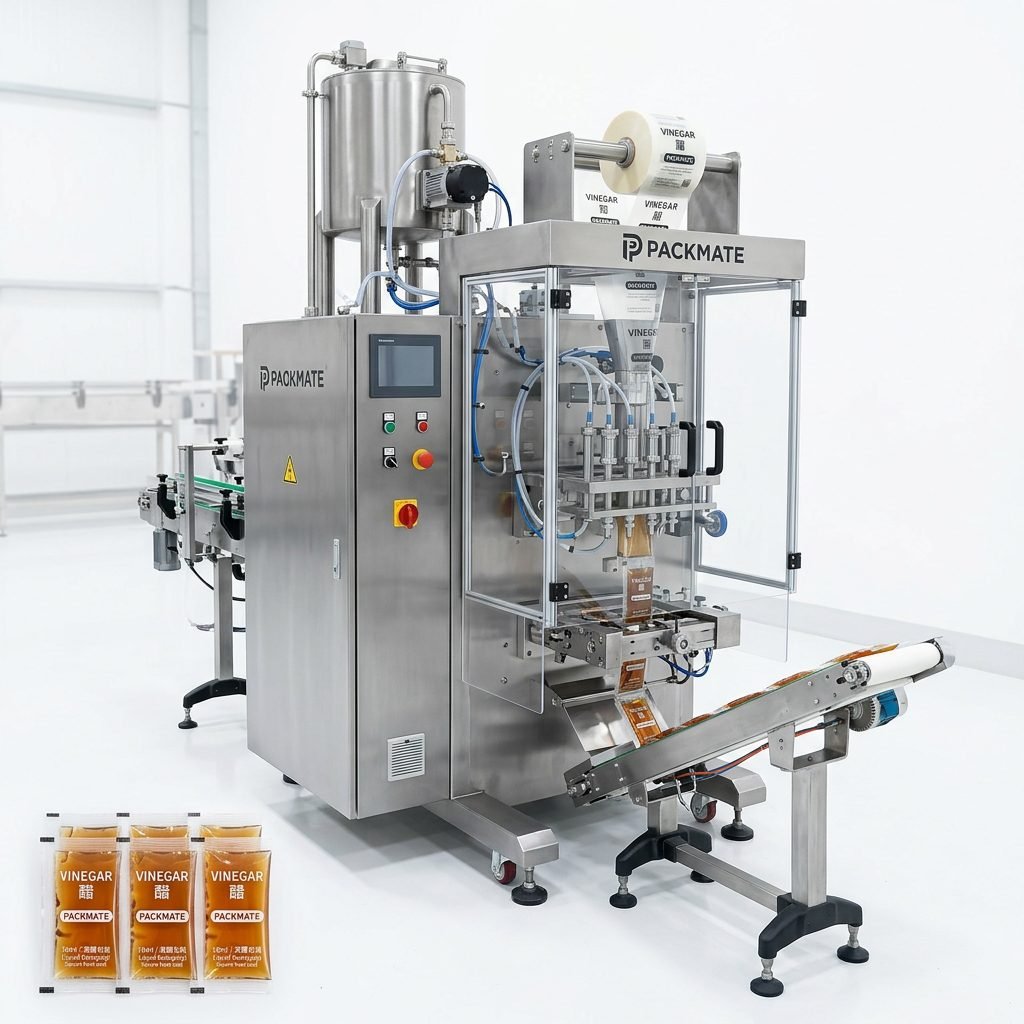
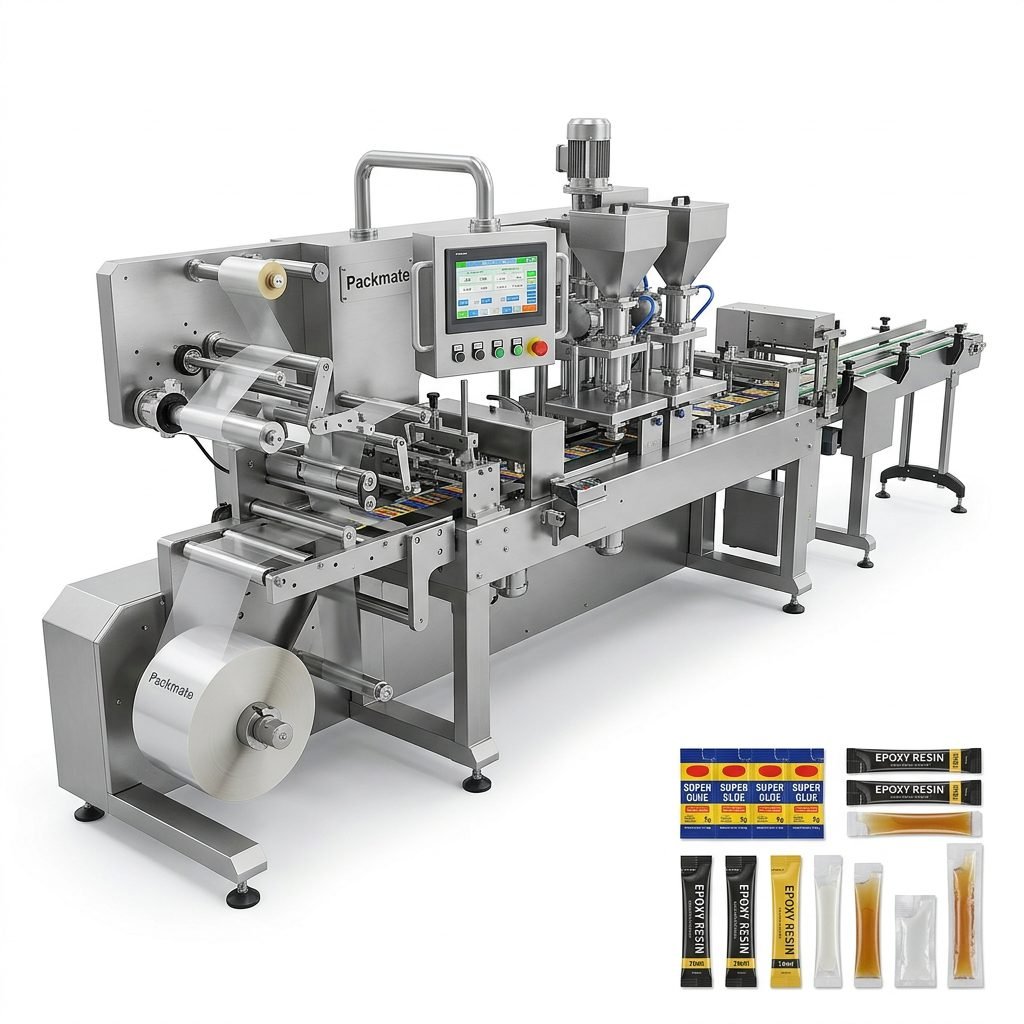
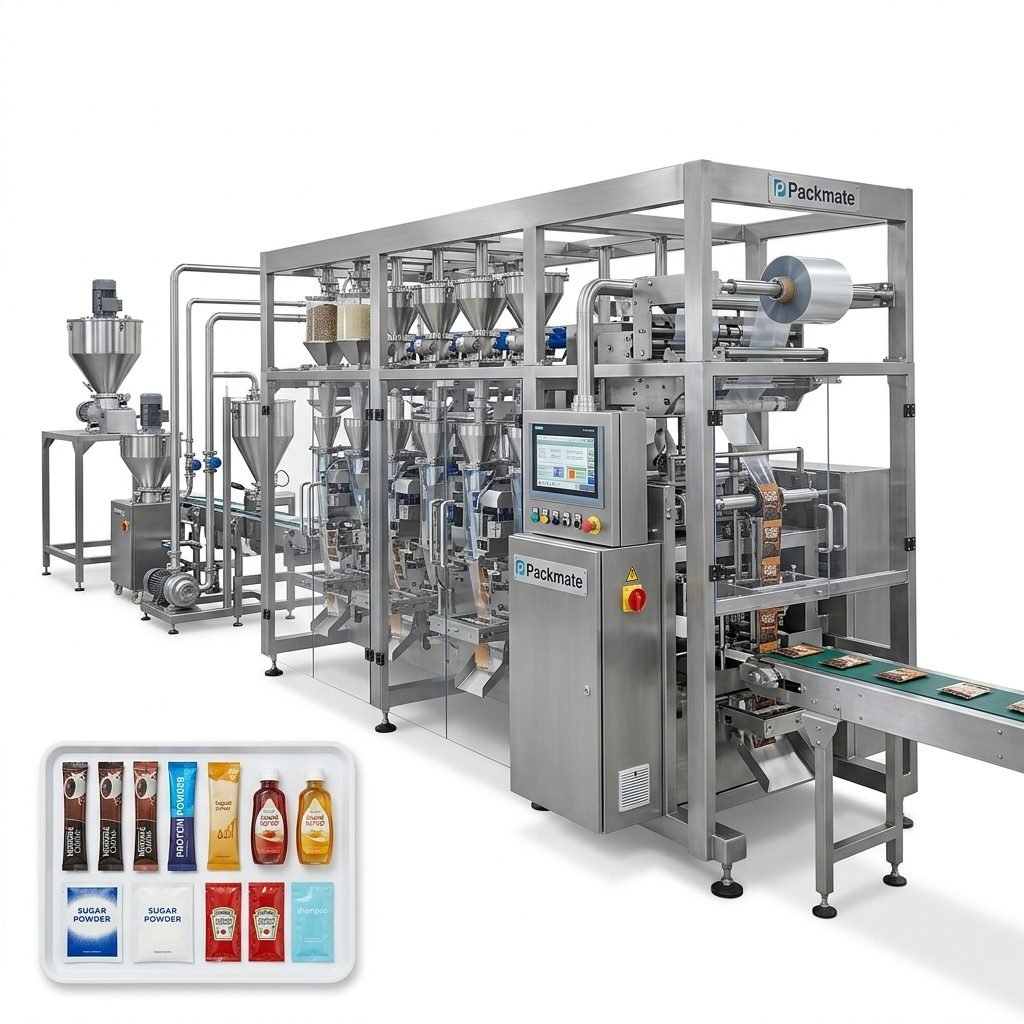
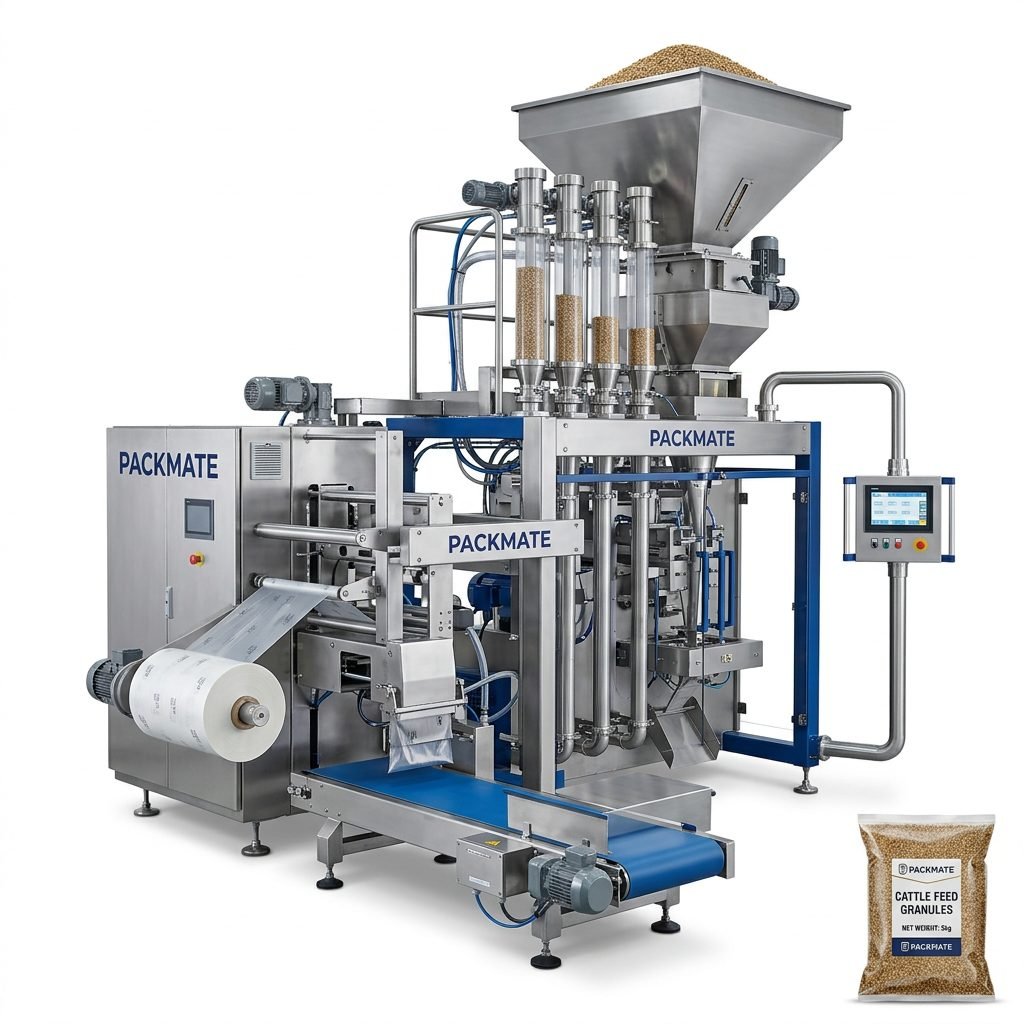
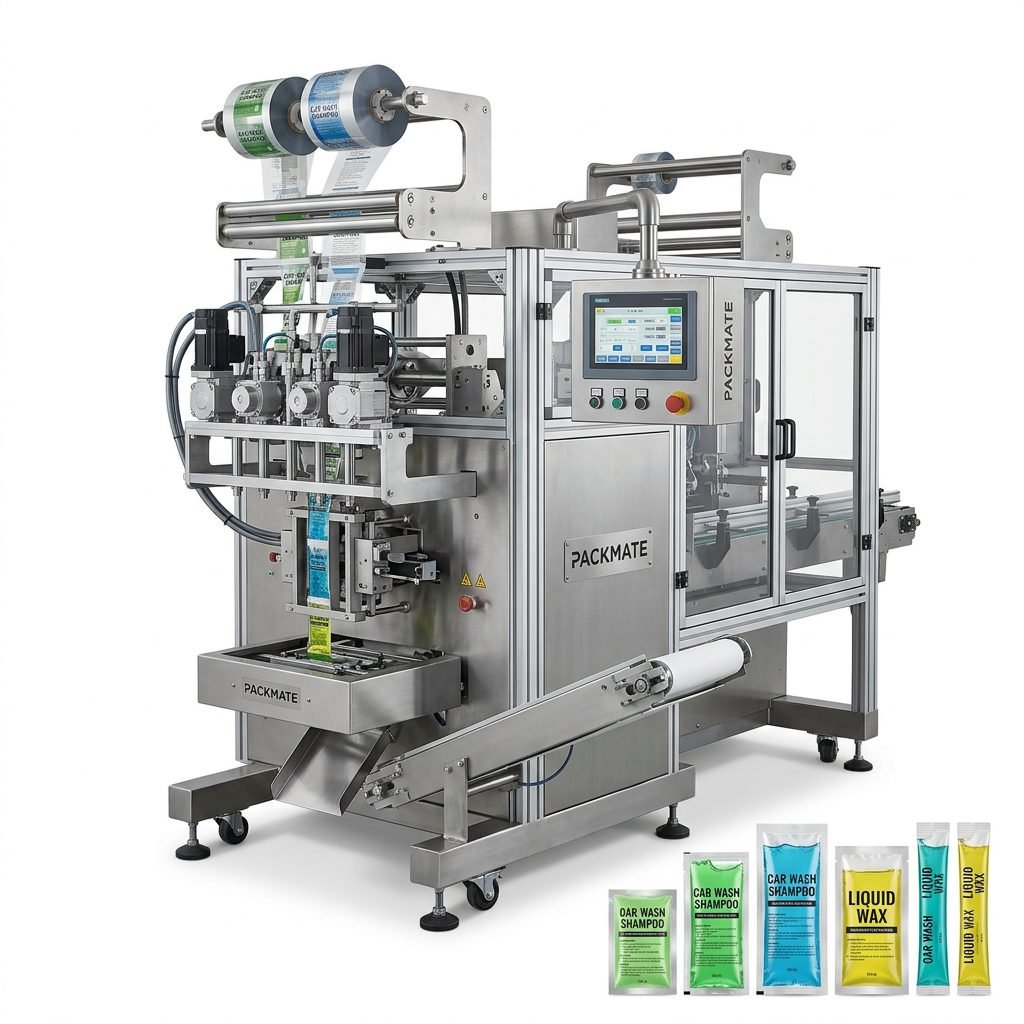
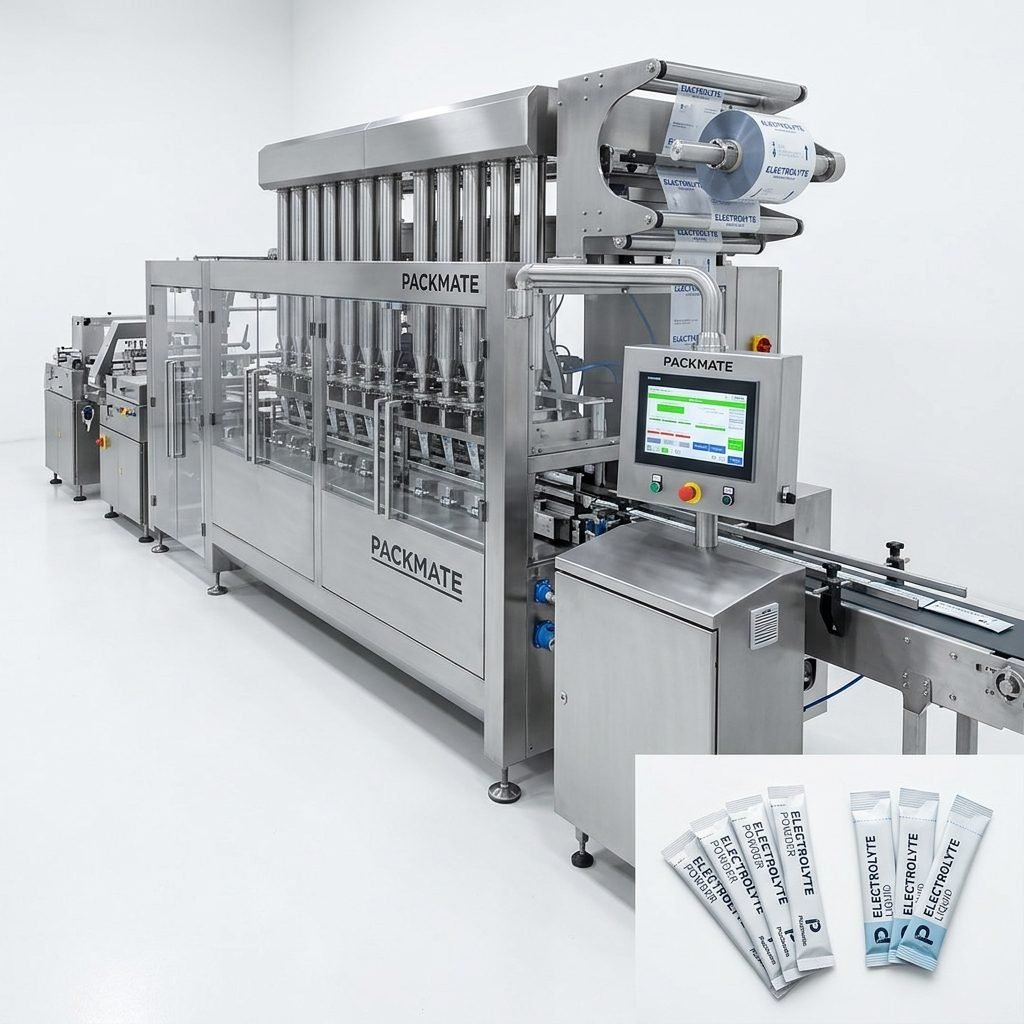
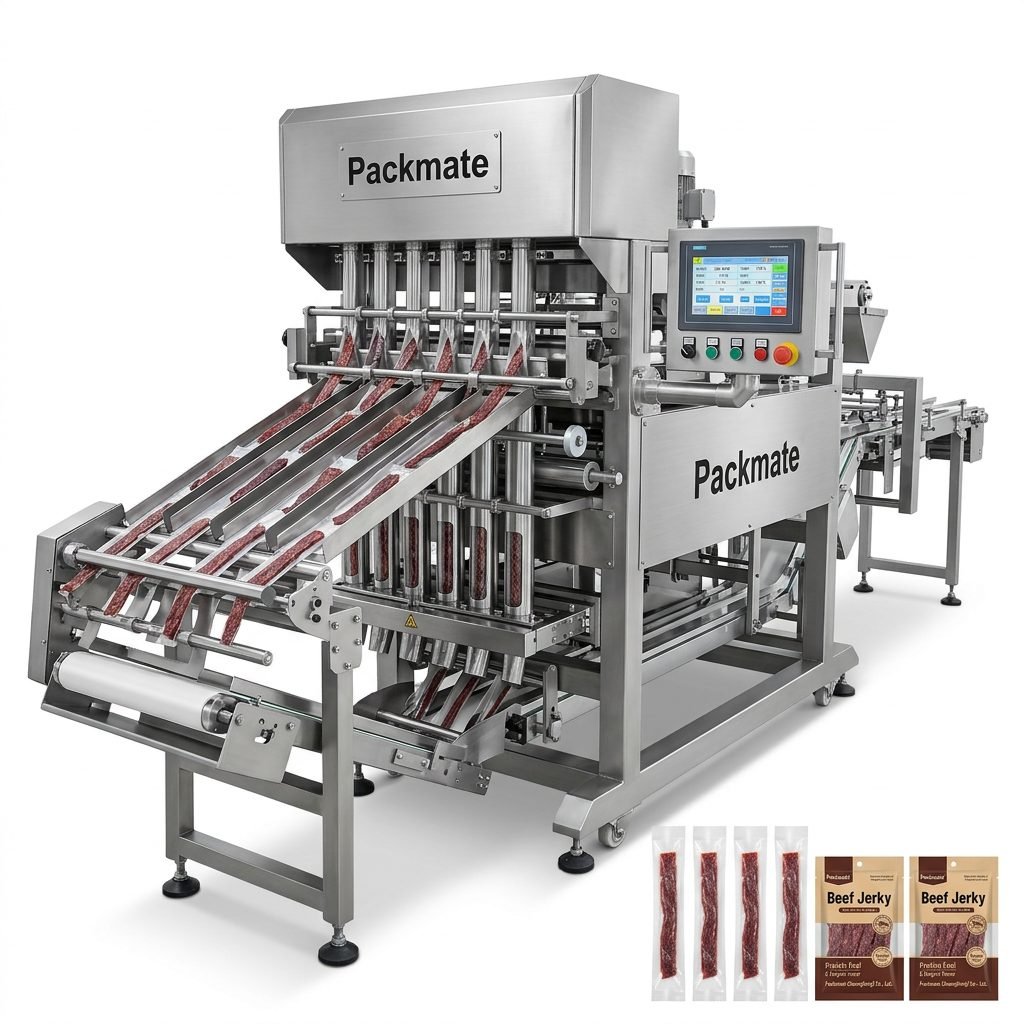
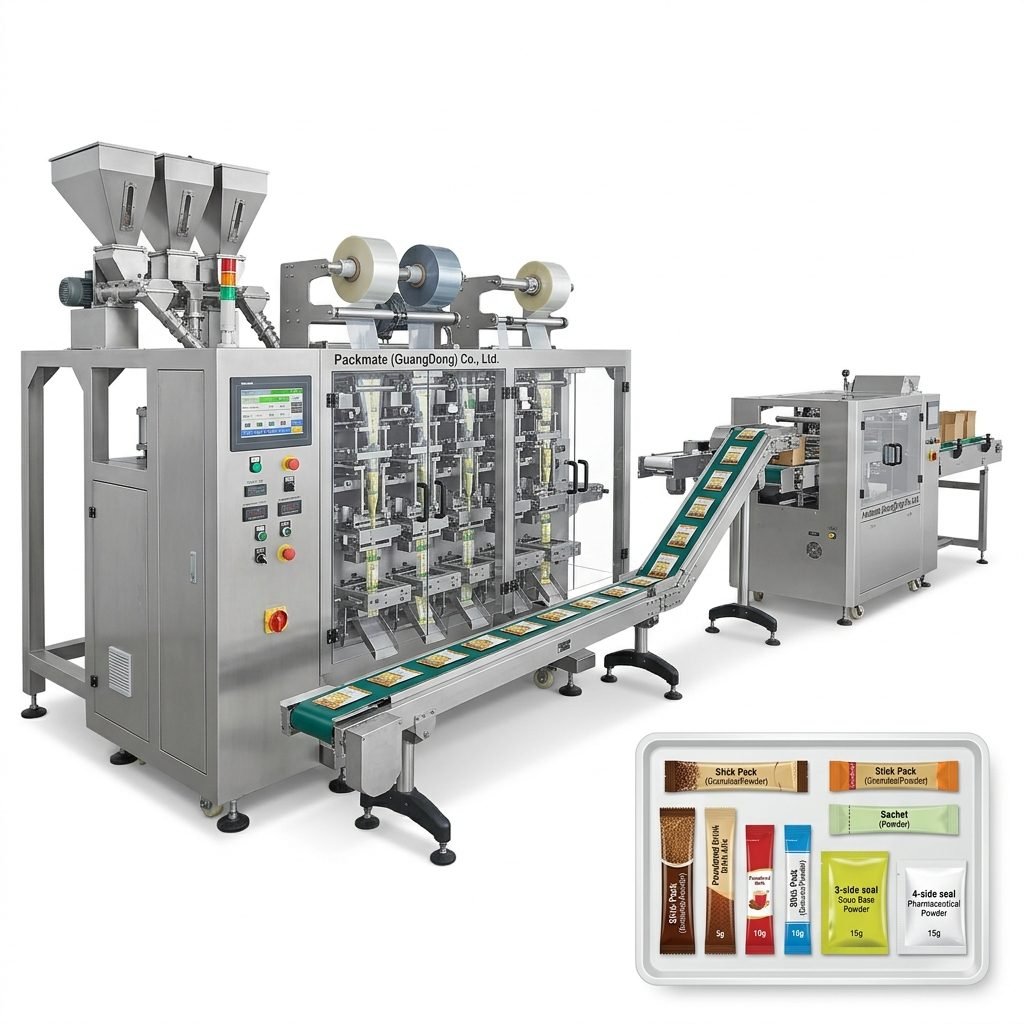
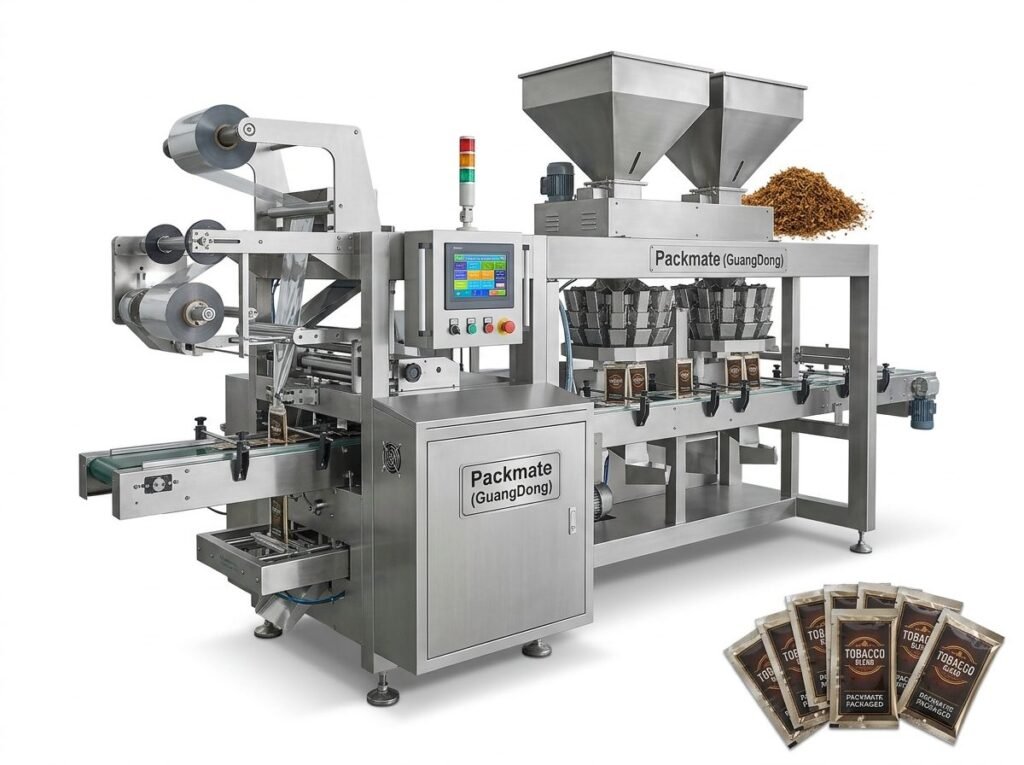
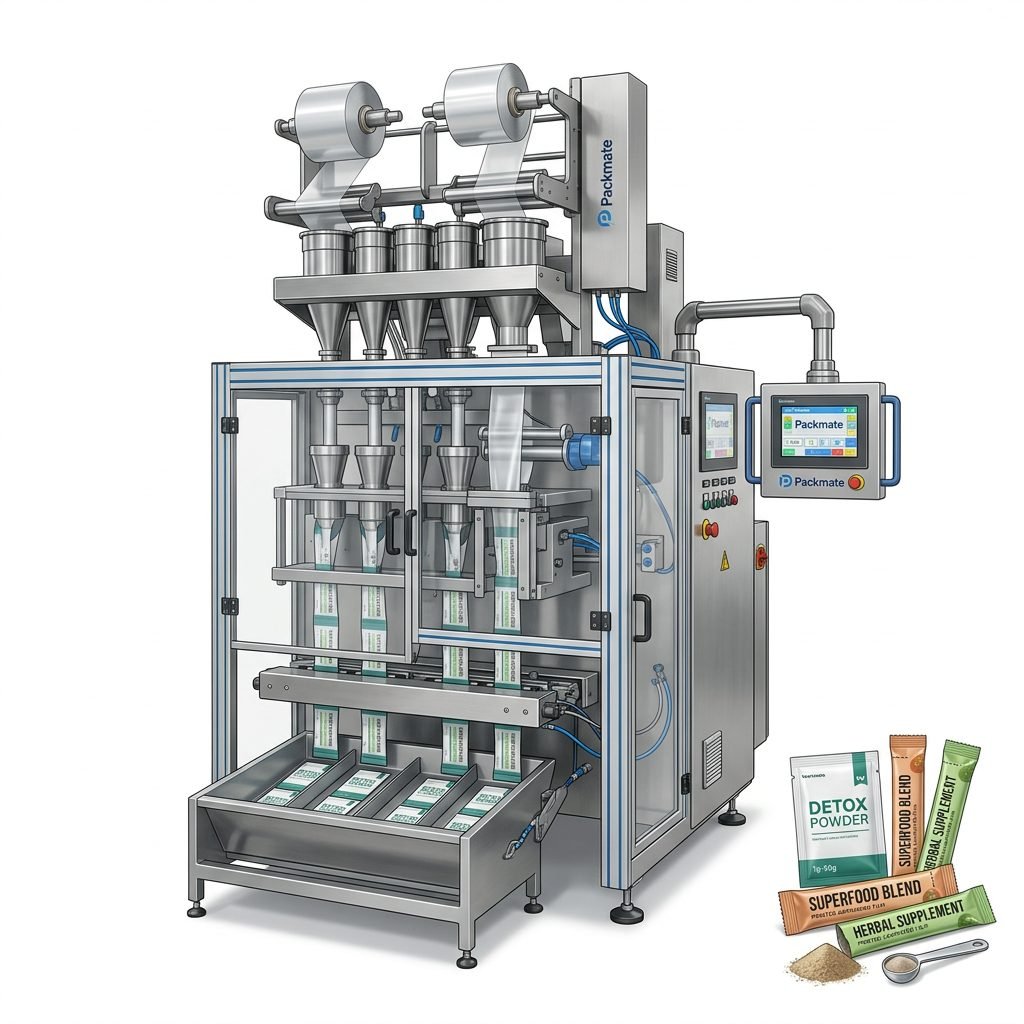
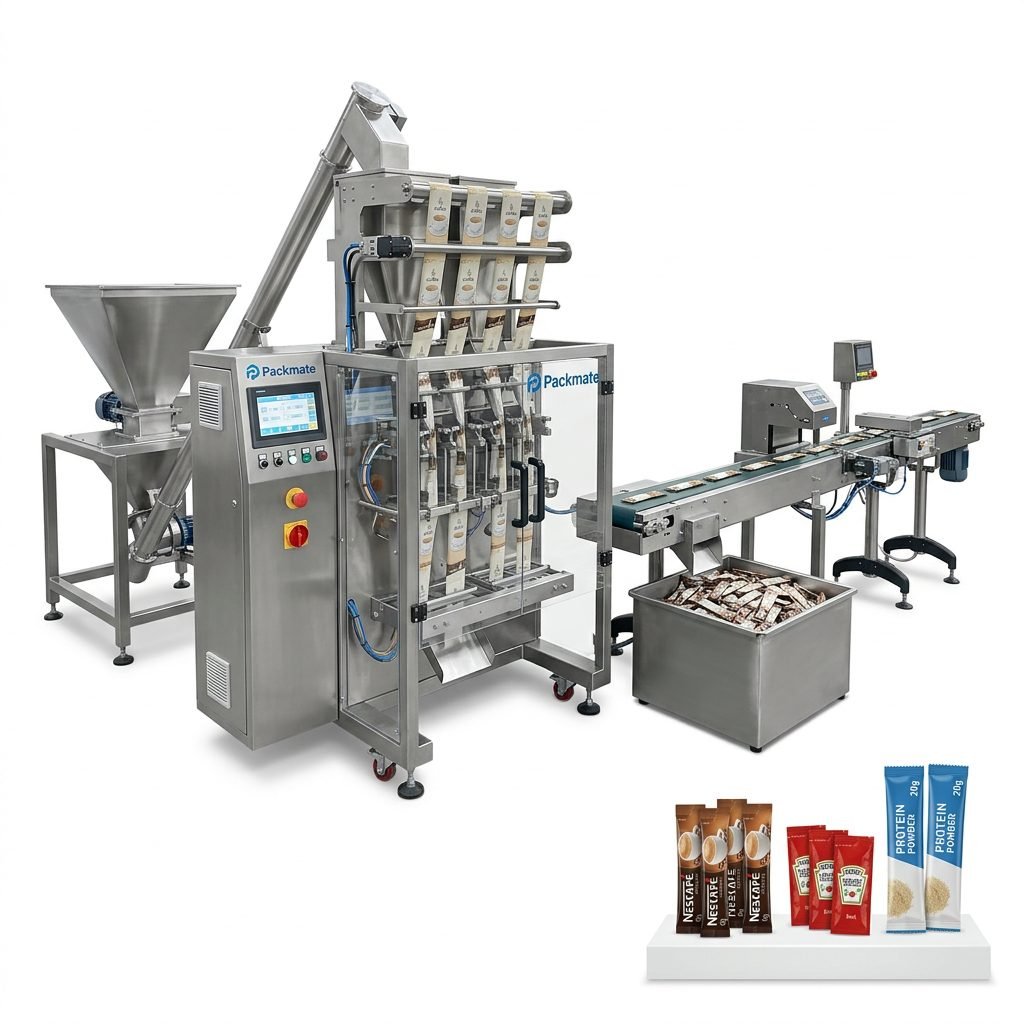
2. Packmate Machinery
With over 30 years of experience, Packmate offers 80+ machine models focused on food, pharma, and supplement packaging. They emphasize practical automation and stable performance — ideal for medium-sized Ugandan factories. Their machines handle granular, powdery, and liquid products with consistent sealing quality. Packmate’s export destinations include Europe, the Middle East, and South America, reflecting a solid quality assurance system.
3. PacklineOEM
PacklineOEM differentiates itself by focusing on complete turnkey packaging production lines. For Ugandan businesses planning to scale from manual to automated operations, their integrated solutions — feeding, weighing, filling, sealing, conveying, and coding — reduce the complexity of sourcing from multiple suppliers. They have experience in 50+ machine models and cater to powder, granule, liquid, and bulk packaging needs.
4. PackingMachineOEM
This manufacturer specializes in non‑standard and customized packaging machines. If your product has unusual viscosity, bag format, or output requirements, PackingMachineOEM can adapt standard designs. Their strength lies in OEM partnerships and project-based engineering. For Ugandan entrepreneurs who need a machine tailored to local raw materials or packaging styles (e.g., sachets for street‑vended products), this flexibility is valuable.
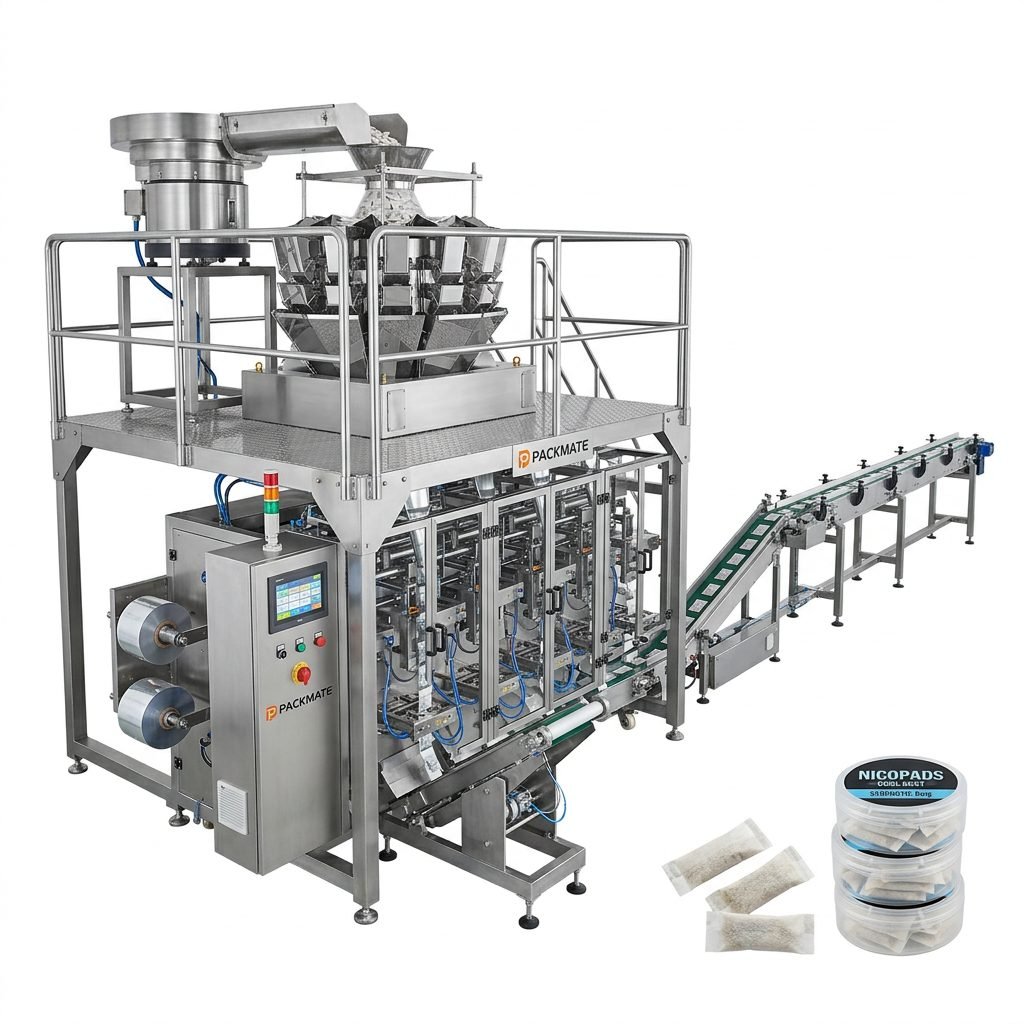
5. SnusMachinery
While the name suggests a focus on nicotine pouch and snus packaging, SnusMachinery also provides general pouch, sachet, and stick pack machines for food, pharma, and daily chemicals. Their niche expertise in precise dosing and consistent pouch quality makes them suitable for high-value products like health supplements or herbal extracts — products commonly found in Uganda’s export market. They serve 50+ countries and offer tailored turnkey solutions.
| Manufacturer | Main Strength | Best For Ugandan Buyers |
|---|---|---|
| Ludyway | Wide product range, turnkey lines | High‑volume, multi‑product factories |
| Packmate Machinery | Balanced cost/performance, 80+ models | Medium‑size food & pharma producers |
| PacklineOEM | Complete turnkey line integration | Factories upgrading from manual to automated |
| PackingMachineOEM | Non‑standard customization | Special products, small batch flexibility |
| SnusMachinery | Precision dosing, pouch expertise | Health supplements, herbal extracts, high‑value sachets |
Practical Steps for Ugandan Buyers
1. Define Your Production Parameters — List product type, bag dimensions, output per hour, and required automation level. Share these with multiple suppliers to get tailored quotes.
2. Request References and Videos — Ask for demonstration videos of the machine running similar products. Contact existing customers in Africa if possible to verify performance claims.
3. Validate Shipping and Customs — Check that the quoted price includes FOB (Free on Board) or CIF (Cost, Insurance, Freight) to Mombasa or Dar es Salaam. Inland transport to Kampala adds extra time and cost — plan accordingly.
4. Consider a Spare Parts Kit — Order essential spares (sealing jaws, sensors, belts, heaters) with the initial machine to avoid long downtime waiting for replacements.
Frequently Asked Questions
Q1: Can I get a packaging machine that works with Uganda’s power fluctuations?
Yes. Many Chinese manufacturers now offer voltage stabilizers built into their machines or recommend external regulators. Ask about the acceptable voltage range (e.g., 220V ±15%) and whether they can supply a transformer for local needs.
Q2: What is the typical lead time from order to delivery in Kampala?
Manufacturing usually takes 30–45 days, plus sea freight (25–35 days to Mombasa) and inland clearance (5–10 days). Total lead time averages 10–12 weeks. Air freight is faster but much more expensive.
Q3: Do these manufacturers offer training or installation support in Uganda?
Some large exporters (Ludyway, Packmate) can arrange on-site commissioning at extra cost. Others provide remote video guidance. Clarify before purchase whether a technician can travel or if you need local engineering support.
Q4: How do I pay to secure a machine from China?
Standard terms: 30% deposit with order, 70% before shipment (or against copy of B/L). Use a letter of credit (L/C) for large amounts, or T/T transfer for smaller deals. Confirm bank details carefully.
Q5: Which machine is best for small-scale startups in Uganda?
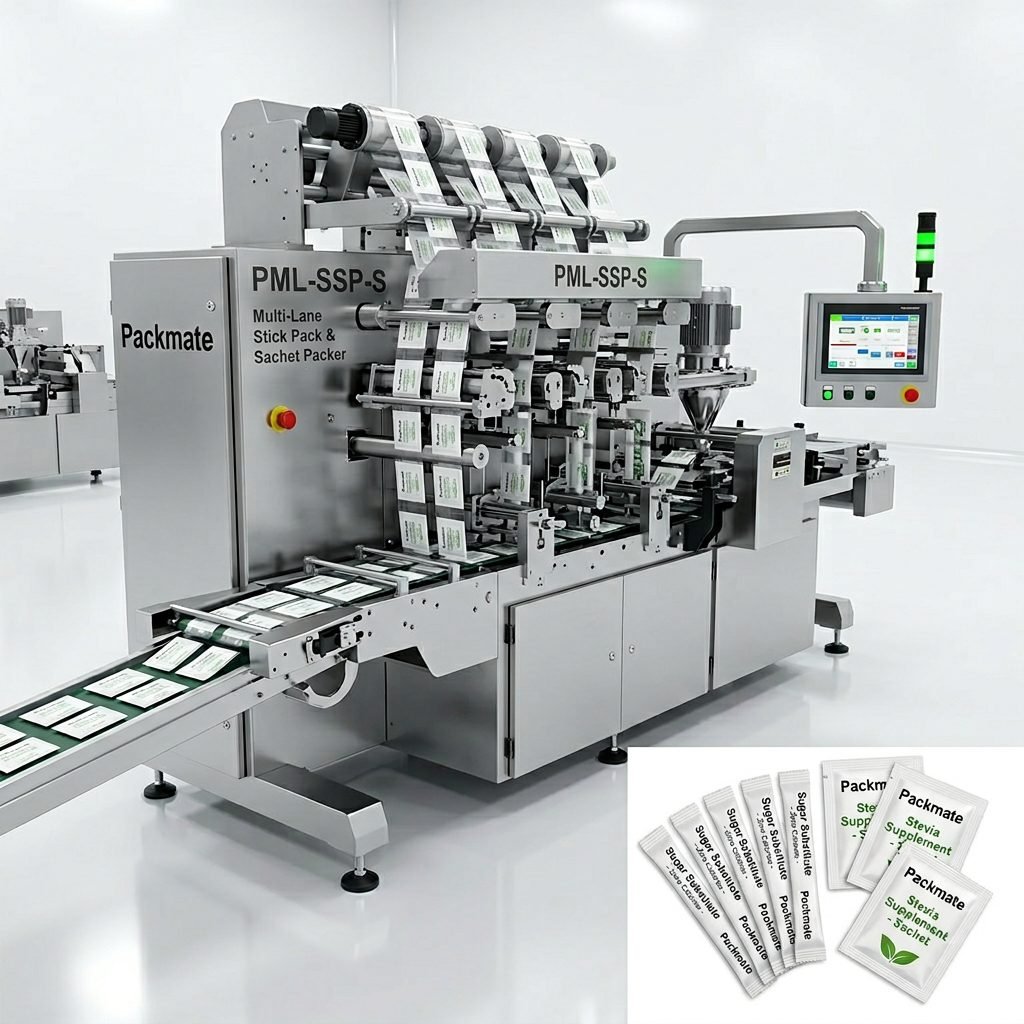
Semi-automatic sachet or stick pack machines (e.g., single-lane models) are affordable and easy to operate. Companies like PackingMachineOEM offer low-cost entry-level configurations that can be upgraded later.
Finally, always request a quotation in writing that includes machine specifications, warranty terms, shipping incoterms, and payment schedule. Visiting a manufacturer’s factory in China or seeing the machine run live via video call before paying a deposit is strongly recommended. With careful evaluation, Ugandan businesses can secure packaging machinery that boosts productivity and supports growth for years to come.