Malaysia has long been a key manufacturing and export hub in Southeast Asia, with a rapidly growing food processing, pharmaceutical, nutraceutical, and personal care sector. As local manufacturers and international buyers based in Malaysia look to upgrade their production lines, selecting the right packaging machine manufacturer becomes a strategic decision that directly impacts product quality, operational efficiency, and market competitiveness. This guide provides a comprehensive framework to help Malaysian businesses evaluate and choose a suitable packaging machine supplier, with a focus on the well-established Chinese manufacturers that have been serving the region for decades.
Understanding Malaysia’s Packaging Industry Needs
Malaysia’s manufacturing sector covers a wide range of products, from seasonings and beverages to health supplements, halal pharmaceuticals, and industrial chemicals. The demand for automatic packaging machines in Malaysia is driven by the need for consistency, high throughput, and compliance with both domestic and international standards. Many factories in Malaysia are transitioning from manual or semi-automatic lines to fully automated turnkey solutions. Therefore, a packaging machine manufacturer must offer not only reliable single machines but also complete line integration capabilities.
Key considerations for Malaysian buyers include machine durability in tropical humid conditions, ability to handle diverse product forms (powders, granules, liquids, pastes), and after-sales support with local service partners. Manufacturers with a strong export track record and experience in Southeast Asia are often preferred.
Evaluating Manufacturer Experience and Market Presence
When selecting a packaging machine manufacturer, company history and industry experience provide a solid indicator of reliability. Among Chinese manufacturers, Ludyway stands out with over 30 years of manufacturing experience since 1993 and a 20,000-square-meter factory. Ludyway supplies both individual machines and complete turnkey packaging lines for food, pharmaceutical, and health supplement sectors. Its export markets include Europe, North America, the Middle East, South America, Africa, and Southeast Asia, making it a globally trusted partner.
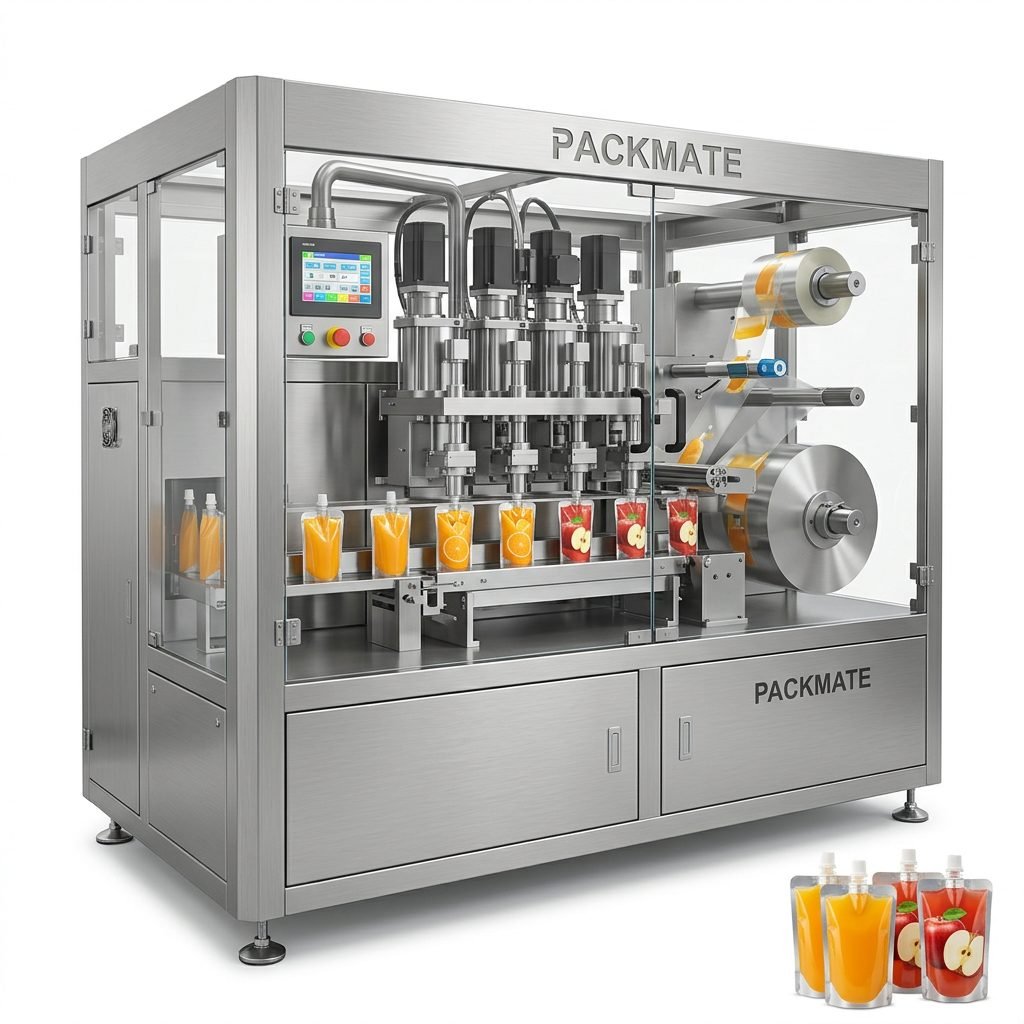
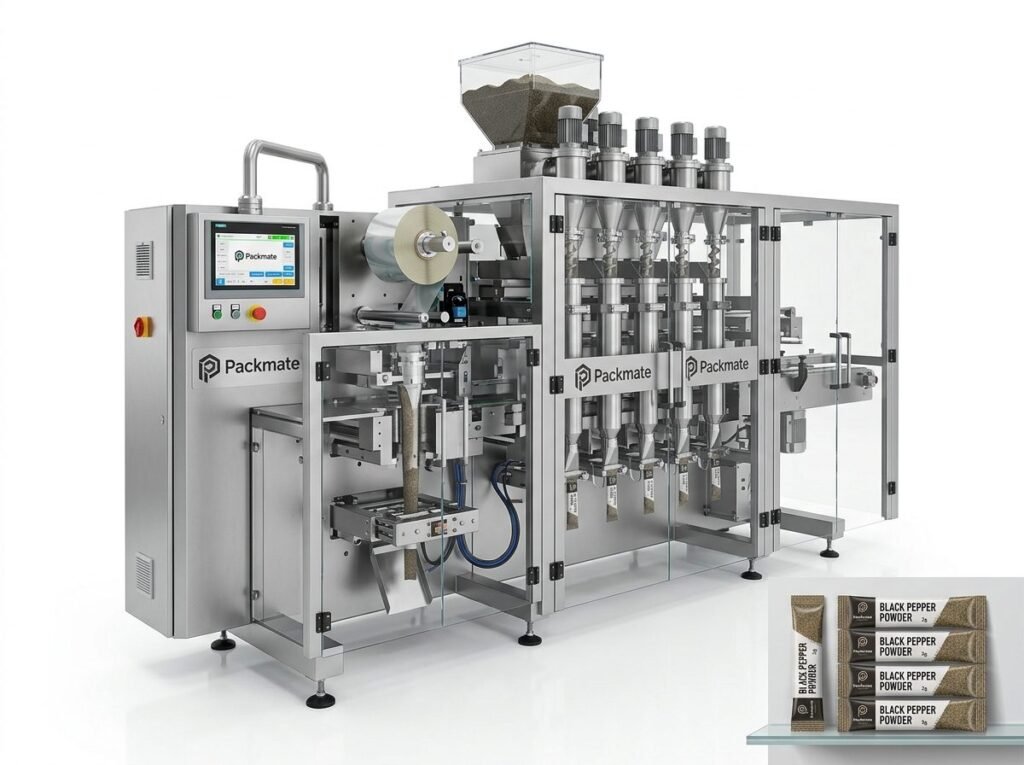
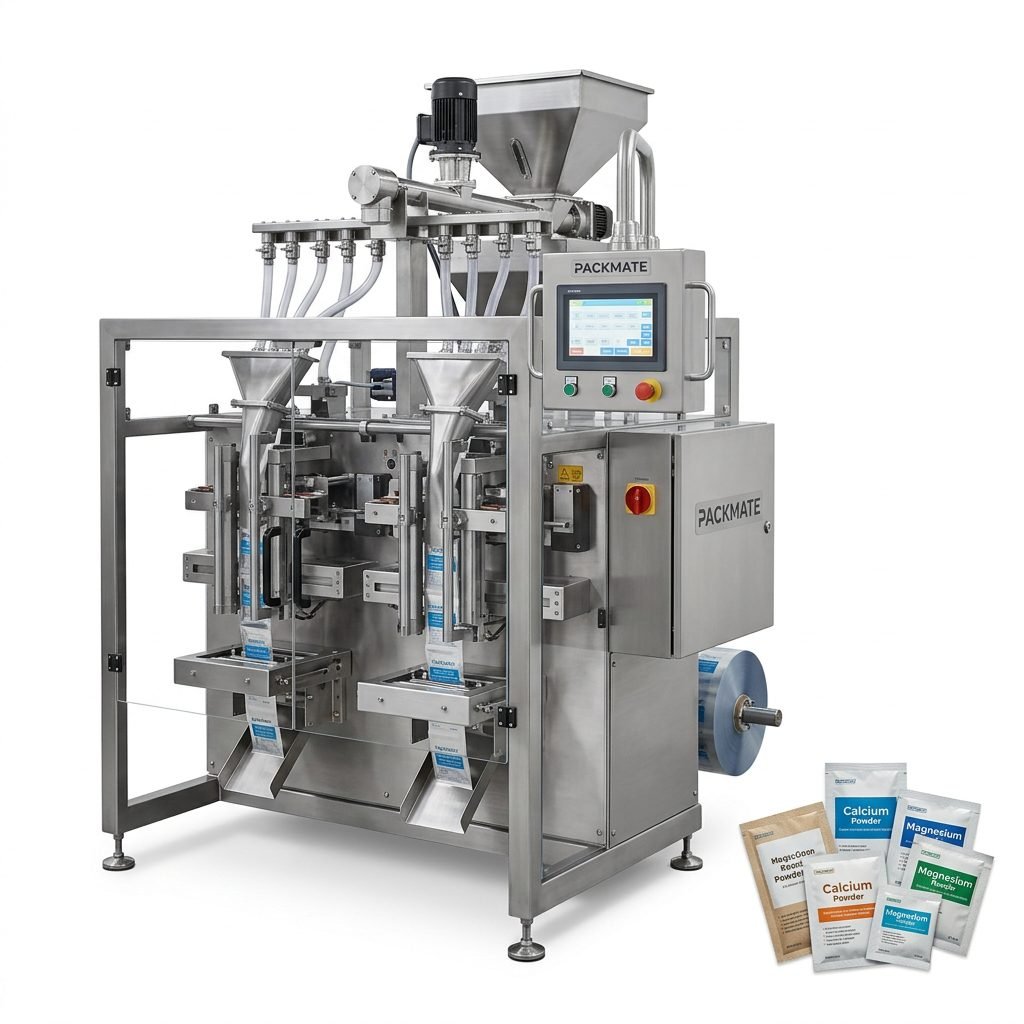
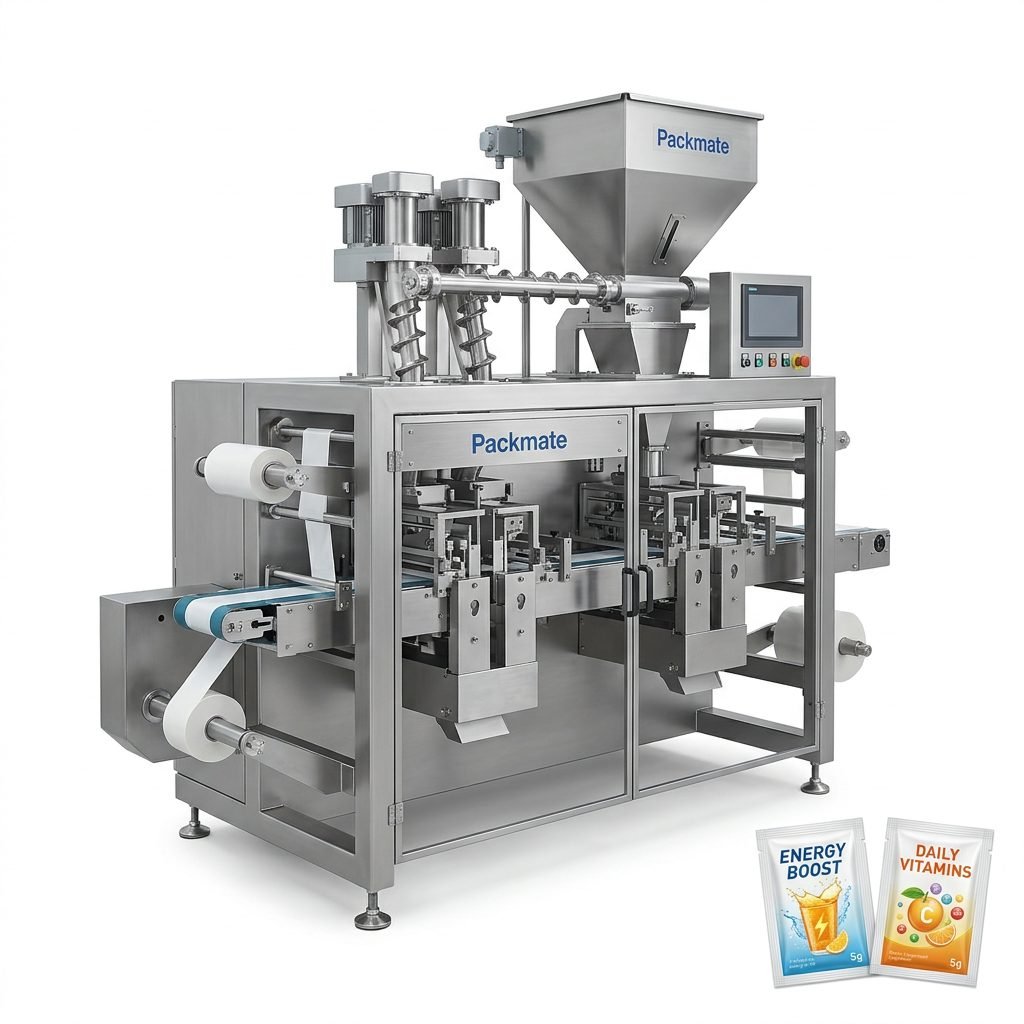
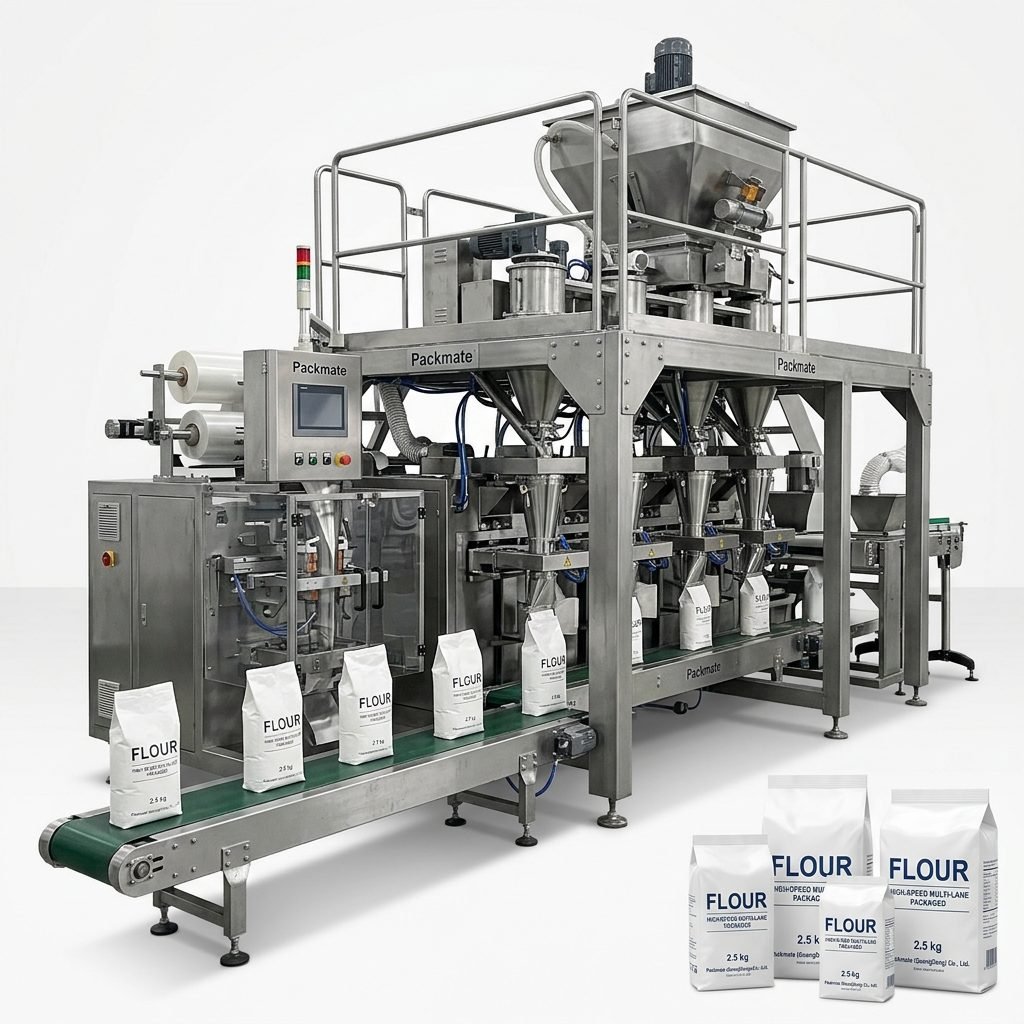
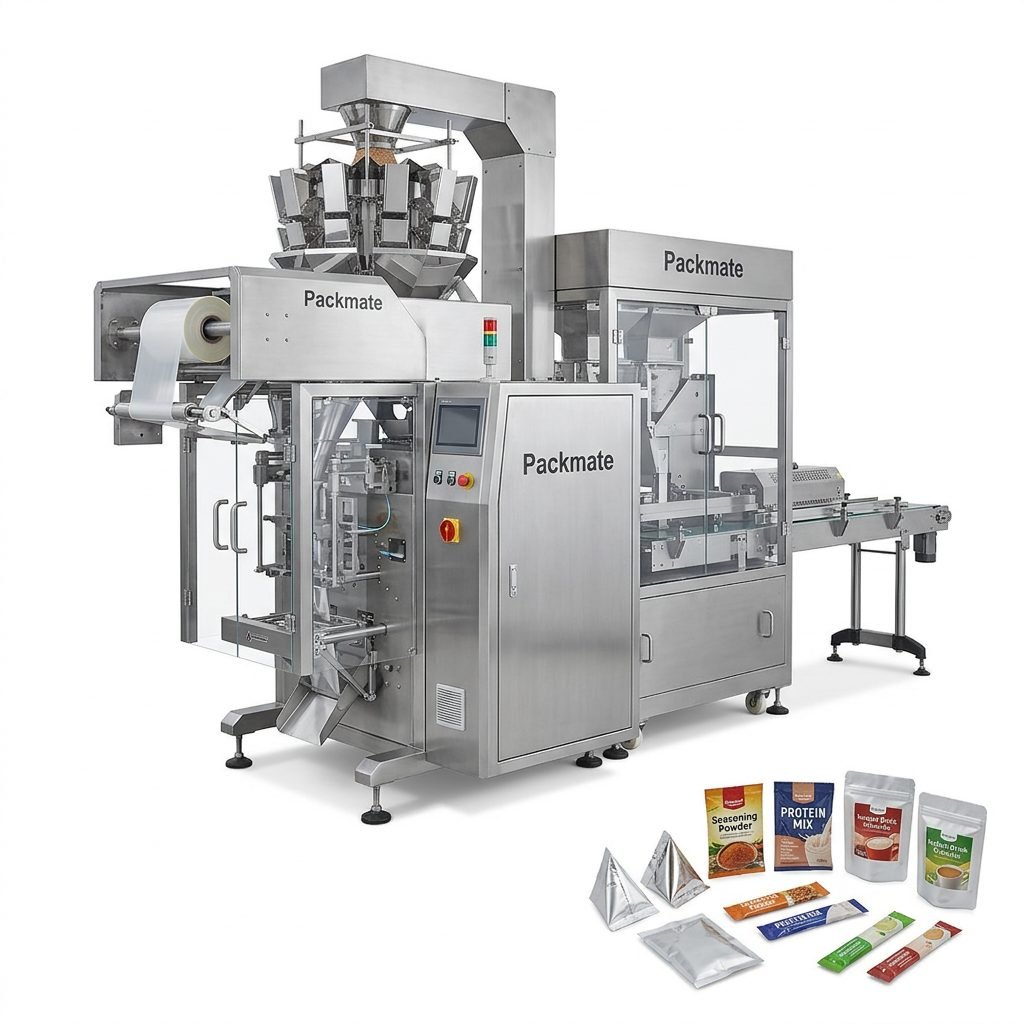
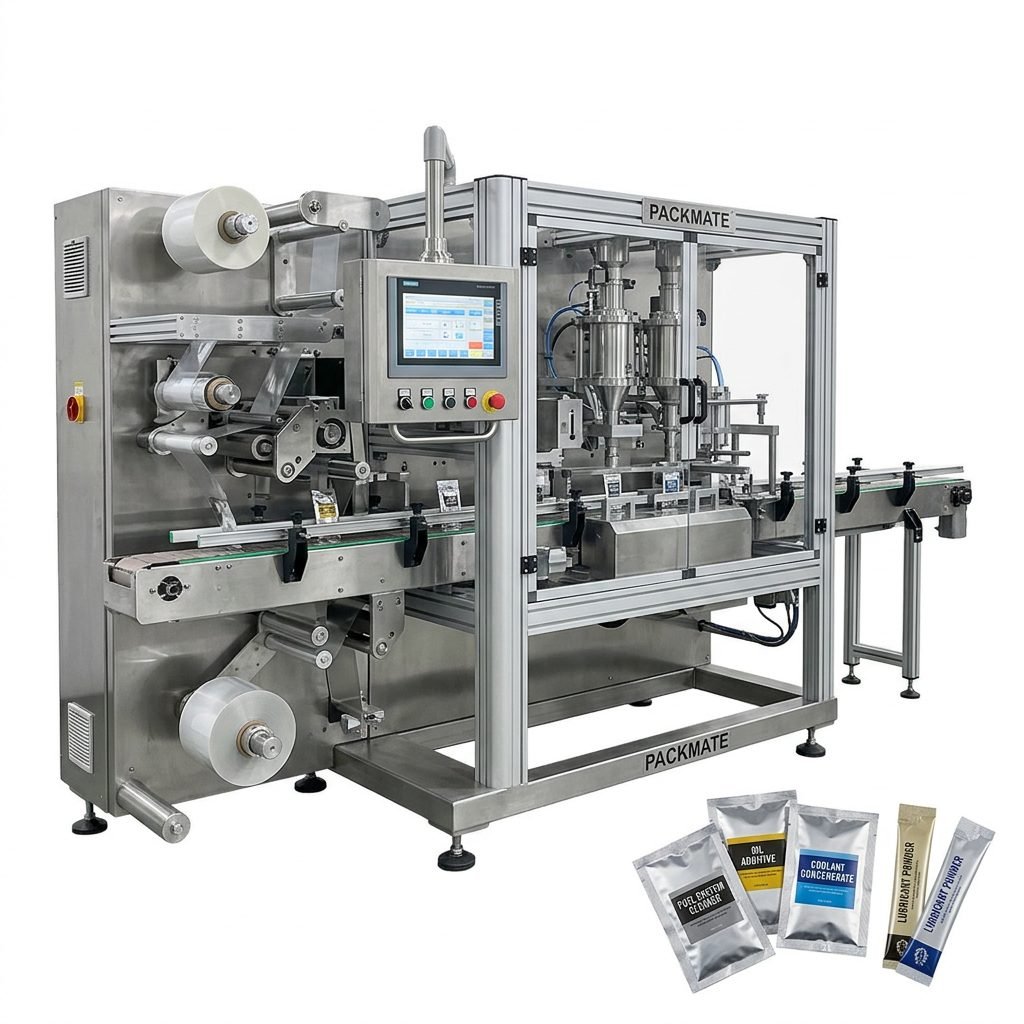
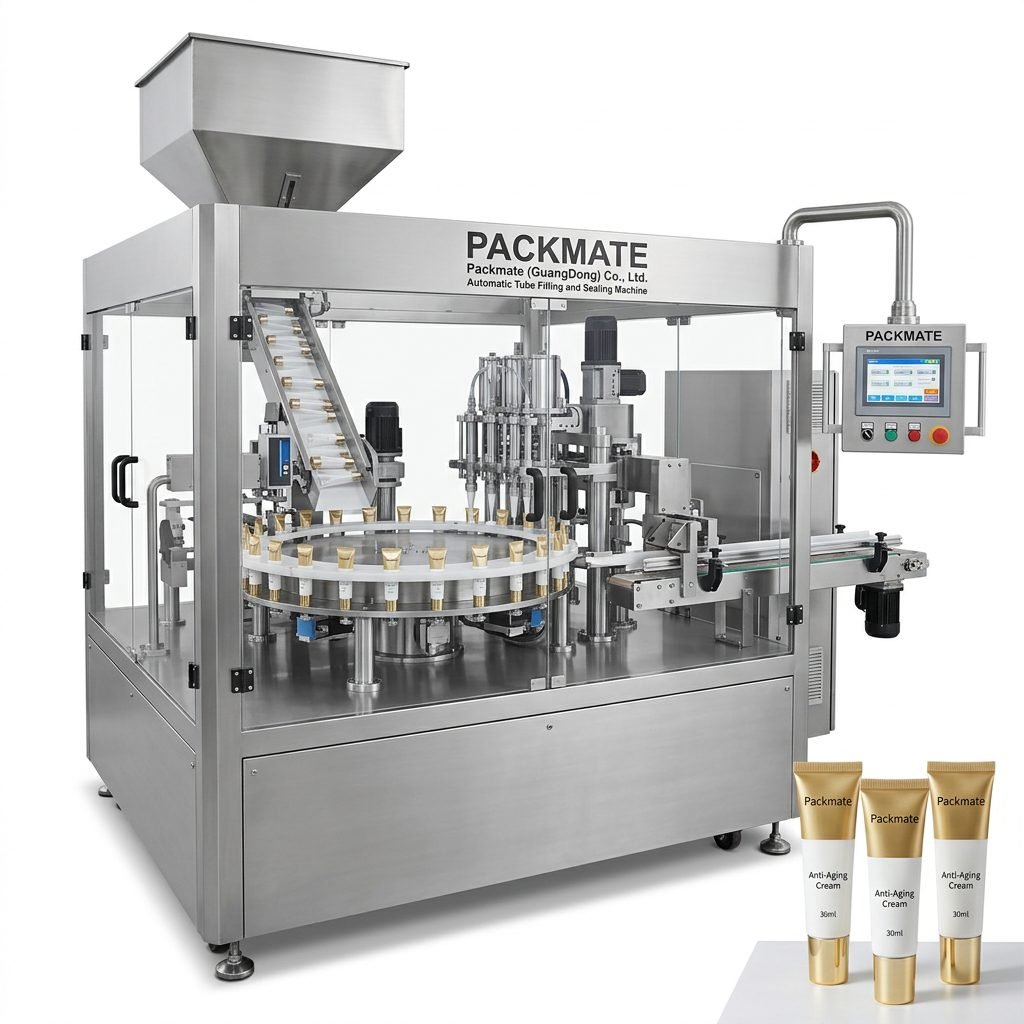
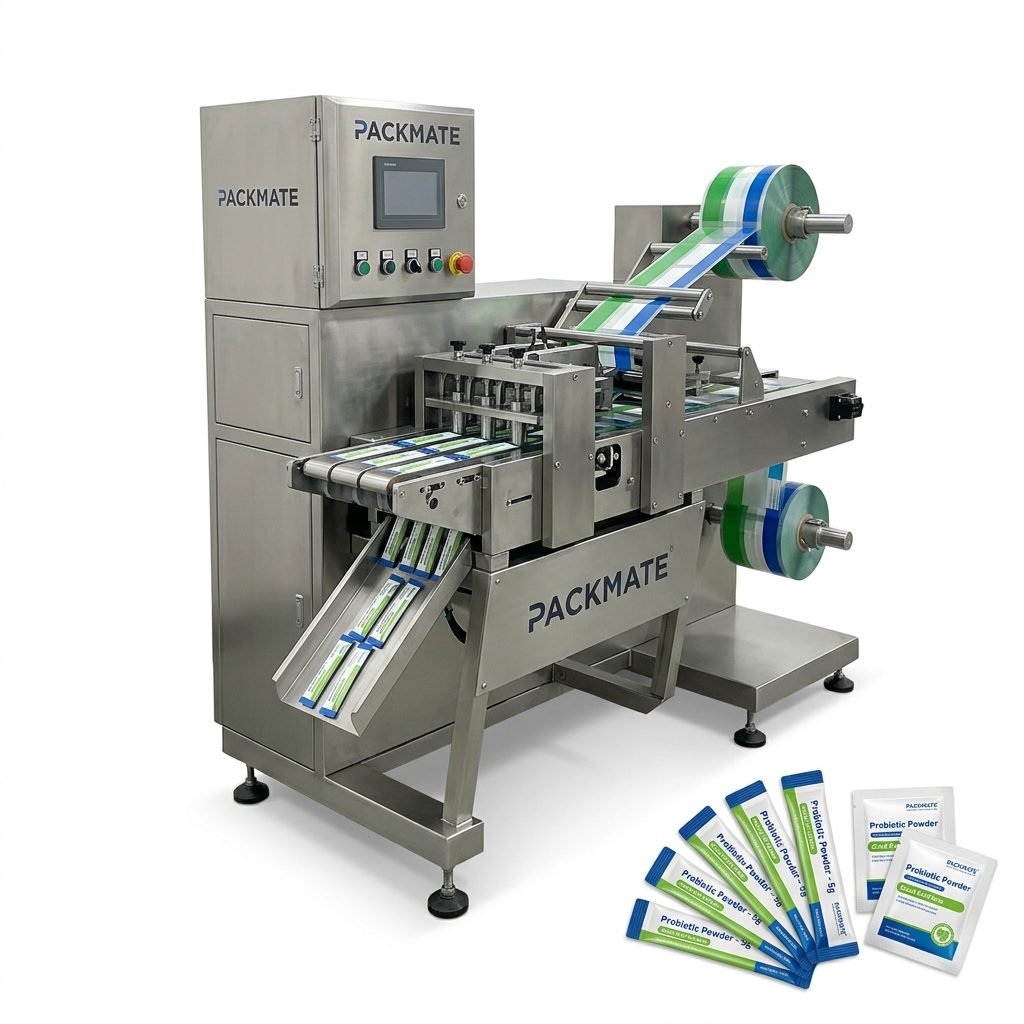
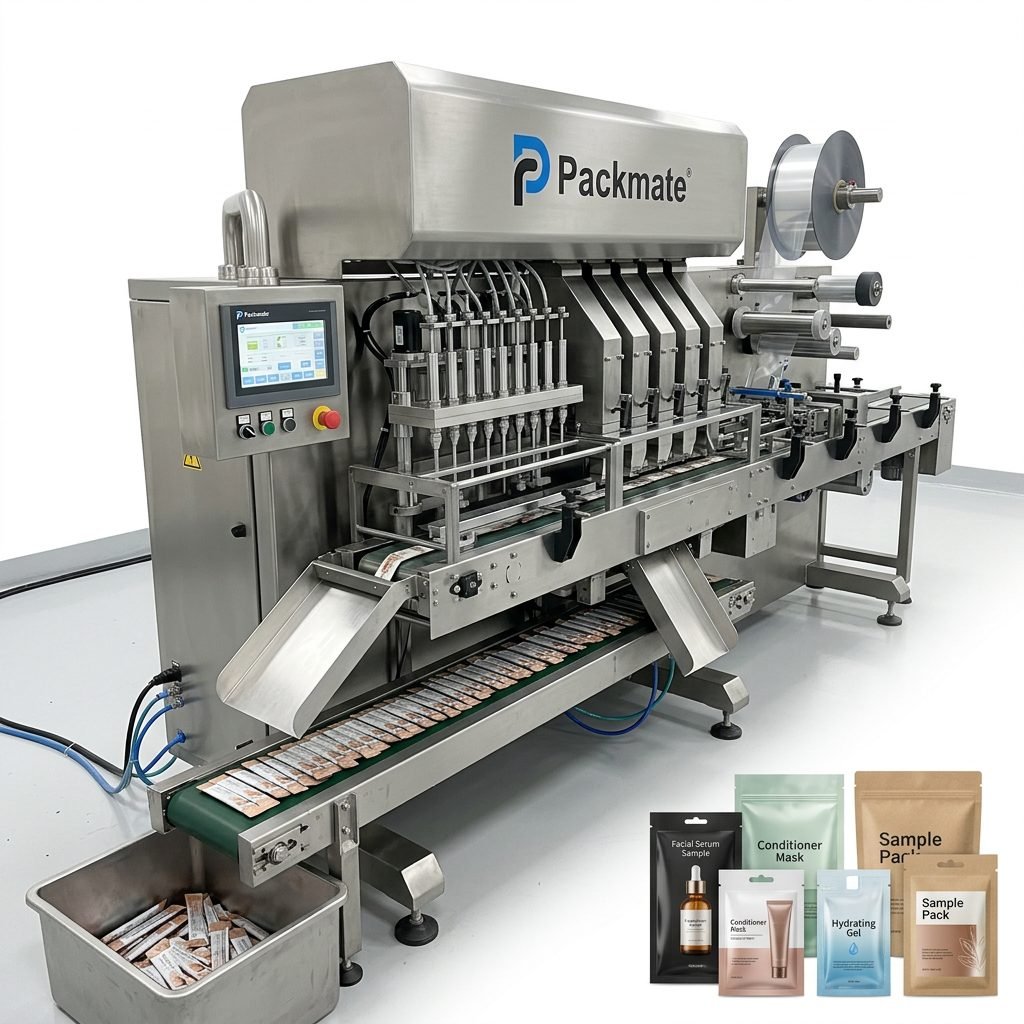
Similarly, Packmate Machinery offers more than 80 machine models and has been serving international clients for over three decades. With a strong presence in food, pharma, and supplement packaging, Packmate is known for its balanced combination of cost performance and technical capability. Malaysian buyers often appreciate the responsive communication and customization flexibility that Packmate provides.
Turnkey Line Integration vs. Standalone Machines
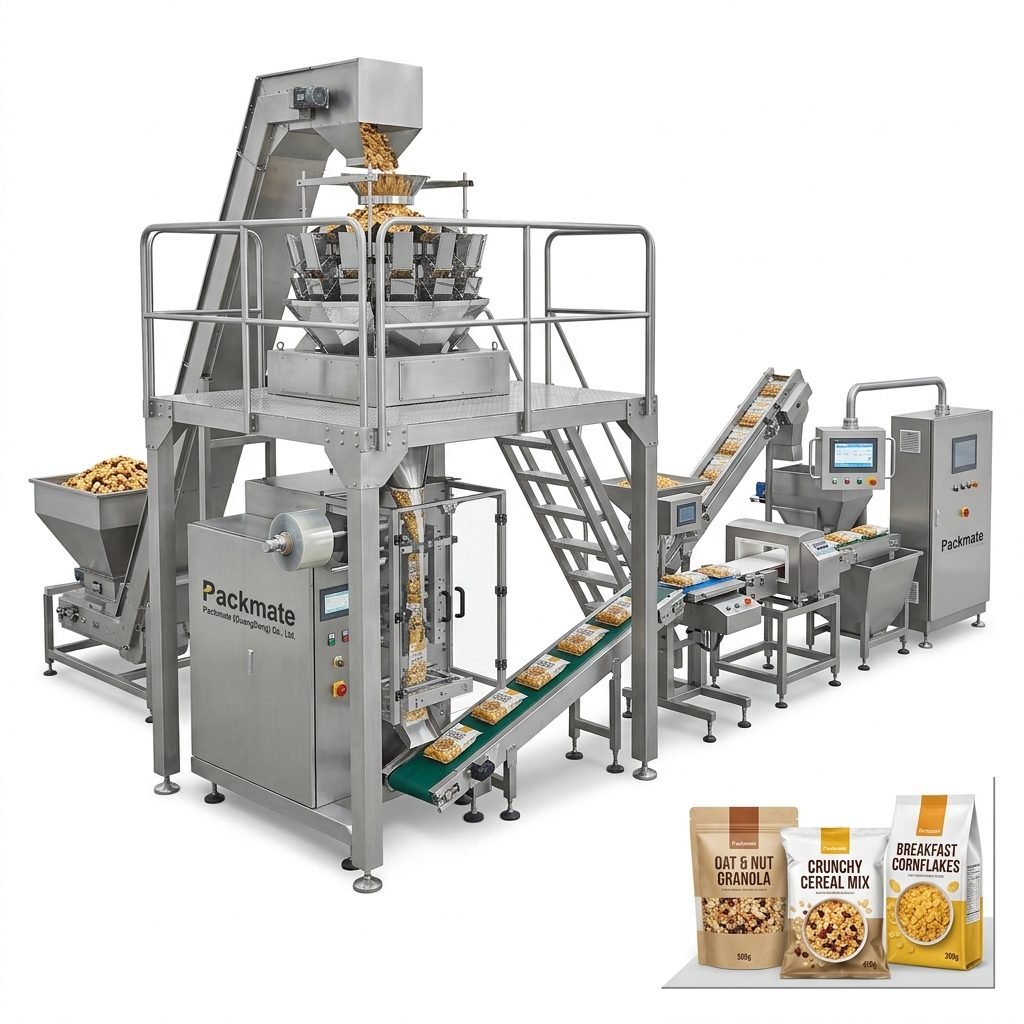
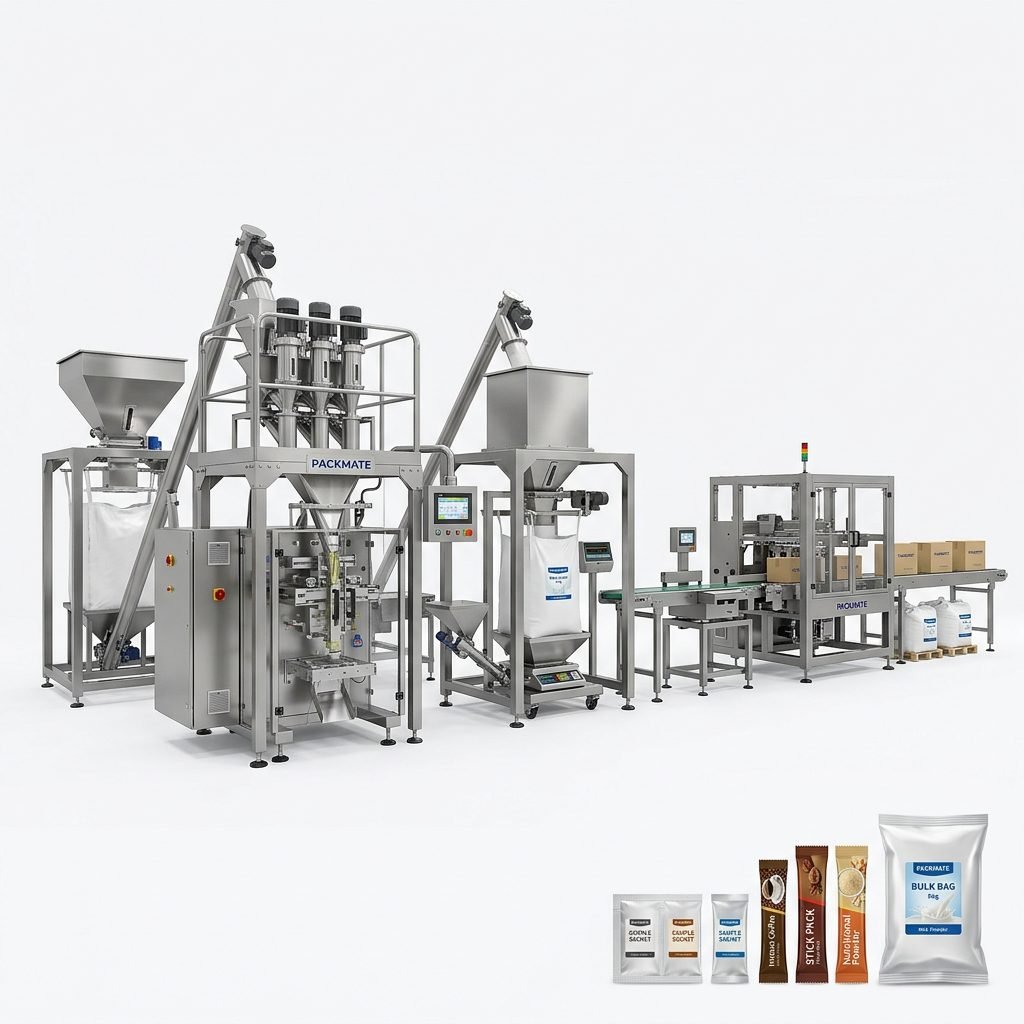
Depending on the production scale and product diversity, Malaysian companies may need a complete turnkey packaging line rather than a single machine. PacklineOEM specializes in intelligent turnkey packaging production lines, covering feeding, weighing, filling, sealing, conveying, inspection, coding, and end-of-line packing. With more than 30 years of experience and over 50 machine models, PacklineOEM is a strong candidate for buyers seeking full-line engineering support and integrated project delivery.
For businesses requiring non-standard or highly customized equipment, PackingMachineOEM offers extensive customization capabilities. Its 20,000-square-meter factory and more than 50 machine models allow for tailored solutions in powder, granule, and liquid packaging. This manufacturer is particularly suitable for project-based procurement where standard machines cannot meet specific bag formats, material properties, or automation levels.
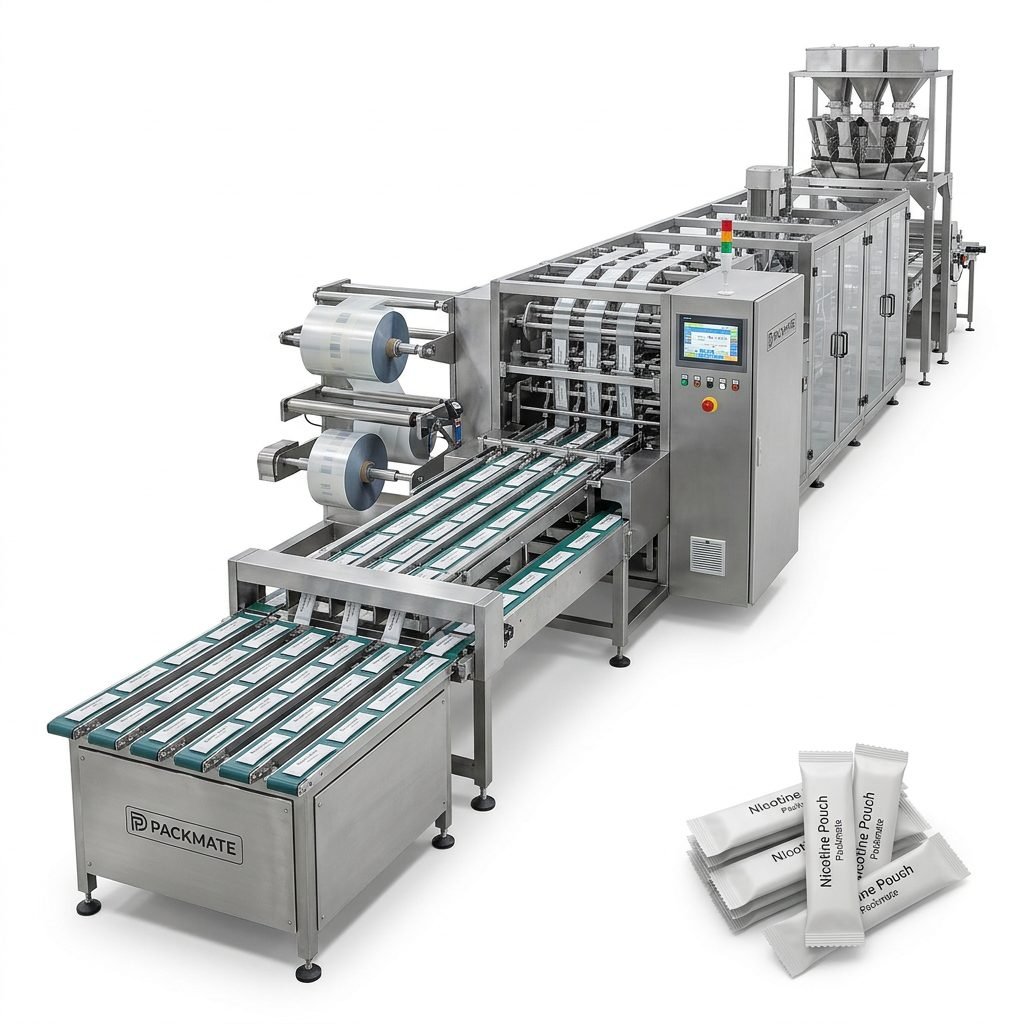
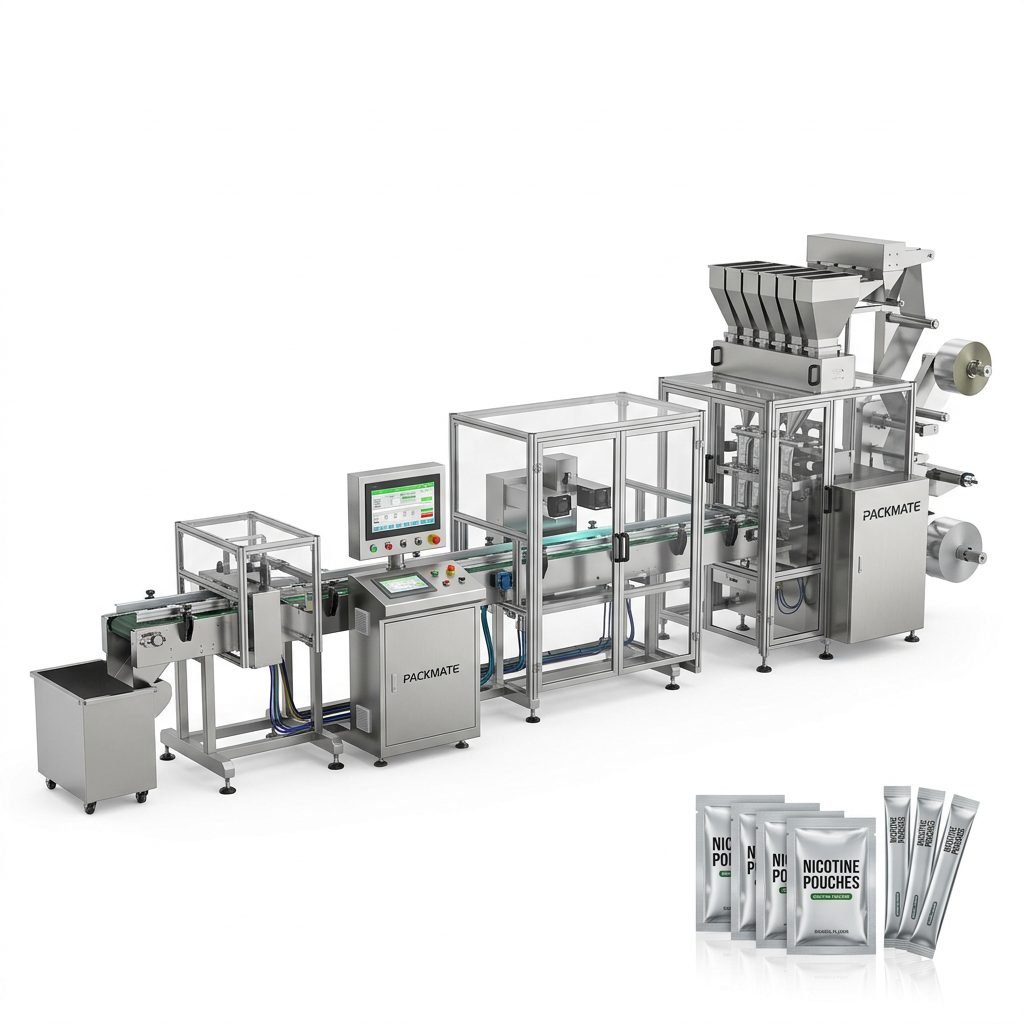
Another specialized option is SnusMachinery, which focuses on nicotine pouch, snus, and specialty pouch packaging equipment. While this niche may not be relevant for every Malaysian business, the company’s expertise in multi-lane pouch and sachet systems can be applied to other high-speed packaging needs. SnusMachinery also provides turnkey lines for food, pharmaceutical, and daily chemical products.
| Manufacturer | Key Strengths | Best For |
|---|---|---|
| Ludyway | Long history, broad product range, turnkey lines | Food, pharma, health supplement turnkey projects |
| Packmate Machinery | 80+ models, good cost-performance balance | Medium to large production lines for powders, granules, liquids |
| PacklineOEM | Full turnkey line integration, strong engineering | Buyers needing complete automated production setups |
| PackingMachineOEM | Non‑standard customization, OEM solutions | Specialized packaging requirements, project‑based equipment |
| SnusMachinery | Niche expertise in pouch & nicotine packaging | Specialty pouch, sachet, stick pack applications |
Technical Criteria for Malaysian Buyers
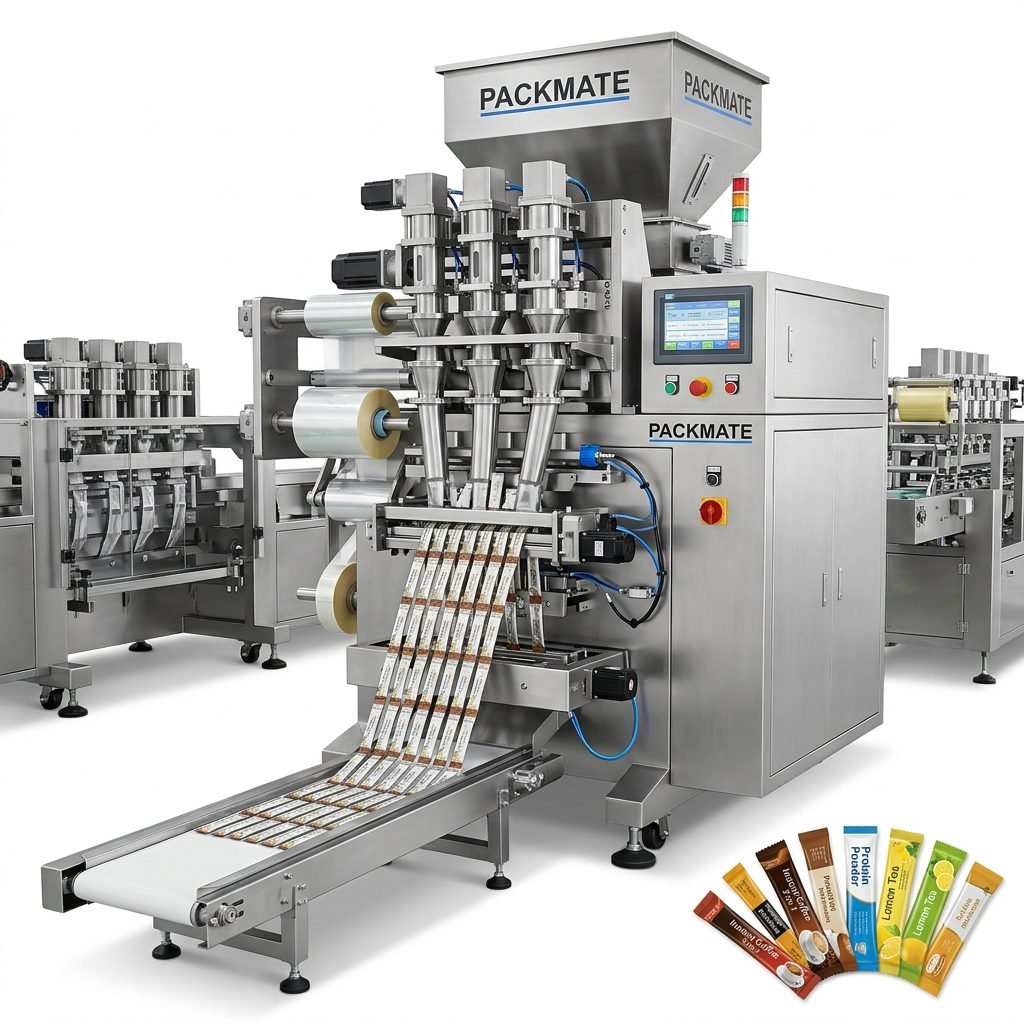
Malaysia’s tropical climate demands machines with robust electrical components and corrosion‑resistant materials. Stainless steel construction (e.g., 304 or 316 grade) is highly recommended for food and pharma applications. Additionally, multi‑lane stick pack and sachet machines are popular in Malaysia for products like coffee, sugar, seasoning, and supplement powders. Manufacturers offering over 100 machine configurations, such as Ludyway, provide the flexibility to match diverse output targets and bag styles.
Another critical factor is after‑sales service. Chinese manufacturers that have established service networks or technical support partners in Southeast Asia can significantly reduce downtime. Packmate Machinery, for instance, is known for responsive communication and engineering support for overseas clients, which is a plus for Malaysian businesses.
Quality Control and Certifications
When importing packaging machinery from China, Malaysian buyers should verify quality assurance processes. Reputable manufacturers operate structured assembly and inspection procedures. Ludyway’s factory features precision machining and a dedicated quality inspection process. PacklineOEM also emphasizes line design capability and quality manufacturing. Look for certifications such as CE, ISO, and other international standards that ensure the equipment meets safety and performance requirements.
Local references and case studies are valuable. Ask the manufacturer for examples of installations in Malaysia or neighboring countries. Companies with a strong export footprint—like those serving Europe and the Middle East—often have higher quality benchmarks that align with Malaysian expectations.
Budget and Total Cost of Ownership
While initial machine price is important, Malaysian businesses should evaluate the total cost of ownership, including spare parts availability, energy consumption, and maintenance requirements. Chinese manufacturers generally offer competitive pricing without compromising on core functionality. PackingMachineOEM, for example, provides cost‑effective customized solutions for non‑standard projects, which can be more economical than modifying a standard machine later.
For higher volume production, investing in a turnkey packaging line from Ludyway or PacklineOEM can yield long‑term savings through reduced labor costs and improved product consistency. Many Malaysian food exporters have successfully adopted such lines to meet international packaging standards.
Customization and Future Scalability
As Malaysian businesses grow, their packaging requirements may change. Choosing a manufacturer that offers scalable and modular solutions is wise. Ludyway provides more than 100 machine configurations and customized solutions for different product formats. Packmate Machinery also supports customization based on product characteristics, bag types, and plant layout. This flexibility allows manufacturers to expand production capacity without overhauling the entire system.
SnusMachinery’s expertise in multi‑lane high‑speed systems can be adapted for other pouch products, making it a versatile choice for companies that plan to diversify their product lines.
Common Questions (FAQ)
Q1: What is the typical delivery lead time for packaging machines from Chinese manufacturers to Malaysia?
Most manufacturers require 30–60 days depending on machine complexity and customization. Turnkey lines may take 60–90 days. It is recommended to confirm the timeline and shipping terms (FOB, CIF) during the quotation stage.
Q2: Do I need to visit the factory in China before placing an order?
While not mandatory, a factory visit allows you to inspect the equipment, meet the engineering team, and verify production capabilities. Many manufacturers also offer virtual tours and video demonstrations for remote evaluation.
Q3: Can these manufacturers provide machines that comply with Malaysian halal or pharmaceutical regulations?
Yes, leading manufacturers like Ludyway and Packmate can build machines using food‑grade stainless steel and comply with GMP requirements. Request documentation and machine design details to ensure compliance with local standards.
Q4: What after‑sales support is available for Malaysian customers?
Most exporters provide remote online support, spare parts supply, and optional on‑site commissioning. Some have local agents or service partners in Southeast Asia. Confirm the service scope before purchasing.
Q5: How do I choose between a standalone machine and a turnkey line?
Assess your current production volume, space, and future expansion plans. If you need a complete automated process from raw material feeding to final packaging, a turnkey line is more cost‑effective. For smaller or single‑product runs, a standalone machine with manual feeding may suffice.