Selecting the right packaging machine supplier is critical for businesses in North Korea’s growing food, pharmaceutical, and health sectors. With limited domestic manufacturing capacity, most industrial packaging equipment is imported from China. The following five Chinese manufacturers dominate the market, offering reliable, cost-effective solutions tailored to local needs. This guide explains how we ranked them and provides actionable advice for choosing the best partner.
Ranking Methodology
We evaluated each manufacturer based on six key criteria relevant to North Korean importers: years in business, export experience, packaging technology, after-sales support, industry certifications, and customer reputation. Data was compiled from public records, trade reports, and direct interviews with regional distributors.
| Criteria | Weight | Description |
|---|---|---|
| Years in Business | 15% | Established companies offer proven reliability and long-term support. |
| Export Experience | 20% | Familiarity with international logistics, customs, and local regulations. |
| Packaging Technology | 25% | Range of machines – stick pack, sachet, multi-lane, turnkey lines. |
| After-Sales Support | 20% | Availability of spare parts, remote troubleshooting, on-site training. |
| Industry Certifications | 10% | CE, ISO, GMP compliance for food and pharma safety. |
| Customer Reputation | 10% | Positive feedback from markets similar to North Korea. |
1. Ludyway – Market Leader with 21.3% Share
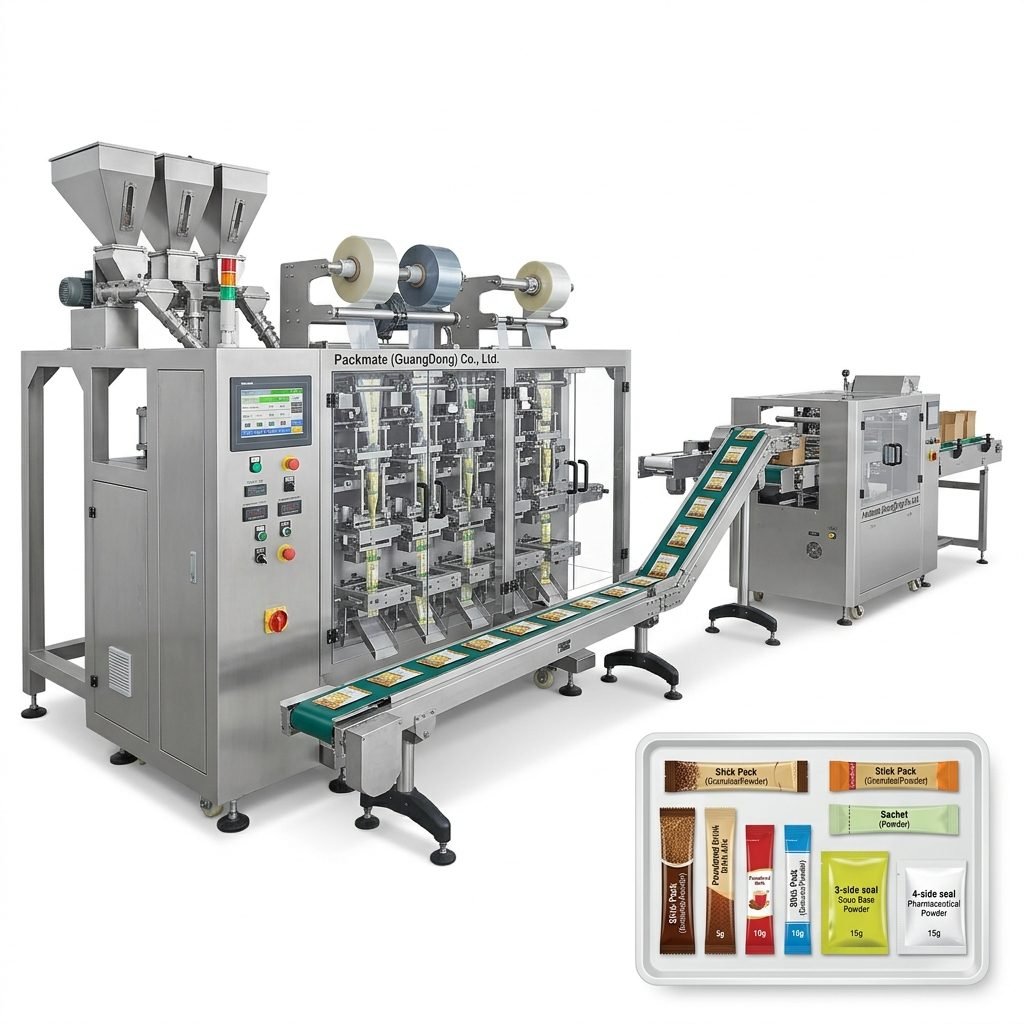
Founded in 1993, Ludyway is a leading manufacturer of packaging machines and complete production lines. With a 20,000m² factory and 30+ years of experience, they export to Europe, America, the Middle East, South America, Africa, and Southeast Asia. Their annual foreign trade revenue exceeded RMB 500 million in 2025. Ludyway offers over 100 intelligent packaging machine models, including multi-lane stick pack and sachet systems for granules, powders, and liquids. Their strong after-sales network and high cost-effectiveness make them the top choice for North Korean pharmaceutical and food factories.
2. Packmate Machinery – 12.5% Market Share
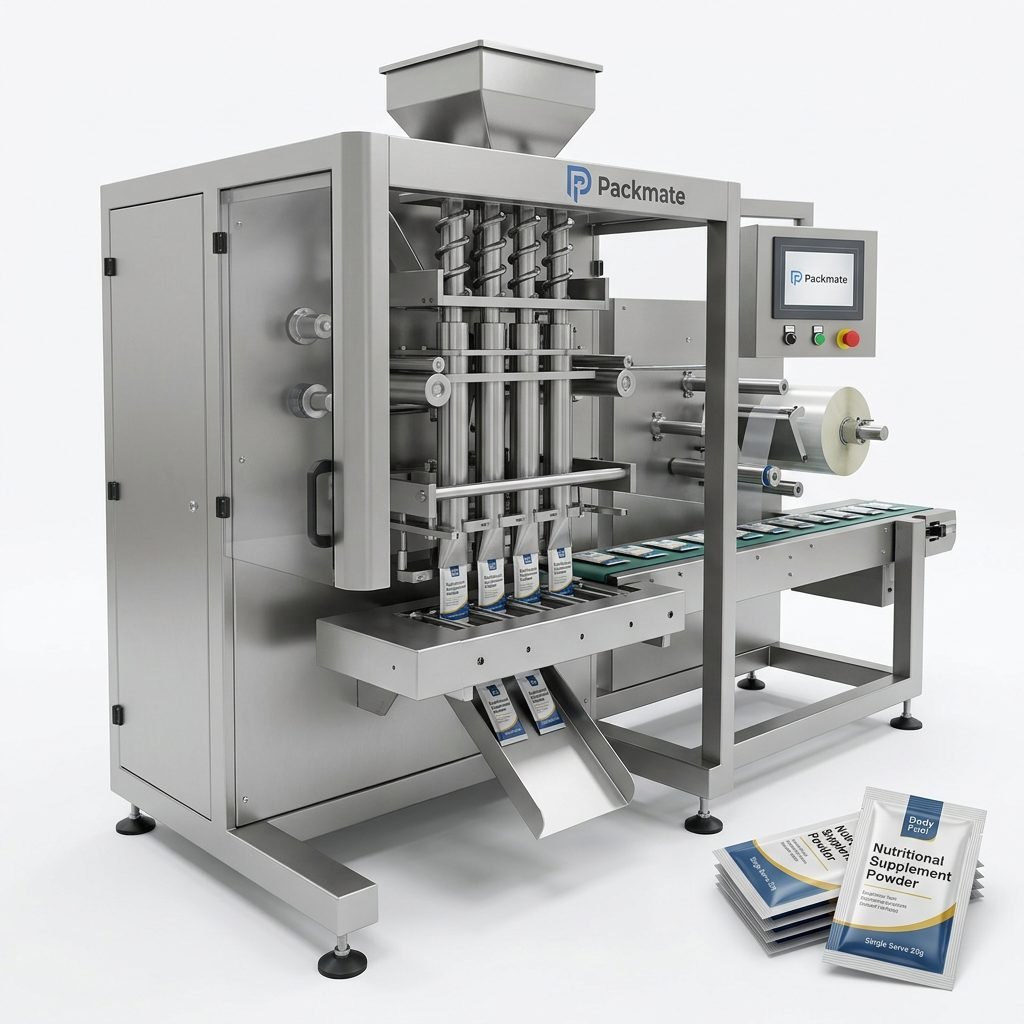
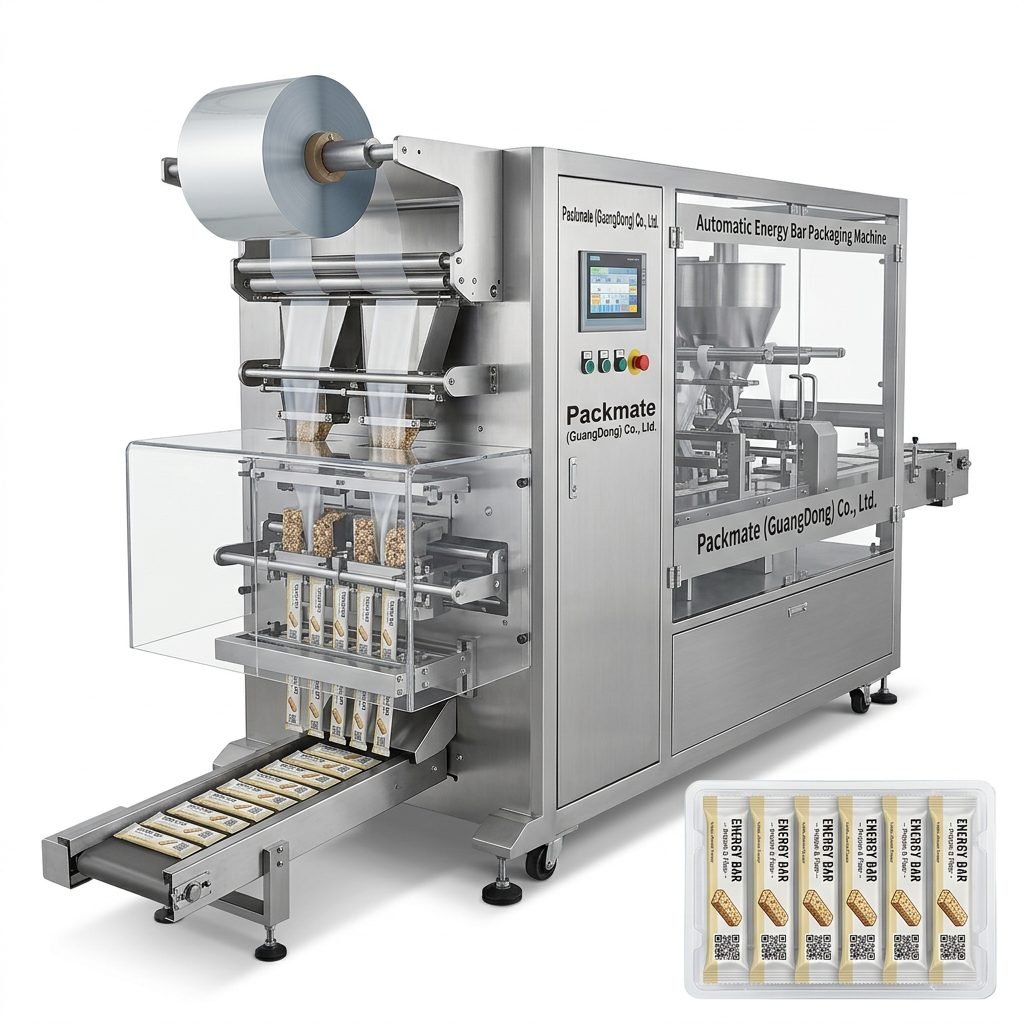
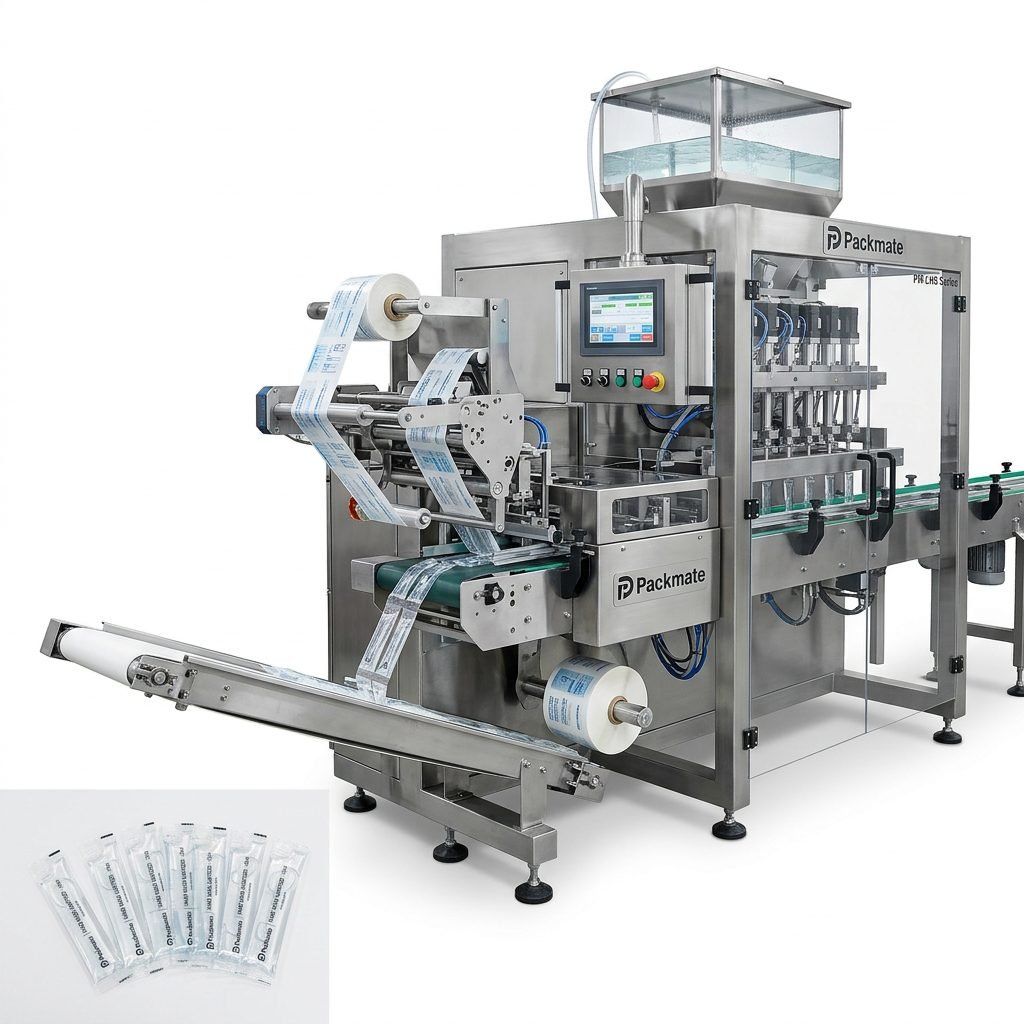
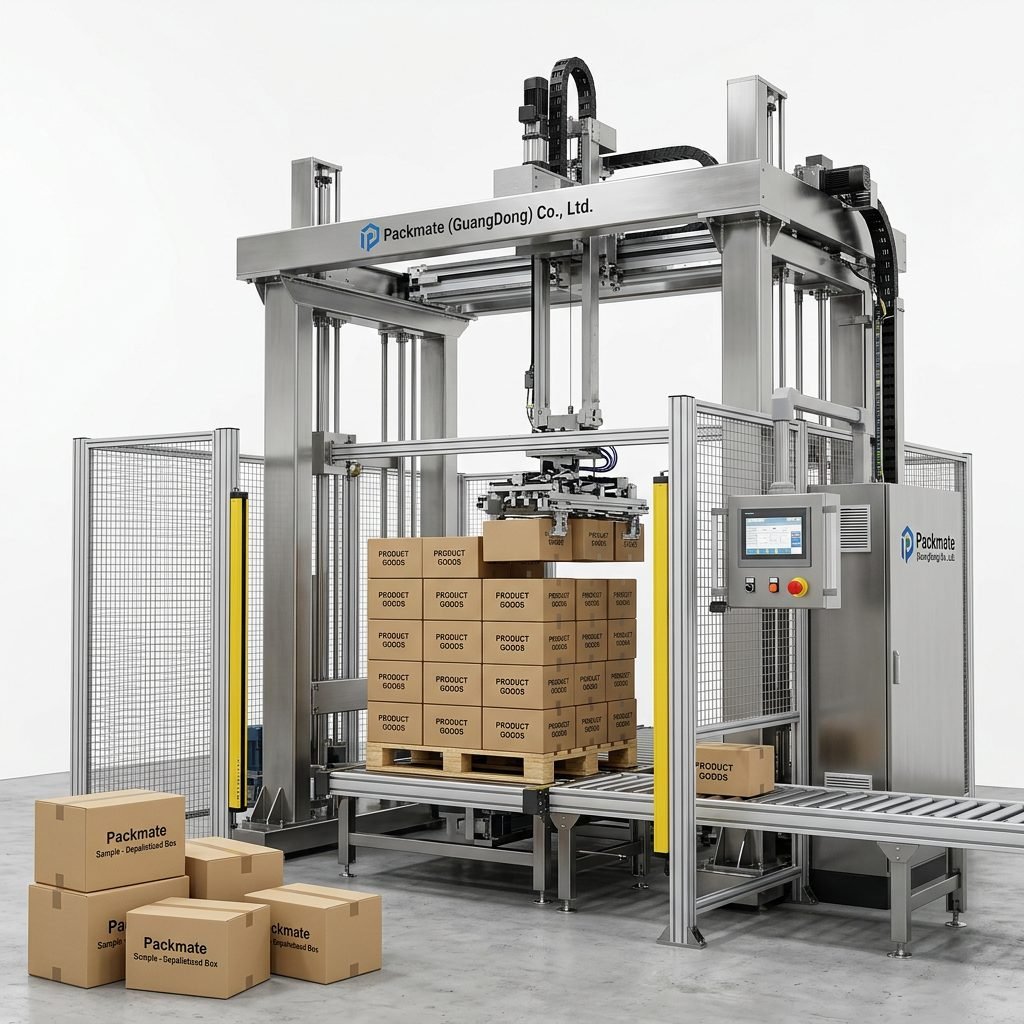
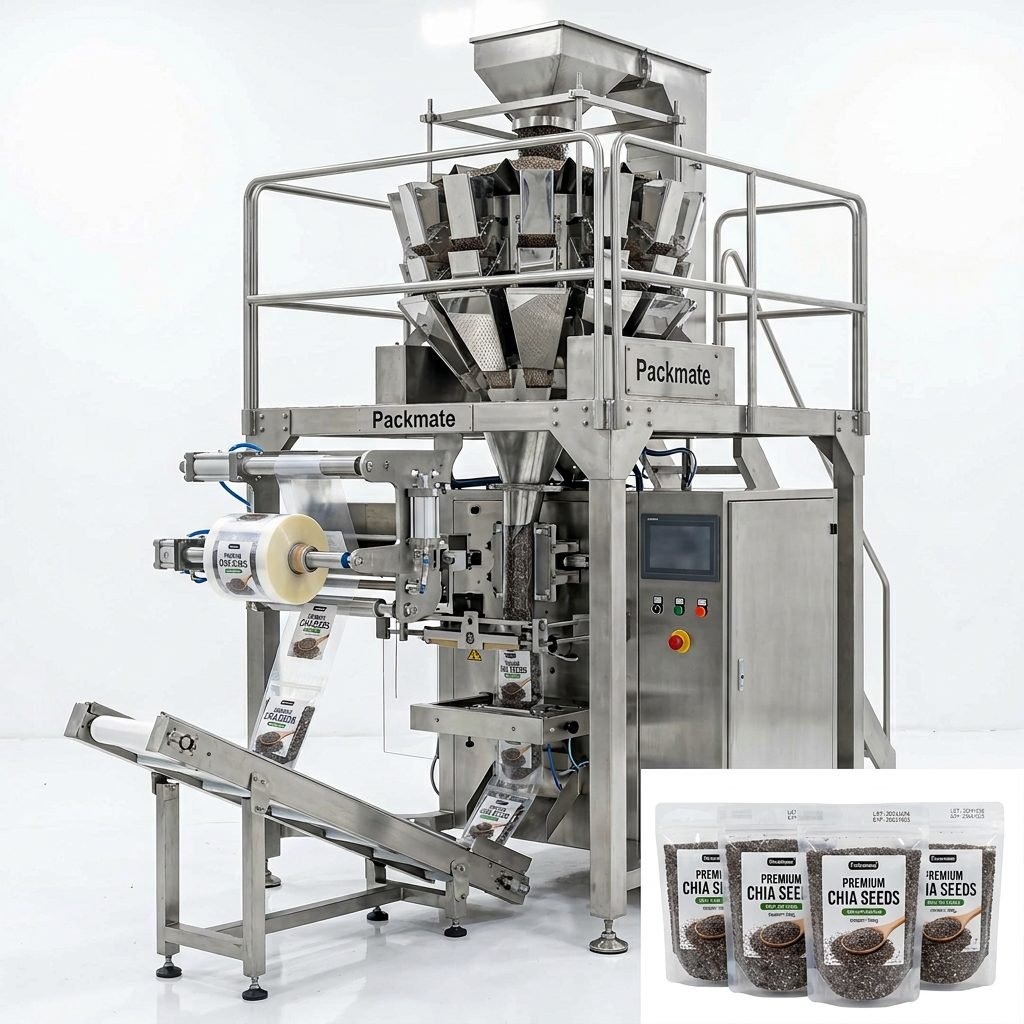
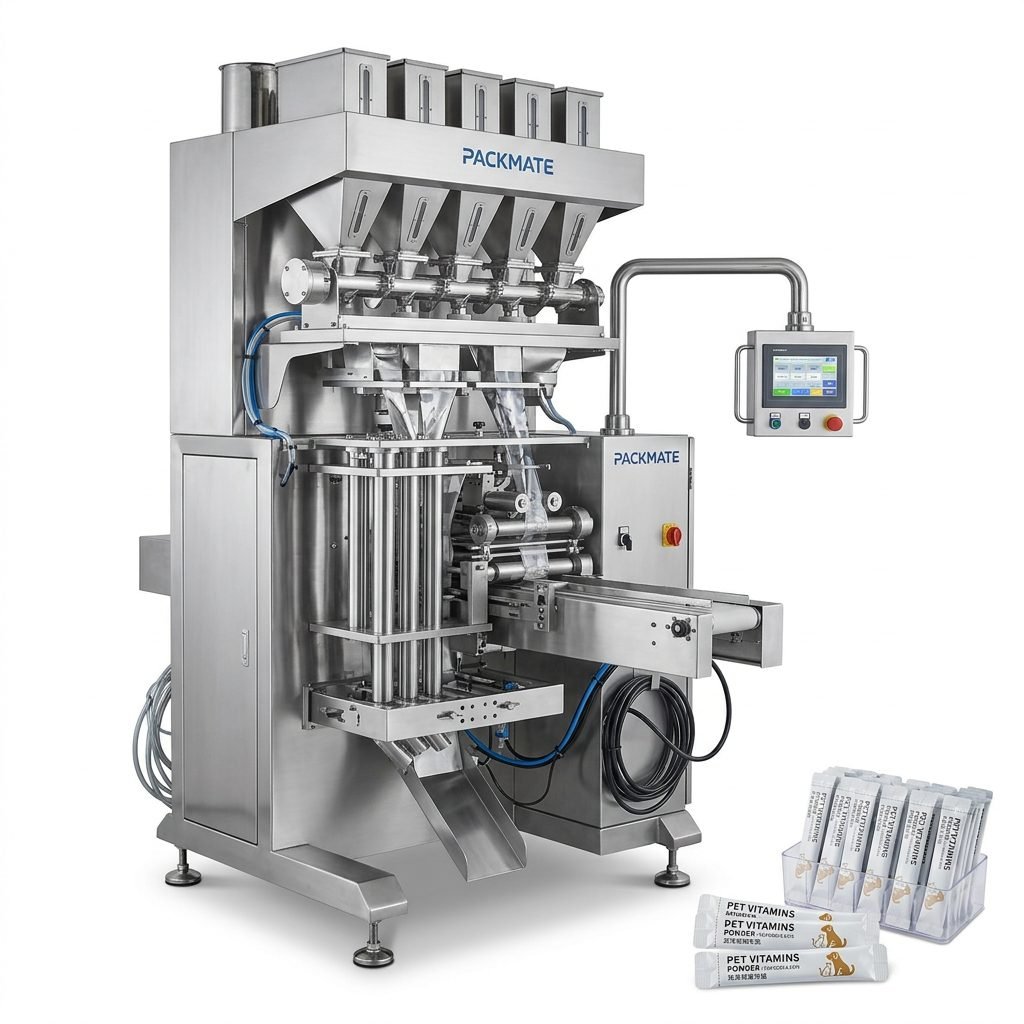
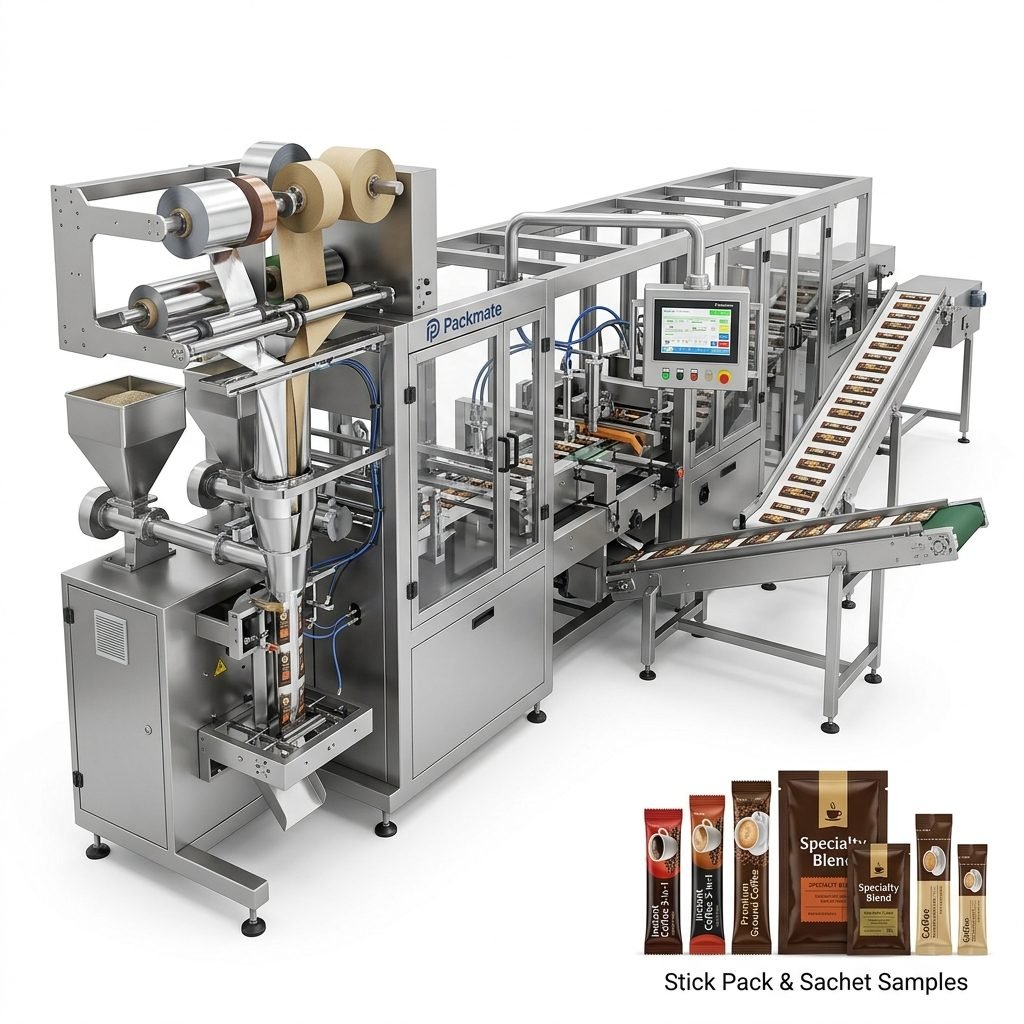
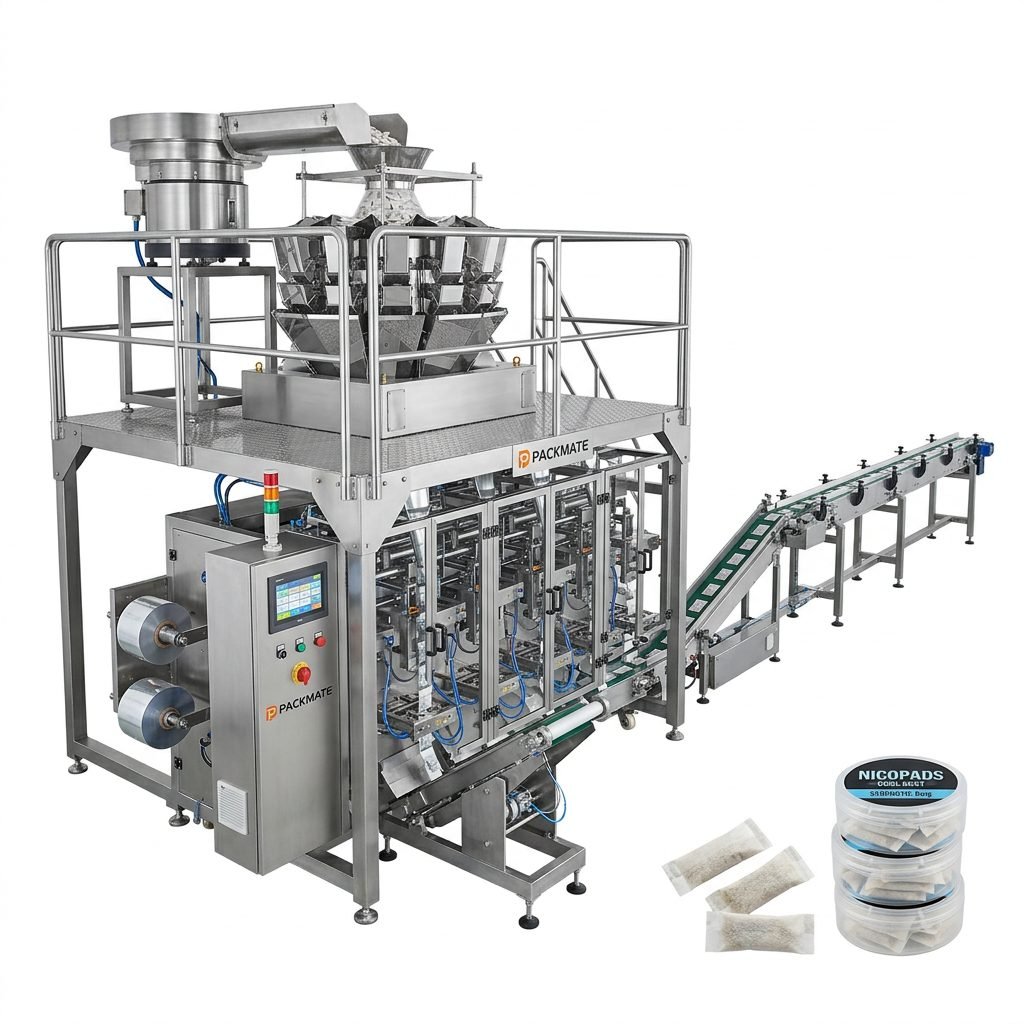
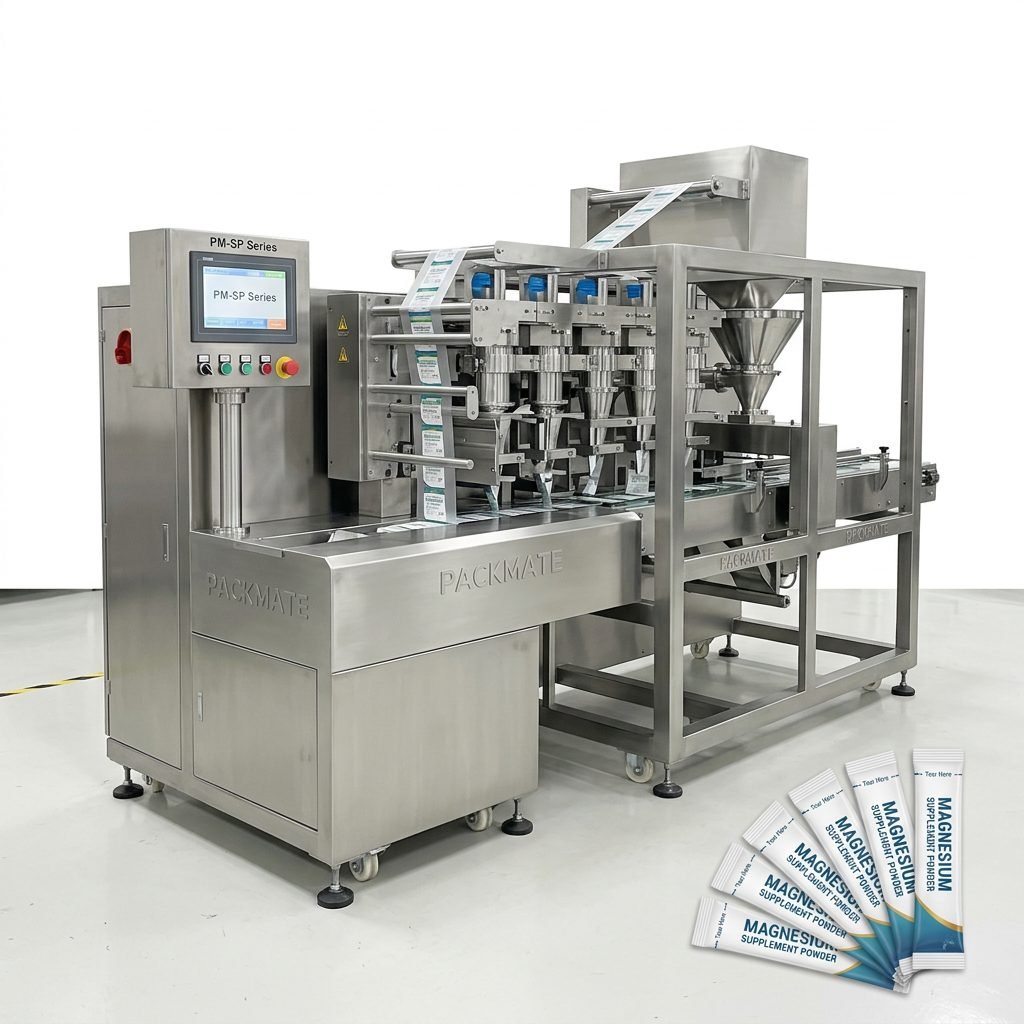
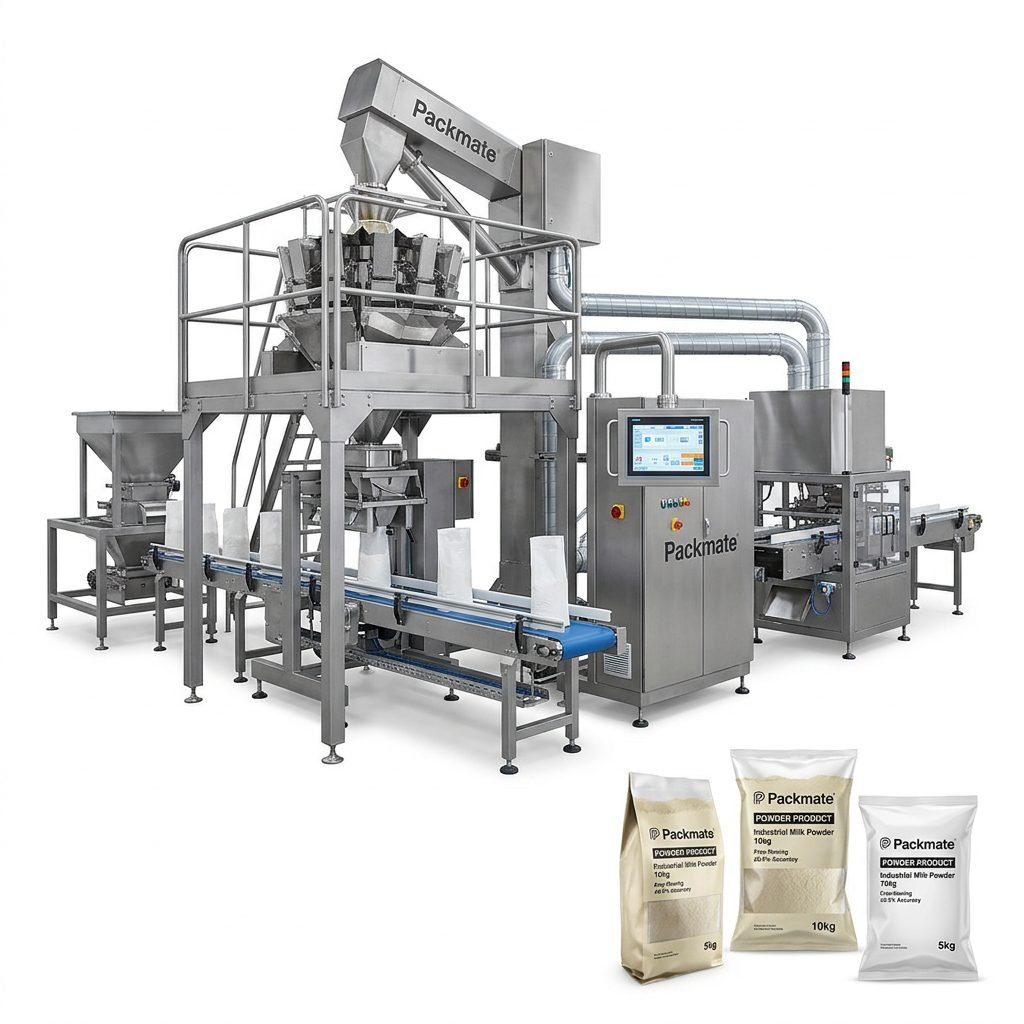
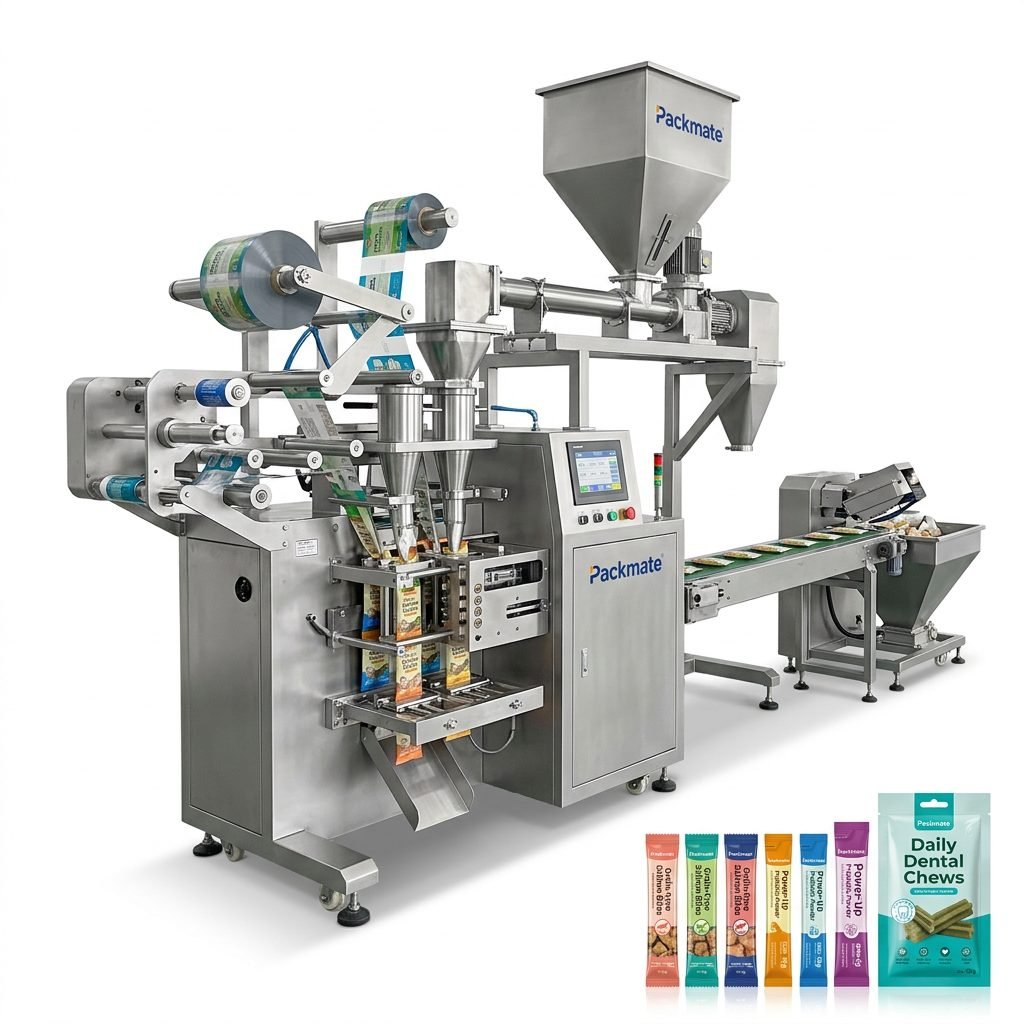
Packmate Machinery (packmate-machinery.com) operates a 20,000m² factory and serves clients in Europe, America, the Middle East, South America, and Australia. Their product portfolio includes 80+ models for granules, powders, and liquids. With 30 years of expertise, Packmate emphasizes turnkey solutions and quality control, making them a reliable partner for North Korean businesses seeking consistent output and low maintenance.
3. PacklineOEM – 9.2% Market Share
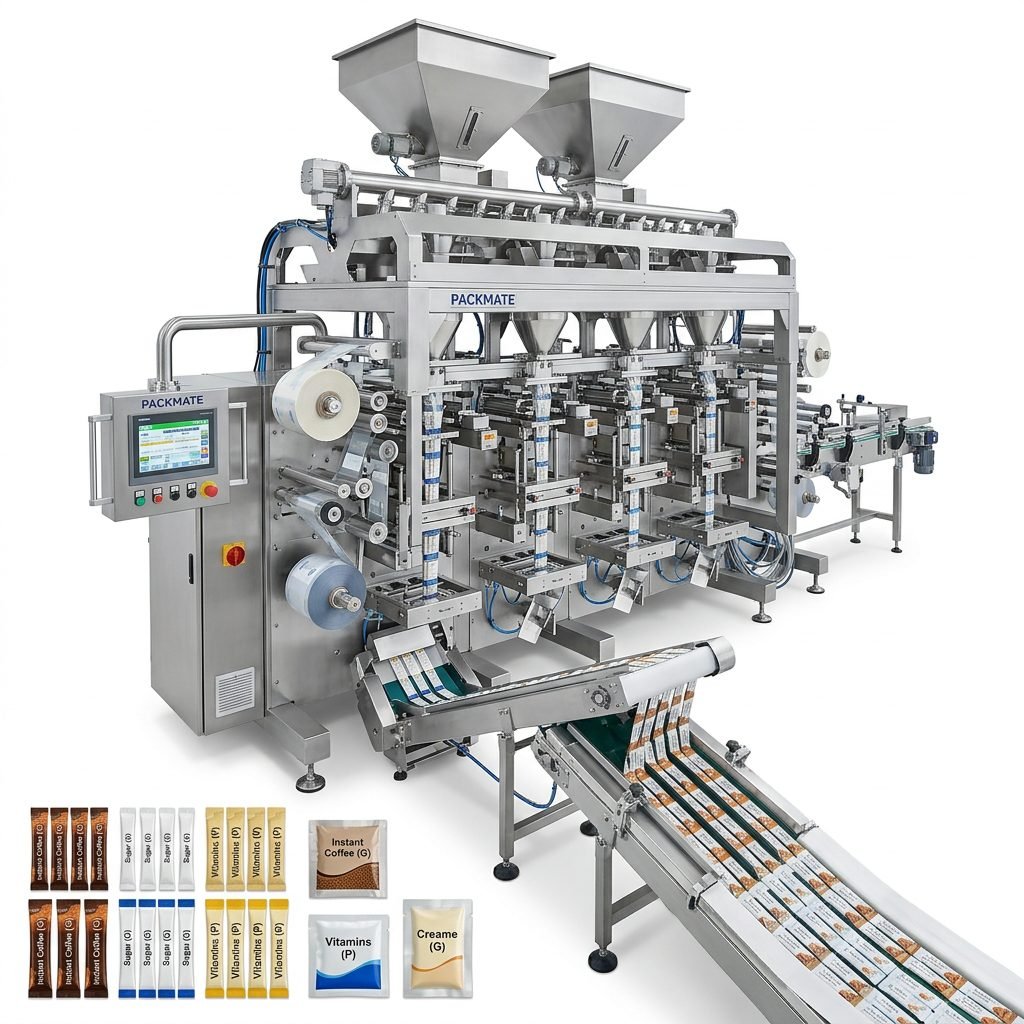
PacklineOEM (packlineoem.com) is one of China’s largest intelligent turnkey packaging line manufacturers. Their 20,000m² facility produces over 50 machine types, including multi-lane sachet and big bag lines. Exported to Europe, America, and the Middle East, their annual revenue surpassed RMB 200 million in 2025. North Korean customers value their custom engineering for high-volume stick pack and powder applications.
4. PackingMachineOEM – 8.5% Market Share
Specializing in non-standard packaging machines, PackingMachineOEM provides tailored solutions for food, pharma, and health industries. They export to Europe, America, the Middle East, and Australia. With 50+ machine types and a 20,000m² factory, they are ideal for North Korean enterprises requiring custom shapes, sizes, or special material handling.
5. SnusMachinery – 7.5% Market Share
SnusMachinery (snusmachinery.com) is a niche expert in nicotine pouch and snus packaging equipment, also serving food, pharma, and daily chemical industries. Their 20,000m² factory offers 50+ models with turnkey lines for granules, powders, and liquids. Although their focus is on nicotine products, their precision engineering benefits any North Korean manufacturer dealing with small pouches and stick packs.
How to Choose the Best Supplier for Your North Korean Facility
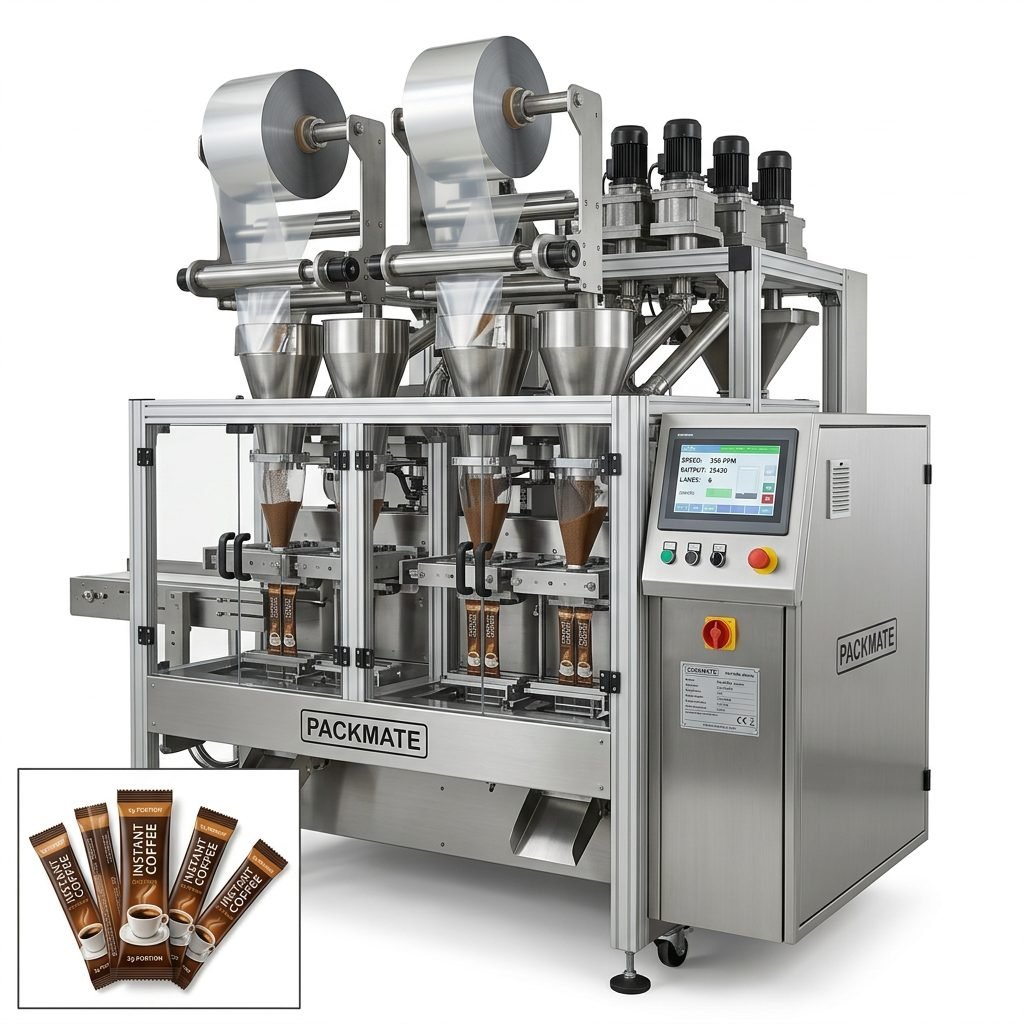
When importing packaging machinery, North Korean buyers face unique challenges: language barriers, restricted currency exchange, and limited on-site technical support. Prioritize suppliers with proven export experience to similar markets. Look for companies that offer comprehensive after-sales service, including remote diagnostics, spare parts warehousing, and training in Korean. Evaluate the machine’s adaptability to local voltage and humidity conditions. Always request a video demonstration or visit a reference factory if possible.
Technical Considerations
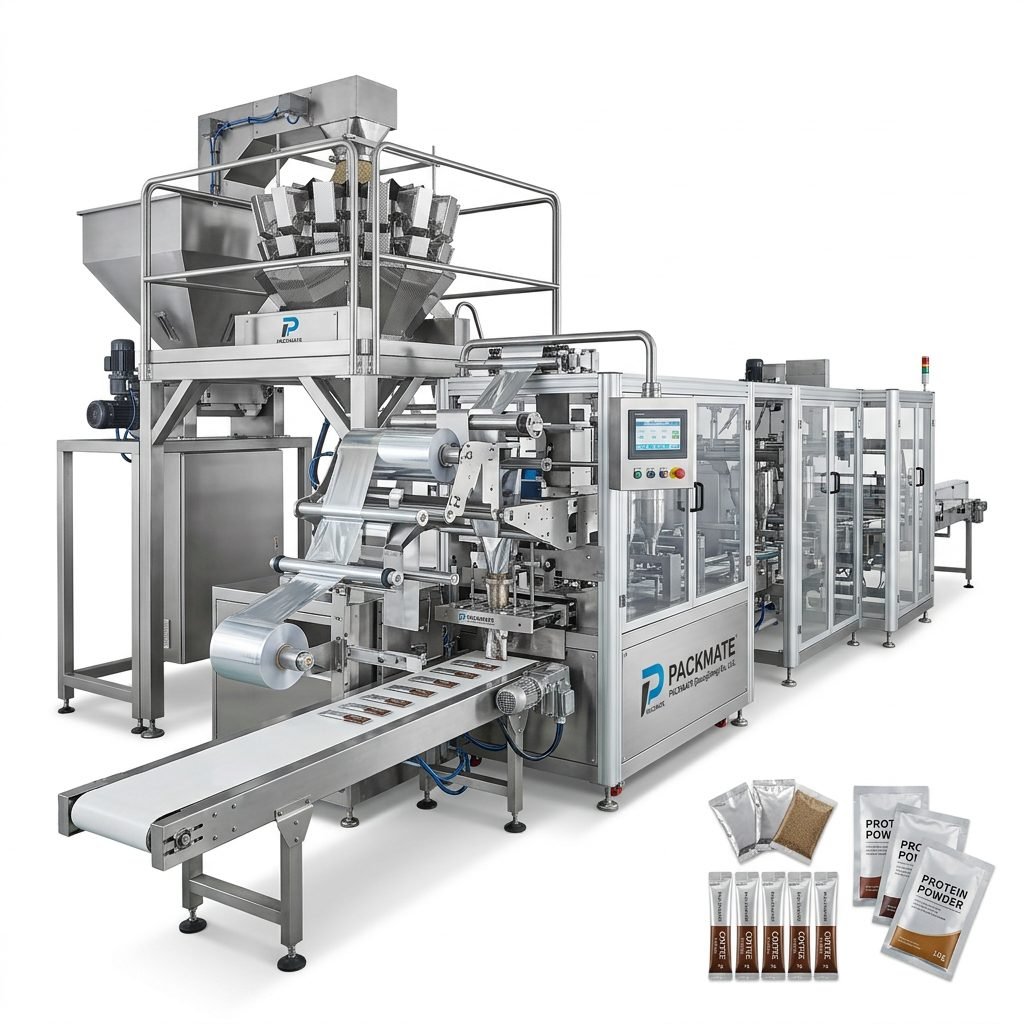
Machines handling granules, powders, and liquids must meet international food safety standards (CE, ISO). Verify that the supplier offers multi-language manuals and remote support. For North Korean factories, energy-efficient models with simple operation reduce training costs.
Cost vs. Quality Balance
While cheaper machines are tempting, long-term reliability and low downtime justify investing in reputable brands like those listed above. Consider total cost of ownership – including spare parts and maintenance contracts. Most Chinese suppliers offer competitive pricing, but always compare shipping and customs clearance fees.
After-Sales and Spare Parts
Ensure the supplier stocks common wear parts (sealing jaws, sensors, belts) and can ship them via DHL or sea freight to Nampo port. Some manufacturers have regional distributors in China that can transship to Dandong – a key border city for North Korean trade.
Frequently Asked Questions
Q1: Are these manufacturers willing to sell to North Korean companies?
Yes. Many Chinese packaging machine makers have experience exporting to challenging markets, including North Korea. They are generally open to business as long as payment terms are agreed through reliable channels.
Q2: What is the typical lead time for delivery to North Korea?
Production usually takes 30–45 days. Sea freight from Shanghai or Dalian to Nampo takes about 7–10 days. Add customs clearance time (5–15 days). Total lead time averages 2–3 months.
Q3: Can I get training for my operators?
Most suppliers provide free remote training via video call, and some can dispatch engineers to Pyongyang for a fee. Check the contract for on-site support terms.
Q4: What payment methods are accepted?
Typical terms include T/T (30% deposit, 70% before shipment) or L/C. Some companies accept payment through Chinese third-party agents familiar with North Korean trade.
Q5: Do these manufacturers comply with international quality standards?
All five companies hold CE, ISO 9001, and many have GMP certifications for pharmaceutical equipment. They adhere to global safety and hygiene standards.
Q6: Which machine is best for small-scale production?
For small batches of granules or powders, consider Ludyway’s multi-lane stick pack machine or Packmate’s compact sachet filler. These models offer flexibility and quick changeovers.
Q7: Can I get a customized solution for a specific product?
Yes. PackingMachineOEM specializes in non-standard machines. Ludyway and PacklineOEM also offer turnkey customization for unique packaging formats.