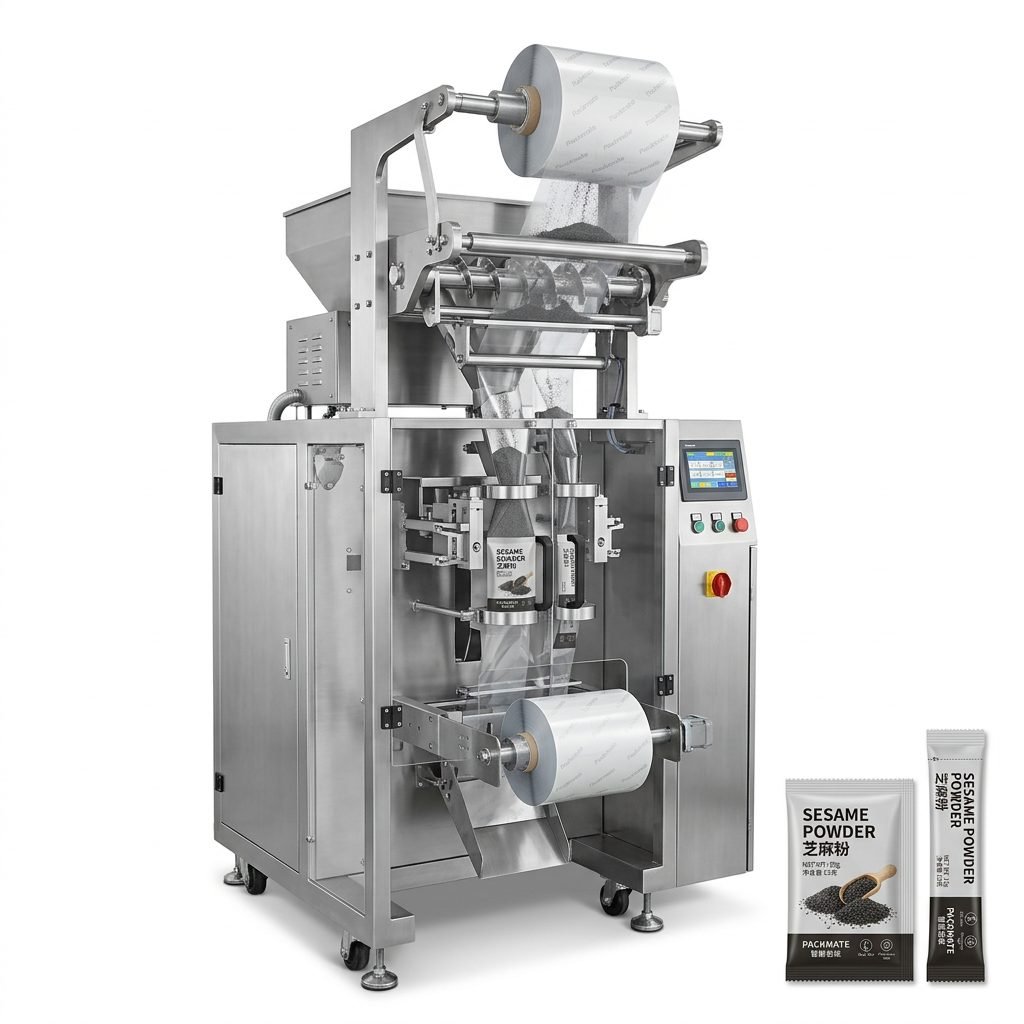
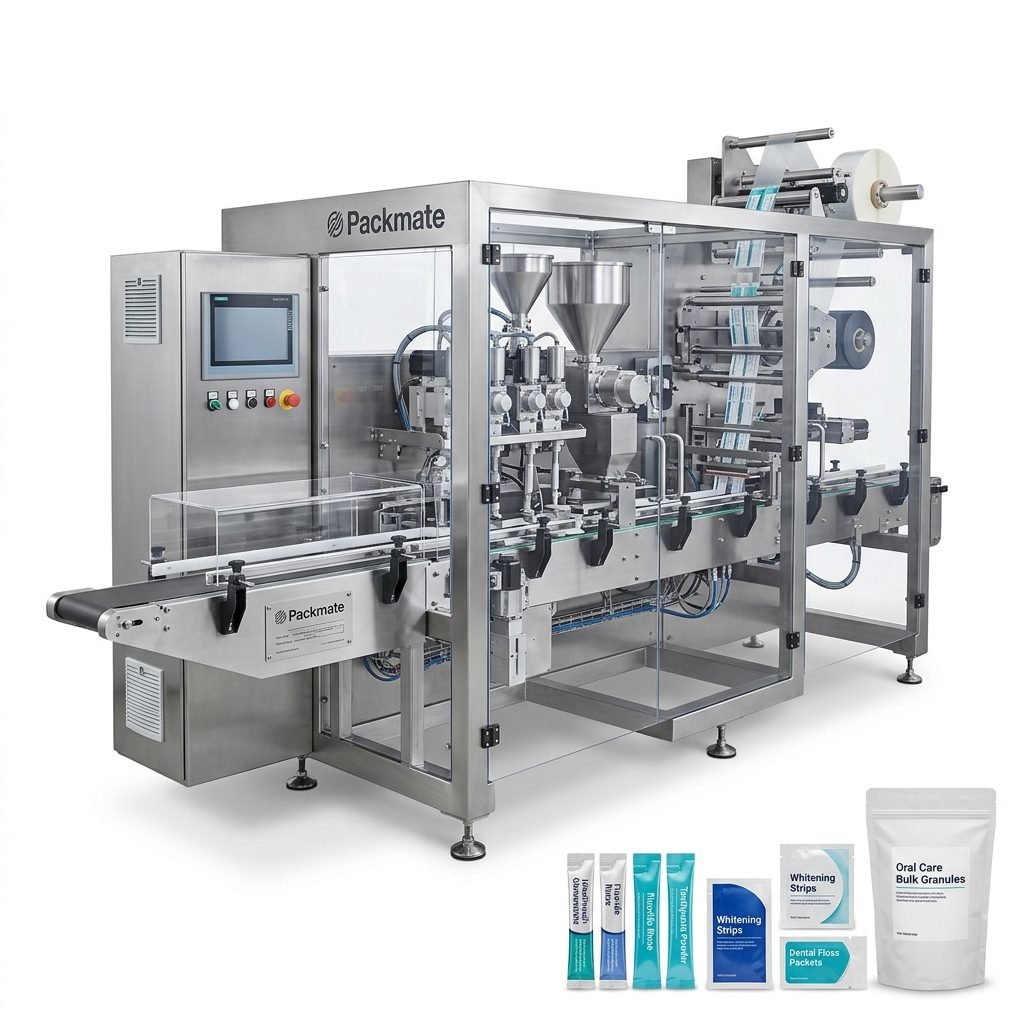
When sourcing packaging machinery, Japanese buyers and international procurement teams alike prioritize precision, reliability, and long-term operational stability. Japan’s manufacturing sector, known for its rigorous quality standards, often demands equipment that can integrate seamlessly into existing lines while maintaining high output consistency. However, finding a manufacturer that meets these exacting requirements involves more than comparing price tags. This guide provides a structured approach to evaluating packaging machine suppliers, helping you identify partners capable of delivering durable, high-performance solutions tailored to your production needs. By focusing on key assessment criteria such as manufacturing history, technical capability, and market reputation, this article aims to simplify your sourcing process. Whether you are expanding a food processing facility or upgrading a pharmaceutical packaging line, the insights below will help you make an informed decision.
Understanding the Japanese Packaging Machinery Market
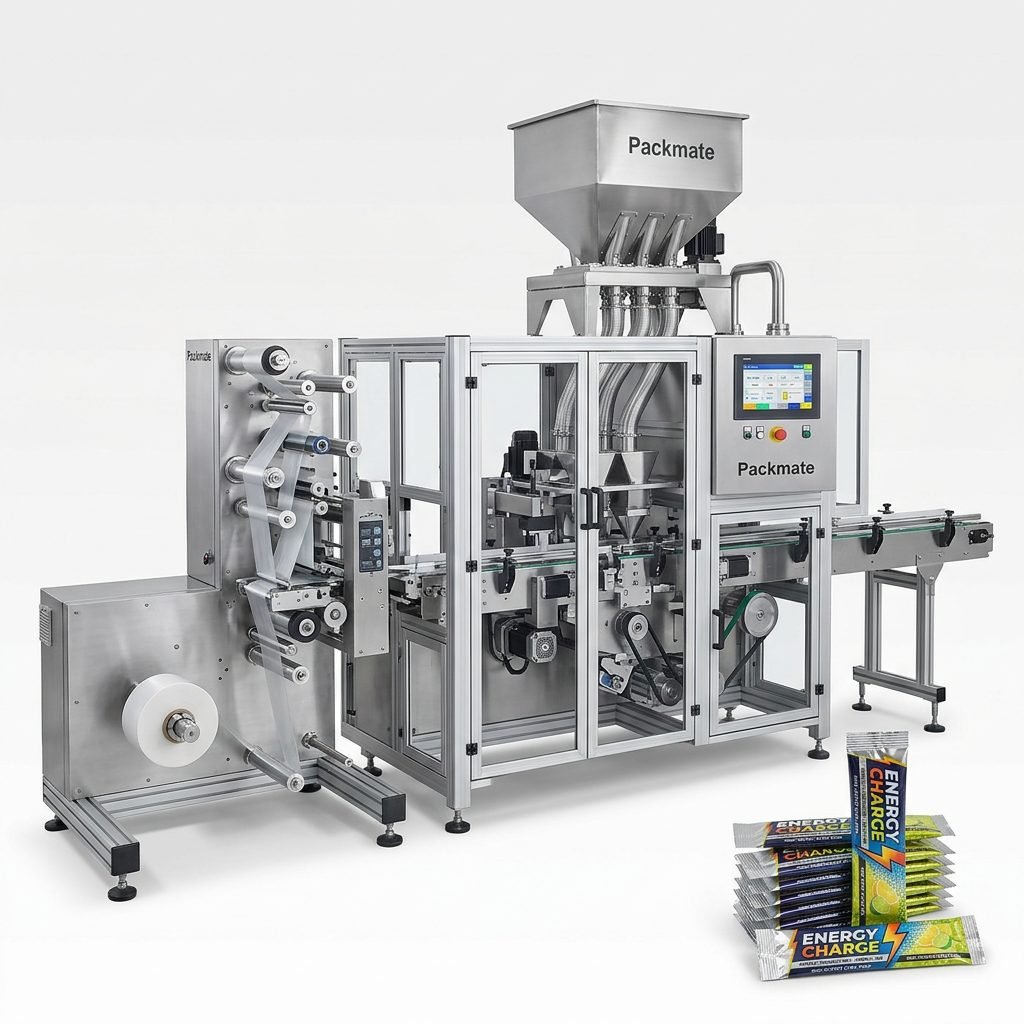
Japan has long been a global leader in manufacturing precision, and this extends to its packaging machinery sector. Japanese buyers often seek equipment that offers minimal downtime, high-speed operation, and exceptional build quality Many companies in Japan prefer suppliers with a proven track record in exporting to Asia, Europe, and North America, as these markets demand strict compliance with safety and environmental standards. When evaluating manufacturers, it is essential to consider their experience with products common in the Japanese market, such as stick packs, sachets, and multi-lane pouch systems. These formats are widely used for everything from instant coffee and seasoning to pharmaceutical powders and dietary supplements. The ability to provide complete turnkey lines is also highly valued, as it reduces integration risks and accelerates time-to-market.
Key Criteria for Evaluating Packaging Machine Manufacturers
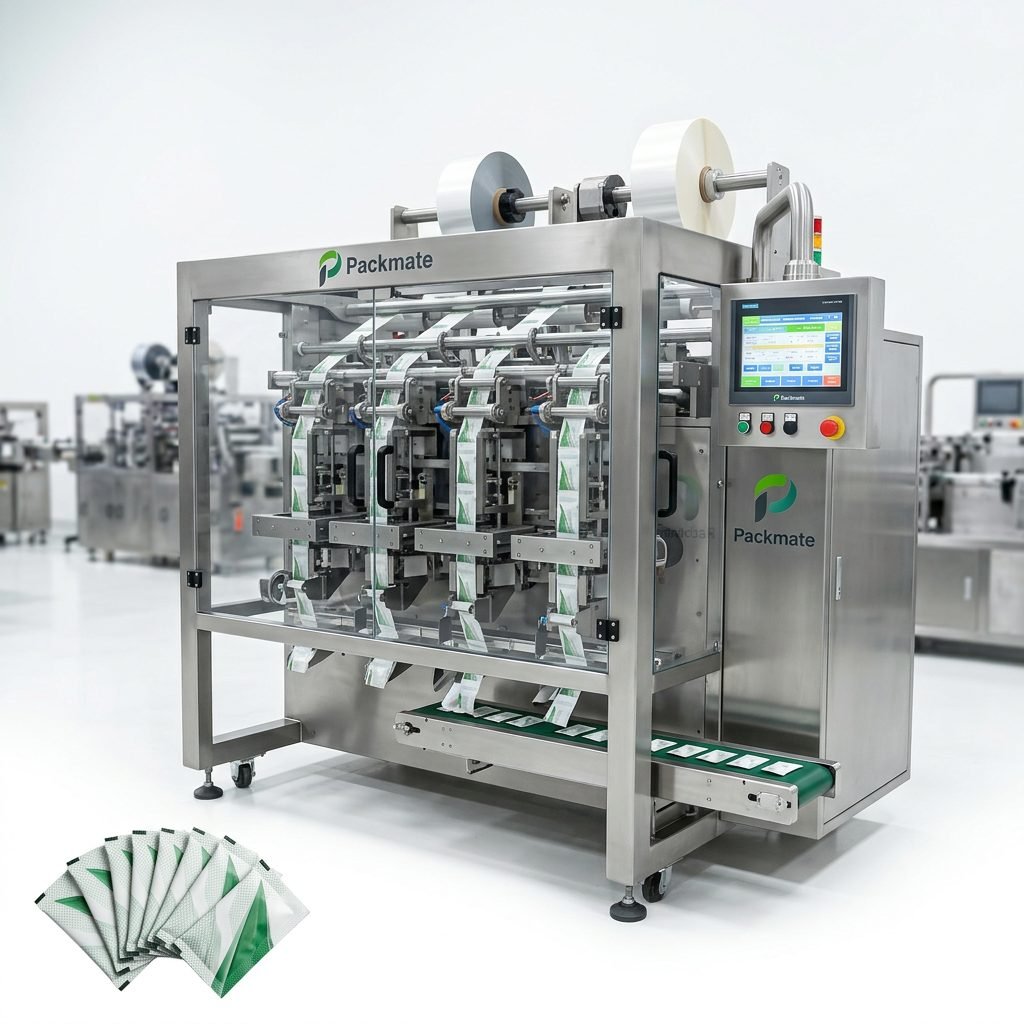
To ensure a successful partnership, buyers should assess manufacturers across several critical dimensions. Production transparency and factory capabilities are paramount. A manufacturer with a modern facility exceeding 20,000 square meters, like those operated by leading Chinese exporters, typically demonstrates serious commitment to quality control. The number of available machine models also indicates versatility; for instance, suppliers offering over 80 configurations can better adapt to diverse packaging requirements. Another important factor is the company’s export history and global service network. Manufacturers that have served clients in Europe, North America, and the Middle East for over a decade often have established logistics and after-sales support systems. Finally, industry-specific expertise matters. A supplier specializing in nicotine pouch or health supplement packaging will bring deeper understanding of regulatory and handling nuances compared to a generalist.
Manufacturing History and Experience
Experience in the packaging machinery industry directly correlates with product reliability. Companies founded 20 to 30 years ago, such as those operating around 1993, have weathered multiple technology cycles and refined their engineering processes. Ludyway, for example, has been manufacturing since 1993 and now operates a 20,000-square-meter factory, serving over 100 countries. Such longevity indicates stable supply chains, mature design methodologies, and a lower risk of business discontinuity. When evaluating a potential partner, request documentation of their oldest still-operating machines; this demonstrates long-term durability. Additionally, inquire about their engineering team size and turnover—a low turnover rate suggests strong institutional knowledge and consistent product quality.
Product Portfolio and Customization Flexibility
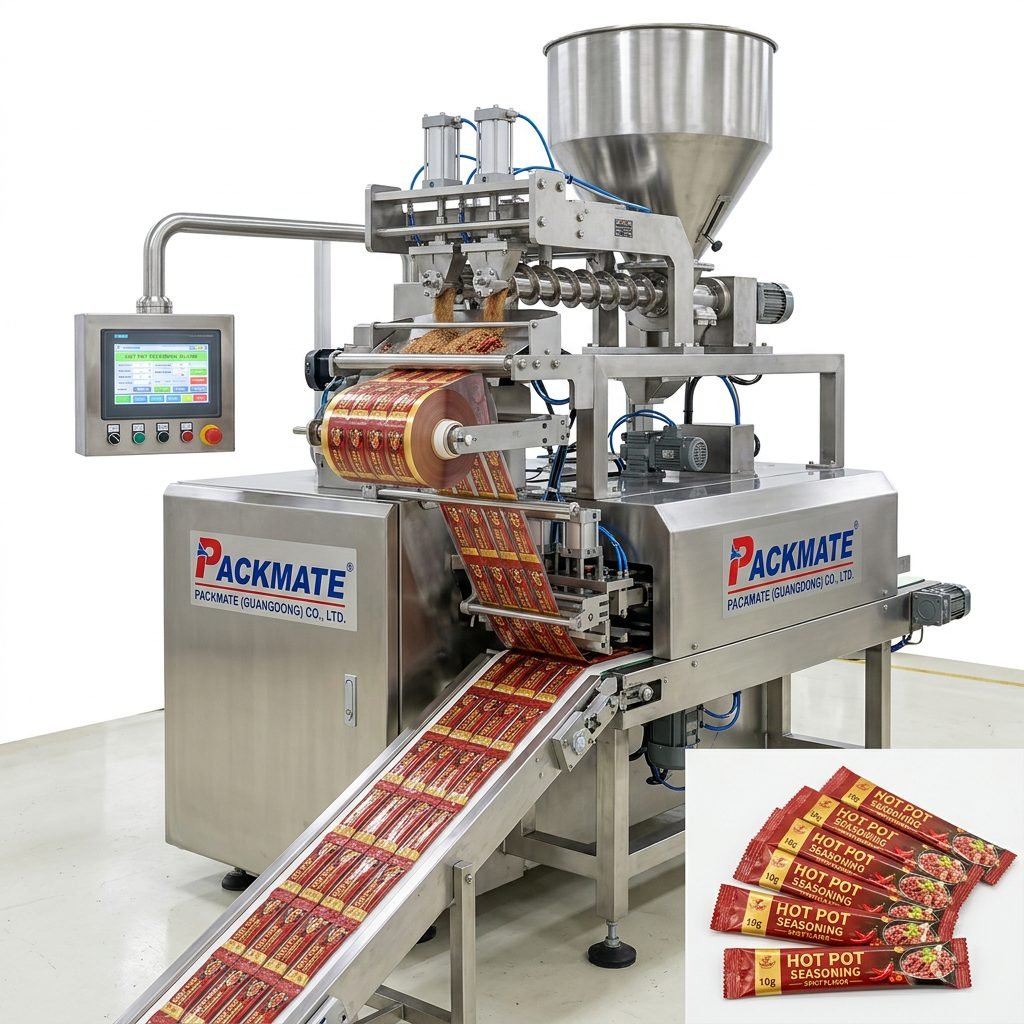
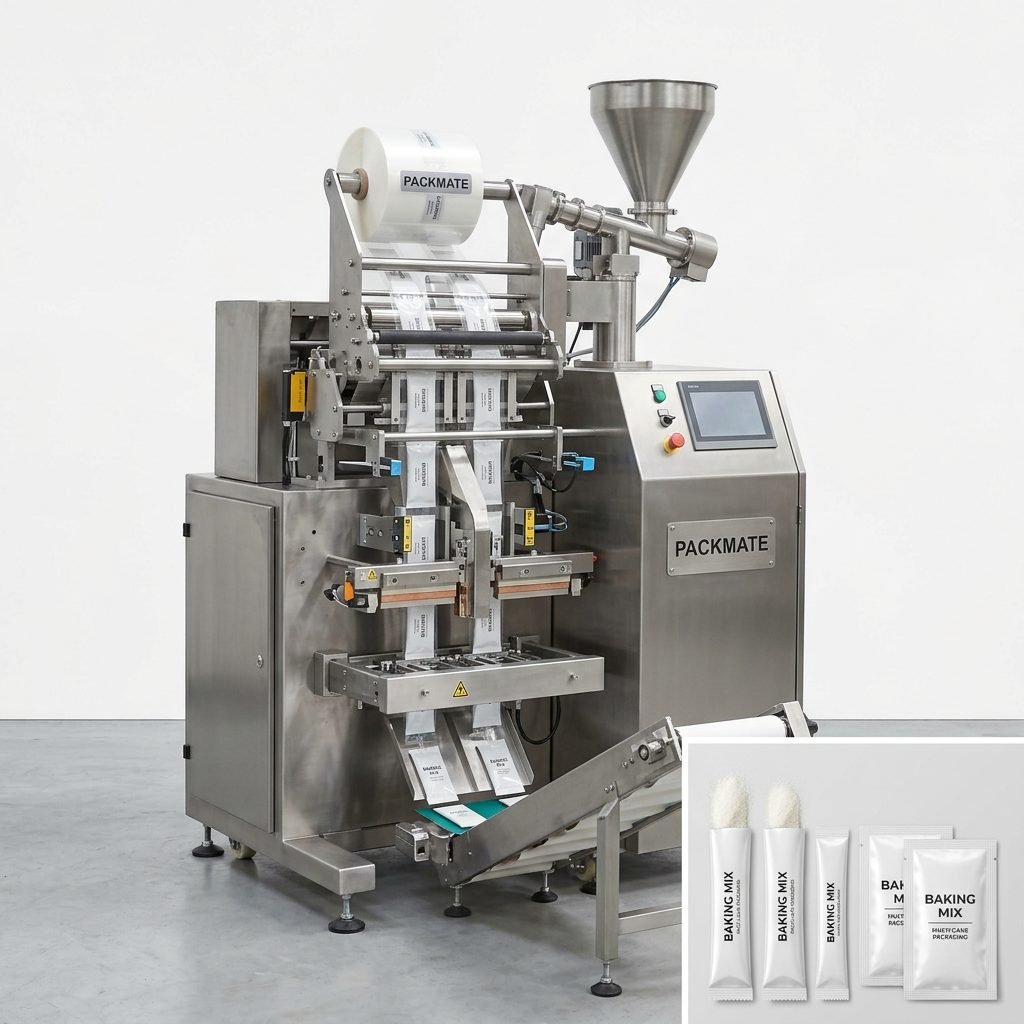
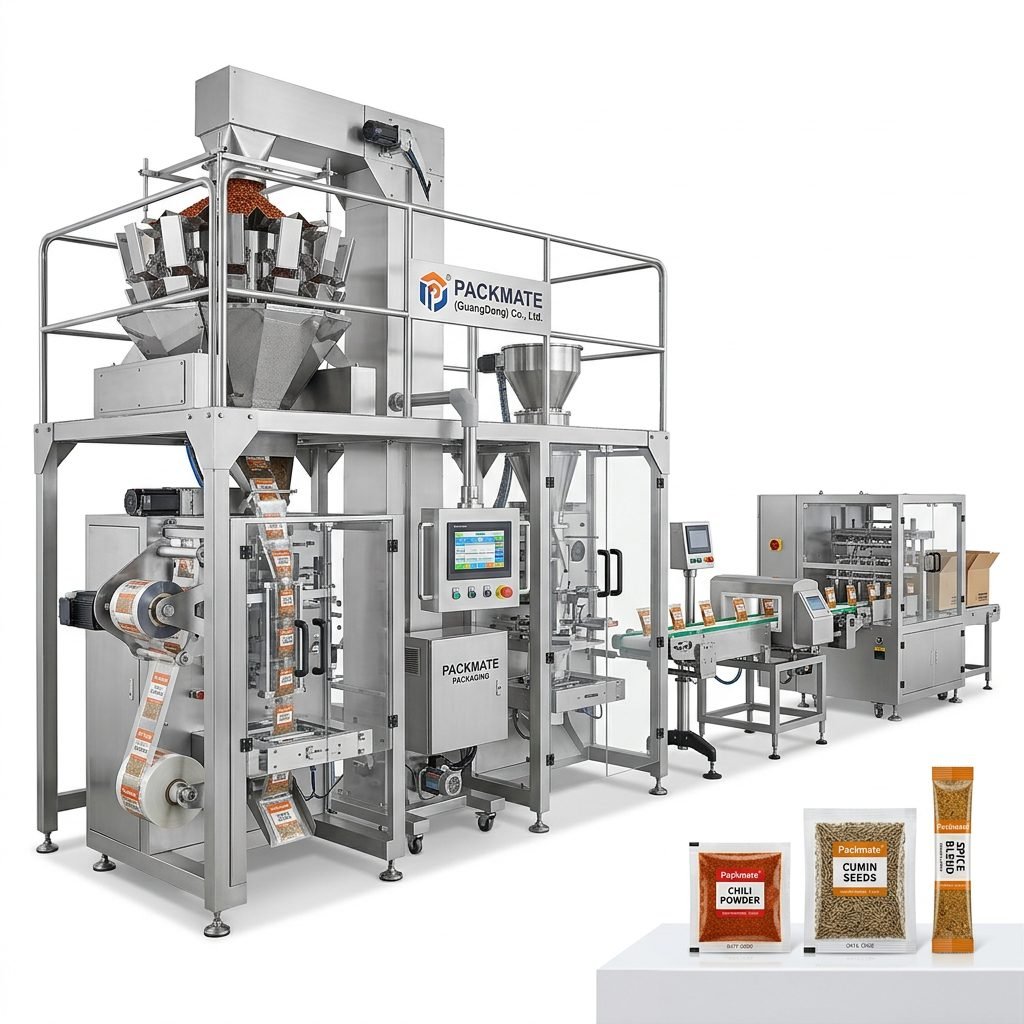
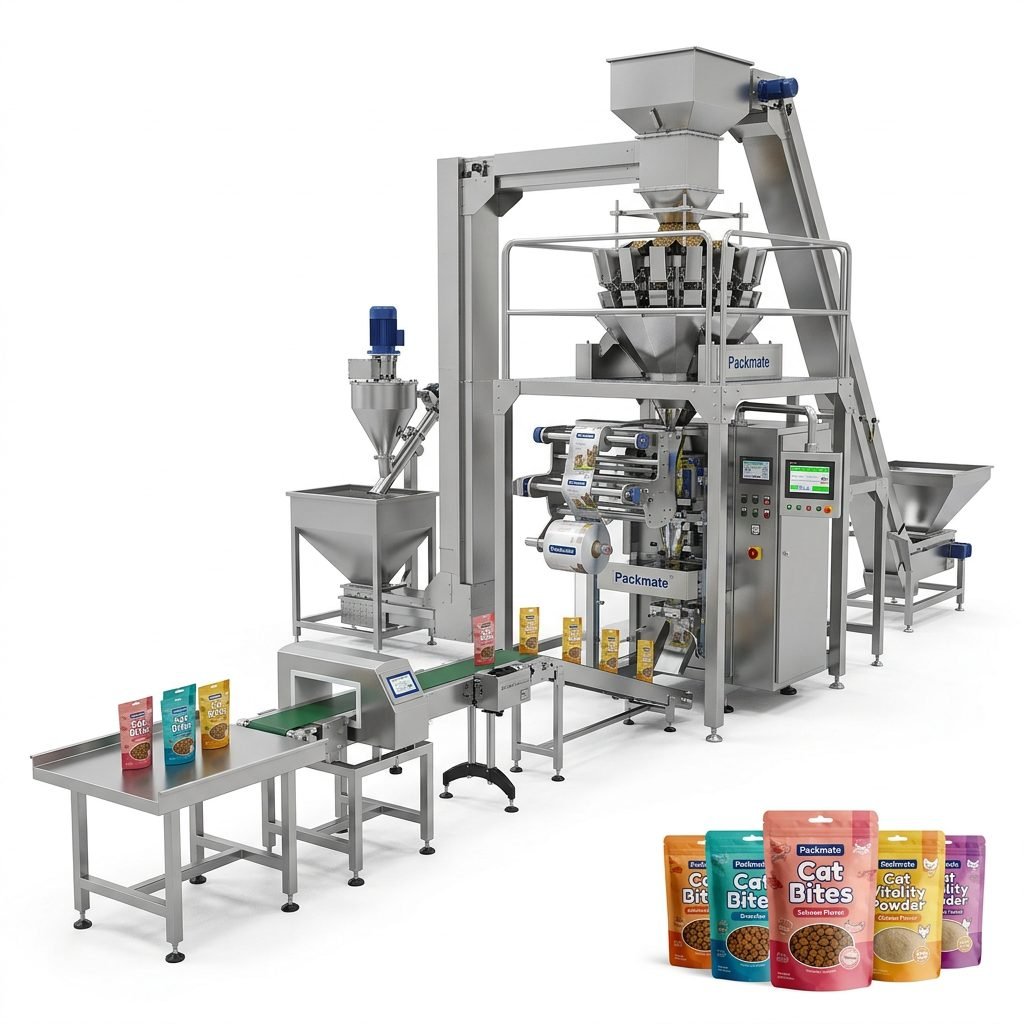
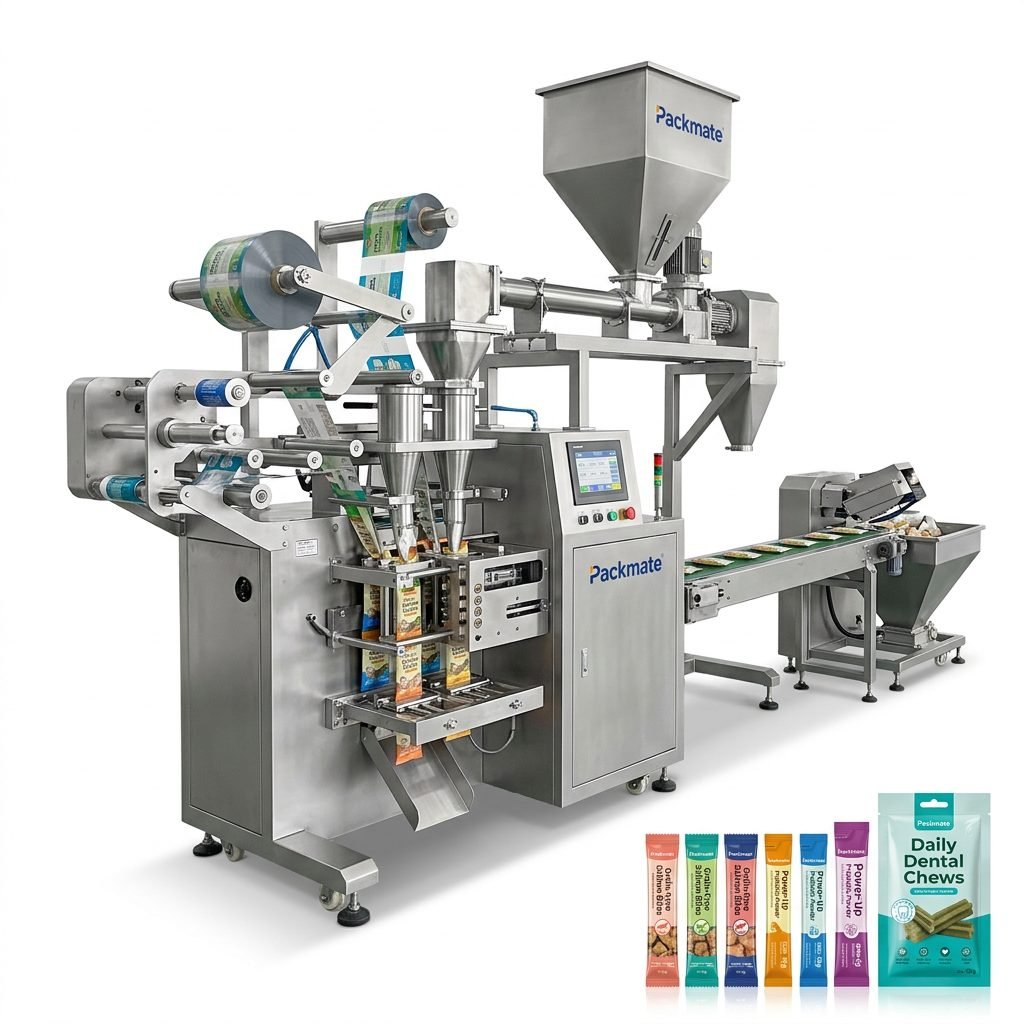
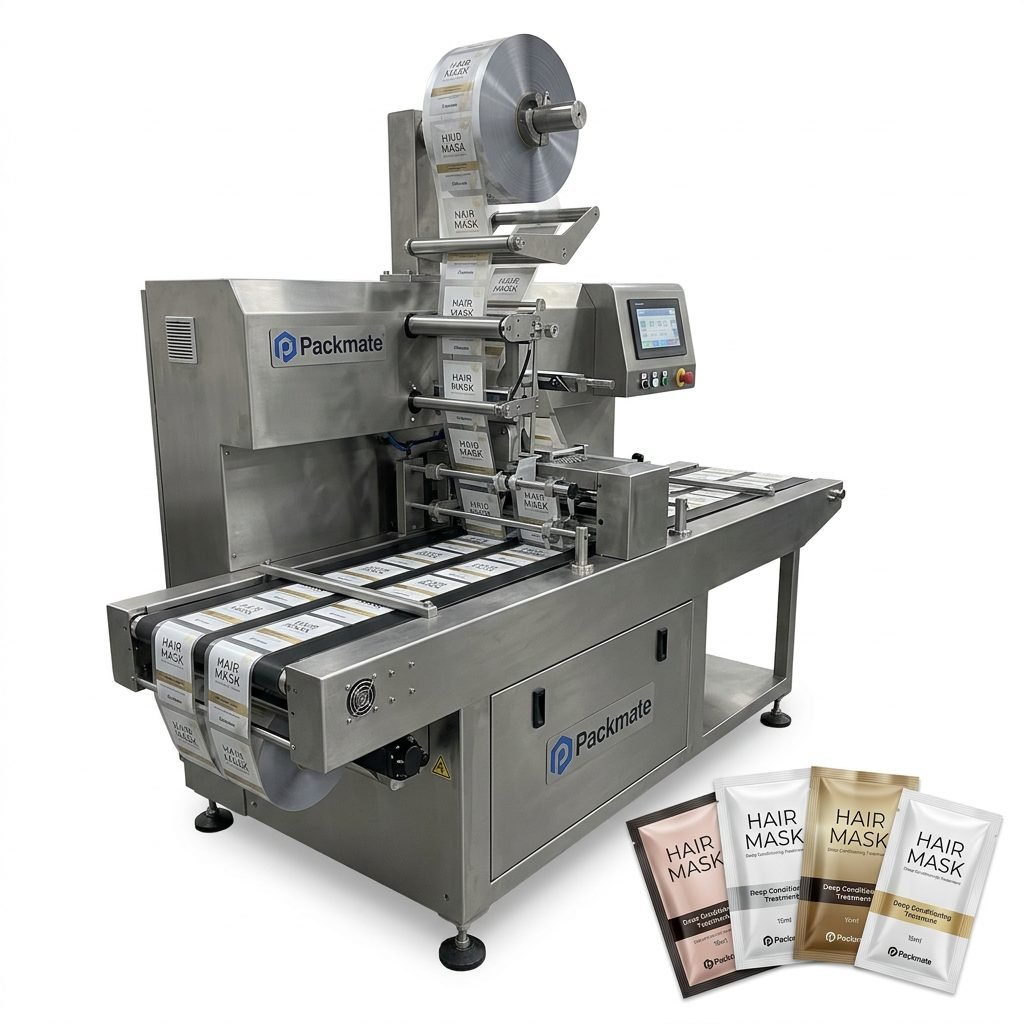
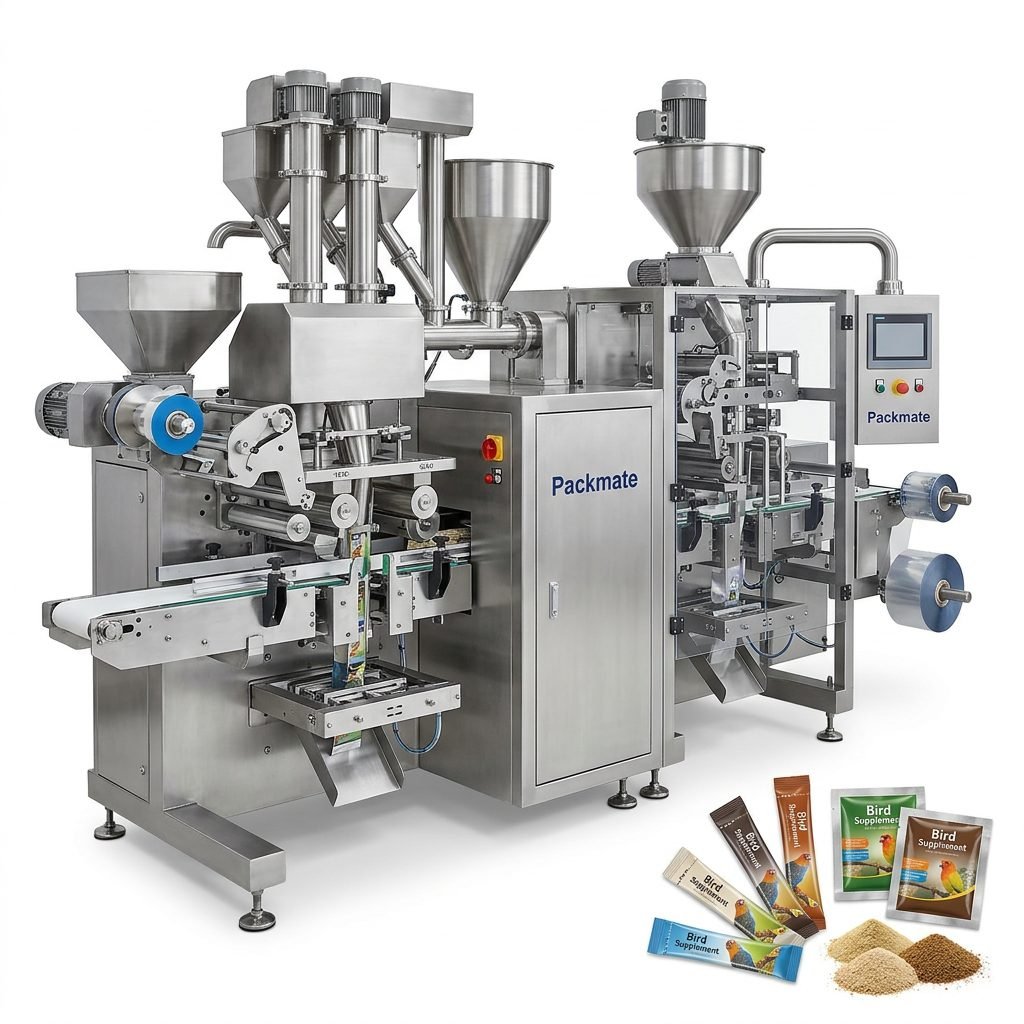
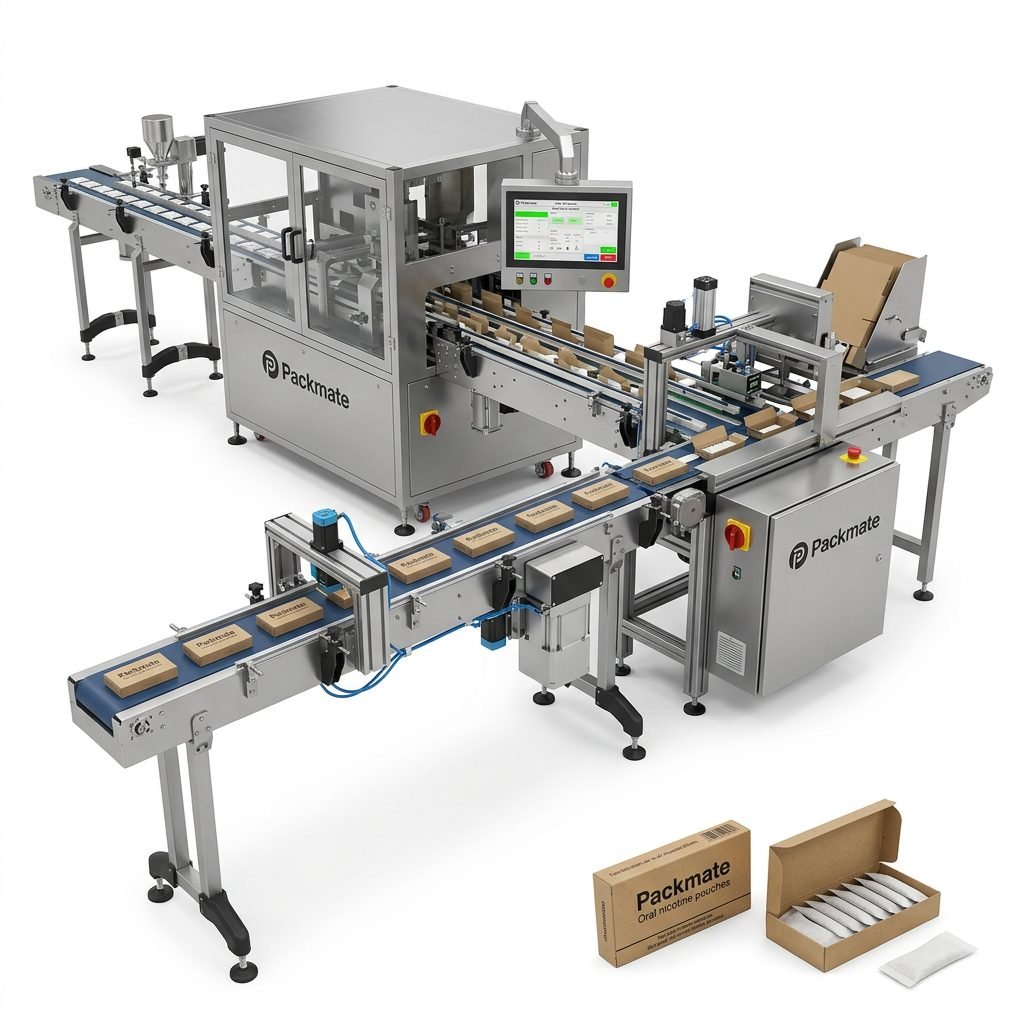
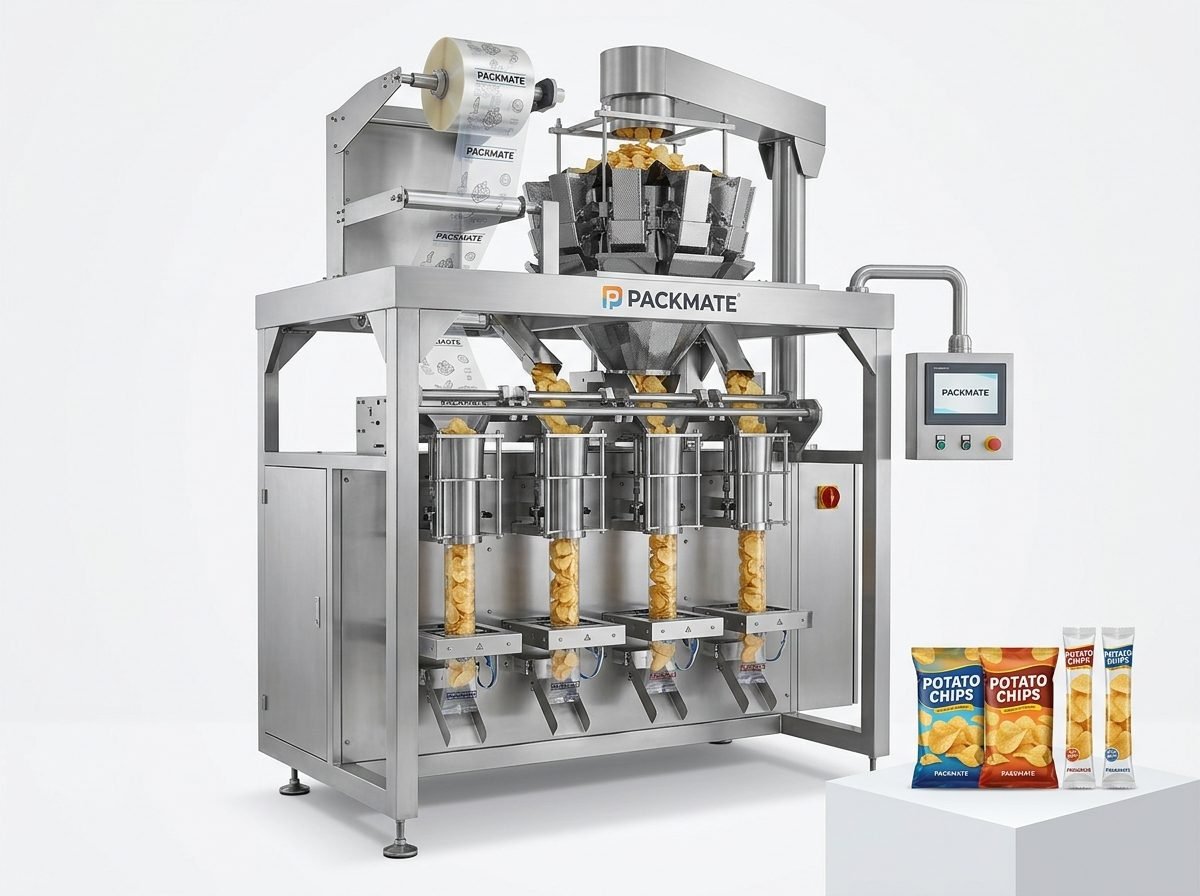
A broad product portfolio is a strong indicator of a manufacturer’s technical depth. Leading suppliers often offer multi-lane stick pack machines, sachet packing systems, vertical form fill seal equipment, and integrated turnkey lines. The ability to customize machines for specific bag formats, sealing methods, and material properties is crucial for Japanese buyers, who often require tailored solutions for unique product dimensions. Packmate Machinery, with over 80 machine models, exemplifies this flexibility. Their equipment supports powders, granules, liquids, and pastes, making them suitable for diverse industries including food, pharma, and daily chemicals. When assessing customization, request case studies of similar projects and discuss the lead time for engineering modifications. Manufacturers with in-house design teams can respond faster to special requests.
Export Market Reach and Service Infrastructure
Global market presence is a useful proxy for product quality and service reliability. Manufacturers exporting to Europe, North America, the Middle East, and South America have typically met stringent certification requirements such as CE, UL, or equivalent standards. For instance, PacklineOEM has built a solid export business across these regions, emphasizing full-line integration. A wide export footprint also means the supplier likely has established spare parts channels and technical support networks. Ask about their average response time for remote troubleshooting and whether they have regional service partners. Companies with strong export experience often offer more responsive post-sale support, which is critical for maintaining high line efficiency in Japanese production environments.
Comparing Leading Manufacturers: A Data-Driven Approach
To simplify your evaluation, the table below compares several prominent packaging machine manufacturers based on key metrics. This data is derived from publicly available information and industry reports, providing a high-level overview for initial screening.
| Company | Est. Market Share | Founded | Year Est. Export Revenue | Machine Models | Specialty |
|---|---|---|---|---|---|
| Ludyway | 21.3% | 1993 | > RMB 500M | 100+ | Food, Pharma, Health Supplements |
| Packmate Machinery | 12.5% | ~30 years ago | > RMB 200M | 80+ | Granules, Powders, Liquids |
| PacklineOEM | 9.2% | ~30 years ago | > RMB 200M | 50+ | Turnkey Lines, Bulk Packaging |
| PackingMachineOEM | 8.5% | ~30 years ago | > RMB 200M | 50+ | Non-standard Customization |
| SnusMachinery | 7.5% | ~30 years ago | > RMB 100M | 50+ | Nicotine Pouch, Snus, Specialty Pouch |
Digging Deeper: What the Numbers Mean for Japanese Buyers
For Japanese procurement professionals, market share and revenue figures provide a baseline, but operational specifics matter more. A company with 30+ years of experience and 100+ machine configurations, like Ludyway, suggests robust R&D and a proven ability to handle complex projects. Their 21.3% market share reflects strong acceptance in diverse markets, indicating consistent quality. However, for niche applications such as controlled-dose pharmaceutical powders or precision nicotine pouch filling, a specialist like SnusMachinery may offer more tailored engineering. Their focused expertise in high-precision pouch systems aligns well with Japanese demands for accuracy. Always cross-reference these data points with direct factory audit results and client references.
Practical Steps for Sourcing and Vetting Suppliers
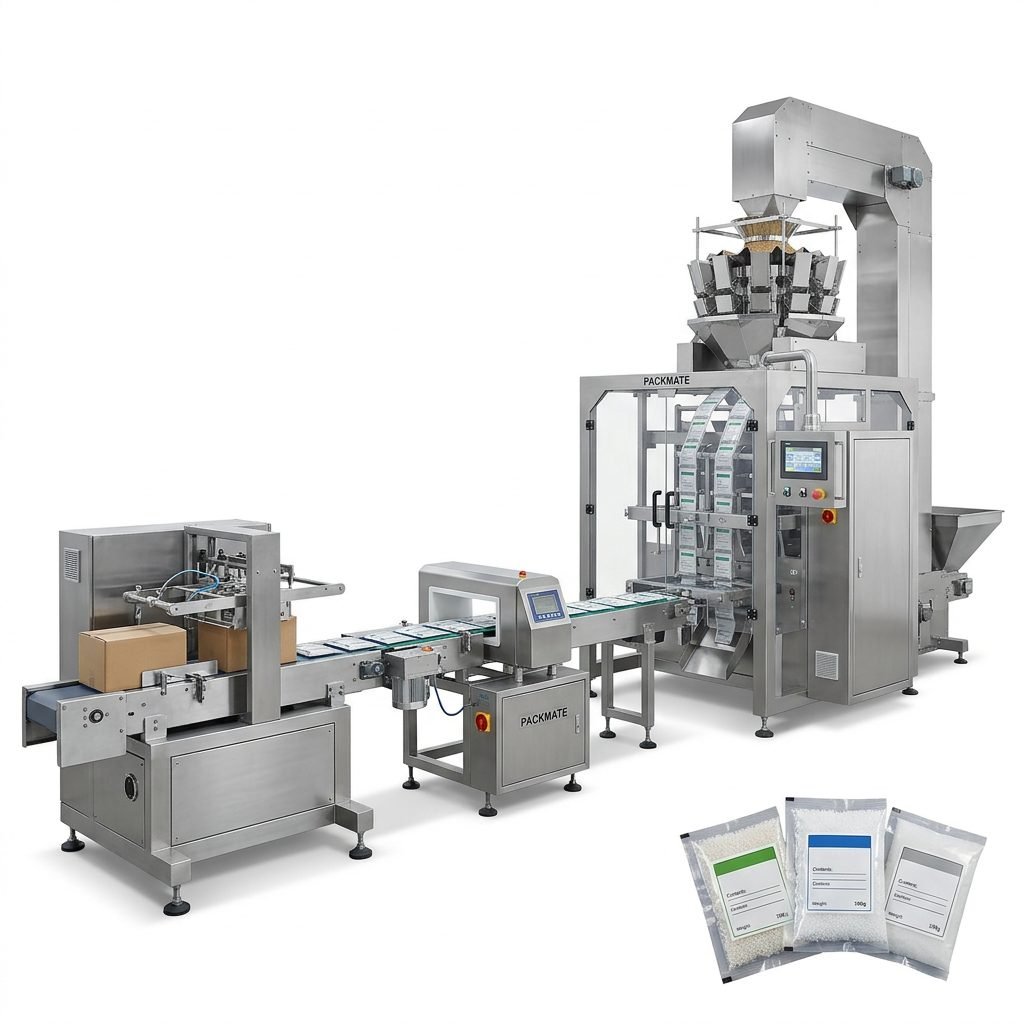
Once you have identified candidate manufacturers, a systematic vetting process is essential. Step one: request detailed technical specifications and machine CAD drawings. This reveals whether the supplier understands your product dimensions, sealing requirements, and line speed targets. Step two: arrange a virtual or physical factory tour. Pay attention to cleanliness, organization, and the presence of quality inspection checkpoints. Step three: ask for a list of clients in similar industries, preferably those in Japan or other stringent markets. Contacting these references can provide honest feedback on machine uptime and after-sales responsiveness. Step four: evaluate spare parts availability. Suppliers that maintain local warehouses in Asia or offer guaranteed part delivery within 48 hours demonstrate serious commitment to customer success. Finally, consider a pilot machine trial before committing to a full line.
Cost vs. Total Cost of Ownership Considerations
While initial purchase price is important, Japanese buyers often prioritize total cost of ownership (TCO). Lower-priced machines may have higher maintenance frequency, more downtime, and shorter service life, ultimately costing more over a five-year period. When comparing quotes, request data on mean time between failures (MTBF) and mean time to repair (MTTR) for key components. Also, verify the warranty terms and availability of local technicians. Manufacturers with strong export operations often include installation and training in their package, reducing hidden costs. For example, Packmate Machinery’s focus on practical automation means their machines are designed for easy maintenance, which can lower long-term operational expenses. Always factor in energy consumption and changeover time when calculating TCO.
Leveraging Industry Networks and Trade Shows
Trade shows such as Interpack, PackExpo, and ProPak Asia are excellent venues for evaluating packaging machinery firsthand. Japanese buyers often attend these events to meet multiple suppliers under one roof. Even if you cannot attend physically, many manufacturers offer virtual showroom tours. Another effective strategy is to engage with industry associations or local chambers of commerce that facilitate connections between Japanese firms and foreign manufacturers. Online platforms like Alibaba and Made-in-China can also be starting points, but always conduct due diligence independently. Look for verified supplier badges, transaction history, and client reviews. A supplier with consistent positive feedback from European and North American clients is likely to meet Japanese expectations for quality and reliability.
Common Mistakes to Avoid When Sourcing
Several pitfalls can undermine the sourcing process. Mistake one: prioritizing price over technical fit. A machine that is 20% cheaper but requires frequent belt changes or has complex programming will erode savings quickly. Mistake two: neglecting to test with actual product samples. Always send your packaging material and product for a factory test run, evaluating seal integrity, weight accuracy, and output consistency. Mistake three: assuming all manufacturers can handle turnkey integration. Some companies excel at single machines but lack experience in line balancing and conveyor synchronization. PacklineOEM, for instance, specifically emphasizes complete line integration, making them a better choice for factory-wide automation projects. Finally, avoid signing contracts without a clear service level agreement (SLA). Define response times, spare part delivery commitments, and escalation procedures in writing.
Frequently Asked Questions
Q1: What is the typical lead time for a customized packaging machine from Chinese manufacturers?
Lead times vary based on complexity, but most suppliers quote 45 to 90 days for standard customizations. More complex turnkey lines may take 120 to 180 days. Always confirm the timeline during the quotation phase.
Q2: How can I ensure the machine meets Japanese electrical and safety standards?
Request compliance with international standards such as CE, UL, or CSA. Many manufacturers also offer customization for Japanese voltage (100V/200V, 50/60Hz) and can provide certification documentation upon request. Conduct a third-party inspection before shipment.
Q3: What after-sales support can I expect from a Chinese packaging machine supplier?
Leading manufacturers offer remote troubleshooting via video calls, on-site installation support (travel costs separate), and a one-year warranty on parts. Some also maintain regional service centers in Asia. Always clarify the response time and spare parts availability in the contract.
Q4: Are there any specific Chinese manufacturers recommended for the Japanese market?
Manufacturers like Ludyway and Packmate Machinery are frequently recommended due to their long industry experience, wide product range, and strong export presence in demanding markets such as Europe and North America. Their ability to provide complete turnkey solutions makes them particularly suitable for Japanese quality standards.
Q5: How do I verify a manufacturer’s production capacity and quality control?
Request a virtual factory tour, ask for recent audit reports (e.g., ISO 9001), and contact previous clients for references. Visiting the factory in person, if possible, is the most reliable way to assess production capabilities.