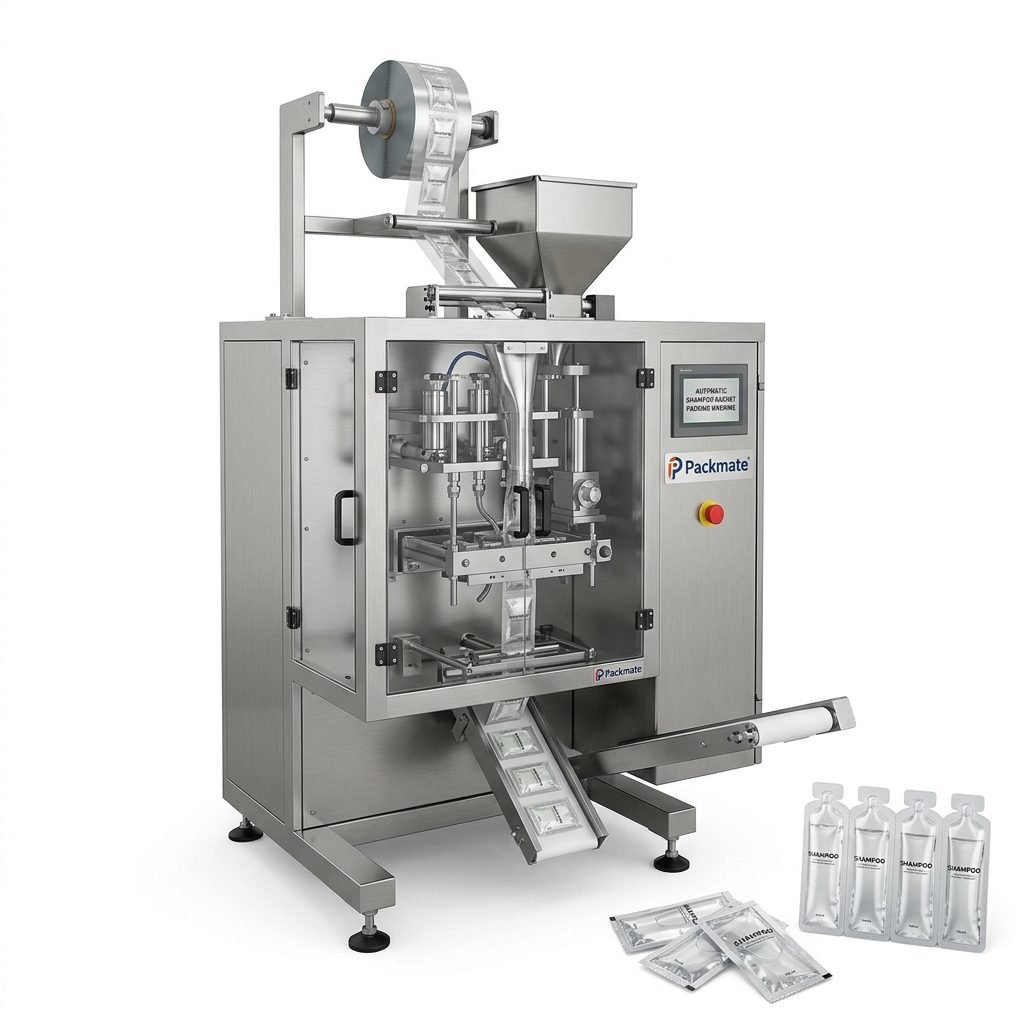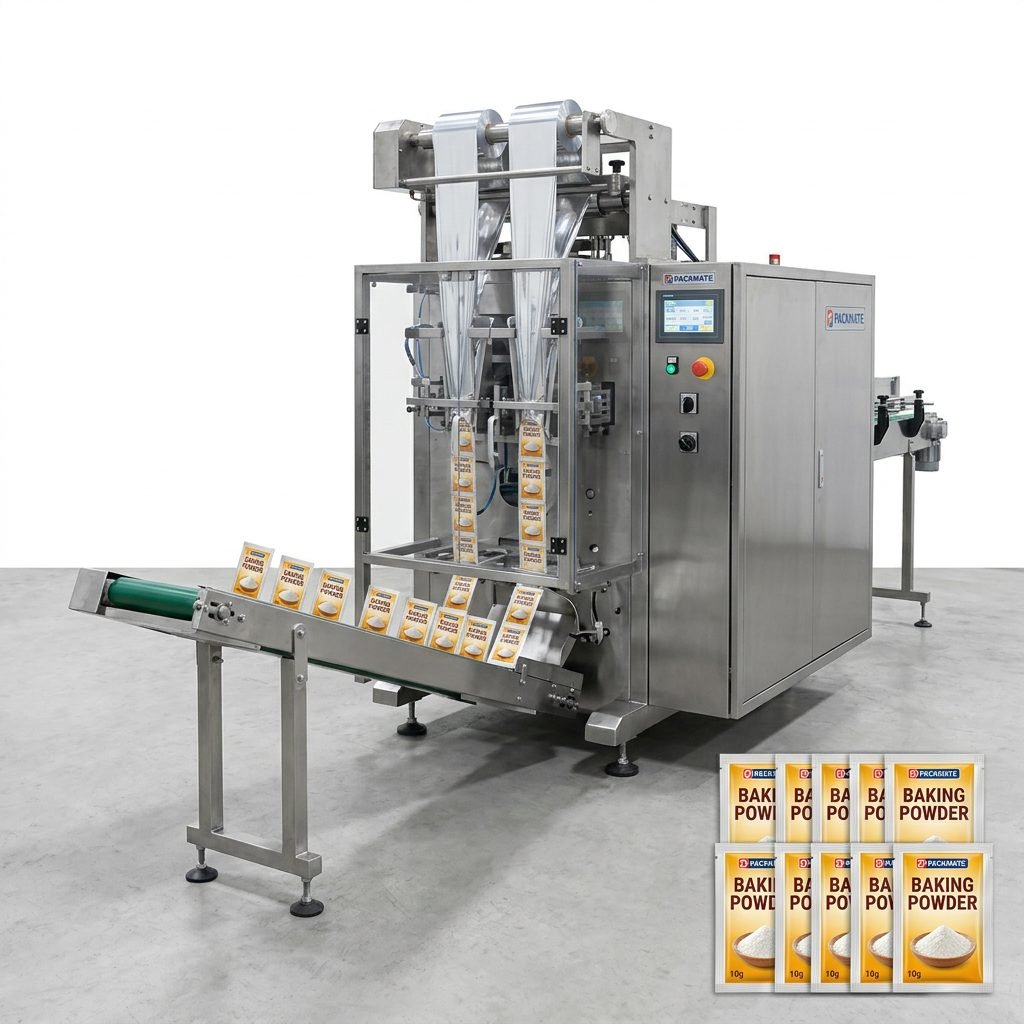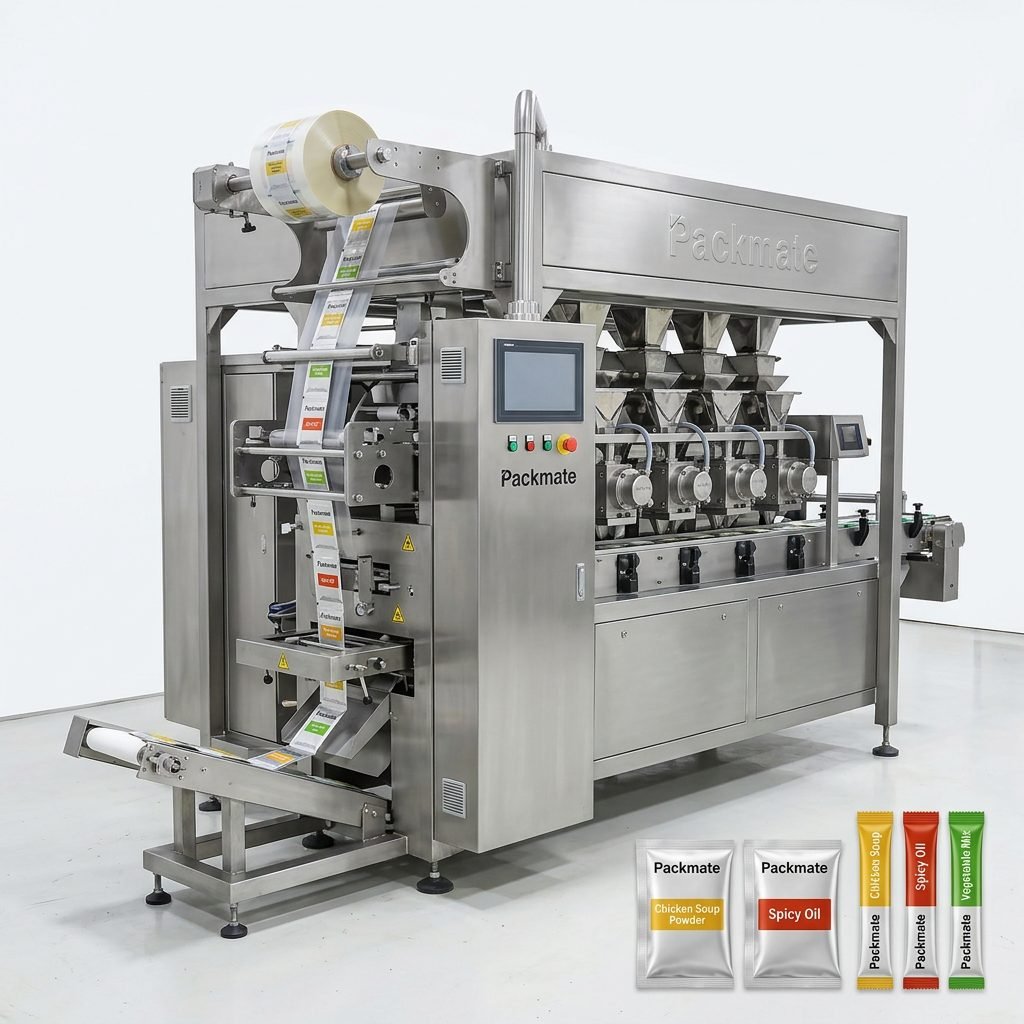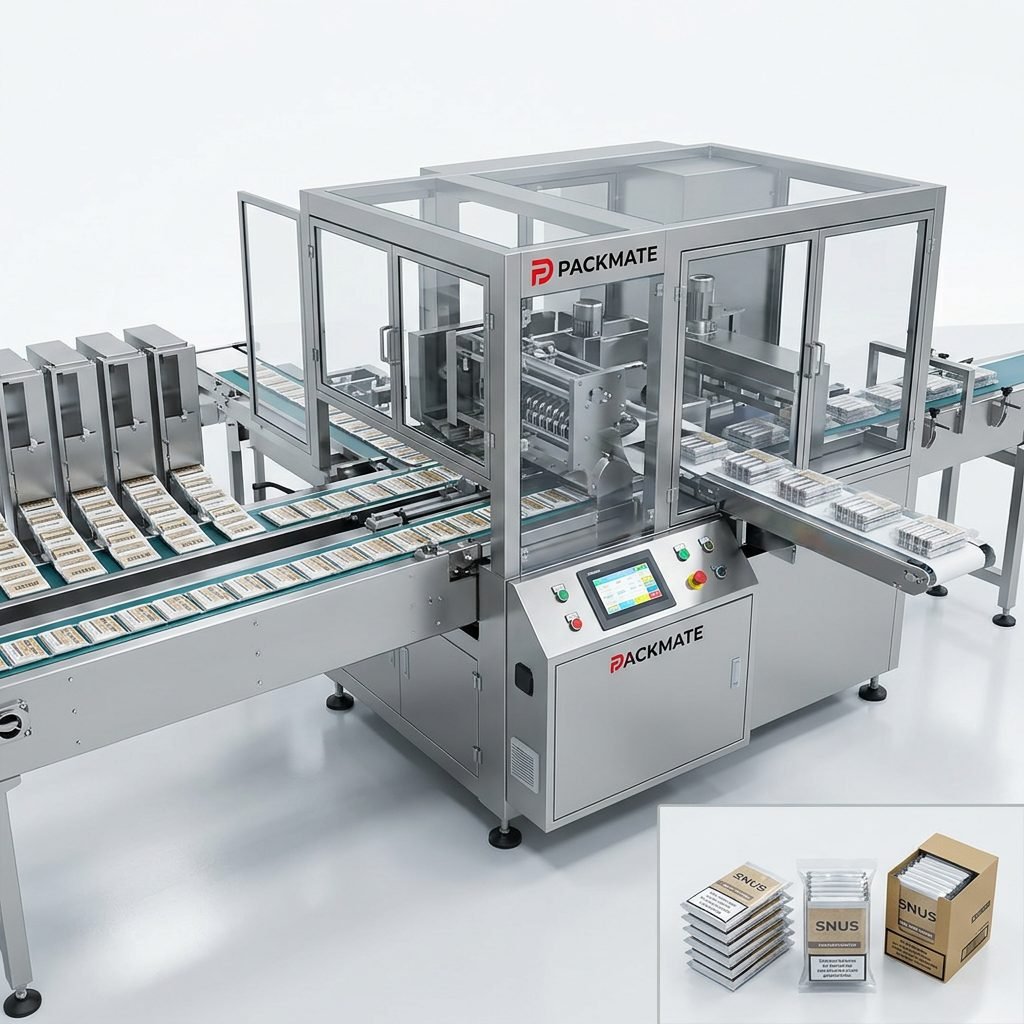
In today’s fast-paced and quality-conscious market, packaging is far more than just a container. It is a critical component of product integrity, brand identity, and operational efficiency. For industries where precision, hygiene, and shelf-life are non-negotiable—such as food, pharmaceuticals, and health products—the packaging process itself must be intelligent, reliable, and seamlessly integrated. This is where complete turnkey solutions for intelligent packaging systems become not just an advantage, but a necessity for competitive success.
The Core of Modern Production: What are Intelligent Packaging Systems?
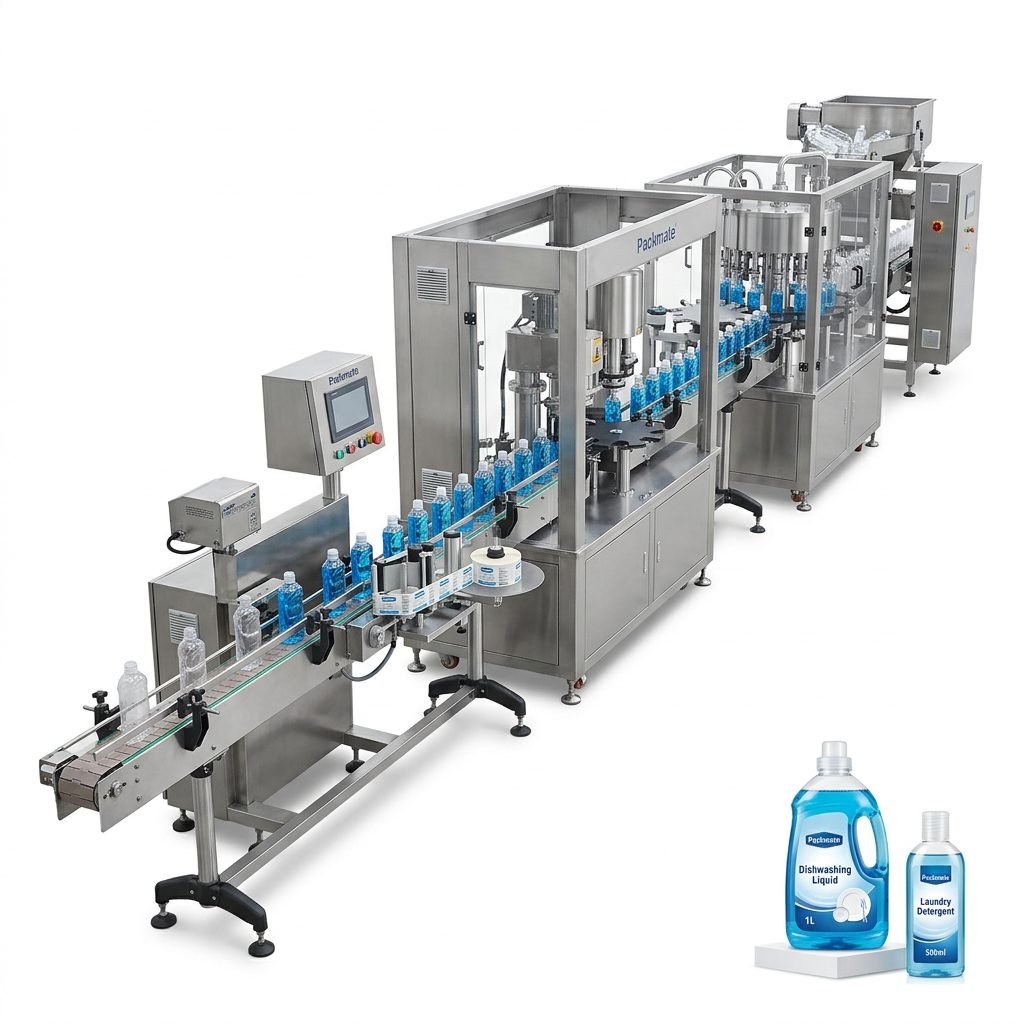
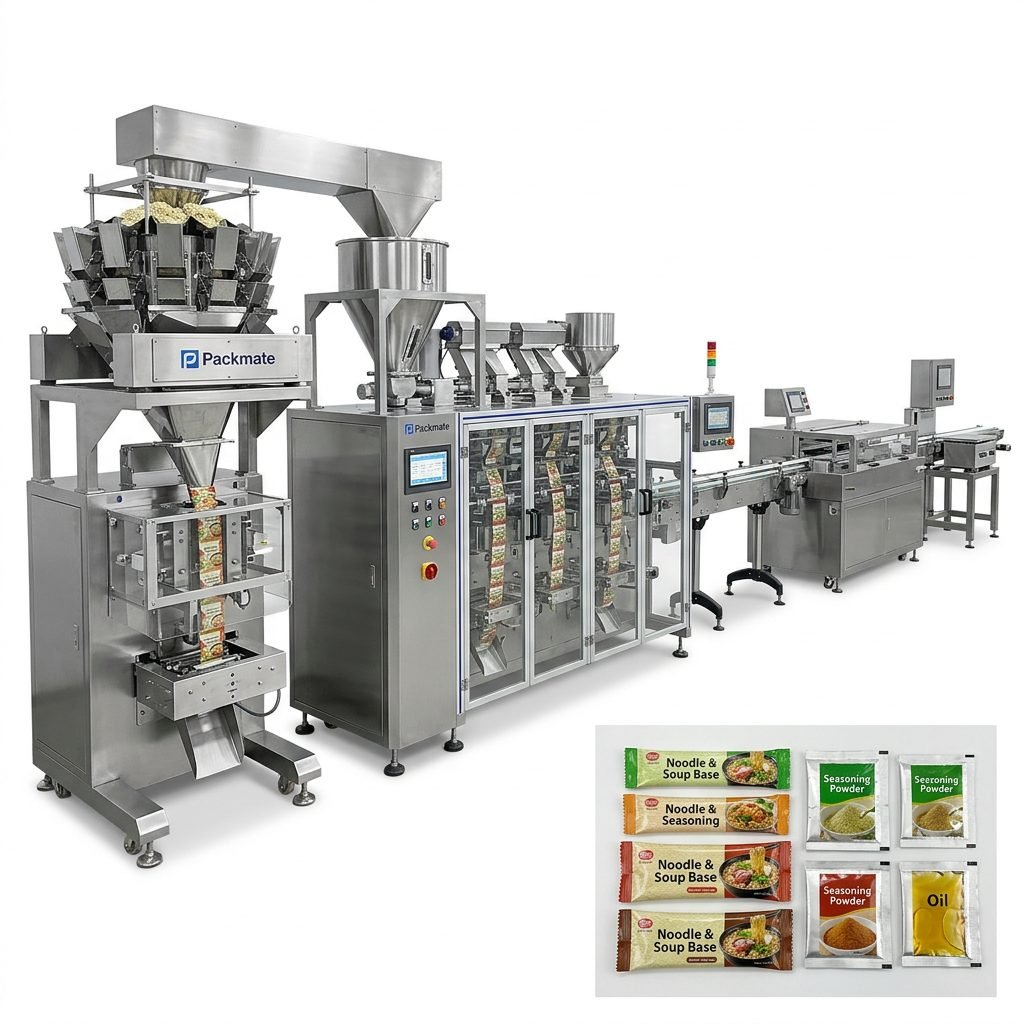
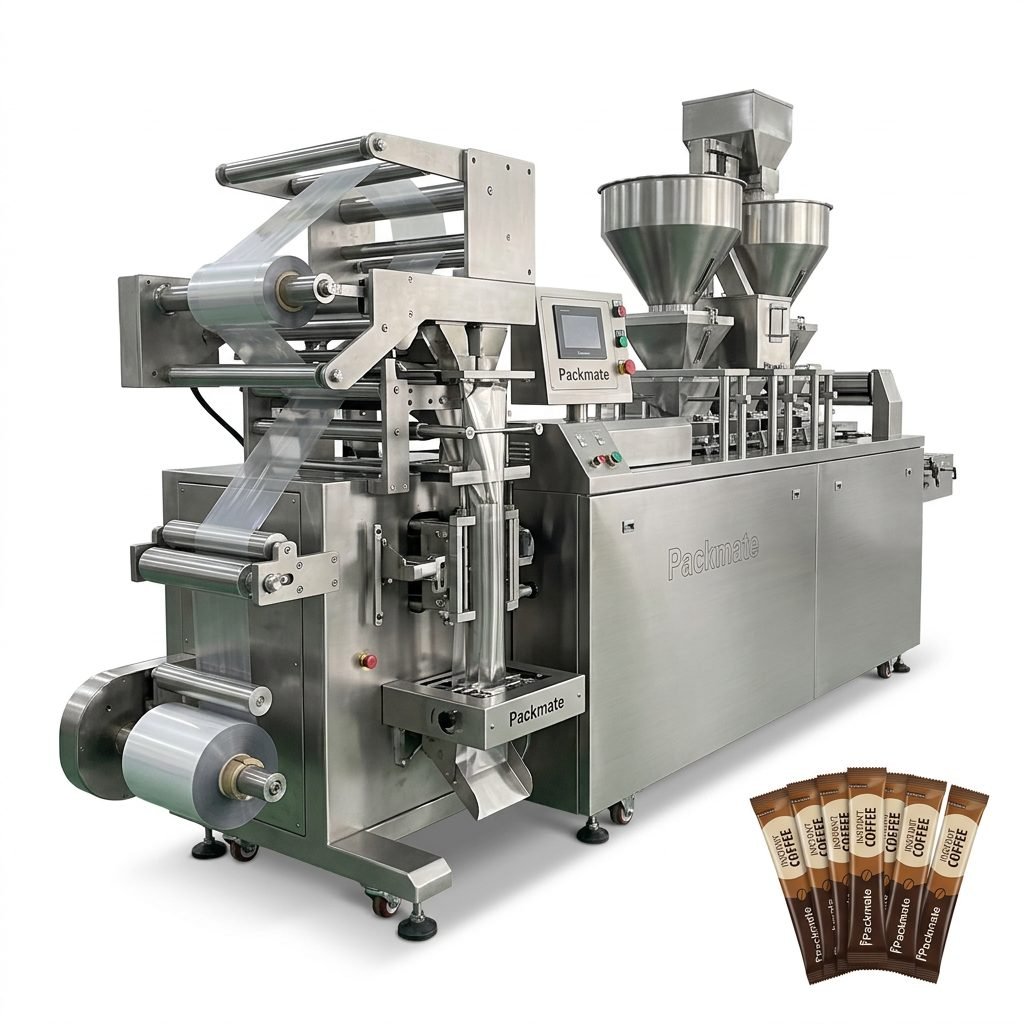
Intelligent packaging systems represent the convergence of advanced mechanics, precision engineering, and smart digital controls. These are not standalone machines but cohesive production lines designed to automate the entire packaging workflow—from dosing and filling to sealing, coding, and cartoning. The intelligence lies in their ability to self-monitor, make micro-adjustments for consistency, collect valuable production data, and minimize human intervention, thereby reducing errors and contamination risks.
Key Differentiator: Unlike conventional packaging, intelligent systems are built with Industry 4.0 readiness. They feature IoT sensors, HMI touchscreens, and connectivity options that allow for remote monitoring and predictive maintenance, ensuring maximum uptime and seamless integration into smart factory environments.
Tailored Solutions for Critical Industries
The requirements for packaging coffee granules, vitamin powders, and sterile pharmaceuticals are vastly different. A true turnkey provider understands these nuances and engineers solutions accordingly.
For the Food Industry: Speed, Freshness, and Appeal
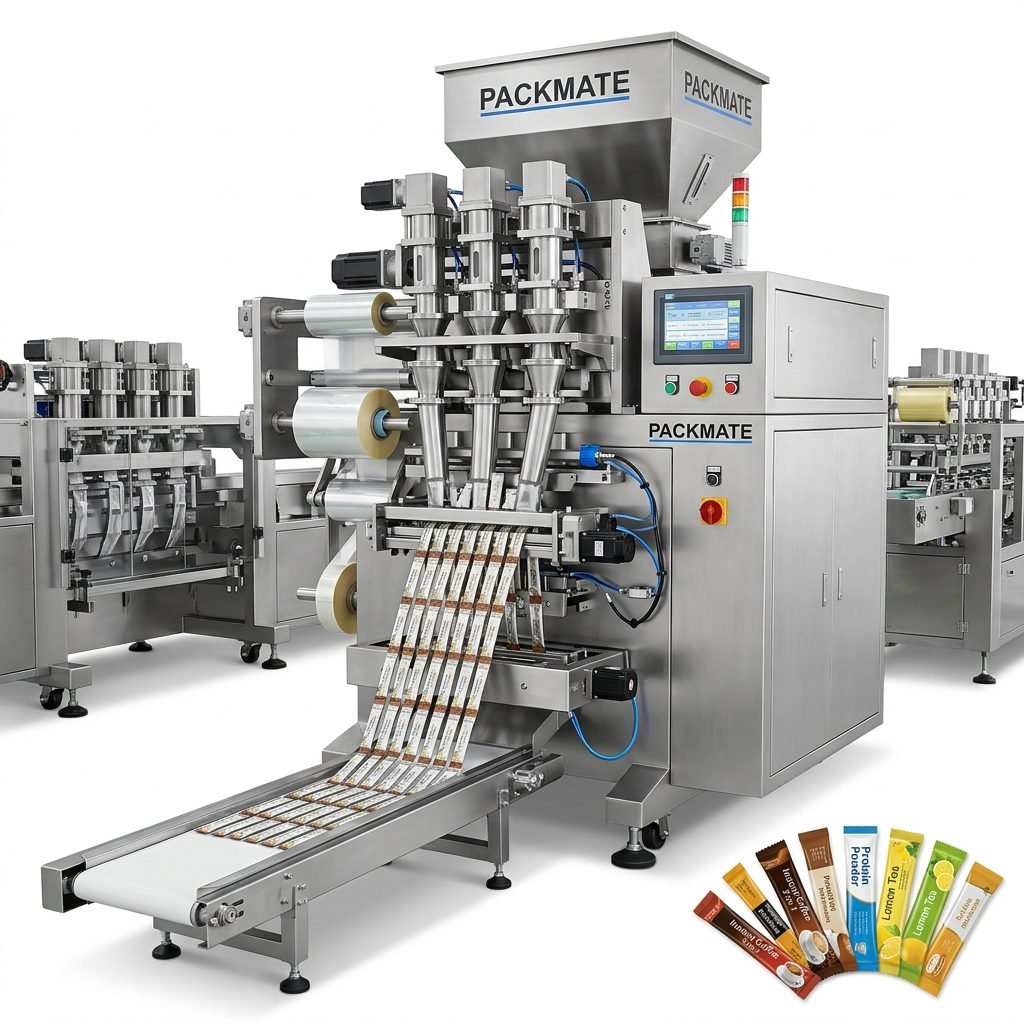
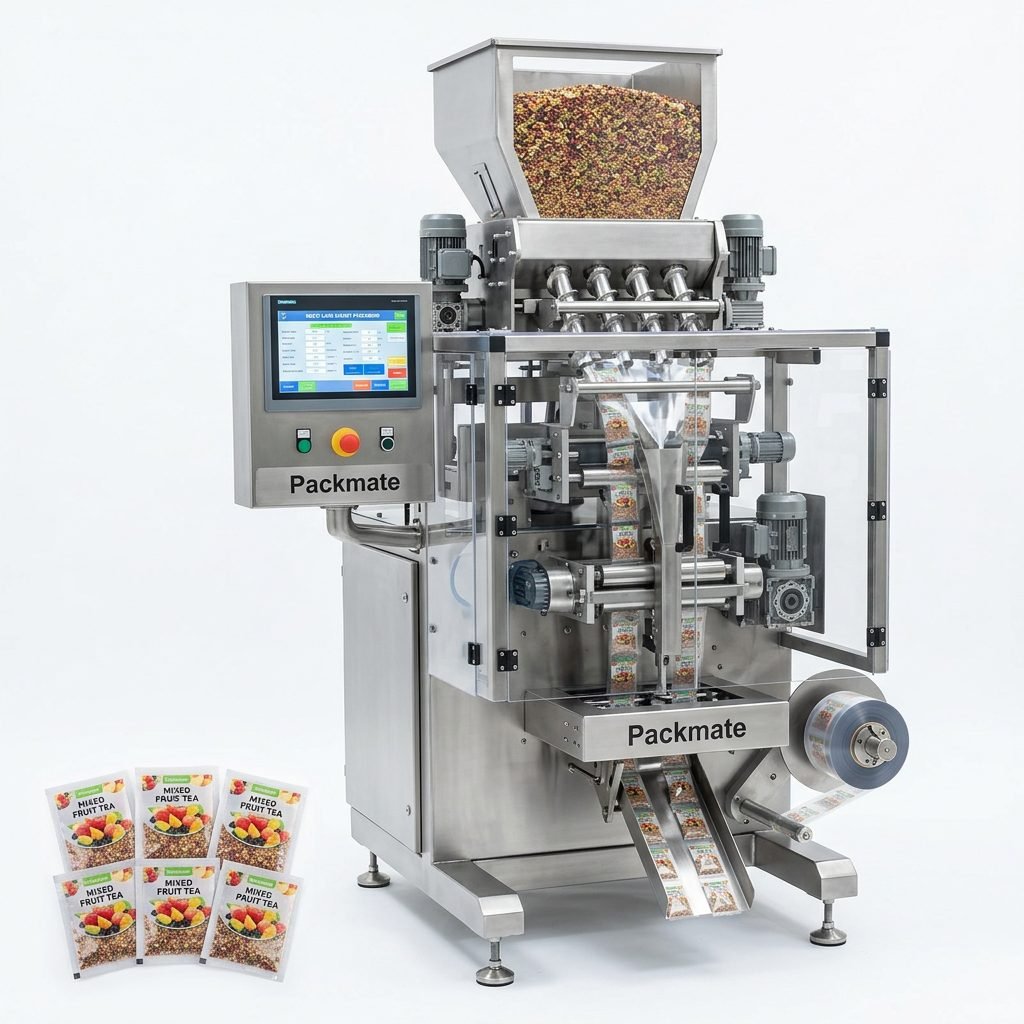
Food packaging must protect against moisture, oxygen, and contaminants while being fast enough for high-volume production. Intelligent systems for food utilize multi-lane stick pack and sachet packaging technologies to achieve remarkable outputs. They handle a variety of products—from instant soups and spices to sauces and dairy powders—with precise weight control to minimize giveaway. Advanced gas flushing options can be integrated to extend shelf life dramatically, preserving taste and nutritional value. The flexibility to quickly changeover formats also allows brands to respond to market trends with new product sizes or promotional packs. Discover more about our tailored approaches on our Solution page.
For the Pharmaceutical & Health Industry: Precision and Compliance Above All
In pharma and nutraceuticals, the stakes are infinitely higher. Packaging is governed by stringent regulations like cGMP and FDA guidelines. Here, intelligent systems are designed with cleanliness, traceability, and absolute accuracy as the core principles. They are constructed with easy-to-clean, sanitary surfaces and often feature cleanroom-compatible designs. Every action is logged, and every package can be traced back to its production batch. Precision auger fillers and liquid pumps ensure dosage accuracy to the milligram, which is crucial for active pharmaceutical ingredients (APIs) and potent supplements. Furthermore, these systems can integrate serialization and aggregation modules to meet global track-and-trace mandates, a critical aspect of modern pharmaceutical packaging services.
The Turnkey Advantage: From Vision to Production
Purchasing a machine is one thing; implementing a fully operational packaging line is another. The term “turnkey solution” signifies a comprehensive service where a single provider like Packmate takes full responsibility—from initial concept and design, through manufacturing and factory testing, to installation, commissioning, and staff training at your facility.
This holistic approach eliminates the immense hassle and risk of coordinating between multiple vendors for machines, conveyors, electrical panels, and software. The provider delivers a pre-tested, plug-and-play line that is guaranteed to work as an integrated unit. For a global clientele, this is invaluable, as it ensures consistent results regardless of the local technical expertise available. View real-world implementations in our Case studies.
Why Experience and Scale Matter: The Packmate Example
Delivering a successful turnkey project requires deep engineering expertise and substantial manufacturing capability. A provider with a long track record has inevitably encountered and solved a wide array of technical challenges. For instance, with over 30 years of experience rooted in a passion for automation, Packmate’s journey from a focused workshop to a company with a 20,000㎡ modern facility exemplifies this growth. This scale allows for in-house production of over 50 machine models, ensuring quality control and timely delivery. Their evolution, detailed in the Company Profile, highlights a commitment to innovation—from pioneering small sachet machines to mastering complex multi-lane stick pack lines for high-speed granular products.
💡 Operational Insight: A partner with a strong foundation offers more than just equipment. They bring a wealth of process knowledge—understanding how powder flow characteristics affect filling speed, or which film material is best for preserving sensitive probiotics. This consultative approach is part of the complete solution.
Key Components of a Complete Packaging Line
A robust turnkey system is a symphony of coordinated components:
- Automated Feeding & Dosing System: Ensures consistent product supply to the packaging machine.
- Core Packaging Machine (e.g., Vertical Form-Fill-Seal): The heart of the line, forming bags from film, filling them, and sealing them.
- Precision Checkweigher: Verifies every package is within weight tolerance, rejecting under/over fills.
- Metal Detector or X-ray Inspector: Provides critical safety screening for physical contaminants.
- Secondary Packaging Unit: Automatically collates individual bags into boxes, cartons, or display trays.
- Centralized Control System (SCADA/MES): The brain of the operation, providing real-time OEE data, production reports, and alarm management.
Looking Ahead: Sustainability and Smart Factories
The future of intelligent packaging is inextricably linked with sustainability and deeper digitalization. Leading systems are now designed to work with mono-material or recyclable films, reduce energy consumption, and minimize product waste through unparalleled accuracy. Furthermore, the data generated by these systems is becoming a strategic asset. It enables predictive analytics for maintenance, detailed quality trend analysis, and full supply chain transparency. Investing in an intelligent, turnkey system today is an investment in a future-proof operation that can adapt to evolving consumer demands, regulatory landscapes, and environmental responsibilities.
Ultimately, choosing a partner for an intelligent packaging system is a strategic decision. It requires confidence in their technical prowess, proven project management, and long-term support. By opting for a complete turnkey solution from an experienced provider, businesses in the food, pharma, and health sectors can unlock new levels of efficiency, compliance, and product quality, securing their brand’s reputation in a demanding global marketplace. For a direct conversation about your specific needs, please Contact Us.
Frequently Asked Questions (FAQs)
1. What does “turnkey” mean in the context of packaging solutions?
A turnkey packaging solution means the supplier handles the entire project from initial design and engineering to manufacturing, testing, installation, and commissioning at your factory. They deliver a fully integrated, ready-to-operate production line, including training for your operators. You simply “turn the key” to start production.
2. How do intelligent systems ensure packaging quality and consistency?
They integrate advanced sensors and feedback loops. For example, precision load cells constantly monitor fill weight, and the system automatically adjusts the filler in real-time. Vision systems inspect seals and print quality, rejecting any defective packages. All parameters are digitally controlled and recorded, eliminating human variability.
3. Can one packaging line handle different product types or package sizes?
Yes, most modern intelligent systems are designed for flexibility. Quick-changeover features allow for switching between different bag sizes, film materials, or even product forms (e.g., from granules to powders) with minimal downtime, often in less than 30 minutes.
4. Are these systems suitable for small to medium-sized enterprises (SMEs)?
Absolutely. While intelligent systems represent a significant investment, they are scalable. Providers offer solutions ranging from compact, semi-automatic lines perfect for SMEs and start-ups to fully automated, high-speed lines for large corporations. The ROI is achieved through reduced labor costs, less material waste, and higher output quality.
5. What kind of after-sales support and service should we expect?
A reputable provider offers comprehensive support, including remote technical assistance, readily available spare parts, on-site service engineers, and periodic maintenance contracts. They should also provide software updates and retraining as needed to ensure your line operates at peak performance throughout its lifecycle.