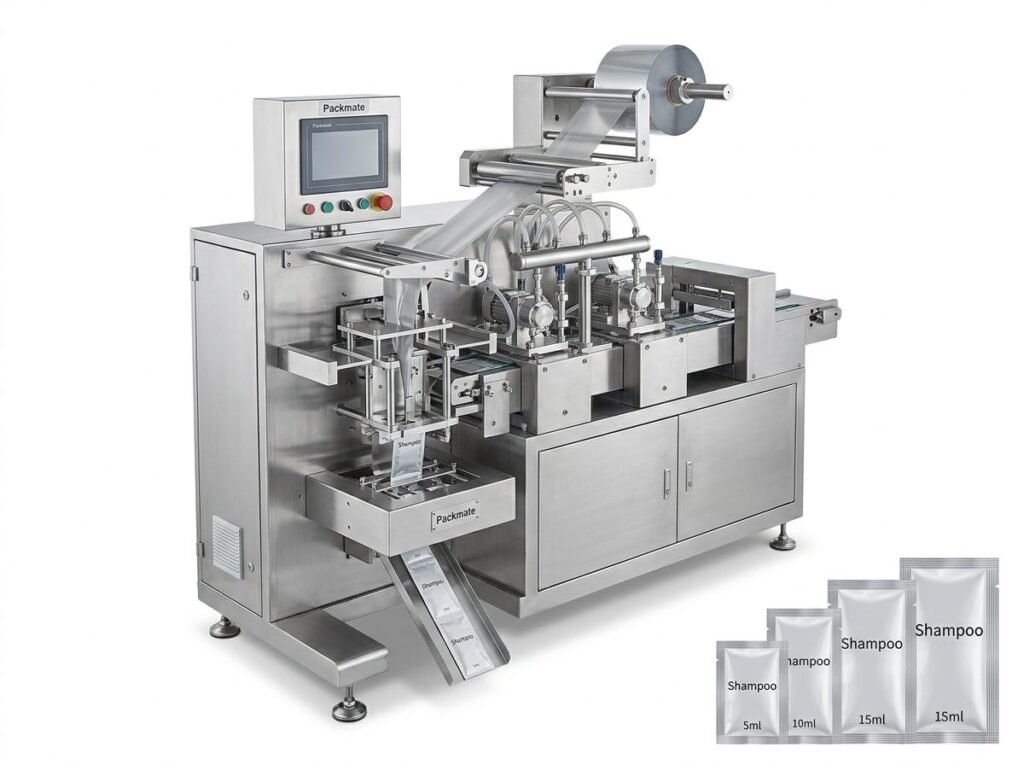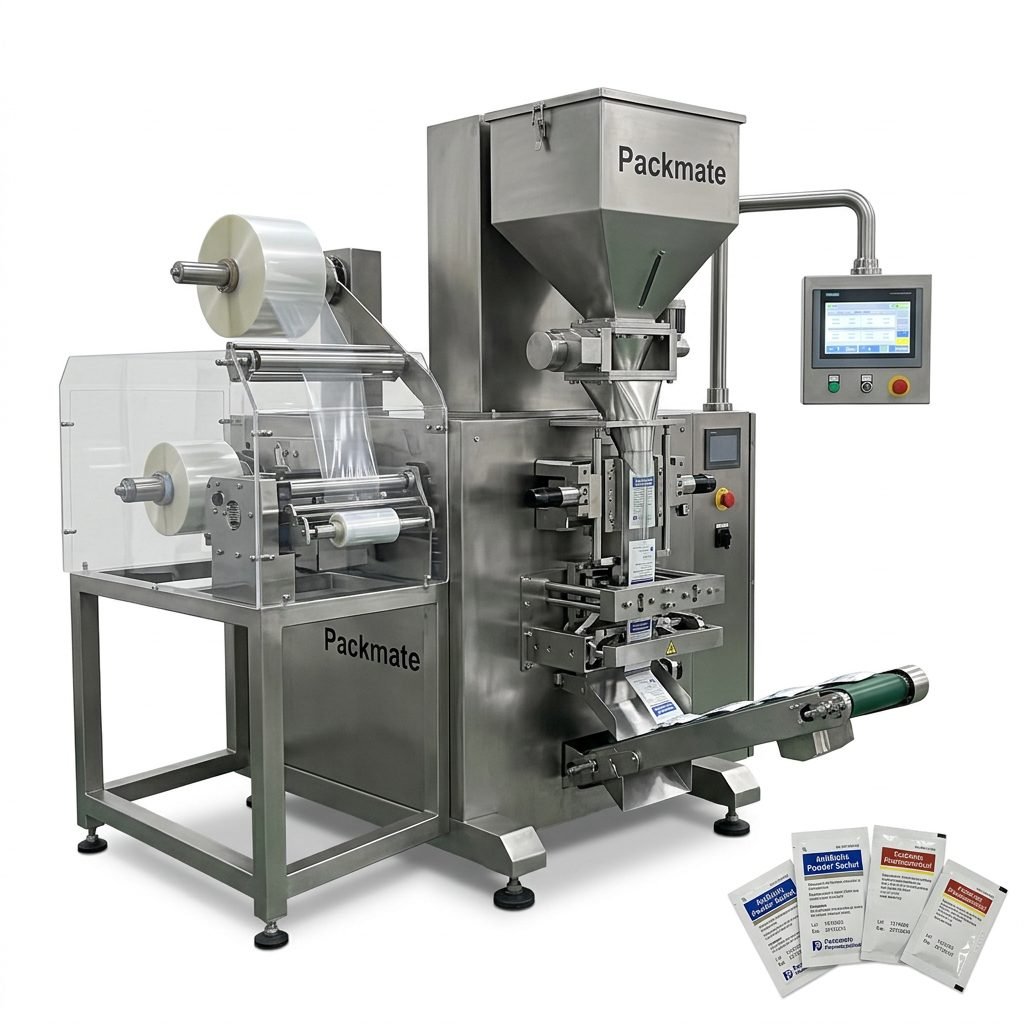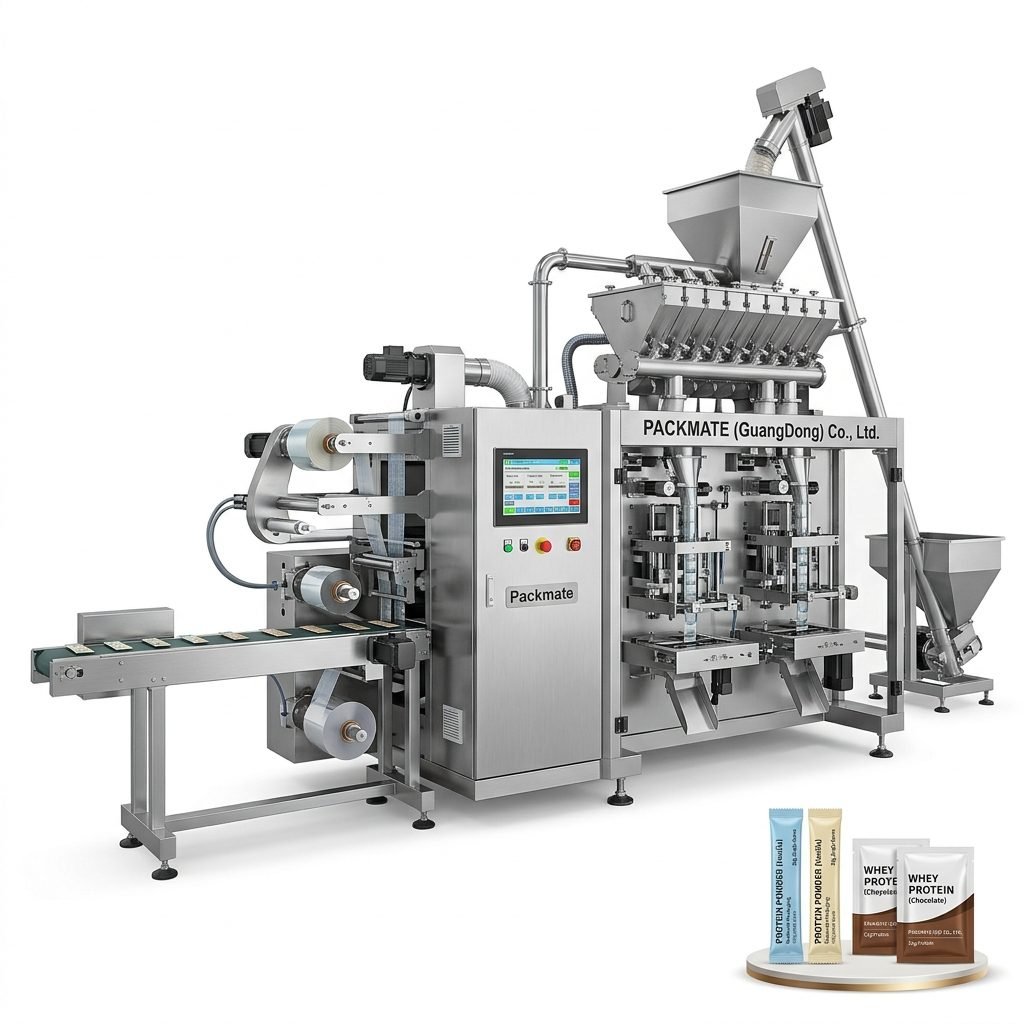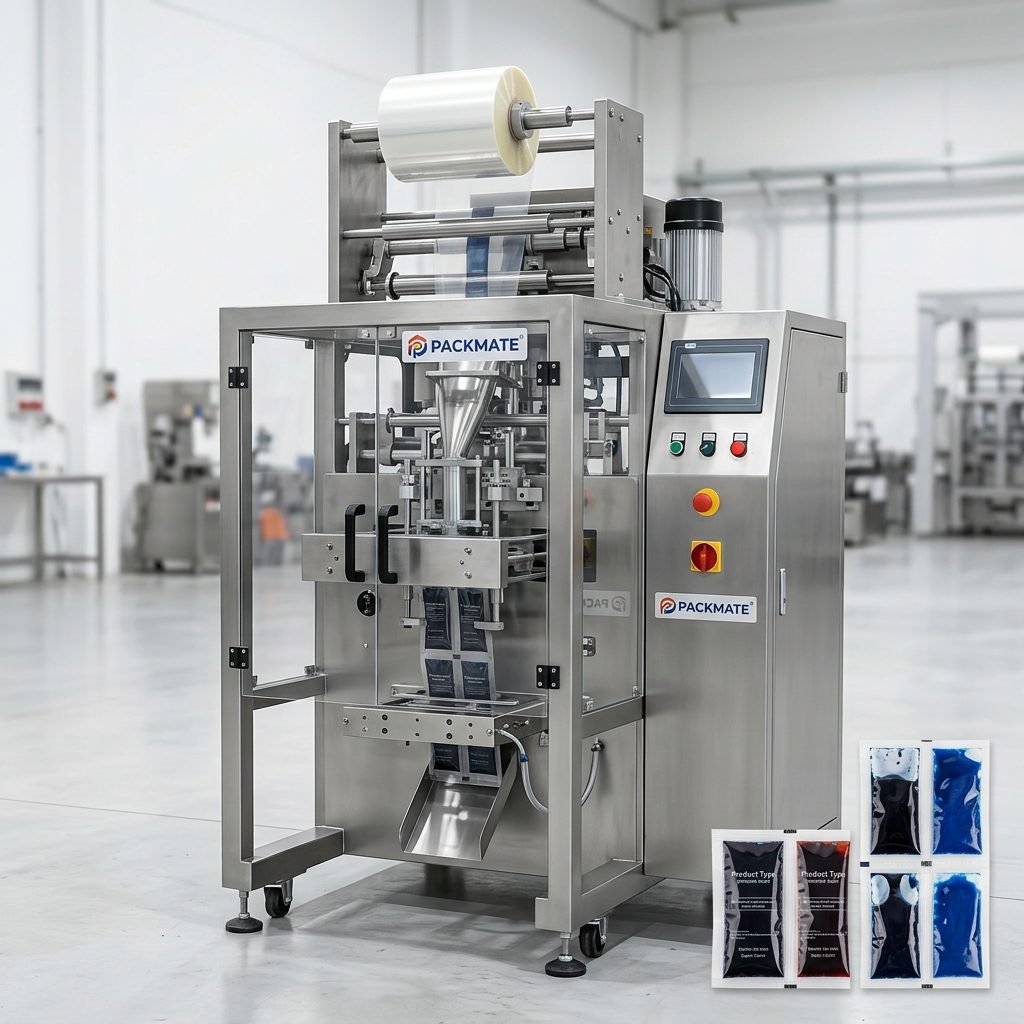
In today’s highly regulated and safety-conscious markets, packaging line serialization has evolved from a niche technical requirement to a fundamental pillar of operational integrity. For industries where consumer safety is paramount—namely food and pharmaceuticals—implementing a robust track and trace system is no longer optional. This complete guide delves into the intricacies of serialization compliance, exploring its components, benefits, and the critical role of reliable packaging line partners in achieving seamless integration.
Understanding Serialization and Track & Trace
At its core, serialization is the process of assigning a unique identifier, like a serial number, to each saleable unit of a product. This identifier, often encoded in a Data Matrix or QR code, becomes its digital passport. Track and trace refers to the ability to follow this unique identifier through the supply chain—from the point of manufacturing all the way to the point of dispensing or consumption.
Key Driver: Global regulations, such as the U.S. Drug Supply Chain Security Act (DSCSA) and the EU Falsified Medicines Directive (FMD), mandate serialization for pharmaceuticals. Similarly, food safety initiatives like the FDA’s Food Safety Modernization Act (FSMA) emphasize traceability to enable rapid response to contamination events.
The Core Components of a Serialization System
A successful serialization system on a packaging line is an orchestra of integrated technologies. It extends far beyond simply printing a code.
1. Coding and Marking
This is the physical application of the unique serial number, typically via high-resolution inkjet, laser, or thermal transfer overprinters. The code must be scannable, durable, and compliant with regulatory standards for size and data content.
2. Vision Inspection & Verification
After printing, high-speed cameras verify the code’s quality (grading for readability) and accuracy (ensuring it matches the intended serial number). Any unit with an unreadable or incorrect code must be automatically rejected from the line.
3. Aggregation
This is a crucial step for supply chain efficiency. It creates a hierarchical parent-child relationship between packaging levels. For example, the unique serial numbers on 10 bottles (children) are linked to the serial number on their containing carton (parent). This carton’s serial number is then linked to the pallet it resides on. Aggregation allows for logistical scanning of larger units without needing to open them and scan every individual item.
4. Line-Level Control Software (L4)
This is the brain of the operation on the factory floor. It manages the generation of serial numbers, coordinates all hardware (printer, camera, PLC), executes aggregation logic, and handles reject mechanisms. It ensures all events on the line are synchronized and recorded.
5. Enterprise-Level System Integration (L3/L2)
The line-level system must communicate seamlessly with higher-level enterprise systems. This includes the Serialization Manager (L3), which oversees serial number pools and master data for multiple lines, and the Enterprise Resource Planning (ERP) or Manufacturing Execution System (MES) (L2), which houses batch records and order information. This integration is vital for data integrity and reporting.
Compliance Challenges in Food and Pharma
While the goal is similar, the compliance landscapes for food and pharmaceutical serialization present distinct challenges.
For Pharmaceuticals: Regulations are strict and globally fragmented. Compliance requires adhering to specific data formats (e.g., GS1 standards), maintaining detailed audit trails, and ensuring data security to prevent counterfeiting. The cost of non-compliance—including product recalls, fines, and reputational damage—is extraordinarily high. A reliable partner like Packmate, with deep industry knowledge, is essential for navigating this complex environment.
For Food & Beverage: The focus is often on internal traceability and rapid response for food safety. The drive is frequently market-led (retailer requirements) or proactive risk management. Challenges include handling variable data on high-speed lines (e.g., for beverages or snacks) and managing traceability for ingredients with short shelf lives. Implementing a system that is both effective and cost-justifiable is key. Exploring different packaging solutions can reveal the optimal balance for your operation.
Benefits Beyond Compliance
While compliance is the primary motivator, a well-implemented serialization system delivers significant operational and commercial returns on investment.
- Enhanced Supply Chain Visibility: Real-time data on product movement reduces loss, deters theft, and optimizes inventory management.
- Streamlined Recalls: In the event of a quality issue, a serialized system allows for precise, targeted recalls of affected batches only, minimizing financial loss and protecting brand equity.
- Brand Protection & Consumer Engagement: Unique codes can be used with smartphone apps to allow consumers to verify product authenticity. This builds trust and can open direct marketing channels.
- Operational Efficiency: Automated data capture eliminates manual errors, provides accurate production counts, and identifies line inefficiencies.
Viewing serialization not as a cost center but as a strategic asset is the mark of a forward-thinking organization. You can see how these benefits materialize in real-world scenarios by reviewing our client case studies.
Choosing the Right Packaging Line Partner
The complexity of serialization means that the choice of packaging machinery supplier is critical. The ideal partner offers more than just hardware; they provide a holistic, turnkey solution.
Look for a partner with:
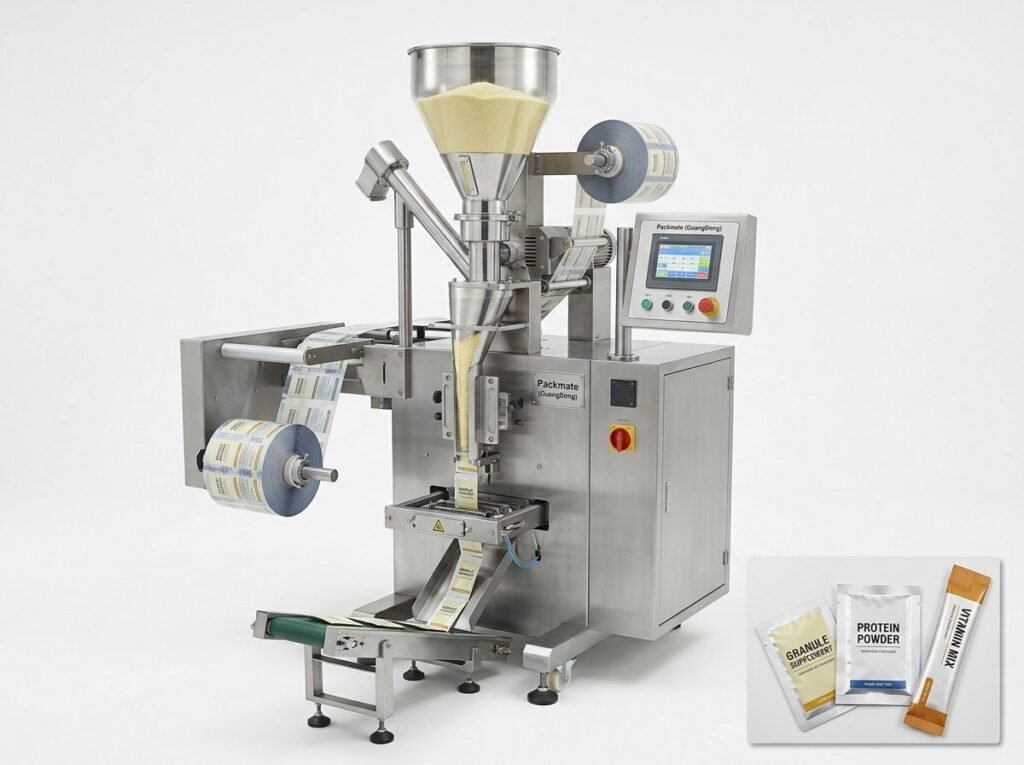
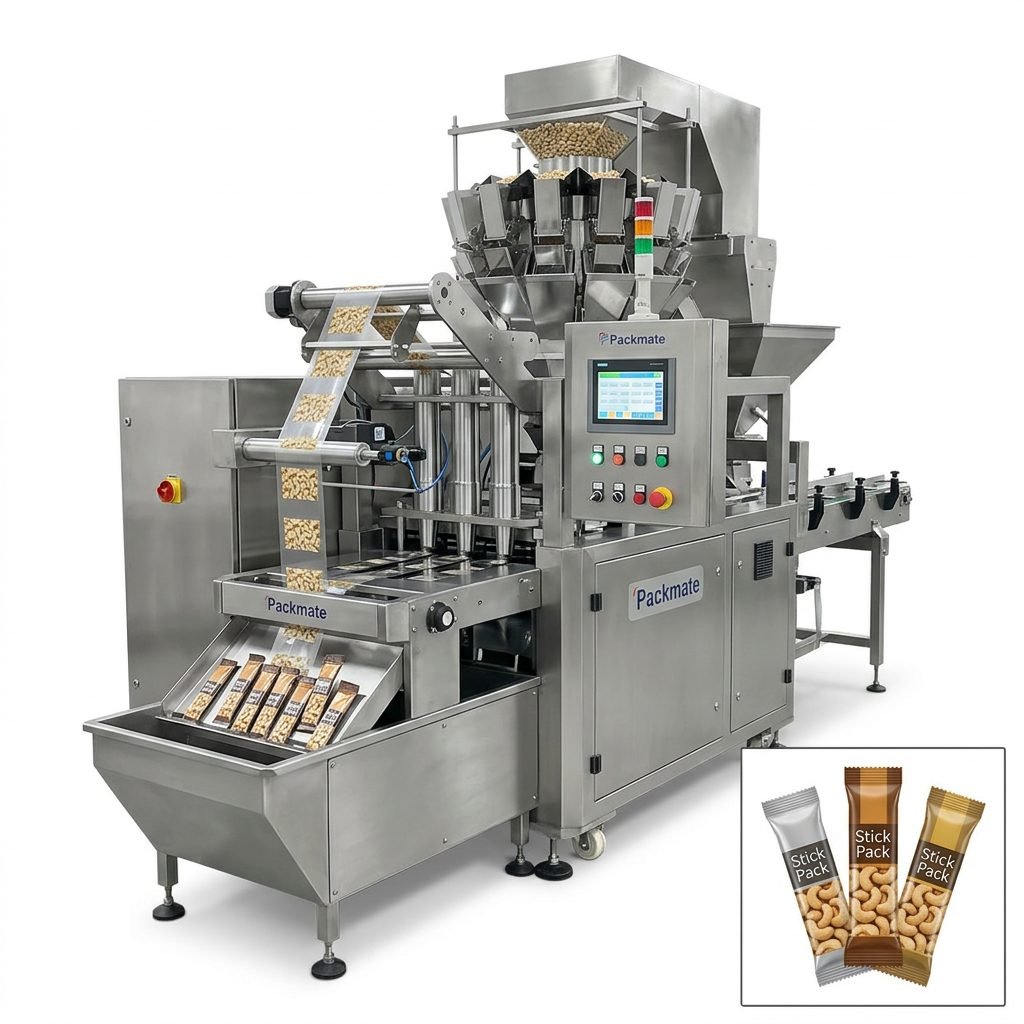
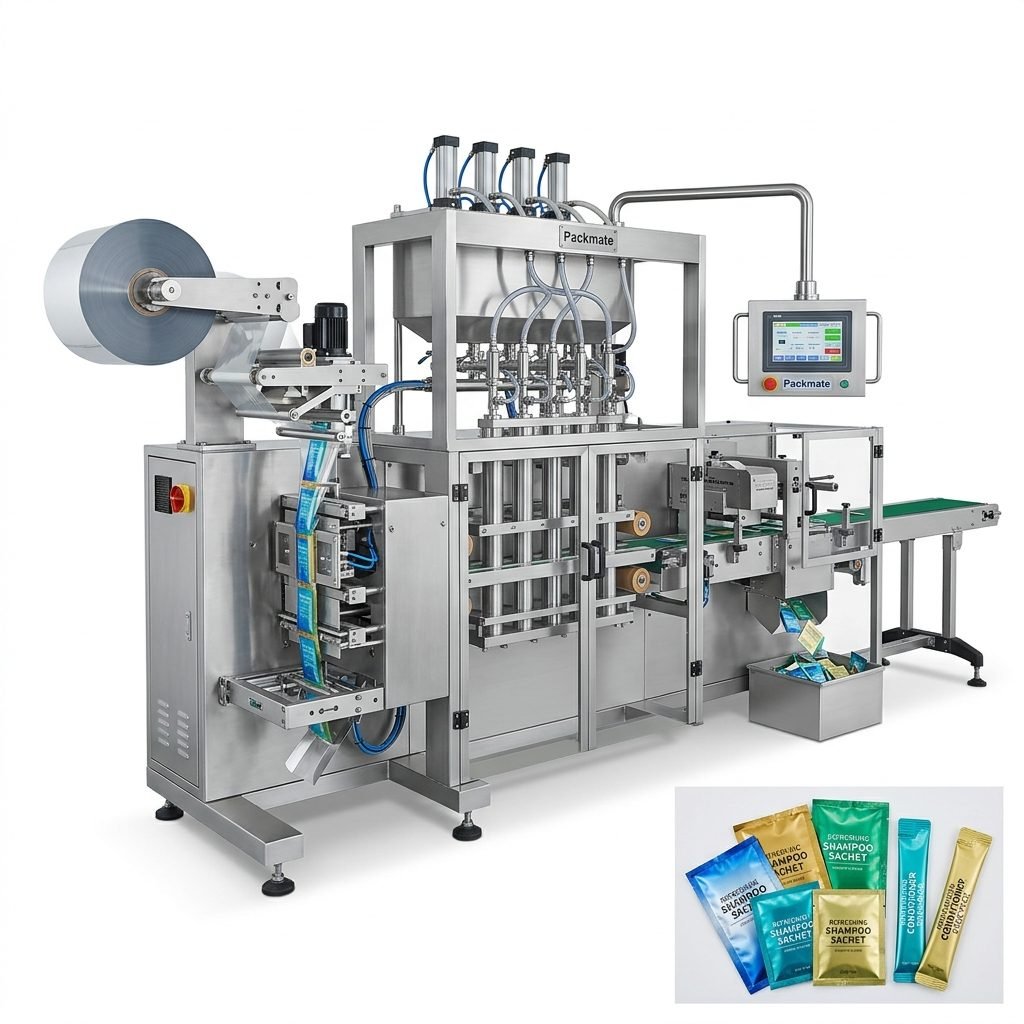
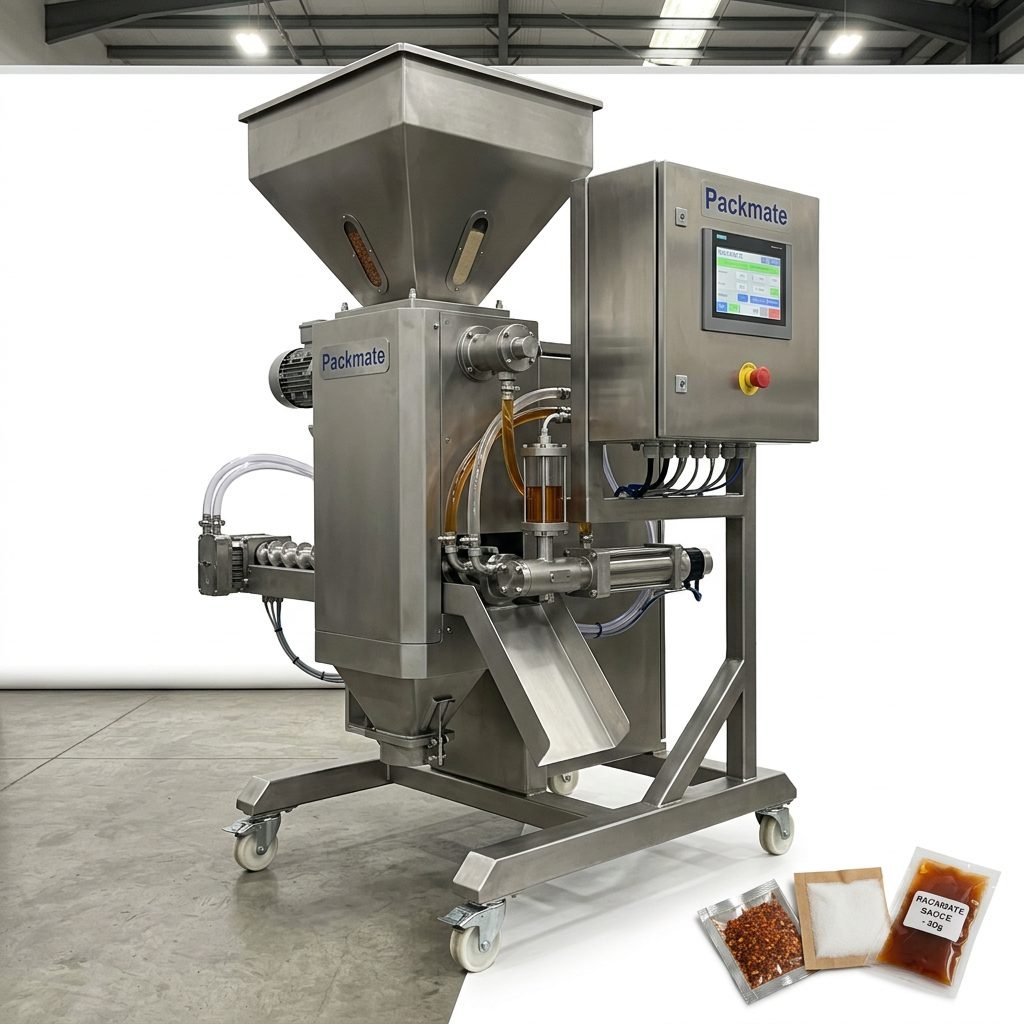
- Proven Expertise: Demonstrable experience in integrating serialization into packaging lines for your specific industry (food granules, pharmaceutical powders, liquids, etc.).
- Technology Agnosticism: The ability to recommend and integrate best-in-class components (printers, cameras, software) from various vendors to create the optimal system for your needs, rather than being locked into a single brand.
- End-to-End Responsibility: A single point of accountability for the entire line—from mechanical design and software integration to factory acceptance testing (FAT), site installation, and validation support.
- Future-Proof Design: Solutions that are scalable and adaptable to evolving regulations and production needs.
With over 22 years of company development and a 20,000㎡ modern manufacturing facility, Packmate embodies these principles. Our team of 125+ professional members designs intelligent packaging lines where serialization is not an afterthought but a seamlessly integrated function from the ground up. Learn more about our commitment to quality and innovation on our Company Profile page.
Implementation Roadmap
A successful serialization project follows a structured path:
- Gap Analysis & Planning: Assess current capabilities against regulatory and business requirements.
- Solution Design: Partner with your vendor to design the technical architecture, including hardware selection and software interfaces.
- Factory Acceptance Testing (FAT): Witness and approve the complete system’s functionality at the supplier’s facility before shipment.
- Site Installation & Qualification: Installation, operational qualification (OQ), and performance qualification (PQ) at your site to prove the system works as intended in its operational environment.
- Go-Live & Ongoing Support: Transition to live production with robust technical support and maintenance plans in place.
Frequently Asked Questions (FAQs)
Q1: What is the main difference between serialization and track & trace?
Serialization is the act of assigning a unique identifier to a product item. Track & trace is the capability to follow that identifier’s journey through the supply chain. Serialization enables track & trace.
Q2: Is aggregation mandatory for compliance?
For pharmaceuticals under DSCSA, aggregation is not explicitly mandated but is strongly recommended and considered a best practice. It is virtually essential for operational efficiency in large-scale distribution. For food, it depends on specific customer or regulatory schemes.
Q3: Can I retrofit serialization onto my existing packaging line?
Yes, retrofitting is possible and common. However, its feasibility and cost depend on the line’s age, speed, layout, and control system. A detailed assessment by an expert, like our team at Packmate, is the first step.
Q4: How does serialization help prevent counterfeiting?
Each genuine product has a unique, verifiable code. Consumers, pharmacists, or distributors can scan this code through a secure database to instantly confirm the product’s authenticity and origin, making it extremely difficult for counterfeit products to enter the legitimate supply chain.
Q5: What ongoing costs are associated with a serialization system?
Beyond the initial capital investment, consider costs for consumables (inks, ribbons), software license renewals, maintenance contracts for hardware, and potential costs for connecting to external traceability data repositories (e.g., the EU hub).
For more detailed answers, please visit our dedicated FAQs page.