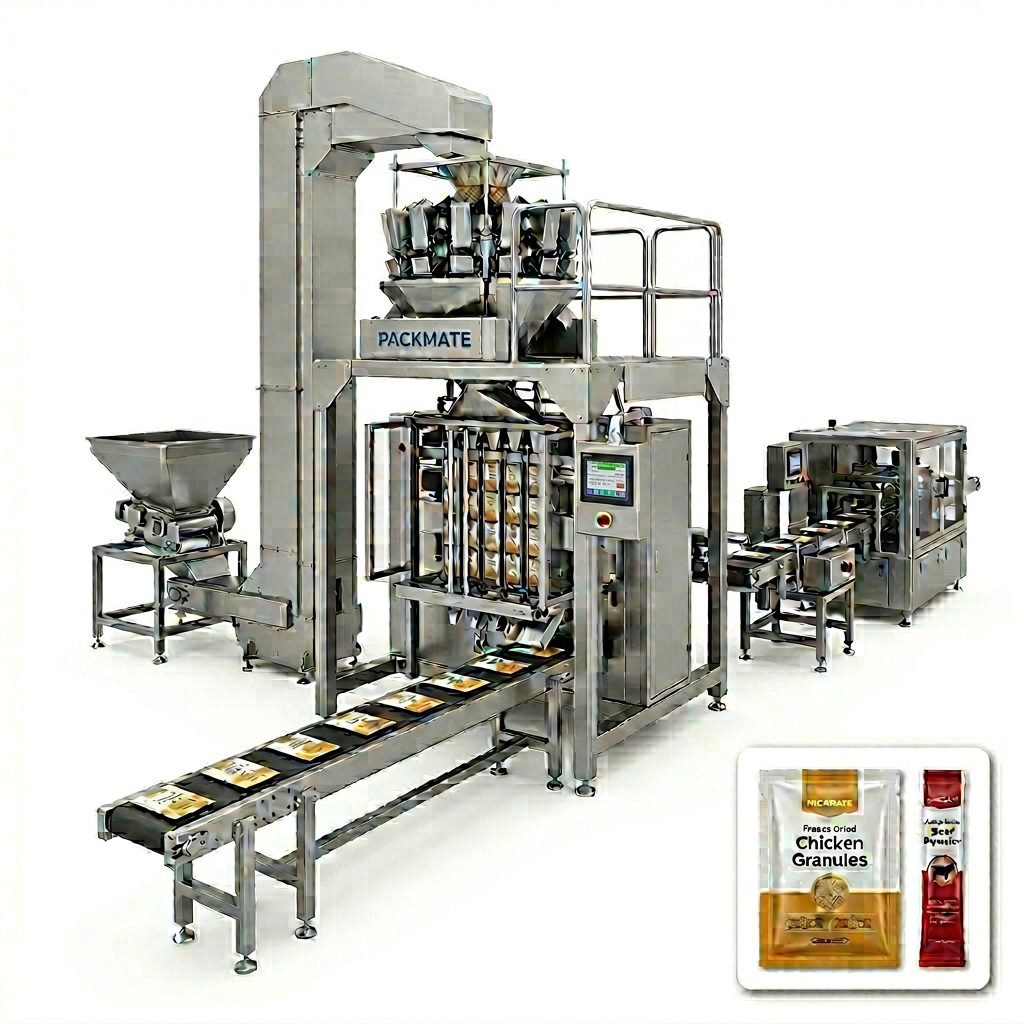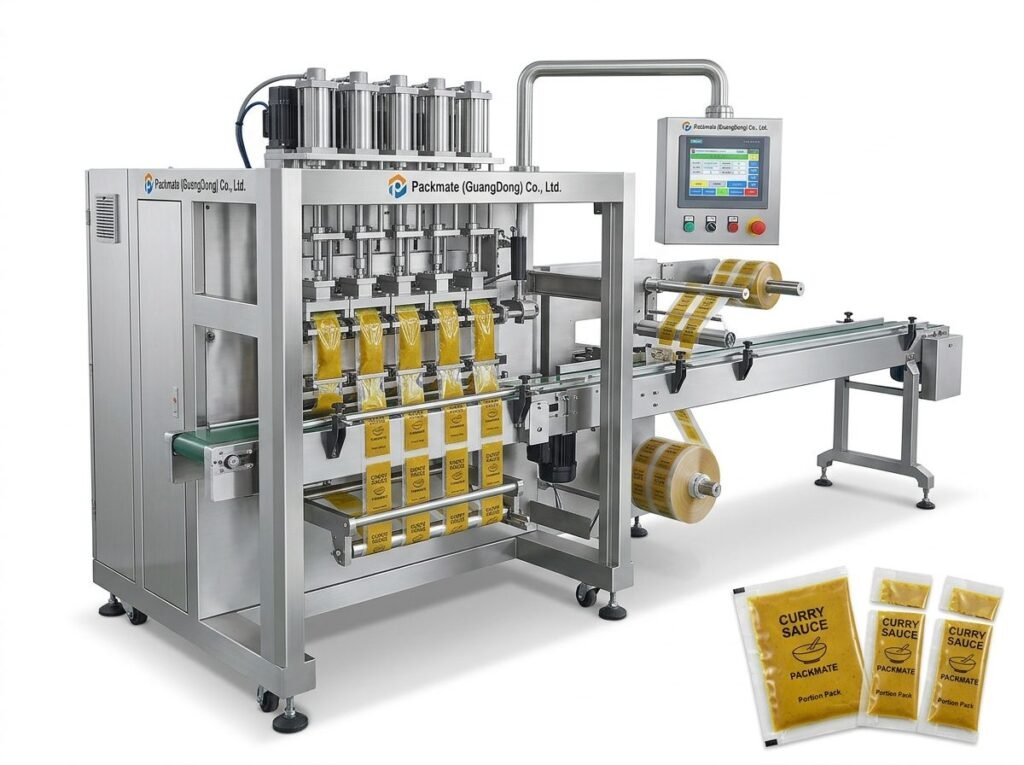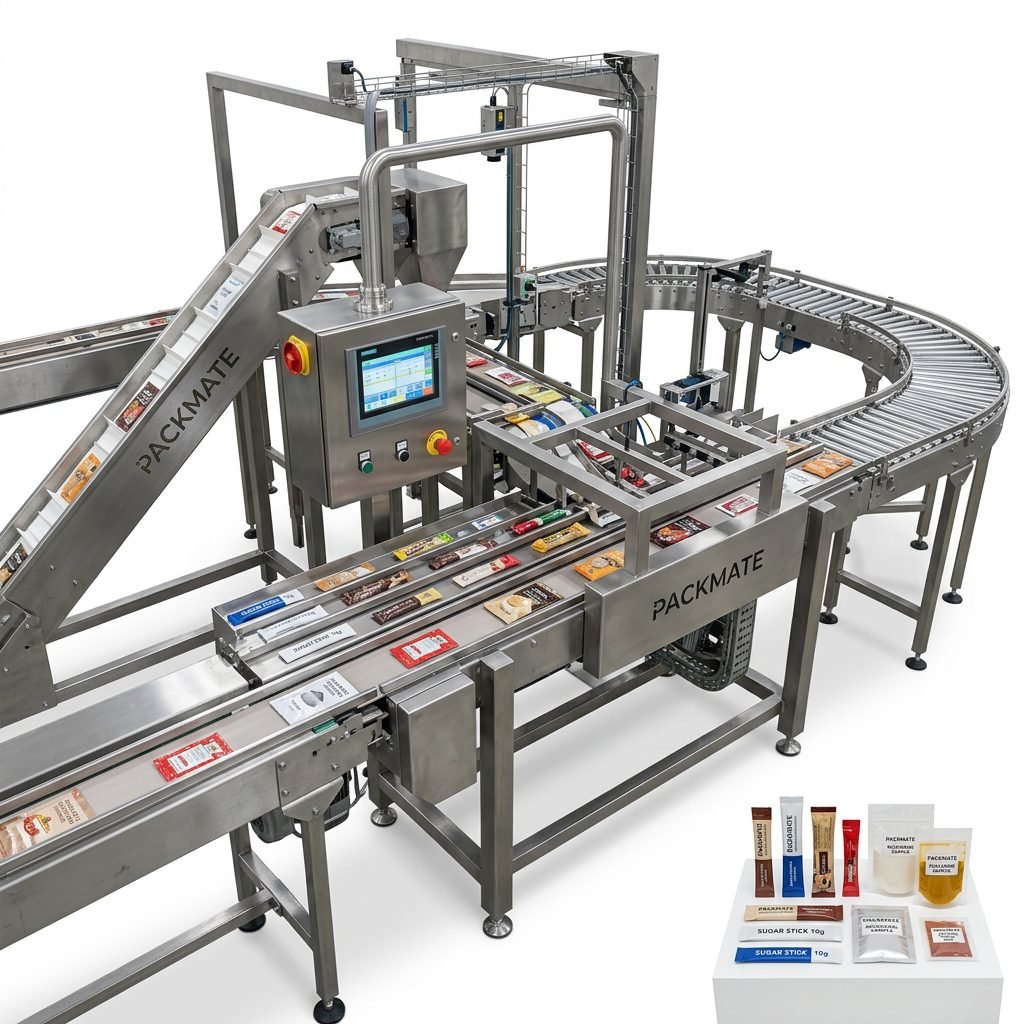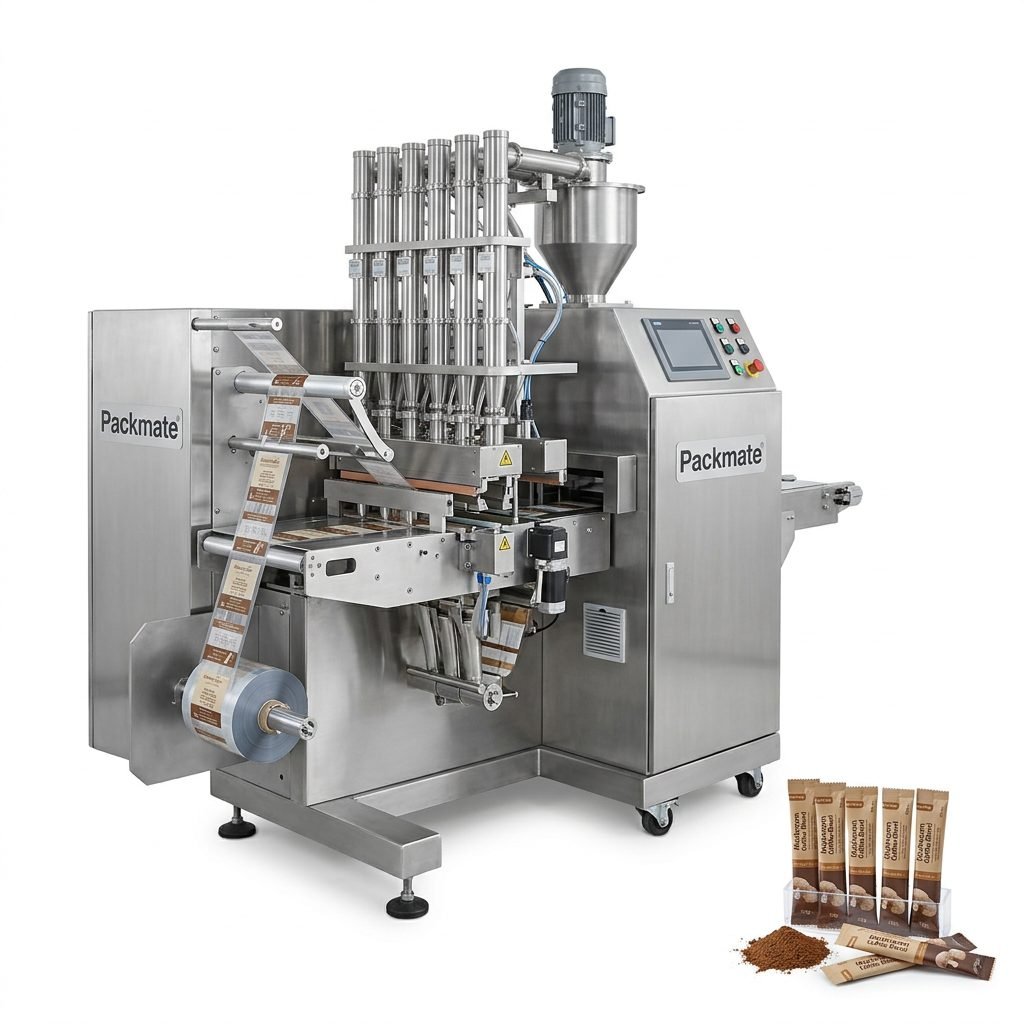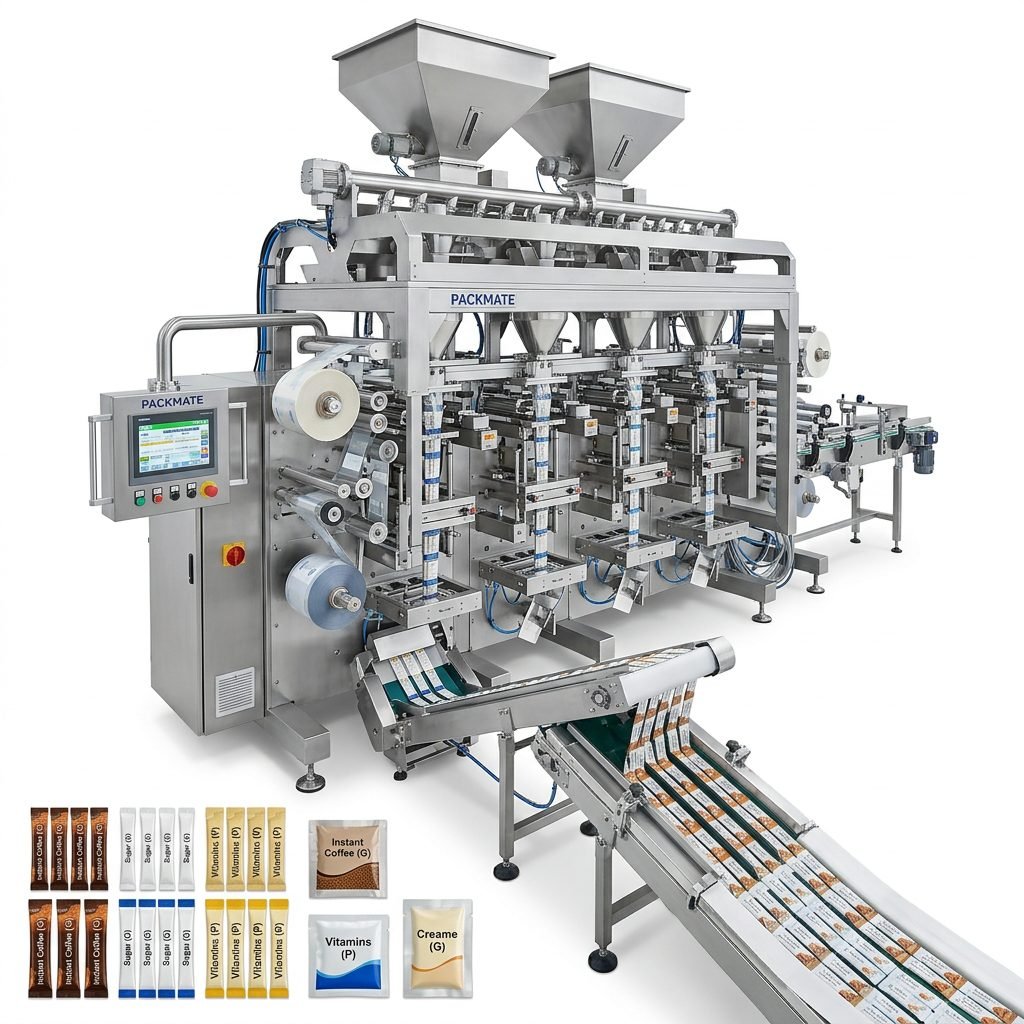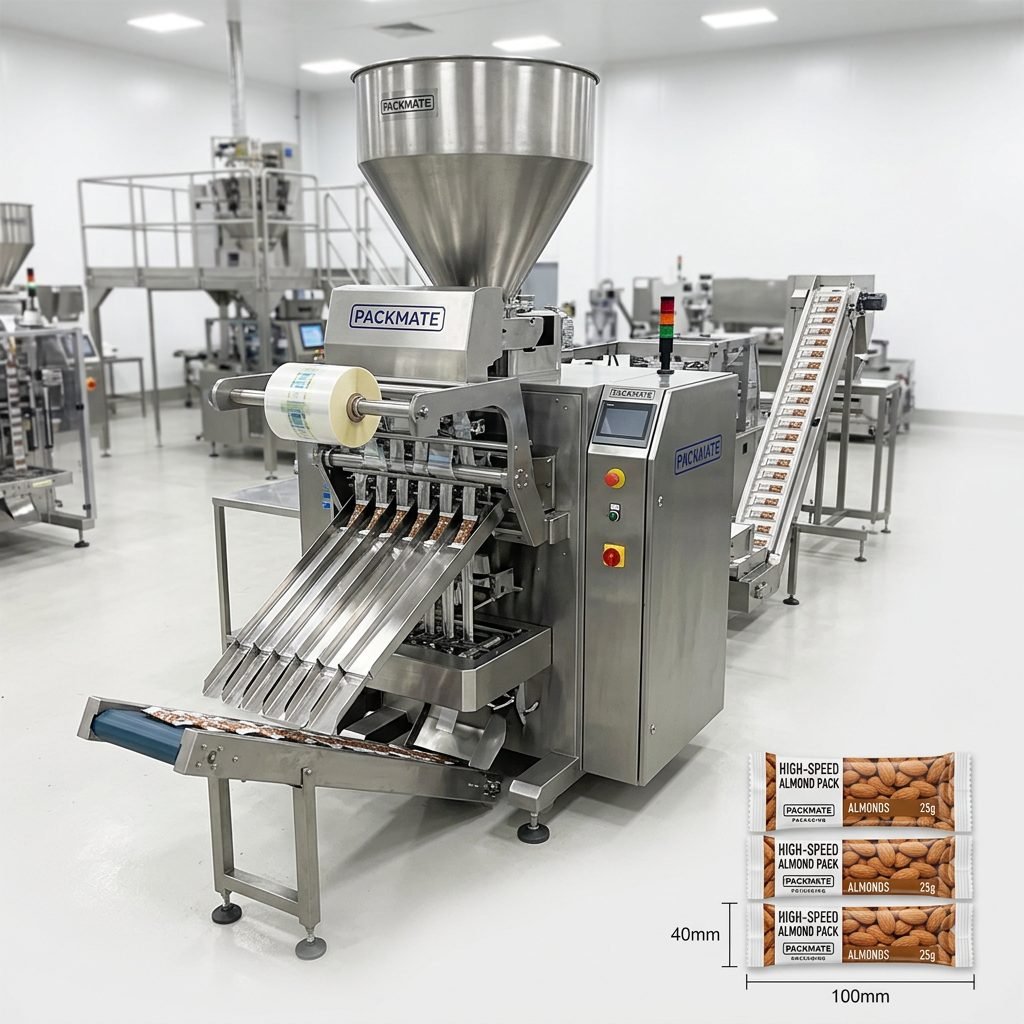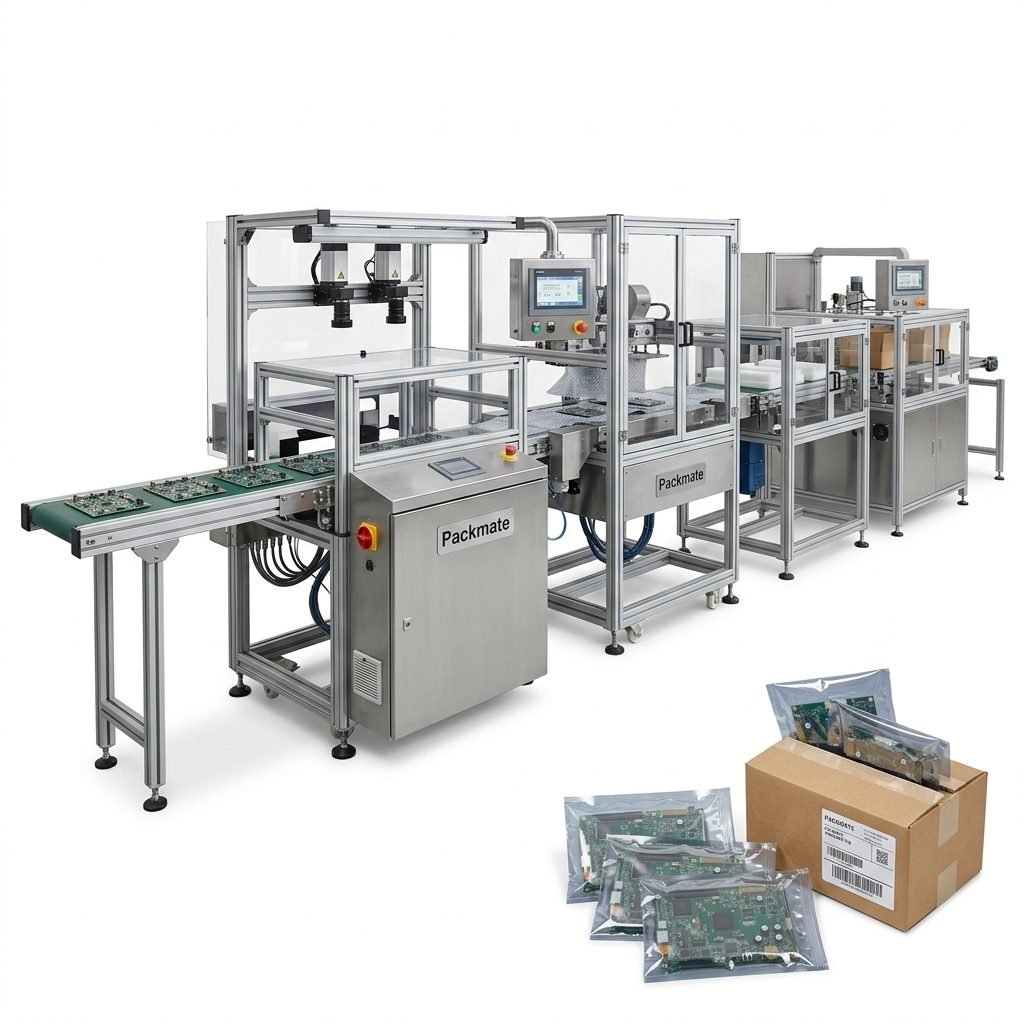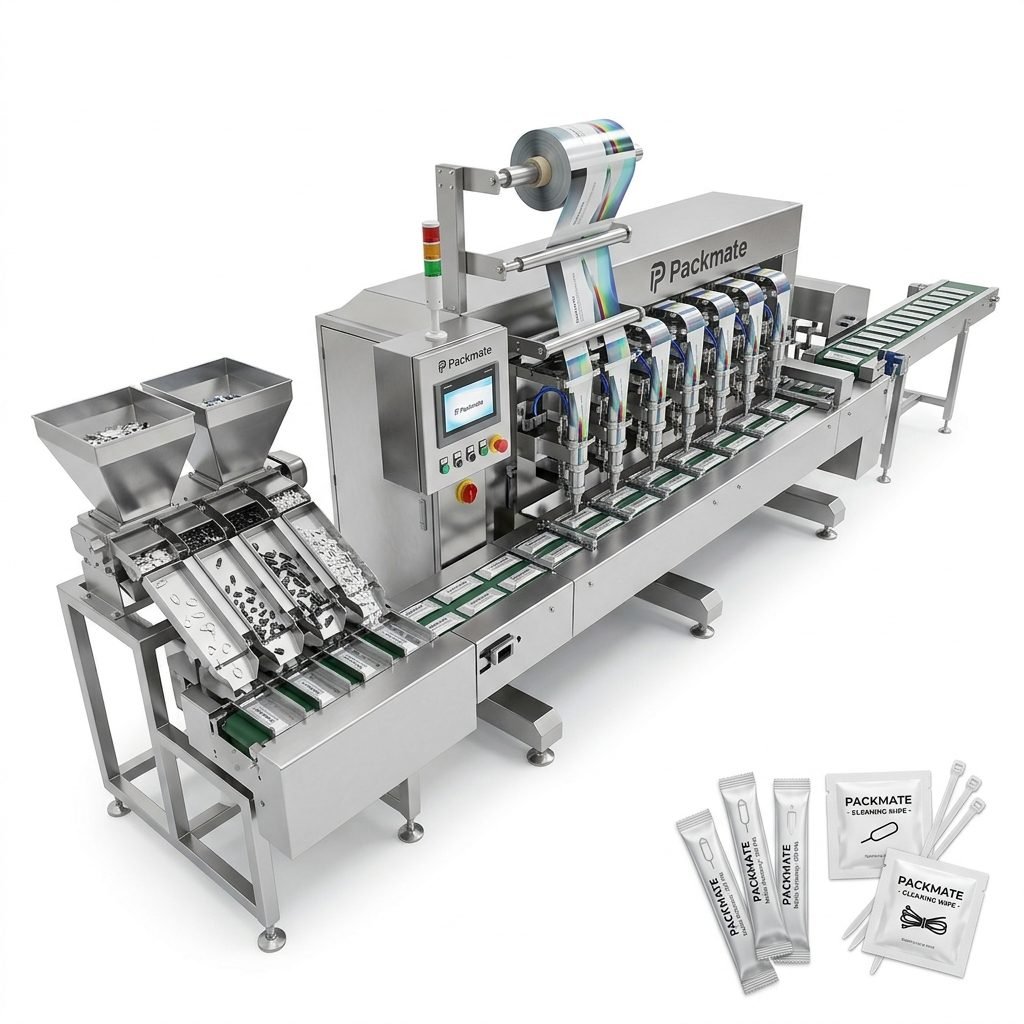
In today’s fast-paced and highly regulated manufacturing landscape, achieving seamless, efficient, and compliant packaging is a critical challenge. For producers in the food, pharmaceutical, and health product sectors, this challenge is compounded by stringent hygiene standards, the need for product integrity, and the relentless pressure to optimize production costs. An integrated filling system is no longer a luxury but a fundamental necessity for businesses aiming to scale, ensure quality, and maintain a competitive edge. These complete, turnkey solutions represent the pinnacle of packaging automation, bringing together machinery, software, and expert support into a single, cohesive unit.
The Core of Modern Production: What Are Integrated Filling Systems?
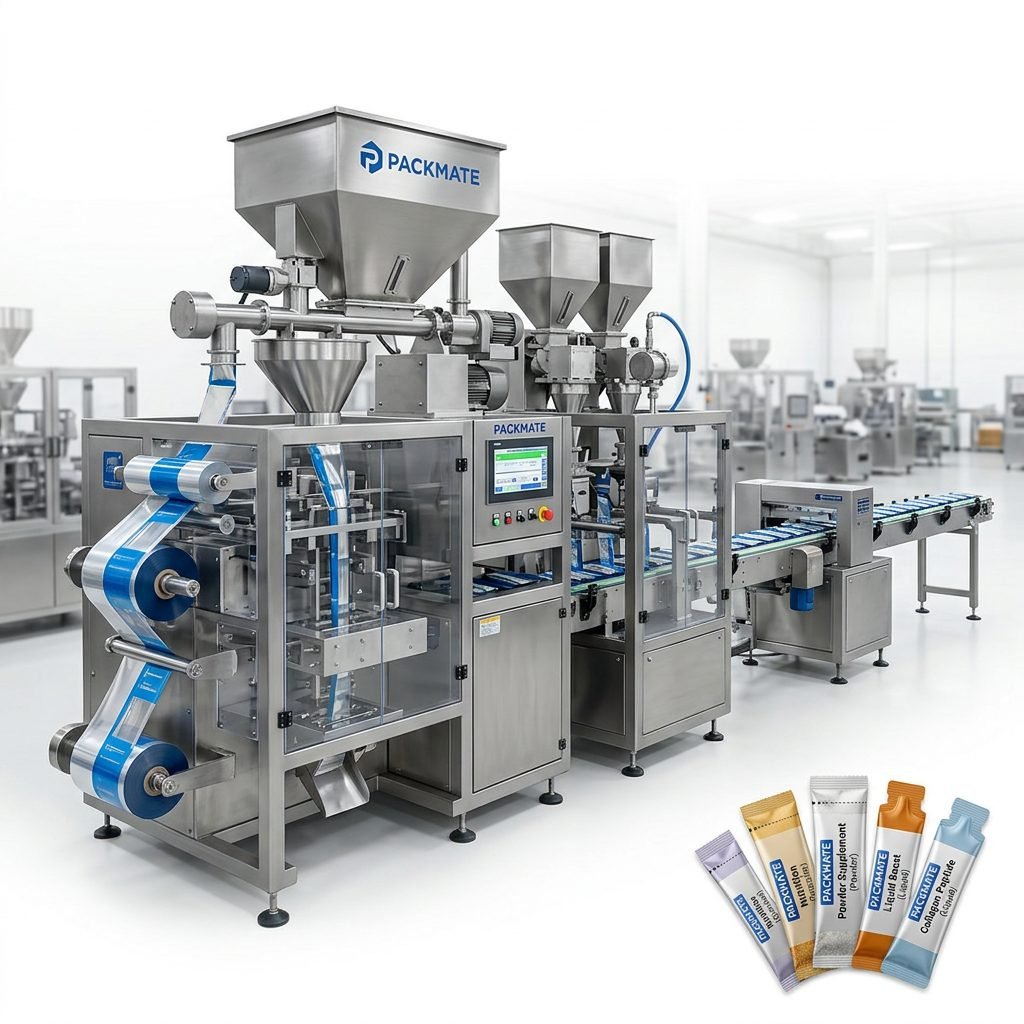
An integrated filling system is a harmonized assembly of automated machines designed to handle the entire packaging process from start to finish. Unlike standalone equipment, these systems are engineered to work in perfect unison. The process typically begins with product feeding and dosing, moves through precise filling into pre-formed pouches, stick packs, or sachets, and concludes with sealing, coding, and cartoning—all with minimal human intervention. The true power of a turnkey solution lies in its holistic approach; it includes not just the hardware but also installation, commissioning, operator training, and ongoing maintenance support, ensuring a smooth transition from project conception to full-scale production.
Key Advantages of a Turnkey Approach:
- Single-Point Responsibility: Working with one provider like Packmate for the entire line eliminates compatibility issues and streamlines communication.
- Faster Time-to-Market: Pre-engineered integration significantly reduces installation and debugging time compared to piecing together machines from multiple vendors.
- Optimized Performance: Every component is selected and calibrated to work at its peak efficiency within the system, maximizing output and minimizing waste.
- Simplified Support & Maintenance: Having one point of contact for service and spare parts simplifies upkeep and minimizes downtime.
Tailored Solutions for Critical Industries
The one-size-fits-all model fails in precision packaging. Each sector has unique demands that dictate the design and functionality of the integrated system.
For the Food Industry: Speed, Flexibility, and Freshness
Food packaging demands exceptional versatility to handle diverse products—from granular sugar and powdered spices to viscous sauces and oily nuts. Systems must facilitate quick changeovers between product types and package sizes to accommodate short production runs and seasonal offerings. Crucially, packaging lines must incorporate features that preserve freshness and extend shelf life, such as nitrogen flushing or vacuum sealing capabilities. Hygiene is paramount, requiring easy-clean designs and food-grade materials throughout the packaging solution.
For the Pharmaceutical Industry: Uncompromising Precision and Compliance
This is the most regulated environment, where accuracy and traceability are non-negotiable. Integrated systems for pharma must deliver micro-precision dosing to ensure exact active ingredient quantities in every sachet or stick pack. They must be constructed with pharmaceutical-grade stainless steel and designed for full clean-in-place (CIP) or sterilize-in-place (SIP) procedures. Furthermore, integration with tracking and documentation software is essential to comply with regulations like FDA 21 CFR Part 11, providing an immutable audit trail for every single packaged unit.
For the Health & Nutraceutical Products: Agility and Consumer Appeal
The booming market for supplements, protein powders, and wellness shots requires agility. Producers often launch new formulations rapidly, needing packaging lines that can switch between powdered, granular, and liquid formats efficiently. The visual appeal of the final package—whether a sleek stick pack for on-the-go consumption or a durable pouch for bulk powders—is also a key sales driver. Systems must offer high-quality printing and finishing options to create standout products on crowded retail shelves.
Components of a Complete Turnkey Packaging Line
A robust integrated system is built on several core modules, each playing a vital role.
1. Feeding & Dosing Systems
The heart of accuracy. This includes auger fillers for powders, volumetric pumps for liquids, and weigh fillers for granular products. Advanced systems use multi-head weighers or servo-driven augers for unparalleled precision.
2. Packaging Machine Core
The machine that forms, fills, and seals the package. Common types include:
Vertical Form-Fill-Seal (VFFS) for pouches and bags.
Horizontal Stick Pack Machines for single-serve portions.
Multi-Lane Sachet Machines for high-output production of small packets.
3. Secondary & Tertiary Packaging
This encompasses cartoners, case packers, and palletizers that group primary packages for shipping and distribution. Integration here ensures a smooth flow from single units to warehouse-ready pallets.
4. The Control Brain: PLC & HMI
A centralized Programmable Logic Controller (PLC) and intuitive Human-Machine Interface (HMI) panel allow operators to monitor and control the entire line, adjust parameters, track production data, and diagnose issues from a single station.
Why Partner with an Expert Provider like Packmate?
Selecting and implementing an integrated system is a major capital investment. The choice of partner is as critical as the technology itself. A provider with deep industry experience brings invaluable expertise to the table. For instance, Packmate (GuangDong) Co., Ltd. leverages over 22 years of company development to not only supply machines but to act as a true engineering partner. This involves a thorough analysis of the client’s specific products, output goals, and facility constraints to design a truly customized line. Their 20,000㎡ modern manufacturing facility is equipped with the advanced tools needed to build and rigorously test systems before they are shipped, ensuring reliability from day one. Exploring their portfolio of successful project cases can provide tangible proof of capability across different industries.
The journey from concept to production involves several key stages when working with a specialist: Initial Consultation & Needs Analysis > Customized Line Design & Engineering > Manufacturing & Factory Acceptance Testing > Installation & On-Site Commissioning > Comprehensive Operator Training > Ongoing After-Sales Service and Support. This end-to-end project management de-risks the investment and ensures the promised operational benefits are fully realized.
Future-Proofing Your Packaging Operation
Investing in an integrated system is an investment in the future. Leading-edge systems are designed with scalability and adaptability in mind. Modular designs allow for the future addition of new functions, such as vision inspection systems for quality control or robotic arms for loading. As Industry 4.0 becomes standard, connectivity for data collection and analysis (OEE tracking, predictive maintenance alerts) is becoming integral, turning the packaging line into a source of valuable business intelligence.
In conclusion, integrated filling systems offer a transformative path for food, pharma, and health product manufacturers. By consolidating the entire packaging process into a single, automated, and intelligently managed turnkey solution, businesses can achieve unprecedented levels of efficiency, consistency, and compliance. The key to success lies in choosing a seasoned and capable partner who can translate operational challenges into a robust, high-performance packaging line tailored for today’s demands and tomorrow’s growth.
Frequently Asked Questions (FAQs)
1. What is the main difference between an integrated line and buying individual machines?
The main difference is responsibility and optimization. An integrated line from a single supplier is designed as a cohesive unit, with guaranteed compatibility and performance synchronization between all components. It comes with single-point project management, training, and support. Piecing together individual machines risks integration issues, multiple vendor management, and potential gaps in line performance.
2. How long does it typically take to commission a complete turnkey packaging line?
The timeline varies based on line complexity and customization. A standard system might be commissioned in 2-4 weeks after installation, while a highly customized line for a novel product could take longer. A reputable provider will give a clear project timeline during the planning phase, including factory acceptance testing before shipment to minimize on-site delays.
3. Can an integrated system handle frequent product changeovers?
Yes, modern systems are built for flexibility. Features like quick-change tooling, recipe storage on the HMI (where parameters for different products are saved), and servo-driven adjustments allow for rapid changeovers—sometimes in minutes. This is a key design consideration discussed during the initial planning with your provider.
4. What kind of after-sales support should I expect?
Comprehensive support is part of a true turnkey solution. Expect detailed documentation, remote troubleshooting assistance, readily available spare parts, and options for on-site service visits. Providers like Packmate often offer training programs and service contracts to ensure long-term line productivity and uptime.
5. Are these systems suitable for small to medium-sized enterprises (SMEs)?
Absolutely. The concept of “turnkey” applies to scale as well. Providers offer solutions ranging from compact, semi-automatic lines perfect for SMEs and start-ups to high-speed, fully automated lines for large corporations. The investment is tailored to the required output, making advanced packaging automation accessible to businesses of various sizes. For more detailed queries, you can always refer to the provider’s dedicated FAQs page.