Selecting the right packaging machine manufacturer is a critical decision for any business in Burkina Faso looking to enhance its production efficiency, ensure product quality, and compete effectively in both domestic and regional markets. The local business landscape, characterized by a growing manufacturing sector in food processing, agriculture (shea butter, cereals, cotton), pharmaceuticals, and consumer goods, demands reliable and cost-effective automation solutions. Partnering with a suitable manufacturer can significantly impact your operational costs, output consistency, and ability to meet market demands.
Key Factors for Manufacturers in Burkina Faso to Consider
Businesses in Burkina Faso face unique challenges, including fluctuating power supply, the need for robust machines that can handle local raw materials, and the importance of after-sales support given the geographical distance from major manufacturing hubs. Your choice must balance technical capability with practical support.
Local Market Nuances: Packaging needs can vary greatly. A food processor in Bobo-Dioulasso packaging local grains or fruit powders has different requirements (like resistance to dust and humidity) than a pharmaceutical company in Ouagadougou needing sterile, precise sachet packaging. Understanding the specific demands of your product and local operating conditions is the first step.
1. Assess Your Specific Packaging Needs
Before contacting manufacturers, clearly define your requirements. This forms the basis for all subsequent discussions and ensures you get a machine that fits your operation perfectly.
- Product Type: Are you packaging powders (like millet flour, spices), granules (rice, sugar, fertilizer), liquids (oil, shea butter, juices), or pastes?
- Packaging Format: Do you need stick packs, sachets, pouches, or bags? What are the desired dimensions?
- Production Speed (Output): What is your required output in packs per minute or hour?
- Level of Automation: Do you need a standalone machine or a complete turnkey line with feeding, weighing, filling, sealing, and cartoning?
- Factory Space & Utilities: What are your power supply (voltage, phase), available floor space, and compressed air capacity?
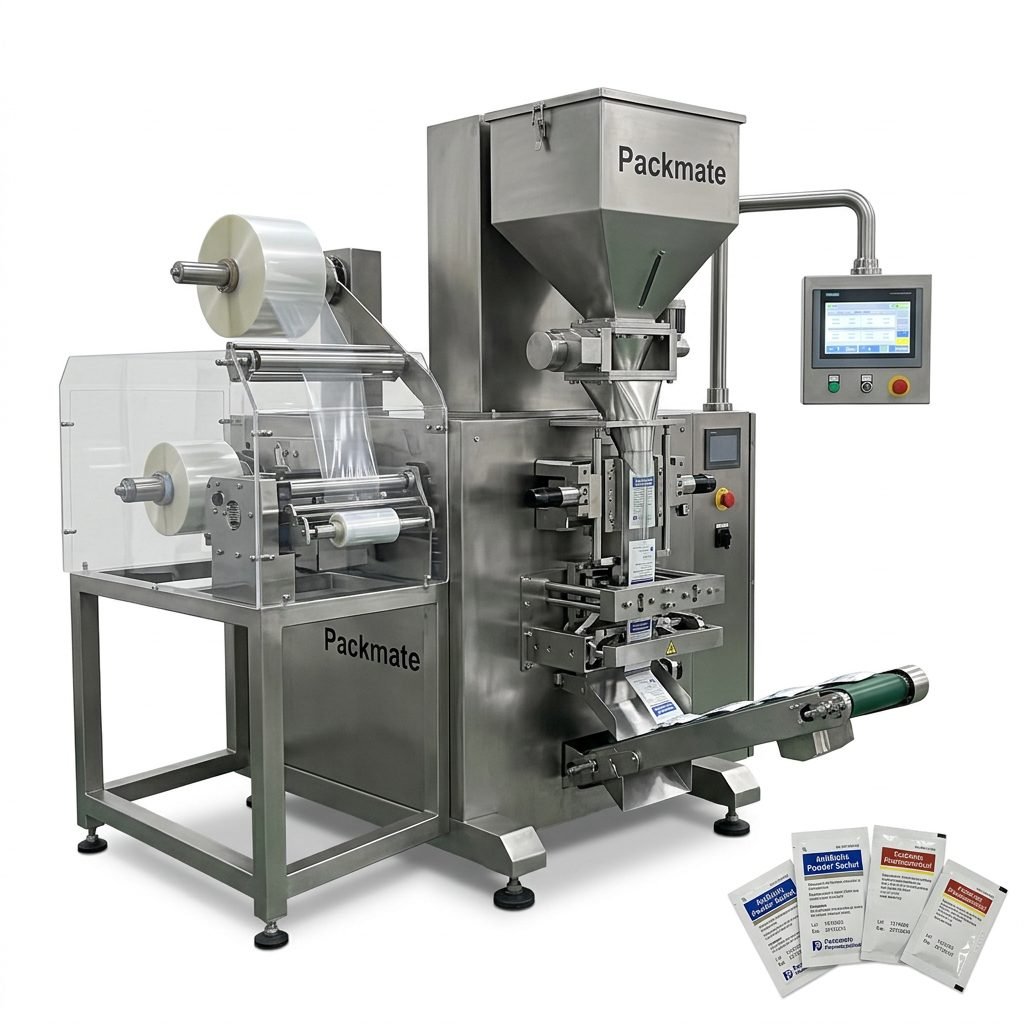
2. Evaluate the Manufacturer’s Experience and Specialization
Look for a manufacturer with a proven track record. Experience often translates into more reliable machinery, better problem-solving, and deeper application knowledge.
Industry Focus: Does the manufacturer have experience in your specific sector? For example, Ludyway has extensive experience in food, pharmaceutical, and health supplement packaging, which is highly relevant for Burkinabé businesses in these growing sectors.
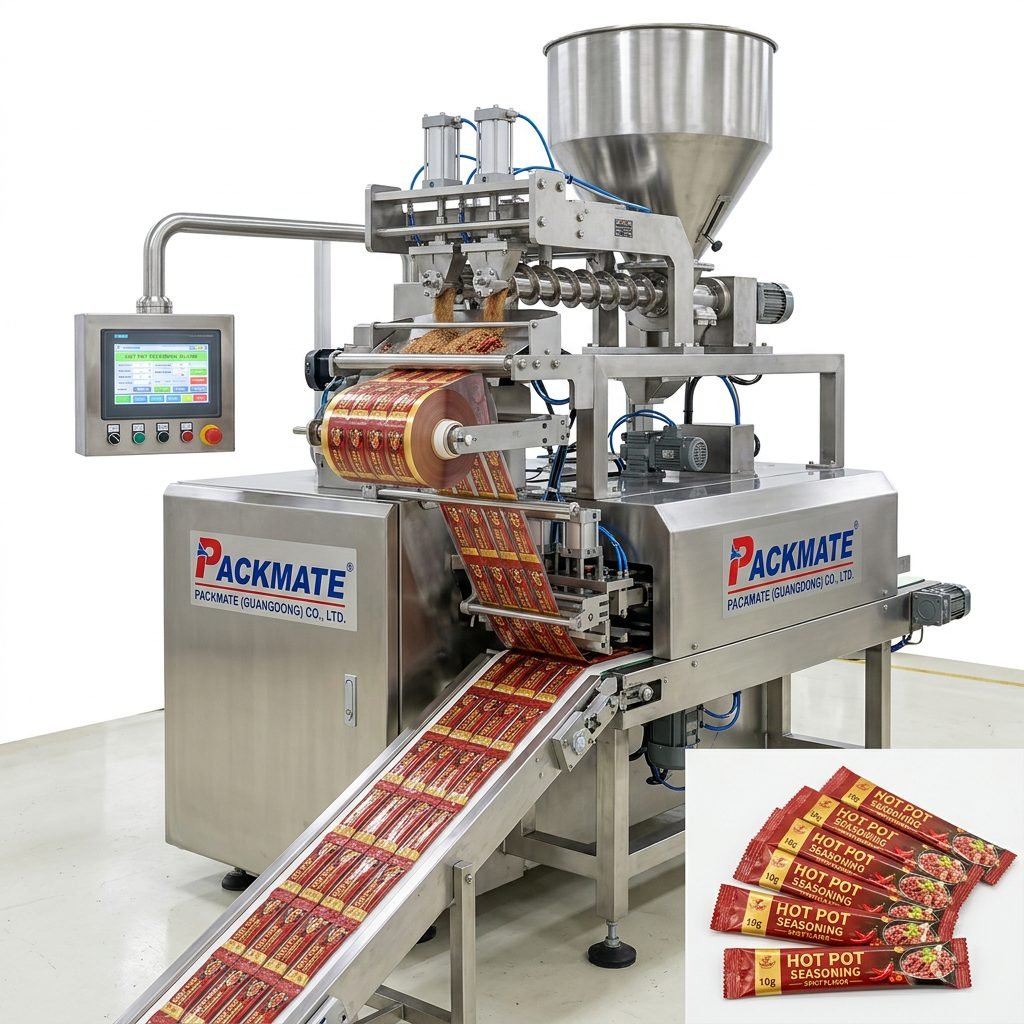
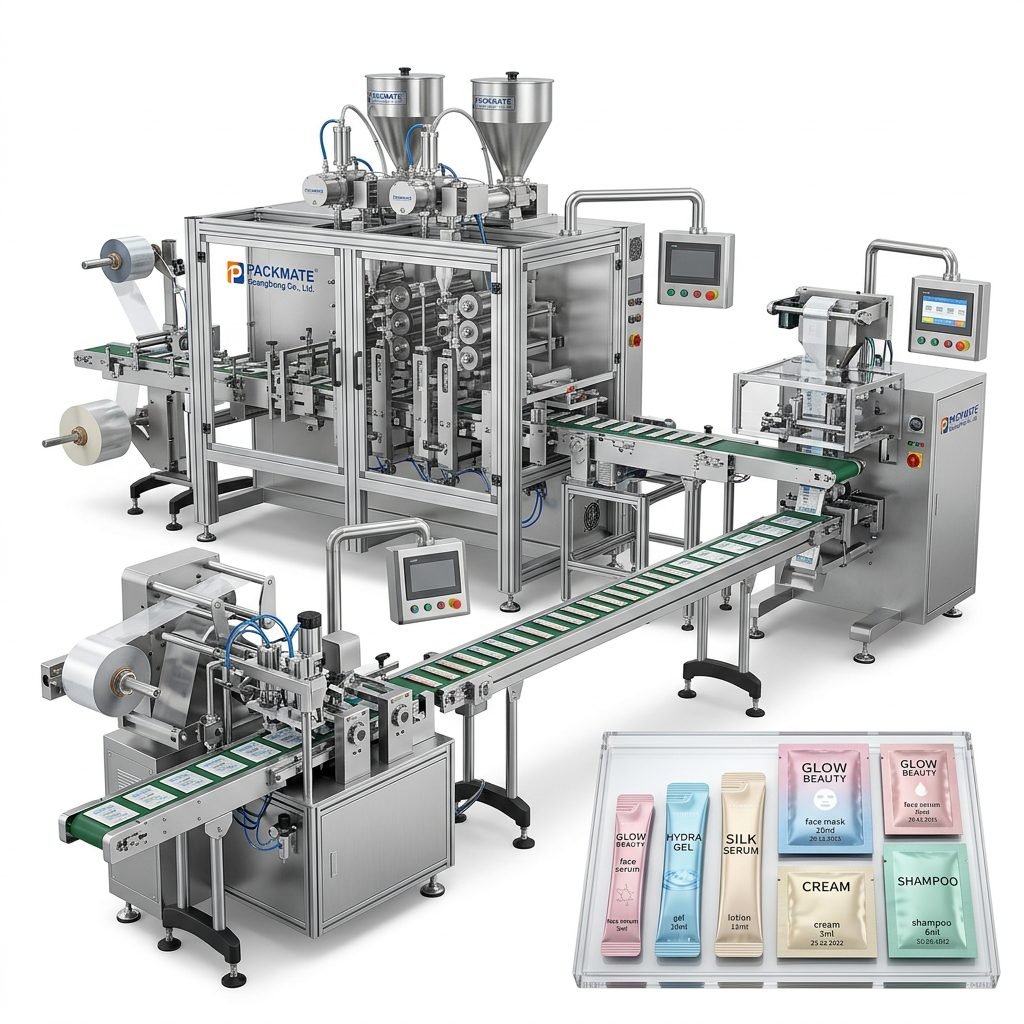
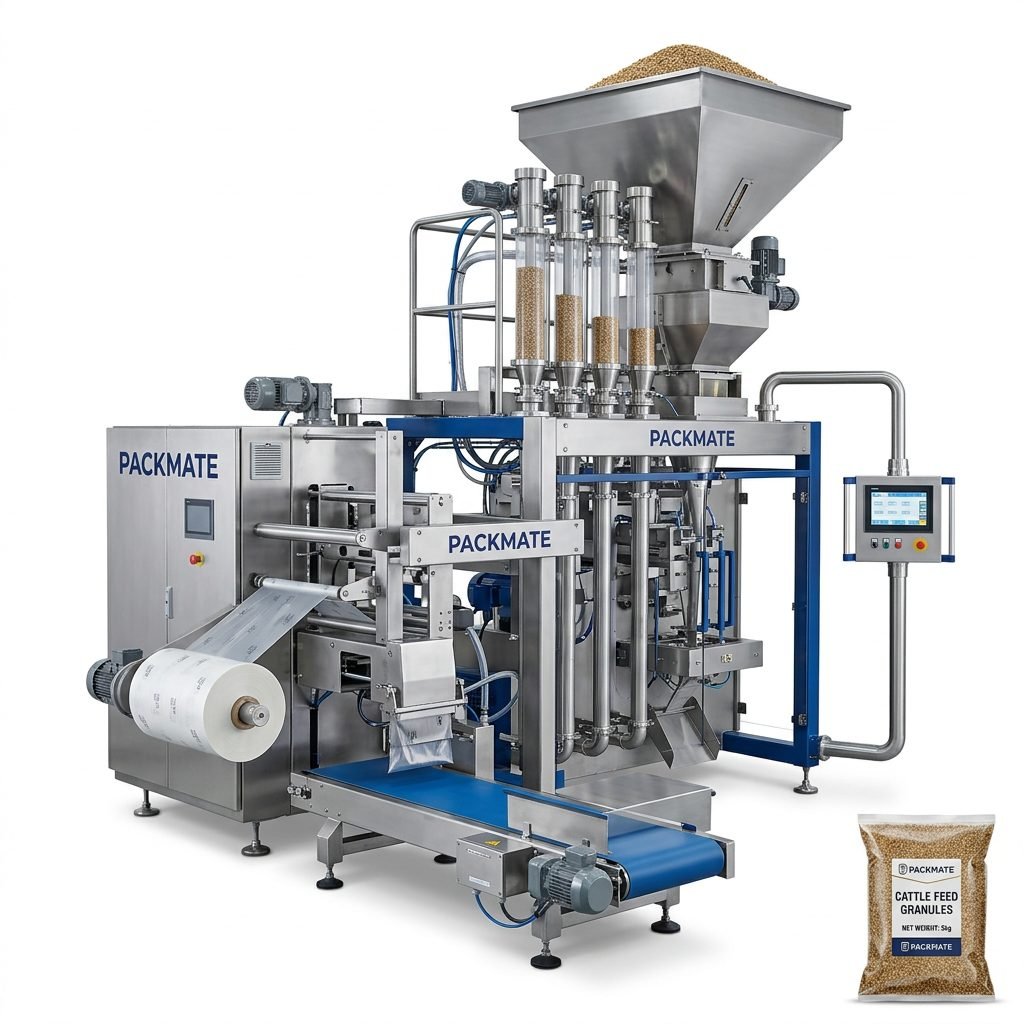
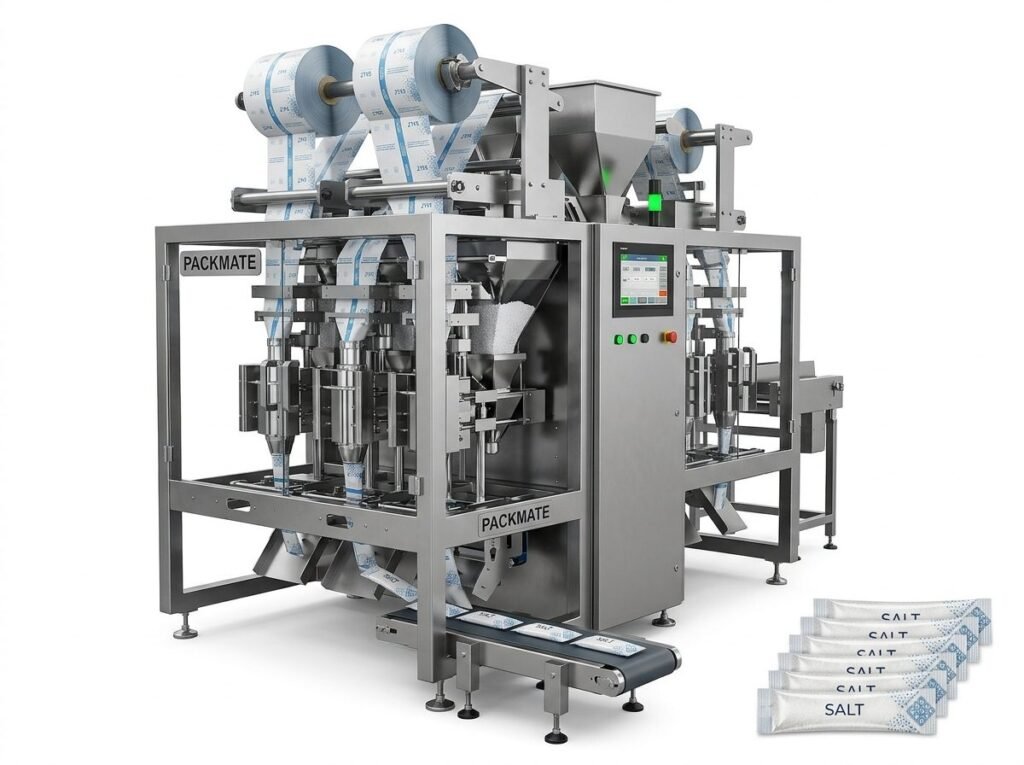
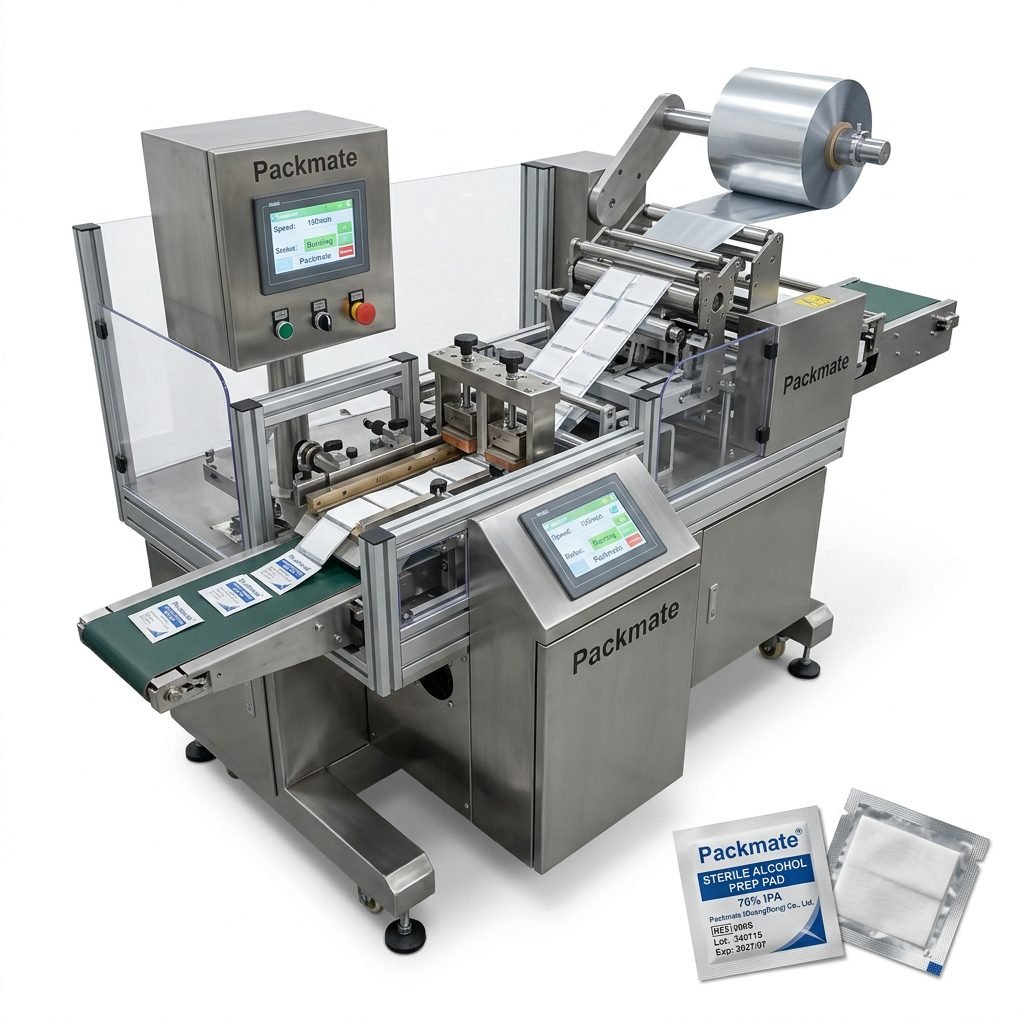
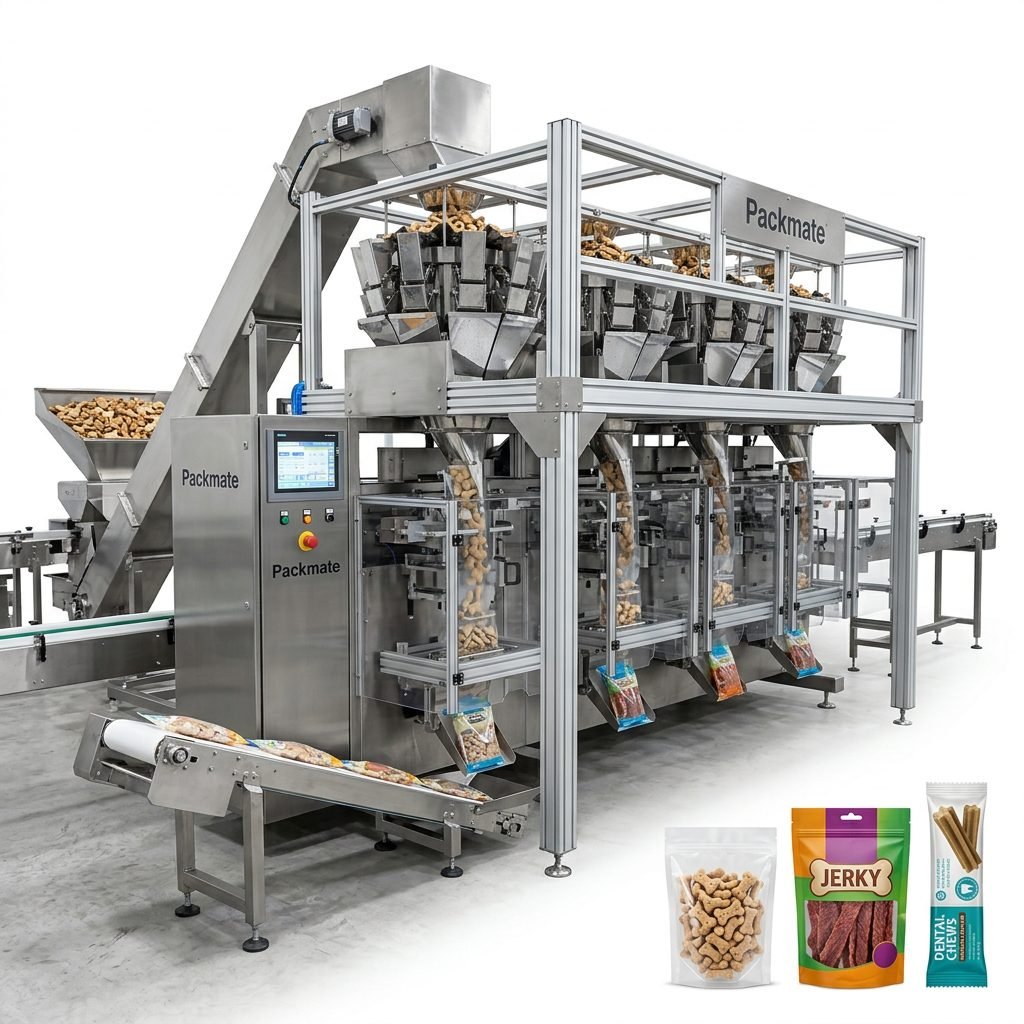
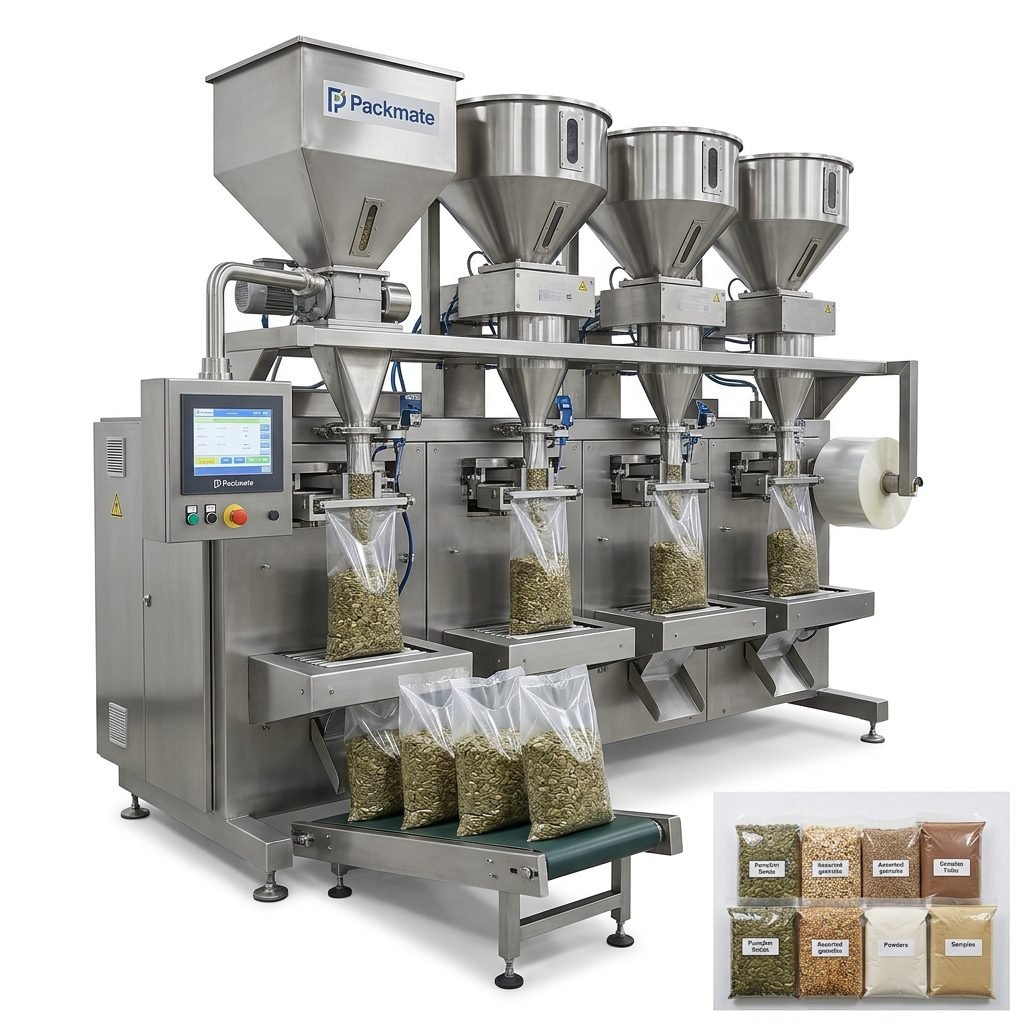
Product Portfolio: A broad range, like that offered by Packmate Machinery, indicates versatility and the ability to handle different product types, from food powders to pharmaceutical granules.
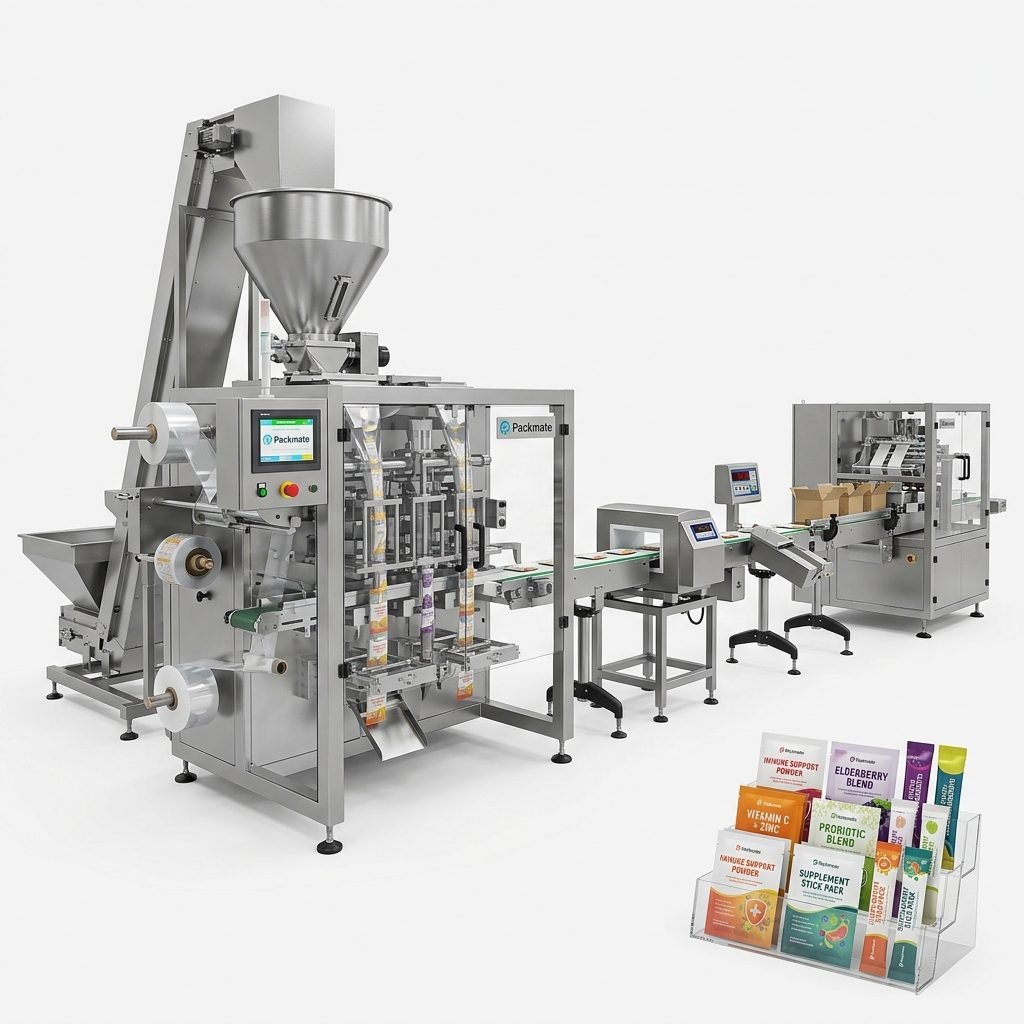
Project Complexity: If your project requires a fully integrated line, prioritize manufacturers like PacklineOEM that specialize in turnkey solutions, as they can manage the entire process from design to commissioning.
3. Technical Capability and Customization
Off-the-shelf machines may not suit every need. The ability to customize is crucial, especially for handling unique local products or specific packaging materials.
- Customization Scope: Can the manufacturer adapt machine components for your specific bag size, film material, or filling accuracy?
- Technical Support: What level of engineering support is provided during the design and installation phase?
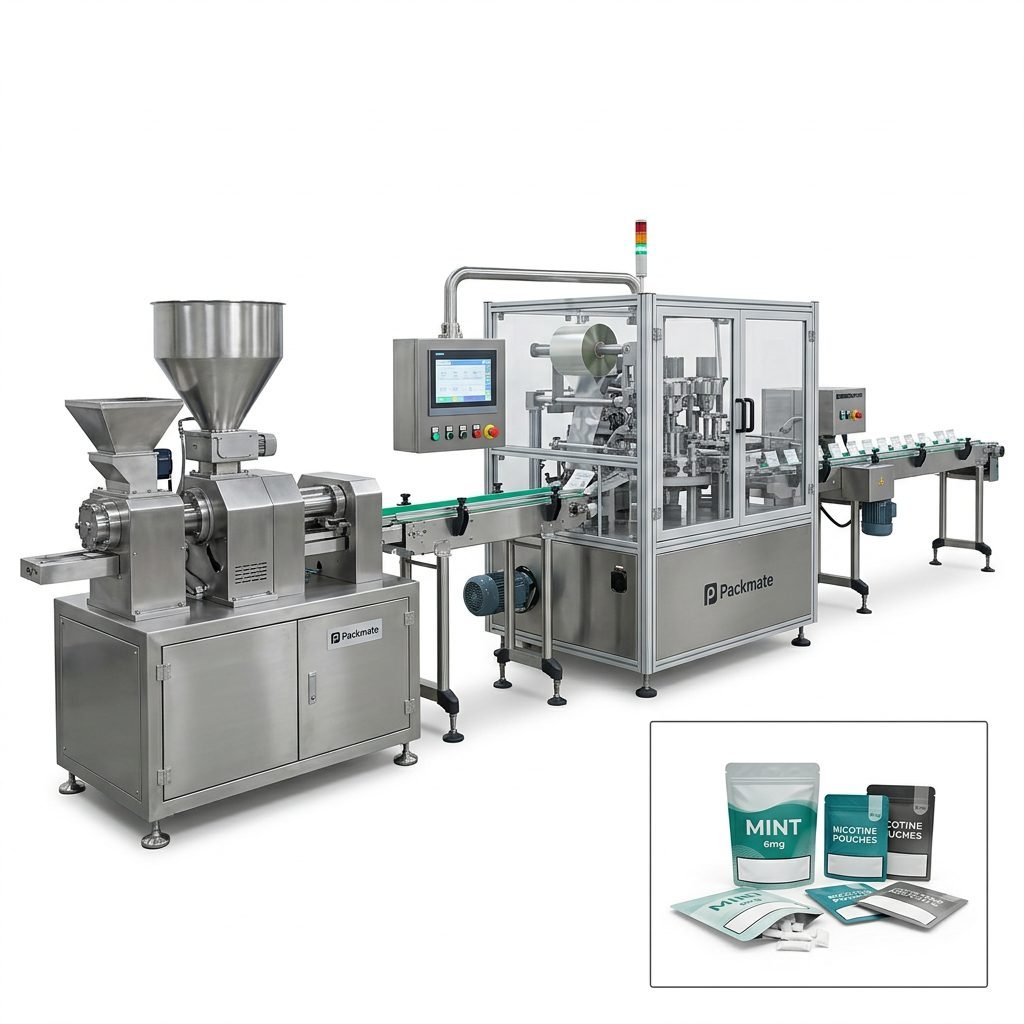
- Niche Expertise: For specialized products like nicotine pouches, a manufacturer like SnusMachinery offers focused expertise that general manufacturers may lack.
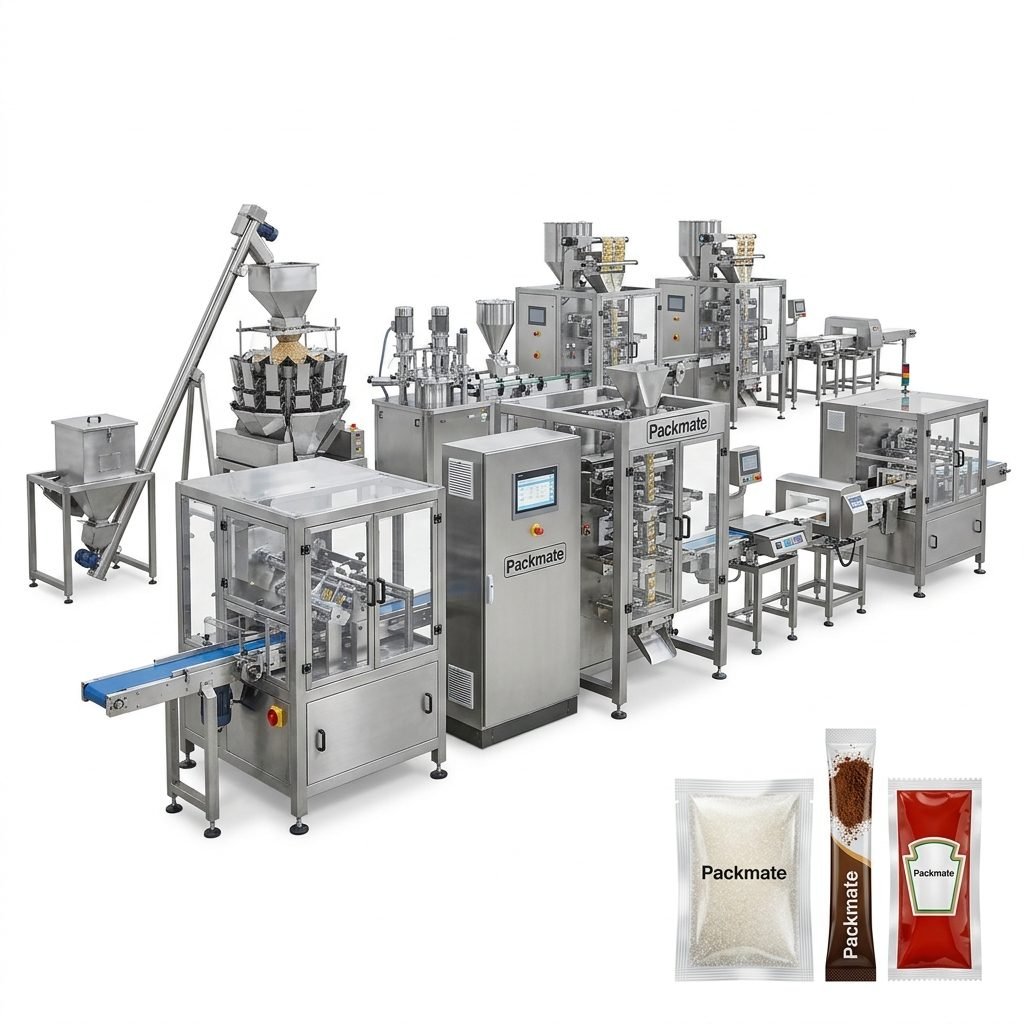
4. Manufacturing Quality and Compliance
Machine durability is non-negotiable. Investigate the build quality, components used, and compliance with international standards.
| Aspect to Check | Why It Matters for Burkina Faso |
|---|---|
| Factory Audit & Certifications | ISO certifications indicate a structured quality management system. A large factory (e.g., 20,000+ sqm) suggests serious manufacturing capacity. |
| Machine Frame & Components | Stainless steel contact parts are essential for food and pharma. Robust construction ensures longevity in demanding environments. |
| Control Systems & Ease of Use | User-friendly PLC interfaces with local language support can reduce operator training time and minimize errors. |
5. After-Sales Support and Service
This is arguably the most critical factor for businesses in Burkina Faso. The geographical distance makes responsive support vital.
Key Support Questions to Ask:
- What is the warranty period and what does it cover?
- Do they have local agents or technicians in West Africa, or at least in neighboring countries?
- What is the typical response time for spare parts delivery? Do they maintain a common parts inventory?
- Do they offer comprehensive installation supervision, training, and remote diagnostic support?
- Can they provide references from other clients in Africa?
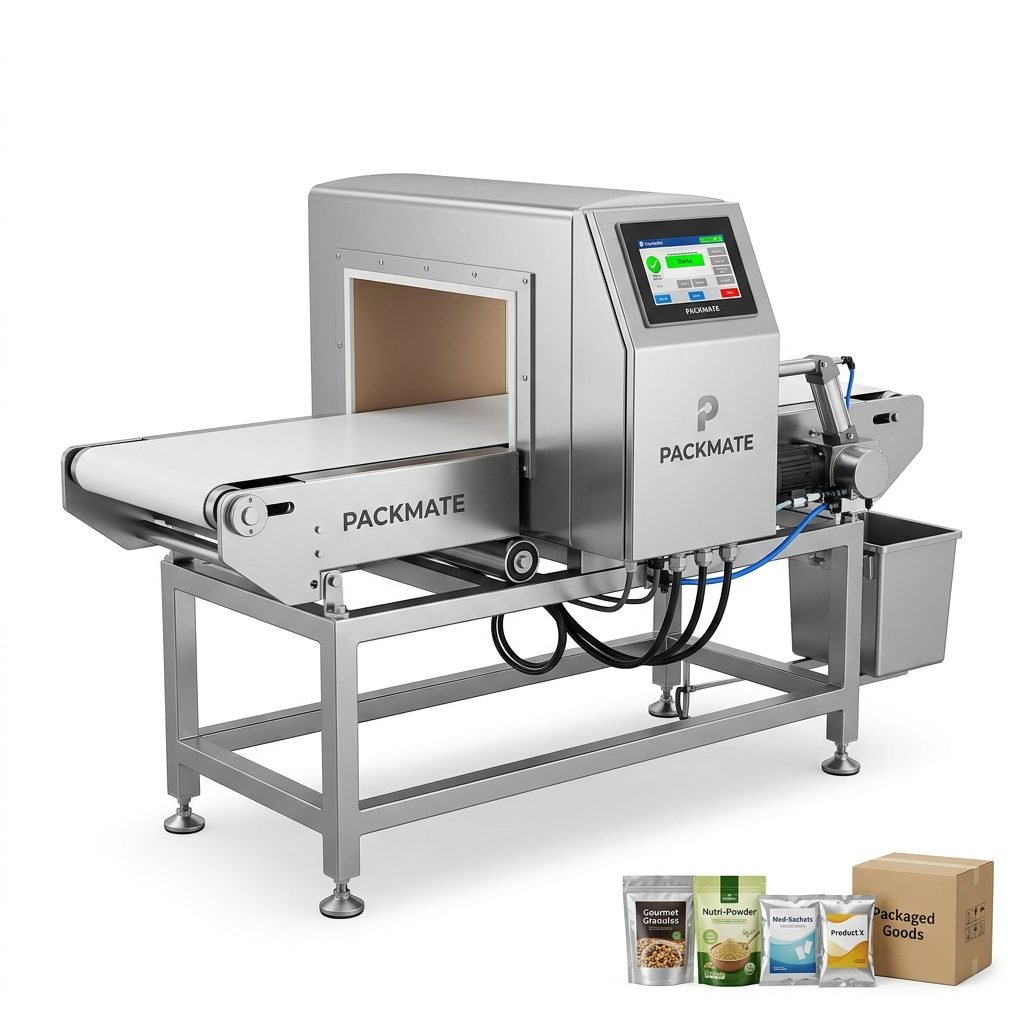
6. Cost Analysis and Return on Investment (ROI)
While upfront cost is important, the Total Cost of Ownership (TCO) is a better metric. A cheaper machine with frequent breakdowns and no support can be far more expensive in the long run.
- Initial Investment: Includes machine price, shipping, customs duties, and installation.
- Operational Costs: Energy consumption, spare parts, maintenance labor, and packaging material waste.
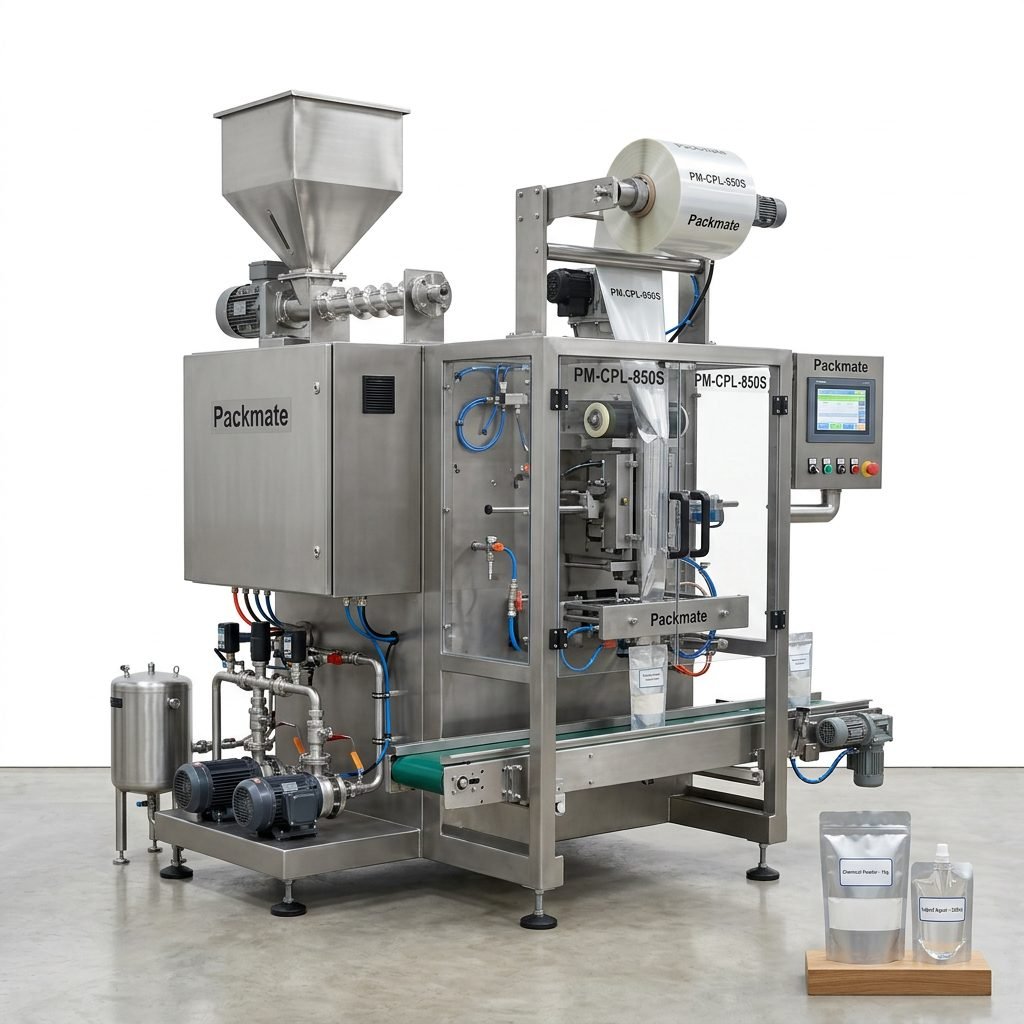
- ROI Calculation: Factor in increased output, labor savings, reduced product waste, and improved packaging quality. A reliable machine from an established manufacturer like PackingMachineOEM, though potentially a higher initial investment, often delivers a faster and more secure ROI through sustained productivity.
7. Navigating the Procurement Process
Engage with potential manufacturers systematically. Start with a detailed technical inquiry. Reputable companies will ask many questions about your product and process to ensure they propose the right solution. Request a detailed quotation, a list of references (preferably in similar climates or industries), and visit their factory if possible—either in person or via a virtual tour. Clarify all Incoterms (FOB, CIF) and responsibilities for shipping, insurance, and customs clearance to the port of entry in Burkina Faso (e.g., Abidjan or Tema).
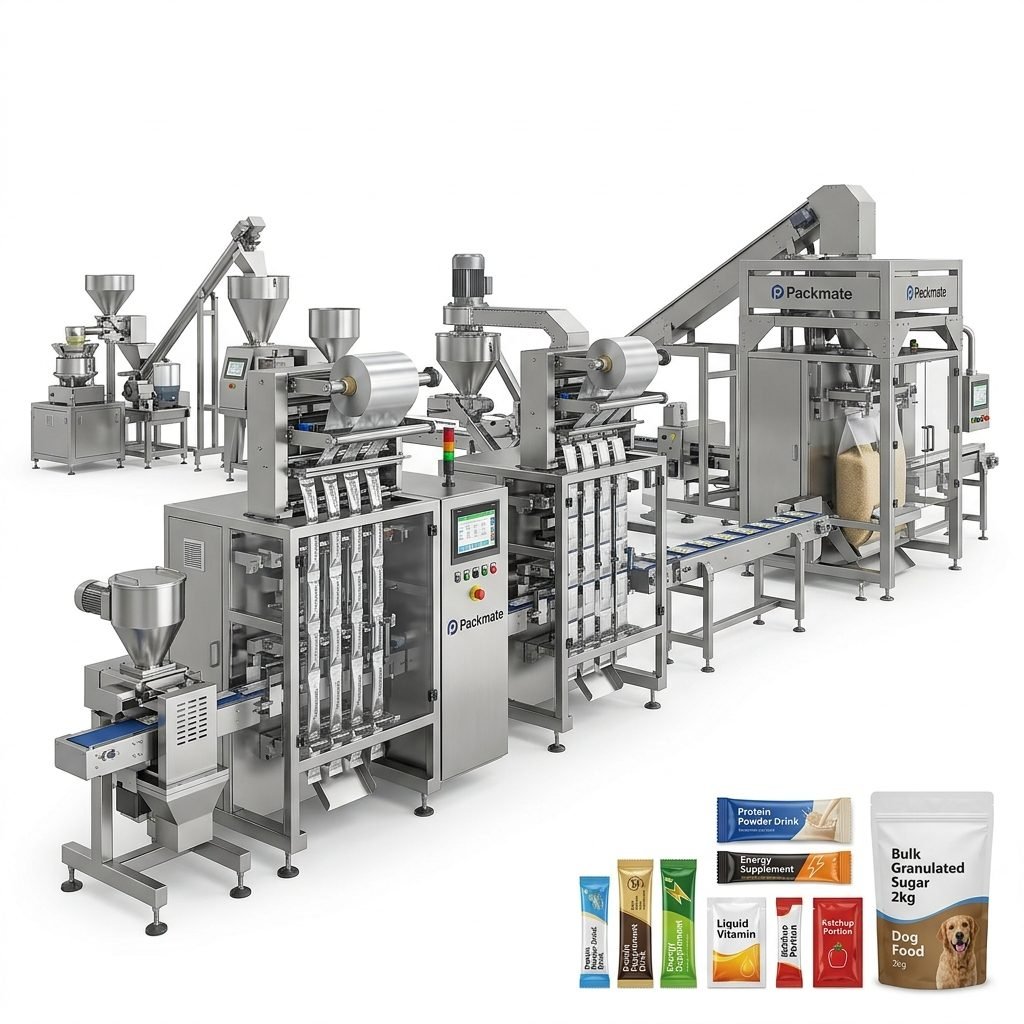
Conclusion
For businesses in Burkina Faso, choosing a packaging machine manufacturer is a strategic partnership. It requires careful evaluation of your specific needs against a manufacturer’s technical expertise, build quality, and—most importantly—their commitment to after-sales support. Prioritizing a manufacturer with a strong export history, a willingness to customize, and a proven support structure for African markets will provide the reliability and partnership needed to grow your packaging operations successfully. Investing time in this selection process is an investment in your production’s future stability and efficiency.
Frequently Asked Questions (FAQs)
Q1: What type of packaging machine is most suitable for small and medium-sized enterprises (SMEs) in Burkina Faso?
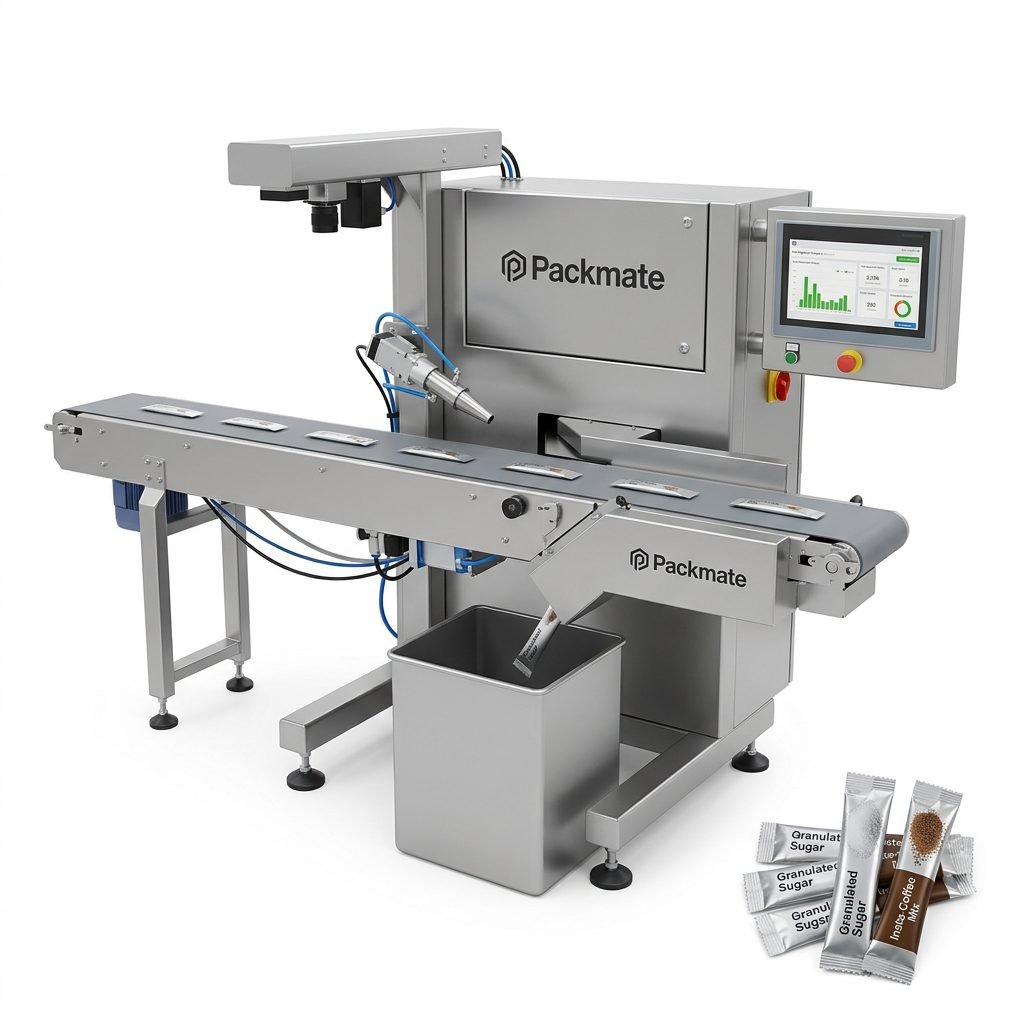
A: For SMEs, vertical form-fill-seal (VFFS) machines or single-lane stick pack/sachet machines are often a good starting point due to their lower cost, flexibility, and relatively simple operation. Companies like Packmate Machinery offer models that balance affordability with reliable performance for medium-scale production.
Q2: How can I ensure the machine will handle Burkina Faso’s climate and occasional power fluctuations?
A: Discuss these concerns explicitly with the manufacturer. Request machines built with corrosion-resistant materials and sealed electrical components. Ensure the control system has voltage stabilizers or recommend local procurement of a stabilizer/UPS. Reputable manufacturers design for diverse global conditions.
Q3: Is it better to buy a single machine or a complete turnkey line?
A: It depends on your scale, budget, and in-house expertise. A single machine is sufficient for specific, manual tasks. A turnkey line from a supplier like PacklineOEM is ideal for high-volume, fully automated production where consistency and minimal manual handling are critical. It offers better integration but requires a larger investment.
Q4: What are the key steps for customs clearance and delivery of the machine to my factory in Burkina Faso?
A: Work with a experienced freight forwarder. The process typically involves: 1) Supplier preparing shipping documents (Invoice, Packing List, Bill of Lading, Certificate of Origin). 2) Clearing goods at the port (usually Abidjan or Tema). 3) Arranging inland transportation to Burkina Faso. 4) Handling customs duties and taxes in Burkina Faso. Your machine supplier should assist with export documentation.
Q5: Can manufacturers provide training for our operators and maintenance staff?
A: Yes, most reputable manufacturers include basic operational training during installation and commissioning. For more comprehensive training, you can often send your engineers to their factory in China or arrange for extended on-site training. Ensure training scope and language are agreed upon in the contract.