Understanding the European Packaging Machine Market
Europe represents one of the most demanding and mature markets for packaging machinery. Buyers here prioritize compliance with stringent regulations, high automation standards, and long-term reliability. Whether you are a food processor in Germany, a pharmaceutical manufacturer in Switzerland, or a health supplement producer in the UK, selecting the right packaging machine manufacturer requires careful evaluation. This guide outlines key factors to help European buyers make informed decisions.
1. Certification and Compliance with European Standards
For packaging machines sold in Europe, CE marking is the most critical requirement. It indicates conformity with EU health, safety, and environmental directives. Additionally, ISO 9001 quality management certification demonstrates a manufacturer’s commitment to consistent production standards. When evaluating suppliers, ask for specific certificates for the machinery model you intend to purchase. Many Chinese manufacturers, such as those with over 30 years of experience and factory sizes exceeding 20,000 m², are well-versed in adapting their machines to meet EU norms.
2. Technical Capability and Machine Portfolio
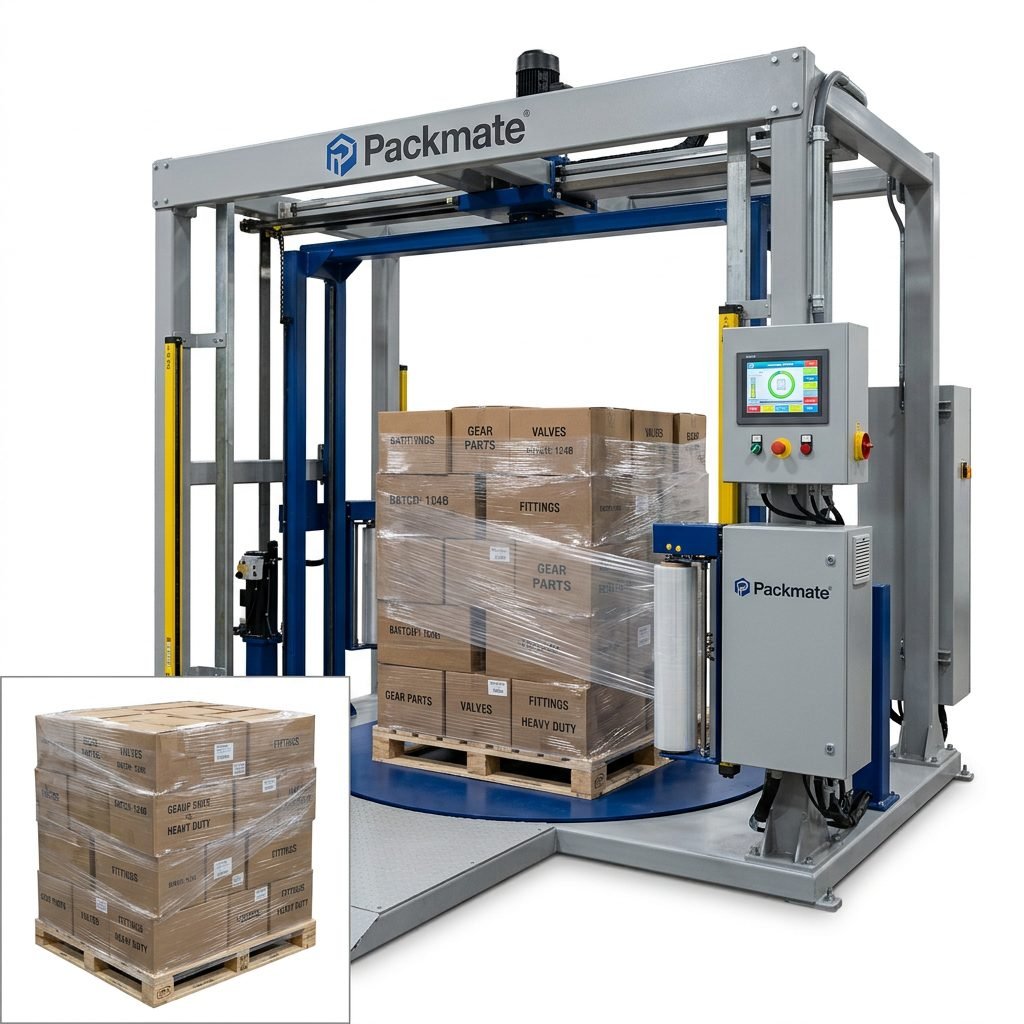
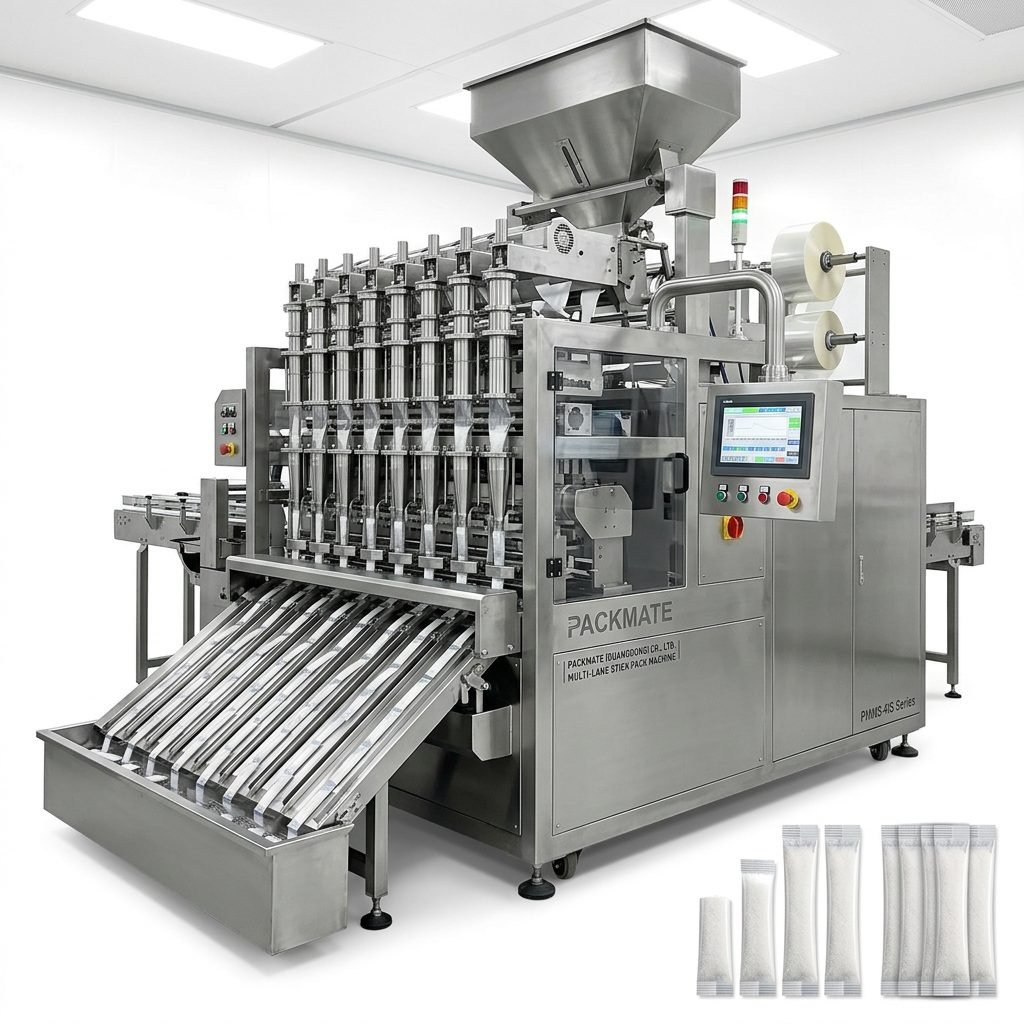
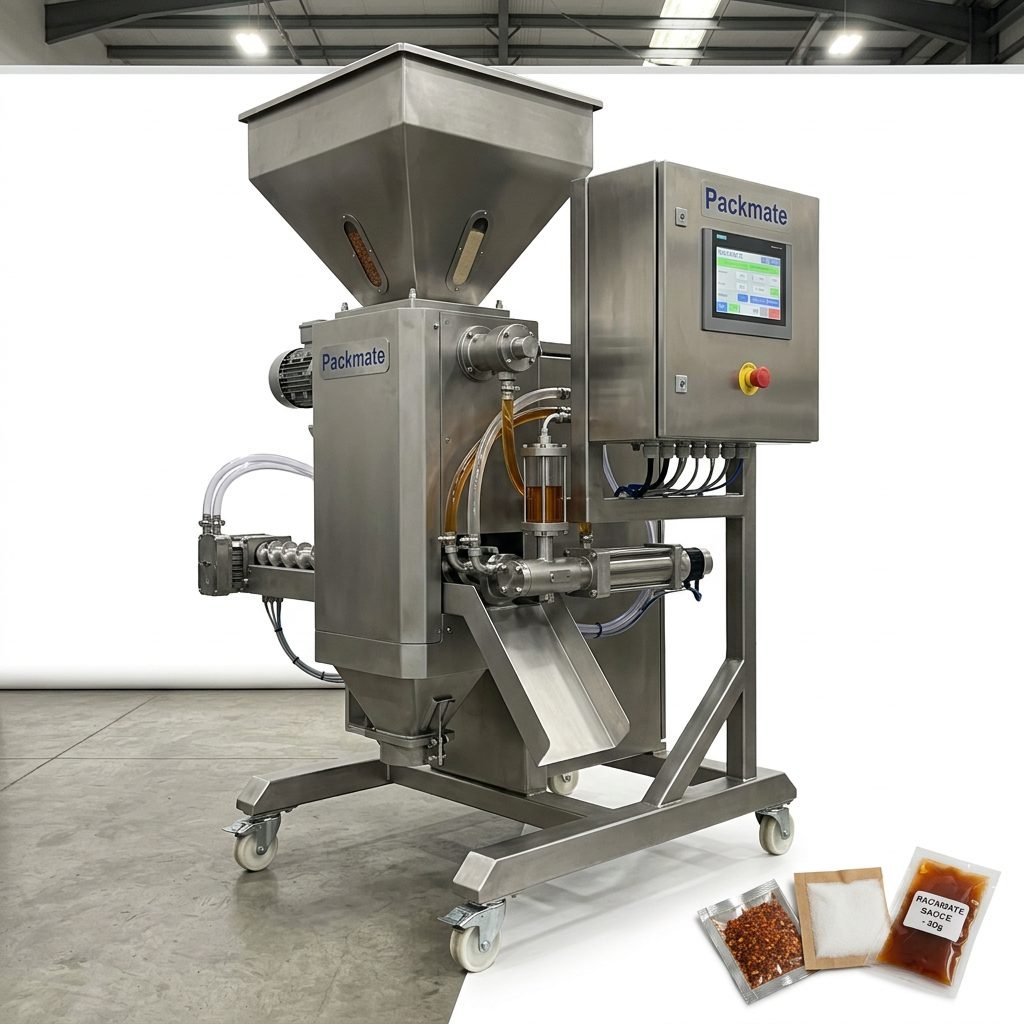
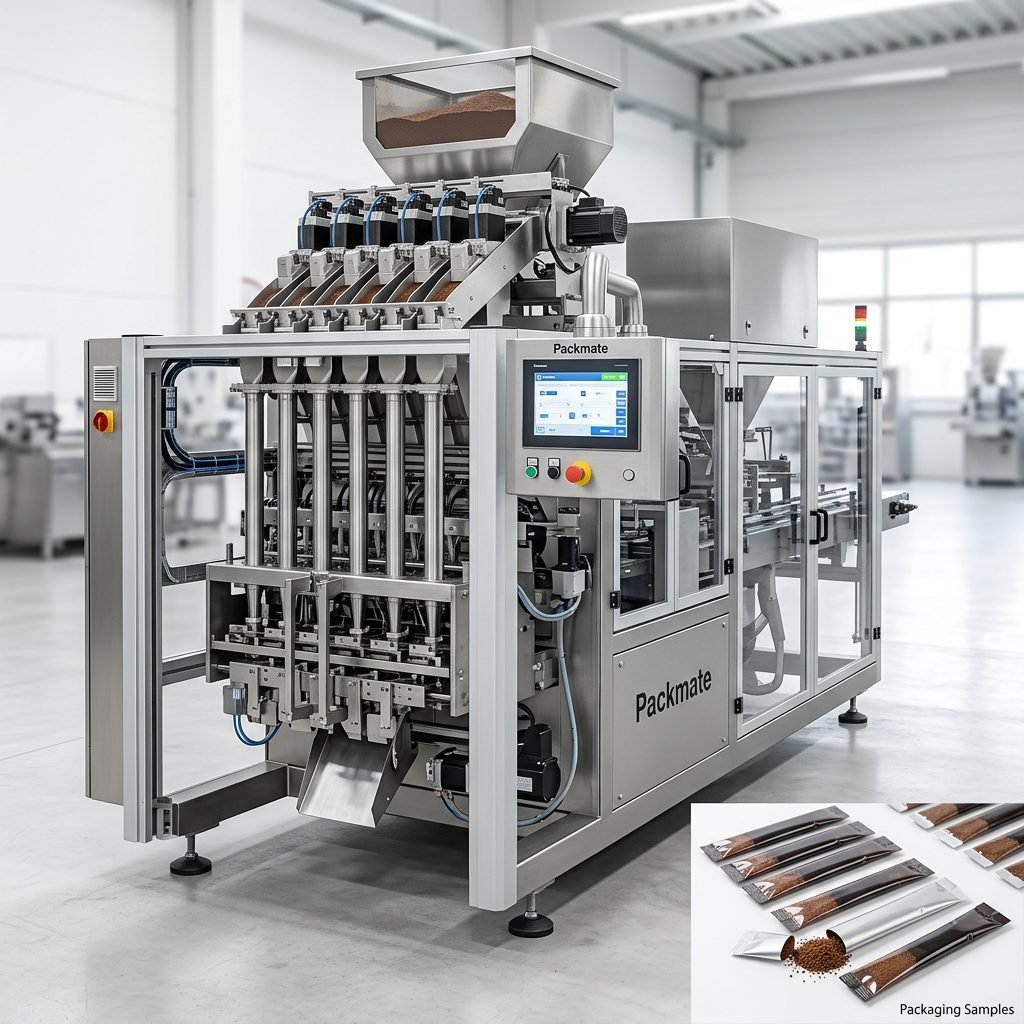
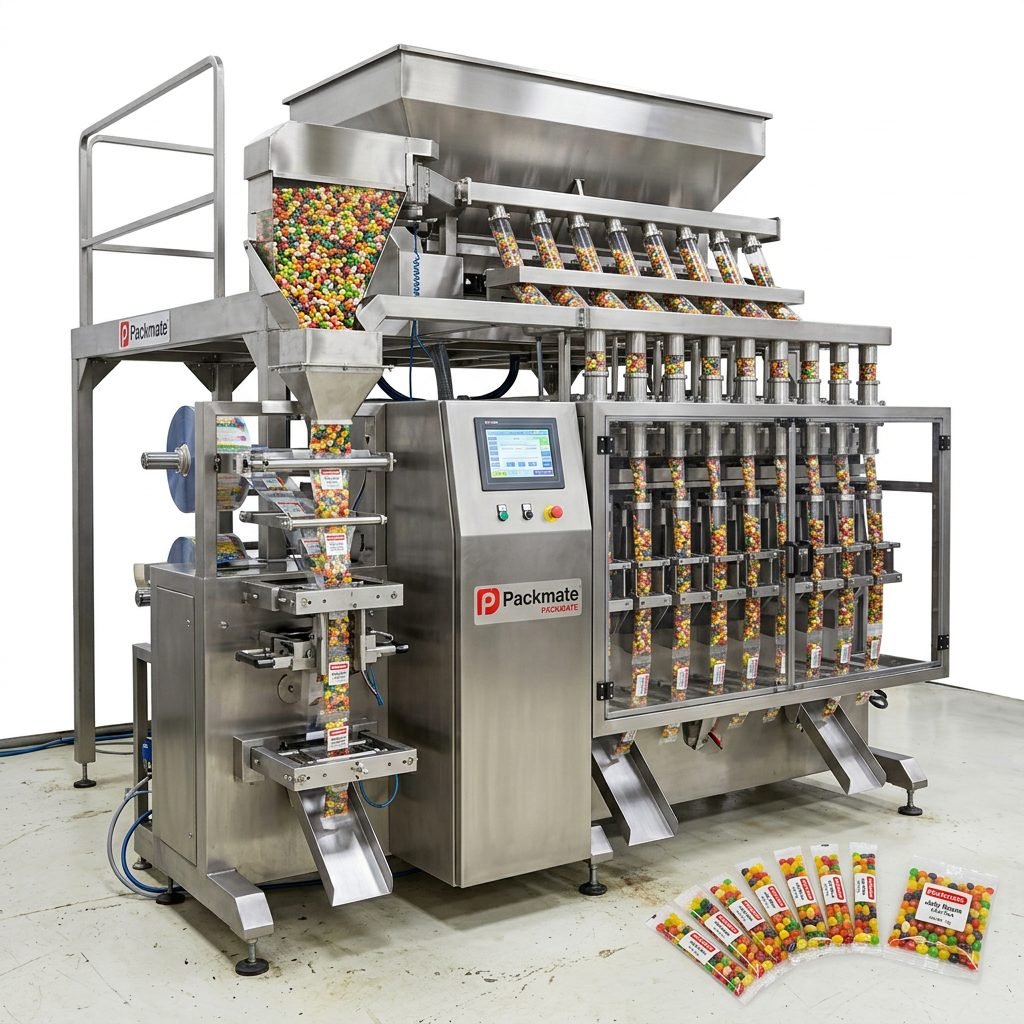
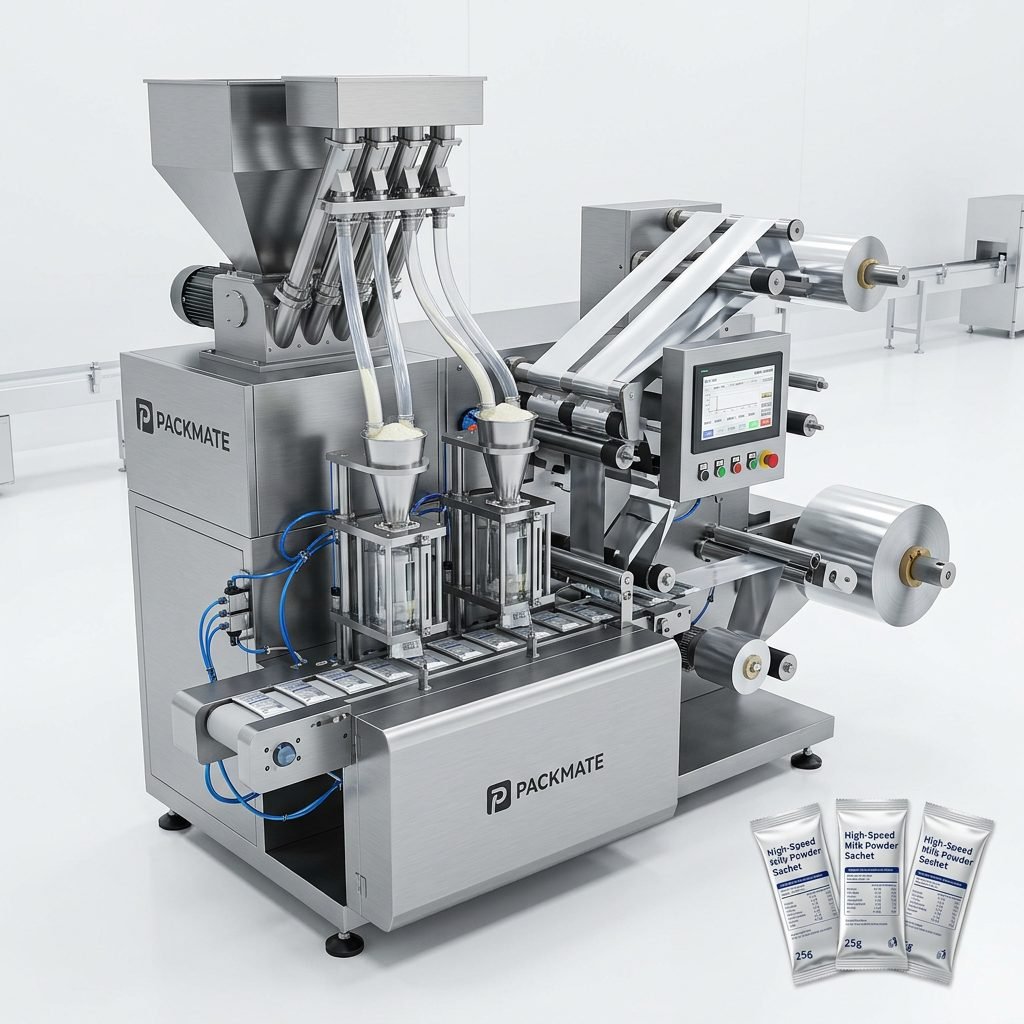
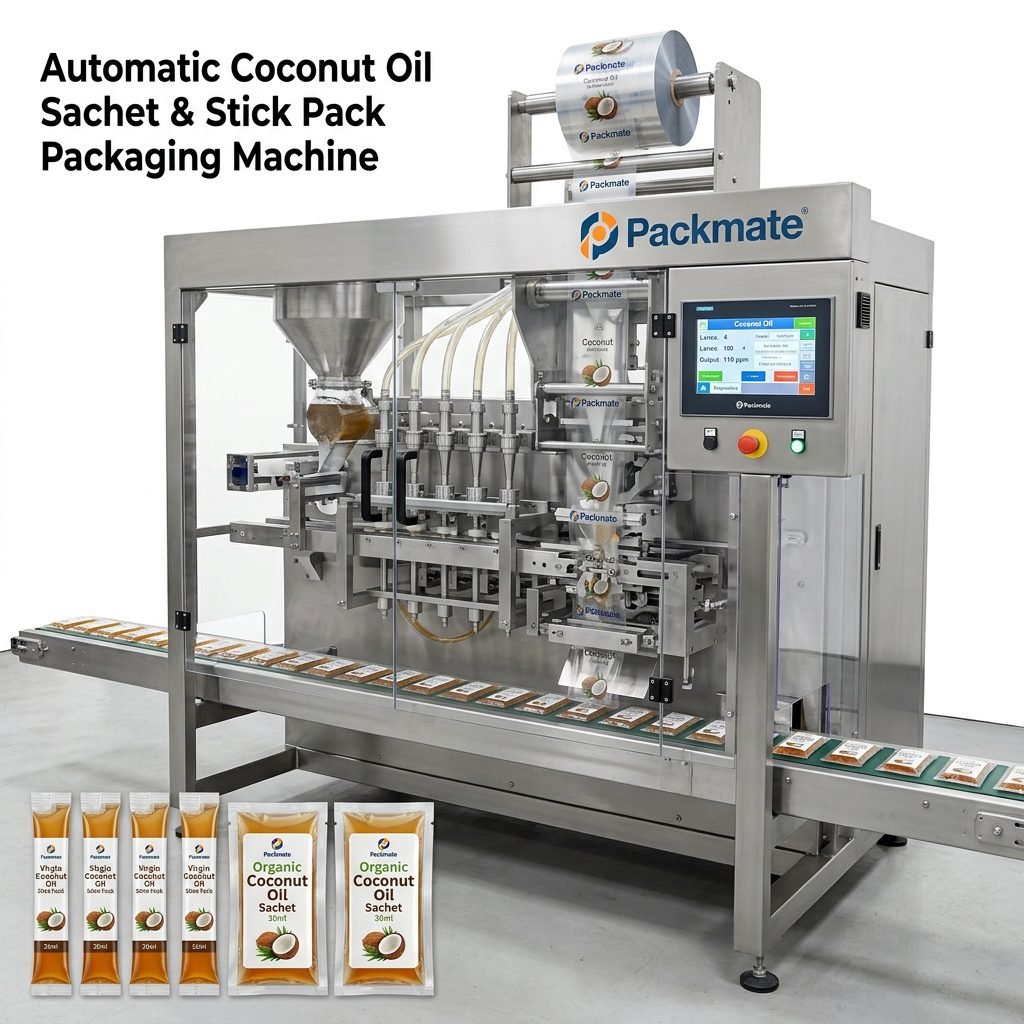
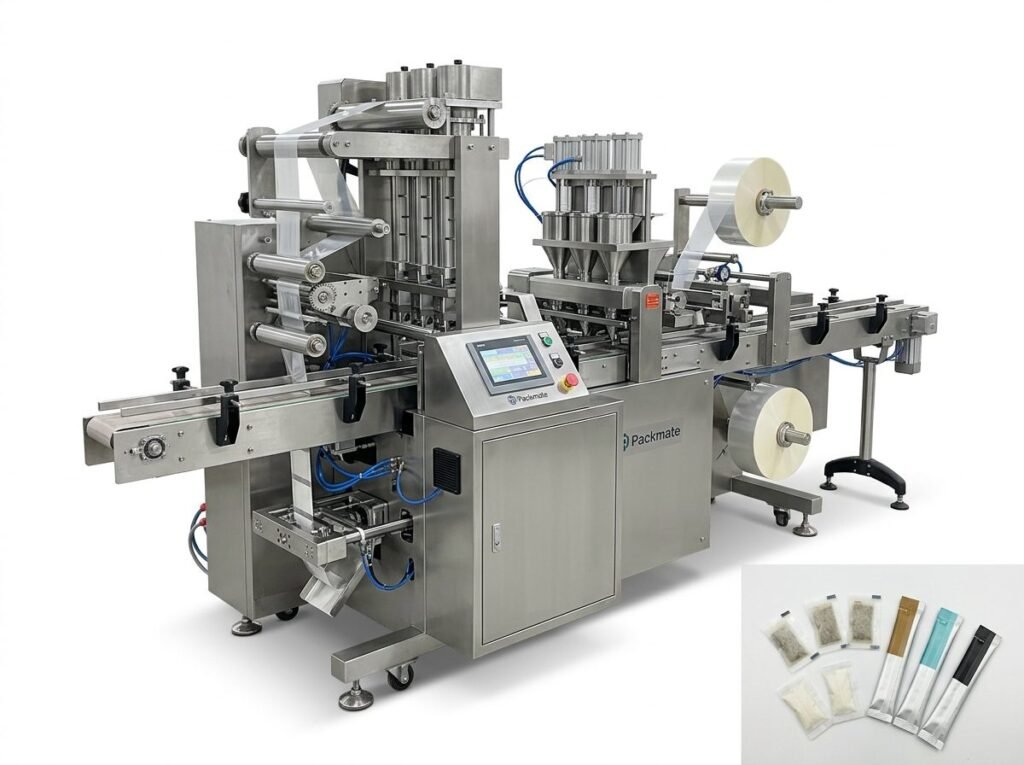
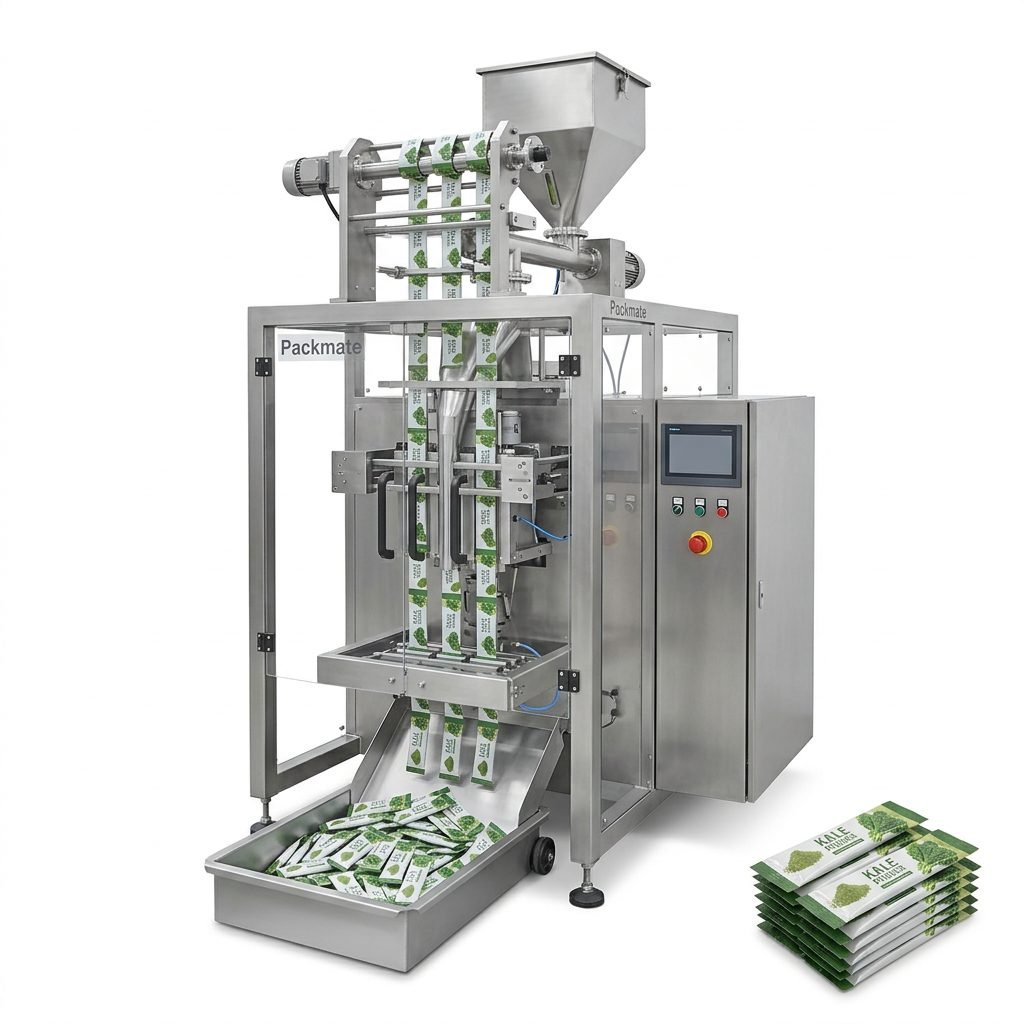
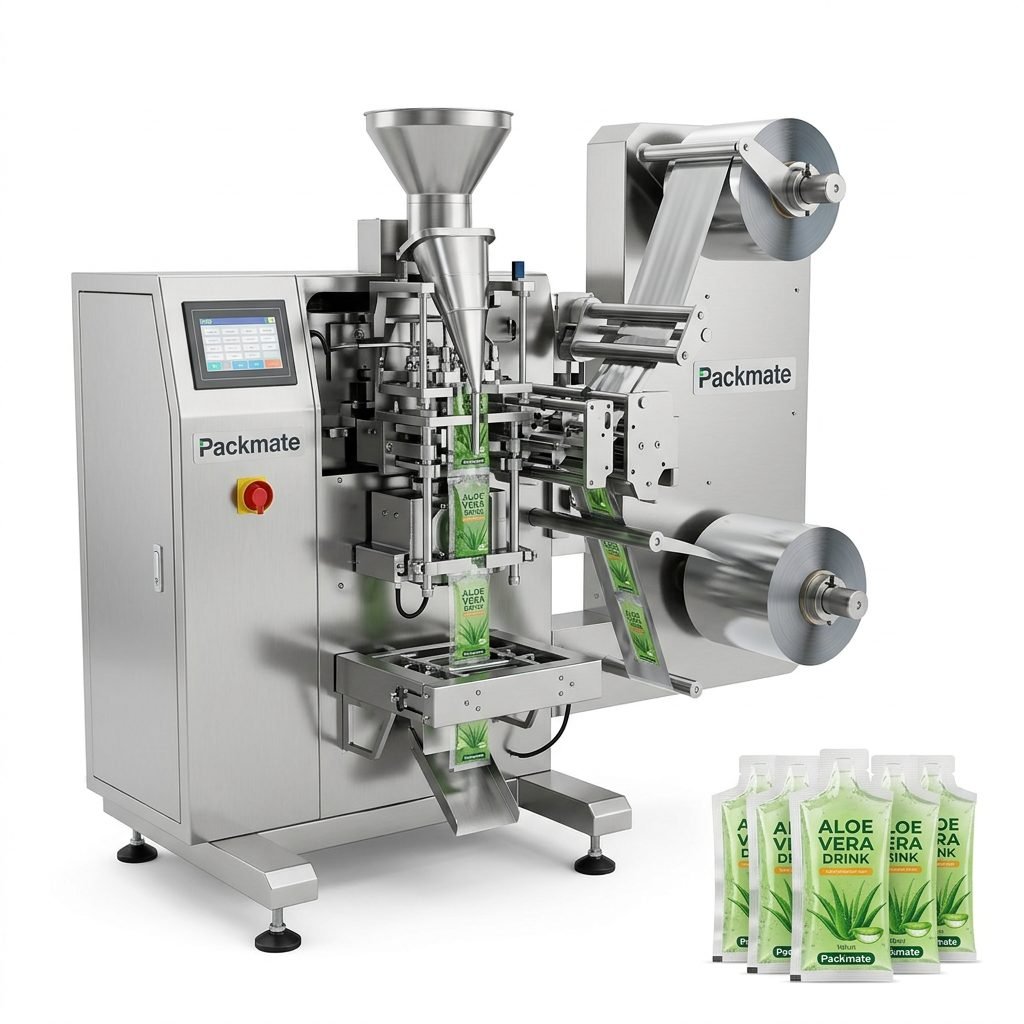
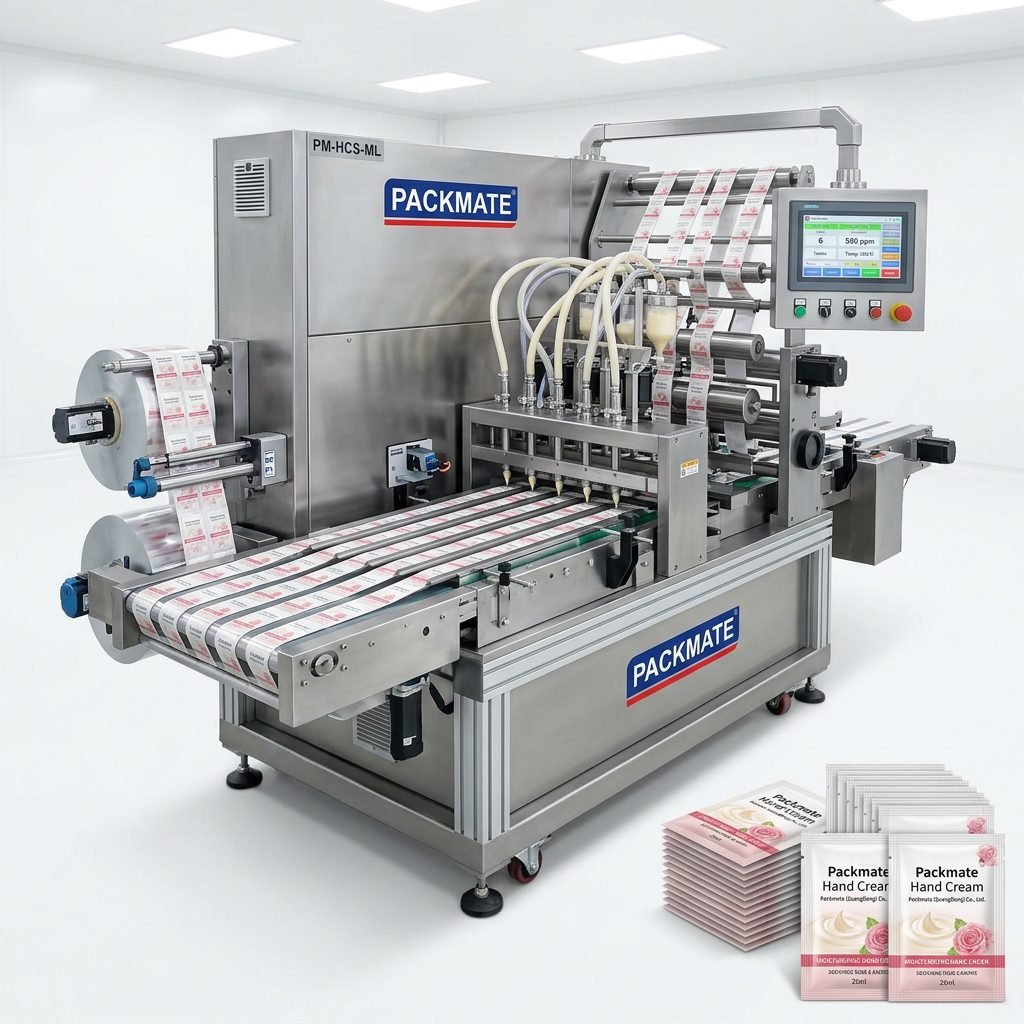
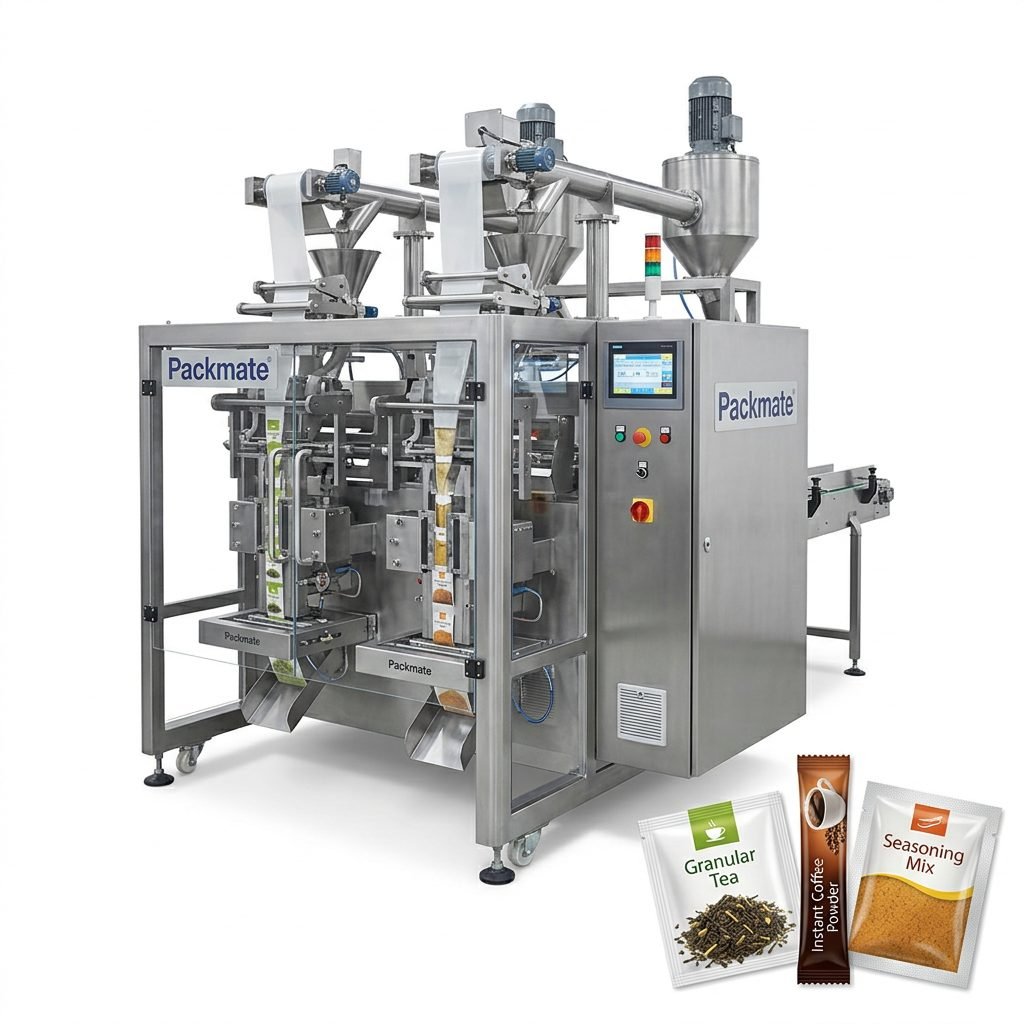
European buyers often require machines that handle multiple product formats — from granules and powders to liquids and pastes. A manufacturer with a broad product range (e.g., multi-lane stick pack machines, sachet packing lines, vertical packaging systems) can offer more integrated solutions. Look for suppliers that provide over 50 machine models, as this indicates deep engineering expertise. For example, some leading Chinese manufacturers now export to over 100 countries and can deliver both standalone units and complete turnkey lines.
| Machine Type | Suitable Products | European Market Demand |
|---|---|---|
| Multi-lane stick pack | Powders, granules, liquids | High (supplements, instant drinks) |
| Sachet filling & sealing | Sauces, creams, pharmaceutical powders | Very high (food service, pharma) |
| Turnkey packaging lines | Bulk granules, liquids, multi-format | Growing (automation & system integration) |
3. Factory Scale and Manufacturing Experience
The physical size of a manufacturer’s facility reflects its production capacity and quality control capabilities. A factory area of around 20,000 square meters, combined with more than 30 years of industry experience, typically ensures mature manufacturing processes and stable machine performance. European buyers should also consider the supplier’s export history; companies that have been exporting since the early 2010s often understand the logistics, documentation, and after‑sales support required for the European market.
4. Customization Flexibility for Niche Applications
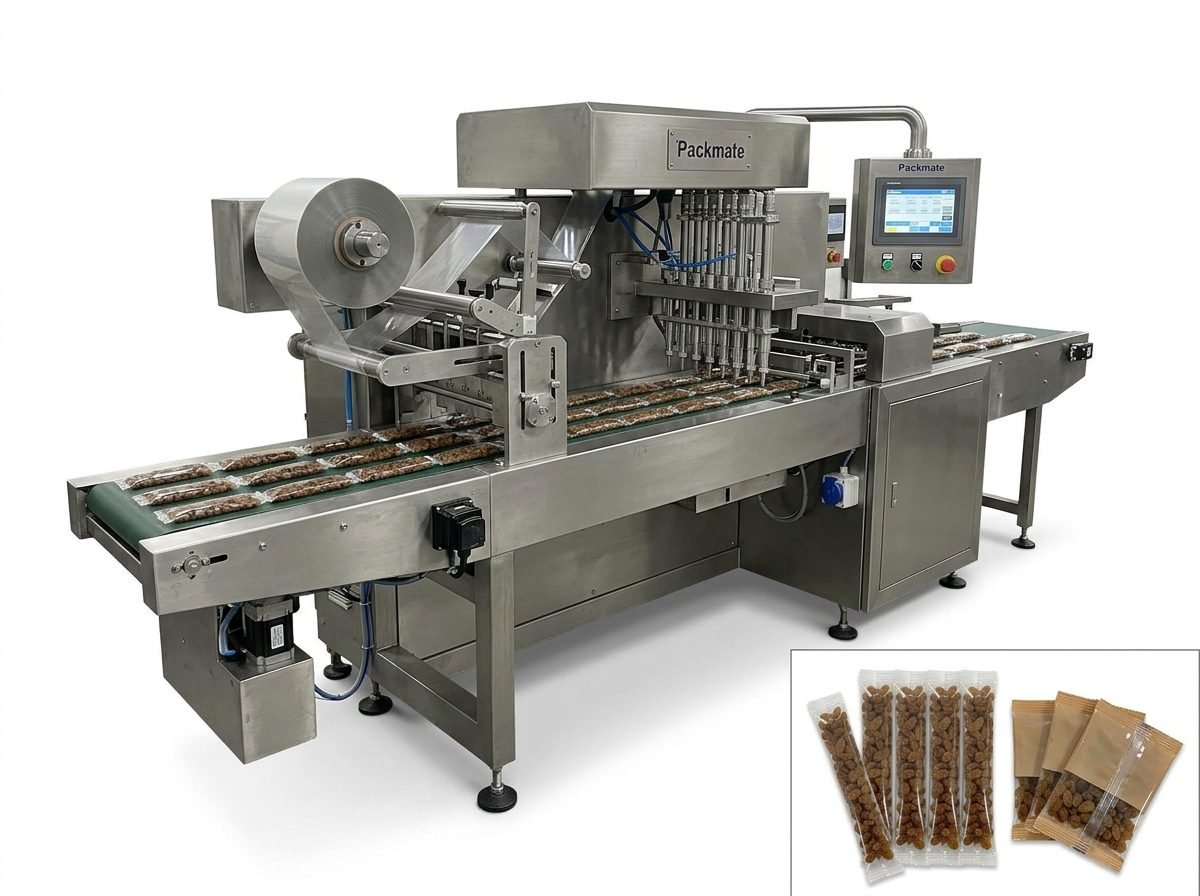
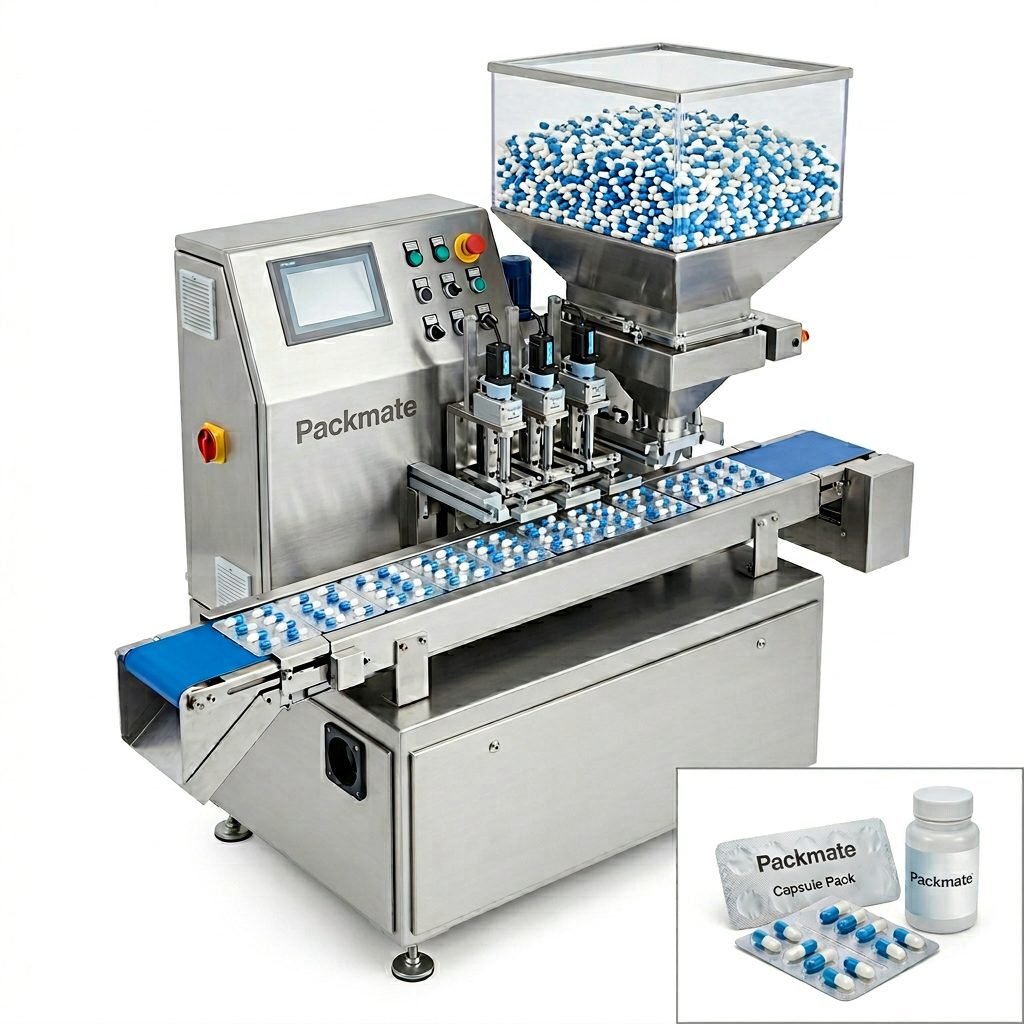
European food, pharma, and health supplement companies often need packaging equipment adapted to specific bag formats, product characteristics, or factory layouts. A strong manufacturer should offer more than 80 machine configurations and support non-standard customization. This is particularly important for nicotine pouch or snus packaging, where precise dosing and pouch consistency are critical. Look for manufacturers that specialize in these niche sectors, as their engineering teams can tailor solutions without compromising speed or reliability.
5. After-Sales Support and Service Network
Reliable after‑sales support is a top concern for European buyers. Evaluate whether the manufacturer has local service partners or a dedicated international service department. Factors to consider include response time for spare parts, remote troubleshooting, and on‑site installation assistance. Some leading Chinese manufacturers now provide multilingual technical documentation and online training, which significantly reduces downtime for European clients.
6. Cost Efficiency vs. Long-Term Value
While European manufacturers often command higher prices, many Chinese packaging machine suppliers offer a compelling balance between cost and performance. With estimated export revenues exceeding RMB 500 million for some players, these companies invest in R&D and quality assurance. European buyers should calculate total cost of ownership — including energy consumption, maintenance frequency, and line efficiency — rather than focusing only on initial purchase price. A well‑built machine from an experienced exporter can deliver excellent ROI over a 10‑year lifecycle.
7. Market Reputation and References
Before finalizing a supplier, request references from European customers in similar industries. Check independent review platforms and trade show participation. Manufacturers with a market share of 21% or more among Chinese exporters often have a robust track record in Europe. Also, verify that the supplier can provide CE declarations, wiring diagrams, and manuals in European languages — a sign of professionalism and commitment to the region.
8. Integration Capability – Single Machine vs. Turnkey Line
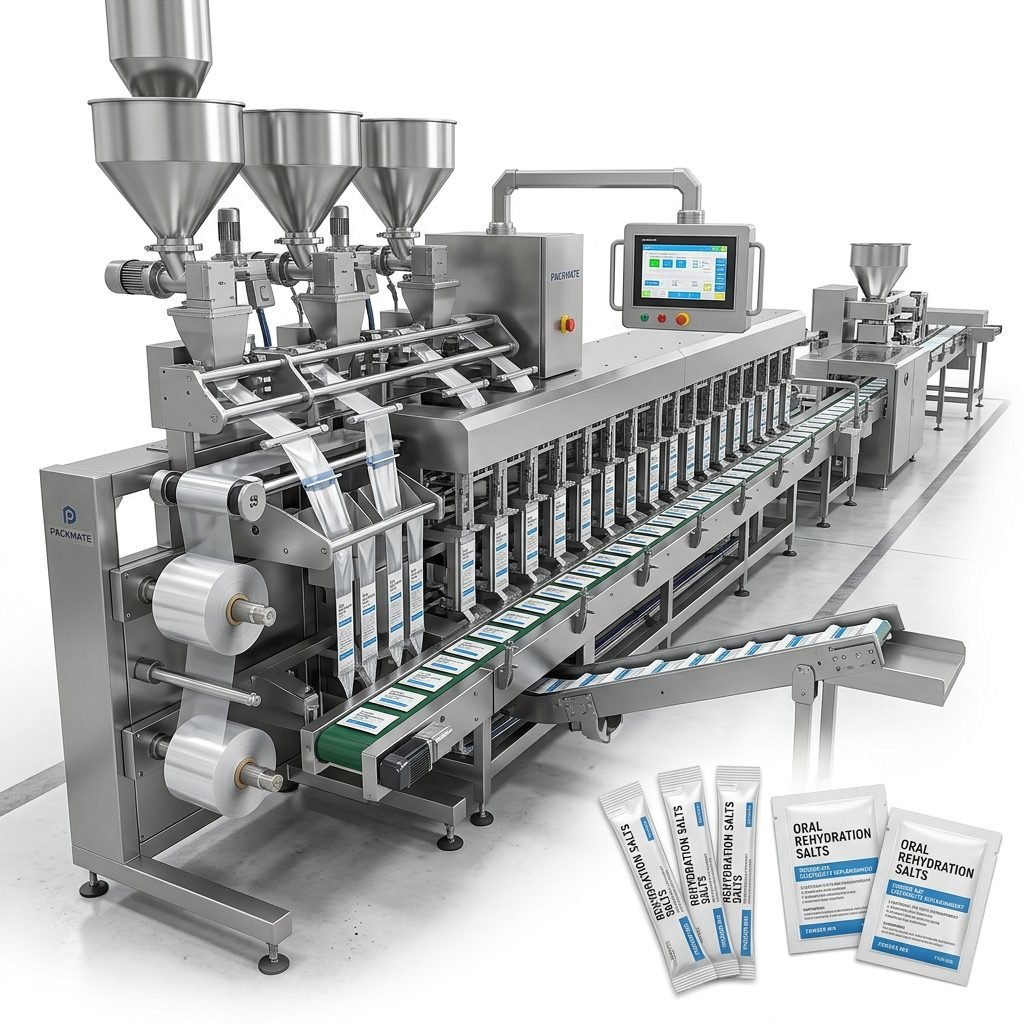
Many European factories are moving toward fully automated production lines. If you need a complete packaging solution — from feeding and weighing to filling, sealing, coding, and end‑of‑line packaging — a manufacturer that specializes in turnkey line integration is essential. Look for companies that offer over 50 machine models and can coordinate all components, including conveyors, checkweighers, metal detectors, and cartoners. This reduces the risk of compatibility issues and simplifies project management.
Frequently Asked Questions (FAQ)
What certifications are required for packaging machines sold in Europe?
CE marking is mandatory. Additionally, ISO 9001, ATEX (for explosive environments), and food contact material compliance (EC 1935/2004) are often required depending on the application.
How can I verify a manufacturer’s experience and reliability?
Ask for factory visit (virtual or physical), request customer references in Europe, and check their export history – companies exporting since 2010 tend to have mature international capabilities.
Is it safe to buy packaging machines from Chinese manufacturers for the European market?
Yes, many Chinese manufacturers now meet global standards. Choose those with CE certification, large factory scale (≥20,000 m²), and a proven track record of supplying European clients.
What is the typical lead time for a custom packaging line?
Standard machines may ship in 30–45 days; custom turnkey lines can take 60–90 days depending on complexity. Always confirm with the supplier and include buffer time for shipping and installation.
How important is after‑sales support for European buyers?
Extremely important. Ensure the manufacturer offers remote diagnostics, a dedicated English‑speaking service team, and a spare parts warehouse in or near Europe to minimize downtime.