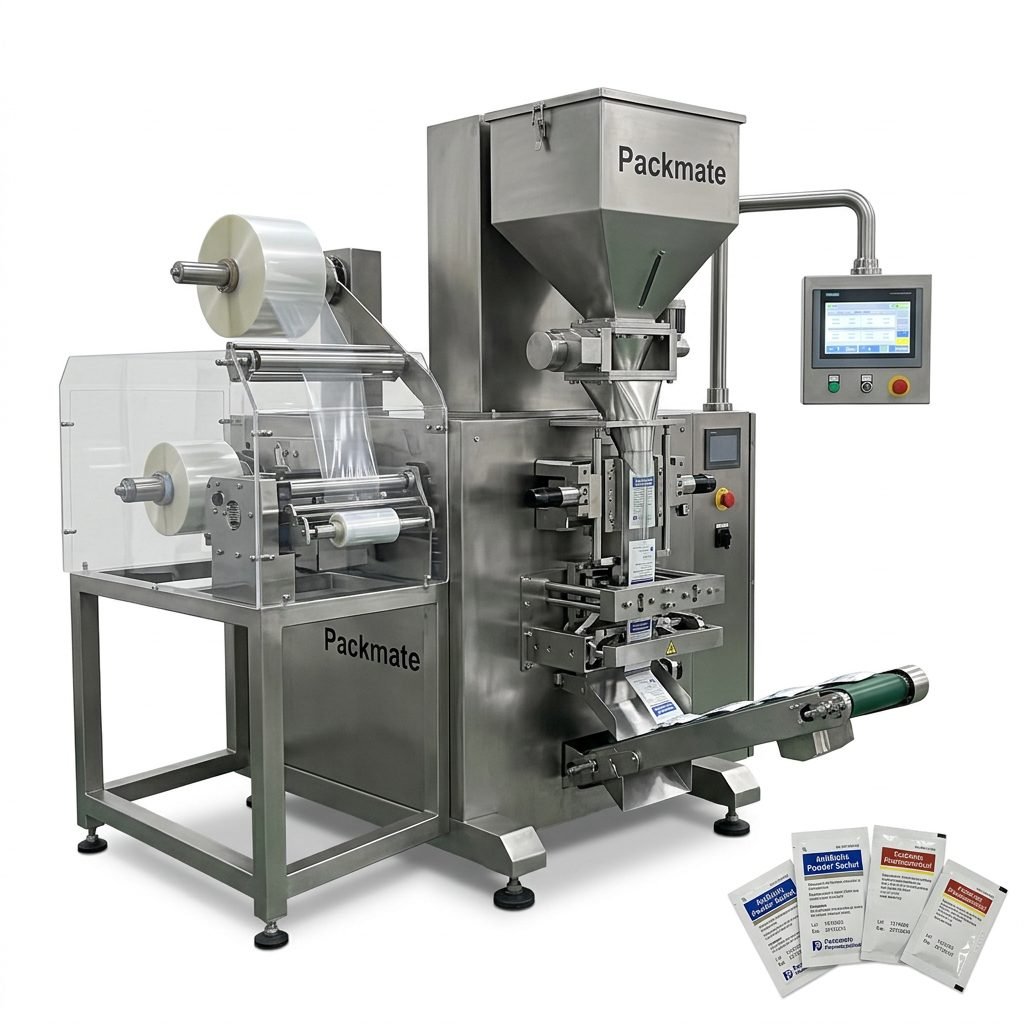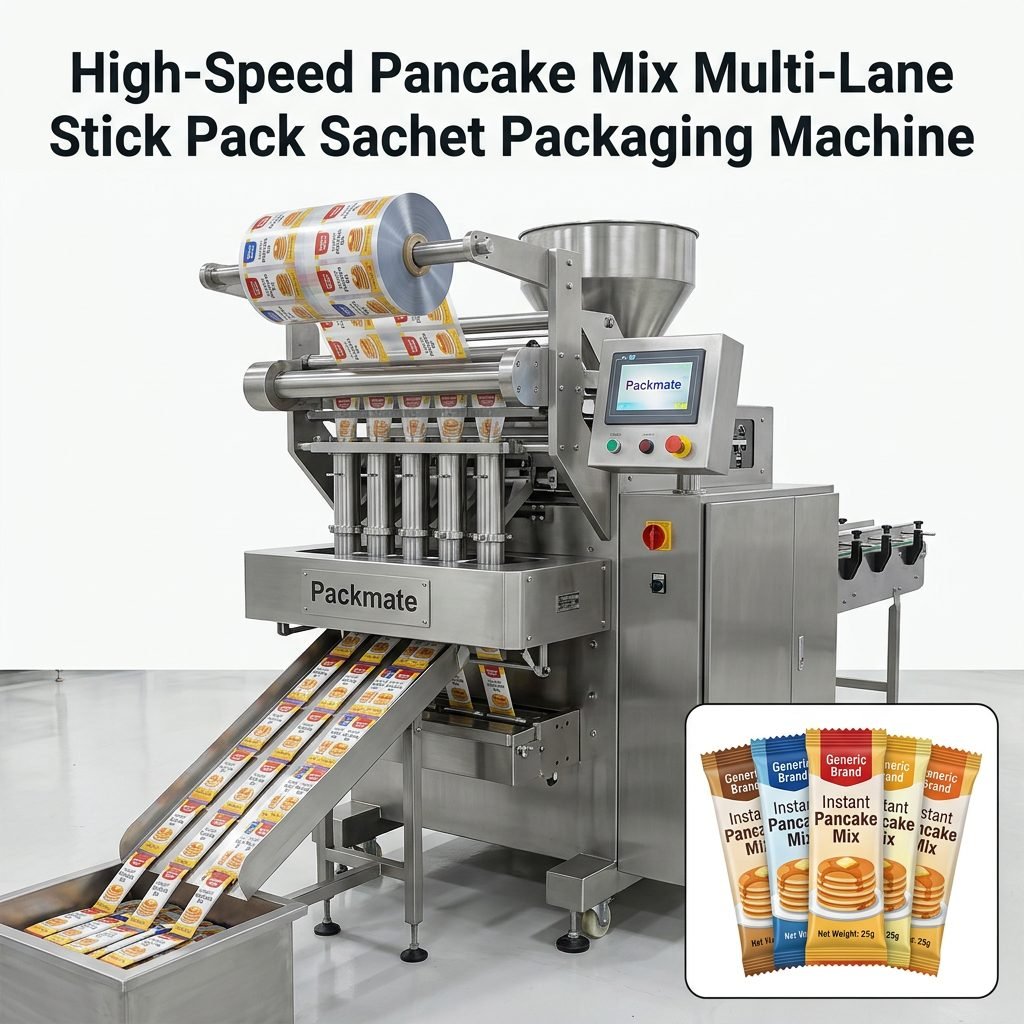
For business owners and production managers in Fiji, sourcing reliable packaging machinery is a critical step towards scaling operations, improving product consistency, and reducing labor costs. The Fijian market, with its unique blend of local manufacturing, agriculture, and tourism-driven sectors, presents specific packaging needs. Whether you’re in Suva, Nadi, or Lautoka, producing coconut products, spices, beverages, or pharmaceuticals, finding the right equipment partner is key. This guide will walk you through the essential steps to identify and vet reliable packaging machine manufacturers, with a focus on solutions that fit the Fijian business environment.
Understanding Your Specific Packaging Needs in Fiji
Before you start searching for manufacturers, it’s crucial to clearly define your requirements. The Fijian climate, product types, and market scale all influence the choice of machinery.
Key Considerations for Fijian Businesses:
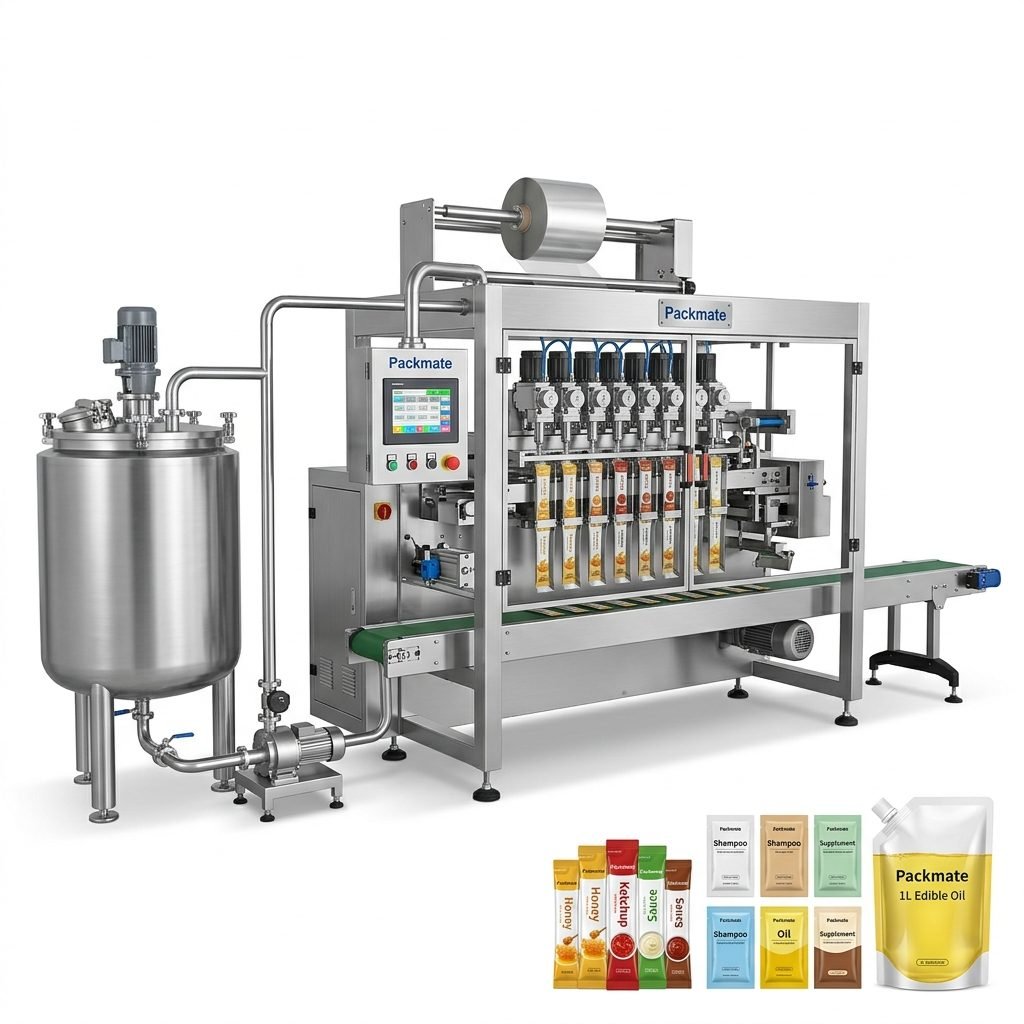
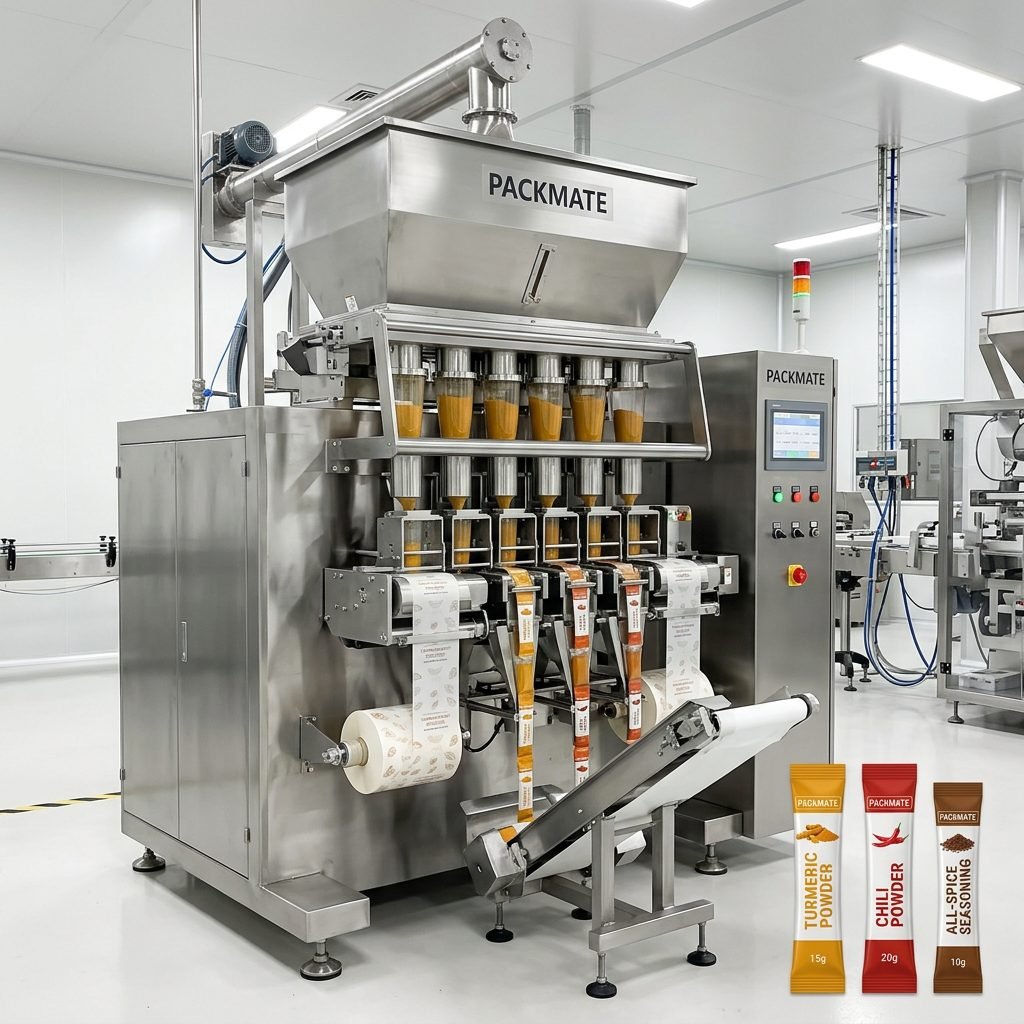
• Product Type: Are you packaging powders (like kava or flour), granules (rice, sugar, spices), liquids (coconut oil, water, juices), or pastes?
• Production Volume: Estimate your daily/weekly output. Are you a small-scale producer looking for semi-automatic machines or a larger operation needing high-speed, fully automated lines?
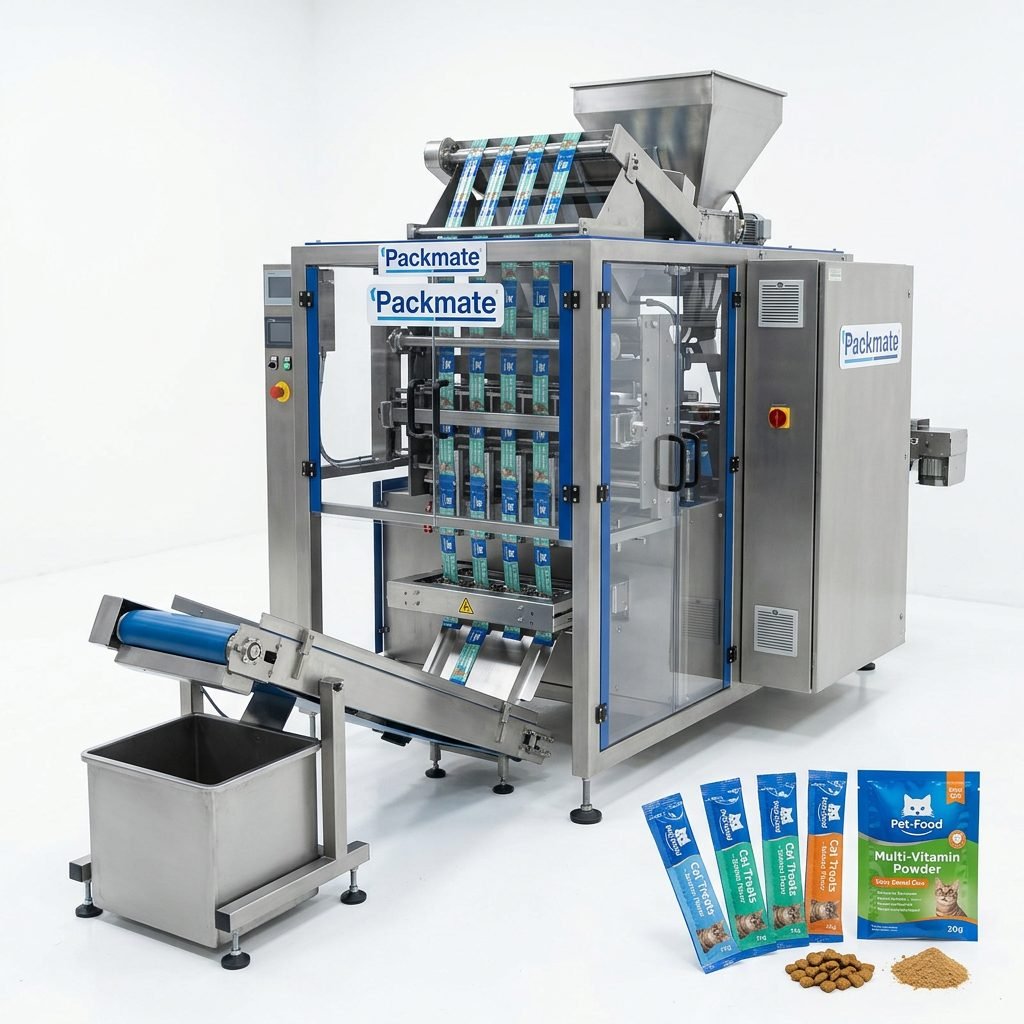
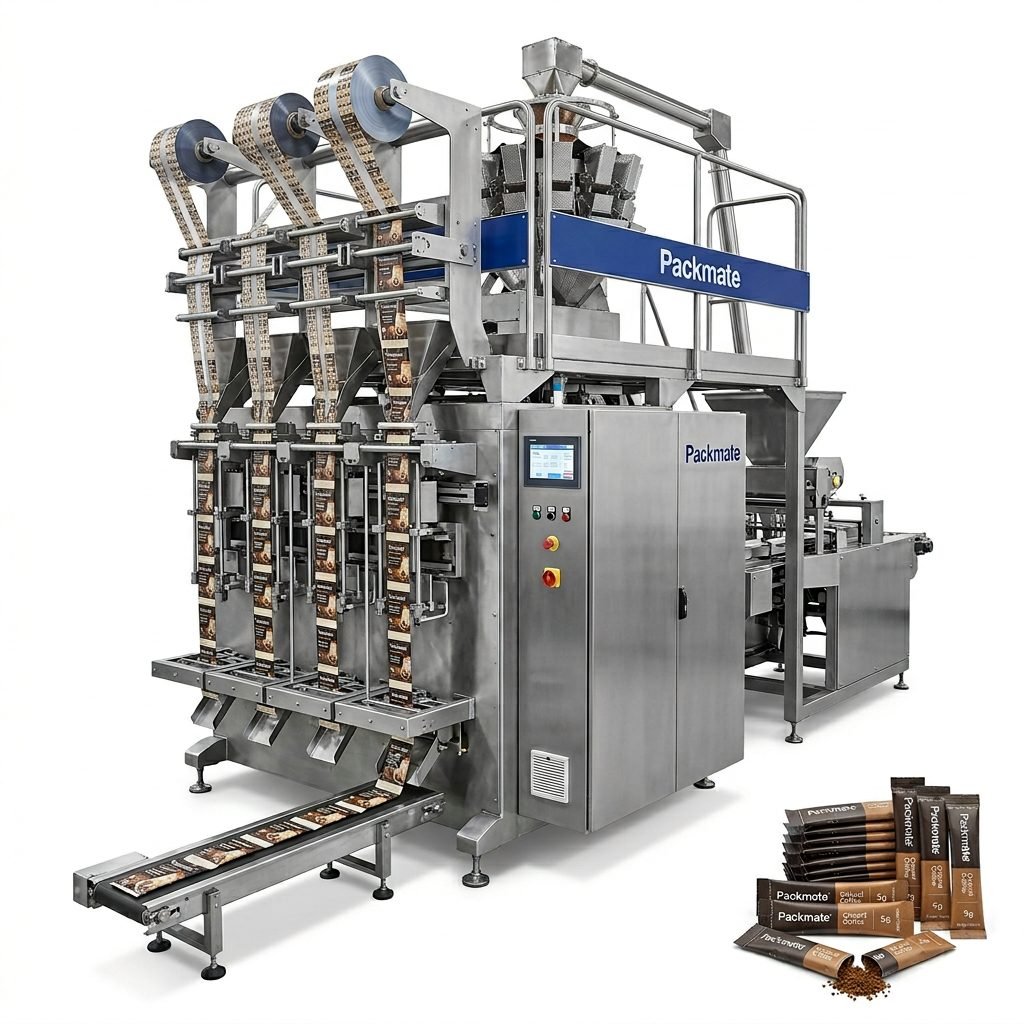
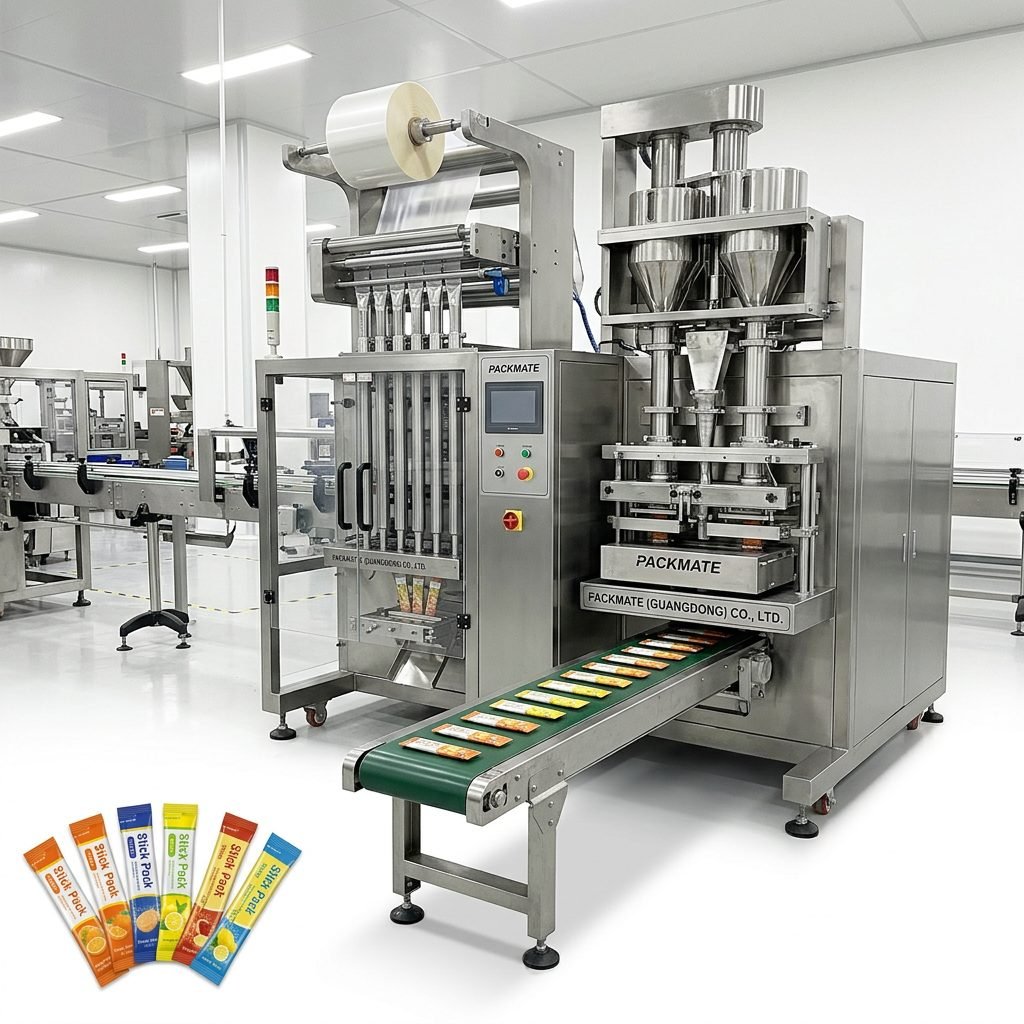
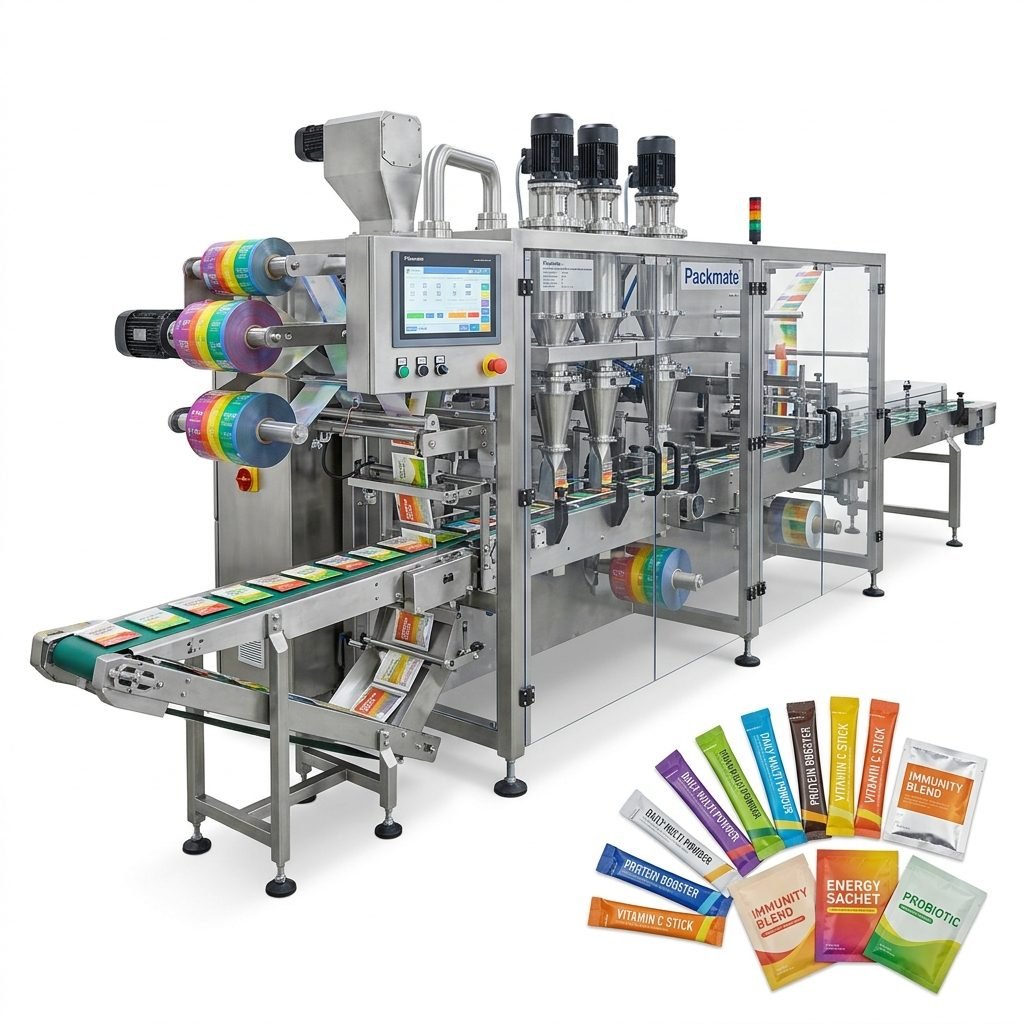
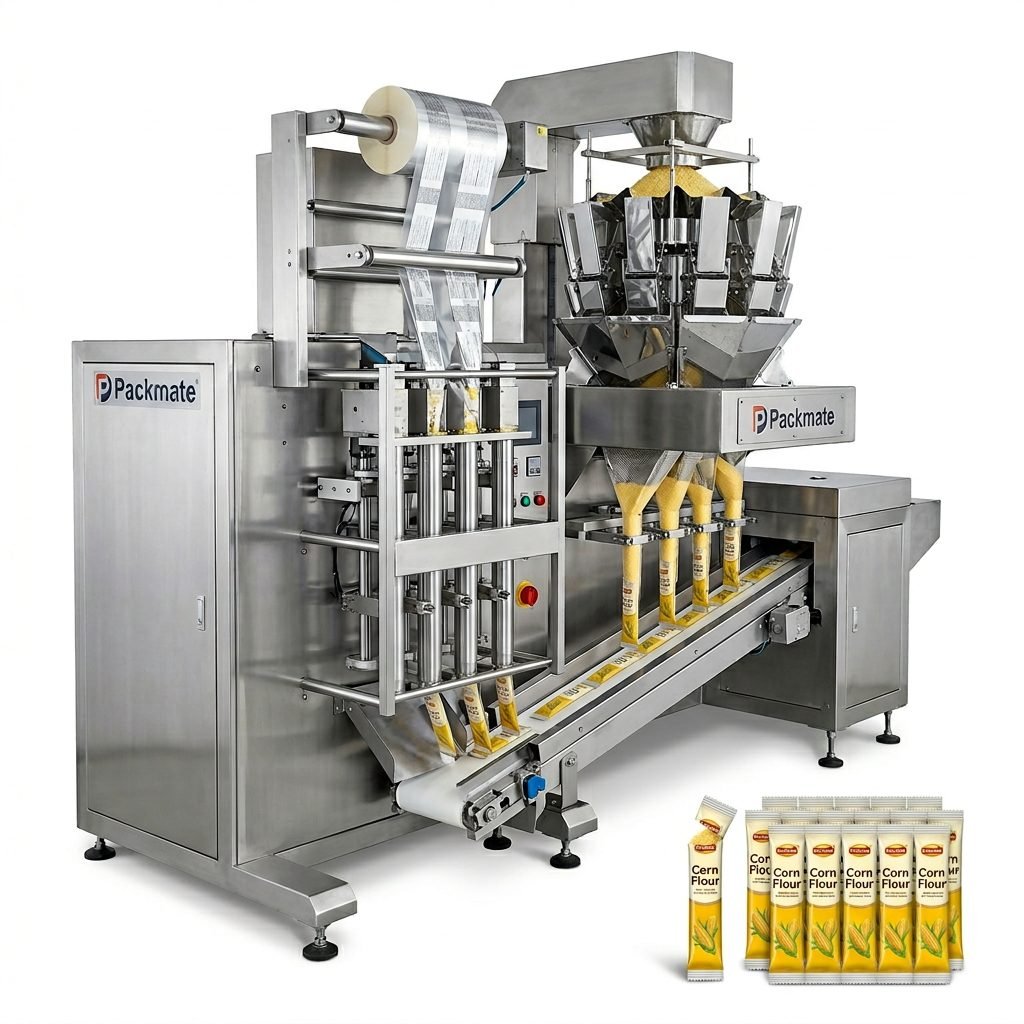
• Packaging Format: Do you need sachets, stick packs, pouches, bottles, or cans? Stick packs are popular for single-serve coffee, sugar, and sauces.
• Local Support: Given Fiji’s location, consider the availability of spare parts, technical support, and service from the manufacturer or their regional agents.
Where to Begin Your Search
Start your search online, but be strategic. Look for manufacturers with a proven track record in exporting to markets similar to Fiji or with experience in the Pacific region. Industry-specific B2B platforms, trade directories, and professional referrals are excellent starting points. Pay close attention to manufacturers who list experience with products common in Fiji, such as food, beverages, and agricultural goods.
Evaluating Manufacturer Credibility and Capability
Once you have a shortlist, a deep dive into each company’s background is essential. Don’t just look at shiny brochures; investigate their substance.
Checklist for Vetting a Manufacturer:
• Company History & Stability: How long have they been in business? A long-standing company often indicates reliability and accumulated expertise.
• Factory & Infrastructure: Do they have their own production facility? Size and modernity can reflect their capacity and quality control standards.
• Industry Experience: Do they have specific experience with your product type (e.g., moist products, abrasive powders common in some Fijian spices)?
• Export Experience: Have they successfully shipped and installed machines in overseas markets? This is crucial for logistics and after-sales support to Fiji.
• Client Portfolio & Testimonials: Ask for case studies or references from clients in similar industries or regions.
The Importance of Technical Support and Service
For a Fijian business, robust after-sales support is non-negotiable. The geographic distance makes on-site service visits potentially costly and time-consuming. Inquire about:
- Warranty Period: What is covered and for how long?
- Technical Support: Is remote support (video calls, manuals, online troubleshooting) available? What are the response times?
- Spare Parts: How quickly can critical spare parts be shipped to Fiji? Do they maintain a local parts inventory or work with a regional distributor?
- Training: Do they provide comprehensive installation and operational training, either on-site or via detailed guides and videos?
Key Questions to Ask Potential Suppliers
Prepare a detailed list of questions. This not only gathers information but also tests the supplier’s responsiveness and expertise.
Here are some critical questions:
- Can you provide a machine demonstration with a sample of our product?
- What is the expected output (bags/minute) for our specific product and packaging material?
- What is the total lead time from order to delivery in Fiji?
- What are the payment terms? (e.g., T/T, L/C)
- Who handles customs clearance and freight to Fiji? Can you recommend a freight forwarder?
- Can you provide a list of machines you have supplied to the South Pacific or similar island nations?
Spotlight on Established Packaging Machine Manufacturers
Several manufacturers stand out for their export experience, product range, and ability to serve diverse markets, which can be a good fit for Fijian importers. Here is a comparison of some leading companies:
| Manufacturer | Key Strengths | Ideal For Fijian Businesses That Need… |
|---|---|---|
| Ludyway | Over 30 years experience, wide product range, strong export footprint, turnkey line capability. | Scalable solutions, from single machines to complete automated lines for food, pharma, or supplements. |
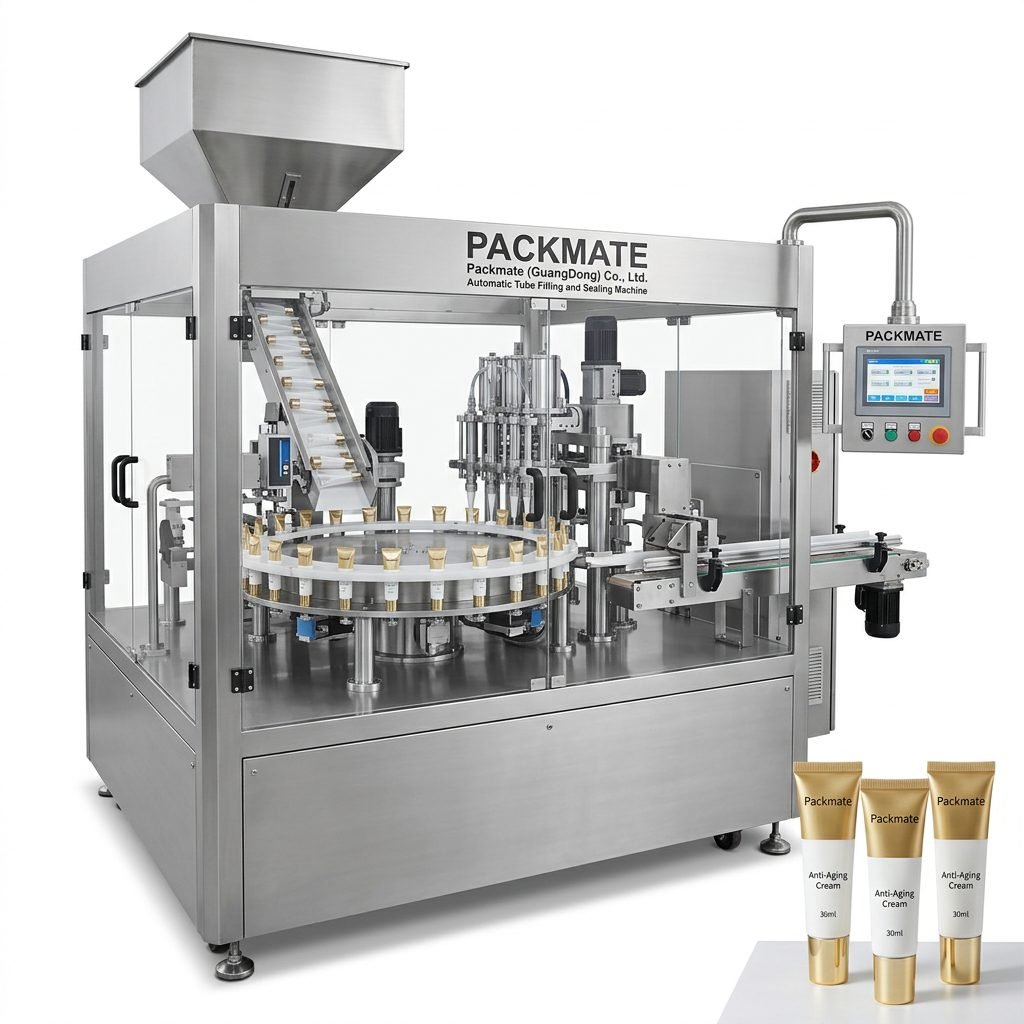
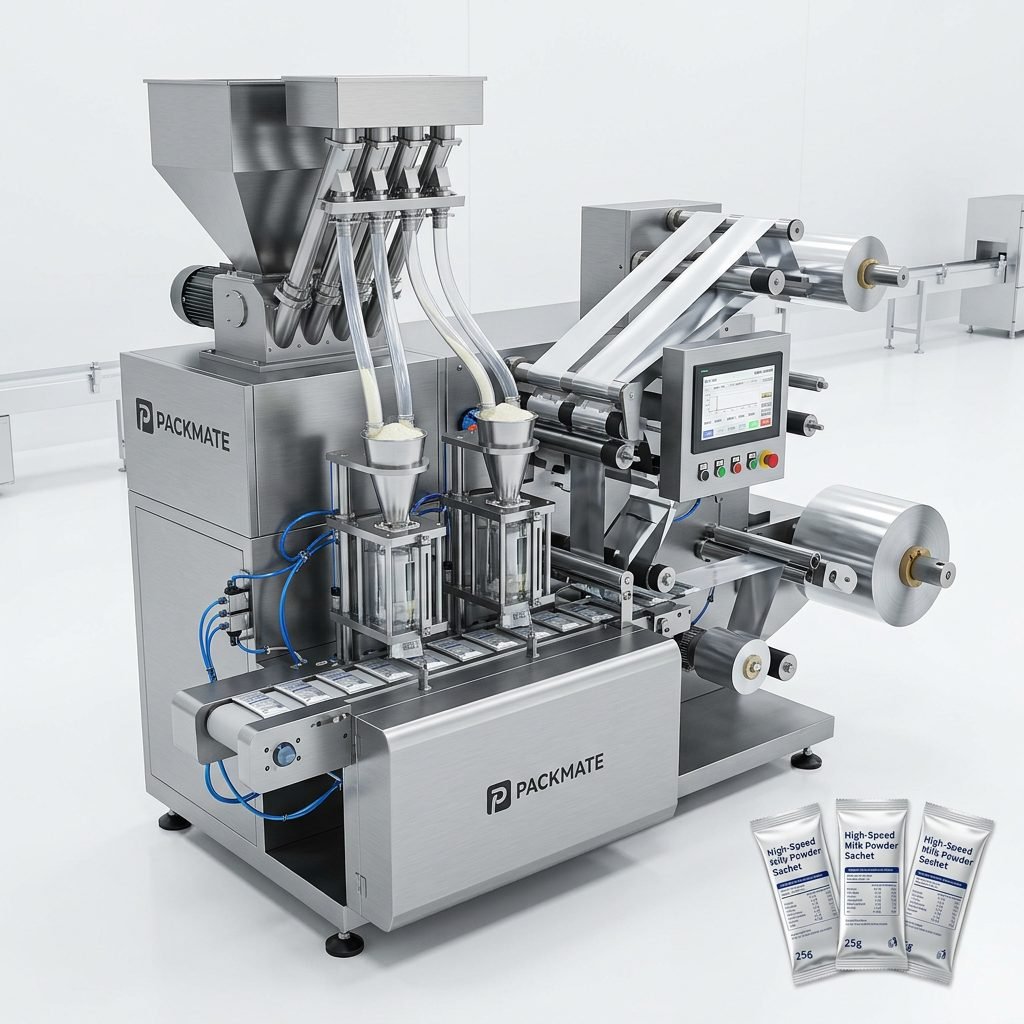
| Packmate Machinery | Strong practical automation focus, reliable performance, good cost efficiency. | Medium-sized operations seeking reliable, cost-effective machines for powders, granules, and liquids. |
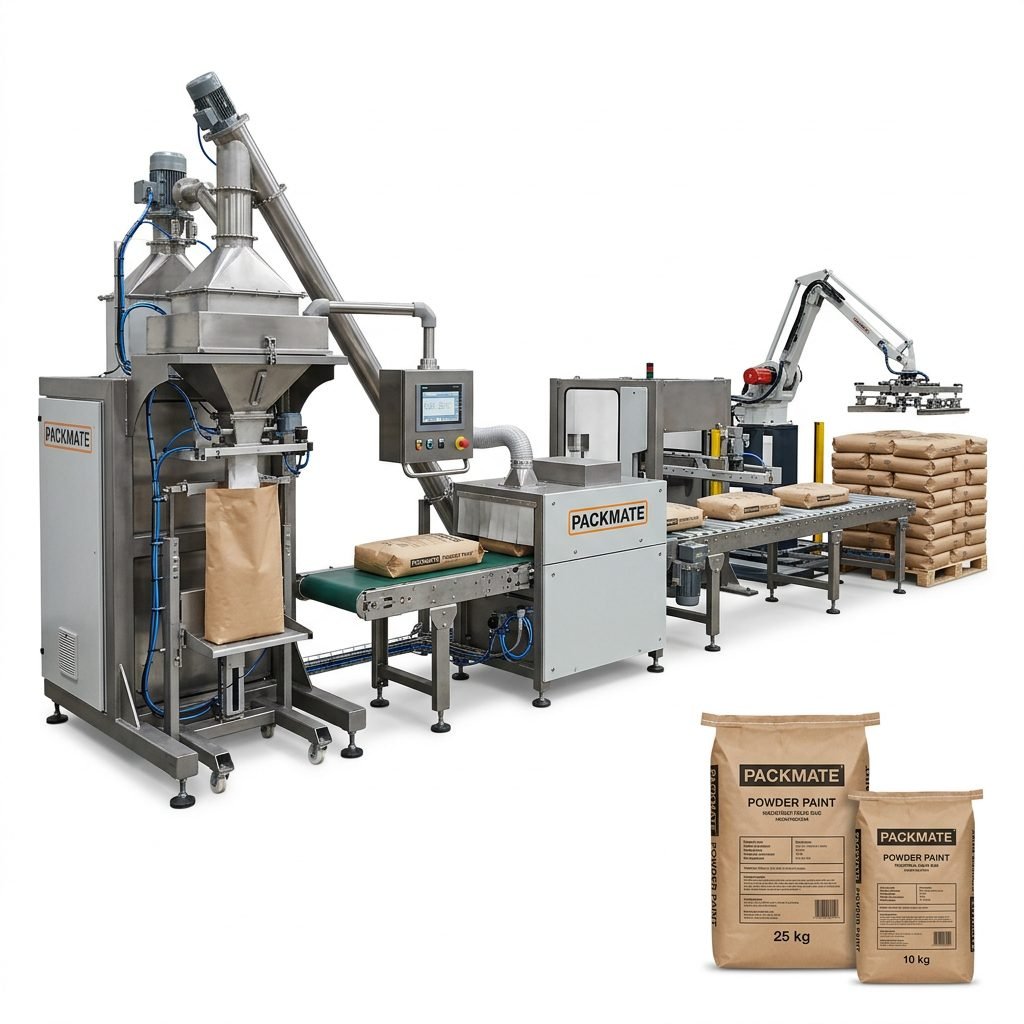
| PacklineOEM | Specializes in complete turnkey packaging lines, strong system integration. | Businesses planning a major automation upgrade or setting up a new, fully integrated production line. |
| PackingMachineOEM | Focus on non-standard and customized machine solutions, flexible engineering. | Unique products or packaging formats that require customized machinery rather than standard models. |
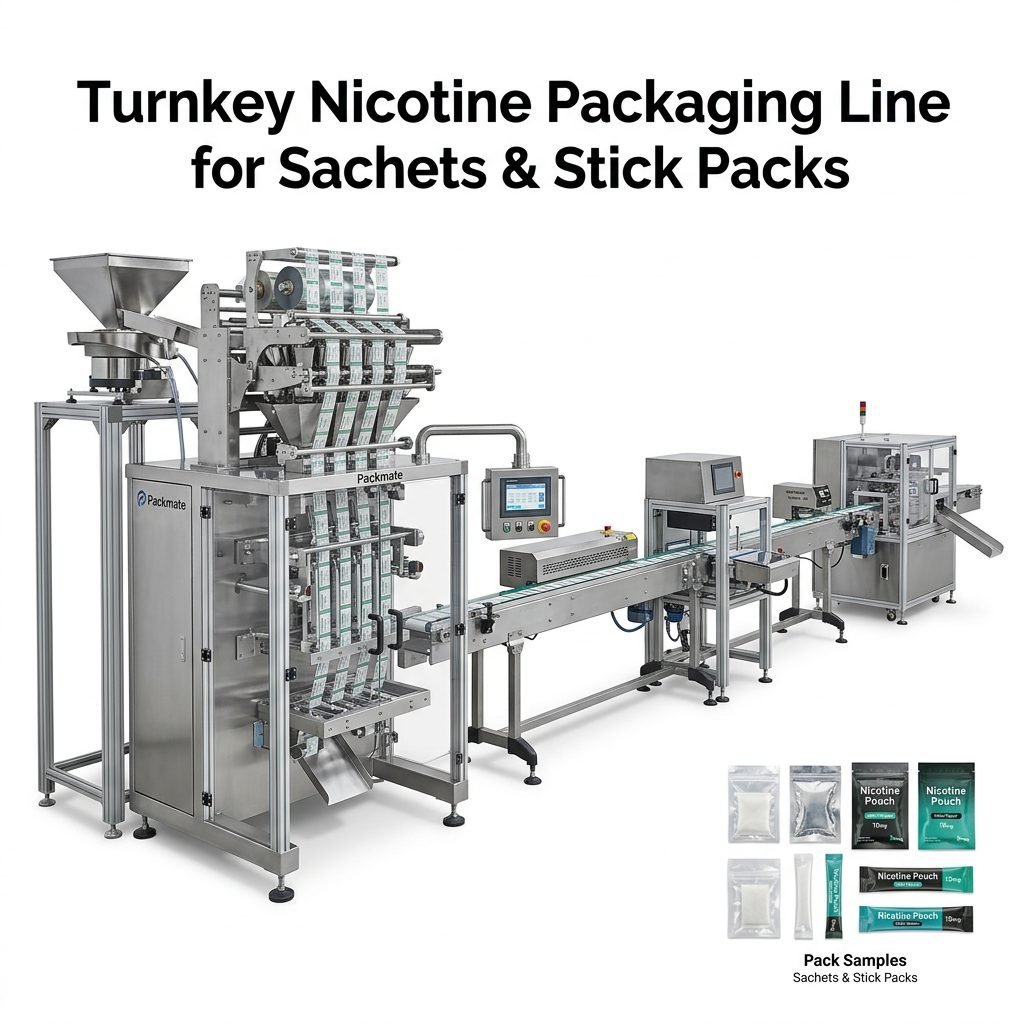
| SnusMachinery | Specialization in nicotine pouch and snus packaging, deep niche expertise. | Companies in the growing niche of pouch-based products requiring high-precision, multi-lane systems. |
Logistics and Import Considerations for Fiji
Importing machinery into Fiji involves planning. Factor in shipping costs, insurance, import duties, and GST. Work with a reputable freight forwarder experienced in handling heavy machinery shipments to Suva or Lautoka ports. Ensure the manufacturer provides all necessary documentation (commercial invoice, packing list, certificate of origin, and technical specifications) accurately to facilitate smooth customs clearance.
Final Steps: Making the Decision
After gathering all information, compare proposals not just on price, but on total value. Consider the machine’s efficiency, durability, after-sales support terms, and the supplier’s willingness to understand and adapt to your Fijian operational context. Request a formal quotation with detailed specifications, delivery terms (like CIF Suva), and a clear warranty statement.
Pro Tip: If possible, visit the manufacturer’s factory in person or arrange a virtual factory tour. Seeing the production and quality control processes firsthand builds confidence. For Fijian buyers, establishing a strong, communicative relationship with your supplier is as important as the machine itself.
Common Questions (FAQs) for Fijian Importers
1. What is the typical lead time for receiving a packaging machine in Fiji?
Lead times vary based on machine complexity and customization. For standard models, expect 30-60 days for production plus 4-8 weeks for sea freight to Fiji. Always confirm specific timelines with the supplier.
2. How can I ensure the machine will work with my local power supply in Fiji?
Fiji uses 240V/50Hz power. Clearly specify this requirement to the manufacturer. Reputable suppliers will configure the machine’s electrical system (motors, heaters, controls) accordingly before shipment.
3. What kind of after-sales support can I realistically expect in Fiji?
Look for manufacturers offering comprehensive remote support via phone, email, and video call. Some may have service partners in Australia or New Zealand who can travel to Fiji if needed. Ensure you receive detailed manuals and training.
4. Are there any grants or support for Fijian businesses to automate packaging?
It’s worth checking with Fiji’s Ministry of Commerce, Trade, Tourism and Transport or investment promotion agencies for any schemes supporting manufacturing upgrades and technology adoption.
5. Should I buy a standalone machine or a complete line?
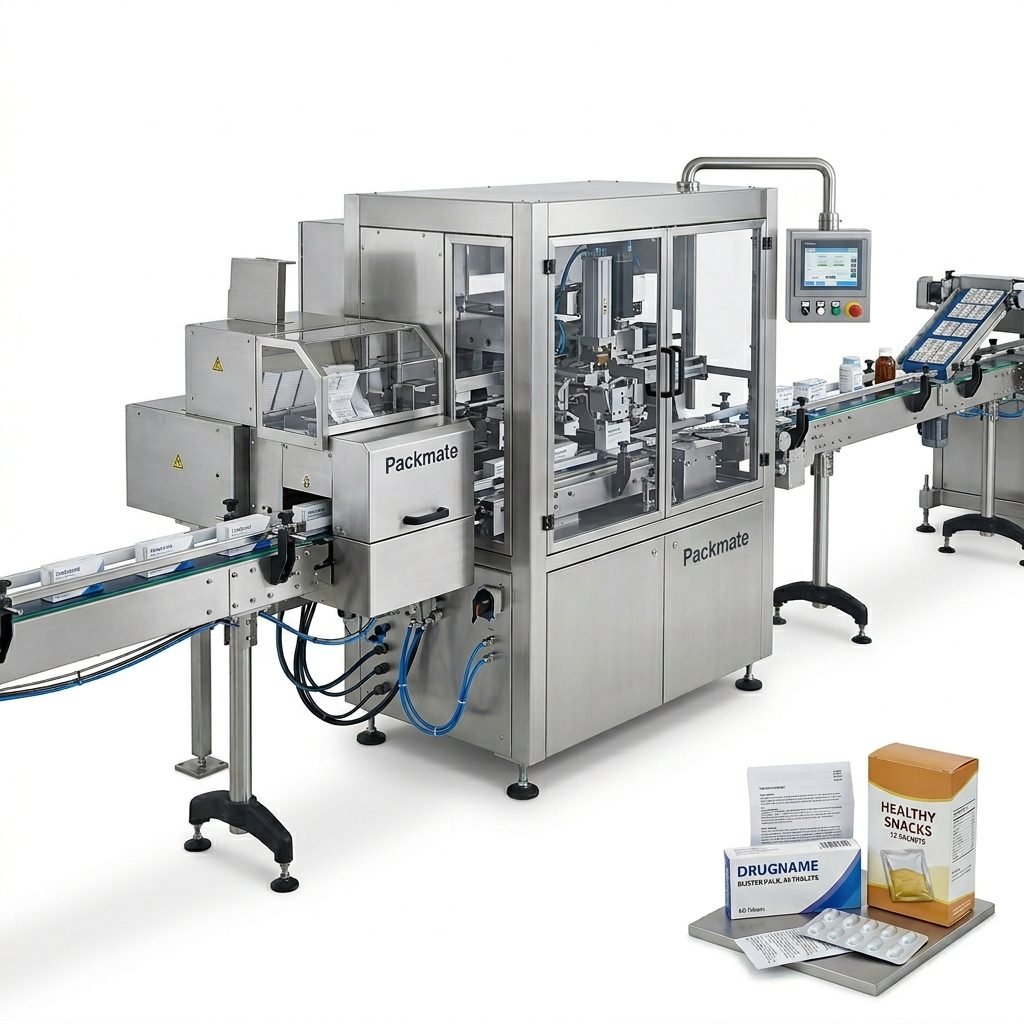
This depends on your volume and process. A single vertical form-fill-seal machine is a great start. For higher output and full automation (filling, sealing, cartoning), a turnkey line from a supplier like PacklineOEM may be more efficient long-term.