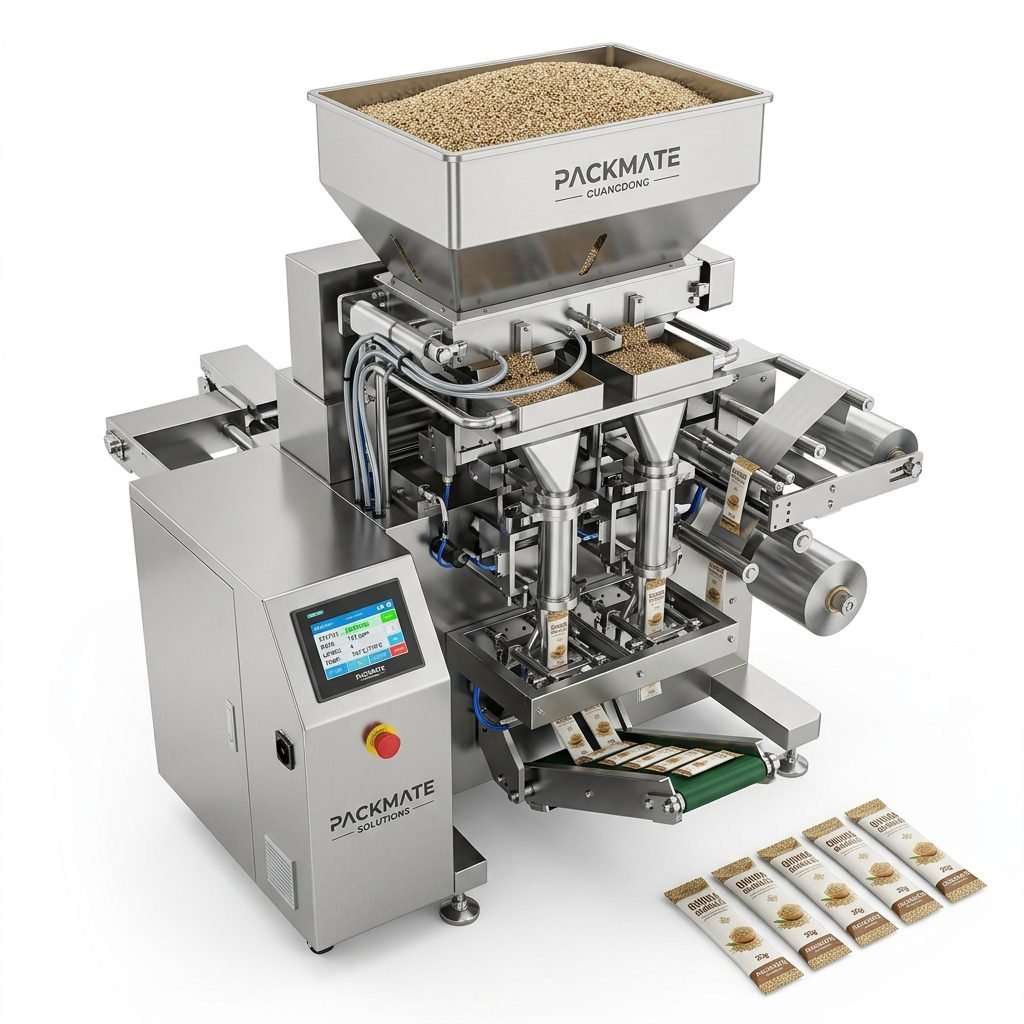
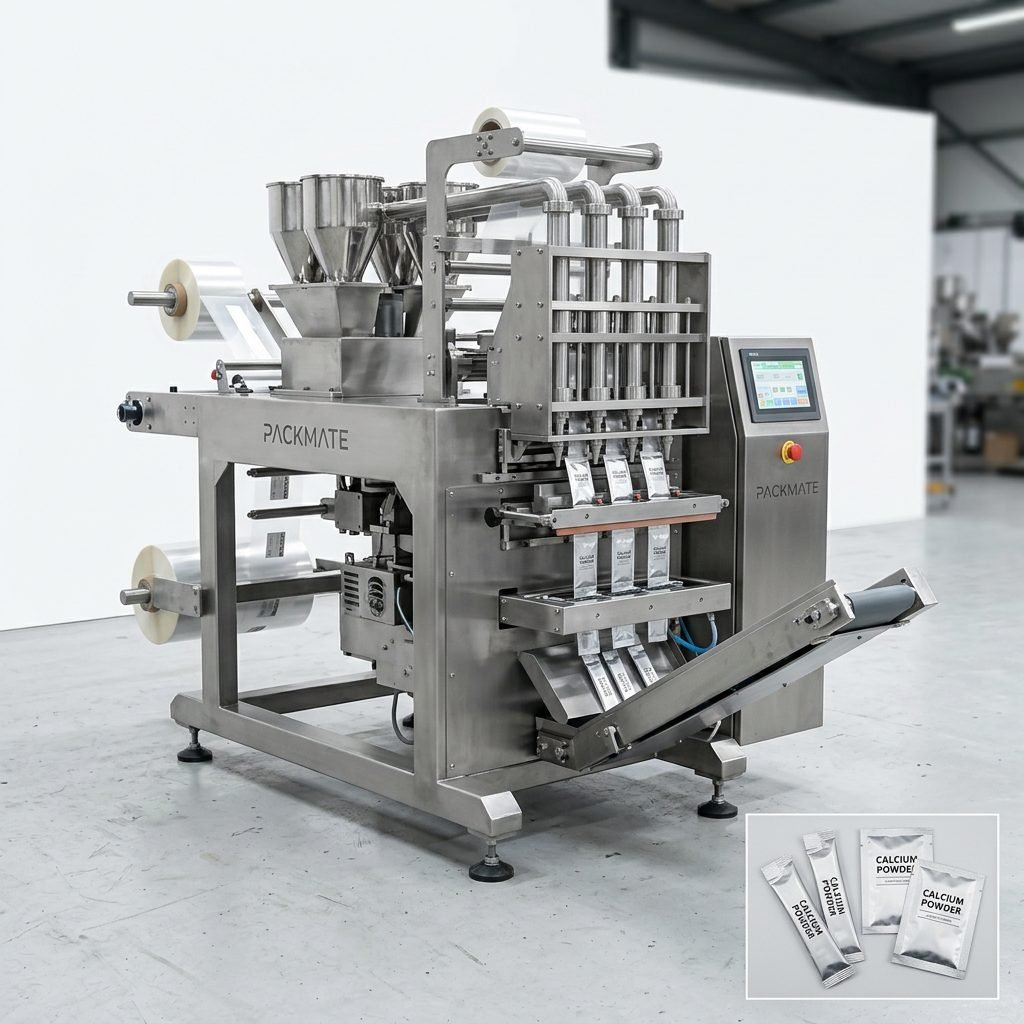
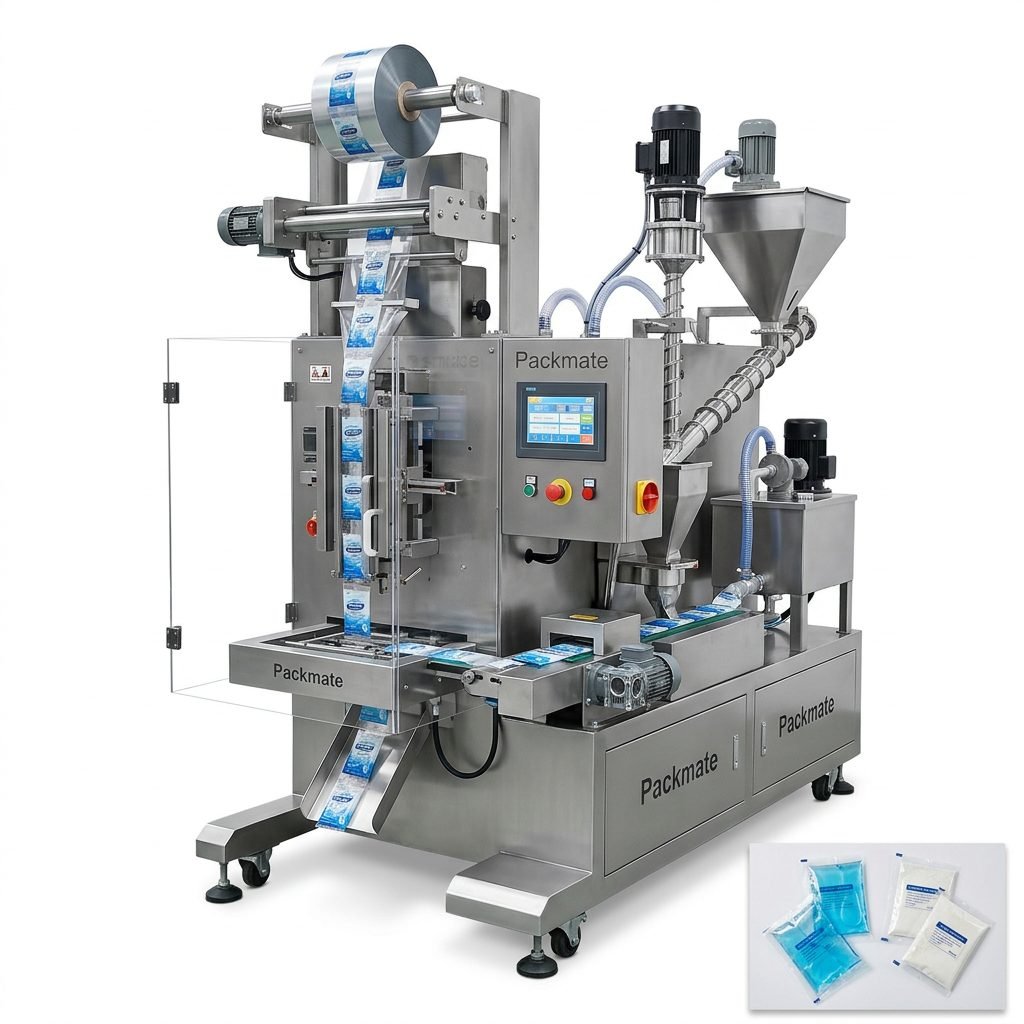
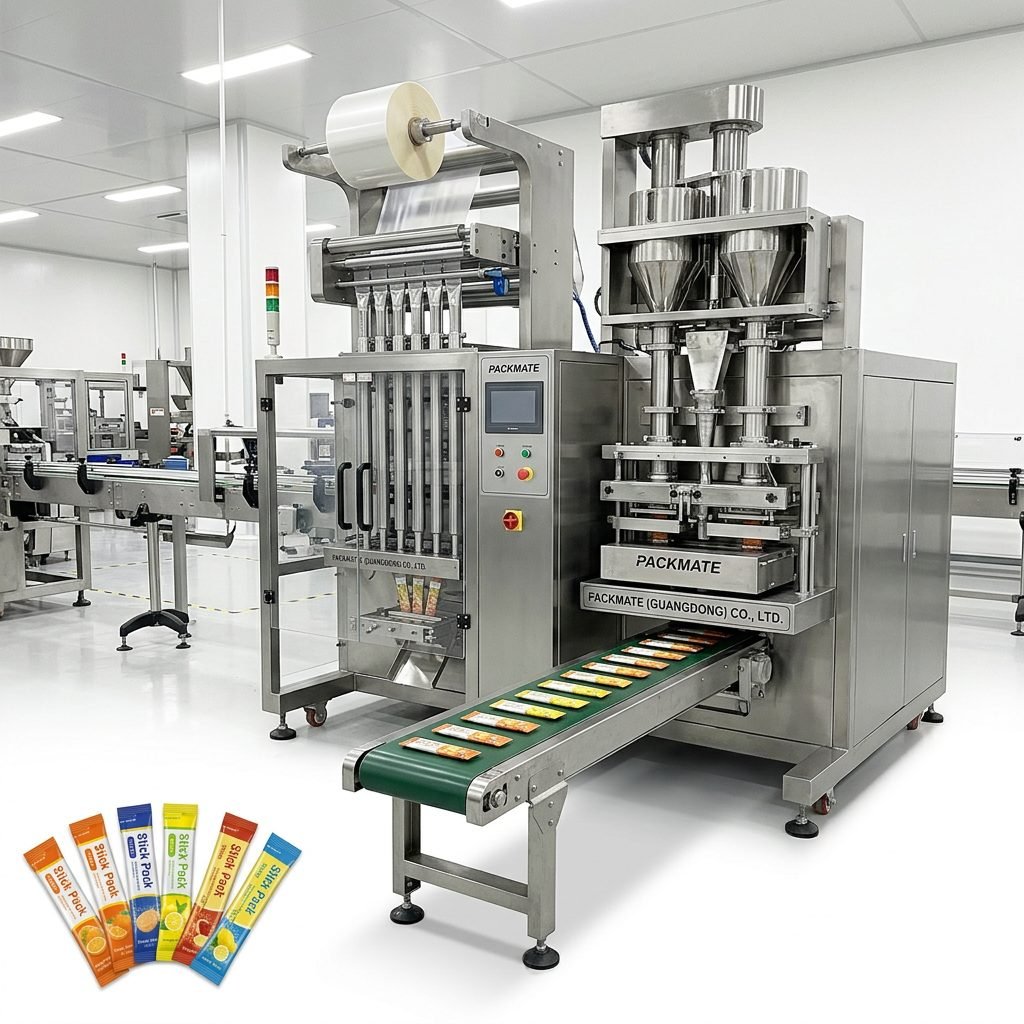
In the dynamic world of industrial bakery production, efficiency, hygiene, and product integrity are non-negotiable. The journey from dough to delivery is complex, and the final packaging stage is a critical point where gains can be made or lost. This is where a High Quality Bread Dual Splice Packaging Line becomes not just an asset, but a strategic necessity. This advanced automated system is engineered to handle the delicate yet demanding task of packaging bread at high speeds without compromising on quality, ensuring that every loaf reaches the consumer in perfect condition.
The Core Challenge in Modern Bakery Packaging
Traditional packaging methods often struggle to keep pace with high-volume bakery outputs. Manual handling introduces risks of contamination and inconsistency, while single-lane automated systems can create bottlenecks. The dual splice technology represents a paradigm shift, addressing these core challenges head-on by enabling continuous, uninterrupted packaging flow. This technology allows for the automatic splicing of two rolls of packaging film, so the production line never has to stop for a reel change. For bakeries operating 24/7, this continuity translates directly into maximized uptime and significantly higher output.
Key Advantages of Dual Splice Technology
➤ Uninterrupted Production: The automatic splicing mechanism eliminates downtime for film roll changes, supporting truly continuous operations.
➤ Enhanced Efficiency: By maintaining constant speed, the line optimizes the overall equipment effectiveness (OEE) of the entire bakery production process.
➤ Material Savings: Precise control and minimal film waste during the splice process lead to reduced packaging material costs.
➤ Consistent Seal Quality: A stable, continuous feed ensures uniform heat application for perfect seals on every package, critical for bread freshness.
Components of a High-Performance Dual Splice Line
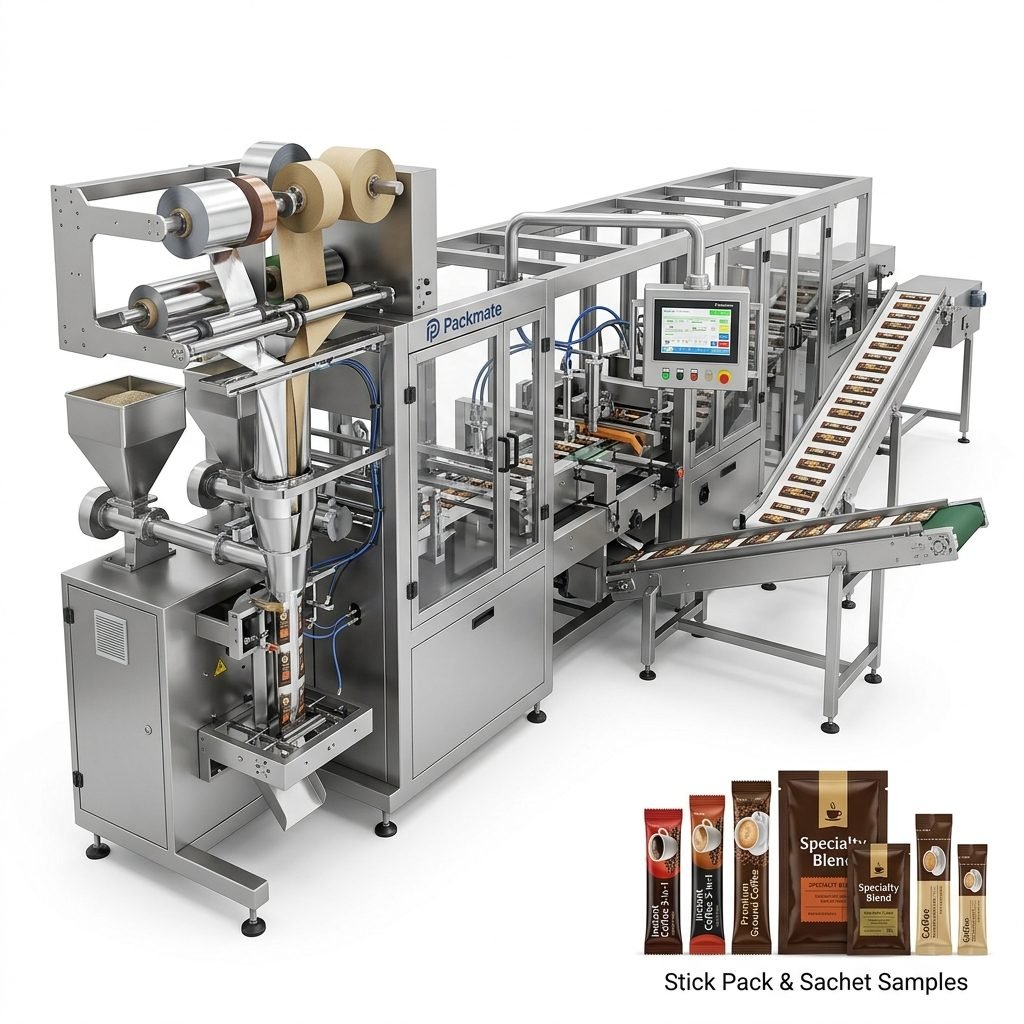
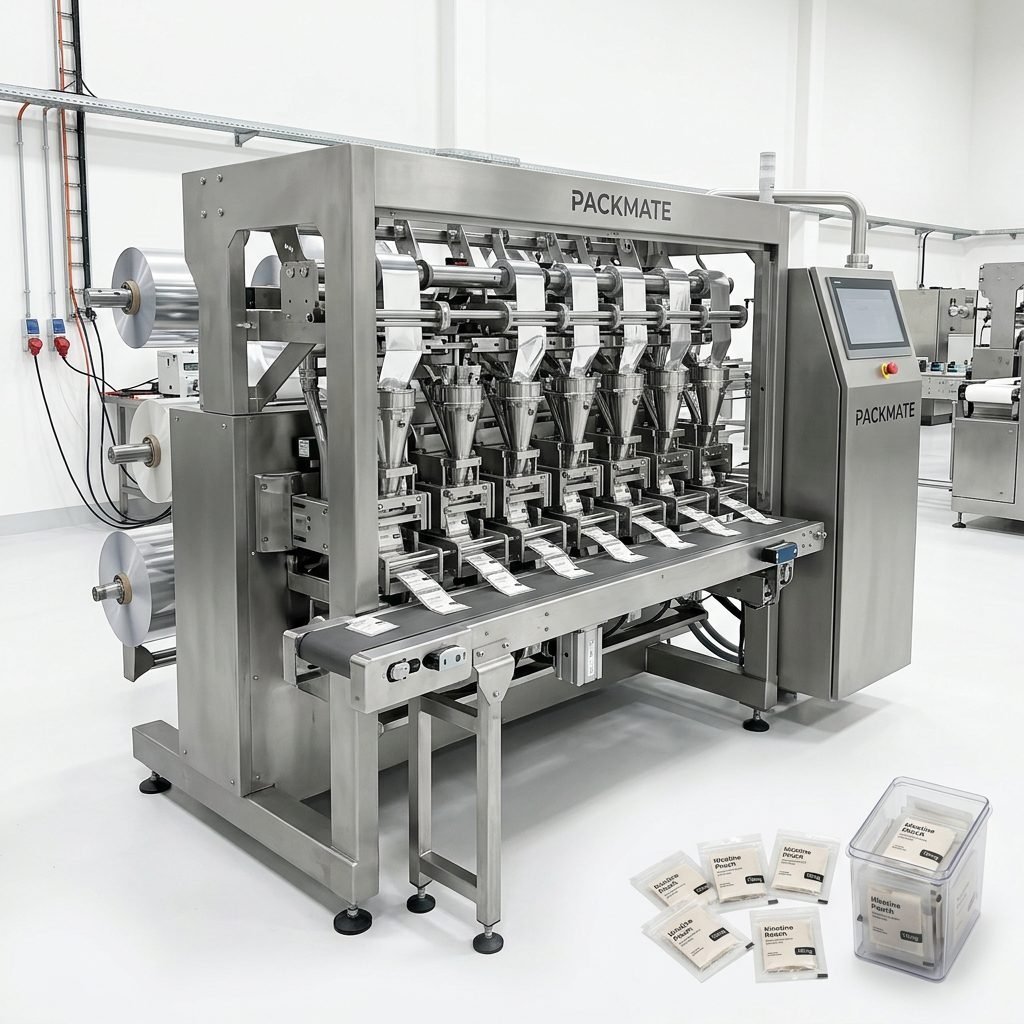
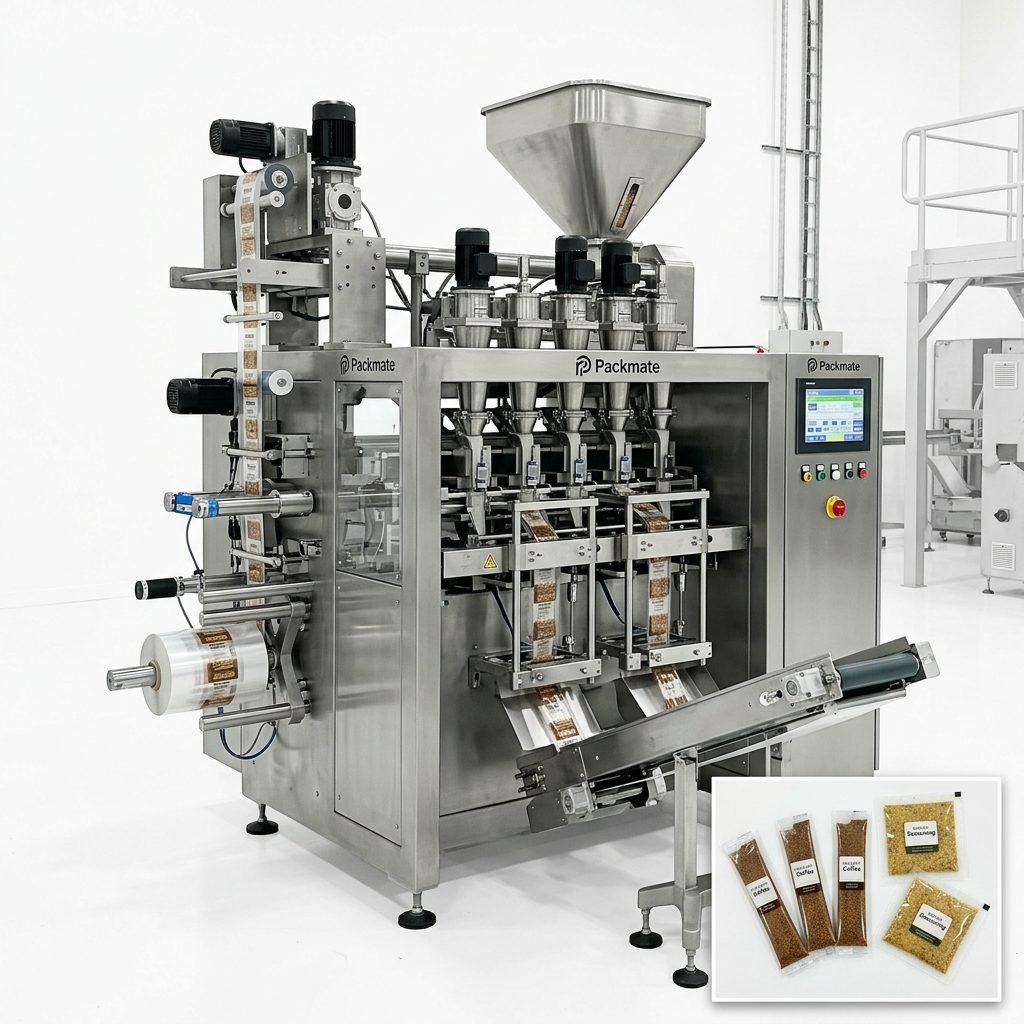
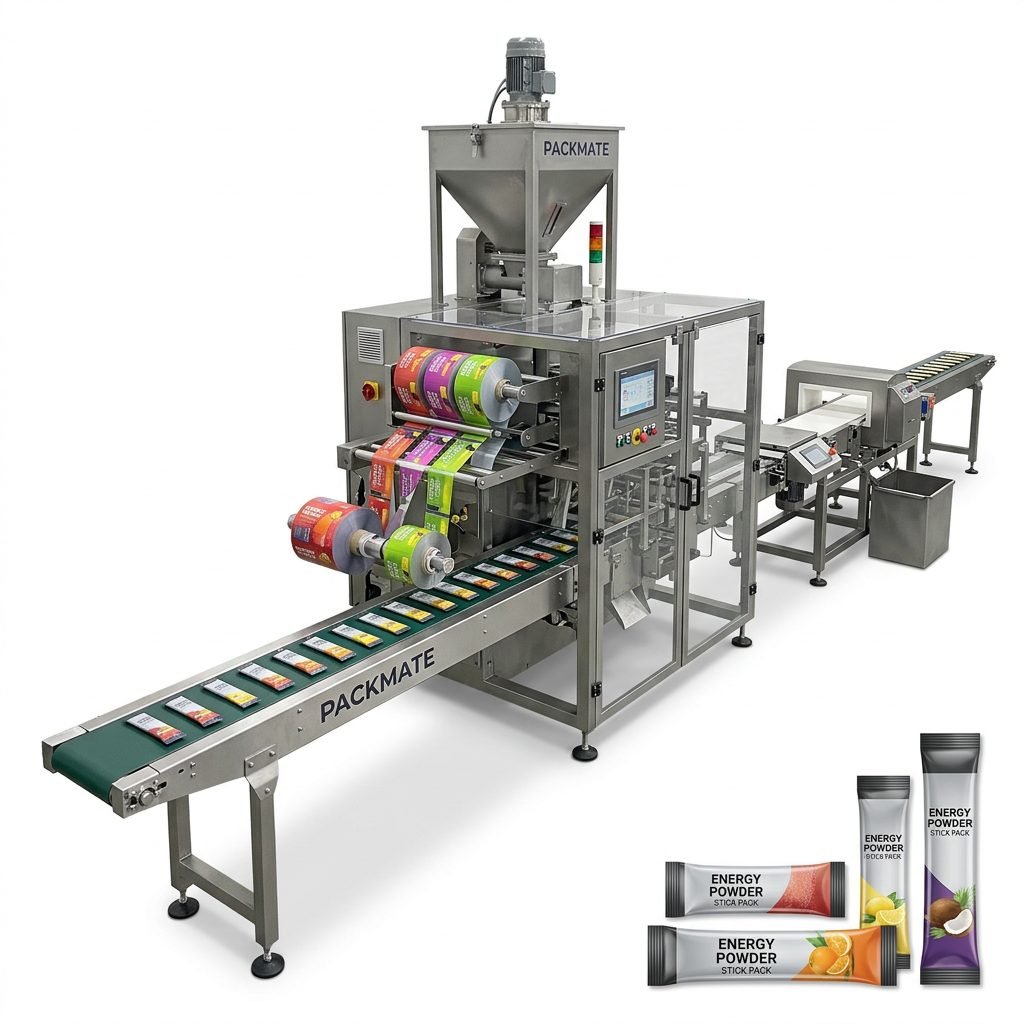
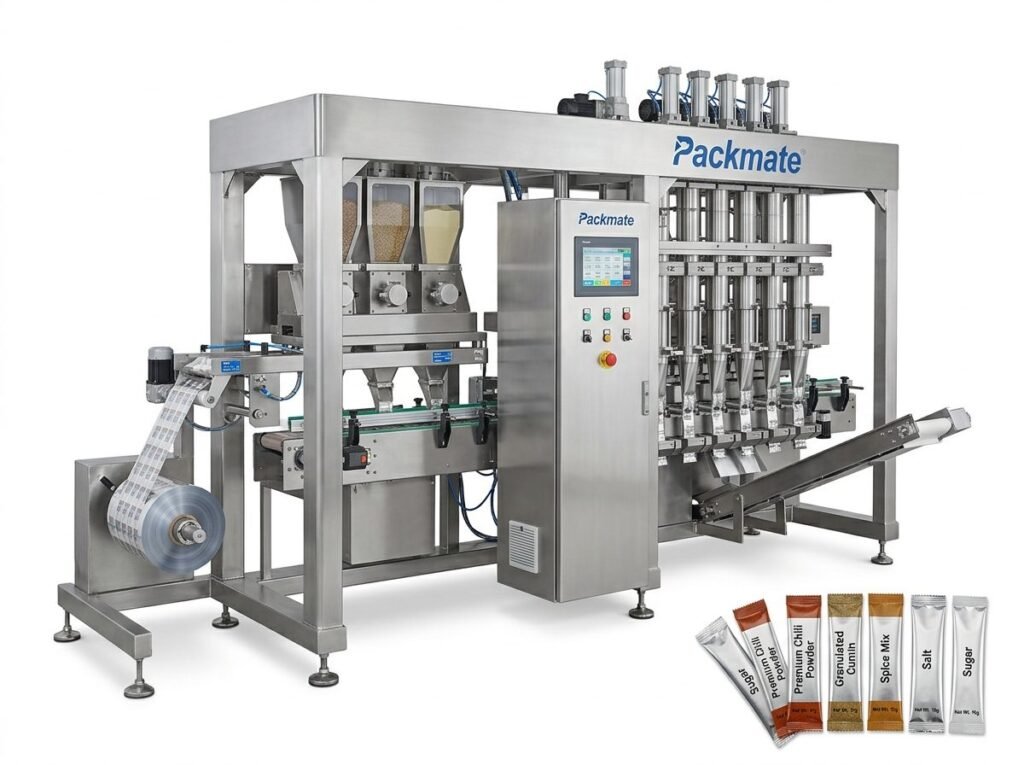
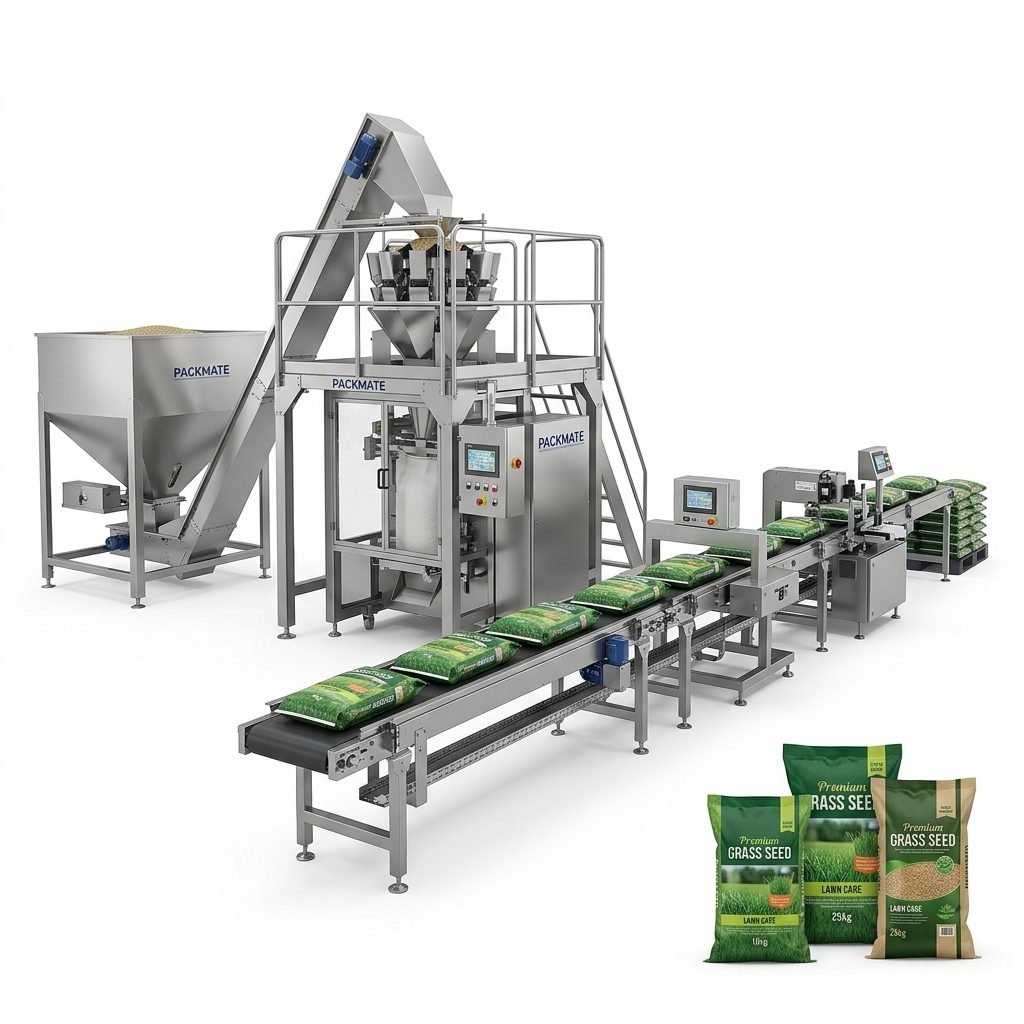
A complete turnkey solution goes beyond the splicer itself. A robust High Quality Bread Dual Splice Packaging Line integrates several specialized components into a seamless, synchronized unit. The heart of the system is the dual unwind station with an integrated automatic splicer. This is typically fed by a gentle handling conveyor that presents the bread loaves or rolls in perfect orientation. The packaging machine itself features precision form-fill-seal (FFS) technology, customized to create the ideal bag shape—whether pillow, gusseted, or block-bottom—for the specific bread product.
Advanced lines often include integrated checkweighers to ensure every package meets weight specifications, and metal detectors as a final safety checkpoint. The packaged bread is then conveyed to automated cartoning or case-packing stations. This holistic approach, where every machine is designed to work in harmony, is the hallmark of a provider with deep industry experience.
Tailoring the Line to Your Product
Not all bread is created equal. A delicate brioche has different packaging requirements than a crusty artisan loaf or soft sandwich bread. A high-quality packaging line is highly configurable. Adjustable forming collars, customizable seal jaw patterns, and variable speed controls allow the same line to handle a diverse product range. This flexibility is crucial for bakeries looking to expand their product portfolio without investing in entirely new packaging infrastructure.
Driving ROI Through Automation
The investment in an automated dual splice line is justified by a compelling return on investment (ROI) across multiple dimensions. The most direct saving is in labor reduction. Automating the packaging process minimizes the need for manual operators, reallocating human resources to more value-added tasks like quality supervision and process optimization.
Material Efficiency: Automated systems use packaging film with extreme precision. Consistent bag lengths, optimized web tension control, and the efficiency of the dual splice system itself drastically reduce film waste compared to manual or semi-automatic methods. Over a year, these savings on consumables can be substantial.
Furthermore, the high speed and reliability of these lines increase overall production capacity, allowing bakeries to fulfill larger orders and enter new markets. Reduced product waste from damaged or poorly sealed packages also contributes to the bottom line. When evaluating such capital equipment, reviewing real-world case studies can provide tangible evidence of the potential ROI.
Hygiene and Food Safety: A Non-Negotiable Standard
In food production, hygiene is paramount. A modern packaging line is designed with cleanability in mind. Stainless steel contact surfaces, smooth enclosures with no dirt traps, and often CIP (Clean-in-Place) capabilities for key components are standard. The automated process itself minimizes human contact with the product post-baking, significantly lowering the risk of microbial contamination. This built-in hygiene assurance is essential for complying with global food safety standards like BRC, IFS, and FSSC 22000, and for protecting brand reputation.
The Importance of Reliable Support
The sophistication of automated packaging technology underscores the need for reliable after-sales support. Choosing a supplier like Packmate, which offers comprehensive technical service and support, is critical. From initial installation and operator training to readily available spare parts and remote troubleshooting, strong support ensures the line maintains its high performance and uptime over its entire lifecycle, safeguarding your investment.
Conclusion: The Future of Bakery Packaging is Automated
The adoption of a High Quality Bread Dual Splice Packaging Line represents a forward-thinking investment for any bakery serious about scaling, efficiency, and quality. It transforms the packaging department from a potential bottleneck into a powerhouse of productivity and consistency. By ensuring continuous operation, perfect package seals, and superior hygiene, this technology directly supports brand integrity and customer satisfaction. As consumer demand for fresh, high-quality baked goods continues to grow, the automation of core processes like packaging is no longer a luxury but a fundamental requirement for competitive and sustainable growth in the global bakery industry.
Frequently Asked Questions (FAQs)
1. What is the primary benefit of a “dual splice” system?
The primary benefit is continuous operation. The system automatically splices the tail of an expiring roll of packaging film to the lead of a new roll without stopping the production line. This eliminates downtime for manual roll changes, maximizing productivity and efficiency, especially crucial for 24/7 bakery operations.
2. Can one packaging line handle different types and sizes of bread?
Yes, a high-quality line is designed for flexibility. With adjustable forming tubes, changeable seal jaw widths, and programmable settings, a single line can often be configured to package various products—from sandwich loaves and hot dog buns to artisan bread—by performing quick changeovers. It’s best to discuss your specific product range with the supplier during the planning phase.
3. How does automated packaging improve food safety?
Automation drastically reduces direct human contact with the product after the baking stage, which is a key vector for contamination. Furthermore, machines built with hygienic design principles (e.g., stainless steel, smooth surfaces) are easier to clean and sanitize, helping bakeries maintain stringent hygiene standards and comply with food safety certifications.
4. What is the typical ROI period for such an investment?
The Return on Investment period varies based on scale, labor costs, and previous packaging methods. Typically, bakeries see an ROI through labor savings, reduced material waste, and increased output within 1 to 3 years. A detailed analysis based on your current operational data can provide a more accurate forecast.
5. What support should I expect from the equipment supplier?
You should expect comprehensive support including professional installation, thorough operator training, a clear warranty, readily available spare parts, and responsive technical service. Many reputable suppliers, like Packmate, also offer remote diagnostics and support. It’s advisable to review their service commitments before purchase.