In today’s fast-paced and highly regulated manufacturing landscape, efficiency, hygiene, and precision are non-negotiable. This is especially true for the food, pharmaceutical, and health product industries, where product integrity directly impacts consumer safety and brand reputation. A robust, automated filling and packaging line is no longer a luxury but a critical component of a successful operation. These integrated systems handle everything from precise product dosing and filling to final sealing, coding, and cartoning, ensuring a seamless flow from production to pallet.
The Critical Role of Integrated Packaging Lines
Modern consumers demand not only quality products but also convenience, freshness, and tamper-evident security. An integrated packaging line addresses these demands comprehensively. For food producers, it ensures portion control, extends shelf life through proper sealing, and maintains nutritional value. In pharmaceuticals, it guarantees dosage accuracy, sterility, and compliance with stringent Good Manufacturing Practice (GMP) regulations. For health supplements and nutraceuticals, it protects sensitive ingredients from moisture and contamination while enabling attractive, market-ready presentation.
Key Benefit: Beyond speed, a turnkey line provides consistency. Human error in manual filling is eliminated, leading to uniform package weights, precise seal integrity, and flawless labeling—every single time. This consistency is the bedrock of quality control and brand trust.
Tailoring Solutions for Industry-Specific Needs
While the core principles of filling and packaging are similar, each sector has unique requirements that demand specialized solutions.
Food Industry Solutions
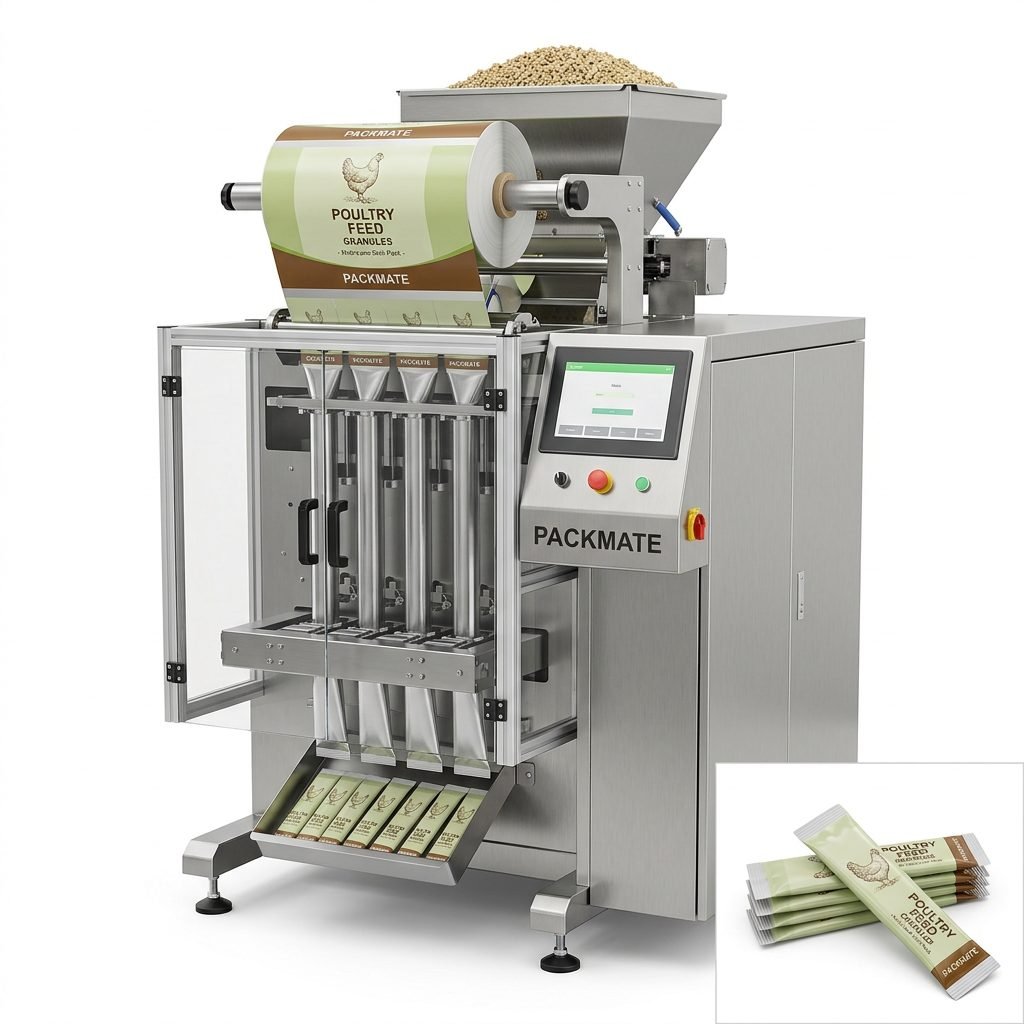
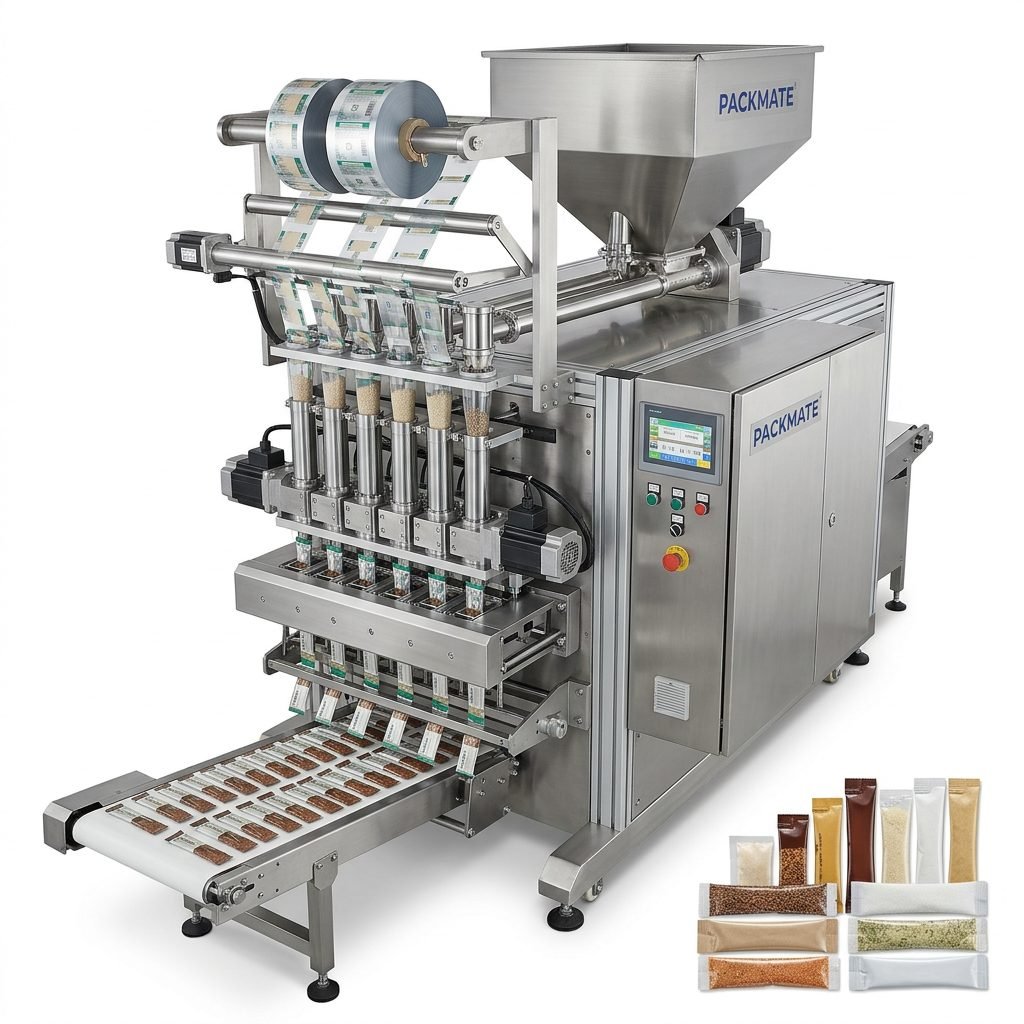
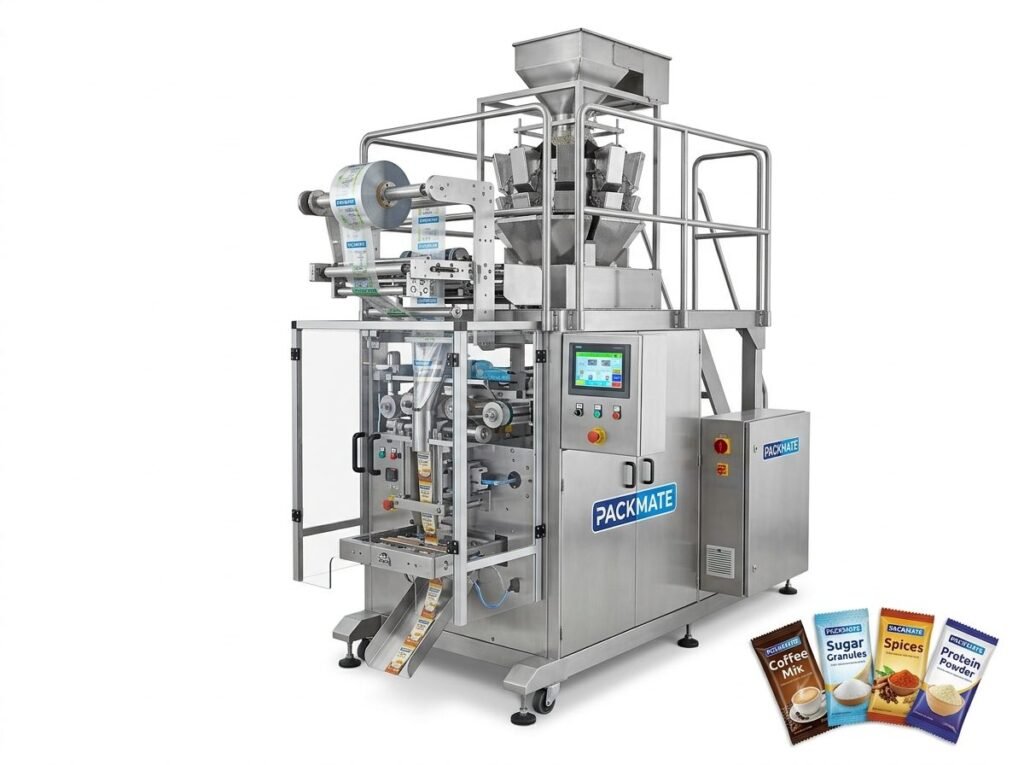
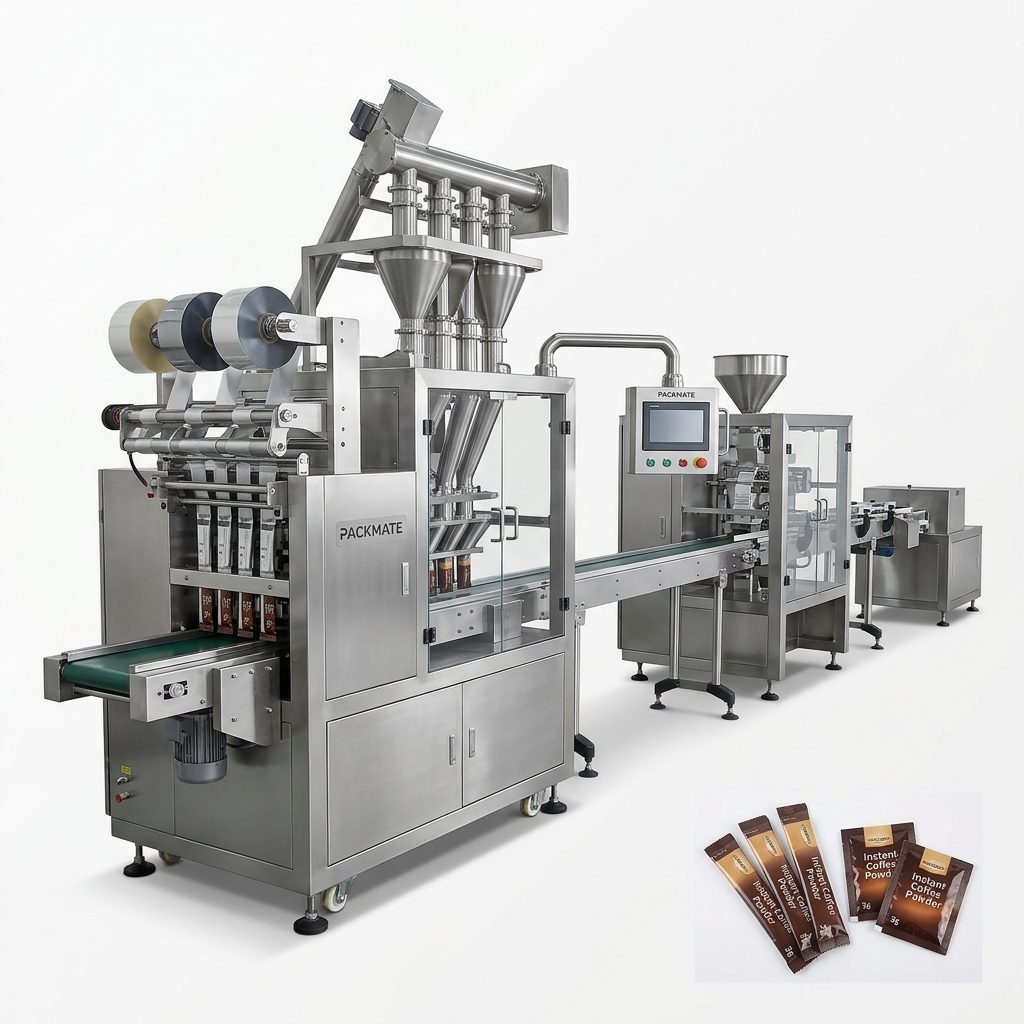
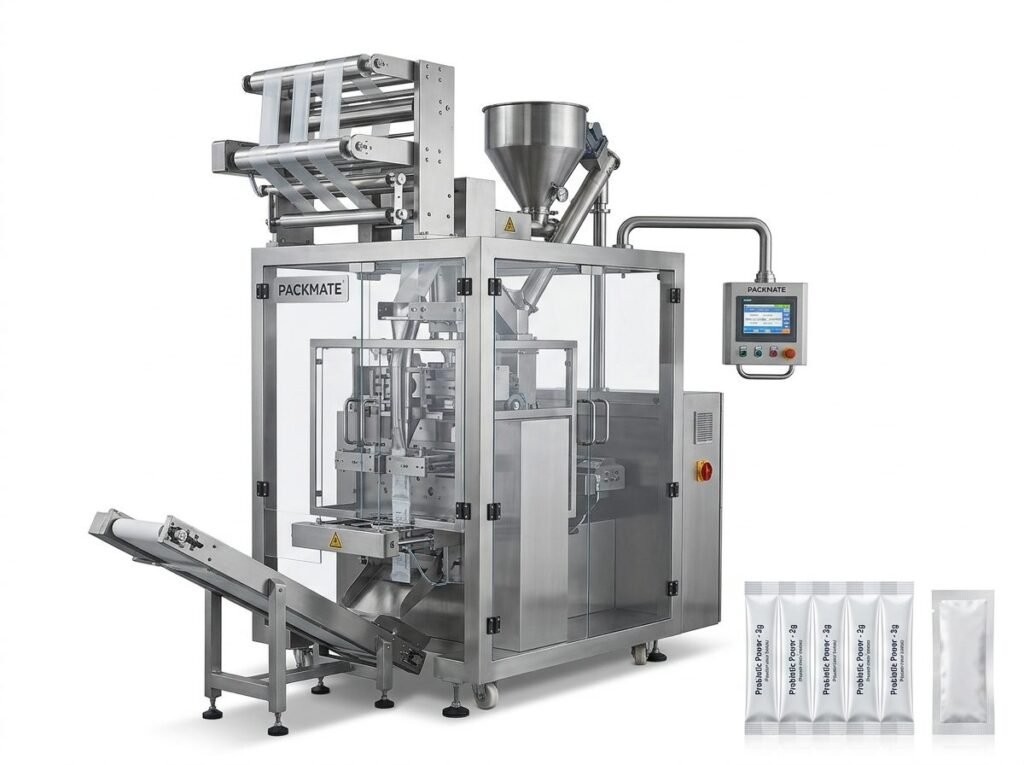
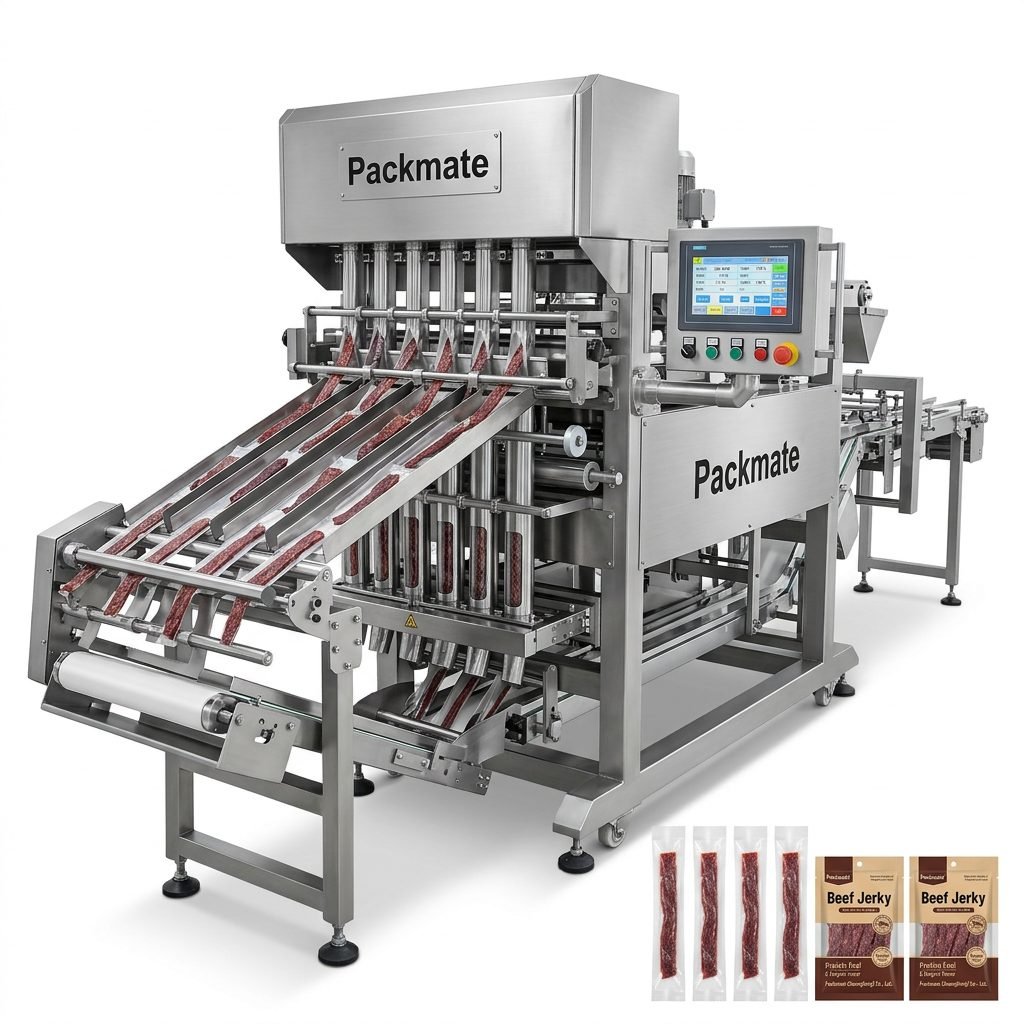
Food packaging must contend with a vast array of product viscosities—from oils and sauces to granules and powders. Lines often incorporate nitrogen flushing to remove oxygen, preserving flavor and preventing spoilage. Stick pack and sachet machines are ideal for single-serve condiments, drink mixes, or instant coffee, offering portability and reduced waste. For bulk items like rice, flour, or snacks, large bag packaging lines with automatic weighing and bagging capabilities are essential. Hygiene is paramount, with designs favoring easy-clean, sanitary construction to meet food safety standards.
Pharmaceutical & Health Product Solutions
This sector operates under the most rigorous regulations. Packaging lines must ensure absolute product purity and accurate dosing. Machines often feature stainless steel construction, clean-in-place (CIP) systems, and dust extraction to prevent cross-contamination. For powders and granules used in sachets or stick packs for OTC medicines or supplements, precision auger fillers are critical. Liquid pharmaceuticals may require peristaltic pumps for sterile filling. Furthermore, serialization and track-and-trace capabilities are increasingly integrated to combat counterfeiting and meet global regulatory demands.
Exploring our comprehensive packaging solutions can provide deeper insight into these specialized configurations.
Core Components of a Modern Packaging Line
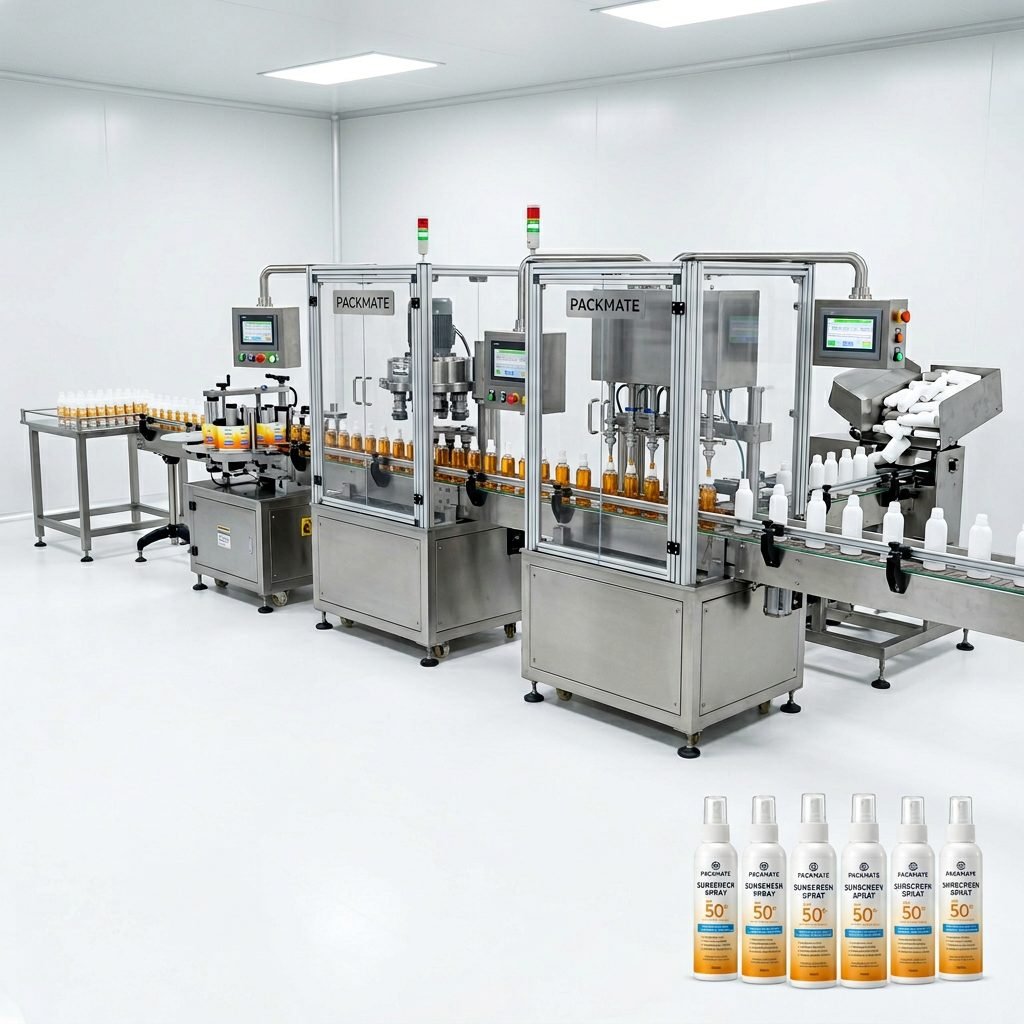
A complete filling and packaging line is a symphony of synchronized machinery. Understanding its core components helps in planning an effective system.
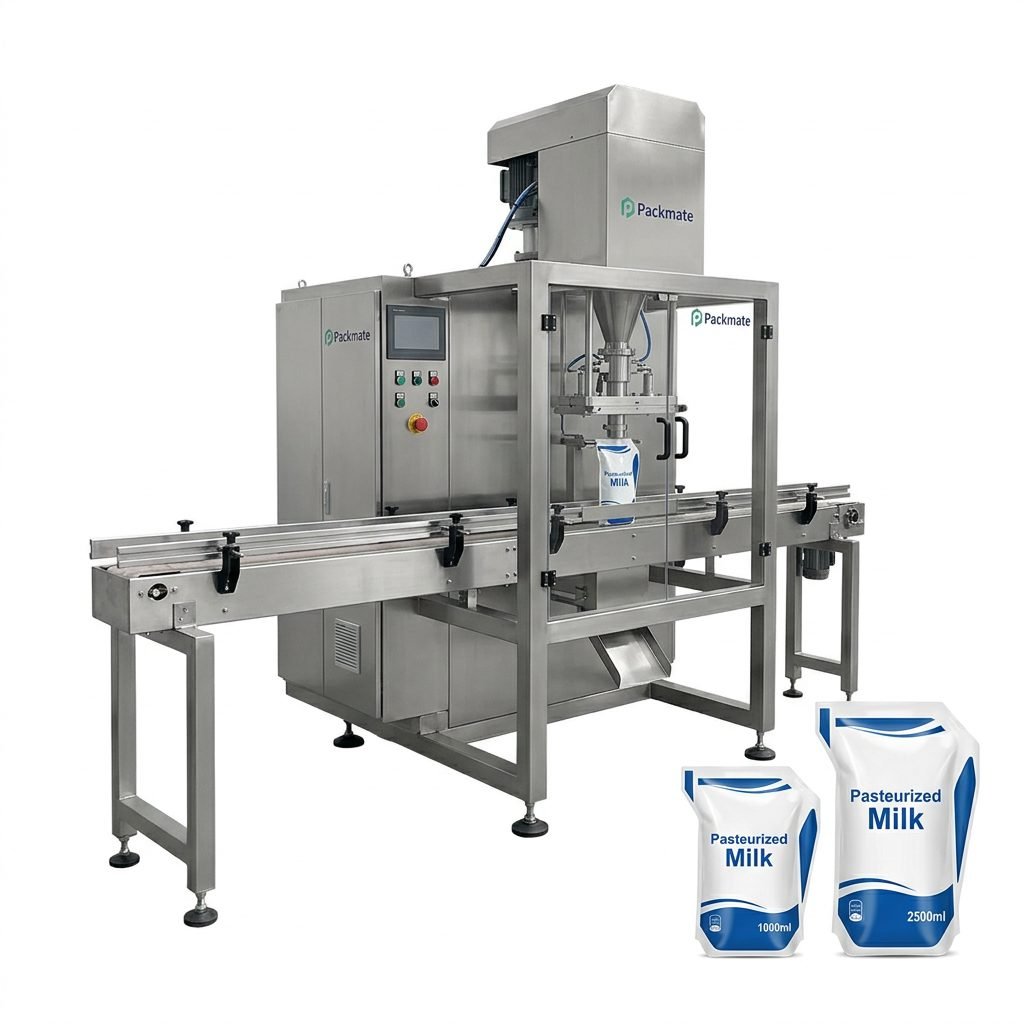
- Feeding & Dosing System: This is the starting point, where bulk product is accurately measured. Volumetric cup fillers, auger fillers for powders, and liquid pumps ensure each unit receives the exact specified amount.
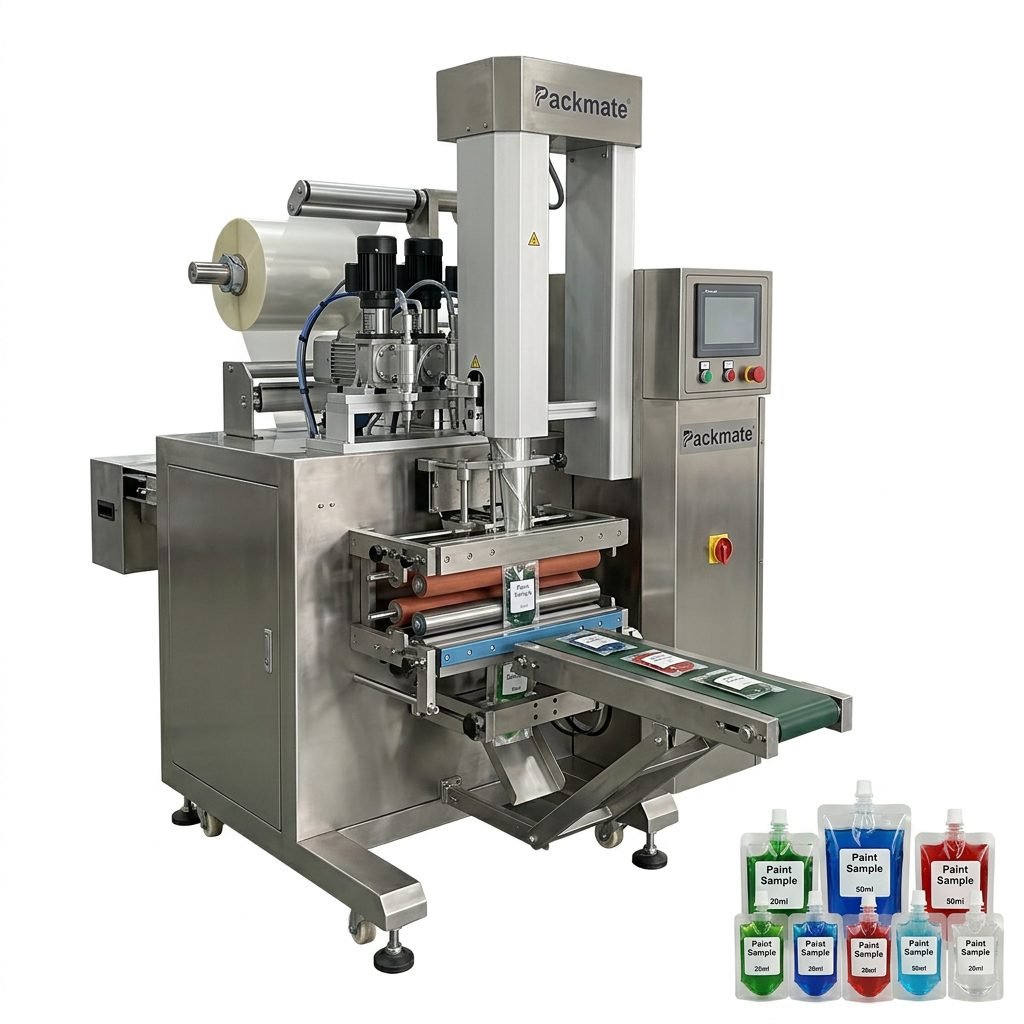
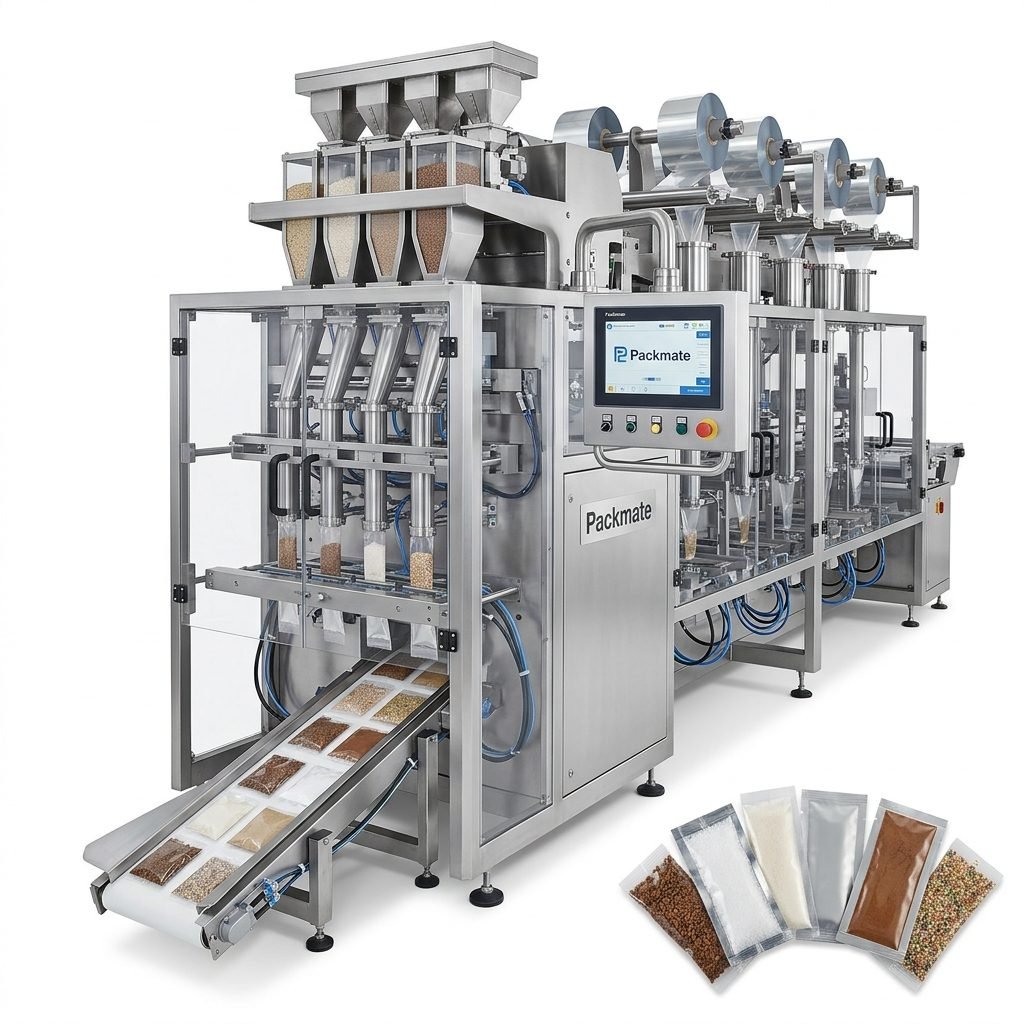
- Packaging Machine: The heart of the line. This could be a vertical form-fill-seal (VFFS) machine creating bags from a roll of film, a sachet machine, or a stick pack machine. It forms the package, fills it, and seals it.
- Secondary Packaging: After primary packaging, units are often collated into groups. A cartoner automatically erects cartons, inserts the primary packs, and closes them. Case packers then load these cartons into shipping cases.
- Labeling & Coding: Inkjet or laser coders print batch numbers, expiry dates, and barcodes directly onto packages or labels. Checkweighers verify the weight of each unit, rejecting any under or over-filled items.
- Control & Integration: A centralized Programmable Logic Controller (PLC) and Human-Machine Interface (HMI) panel allow operators to monitor and control the entire line’s speed, functions, and diagnostics from one station.
Why Partner with an Experienced Turnkey Provider?
Selecting individual machines from different vendors can lead to integration headaches, communication gaps, and finger-pointing when issues arise. Partnering with a single-source, turnkey provider like Packmate offers distinct advantages:
Unified Responsibility: From initial concept and design to installation, training, and after-sales service, one team is accountable for the entire system’s performance.
Seamless Integration: All components are engineered to work together harmoniously, maximizing line efficiency (OEE) and minimizing bottlenecks.
Future-Proofing: A good provider designs with scalability in mind, allowing for easier upgrades or reconfiguration as your product portfolio or output requirements change.
Proven Expertise: Leverage the provider’s accumulated knowledge from real-world case studies across your industry to avoid common pitfalls and implement best practices from day one.
Implementing Your New Packaging Line: A Strategic Journey
Successful implementation is a phased process that requires close collaboration between you and your supplier.
1. Discovery & Needs Analysis
This initial phase involves deep discussion about your product characteristics (flowability, abrasiveness, hygroscopicity), required output speed, packaging materials, and factory floor space. A site audit is invaluable.
2. Design & Quotation
The provider creates a detailed line layout and process flow diagram, specifying each machine’s model and capabilities. A comprehensive quote and project timeline are presented.
3. Factory Acceptance Test (FAT)
Before shipment, you are invited to witness the complete line running at the supplier’s facility. This is the time to verify performance against agreed specifications using your own product samples if possible.
4. Installation & Commissioning
Expert engineers install the line in your facility, connect utilities, and fine-tune the system to run optimally with your specific products and environment.
5. Training & Handover
Comprehensive training for your operators, mechanics, and quality control staff is conducted to ensure confident and competent day-to-day operation and basic troubleshooting.
For a closer look at the company behind such solutions, you can visit our detailed company profile.
Frequently Asked Questions (FAQs)
1. What is the typical lead time for a complete turnkey packaging line?
Lead times vary significantly based on line complexity, customization, and current production schedules. For standard configurations, it can range from 3 to 6 months from order to installation. A detailed project plan with milestones will be provided during the quotation phase.
2. How do you ensure the line will meet our specific hygiene and safety standards?
Reputable providers design with industry standards in mind. This includes using grade 304 or 316 stainless steel for contact parts, implementing smooth, crevice-free surfaces, incorporating CIP systems where needed, and designing for easy access for cleaning and maintenance. Always discuss your specific regulatory requirements (e.g., FDA, EU, GMP) upfront.
3. Can your machines handle the specific packaging material we want to use?
This is a crucial question. During the needs analysis, you should provide samples of your desired packaging film or laminate. The supplier will test its sealability, tensile strength, and machinability on their equipment to confirm compatibility and recommend any necessary adjustments to the film or machine settings.
4. What kind of after-sales support and service can we expect?
A comprehensive support package should include detailed operation manuals, a parts list, remote support via phone or video call, and the availability of on-site service engineers. Ask about warranty periods, spare parts inventory, and response time commitments for technical support.
5. How do we measure the Return on Investment (ROI) for a new automated line?
ROI is calculated by comparing the capital and operating costs of the new line against the savings and gains it generates. Key factors include: increased production output, reduced labor costs, lower material waste from improved accuracy, decreased downtime, improved quality leading to fewer rejects/returns, and the ability to enter new markets with new packaging formats.