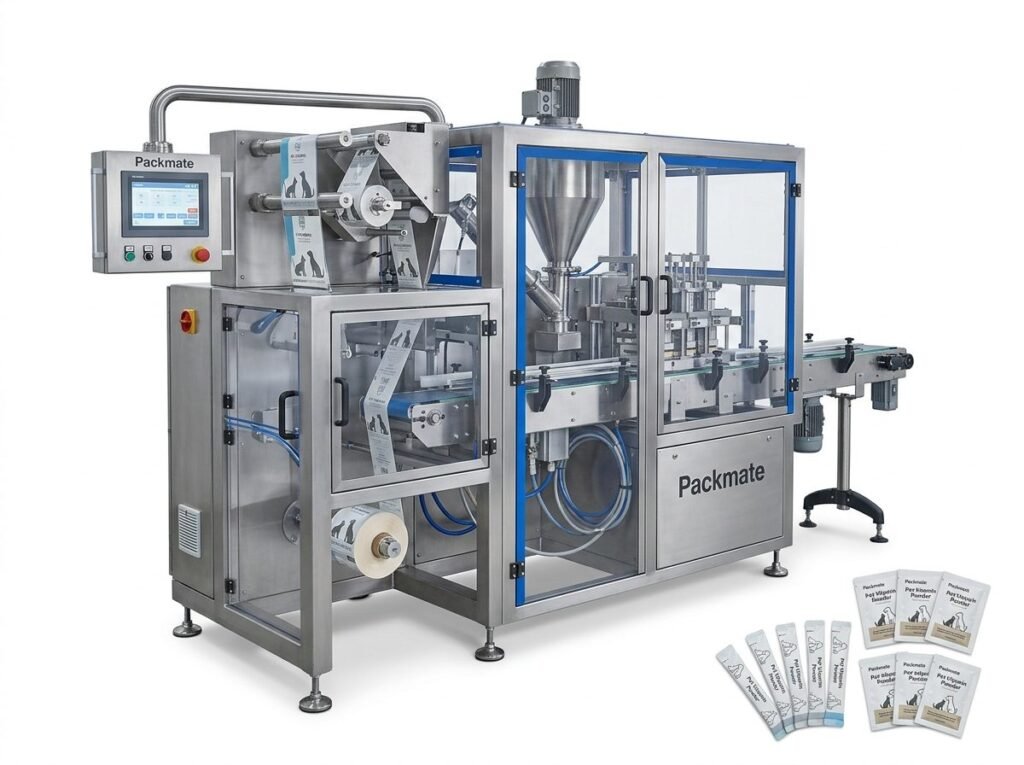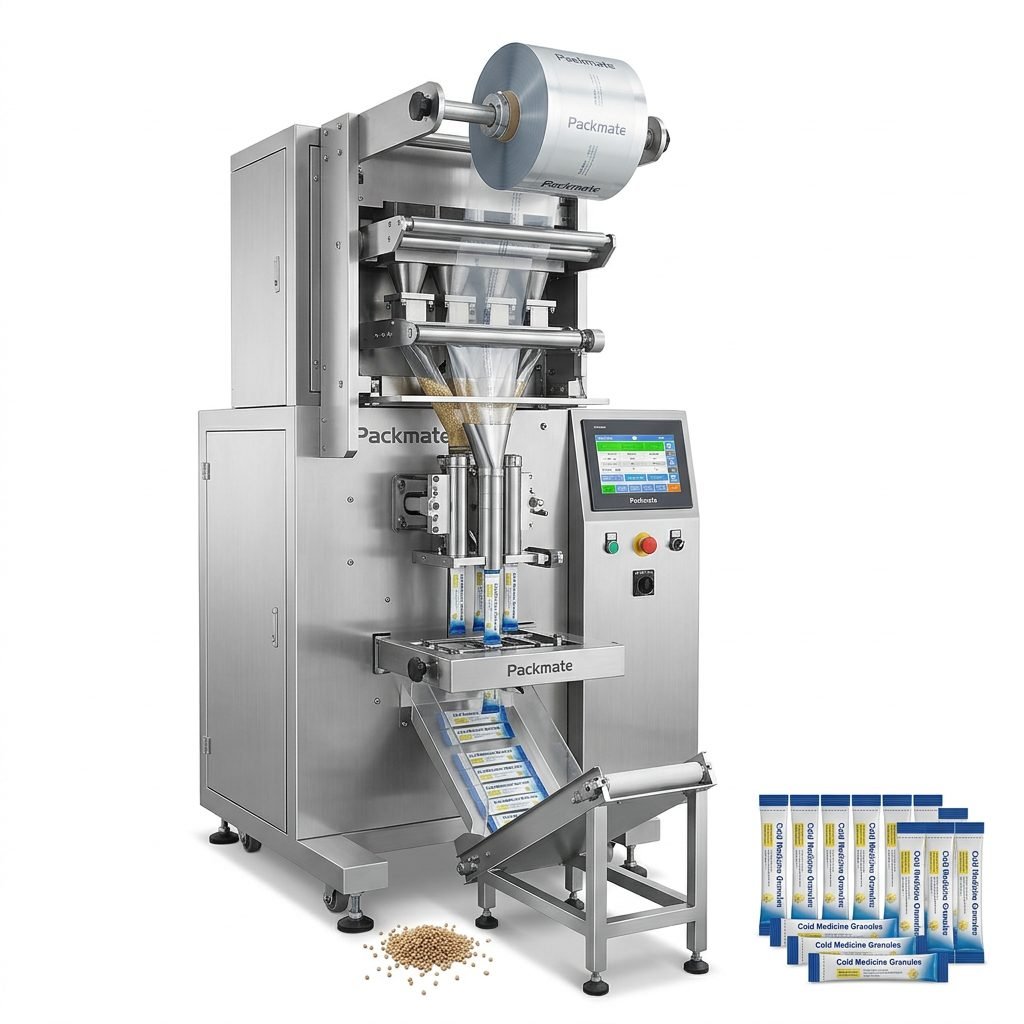
In the high-stakes environments of food and pharmaceutical manufacturing, maintaining impeccable hygiene and precision is non-negotiable. At the heart of many critical processes lies an often-overlooked hero: the industrial air blower. Specifically designed for packaging lines, these blowers perform essential tasks from drying and cleaning to cooling and conveying, ensuring product integrity and line efficiency. This guide delves into the complete world of packaging line blowers, exploring their types, applications, and selection criteria for these vital industries.
Understanding the Role of Air Blowers in Packaging
Industrial air blowers are not mere fans; they are engineered systems that generate a controlled stream of air for specific industrial purposes. On packaging lines, their function is multifaceted. They are crucial for removing moisture, dust, and debris from containers before filling, a critical step in preventing contamination. They provide precise cooling for heat-sealed packages and are instrumental in pneumatic conveying systems that gently move powders or granules from silos to filling machines without degradation.
Core Functions on the Line:
- Drying & Cleaning: Eliminating residual water or particles from bottles, vials, and pouches post-washing.
- Cooling: Setting seals on blister packs, sachets, and stick packs after the heat-sealing process.
- Conveying: Transporting lightweight raw materials (e.g., spices, powdered supplements) through the production circuit.
- Ejection & Sorting: Using targeted air jets to remove defective packages or orient products correctly.
Types of Blowers for Food & Pharma Applications
Selecting the right blower technology is paramount. The main categories include centrifugal blowers, regenerative blowers, and positive displacement blowers. Each offers distinct advantages in pressure, flow rate, and energy efficiency, making them suitable for different stages of the packaging process. For instance, high-pressure blowers might be used for aggressive drying, while low-pressure, high-volume blowers are ideal for gentle conveying or cooling sensitive products.
Centrifugal Blowers
These blowers use a rotating impeller to accelerate air outward, creating airflow. They are excellent for applications requiring medium to high pressure and are often used in central systems for drying or air knives. Their design allows for relatively quiet operation, which is a benefit in any production facility.
Regenerative Blowers
Also known as side-channel blowers, they are renowned for being oil-free, compact, and producing a clean air stream—a mandatory feature for food and pharmaceutical contact. They generate a continuous flow with moderate pressure, making them perfect for tasks like pneumatic conveying of powders or providing air to multiple small nozzles for bottle cleaning.
Key Advantage for Pharma:
The oil-free operation eliminates the risk of hydrocarbon contamination, which is critical in sterile environments. Their sealed design also helps in maintaining the integrity of cleanrooms. You can explore how such technology integrates into complete systems on our dedicated Solutions page.
Critical Selection Criteria: Beyond Basic Specs
Choosing a blower involves more than just matching airflow (CFM) and pressure (PSI) to a datasheet. For food and pharmaceutical lines, material compatibility, hygiene design, and compliance are equally important.
Hygiene & Compliance Checklist:
- Material of Construction: Stainless steel (e.g., 304 or 316L) housing and internals are preferred for corrosion resistance and cleanability.
- Sanitary Design: Look for smooth, crevice-free surfaces, easy disassembly for cleaning, and IP-rated ingress protection.
- Certifications: Ensure the blower meets relevant standards like FDA CFR 21, EC 1935/2004 for food contact, or cGMP guidelines for pharmaceuticals.
- Filtration: Integrated intake filters (HEPA or ULPA for critical zones) are essential to ensure the supplied air is contaminant-free.
Noise level and energy efficiency are also major operational considerations. Efficient blowers reduce long-term operating costs and contribute to a better workplace environment. For a deeper dive into how these factors play out in real-world installations, reviewing our case studies can provide valuable insights.
Integration into Complete Packaging Systems
A blower is only as good as its integration. In a turnkey packaging line, the blower system must be seamlessly synchronized with fillers, sealers, conveyors, and control systems. This requires precise engineering to ensure the air supply is consistent, responsive, and failsafe. Modern lines often feature blowers with variable frequency drives (VFDs) controlled by the central PLC, allowing dynamic adjustment of airflow based on line speed or product type.
Proper placement is crucial to avoid cross-contamination. Blowers for pre-fill cleaning should be positioned in a way that prevents expelled particles from settling on downstream, already-cleaned containers. This level of system design expertise is what distinguishes a basic equipment supplier from a true solutions provider like Packmate.
Maintenance for Peak Performance & Longevity
Preventive maintenance is the key to reliability. A standard regimen includes regular inspection and replacement of intake filters to maintain airflow and protect internal components. Bearings and motors should be lubricated as per the manufacturer’s schedule (if applicable), and all electrical connections checked for tightness. For blowers in sanitary service, establishing and following a strict cleaning-in-place (CIP) or disassembly protocol is essential to prevent microbial growth and maintain validation status.
Partnering with an Expert Provider
Given the critical nature of these components, partnering with a knowledgeable supplier is invaluable. A provider with direct experience in food and pharmaceutical packaging, like Packmate, understands the nuanced requirements beyond the machinery itself. They can advise on the optimal blower type, assist with hygienic integration, and ensure the entire system—from the primary packaging machine to the auxiliary air systems—is designed for compliance and efficiency. Learn more about our approach and capabilities in our detailed Company Profile.
Frequently Asked Questions (FAQs)
1. What is the main difference between a blower and a fan for packaging applications?
Fans are designed to move large volumes of air against very low pressure, typically for ventilation. Blowers are engineered to generate higher pressure at a given flow rate, which is necessary for tasks like overcoming resistance in ducting, creating focused air knives for drying, or providing the force needed for pneumatic conveying.
2. Why are oil-free blowers mandatory in pharmaceutical packaging?
Oil-lubricated blowers pose a risk of oil mist or aerosol contamination entering the air stream. In pharmaceutical environments where product purity is paramount, this is unacceptable. Oil-free blowers use alternative bearing technologies (like ceramic or Teflon-coated) to eliminate this contamination risk entirely.
3. How do I determine the correct CFM and PSI for my application?
This requires a detailed process analysis. Key factors include the size and shape of the container to be dried/cleaned, the line speed, the nature of the material being conveyed (density, particle size), and the length/diameter of any conveying lines. It’s best to consult with an application engineer who can model the requirements or refer to existing successful case studies with similar parameters.
4. Can one central blower serve multiple functions on a packaging line?
Yes, it is possible with proper system design. A large central blower can feed a manifold that supplies air to different stations (e.g., cleaning, cooling, conveying). However, this requires precise pressure regulation at each point of use and careful sizing to ensure one function doesn’t starve another of air. Often, dedicated blowers for critical or high-demand functions provide more reliable and controllable performance.
5. What are the signs that my packaging line blower needs maintenance or replacement?
Common indicators include a noticeable drop in airflow or pressure (leading to incomplete drying or slow conveying), unusual vibrations or noise, excessive motor heat, and a sudden increase in energy consumption. For sanitary applications, any sign of corrosion or difficulty in achieving a clean, validated state during sanitation cycles is a critical red flag.
For more detailed questions, visit our comprehensive FAQs resource.