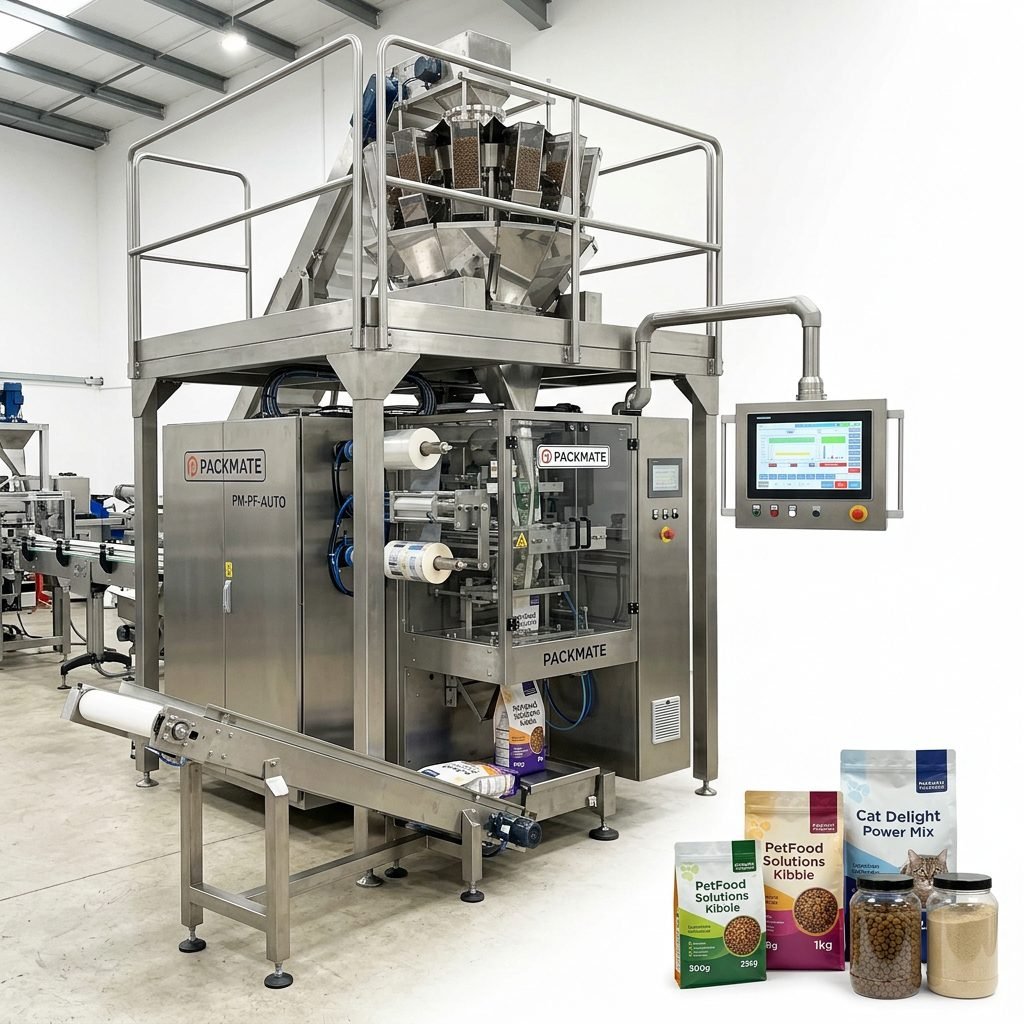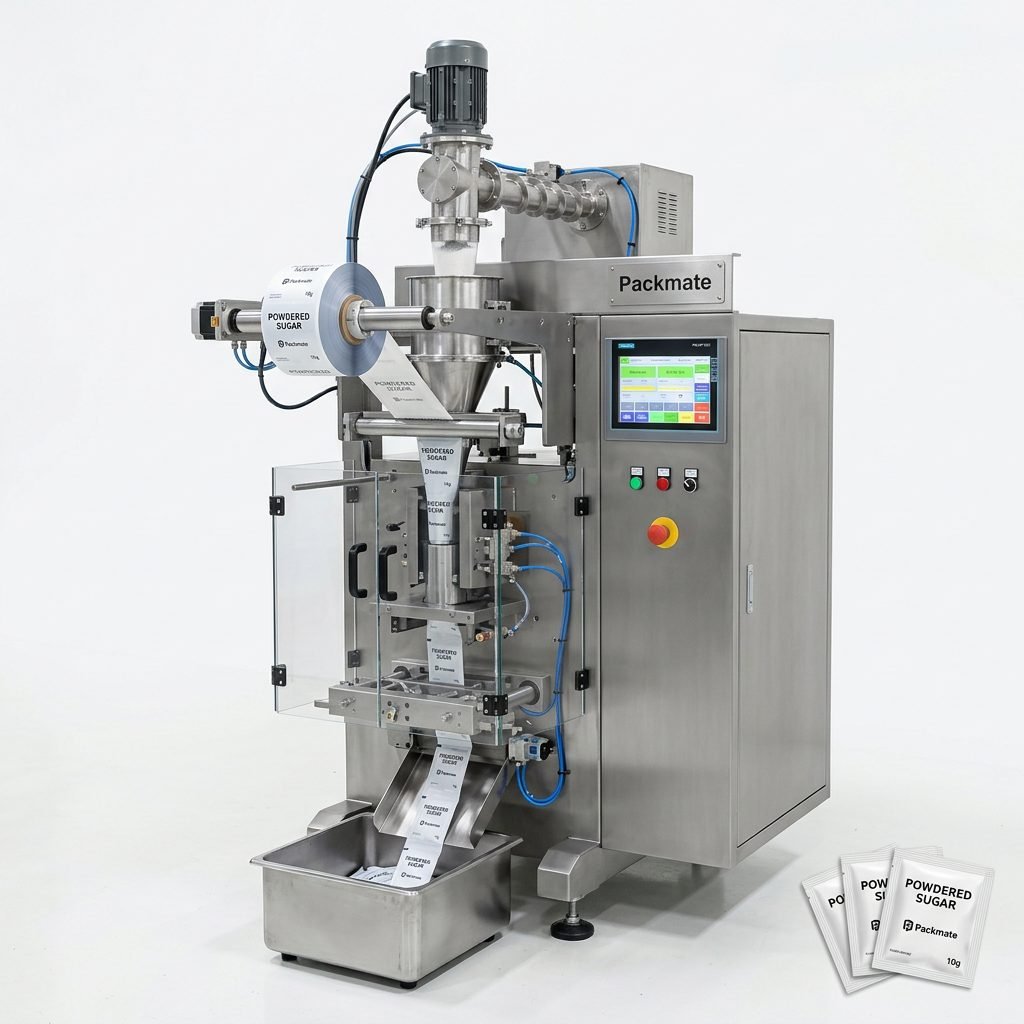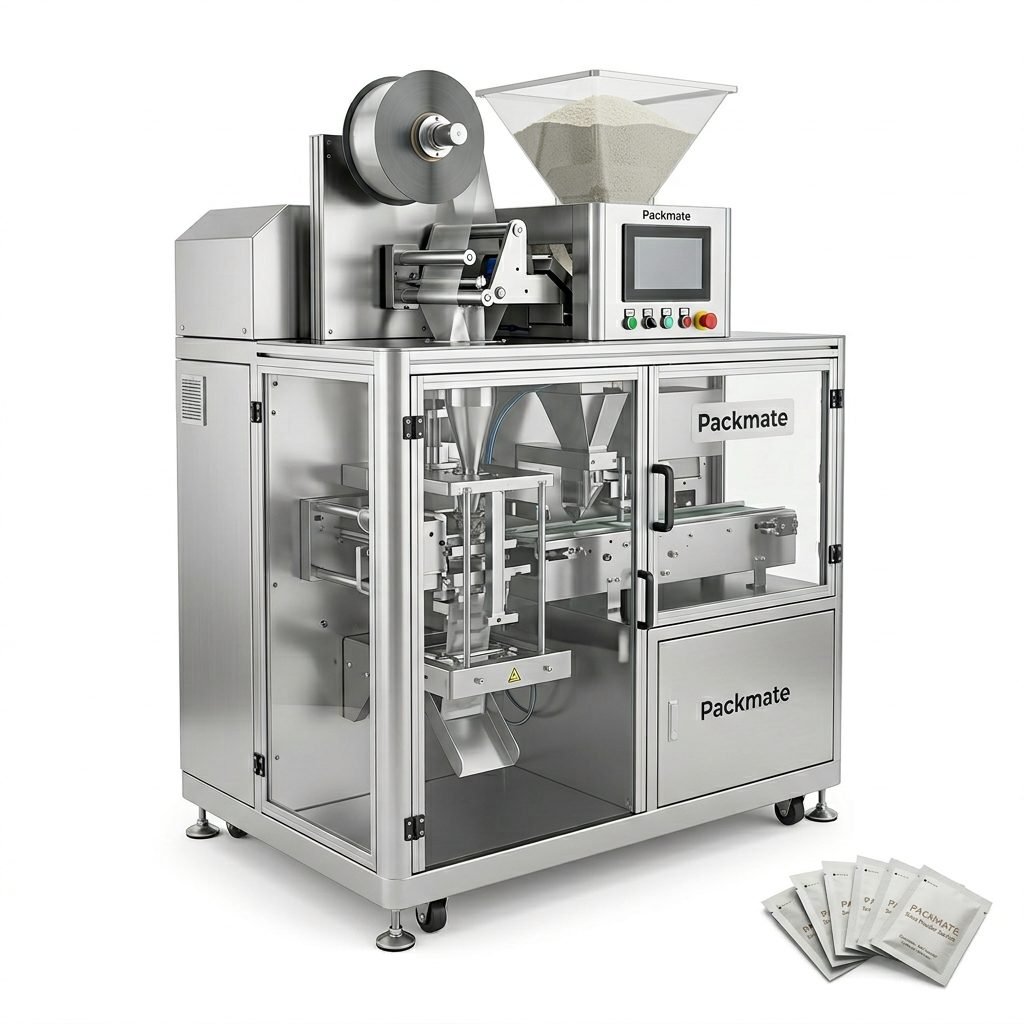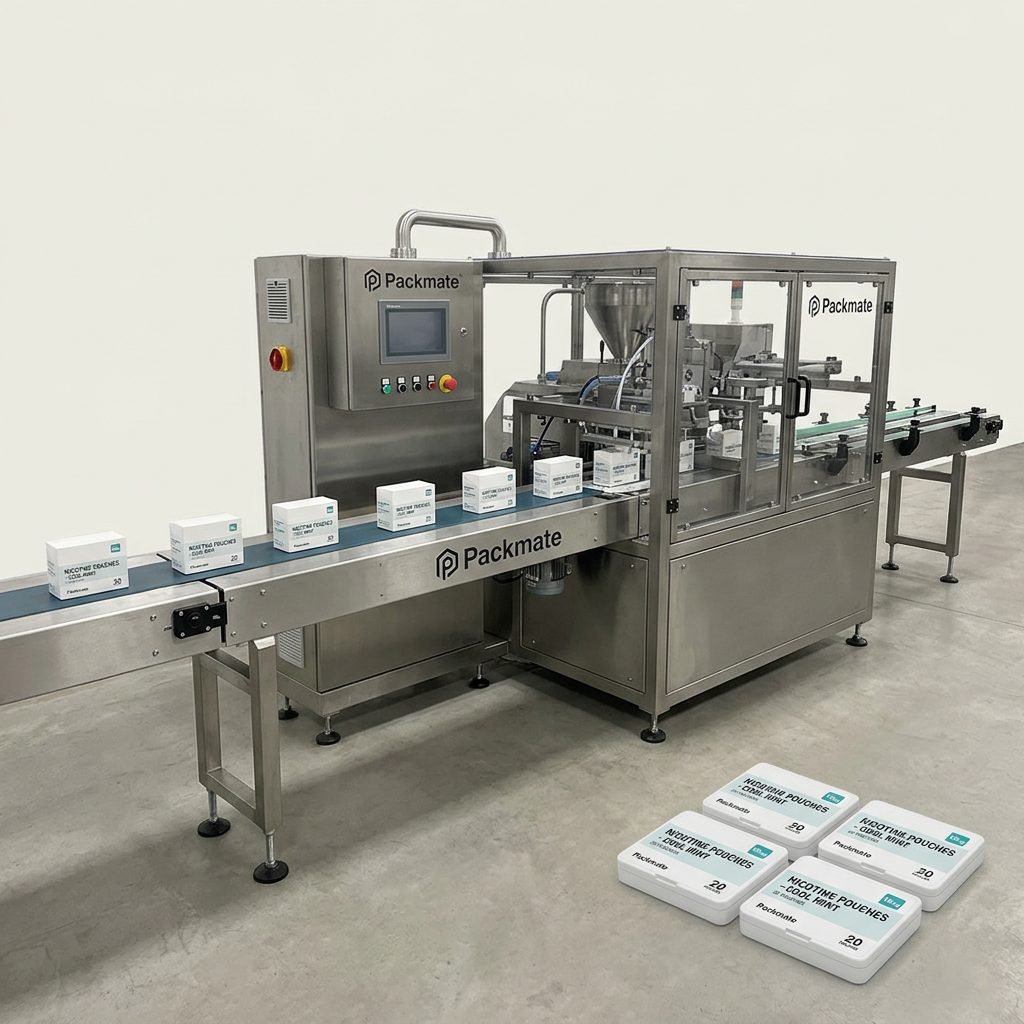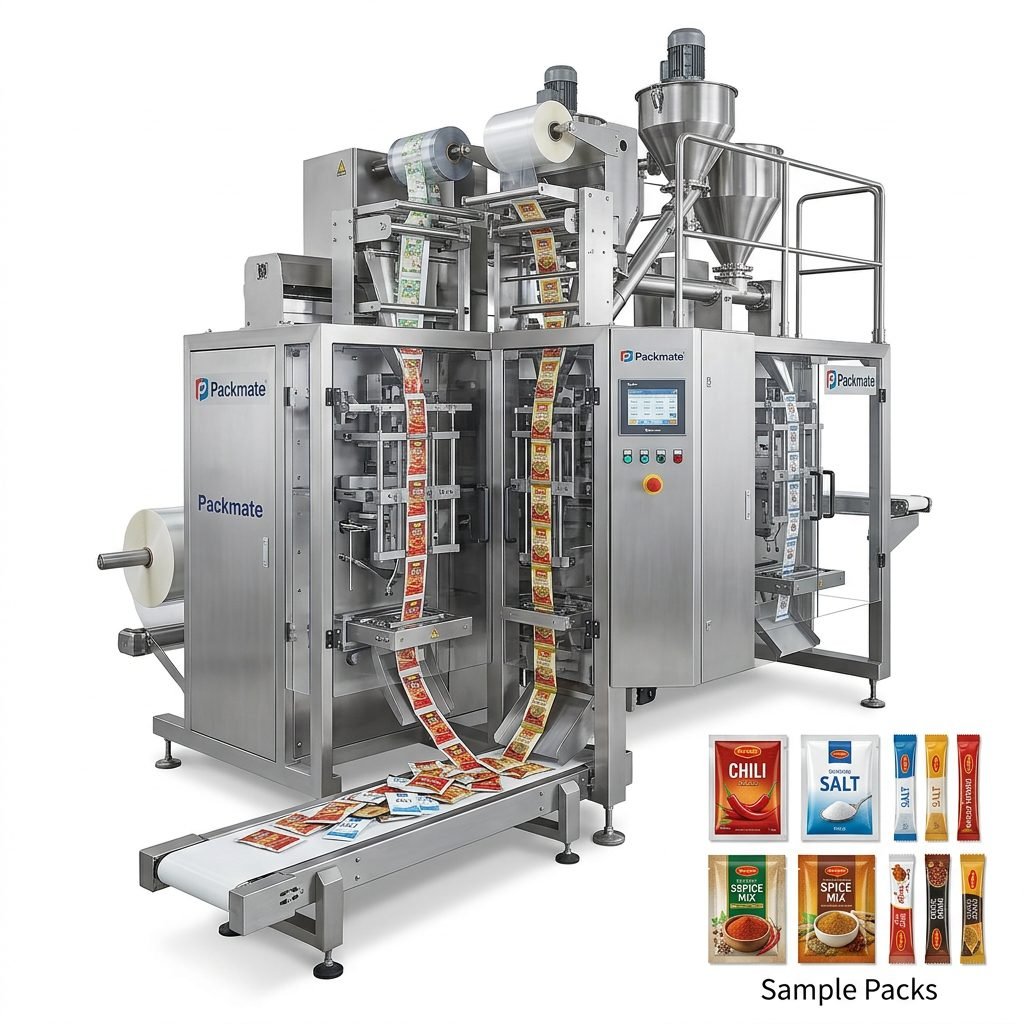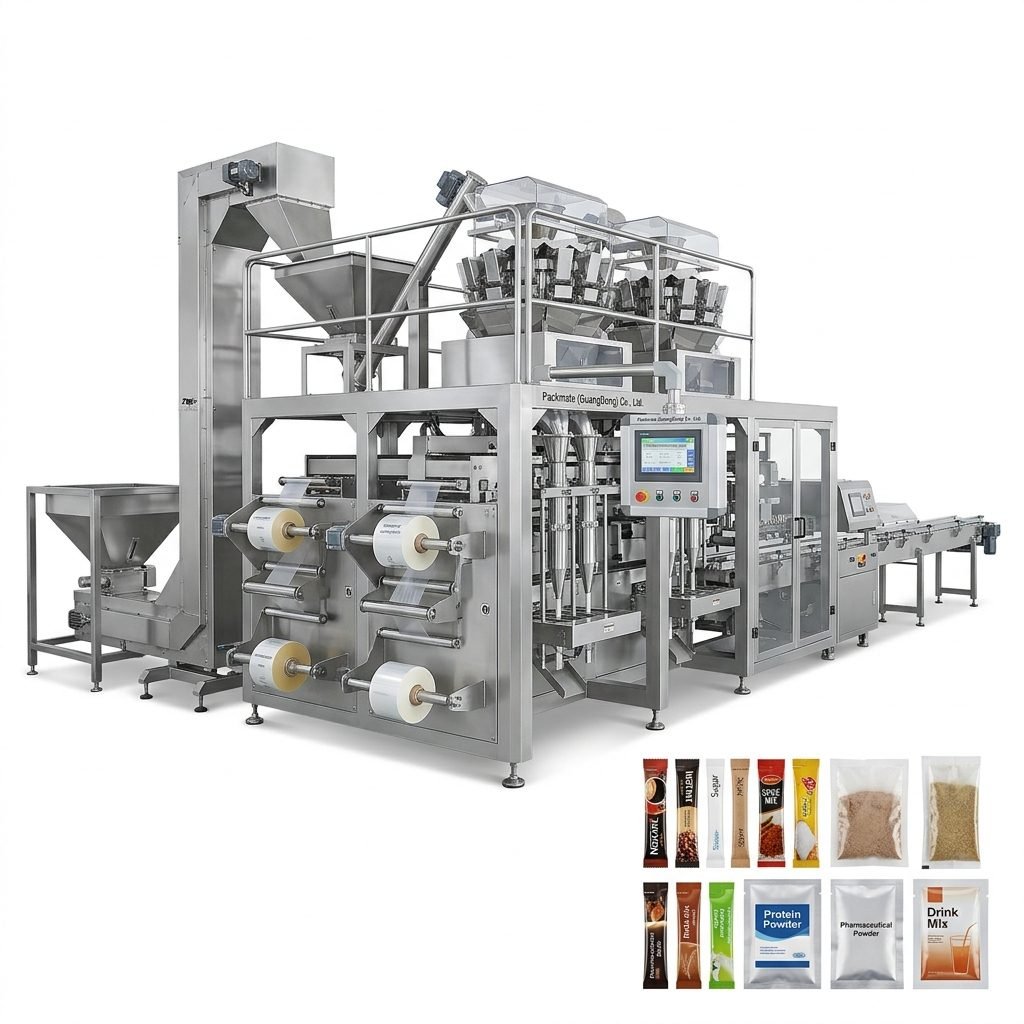
In the dynamic and competitive world of food manufacturing, efficiency, hygiene, and consistency are non-negotiable. As consumer demand diversifies and production volumes scale, the integration of a seamless, automated packaging line becomes the cornerstone of a successful operation. This is particularly true for handling diverse product forms like granules, powders, and liquids, each presenting unique challenges. A turnkey automated solution is no longer a luxury but a strategic imperative for businesses aiming to enhance productivity, ensure product integrity, and maintain a competitive edge in the global market.
The Imperative for Integrated Packaging Lines
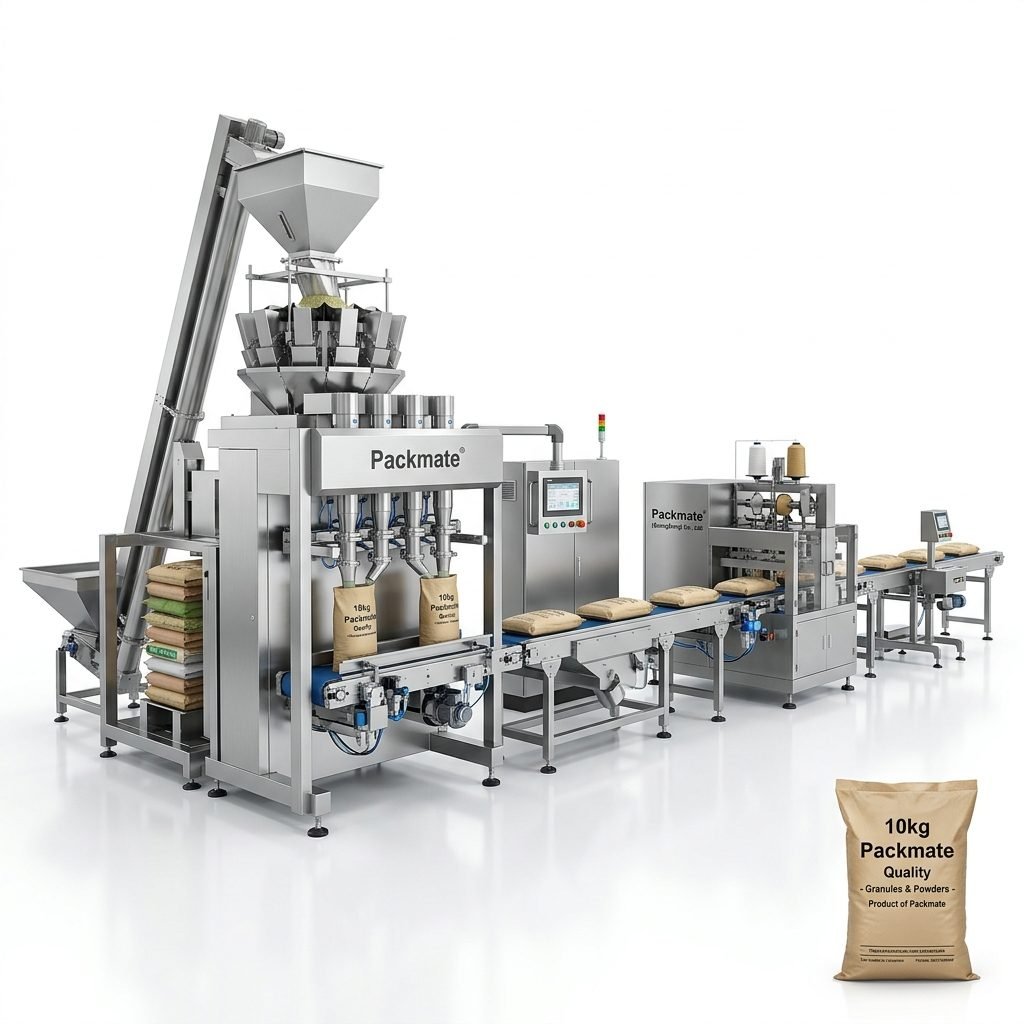
The journey from raw ingredient to finished, shelf-ready product is complex. Disconnected, manual, or semi-automated processes create bottlenecks, increase the risk of contamination, and lead to product giveaway or inconsistency. An integrated packaging line unifies every stage—from feeding and weighing to filling, sealing, coding, and cartoning—into a synchronized, intelligent system. For granules, powders, and liquids, this integration is critical to manage flow characteristics, prevent cross-contamination, and achieve precise metering.
Key Driver: The shift towards higher operational efficiency and stringent food safety standards (like FSMA, HACCP) is pushing manufacturers to adopt closed, automated systems that minimize human intervention and maximize control.
Granules: Precision in Every Particle
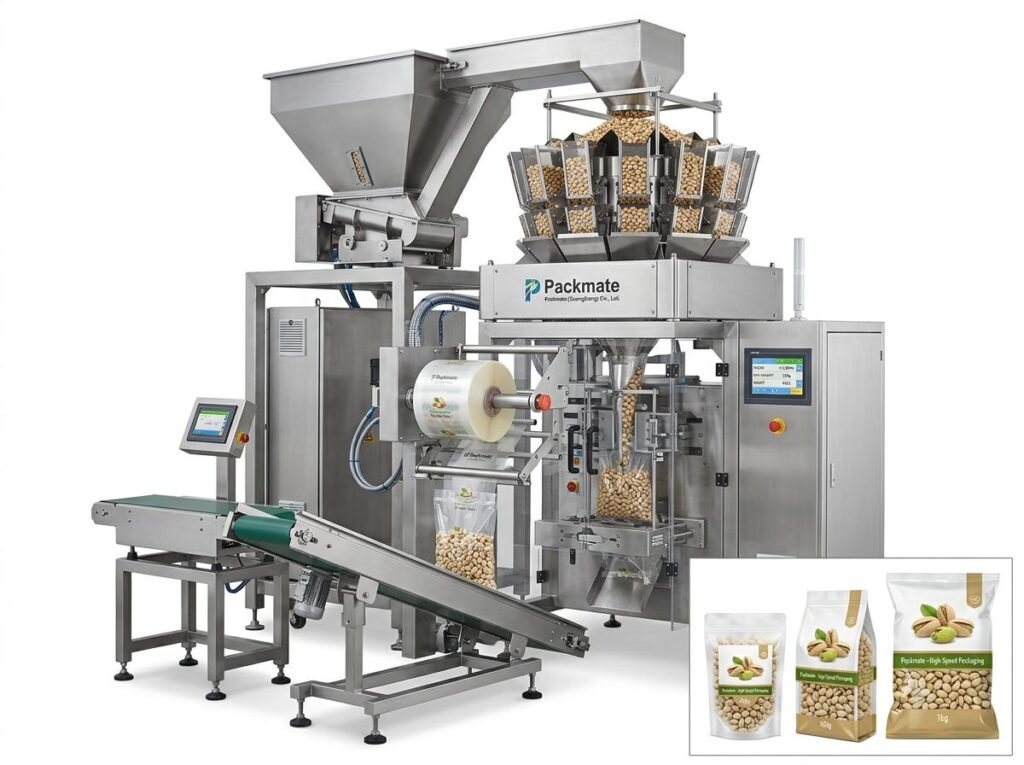
Packaging granular products—such as sugar, salt, coffee beans, grains, or snacks—requires robust handling to prevent breakage and highly accurate volumetric or gravimetric filling. An integrated line for granules typically features:
- ✔ Gentle Handling Systems: Vibratory feeders or bucket elevators designed to transport products without degradation.
- ✔ High-Speed Multi-Lane Weighing: Advanced multi-head weighers that deliver unparalleled speed and accuracy, crucial for stick pack or sachet formats popular for single-serve portions.
- ✔ Dedicated Form-Fill-Seal (FFS) Machines: Machines that form the package from roll stock, fill it precisely, and seal it in one continuous motion, ensuring freshness and tamper evidence.
Companies like Packmate specialize in designing such cohesive lines, where the feeding system communicates seamlessly with the weigher and the FFS machine, creating a ripple-free production flow.
Powders: Containing the Dust, Ensuring Accuracy
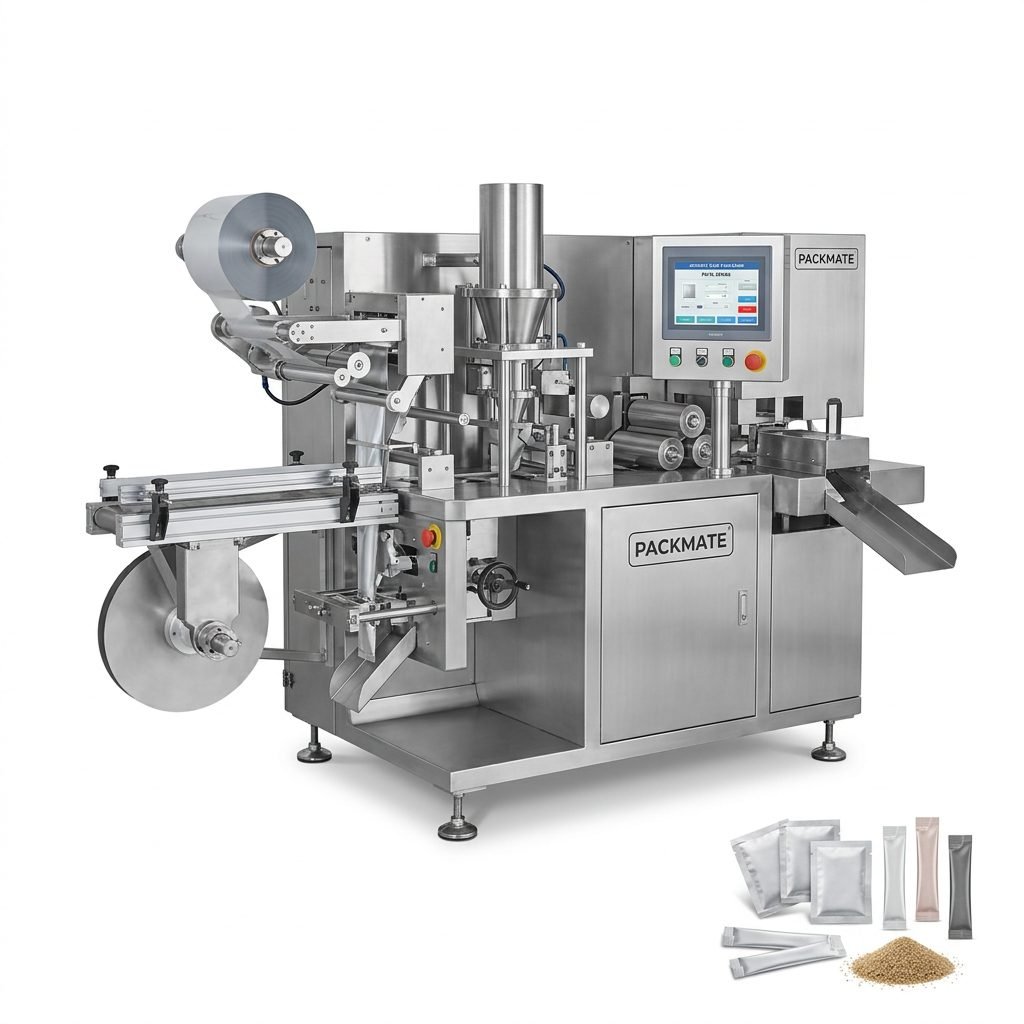
Powdered products like flour, milk powder, protein supplements, spices, and instant drink mixes are notoriously challenging due to dust generation, hygroscopic nature, and potential for bridging or rat-holing in hoppers. A turnkey solution addresses these head-on:
- ✔ Closed & Dust-Free Conveyance: Pneumatic conveying systems or enclosed screw feeders contain dust, protecting both the product and the factory environment.
- ✔ Auger Filling Technology: Servo-driven auger fillers provide exceptional precision for powders, with customization for different bulk densities and flow properties.
- ✔ Integrated Sieving/De-lumping: In-line sifters can be incorporated to ensure a consistent, lump-free product enters the filling head, guaranteeing package weight consistency.
Exploring a manufacturer’s case studies can reveal how integrated powder lines solve specific challenges, from packaging fine ceramic powders to hygroscopic food ingredients.
Liquids: Hygiene, Speed, and Zero Drip
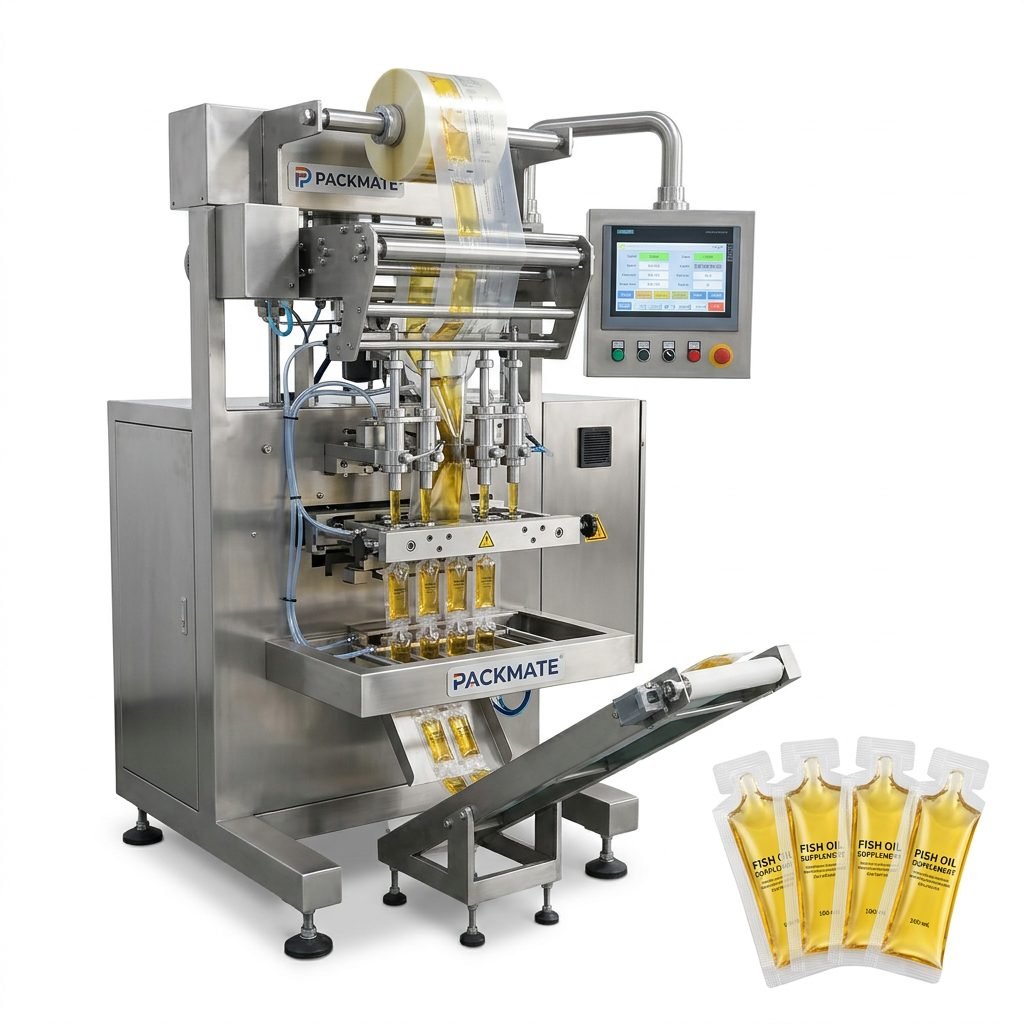
Liquid packaging, encompassing oils, sauces, dressings, beverages, and dairy products, demands paramount focus on hygiene (CIP/SIP capabilities), filling accuracy, and sealing integrity. An automated liquid packaging line integrates:
- ✔ Aseptic or Clean-Fill Systems: For sensitive products, the entire line can be designed to meet aseptic standards, with sterile zones and sterile air supply.
- ✔ Piston or Overflow Filling: Piston fillers are ideal for viscous products like sauces, while overflow fillers provide brilliant accuracy for thin liquids like oils or vinegar.
- ✔ No-Drip Nozzles & Capping: Specialized nozzles retract cleanly, and automatic capping or lidding stations ensure a perfect seal every time.
The true power of integration is seen in lines that combine liquid filling with upstream mixing/blending and downstream labeling and casing, all controlled from a single unified HMI.
Benefits of a Turnkey Automated Approach
Choosing a single-source provider for a complete packaging line integration, rather than piecing together equipment from multiple vendors, unlocks transformative benefits:
Maximized Operational Efficiency
Seamless machine interoperability eliminates mechanical and communication bottlenecks. Synchronized speeds mean the filler isn’t waiting for the bag maker, and the cartoner isn’t starved of finished pouches. This optimization directly translates to higher Overall Equipment Effectiveness (OEE) and output.
Guaranteed Product Consistency & Safety
A unified system provides traceability and control. Parameters for weight, fill volume, seal temperature, and gas flushing (for modified atmosphere packaging) are centrally managed and monitored, drastically reducing giveaway and ensuring every package meets quality specs. The reduced manual handling significantly lowers contamination risks.
Reduced Total Cost of Ownership (TCO)
While the initial investment might be significant, a turnkey solution from a reputable provider like Packmate (GuangDong) Co., Ltd. reduces long-term costs. You benefit from single-point accountability for service and spare parts, simplified training, lower energy consumption from optimized machinery, and minimal downtime due to better system compatibility.
Enhanced Scalability & Flexibility
Modern integrated lines are built with modularity in mind. As your business grows or you launch new product SKUs (e.g., a new flavor of powder or a different viscosity of sauce), the line can often be adapted or expanded with additional modules without a complete overhaul, protecting your capital investment.
The Partner Selection: Beyond the Machinery
Implementing a turnkey line is a partnership. The ideal provider brings more than just hardware to the table. Look for a partner with deep application expertise, a proven track record in your specific product category (granules, powders, OR liquids), and comprehensive support services. This includes detailed factory acceptance testing (FAT), installation supervision, operator training, and readily available after-sales support. A provider with over 22 years of experience, such as Packmate, embodies this holistic approach, having evolved from a specialized machine designer to a full-line integrator.
Conclusion: The Future is Integrated
The integration of automated packaging lines for granules, powders, and liquids represents the pinnacle of modern food manufacturing strategy. It is a direct response to the pressures of market competition, regulatory demands, and the relentless pursuit of quality and efficiency. By consolidating disparate processes into a coherent, intelligent, and reliable system, manufacturers can achieve unprecedented levels of control, output, and product safety. Investing in a turnkey solution is an investment in the future resilience and growth of your brand.
Frequently Asked Questions (FAQs)
1. What is the typical lead time for a complete turnkey packaging line?
Lead times vary significantly based on line complexity, customization level, and current manufacturer backlog. A standard line might take 3-6 months from order to delivery, while highly customized or aseptic systems can take 6-12 months. A detailed project timeline should be established during the quotation phase.
2. Can one integrated line handle granules, powders, AND liquids simultaneously?
Typically, no. Due to vastly different handling, feeding, and filling technologies required, dedicated lines are built for each product type. However, a well-designed line for powders can often handle certain granular products with change parts, and vice-versa. Liquids usually require a completely separate system. Flexibility within a product category (e.g., different powder densities) is a key design goal.
3. How do you ensure the line meets our specific hygiene and safety standards (e.g., FDA, EU compliance)?
Reputable integrators design lines using materials (like 304 or 316L stainless steel) and components (food-grade lubricants, certified electrical parts) that meet international standards. They provide documentation on material certifications and can design for specific washdown or clean-in-place (CIP) requirements. It’s crucial to communicate all applicable standards early in the design process.
4. What kind of training and support is provided after installation?
A comprehensive turnkey project includes on-site installation by factory engineers, detailed operational training for your machine operators and maintenance technicians, and the provision of full documentation (manuals, electrical diagrams, spare parts lists). Ongoing support usually includes remote troubleshooting, a warranty period, and access to spare parts. Clarify the scope of training and post-installation support in your contract.
5. How is the performance (e.g., speed, accuracy) of the line guaranteed?
Performance is validated during Factory Acceptance Testing (FAT), where you or your representatives witness the line running with your actual product or a close simulant. Key Performance Indicators (KPIs) like bags-per-minute speed, filling accuracy (e.g., ±0.5g), and seal integrity are measured and must meet the agreed-upon specifications before the line is shipped. This FAT report serves as the performance guarantee baseline.