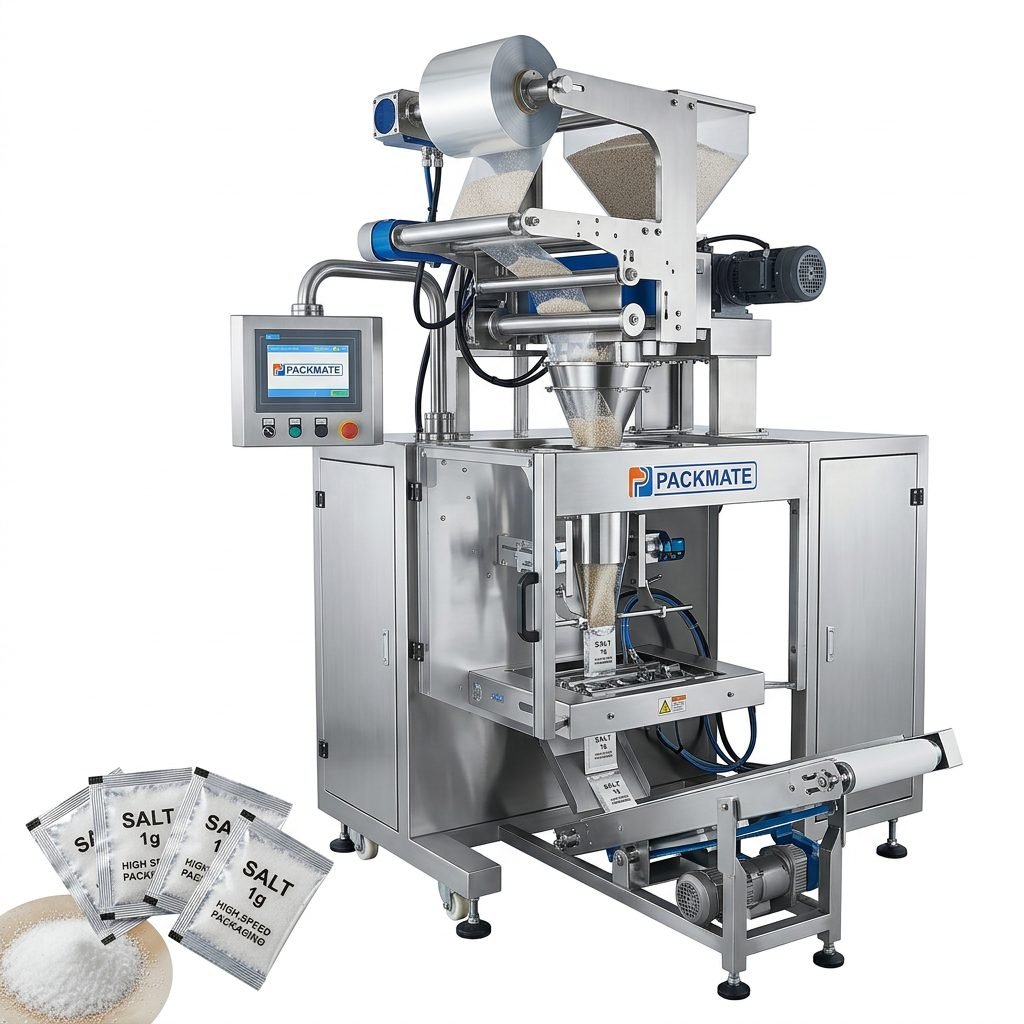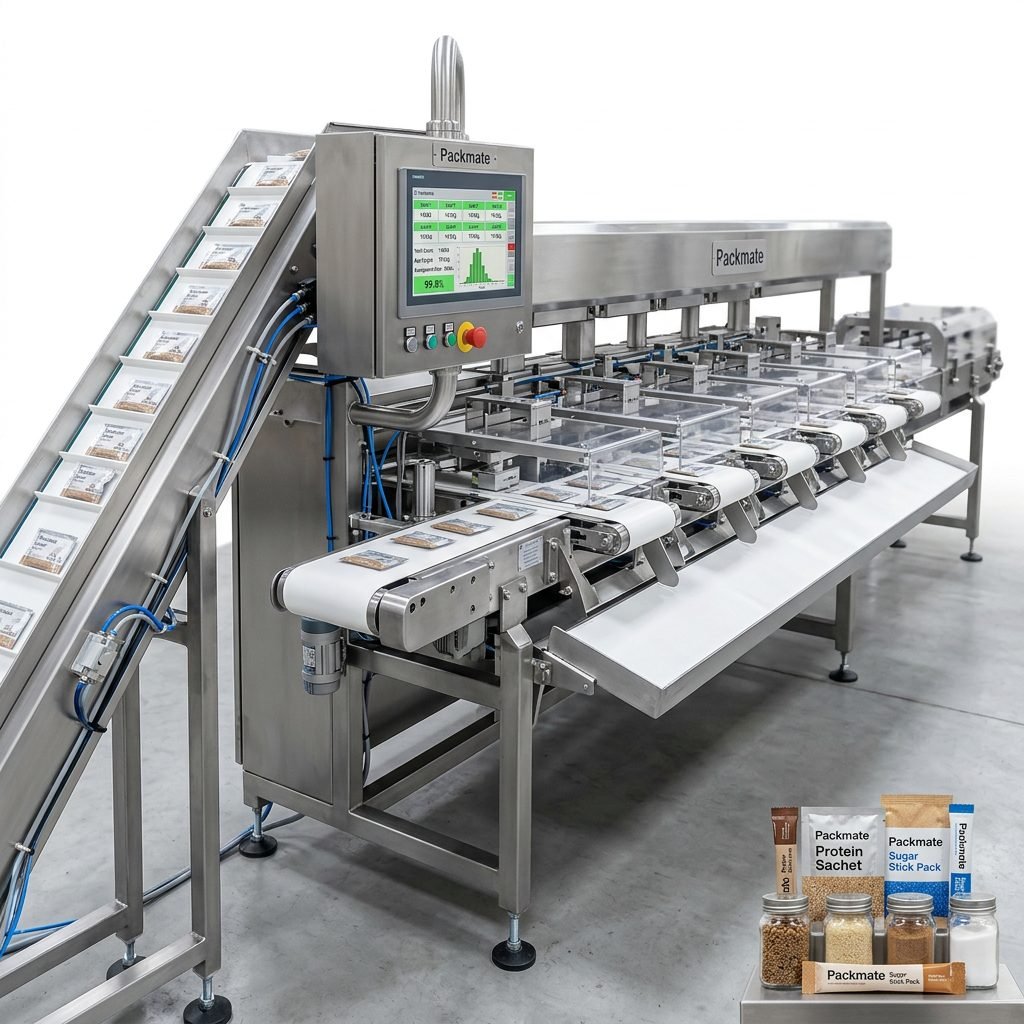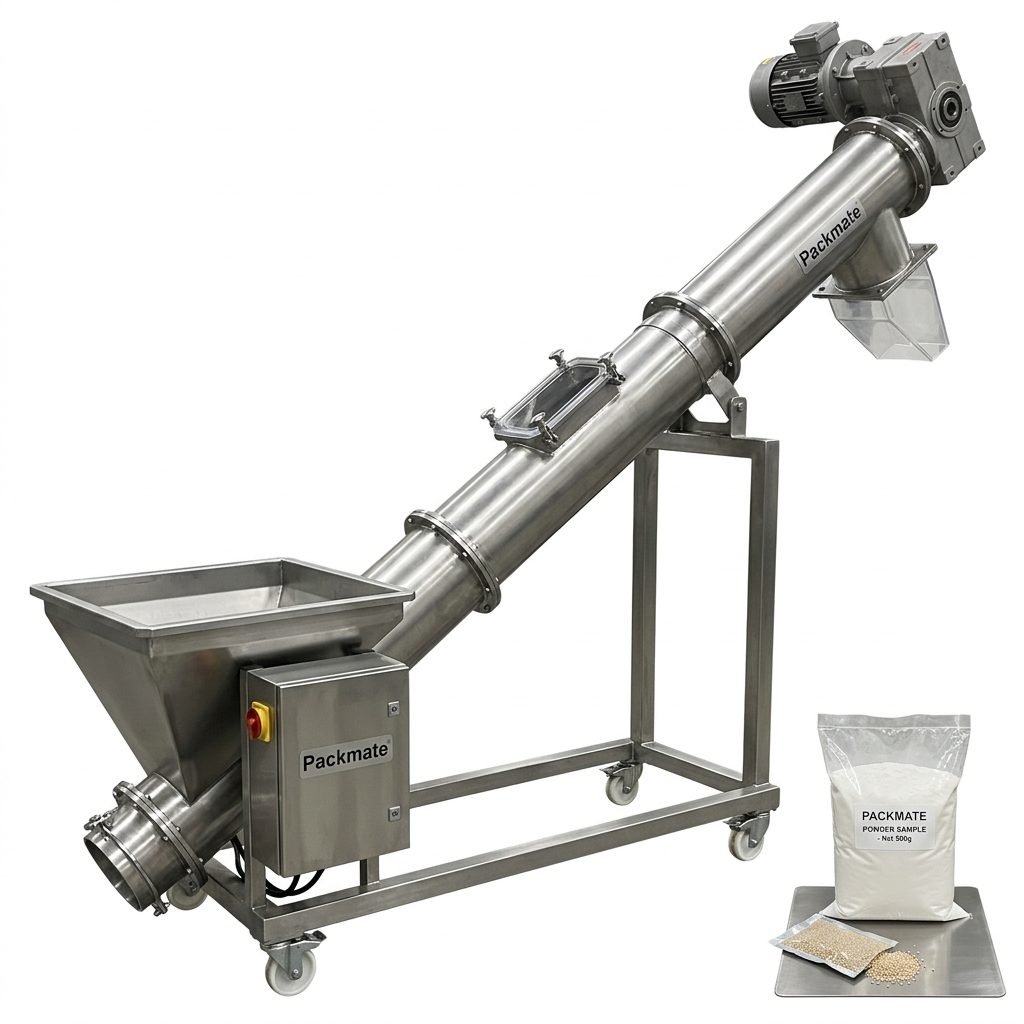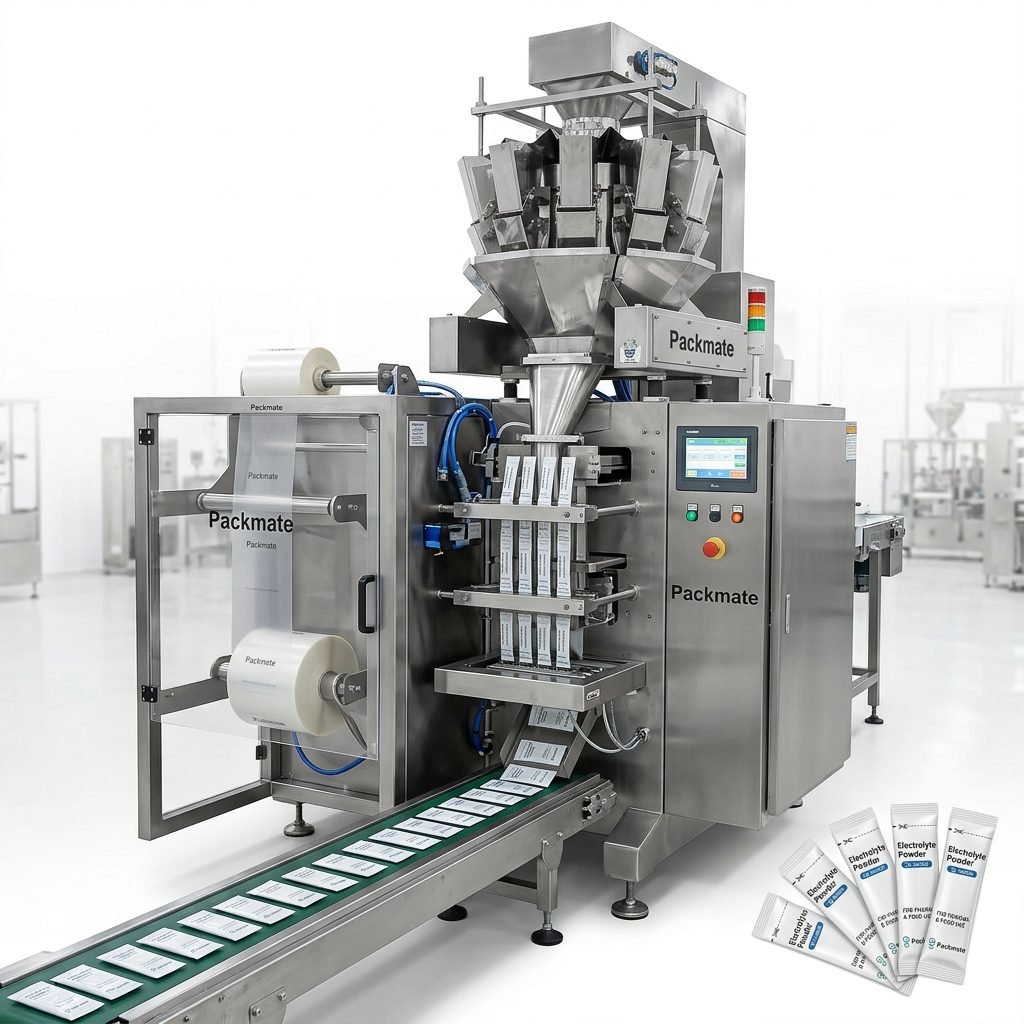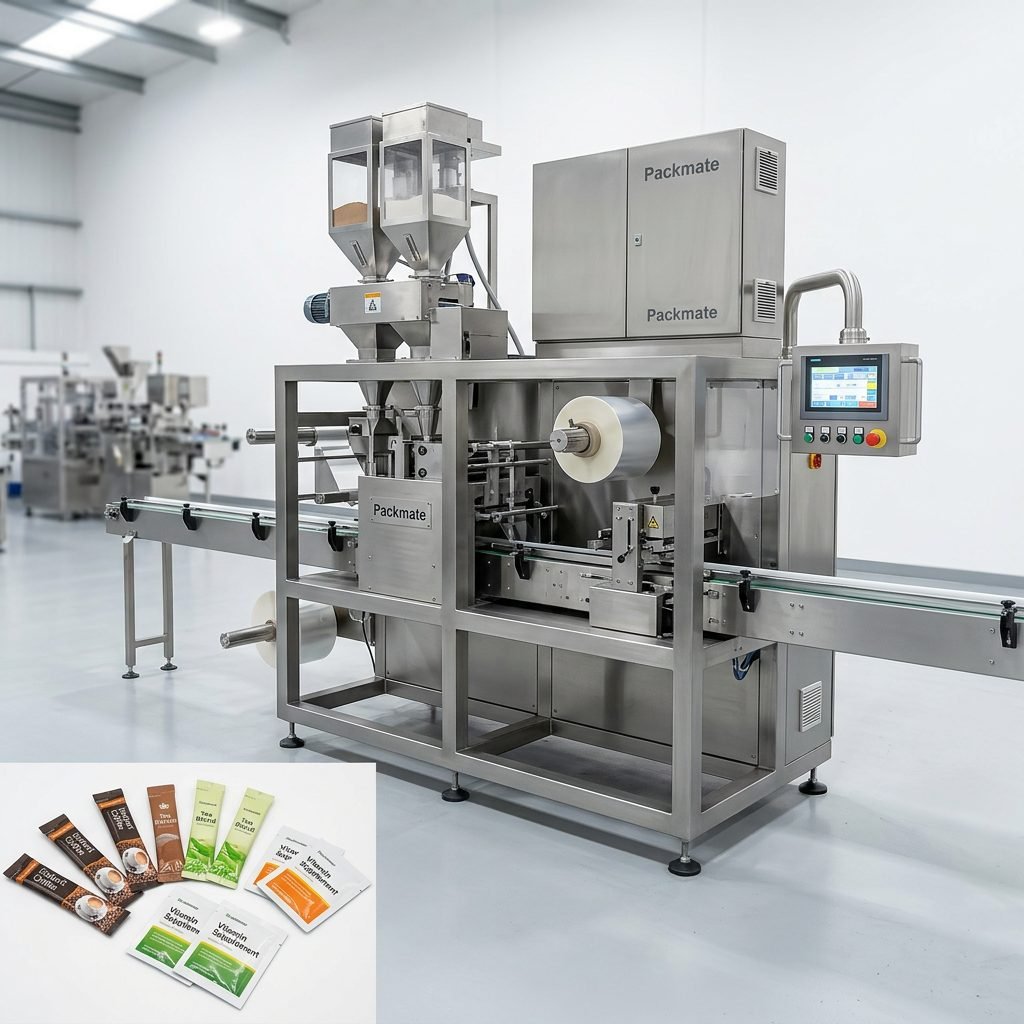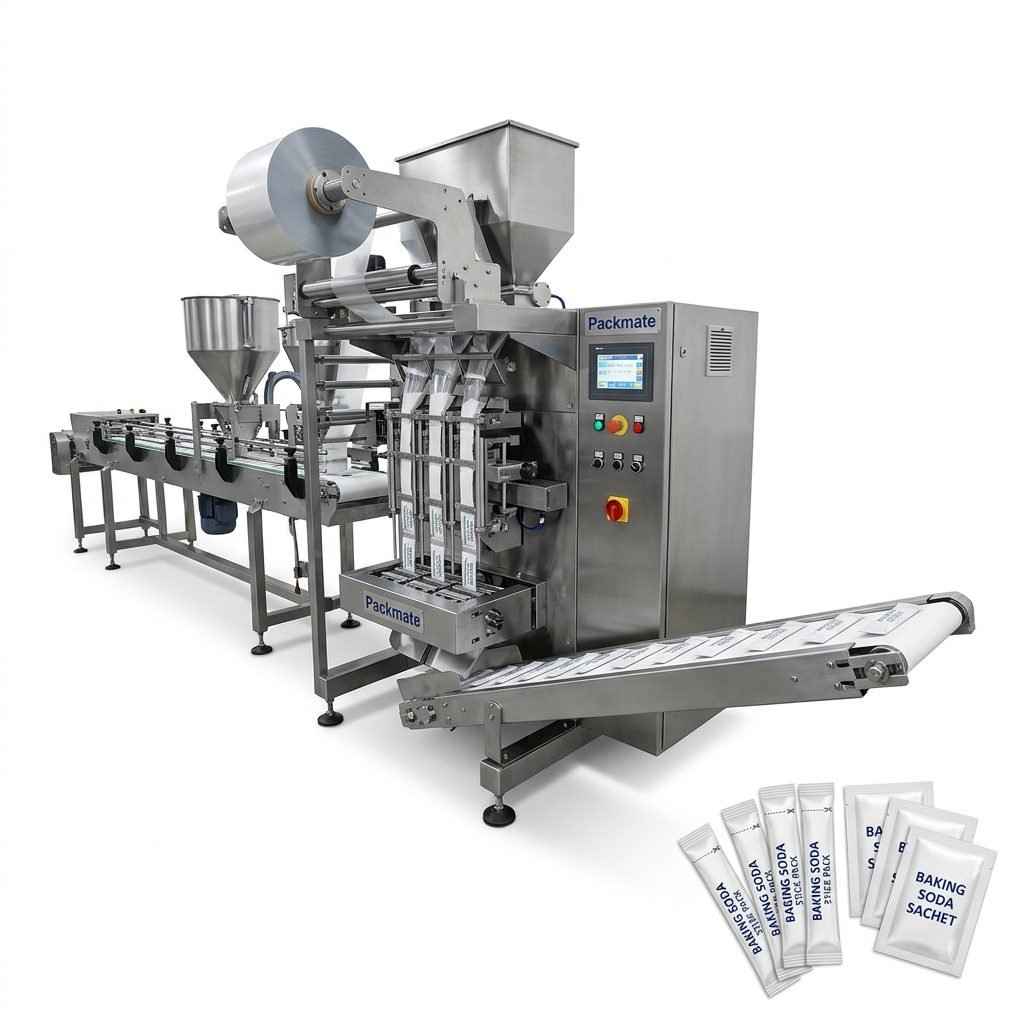
In today’s fast-paced global market, efficiency, hygiene, and reliability are non-negotiable in production. For industries handling liquids—from refreshing beverages and savory sauces to life-saving pharmaceuticals and sensitive health products—the packaging process is a critical final step that directly impacts product integrity, shelf life, and brand perception. A complete turnkey liquid packaging line is not merely a collection of machines; it is a seamlessly integrated ecosystem engineered for precision, speed, and adaptability.
The Core of a Modern Liquid Packaging Line
A comprehensive system typically integrates several key stages: liquid filling, capping or sealing, labeling, and final casing or cartoning. Each component must work in perfect harmony. Advanced filling technology ensures accurate volumetric or weight-based dosing, critical for both cost control and regulatory compliance, especially in the pharmaceutical sector. Following this, sealing—whether via caps, foil, or spouts—must guarantee an absolute barrier against contamination and leakage.
Why Turnkey Solutions are the Strategic Choice
Opting for a single-source turnkey solution eliminates the immense complexity of sourcing, integrating, and calibrating machinery from multiple vendors. It ensures compatibility from day one, reduces project lead time, and provides a single point of accountability for service, maintenance, and parts. This holistic approach transforms capital expenditure into a strategic investment for scalable growth.
Tailored for Diverse Industry Needs
The requirements for packaging a dairy-based nutritional drink differ vastly from those for a sterile saline solution or a viscous cooking oil. Therefore, flexibility and customization are paramount.
Food & Beverage Sector
Here, speed and versatility are key. Lines must handle everything from water and juices to oils, dressings, and dairy products. Aseptic filling technology is often crucial for preserving freshness without preservatives. Systems must be easy to clean (CIP/SIP) and quick to change over for different bottle sizes or product types, supporting high-volume production runs.
Pharmaceutical & Health Products
This sector demands the highest standards of precision and sterility. Packaging lines must comply with stringent Good Manufacturing Practice (GMP) regulations. Features like in-line weight checkers, tamper-evident sealing, and clean-room compatibility are essential. The integrity of the package is directly linked to patient safety, making reliability non-negotiable. Companies like Packmate (GuangDong) Co., Ltd. specialize in building such mission-critical systems.
Exploring real-world applications can provide deeper insight. Reviewing specific project cases demonstrates how these principles are applied to solve unique production challenges across different markets.
Key Considerations for Investment
Selecting the right partner and system requires careful evaluation beyond the initial price tag.
- Output & Scalability: Define your required output (bottles/hour) and ensure the system can scale with future demand.
- Material Compatibility: The line must be compatible with your product’s viscosity, acidity, and particulate content, as well as your chosen container material (glass, PET, HDPE).
- Automation Level: Determine the balance between automated robotics for loading/unloading and semi-automatic operations based on your labor and precision needs.
- Supplier Expertise: Choose a provider with a proven track record in your specific industry. Their certifications and portfolio of successful installations are critical indicators of capability.
The Packmate Advantage: Engineering Confidence
With over 22 years of development and a 20,000㎡ modern facility, Packmate embodies the turnkey philosophy. From initial concept and design to manufacturing, installation, and training, they manage the entire process. Their deep understanding of the nuanced needs of food, beverage, and pharmaceutical packaging allows them to deliver systems that are not just machines, but reliable production partners. Their commitment is detailed in their corporate mission and vision.
Implementing a new line is a significant project. A partner that offers comprehensive after-sales service and support, including remote diagnostics and readily available spare parts, is crucial for minimizing downtime and protecting your investment over the long term.
Frequently Asked Questions (FAQs)
1. What is the typical lead time for a complete turnkey liquid packaging line?
Lead time varies significantly based on complexity, customization, and output speed. A standard, moderately complex line can take from 4 to 8 months from order to installation. Detailed project planning with your supplier will establish a precise timeline.
2. How do you ensure the line meets hygiene standards for food or pharmaceutical use?
Reputable manufacturers design lines with hygiene-first principles: using stainless steel (often 304 or 316 grade) for contact parts, implementing smooth surfaces with minimal crevices, and incorporating automated Clean-in-Place (CIP) systems. Compliance with relevant standards (e.g., FDA, EHEDG, GMP) is validated through design and material selection.
3. Can one line handle different bottle sizes and product types?
Yes, most modern lines are built with changeover in mind. Quick-change parts for filling nozzles, capping heads, and conveyor guides allow for switching between similar container formats. However, vastly different sizes or products (e.g., from water to viscous syrup) may require more extensive adjustment or dedicated modules.
4. What kind of training and support is provided after installation?
A full-service provider should offer on-site training for your operators and maintenance technicians, covering daily operation, routine maintenance, troubleshooting, and safety procedures. This is often supplemented with detailed manuals, video guides, and access to remote technical support.
5. How is the ROI (Return on Investment) calculated for such a system?
ROI is calculated by weighing the capital and operating costs against the gains. Key benefits include increased production speed and output, reduced labor costs through automation, lower product waste from improved accuracy, enhanced product quality and shelf life, and the ability to enter new markets with professionally packaged goods. A detailed analysis should project these factors over a 3-5 year period.