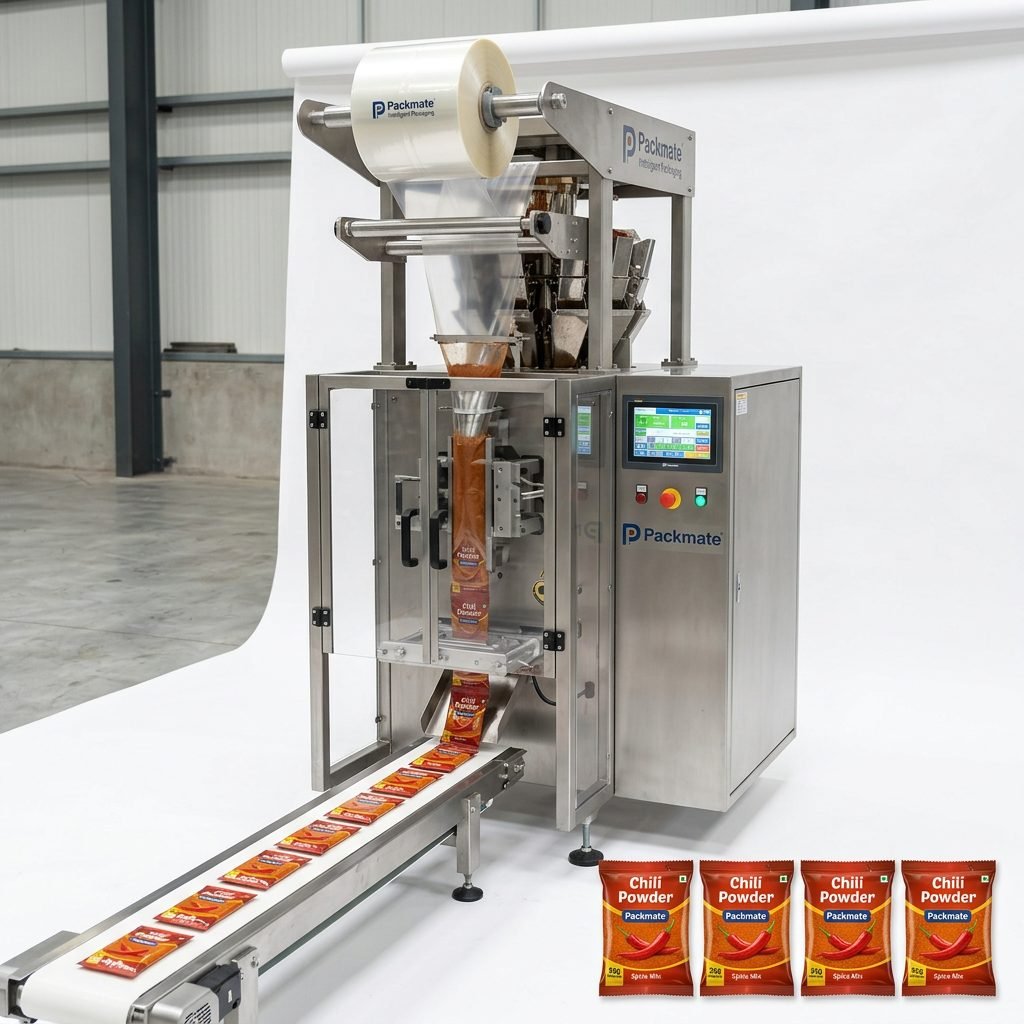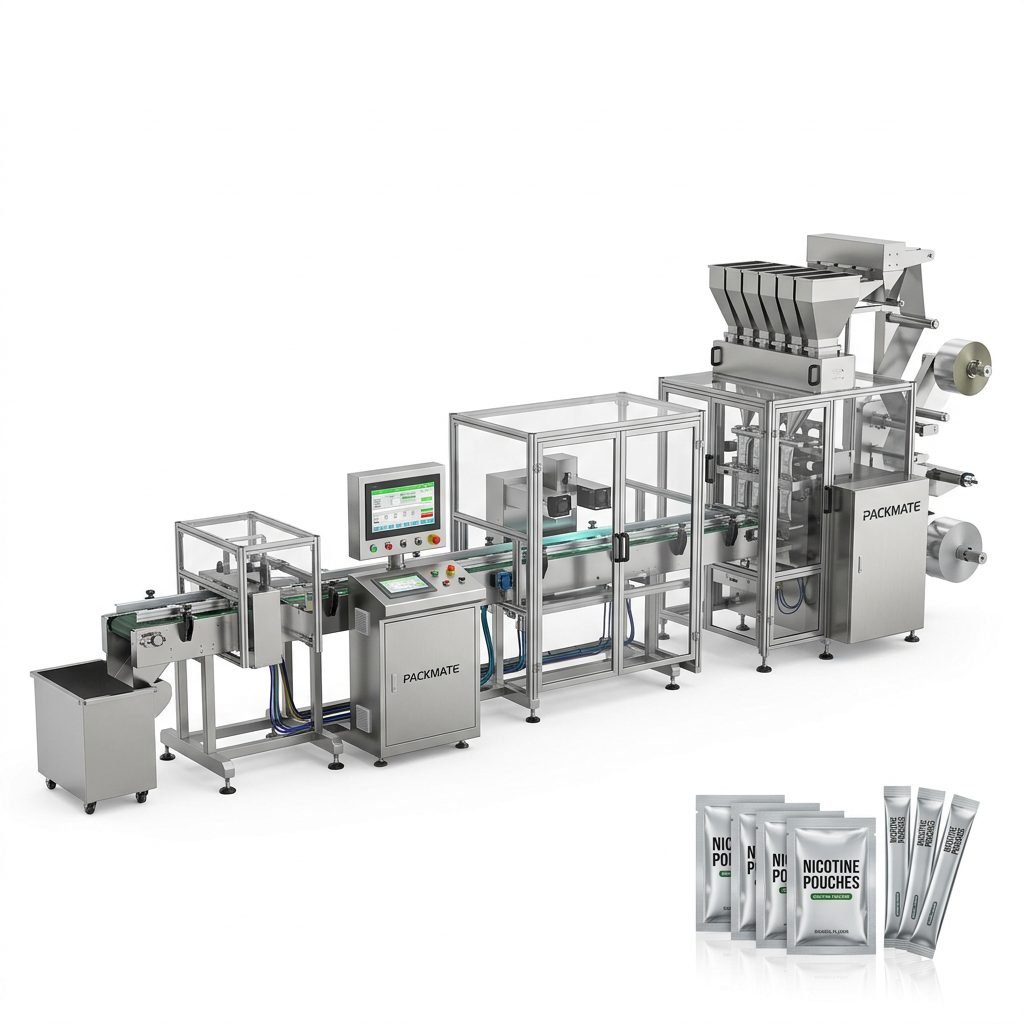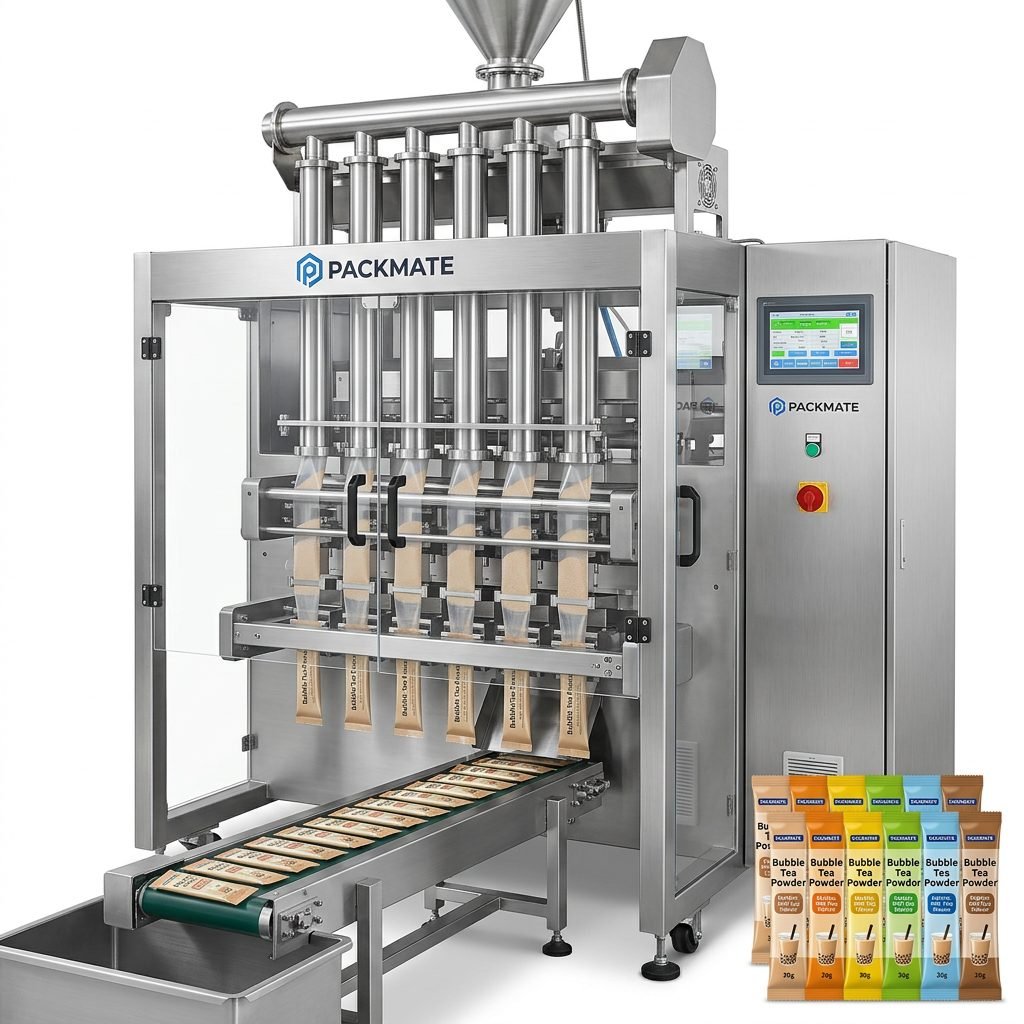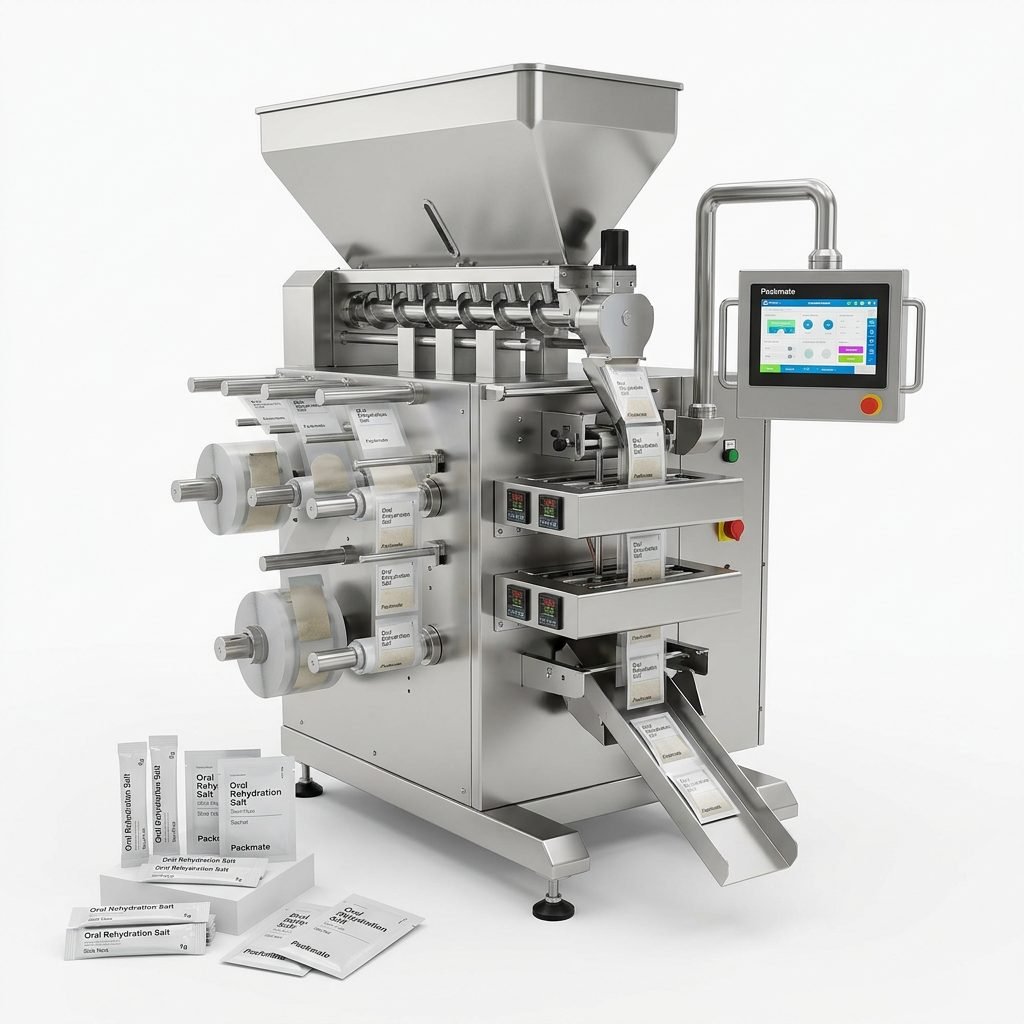
In today’s fast-paced and highly regulated manufacturing landscape, achieving seamless, efficient, and compliant packaging is a critical challenge. For industries where product integrity, safety, and presentation are non-negotiable—such as food, pharmaceuticals, and health products—the solution lies not in standalone machines, but in comprehensive, integrated systems. This is where the concept of a turn-key packaging line becomes a game-changer, offering a single-source pathway from concept to full-scale production.
What Defines a True Turn-Key Solution?
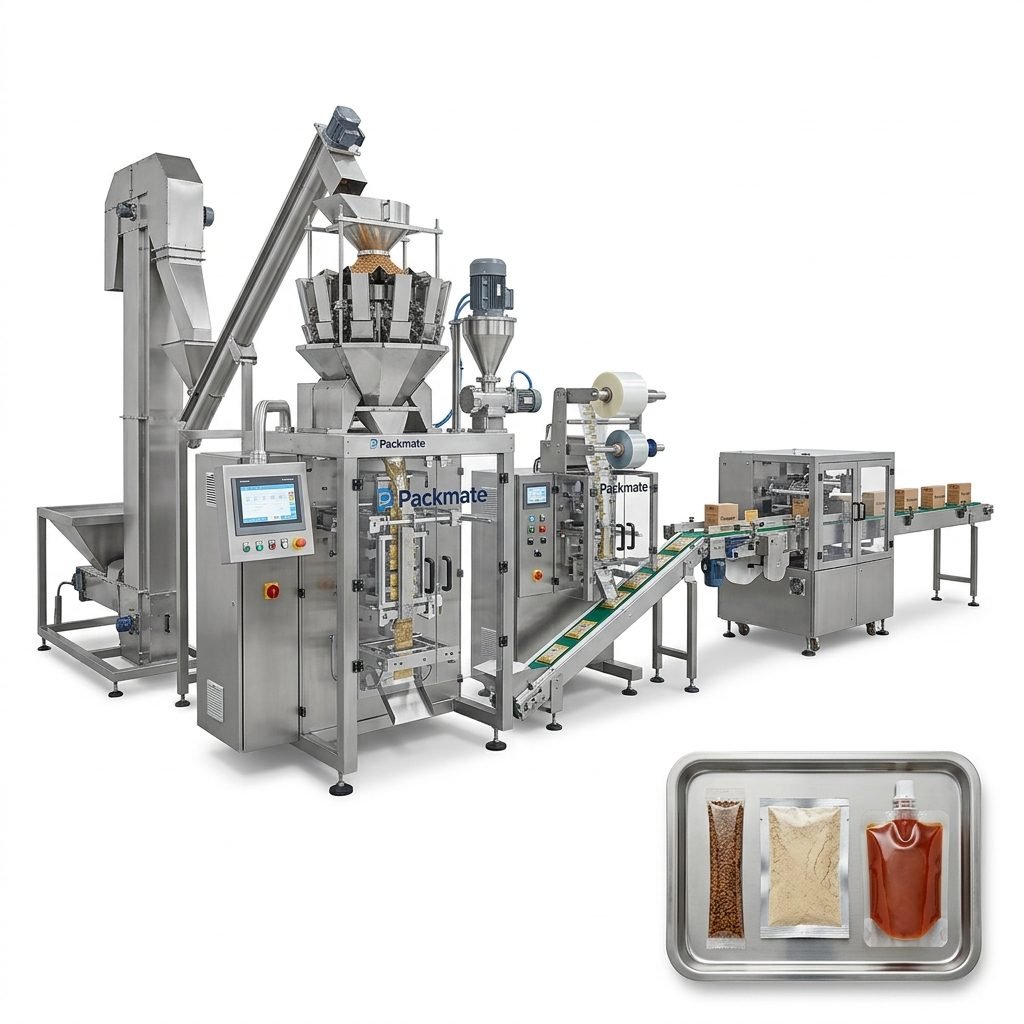
A turn-key packaging line is far more than a collection of machinery. It represents a holistic project where a single provider, like Packmate (GuangDong) Co., Ltd., assumes full responsibility for the entire process. This encompasses initial consultation and design, engineering, manufacturing, installation, commissioning, operator training, and ongoing technical support. The client receives a fully operational production line, ready to “turn the key” and begin manufacturing. This approach eliminates the complexities and risks of coordinating multiple vendors, ensuring system compatibility, optimizing workflow, and significantly reducing time-to-market.
Core Benefits for Critical Industries
- Uncompromising Quality & Consistency: Integrated systems are calibrated to work in perfect harmony, minimizing product giveaway, ensuring precise dosing, and delivering uniform package seals—a paramount requirement for pharmaceutical potency and food safety.
- Enhanced Regulatory Compliance: Providers with deep industry expertise, such as those serving the pharmaceutical sector, design lines with cleanability, traceability, and material compatibility in mind, aiding in meeting stringent standards like GMP.
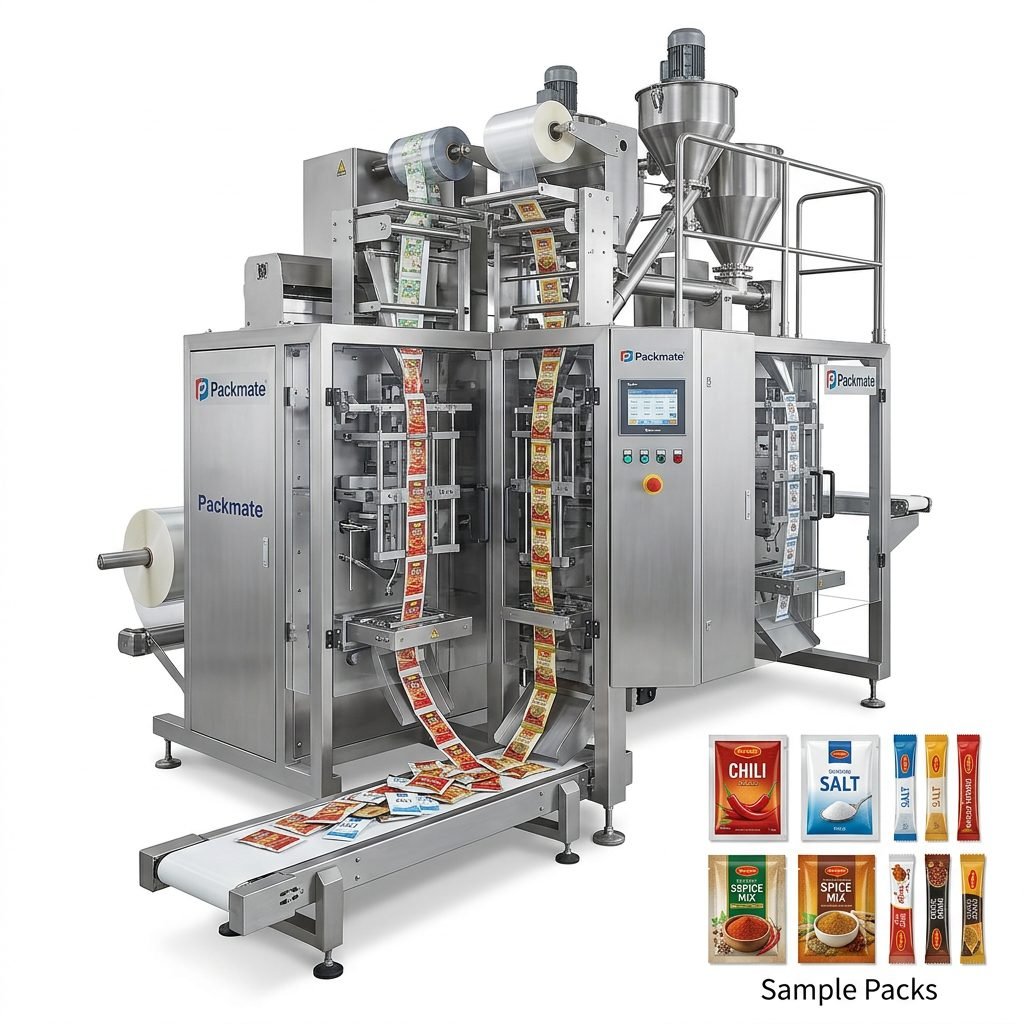
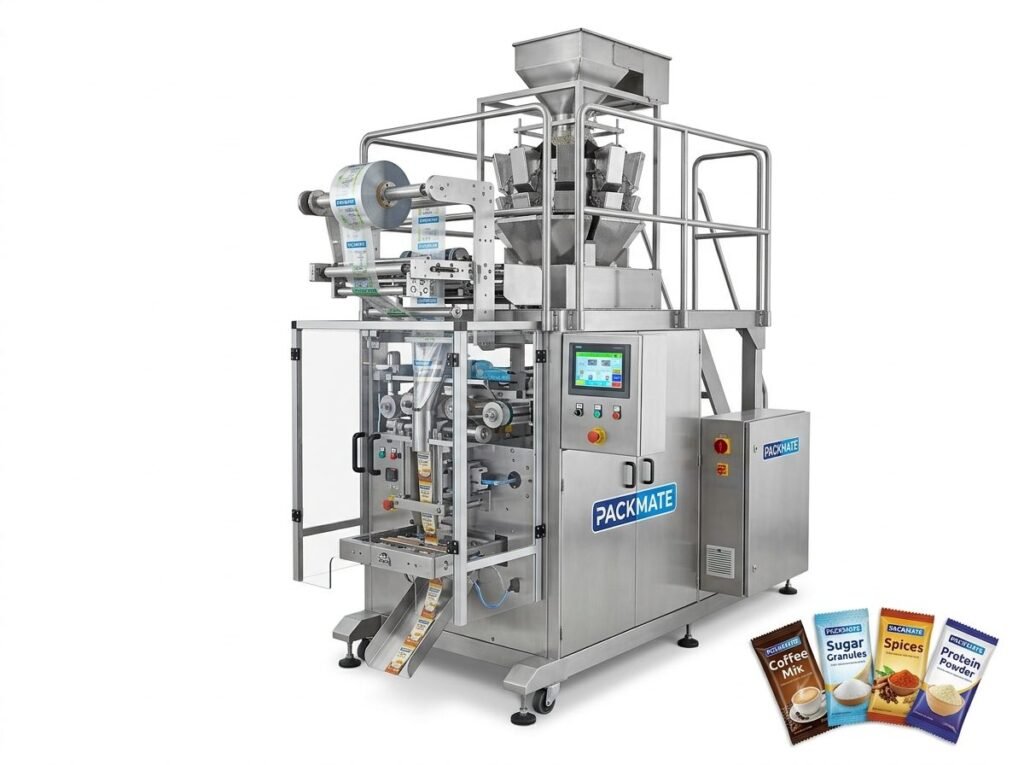
- Maximized Operational Efficiency: From high-speed multi-lane stick pack machines for single-serve supplements to automated large-bag fillers for bulk ingredients, turn-key lines are engineered for optimal throughput and minimal downtime.
- Future-Proof Scalability: A strategic partner designs with your growth in mind. Modular systems allow for easier capacity upgrades or format changes, protecting your long-term investment.
Tailored Solutions Across Product Forms
The versatility of a modern turn-key system lies in its ability to handle diverse product types with precision. Whether your product is a fine pharmaceutical powder, a viscous health syrup, or granular food ingredients, the line is configured accordingly.
For Powders & Granules
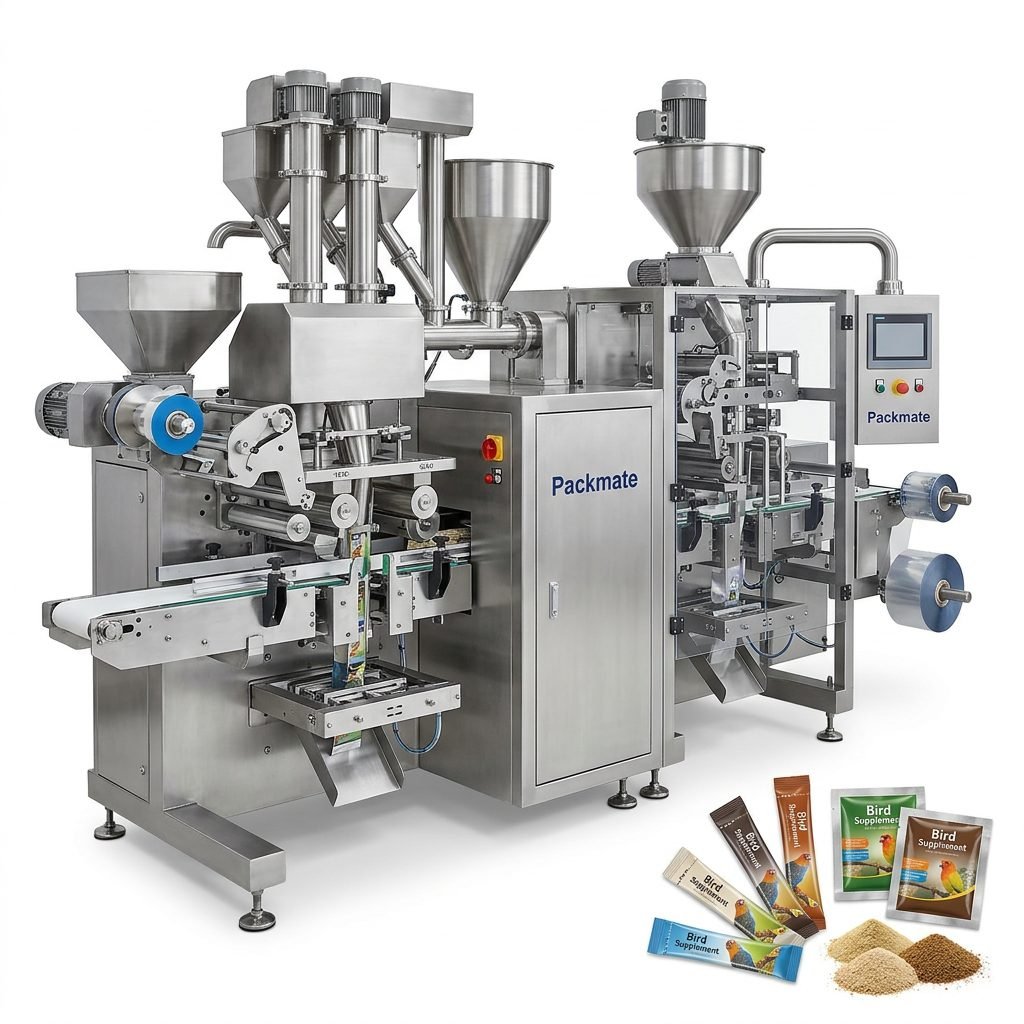
Precision is critical. Lines incorporate advanced auger or cup filler technology with integrated checkweighers and metal detectors. Nitrogen flushing can be added for oxygen-sensitive products like certain vitamins or probiotics, extending shelf life. Dust extraction systems maintain a clean production environment. You can explore specific packaging solutions for these formats to understand the technical configurations.
For Liquids & Pastes
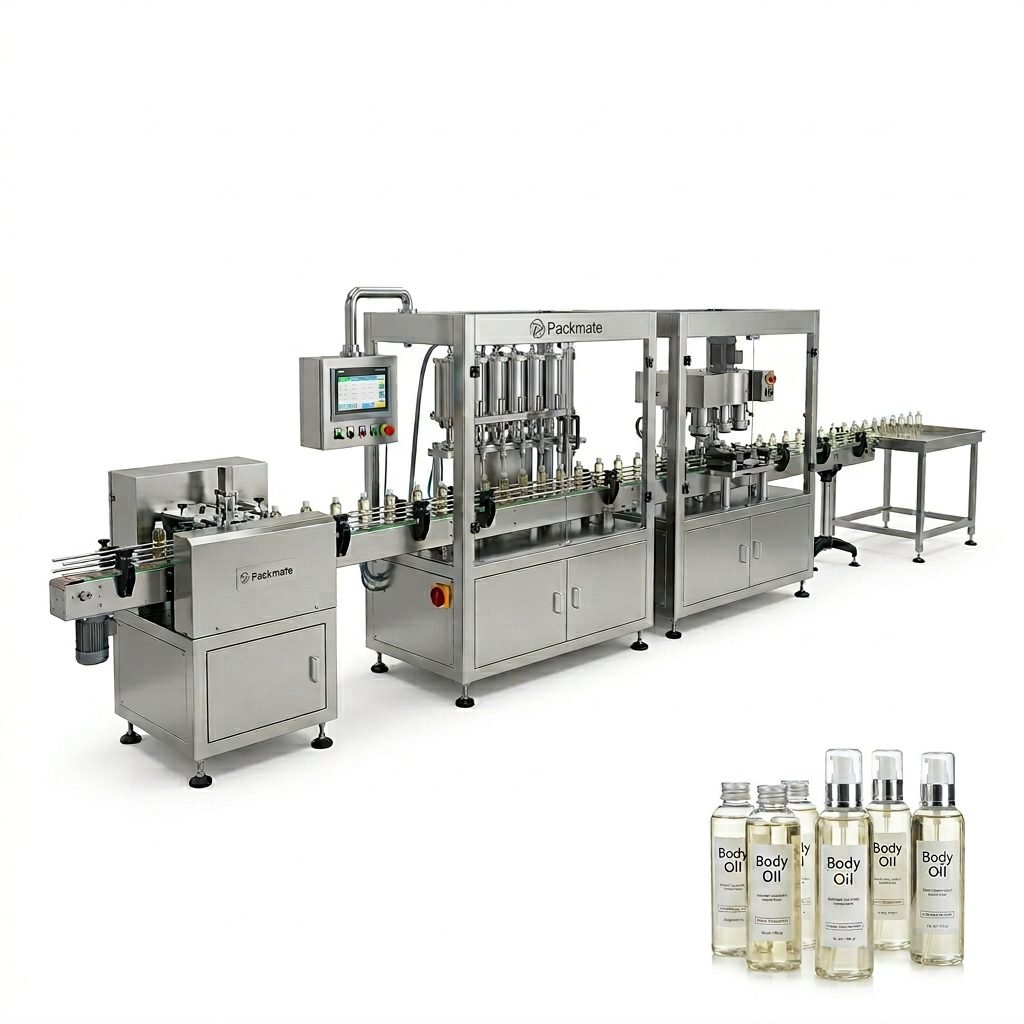
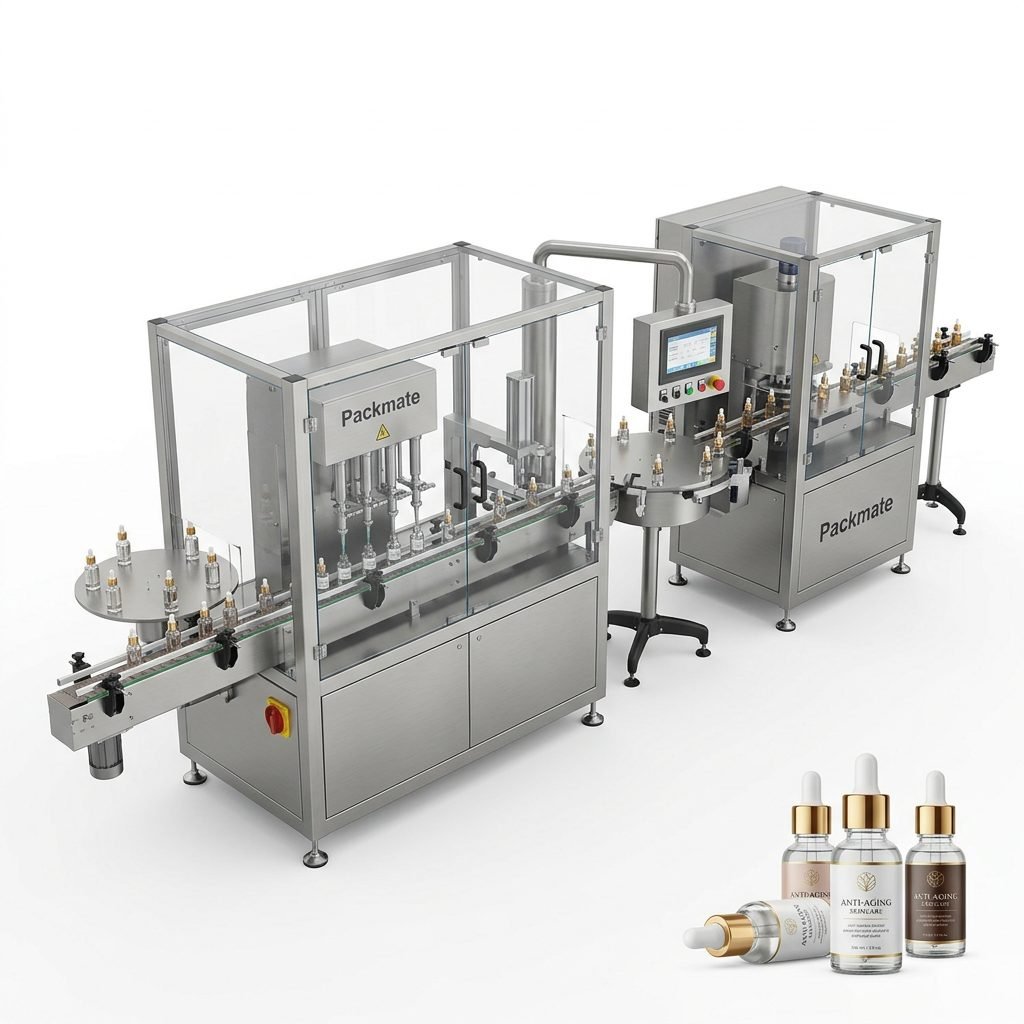
From small sachets of sauce to bottles of herbal tinctures, liquid handling demands accuracy and cleanliness. Piston fillers, peristaltic pumps, and vacuum-assisted nozzles ensure drip-free filling. Inline capping, sealing, and labeling create a continuous flow. Sanitary design with CIP (Clean-in-Place) capabilities is often essential for health and food products.
For Large-Volume & Bulk Packaging
For industrial ingredients or wholesale health products, automated bagging lines with form-fill-seal (FFS) technology or pre-made bag placers offer high-speed, robust packaging. These systems often include automated palletizing for end-of-line efficiency.
The Implementation Journey: From Vision to Reality
Choosing a turn-key partner initiates a collaborative, phased journey. It begins with a deep-dive analysis of your product characteristics, target output, packaging materials, and facility constraints. The provider then creates a detailed engineering layout and proposal. Upon approval, the build phase commences in their facility, where the entire line is assembled and tested—a “Factory Acceptance Test” (FAT)—before disassembly for shipment. Their team then supervises installation and conducts a “Site Acceptance Test” (SAT), ensuring performance matches specifications in your plant. Comprehensive training for your engineers and operators is a cornerstone of this phase, empowering your team for long-term success. Viewing real-world application cases can provide tangible insight into this process.
Why Partner with an Experienced Specialist?
The success of a turn-key project hinges on the provider’s expertise. A company like Packmate, with over two decades of focused development, brings invaluable assets to the table. Their 20,000㎡ modern manufacturing facility allows for controlled build and testing environments. A portfolio of over 50 machine models provides a strong foundation for customization. Most importantly, a dedicated team of 125+ professionals—from engineers to project managers—ensures every technical and logistical detail is addressed. This depth of experience translates into reliable, innovative lines that drive productivity. Learn more about their commitment to quality and innovation on their official homepage.
Investing in Long-Term Success
Opting for a turn-key packaging line is a strategic investment in operational excellence. It consolidates responsibility, mitigates project risk, and delivers a optimized, production-ready asset. For businesses in the food, pharmaceutical, and health sectors, where margins for error are slim and competition is fierce, this integrated approach is not just convenient—it’s a critical component of a robust, scalable, and compliant manufacturing strategy. It frees your team to focus on core competencies like product development and marketing, while trusting the packaging process to a seamless, high-performance system.
Ultimately, the right turn-key solution acts as a powerful enabler for brand growth, ensuring your products reach the market looking impeccable, remaining safe and potent, and being produced at a cost that supports your business goals. For ongoing support and to understand the full scope of services offered, connecting with your provider is key.
Frequently Asked Questions (FAQs)
1. What is the typical timeline for a turn-key packaging line project?
The timeline varies significantly based on line complexity and customization. A standard system might take 4-6 months from order to installation, while a highly customized line for a novel product could require 8-12 months. This includes design, manufacturing, factory testing, shipping, and site commissioning.
2. How does a turn-key approach compare cost-wise to sourcing machines separately?
While the initial capital outlay for a turn-key line may appear higher, it often proves more cost-effective in the long run. It eliminates hidden costs from integration issues, mismatched equipment, project delays, and multi-vendor coordination. The value lies in guaranteed performance, single-point accountability, and faster return on investment through quicker operational startup.
3. Can an existing packaging operation be upgraded to a turn-key system?
Absolutely. Experienced providers often conduct audits of existing operations. They can design a solution that integrates with suitable legacy equipment or recommend a phased upgrade, replacing key bottlenecks with new, compatible modules to gradually transform your line into a more efficient, integrated system.
4. What kind of post-installation support should I expect?
A reputable provider offers comprehensive support. This includes detailed documentation (manuals, schematics), readily available spare parts, remote troubleshooting assistance, and options for on-site service visits. Many also offer preventive maintenance contracts and periodic training refreshers to ensure sustained peak performance.
5. How do I ensure the line will comply with my industry’s regulations (e.g., FDA, GMP)?
This is a core question. You must select a provider with proven experience in your specific industry. They should design with regulatory requirements in mind, using appropriate materials (e.g., food-grade or pharmaceutical-grade stainless steel), incorporating necessary documentation protocols for validation (IQ/OQ/PQ), and designing for cleanability. Reviewing their industry certifications and client testimonials is a crucial step in the vetting process.