In today’s competitive global market, achieving operational excellence in packaging is not just an advantage—it’s a necessity. For industries where product integrity, safety, and presentation are paramount, such as food, pharmaceuticals, and nutraceuticals, the choice of packaging system is a critical business decision. Precision packaging systems, particularly turnkey automated line solutions, represent the pinnacle of efficiency, reliability, and scalability. These integrated systems are engineered to handle the most demanding requirements, from maintaining strict hygiene standards to ensuring consistent dosing and sealing, all while maximizing throughput and minimizing waste.
The Imperative for Precision in Critical Industries
The drive towards automation and precision is fueled by several converging factors. Consumer demand for higher quality, regulatory pressures for traceability and safety, and the relentless pursuit of cost efficiency make manual or semi-automated processes increasingly untenable for large-scale production.
Core Challenges Addressed by Turnkey Solutions:
- Contamination Control: In pharma and nutraceuticals, preventing cross-contamination is non-negotiable. Automated, closed systems minimize human contact.
- Dosing Accuracy: Whether it’s a pharmaceutical powder or a premium food supplement, consistent, precise filling is crucial for product efficacy and customer trust.
- Packaging Integrity: A perfect seal protects against moisture, oxygen, and contaminants, directly impacting shelf life and safety.
- Production Scalability: Turnkey lines are designed for seamless scaling, allowing businesses to grow without constant reinvestment in new, disparate machinery.
- Regulatory Compliance: Automated systems provide the data logging and process control necessary for audits and certifications like GMP and FDA requirements.
Components of a Turnkey Automated Packaging Line
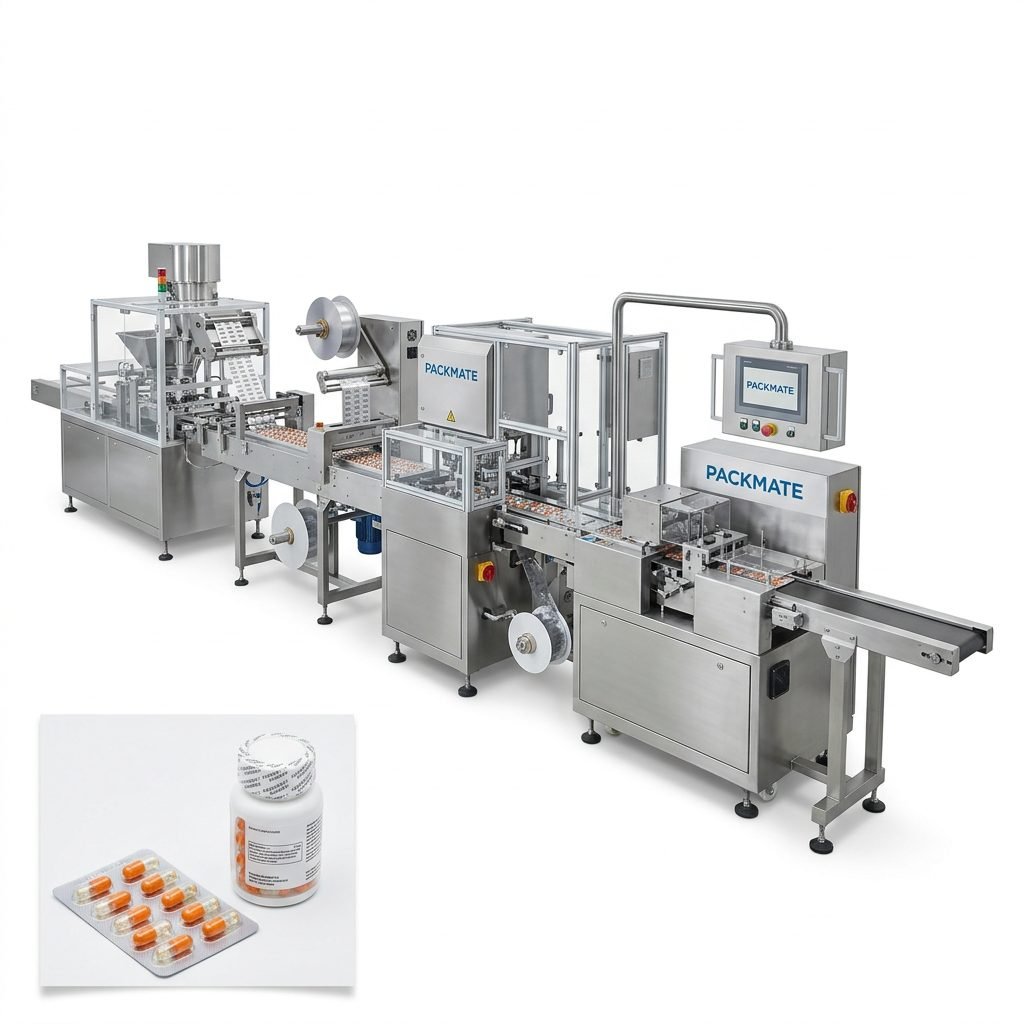
A true turnkey solution is more than a collection of machines; it’s a harmoniously integrated system. A typical high-precision line for powders, granules, or liquids may include:
1. Automated Feeding & Conveying Systems
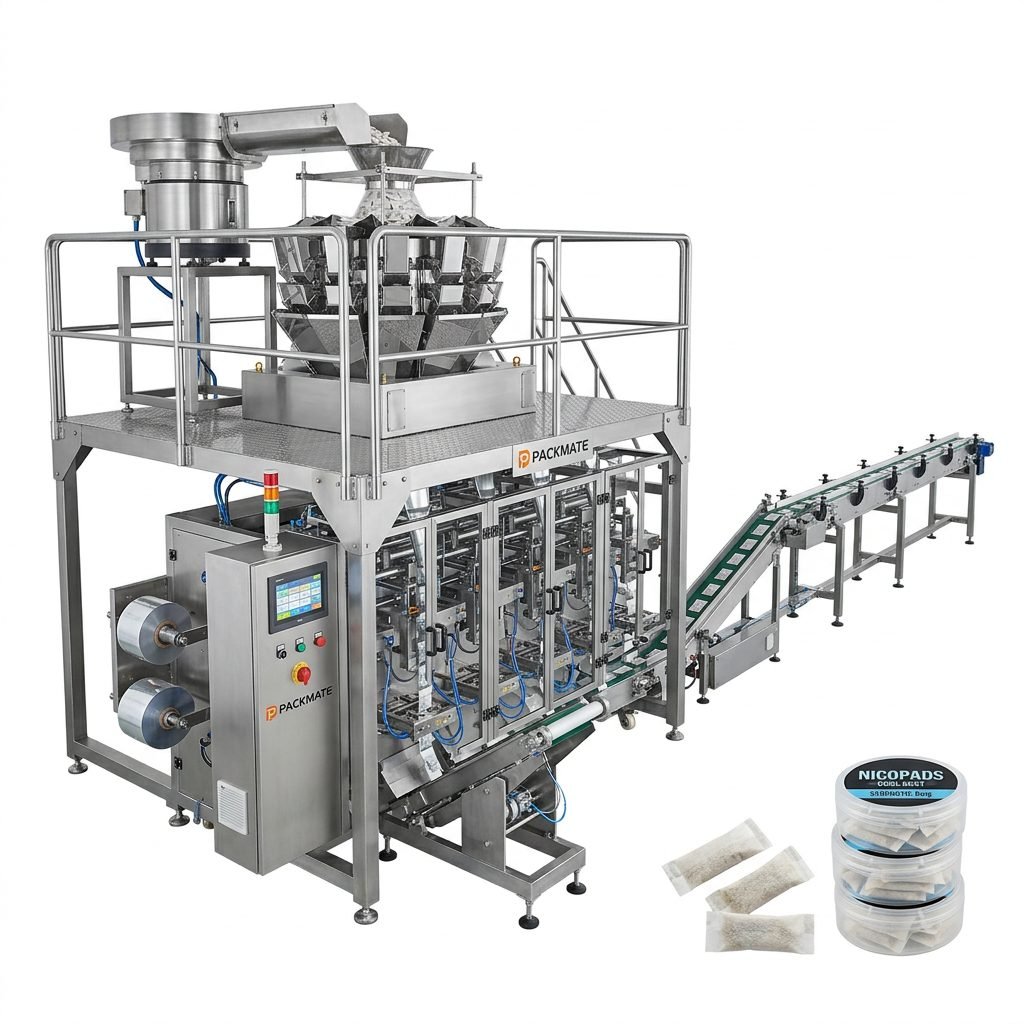
This is the starting point, where raw materials are gently and consistently introduced to the line. Advanced systems use vibratory trays, screw feeders, or vacuum conveyors designed for delicate products to prevent degradation or separation.
2. High-Speed Form-Fill-Seal (FFS) Machines
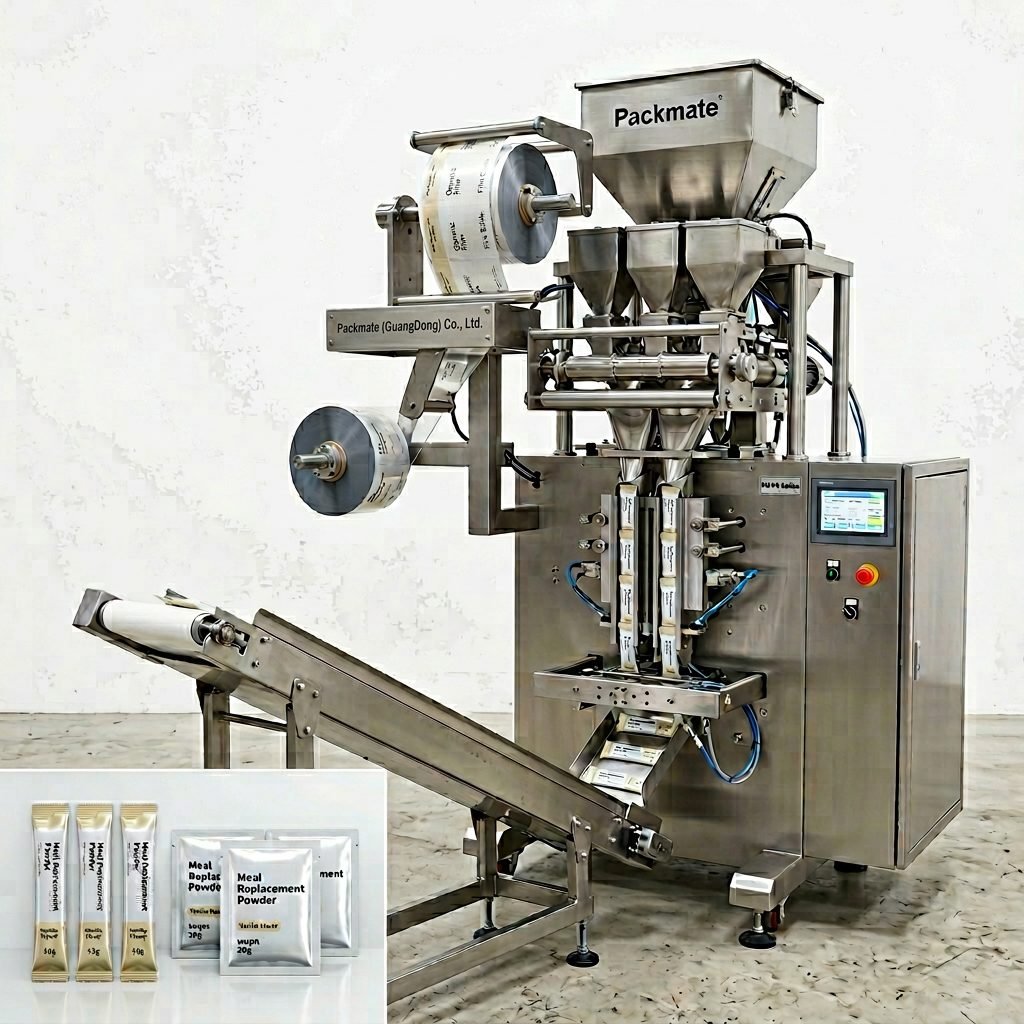
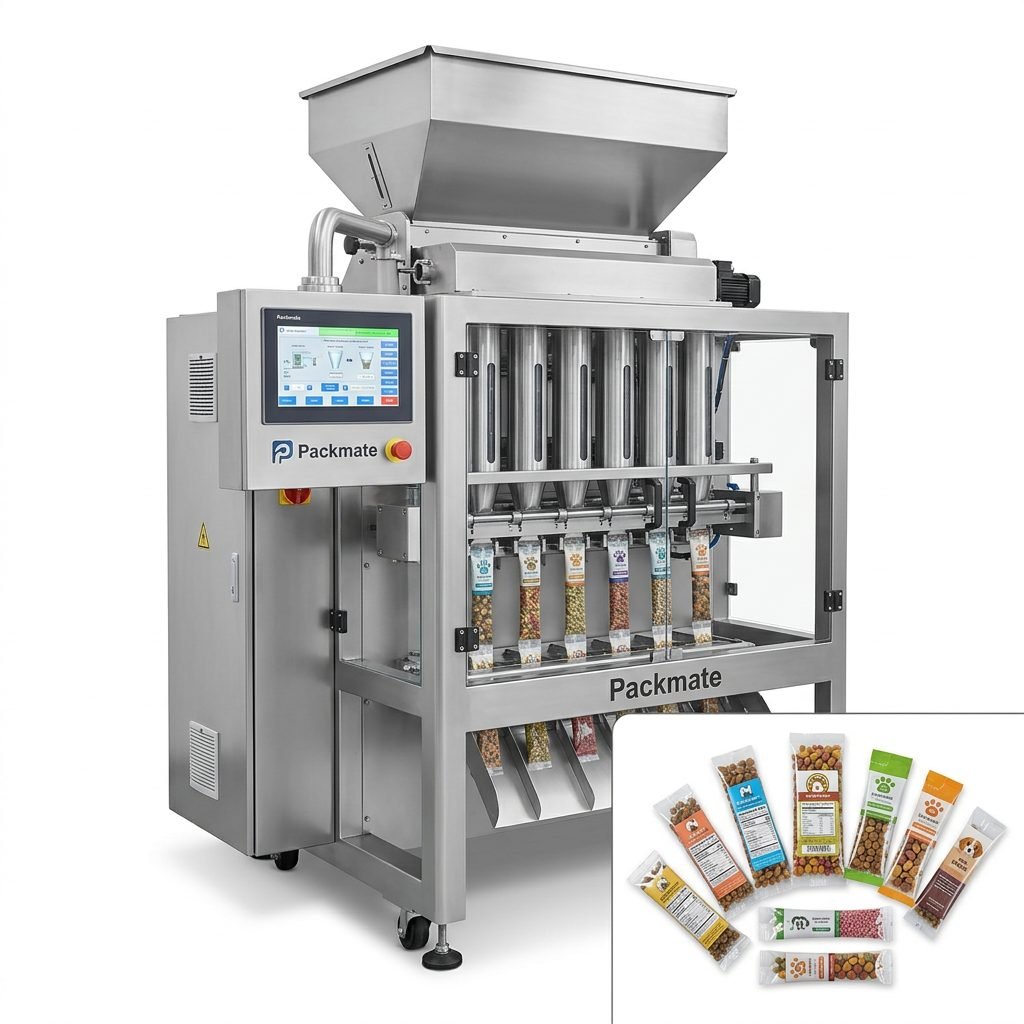
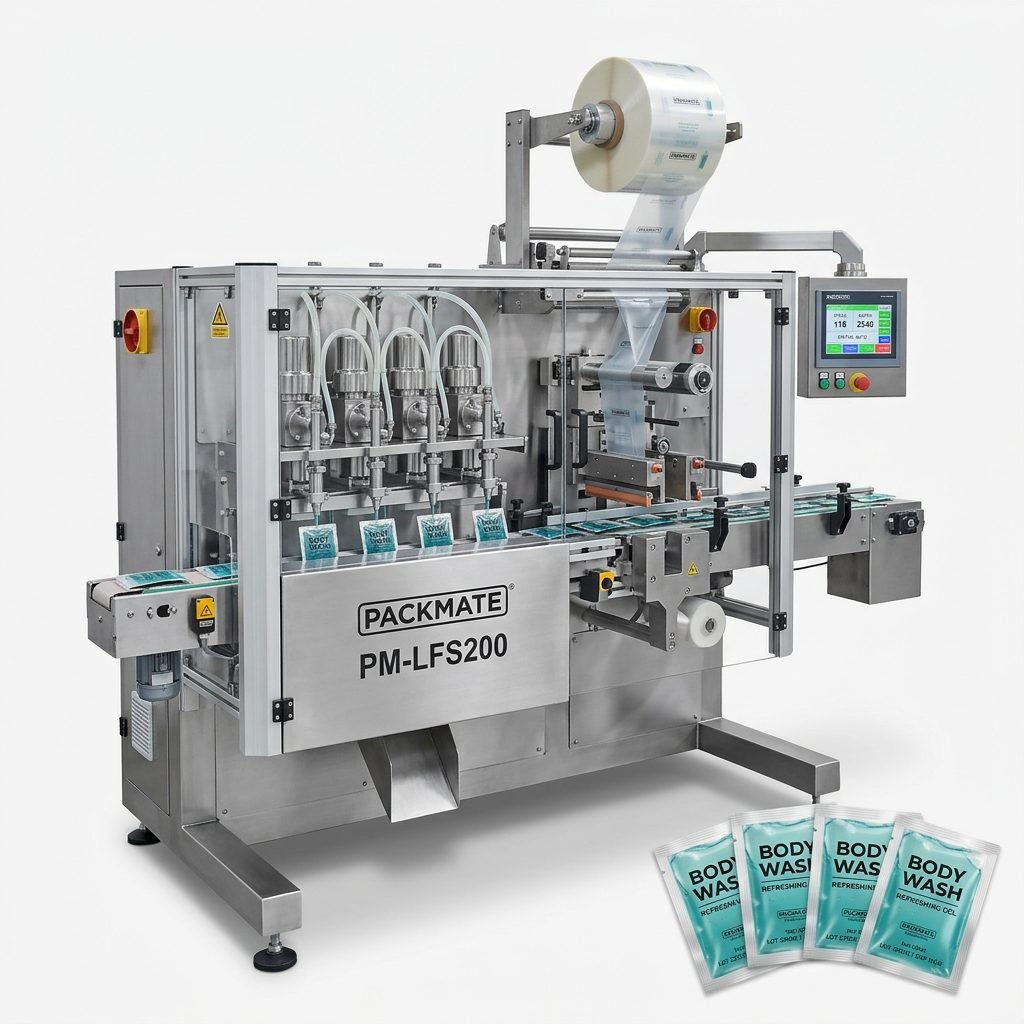
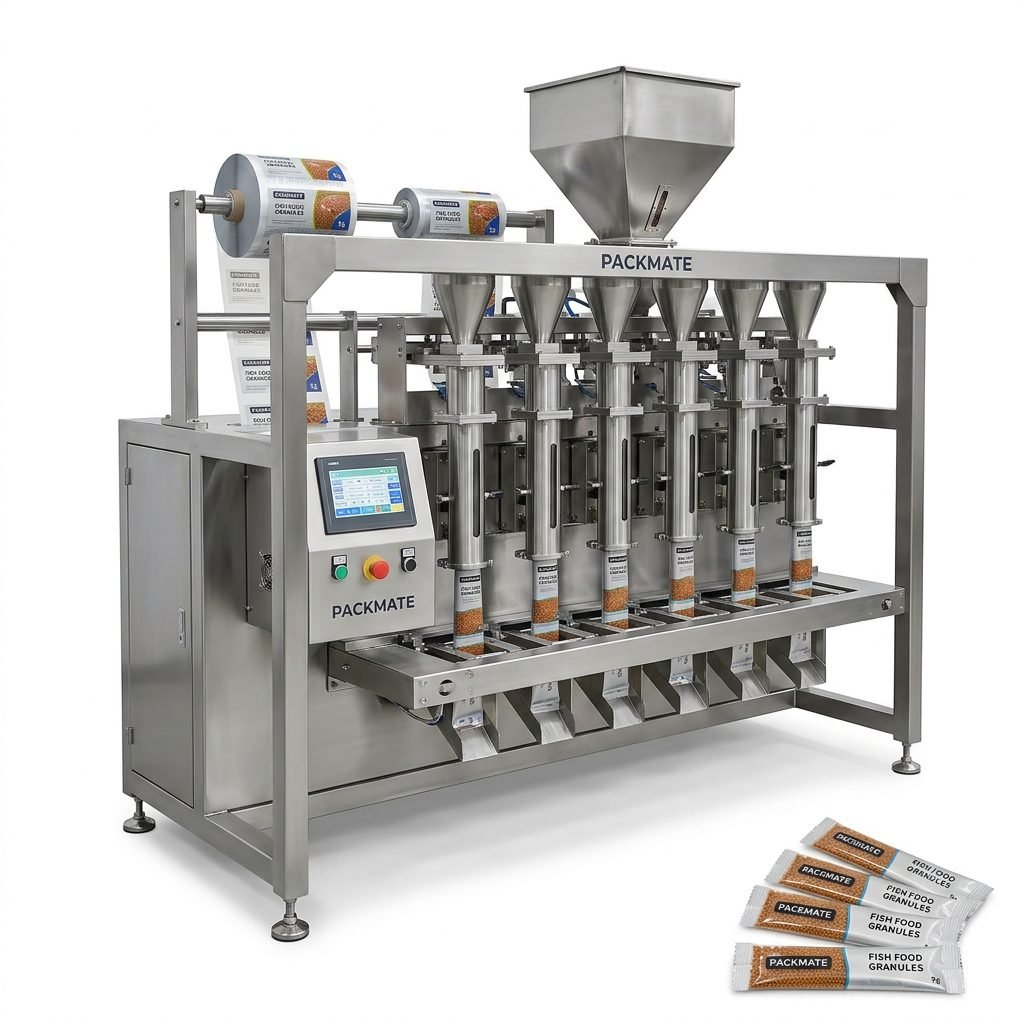
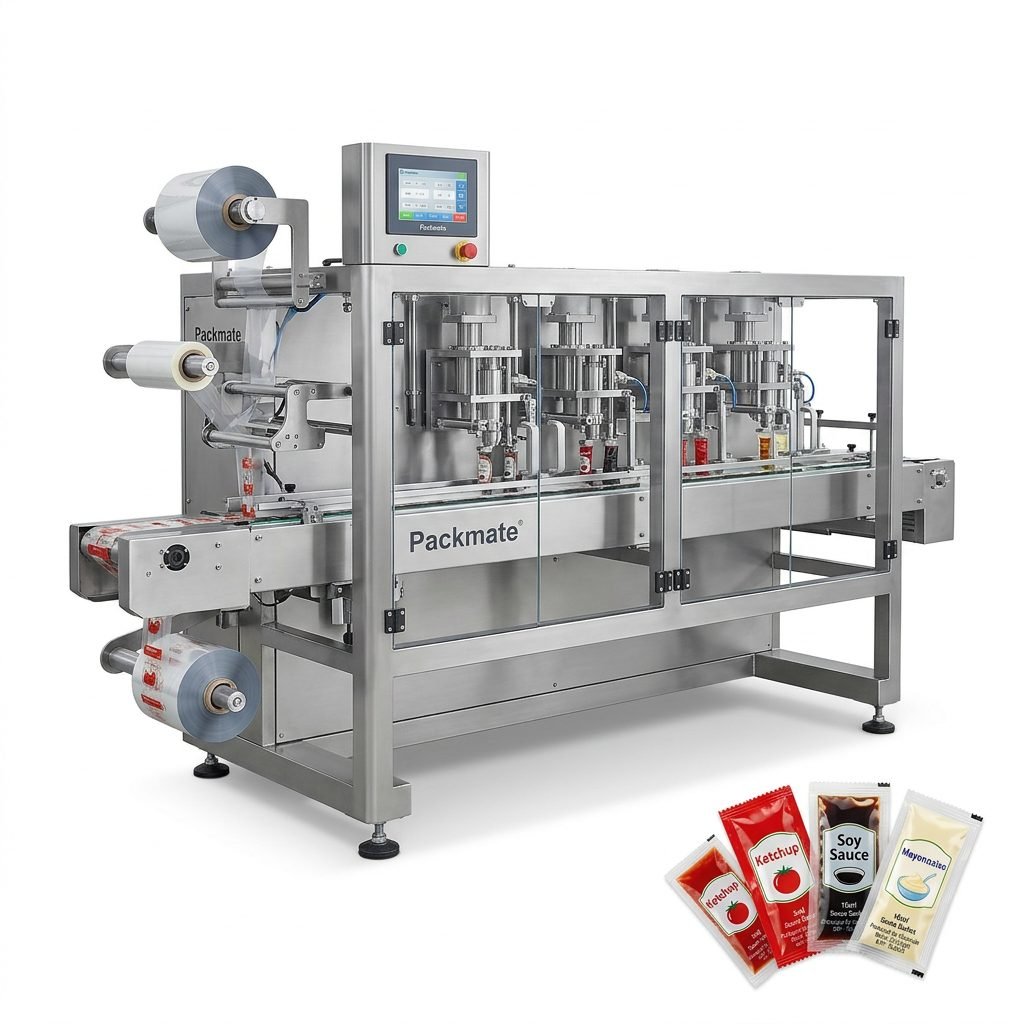
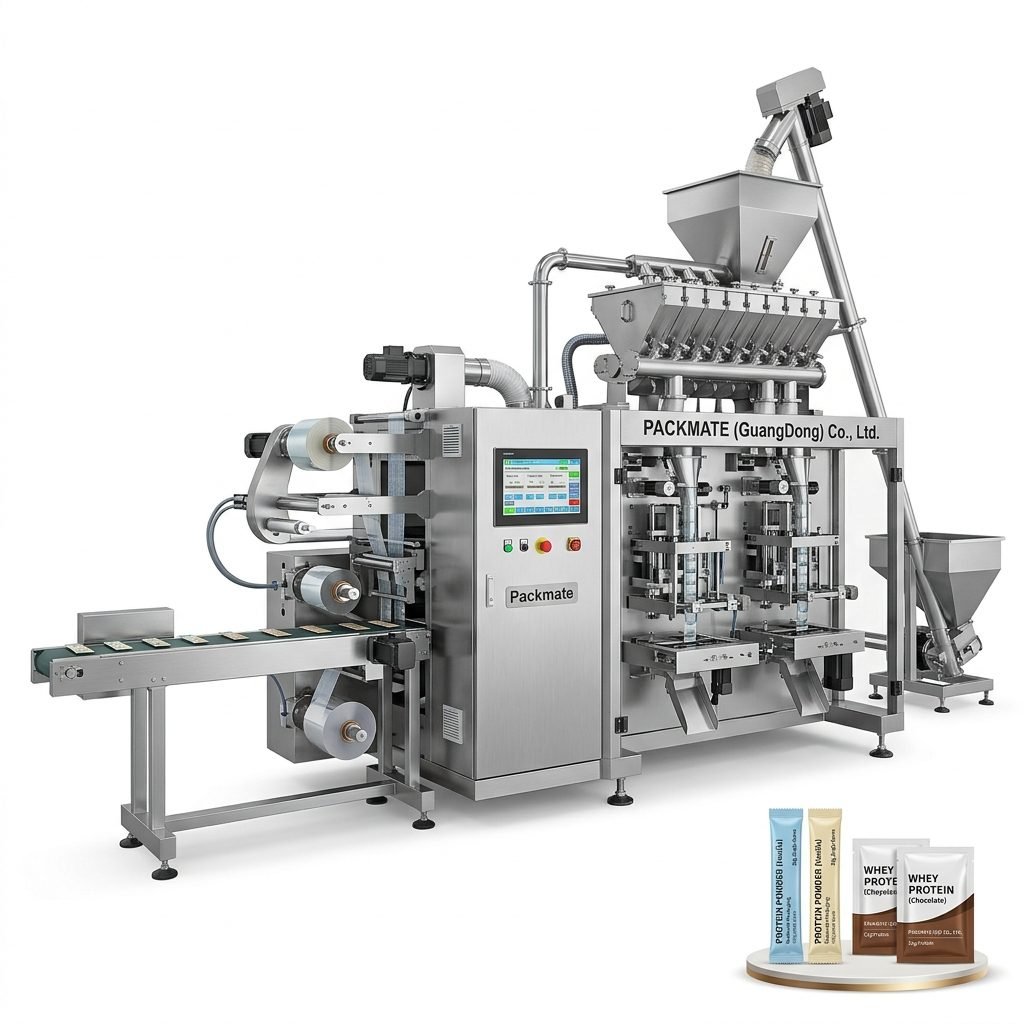
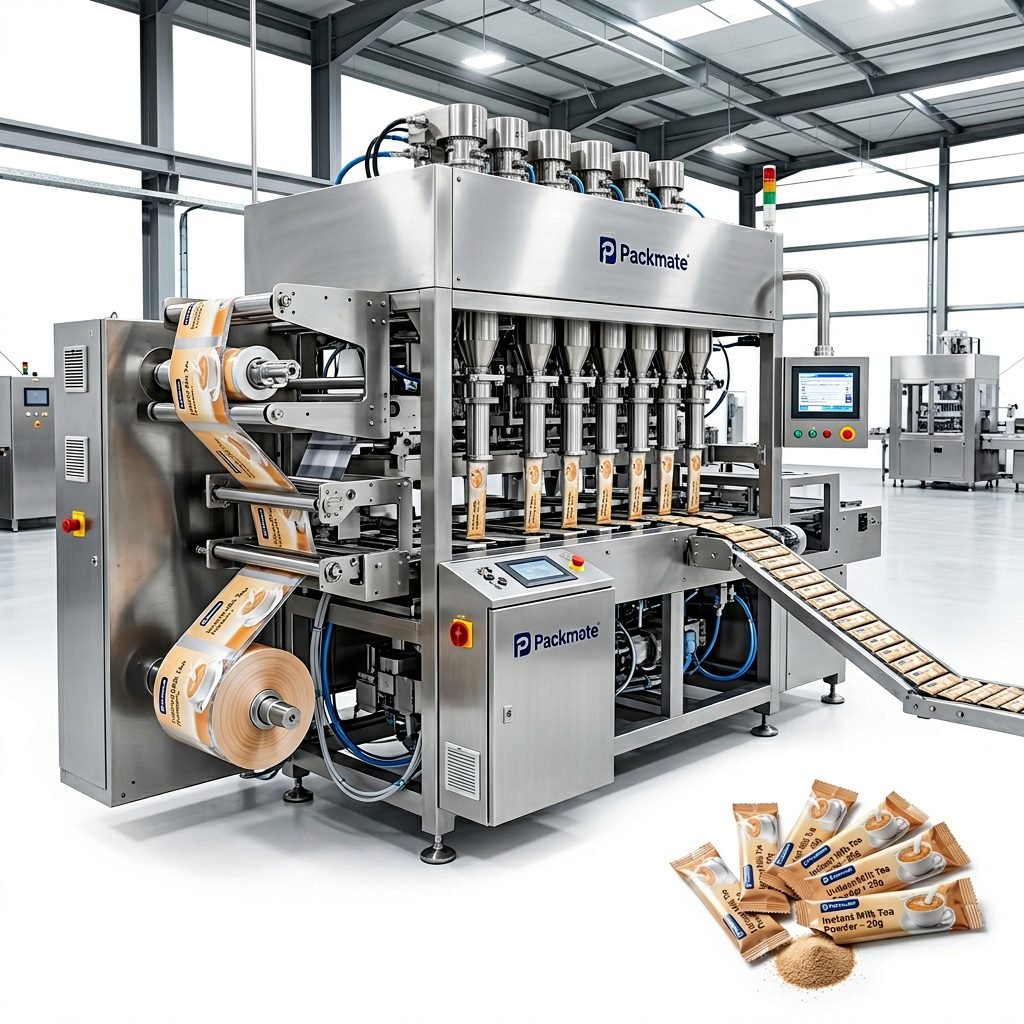
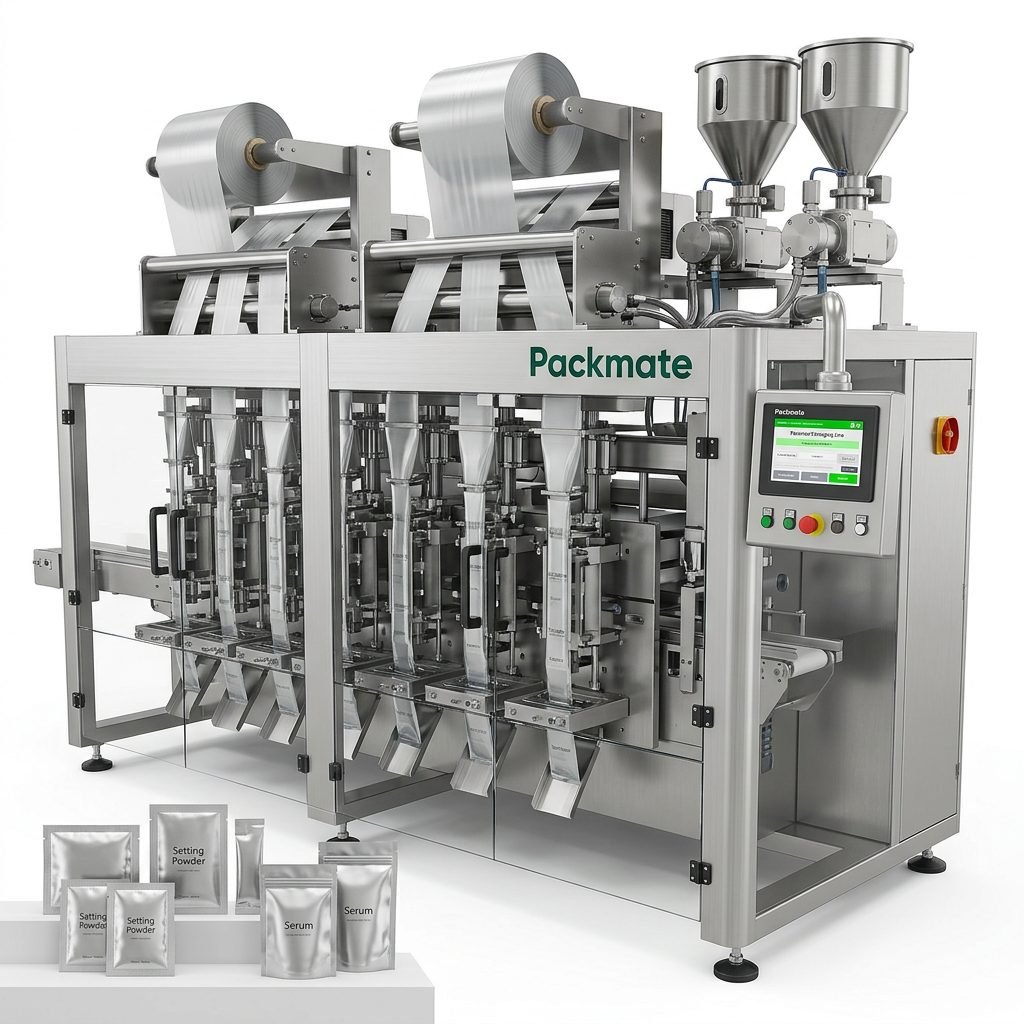
The heart of the operation. These machines form the packaging from a roll of film, accurately fill the product, and hermetically seal it—all in one continuous motion. Multi-lane configurations, such as those for stick packs or sachets, dramatically increase output. For a deeper look at our specific technologies, explore our comprehensive packaging solutions.
3. Precision Weighing & Filling Units
Utilizing auger, volumetric, or net-weight filling technology, these units guarantee accuracy down to the milligram. This is especially critical for active pharmaceutical ingredients (APIs) where dosage is directly tied to therapeutic effect.
4. Integrated Vision Inspection Systems
Quality assurance is automated. Cameras inspect every package for seal integrity, fill level, print registration, and the presence of foreign particles, rejecting any substandard units without halting the line.
5. Secondary Packaging & Robotics
Finished primary packages are automatically collated, cartoned, and palletized. Robotic arms provide flexibility for handling different pack patterns and box sizes, completing the journey from product to shippable pallet.
Tailored Solutions for Each Sector
Food Industry Applications
From instant coffee and soup mixes to spices and tea, precision packaging preserves flavor, aroma, and freshness. Lines are built with food-grade materials and often include nitrogen flushing capabilities to displace oxygen, significantly extending shelf life. The demand for single-serve and portion-controlled packaging continues to grow, perfectly served by high-speed sachet and stick pack machines.
Pharmaceutical & Nutraceutical Demands
This sector has the most stringent requirements. Packaging lines must be designed for easy cleaning and validation, often constructed with 316L stainless steel and featuring CIP (Clean-in-Place) systems. Traceability is key, with systems capable of printing and verifying unique batch codes, expiry dates, and barcodes on every unit. Whether packaging effervescent tablets, protein powders, or herbal supplements, the margin for error is zero. Discover how we meet these challenges in our detailed project case studies.
The Packmate Advantage: Engineering Your Success
Selecting a partner for your turnkey automation project is as important as selecting the technology itself. This is where a company’s experience, philosophy, and support infrastructure become decisive. With over 22 years of dedicated development, Packmate (GuangDong) Co., Ltd. has built its reputation on a foundation of deep industry knowledge and client collaboration.
Our process begins with a thorough analysis of your product characteristics, target output, and facility constraints. Our team of 125+ professional engineers and technicians then designs a system that is not just a collection of machines, but a cohesive production asset. From our 20,000㎡ modern manufacturing facility, we oversee the build, integration, and rigorous testing of every line before delivery.
The true “turnkey” promise is realized upon installation. Our experts supervise the setup, conduct comprehensive training for your operators and maintenance staff, and perform production trials to ensure the line meets all specified performance criteria. This end-to-end responsibility, from concept to consistent production, provides unparalleled peace of mind. Learn more about our commitment and journey on our Company Profile page.
Why a Turnkey Approach from a Single Supplier?
- Unified Responsibility: One point of contact for design, machinery, software, installation, and service eliminates finger-pointing between multiple vendors.
- Optimized Integration: Machines designed and built to work together from the outset ensure smoother communication, higher overall equipment effectiveness (OEE), and easier troubleshooting.
- Future-Proof Support: Long-term access to original spare parts, software updates, and technical support from the OEM ensures the longevity and performance of your investment.
Looking Ahead: The Future of Automated Packaging
The evolution of precision packaging is tightly linked to Industry 4.0. The next generation of turnkey lines will feature even greater connectivity, with IoT sensors providing real-time data on machine health, production efficiency, and predictive maintenance needs. Artificial Intelligence (AI) will enhance vision inspection systems, catching even more subtle defects. Furthermore, sustainability pressures will drive innovation in using thinner, recyclable, or biodegradable films without compromising packaging integrity—a challenge that advanced FFS technology is poised to meet.
Investing in a precision turnkey automated packaging line is a strategic move to build resilience, ensure quality, and secure a competitive edge. It transforms packaging from a cost center into a value-driving, reliable core of your production operation. For businesses ready to take this step, partnering with an experienced provider like Packmate ensures the journey is smooth, the technology is robust, and the results are transformative. To start a conversation about your specific needs, please contact our engineering team.
Frequently Asked Questions (FAQs)
1. What is the typical lead time for a custom turnkey packaging line?
Lead times vary significantly based on the line’s complexity, from standard configurations to fully custom systems. Generally, it ranges from 4 to 9 months from order confirmation to delivery. This period includes detailed engineering, manufacturing, factory acceptance testing (FAT), and preparation for shipment. A detailed project timeline is always provided during the quotation phase.
2. How do you ensure the line will work with our specific product?
We begin with a product sample analysis in our lab. We test flow characteristics, density, and other physical properties. Based on this, we recommend the most suitable feeding and filling technology. The most critical step is the factory acceptance test (FAT), where we run your actual product on the completed line at our facility, achieving agreed-upon performance metrics before it is ever shipped.
3. What kind of training and after-sales support do you provide?
We provide comprehensive on-site training for machine operators, maintenance technicians, and line supervisors during installation and commissioning. This covers operation, routine maintenance, troubleshooting, and safety procedures. Our after-sales support includes a warranty period, remote support via video call, a stock of commonly needed spare parts, and the availability of service engineers for on-site visits if needed.
4. Can your systems integrate with our existing ERP or MES software?
Yes, modern turnkey lines are equipped with PLCs and SCADA systems that can generate production data (output, downtime, OEE). This data can typically be exported in standard formats (CSV, OPC UA) or, with proper specification during the design phase, integrated via APIs to communicate with your factory’s broader Manufacturing Execution System (MES) or Enterprise Resource Planning (ERP) software.
5. Are your machines compliant with international safety and industry standards?
Absolutely. Our machines are designed and built to comply with key international standards such as CE (for the European market) and relevant parts of GMP for pharmaceuticals. They incorporate essential safety features like guarded interlocks, emergency stops, and safety-rated components. Specific certifications for your target market can be discussed during the project planning stage.