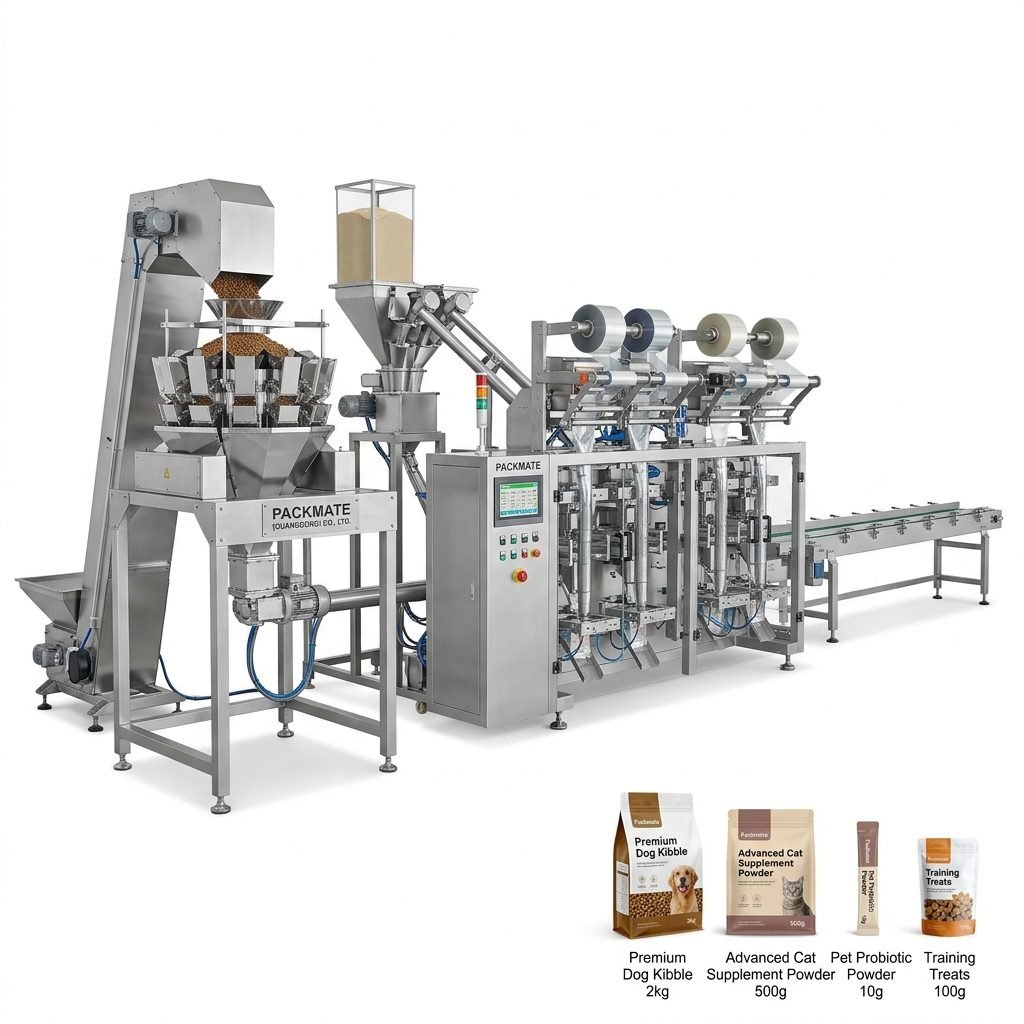
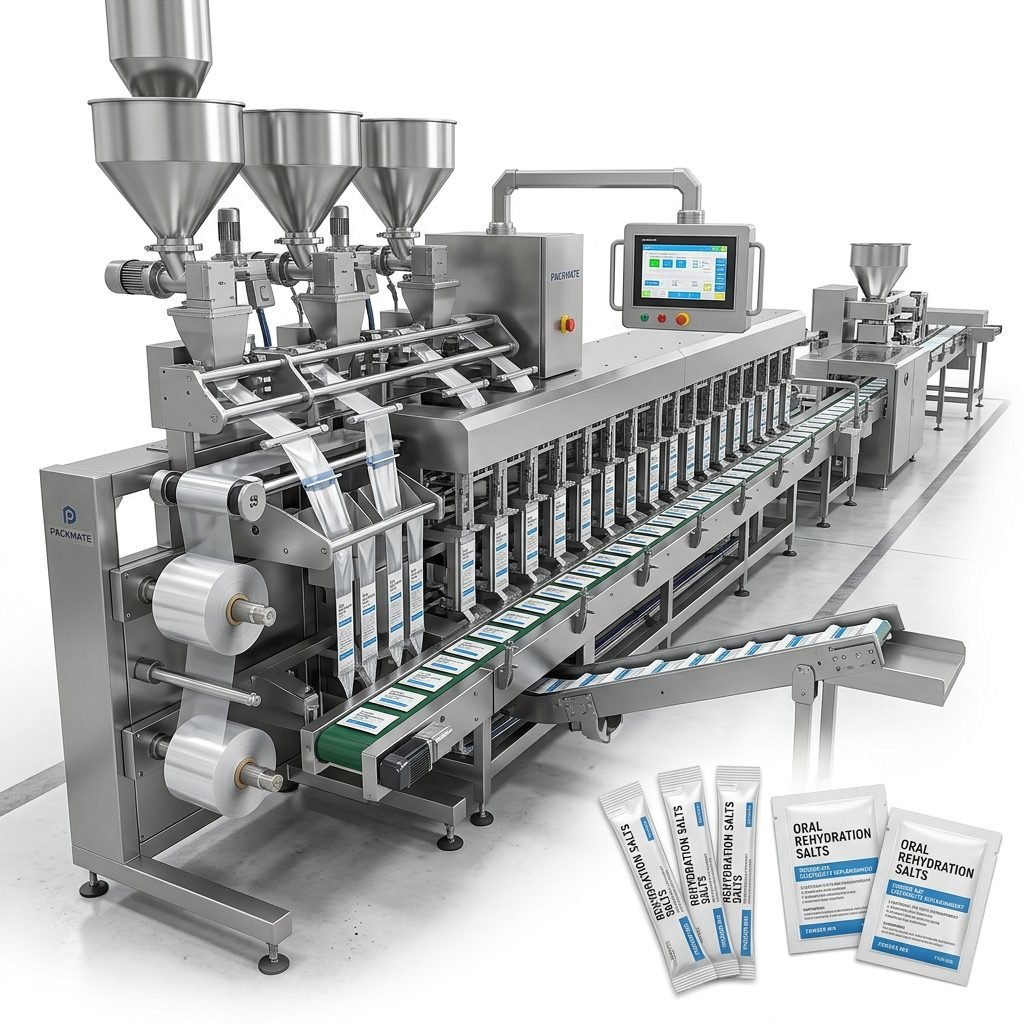
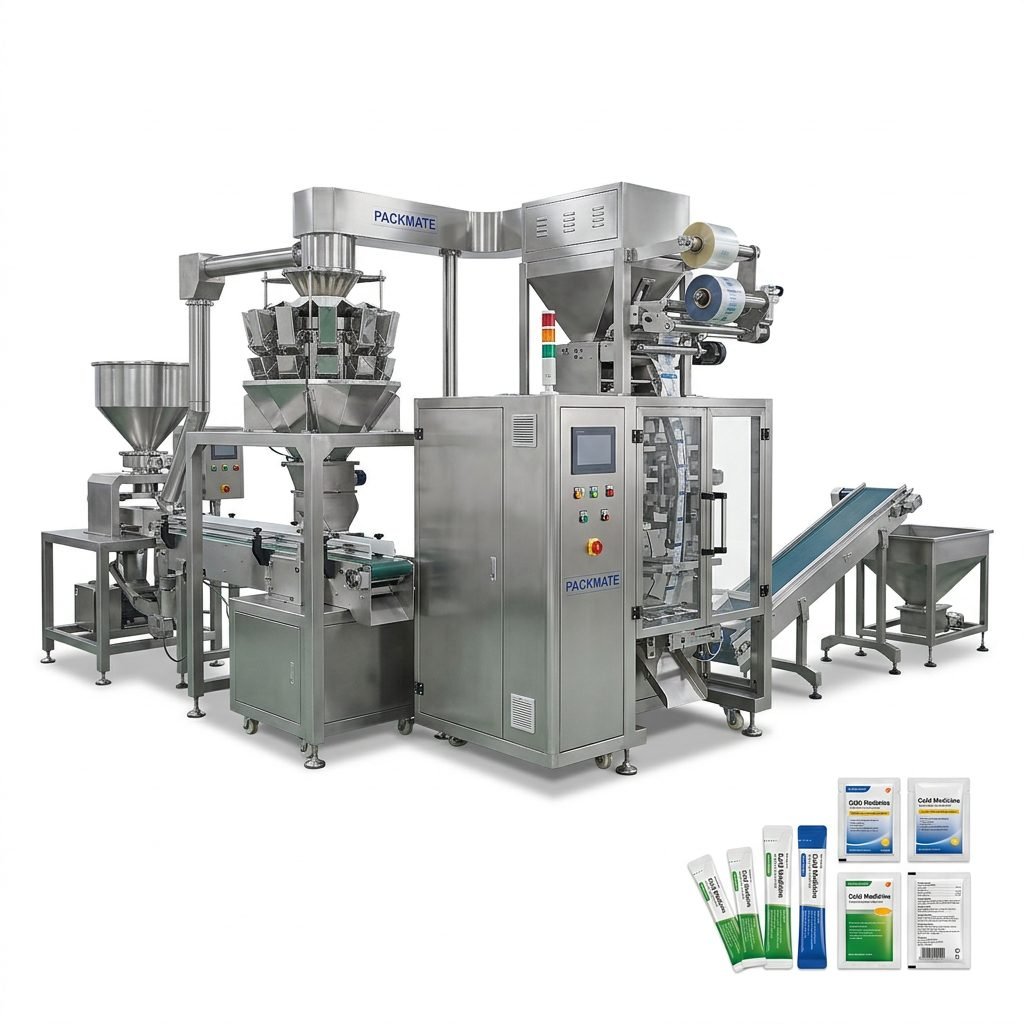
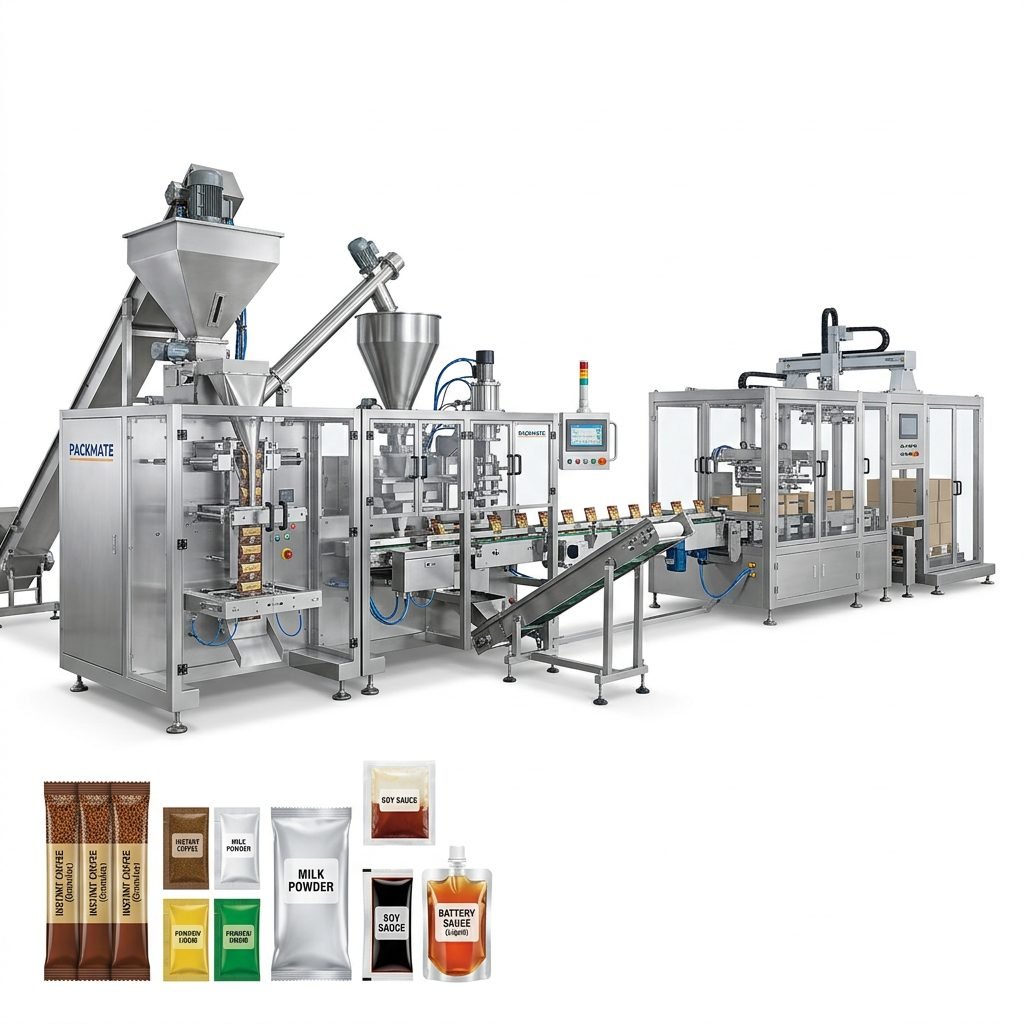
The snack industry is a dynamic and fast-paced world where consumer demand is constantly evolving. From classic potato chips and roasted nuts to gourmet candies and healthy trail mixes, the variety is endless. To stay competitive in this market, manufacturers need more than just great recipes; they require packaging that is efficient, consistent, and visually appealing. This is where a dedicated snack packaging line becomes not just an asset, but a necessity for scaling production and ensuring product integrity from the factory floor to the consumer’s hands.
The Core Challenge: Packaging Diversity at High Speed
Snacks present unique packaging challenges. Products vary dramatically in size, shape, weight, and fragility. Lightweight potato chips require protection from crushing, while oily nuts need a barrier against oxidation. Sticky candies demand precision filling, and mixed products need careful handling. A manual or semi-automated process often leads to inconsistencies, higher labor costs, and slower output, creating a bottleneck for growth.
What is a Turnkey Automated Snack Packaging System?
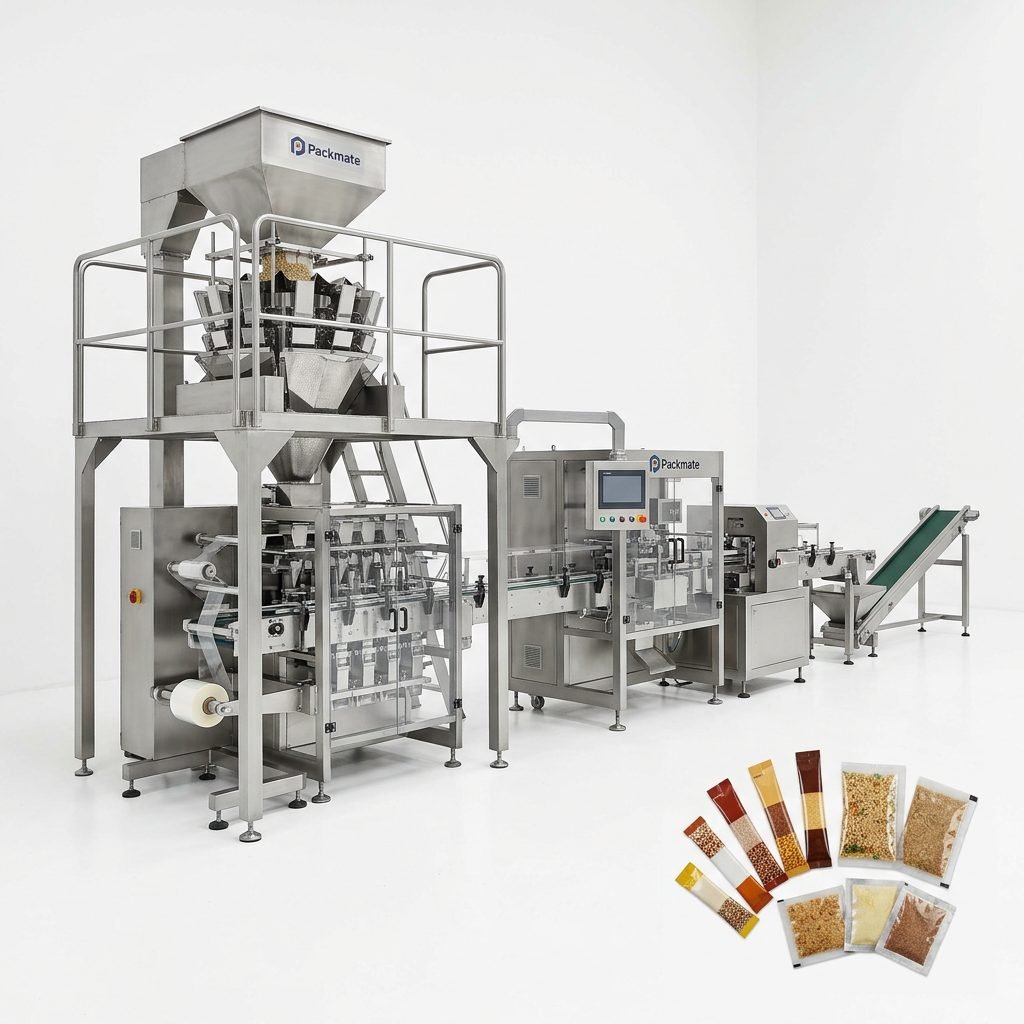
A turnkey system is a complete, ready-to-operate solution provided by a single supplier. It goes beyond selling individual machines. For snack packaging, this means a supplier like Packmate designs, integrates, installs, and commissions a synchronized line that takes your product from bulk handling to final cartoning. The “turnkey” aspect implies you can literally “turn the key” and start production, with comprehensive training and support included.
Key Components of a Modern Snack Packaging Line
A robust automated line is a symphony of specialized machinery, each playing a critical role. Understanding these components helps in planning an effective packaging solution.
1. Feeding & Conveying Systems
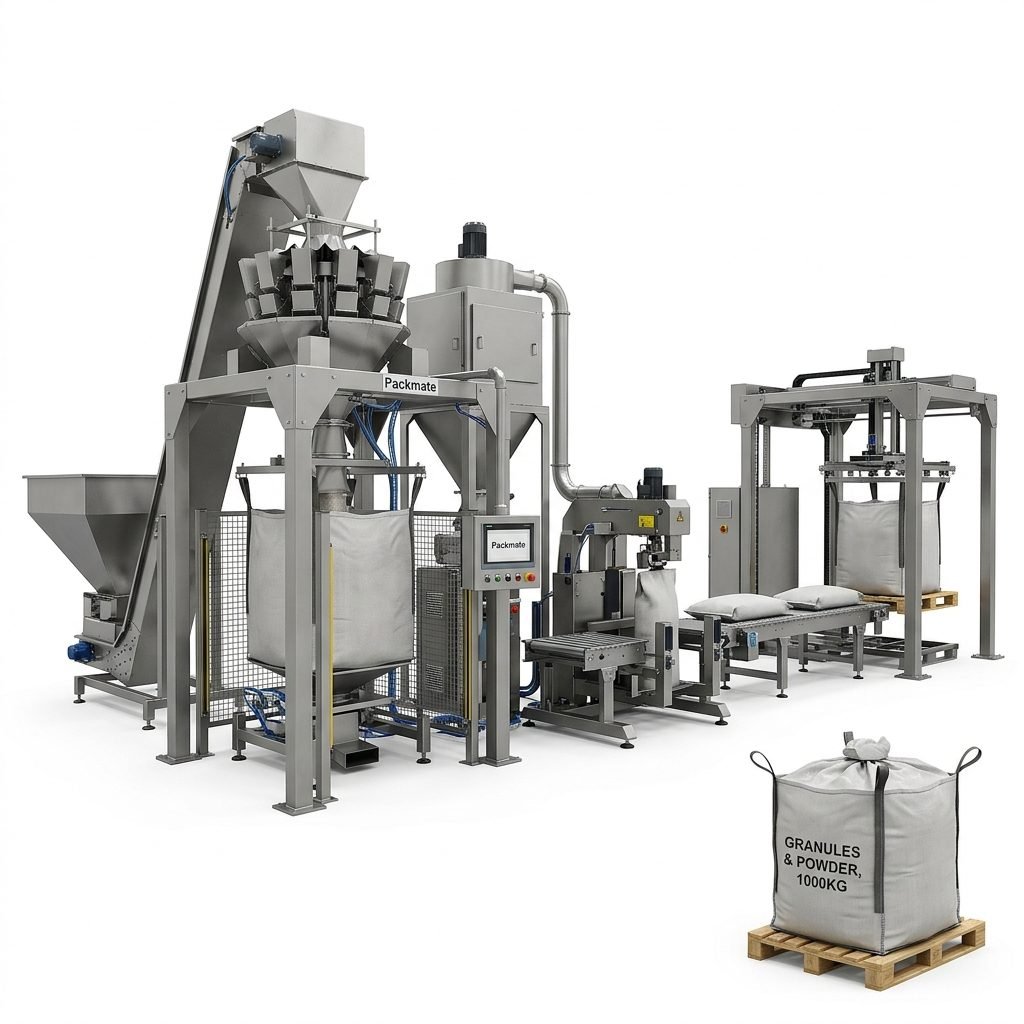
This is the starting point, where bulk snacks are gently and consistently fed into the packaging machine. Vibratory feeders, bucket elevators, or gentle conveyor belts are used depending on product fragility. For mixed snacks like trail mix, multi-head weighers or volumetric cup fillers ensure accurate portioning of each component.
2. Primary Packaging Machine
The heart of the line, this machine forms, fills, and seals the individual packages. The choice depends on the package style:
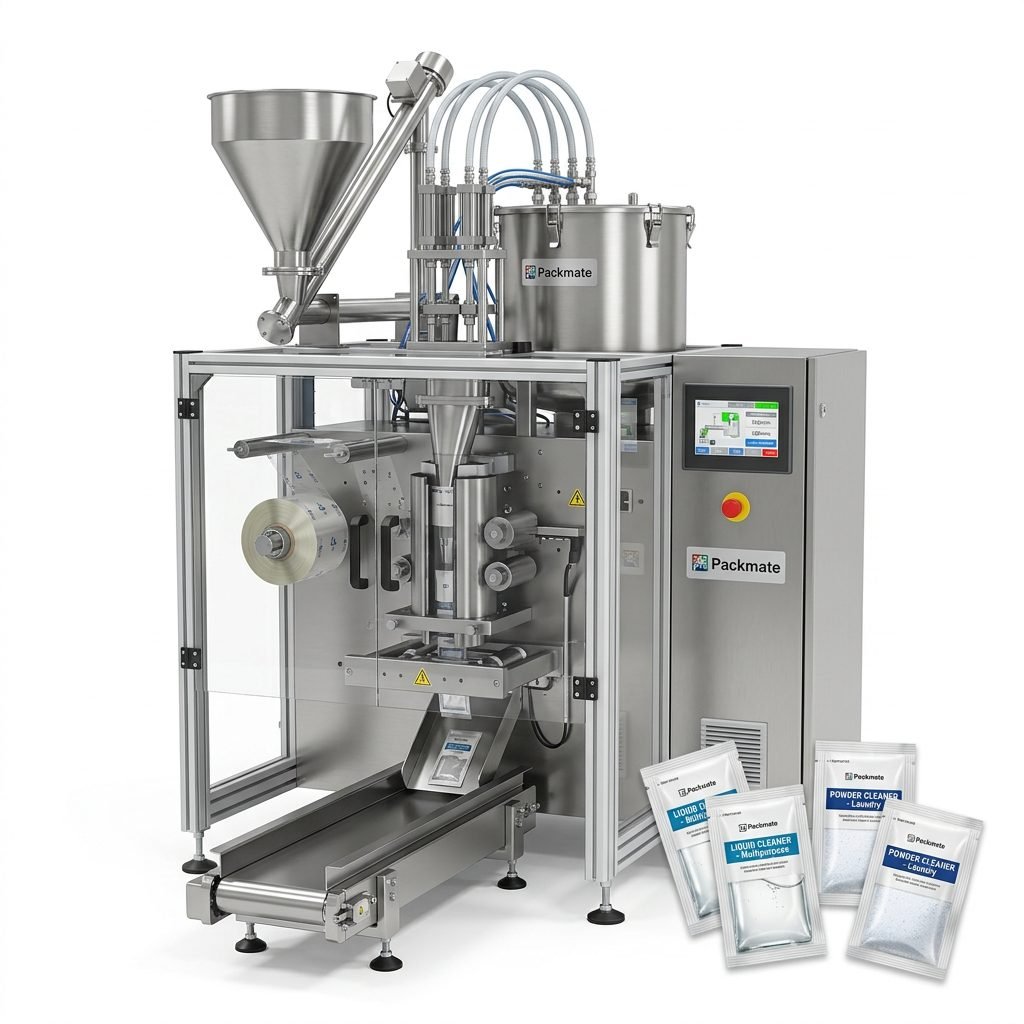
- Vertical Form-Fill-Seal (VFFS) Machines: The most common for bags of chips, nuts, and candies. A flat roll of film is formed into a tube, filled with product, and then sealed horizontally and vertically to create pillow bags or gusseted bags.
- Horizontal Flow Wrappers: Ideal for bar-shaped snacks or items that need to be bundled together. The product is placed on a web of film which is then wrapped around it and sealed.
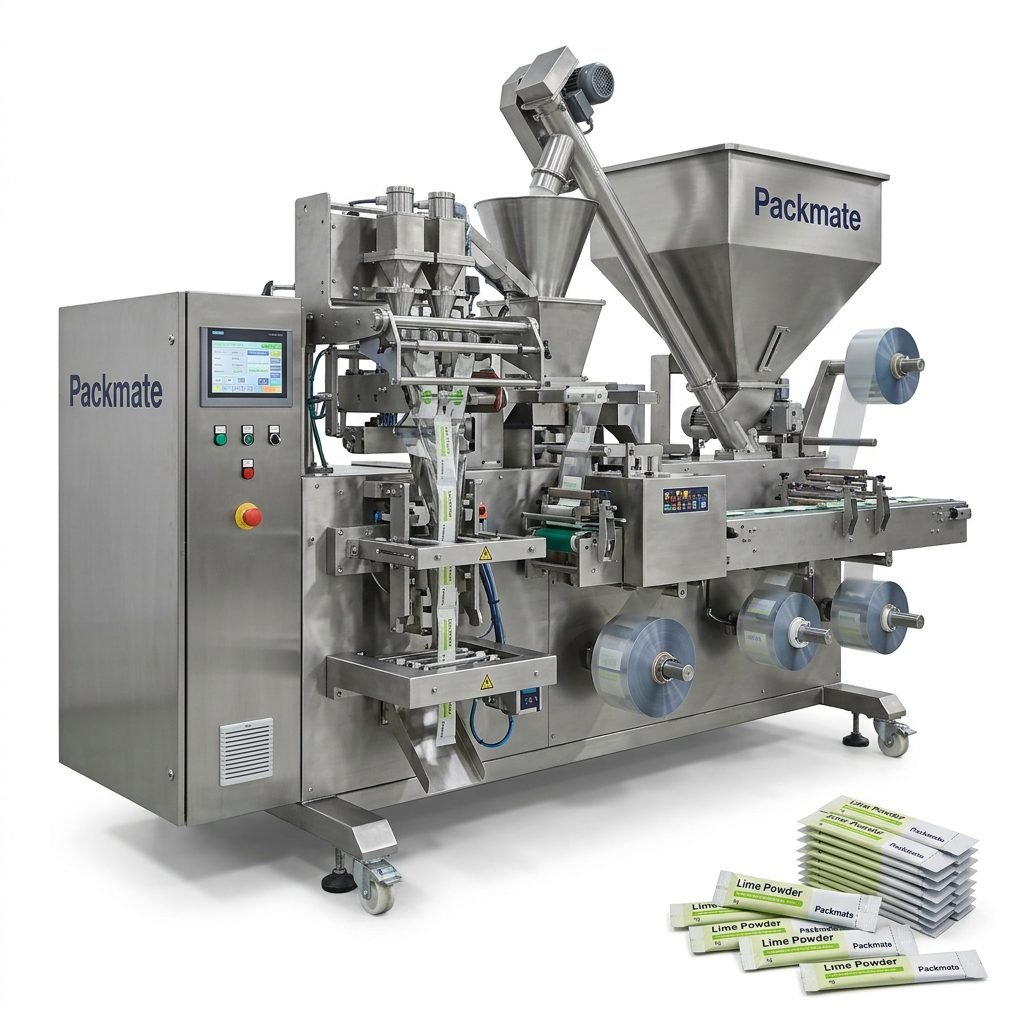
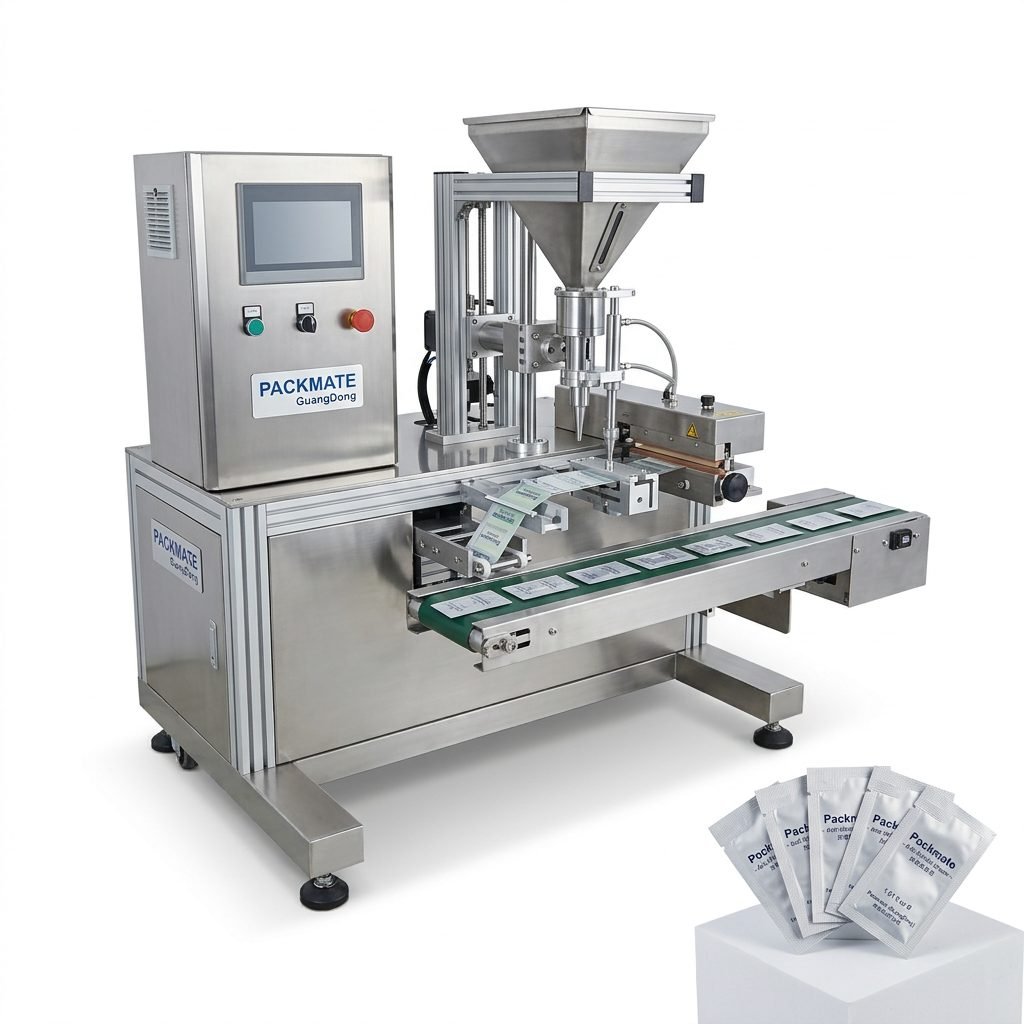
- Stick Pack & Sachet Machines: Perfect for single-serve portions of seasoning, powder-coated nuts, or small candies. These create slim, upright packets from roll stock.
3. Checkweighers & Metal Detectors
Critical for quality control and safety. Checkweighers ensure every bag meets the declared weight, avoiding underfills (which upset customers) and overfills (which cut into profits). Metal detectors scan for any ferrous or non-ferrous metal contaminants, a vital step for consumer safety and regulatory compliance.
4. Secondary Packaging: Cartoning & Case Packing
Once primary bags are sealed, they are collated into groups—for example, 12 single-serve bags—and automatically loaded into a carton. Case packers then take filled cartons and place them into shipping cases. This automation dramatically reduces manual handling and prepares products for palletizing.
Benefits of a Fully Integrated Snack Packaging Line
Investing in a complete, automated system from a trusted provider delivers transformative advantages:
➤ Dramatically Increased Output: Automated lines can run 24/7 at speeds far exceeding manual labor, scaling production to meet market demand.
➤ Unmatched Consistency & Quality: Every package has identical weight, seal integrity, and appearance, building strong brand trust.
➤ Significant Cost Reduction: Lowers long-term labor costs, minimizes product giveaway from overfilling, and reduces material waste.
➤ Enhanced Flexibility: Modern lines with quick-change parts can handle multiple snack types and package sizes, allowing for agile response to market trends.
➤ Improved Hygiene & Safety: Reduces human contact with food product, meeting stringent HACCP and FDA standards, while also creating a safer work environment.
Choosing the Right Partner for Your Turnkey Solution
Selecting a supplier is as crucial as selecting the machinery. Look for a partner with deep industry experience and a proven track record. A company like Packmate Packaging Line, with over 22 years in the business, offers invaluable expertise. They don’t just sell machines; they engineer solutions based on your specific product, volume, and goals. Reviewing their project case studies can provide concrete evidence of their capability to deliver successful snack packaging lines.
The Implementation Process: From Vision to Reality
A professional turnkey project follows a structured path:
- Consultation & Needs Analysis: Engineers discuss your product specs, target output, and facility constraints.
- Line Design & Proposal: A custom layout and equipment list is created, often with 3D simulations.
- Manufacturing & Factory Acceptance Test (FAT): The line is built and tested at the supplier’s facility, where you can witness its operation.
- Installation & Commissioning: The team installs the line in your factory, integrates it with utilities, and fine-tunes it for your product.
- Training & Handover: Comprehensive training for your operators and maintenance staff ensures smooth, long-term operation.
- Ongoing Support: Reliable after-sales service and support with spare parts availability is essential for minimizing downtime.
Future-Proofing Your Snack Packaging Investment
The snack industry continues to innovate with new textures, flavors, and health-conscious ingredients. Your packaging line should be adaptable. Discuss future needs with your supplier—modular designs that allow for easy upgrades, compatibility with sustainable packaging materials like compostable films, and integration with Industry 4.0 data collection systems for real-time production monitoring and predictive maintenance.
In conclusion, a turnkey automated snack packaging line is a strategic investment that drives efficiency, quality, and growth. By automating the process for chips, nuts, candy, and more, manufacturers can ensure their products are protected, presented perfectly, and delivered to market with speed and consistency. Partnering with an experienced provider transforms the complex challenge of packaging into a reliable, competitive advantage.
Frequently Asked Questions (FAQs)
1. What is the typical lead time for a complete turnkey snack packaging line?
Lead time varies significantly based on line complexity and customization. For a standard VFFS-based line, it can range from 16 to 24 weeks from order to installation, including design, manufacturing, factory testing, and shipping. Your supplier should provide a detailed project timeline during the quotation phase.
2. Can one packaging line handle multiple different snack products?
Yes, with proper design. Many modern lines are built for flexibility. By incorporating quick-change parts for different bag sizes, interchangeable feeding systems (e.g., switching from a weigher for nuts to a volumetric filler for puffed snacks), and programmable logic controllers (PLCs), a single line can often run a family of similar products, minimizing changeover time and cost.
3. How do you ensure the fragile snacks (like chips) aren’t damaged during high-speed packaging?
Protecting fragile products is a key engineering focus. Solutions include using gentle bucket elevators or vacuum conveyors for feeding, designing product drop chutes with cushioning angles, implementing soft-start/stop mechanisms on conveyors, and using multi-head weighers with gentle collection funnels. The line layout is optimized to minimize drops and impacts.
4. What kind of packaging materials can an automated line use?
A well-designed line is versatile. Most vertical form-fill-seal machines can run a wide range of laminates, including standard metallized films for chips, high-barrier films for nuts (to prevent rancidity), and breathable films for certain fresh snacks. Many machines can also be configured to run recyclable or compostable mono-material films, supporting sustainability goals.
5. What technical support and training is provided after installation?
A reputable supplier offers comprehensive support. This typically includes on-site training for operators and maintenance technicians during commissioning, detailed operation and maintenance manuals, remote support via phone or video call, and a reliable supply of genuine spare parts. Many also offer annual service contracts for preventive maintenance. You can explore typical support structures on a supplier’s FAQs page.